
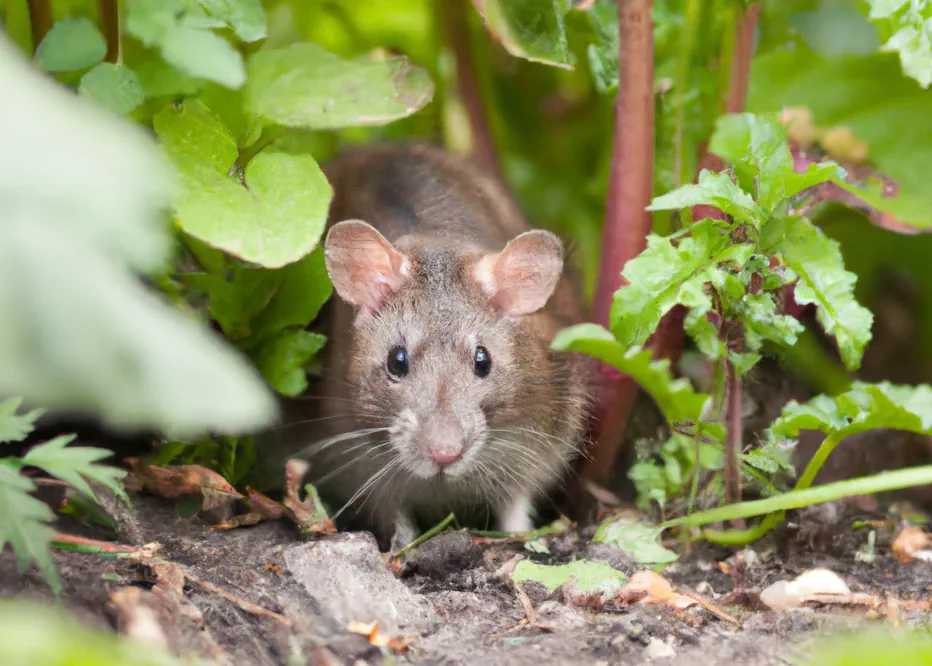
Compare daytime rat shelter outdoors and indoors, interpret nighttime sounds and decide which inspection and prevention steps matter.
Rats are mainly active at night, but they may also be seen during daylight. During quieter periods they use sheltered places outdoors or inside buildings. A daytime sighting is a reason to inspect current activity, food and access; it is not a reliable measure of how many rats are present.
Daylight sightings and nighttime activity
UC IPM describes rats as primarily nocturnal. That tendency is different from an exact schedule tied to sunrise and sunset. Activity can occur in daylight, and a sighting alone does not establish why the animal was out or prove a large infestation.
Record the location, time and what you actually saw. Repeated observations, new droppings after suitable cleanup and current damage are more useful than a daytime-versus-nighttime rule. Neither lack of daytime sightings nor a quiet night certifies that a building is clear. Start with evidence and possible resources rather than a population estimate.
Compare rat-like sounds in an attic with nest and dropping evidence; sound alone does not confirm a rat.
Outdoor shelter: ground cover and elevated places
Norway rats often shelter in burrows or lower cover. Debris, stored material and dense vegetation can conceal protected spaces. Roof rats commonly use trees, shrubs, vines and other elevated cover, and they can also shelter in buildings. Species tendencies overlap; an outdoor location does not settle identification.
Inspect accessible developed areas near garbage, feed storage, fallen fruit and outbuildings without opening a burrow or nest. Organize clean storage so edges remain visible. Consider the whole setting: food may be elsewhere, and roof rats can range across property boundaries. Native or protected habitat should not be cleared indiscriminately to remove every possible hiding place.
Covered waste areas, sheltered edges near dumpsters and stored wood may deserve inspection. Rats can also use sewers; the route cannot be assumed from a nearby drain. Report suspect drain or plumbing access for a qualified assessment rather than opening a sewer or searching it yourself.
The outdoor rat prevention guide connects yard food and shelter with building access and ongoing monitoring.
Compare mouse nest appearance with nearby droppings and gnawing; shredded material alone does not prove an active breeding nest.
Indoor shelter: attic, garage and concealed spaces
Attics, garages, basements or crawlspaces where present, wall voids and protected storage can offer shelter. Cabinet or appliance-adjacent gaps may connect feeding areas to concealed spaces. Roof rats often use elevated sites; Norway rats tend toward lower areas, but neither is restricted to one floor.
A pile of fibrous material may be nesting material, ordinary debris or old disturbance. It does not establish occupancy or pups. Mouse nests can resemble rat nesting material, so the comparison needs surrounding signs and qualified identification. Do not enter an unsafe attic, open walls or move connected appliances simply to search. Include shelter and feeding routes as separate inspection questions.
Duct evidence calls for professional rodent-removal and ventilation-system assessment. Broken drains can be an entry route, but a cabinet noise does not prove plumbing access. Sheltered gutters or roof defects warrant safe qualified inspection; no particular hiding location is established by noise alone.
What rats may be doing at night—and what sounds mean
Nighttime activity can include movement and feeding, with gnawing or scratching drawing attention in a quiet house. Sound can travel through framing and cavities. Its volume does not reliably identify the species, count the animals or pinpoint a nest directly above the room.
Do not infer “playing,” “socializing” or a particular breeding stage from a sound. Note the time and apparent area, then compare it with accessible physical evidence. A provider may need to inspect connected spaces or use suitable observation methods. Electrical or plumbing noises and other animals can also merit assessment; opening a wall is not the first step to identify a sound.
Use current signs to guide the decision
Photograph accessible droppings, gnawed packages, rub-like marks or damaged stored items and date the observations. Do not touch waste to test freshness. CDC notes that new droppings after appropriate cleanup support current activity; old damage and waste may remain after an animal is gone.
Keep possible nests undisturbed and people and pets away from affected areas. Rodent waste should not be dry swept or vacuumed. Small accessible hard-surface accumulations need CDC wet-cleaning precautions, while heavy deposits, insulation and ducts require further assessment. A hearing or hiding-place question can therefore lead to separate identification, contamination and repair needs.
Food and access explain what needs attention
Secure waste and protect food and feed in sturdy sealed containers. Clean accessible residue, manage fallen fruit and birdseed spills, and organize uncontaminated storage. Correct unnecessary leaks without withholding pets’ drinking water. Sanitation reduces support but does not close an entry or reliably remove established rats alone.
Check accessible door and garage corners, utilities, foundations, vents, soffits and roof transitions. Some rats can use a half-inch door gap, while mice need smaller openings addressed. Choose fitted durable repairs compatible with ventilation and drainage, and coordinate closure with professional assessment and removal of animals already inside. High pruning and utility work belong to qualified people.
Pick up dog feces promptly as part of yard sanitation. UC IPM includes it among rat food resources. Use normal hygienic pet-waste handling and keep the area inspectable; finding feces does not explain every daylight sighting or identify the animal.

When to arrange an inspection and what to ask
Renewed signs, food contamination, uncertain sounds, inaccessible shelter or material damage justify professional assessment. Ask the provider to identify the likely species, current activity areas, lawful removal method, non-target protections, cleanup responsibility and repair needs. Florida distinguishes commensal rats and house mice from native wildlife.
Do not trap, kill, handle or relocate animals yourself. Any pesticide needs the correct species, site and label. Keep dated evidence after suitable cleanup and intervention, and ask how renewed activity will be reassessed. Scents, ultrasonic devices or one quiet night are not dependable substitutes for a documented plan. Request an actual scope and terms rather than assume a free visit, fixed schedule or guarantee.
You can contact On Demand Pest Control to discuss the observed signs and inspection options. Confirm the proposed scope, pricing and availability directly.
Get help with your pest concern.
Tell us what you are seeing. Our team can discuss the concern and the next step. For a real-estate transaction, ask separately about paid WDO reports or clearance letters and their required scope.
- Share your concern and contact details.
- Our team contacts you to discuss available service.
- Ask for a written scope and quote before work.
Where can we reach you?
Share your contact details to discuss an inspection.
By submitting, you’re asking On Demand Pest Control to contact you about this request.
↗ Prefer to call? (954) 947-0805