
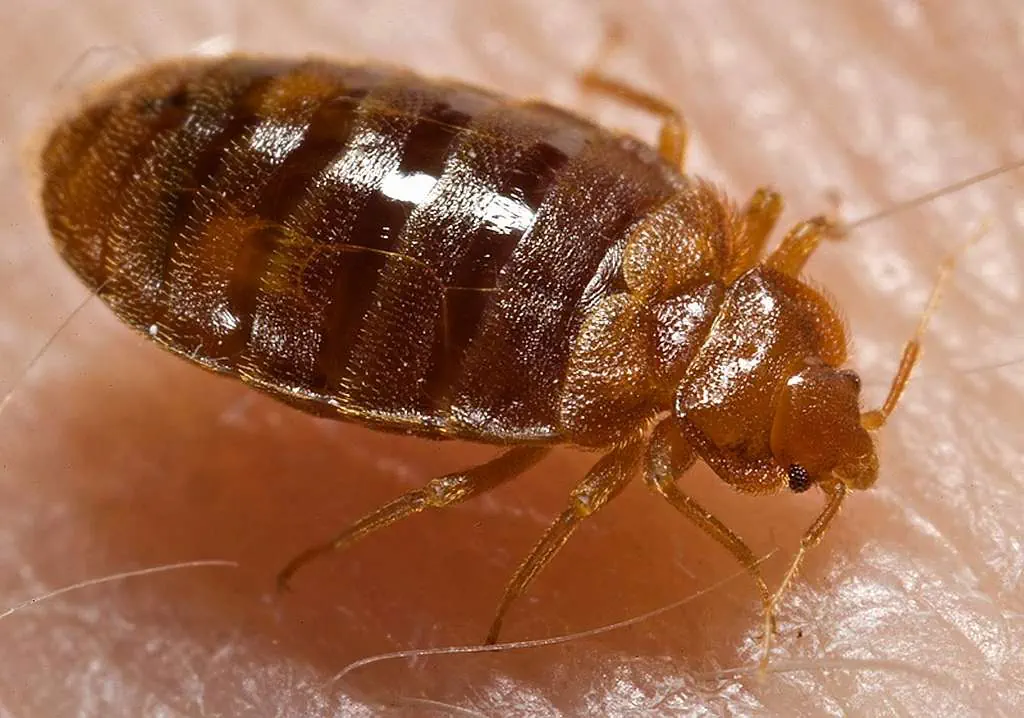
Contain suspect clothing, use appropriate treatment for suitable items and address nearby harborages as well as laundry.
Bed bugs can hide in clothing, laundry bags and luggage, especially where belongings sit undisturbed near an infested sleeping or resting area. Related context: bed bug identification.
They do not normally live on people the way lice do, and finding one on a garment does not prove the whole closet is infested.
The immediate priorities are identification, containment and a safe treatment plan for suitable belongings.
Inspect accessible seams and folds, bag suspect items before moving them and address the room or building as well as the laundry. A dryer load can treat selected belongings; it cannot establish that every hidden bed bug has been removed. Related context: identifying early signs of bed bugs.
Understanding Bed Bug Behavior
Bed bugs are small, nocturnal insects that feed on human blood.
They are known for their ability to hide in tiny crevices and close to their food source, which is often the bed.
However, clothes can also be a potential hiding spot for bed bugs, especially if left on the floor or near the bed.
It’s a myth that bed bugs only reside in dirty places; they can be found in clean environments as well.
Bed bugs seek hosts and shelter, but a worn garment is not a dependable trap or proof of infestation. Assess the sleeping area, furniture and belongings together.
Identifying Bed Bug Hiding Spots in Clothes
Bed bugs can hide in the seams, folds, and pockets of clothing.
They prefer dark, undisturbed areas, making cluttered closets a potential risk.
Regular inspection of clothes, especially after traveling, can help prevent bed bug infestations.
Small bugs can be missed in seams and folds. A clear specimen or photograph helps confirm identification, and inspecting only garments does not clear nearby furniture. Related context: what does a nest of bed bugs look like.
Using a flashlight and magnifying glass can aid in the inspection of clothes for bed bugs.
Common signs of bed bugs in clothes include:
- Stains may be clues but are not a species identification.
- Fecal spots
- Odor is not a reliable stand-alone identification method.
How to Tell If Bed Bugs Are On Your Clothes
Identifying bed bugs on your clothes can be a challenge due to their small size and secretive nature.
They are nocturnal insects that feed on human blood, often leaving small blood stains on the fabric.
Another sign of bed bugs is the presence of tiny, dark fecal spots. These are often found along seams or in folds of clothing.
Odor alone cannot confirm bed bugs or tell you how many are present.
Bites cannot reliably diagnose bed bugs. Skin reactions vary and may be delayed or caused by something else; look for identified insects and other evidence.
Effective Methods to Remove Bed Bugs from Clothing
If you find bed bugs on your clothes, it’s crucial to act quickly to prevent further infestation.
High-heat drying can kill bed bugs on suitable items, while washing alone may not. Follow the garment’s heat tolerance and the provider’s laundry instructions rather than treating a water temperature as a universal kill guarantee. Related context: understanding the lethal temperatures for bed bugs.
Use a dryer on high heat for suitable belongings without overcrowding the load. Confirm the cycle appropriate to the item and equipment, then move treated items into a clean sealed bag or container.
A twenty-four-hour household freeze is not a reliable procedure. EPA describes cold treatment only when a thermometer verifies a freezer at 0°F and items remain in a sealed bag for three days; dense items and delicate materials require further guidance. Do not assume an ordinary freezer or outdoor cold is adequate.
Remember, moving infested clothes around can spread the bugs. So, it’s best to handle them carefully and avoid taking them into other areas of your home.
Preventative Measures to Keep Bed Bugs Away from Your Clothes
Preventing bed bugs from infesting your clothes is easier than dealing with an infestation.
One of the best ways to prevent bed bugs is by maintaining a clean and organized living space. Regular vacuuming and decluttering can minimize potential hiding spots.
When traveling, inspect your hotel room for signs of bed bugs. Check the bed, furniture, and your clothes. If you suspect an infestation, wash and dry your clothes on high heat as soon as possible.
Learn more about preventing bed bugs when traveling by viewing our blog “How to Prevent Bed Bugs at Home and During Travel”.
For clothes that are not in regular use, consider sealing them in vacuum-sealed bags or plastic containers. This can protect them from potential bed bugs.
Here are some additional preventative measures:
- Regularly change and inspect bed linens.
- Inspect secondhand clothes and furniture before bringing them into your home.
- Use properly fitted bed bug encasements for the mattress and box spring if recommended; encasement does not clear the whole room.
- Use bed bug interceptors to monitor for bed bug activity.
- Include nearby pet bedding in inspection without applying household pesticide to an animal.
When to Seek Professional Pest Control Help
If you’ve taken all the necessary steps and still find signs of bed bugs, it’s time to call in the professionals.
Pest control experts have the knowledge and tools to effectively eliminate bed bugs from your clothes and living spaces. They can also provide advice on preventing future infestations.
Confirmed bed bugs merit a coordinated plan. Anyone can encounter them; avoid stigma and keep identification, preparation and follow-up focused on evidence.
Staying Vigilant Against Bed Bugs in Clothes
Bed bugs hiding in clothes can be a distressing issue, but with awareness and proactive measures, you can protect your garments and your home. Regular inspection, cleaning, and proper storage of clothes can significantly reduce the risk of infestation.
Remember, bed bugs are not a sign of poor hygiene or cleanliness. They are opportunistic pests that can infest any space, regardless of how clean it is.
Ask On Demand Pest Control about an inspection and a property-specific plan. Confirm the service area, methods and follow-up rather than assuming every location and treatment option is covered. Related context: pest control ft lauderdale. Related context: pest control hollywood. Related context: pest control estero. Related context: pest control naples.
Use the existing contact route to ask about assessment and preparation. Do not move unbagged suspect belongings to another room while arranging help. Related context: contact option.
A clothing workflow that contains bugs without treating every garment as infested
Start by identifying the insect or evidence. A dark spot, an itchy mark or a musty odor is not enough to establish that bed bugs are in the wardrobe. Photograph accessible insects and preserve a specimen when safe. Check nearby sleeping and resting furniture as well as clothes on the floor. The location of one insect does not prove every hanging garment contains bugs, and a clean-looking seam does not clear the entire room.
Divide belongings into suspected, treated and not-yet-assessed groups. Keep the labels simple and record the date and method used. Bag suspect items before carrying them through a hallway or shared laundry area. Do not place treated laundry into the same unclean basket or bag that held the original load. Containment helps prevent movement; it is not by itself a kill procedure for an item stored for a short period.
Use the provider’s laundry instructions together with fabric care labels. EPA describes a clothes dryer on high heat as a useful method, but some items cannot tolerate it and some loads are too bulky for reliable exposure. Do not overload the drum or rely on a lukewarm wash to finish the job. If the item needs a specialty cleaner, explain the suspected pest before transport and ask how it should be contained.
For garments that have already been appropriately treated, use a clean sealed bag or sound container until the affected room and storage area have been addressed. Label the contents so you do not repeatedly open every bag to find one shirt. A zipper bag that has torn or a lid that does not fit creates an avoidable opening. Keep the arrangement practical enough that the household can follow it through preparation and follow-up.
Inspect a closet systematically rather than stripping every shelf and scattering belongings. Start with the actual finding and nearby seams, bag edges, furniture joints and accessible cracks. Avoid dismantling electrical fixtures or applying aerosol into switches. If suspect bugs are present in shelving or furniture that cannot be inspected safely, tell the provider before the visit. That evidence can change the inspection scope.
A dryer does not treat an adjacent dresser, a closet crack or a bed frame. Similarly, treating the room does not excuse moving unbagged suspect laundry to another apartment. Discuss the full affected area, preparation and monitoring plan. In a multi-unit property, management should know about confirmed bugs so inspection of nearby spaces can be coordinated. Neither hygiene nor one person’s belongings establishes who introduced the problem.
Do not spray clothing with a general household pesticide. A product must specifically permit its application site, and instructions may prohibit use on items that contact skin. Alcohol, kerosene and gasoline create serious fire risks and should not be used. Essential-oil mixtures or strong fragrance are not reliable ways to clear eggs and hidden bugs. If a chemical is proposed, ask for the product label and the precise surface to be treated.
Cold treatment requires a controlled procedure rather than a night in a freezer. EPA’s household guidance specifies a verified 0°F freezer and a sealed item held for three days. Some home freezers are warmer or fluctuate, and dense items complicate exposure. Ask for advice on items that cannot tolerate heat and confirm the method rather than assuming outdoor cold or a short freeze is equivalent.
Keep a preparation record for items that cannot be moved, dried or cleaned in the usual way. Leather, delicate trim, electronics stored with garments and bulky upholstered pieces have different limits. Tell the inspector about these constraints before treatment. A plan can be adjusted around the real materials; silently skipping preparation or improvising a temperature method creates uncertainty that later inspections cannot resolve easily.
When travelling, inspect the sleeping area and keep luggage from creating an unnecessary connection with the bed or floor. After a suspected exposure, keep the bag contained until inspection and appropriate treatment decisions are made. Do not bring it directly into a clean closet and spray the whole wardrobe. A travel exposure is a reason to assess the actual items, not to diagnose a home infestation without evidence.
Secondhand clothes and furniture deserve inspection before introduction. If a source reports bed bugs or an item contains insects, avoid transporting it uncontained. Furniture disposal is not automatically necessary when safe treatment is possible. Where an item cannot be treated, agree on responsible containment, marking and local disposal so another household does not bring it indoors.
After the initial work, use consistent inspection and interceptor monitoring where appropriate. Report identified live insects and their locations rather than assuming a new itch means the clothes failed treatment. Some skin reactions are delayed and old stains can remain. A single quiet week cannot establish clearance; the provider should explain what evidence will guide follow-up and when additional action is needed.
Ask a prospective provider what inspection, preparation, treatment and monitoring are included. Keep the scope separate from a promise of one-day elimination. Record any products already used and tell the technician where they were applied. Appropriate coordination is more useful than switching between unlabelled remedies whenever another garment is found on the floor.
For a household with children, pets or someone unable to handle the preparation, discuss assistance before the visit. Keep suspect bags out of shared walkways without blocking exits or ventilation. Treating belongings should not create a new trip, exposure or fire hazard. A practical plan accounts for the people who must follow it as well as the bugs and materials being treated.
Additional source context: Request Online.
Sources and further guidance
Guidance below informed the identification and management corrections. A product label and property-specific inspection still control any application.
Get help with your pest concern.
Tell us what you are seeing. Our team can discuss the concern and the next step.
- Share your concern and contact details.
- Our team contacts you to discuss available service.
- Ask for a written scope and quote before work.
Where can we reach you?
Our team will call to confirm the next step.
By submitting, you’re asking On Demand Pest Control to contact you about this request.
↗ Prefer to call? (954) 947-0805