



Table of Contents
ToggleKey Takeaways
- Florida is home to three major termite species — subterranean, drywood, and Formosan — each requiring a different control strategy.
- Mud tubes, frass pellets, discarded wings, and hollow-sounding wood are the most reliable early warning signs of an active infestation.
- Subterranean termites cause the most structural damage in Florida, while drywood termites are uniquely common in South Florida’s coastal counties.
- Treatment options range from liquid soil barriers and bait stations to full-structure fumigation, depending on the species and severity.
- Annual professional inspections and a termite bond are the most cost-effective ways to protect your Florida home long-term.
- Acting within the first few weeks of discovering termites can save thousands of dollars in structural repair costs.
Termites in Florida cause more property damage than hurricanes, fires, and floods combined — and most homeowner insurance policies don’t cover a single cent of it. The state’s warm, humid climate makes it one of the highest-risk termite zones in the entire United States, and nearly every structure is a potential target. Whether you’ve spotted tiny winged insects near your windows, mysterious sawdust-like piles on your windowsill, or pencil-width mud tubes along your foundation, understanding termites is the first step toward protecting your home. This guide covers everything Florida homeowners need to know — from identifying the specific species invading your property to choosing the right treatment method and building a long-term prevention plan that actually works.
Why Florida Is the Termite Capital of the United States
Florida consistently ranks as the number-one state for termite activity. The combination of subtropical heat, year-round humidity, and sandy soil creates a near-perfect habitat for multiple termite species. Unlike northern states where freezing winters slow colony growth, Florida’s mild temperatures allow termites to feed and reproduce 365 days a year.
The University of Florida estimates that termites cause over $500 million in damage to Florida structures annually. That figure doesn’t include the cost of preventive treatments, inspections, and repairs that homeowners fund out of pocket. Cities across the southern half of the state — from Miami and Fort Lauderdale to Tampa and Naples — sit squarely in what entomologists call a “very heavy” termite pressure zone.
Several factors make your Florida home especially vulnerable:
- High soil moisture — Florida’s water table sits close to the surface, keeping soil damp year-round and giving subterranean species easy access to water.
- Wood-frame construction — Many Florida homes use wood framing, trim boards, and roof sheathing that provide direct food sources.
- Dense vegetation — Mulch beds, tree stumps, and landscape timbers create bridging points between termite colonies and your home.
- Older homes with slab foundations — Cracks in concrete slabs give subterranean termites hidden entry paths directly into wall cavities.
Understanding what attracts termites to your home is critical because many of these risk factors are things you can actually control.
Types of Termites in Florida: Identifying Each Species
Not all termites behave the same way, and the species infesting your home determines the treatment you’ll need. Florida is home to more than 20 termite species, but three groups cause the vast majority of structural damage. Knowing which one you’re dealing with saves time, money, and frustration.
Subterranean Termites
Eastern subterranean termites are the most widespread and destructive termite species in Florida. They live in massive underground colonies — sometimes containing hundreds of thousands of workers — and travel through soil to reach wood above ground. You can learn more about identifying subterranean termites in Florida to distinguish them from other species.
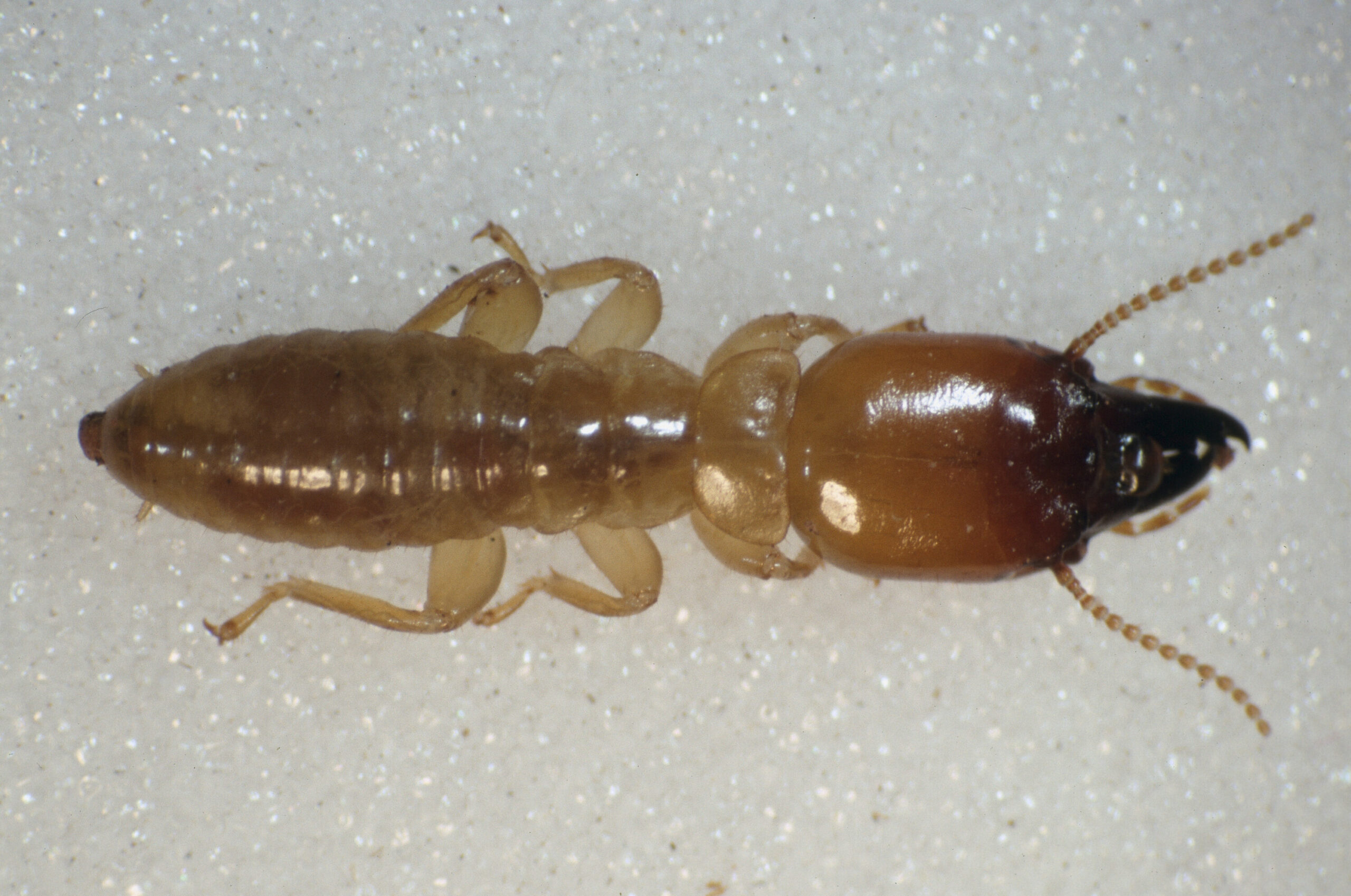
Workers are small, pale, soft-bodied insects about 1/8 inch long. Soldiers have darker, rectangular heads with prominent mandibles. If you’re curious about their physical appearance, this guide on what subterranean termites look like provides detailed descriptions.
The hallmark sign of subterranean termites is termite mud tubes — pencil-width tunnels made of soil, saliva, and fecal matter that run along foundations, walls, and piers. These tubes protect the colony from open air and predators while connecting the underground nest to food sources inside your home.
Drywood Termites
Drywood termites don’t need soil contact at all. They establish colonies directly inside the wood they eat — roof rafters, window frames, door casings, furniture, and even picture frames. This makes them particularly sneaky because there are no mud tubes to spot.
Florida’s coastal counties see the highest drywood termite pressure. If you live in South Florida, you should understand how common drywood termites are in Florida and why they’re such a persistent threat.
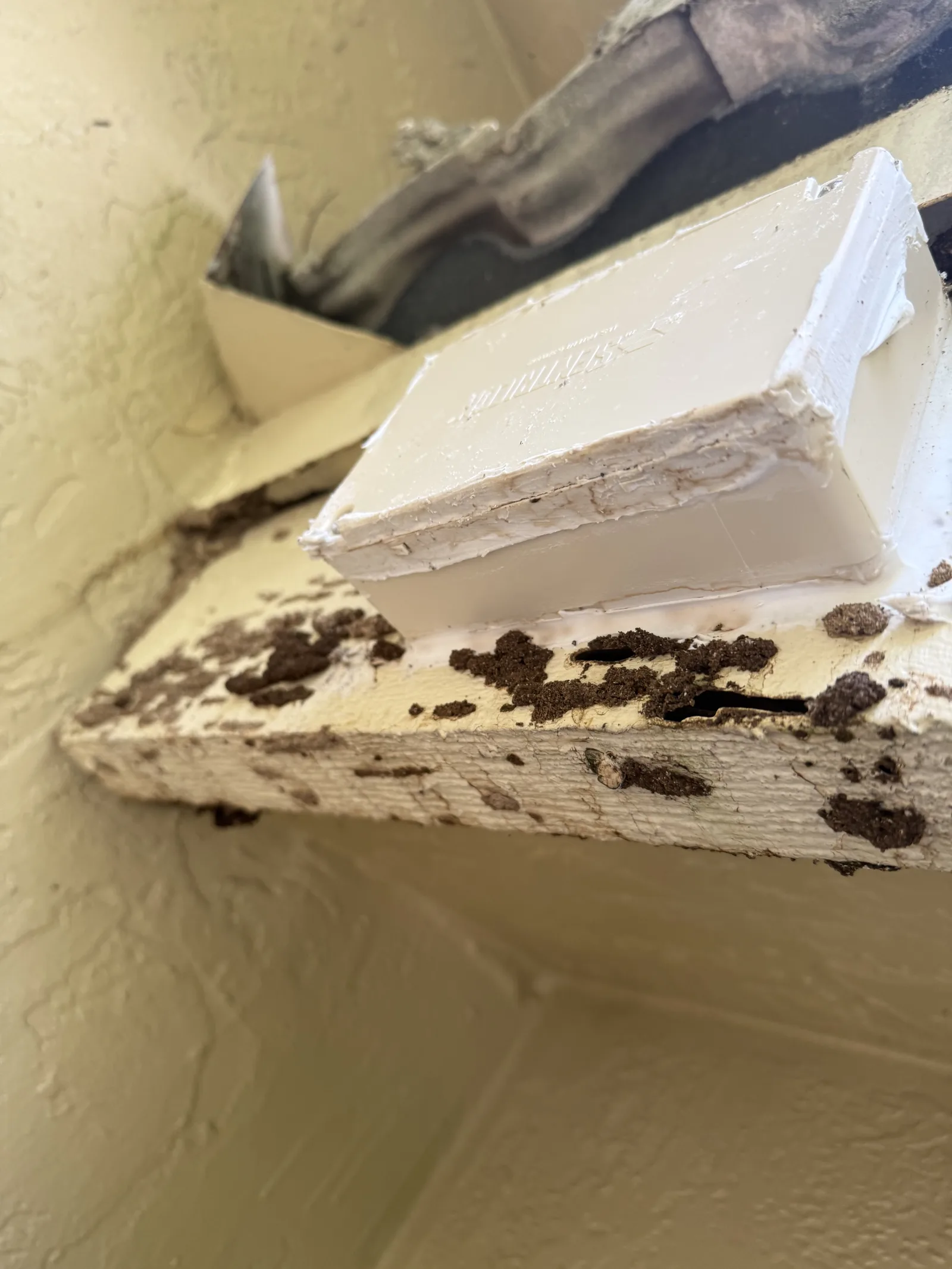
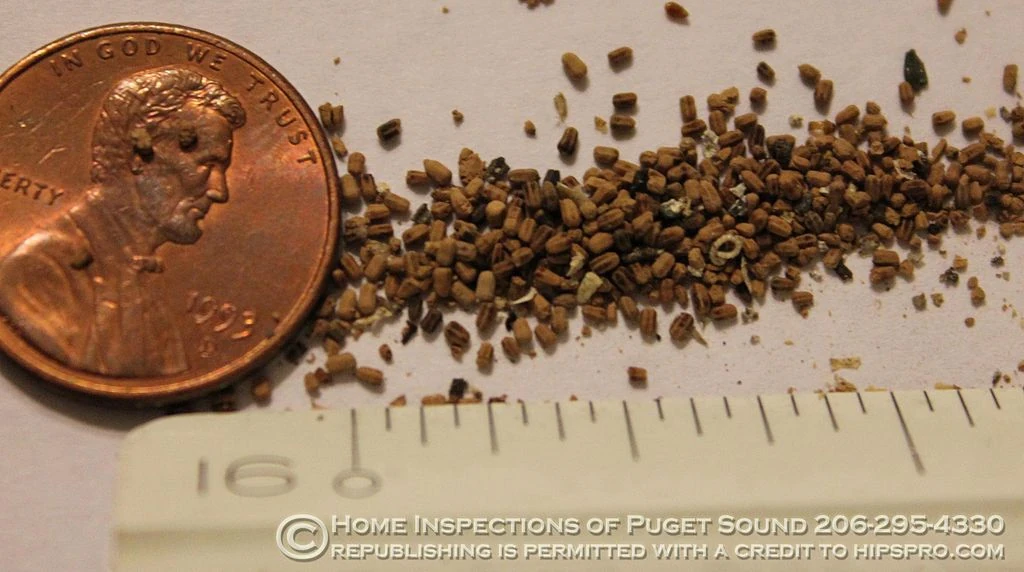
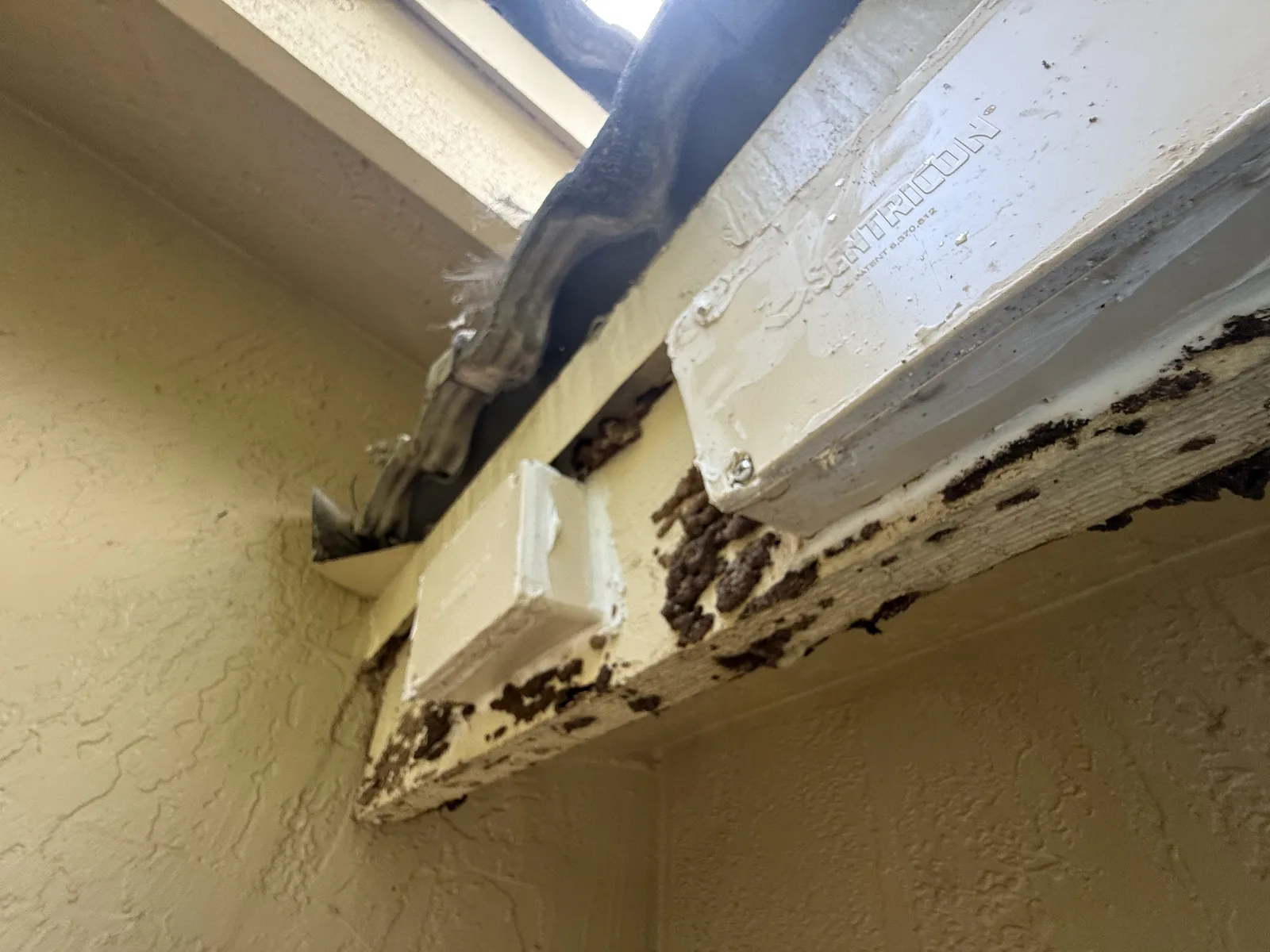
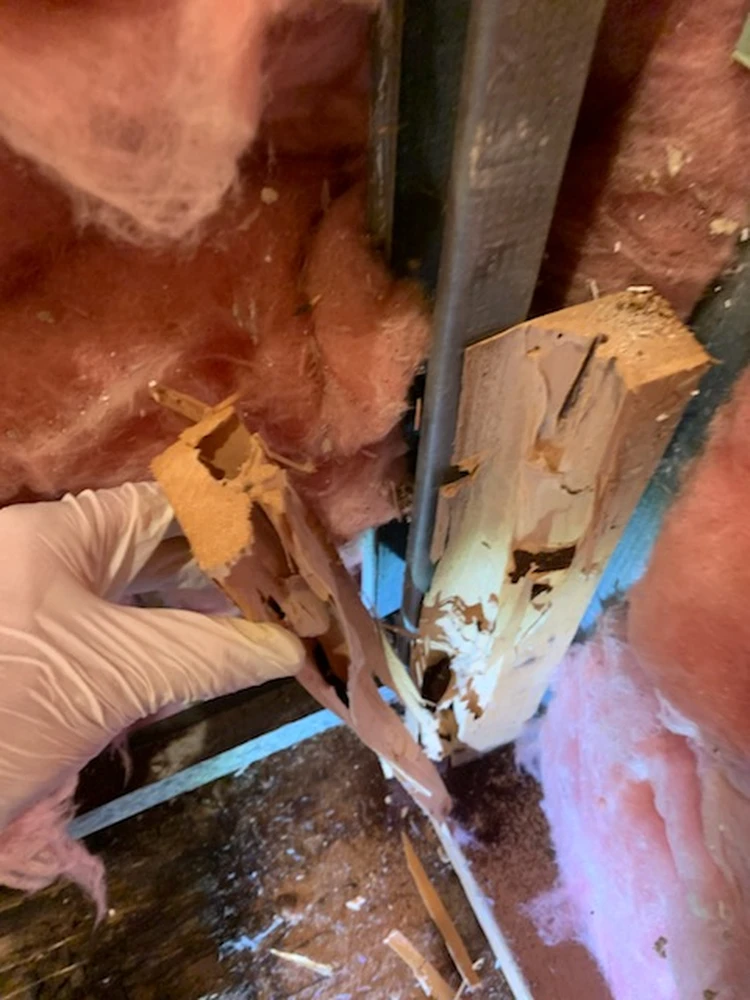
The primary evidence of a drywood infestation is frass — small, six-sided fecal pellets that the termites push out of kick holes in infested wood. These pellets often collect in small piles on windowsills, floors, or furniture below the infested area. Learning how to identify drywood termites helps you catch an infestation before it spreads to multiple rooms.
Formosan Termites
Formosan termites are technically a subterranean species, but they deserve their own category because of their extraordinary destructiveness. A single Formosan colony can contain several million individuals — ten times larger than an eastern subterranean colony — and they can consume wood at an alarming rate.
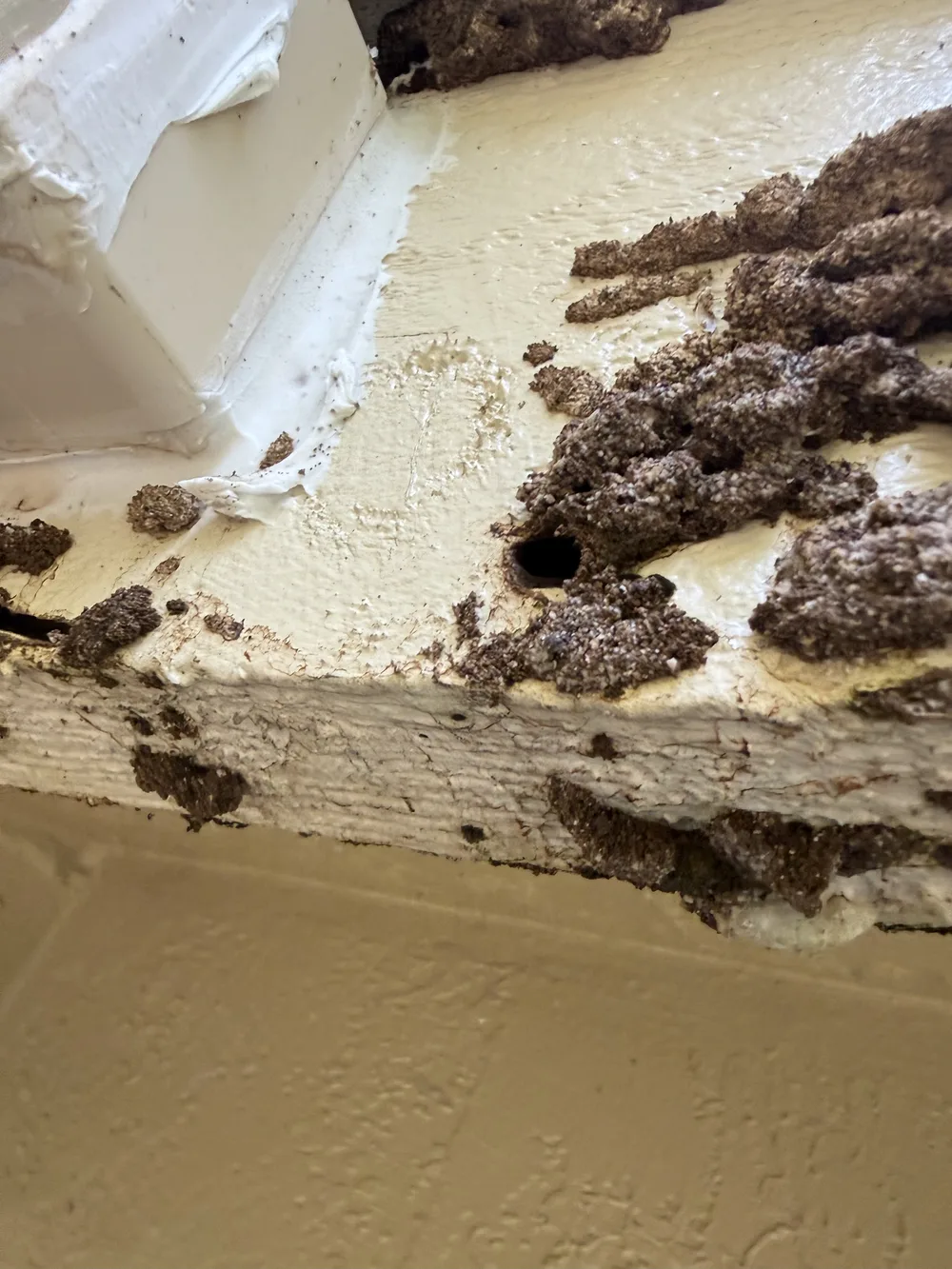
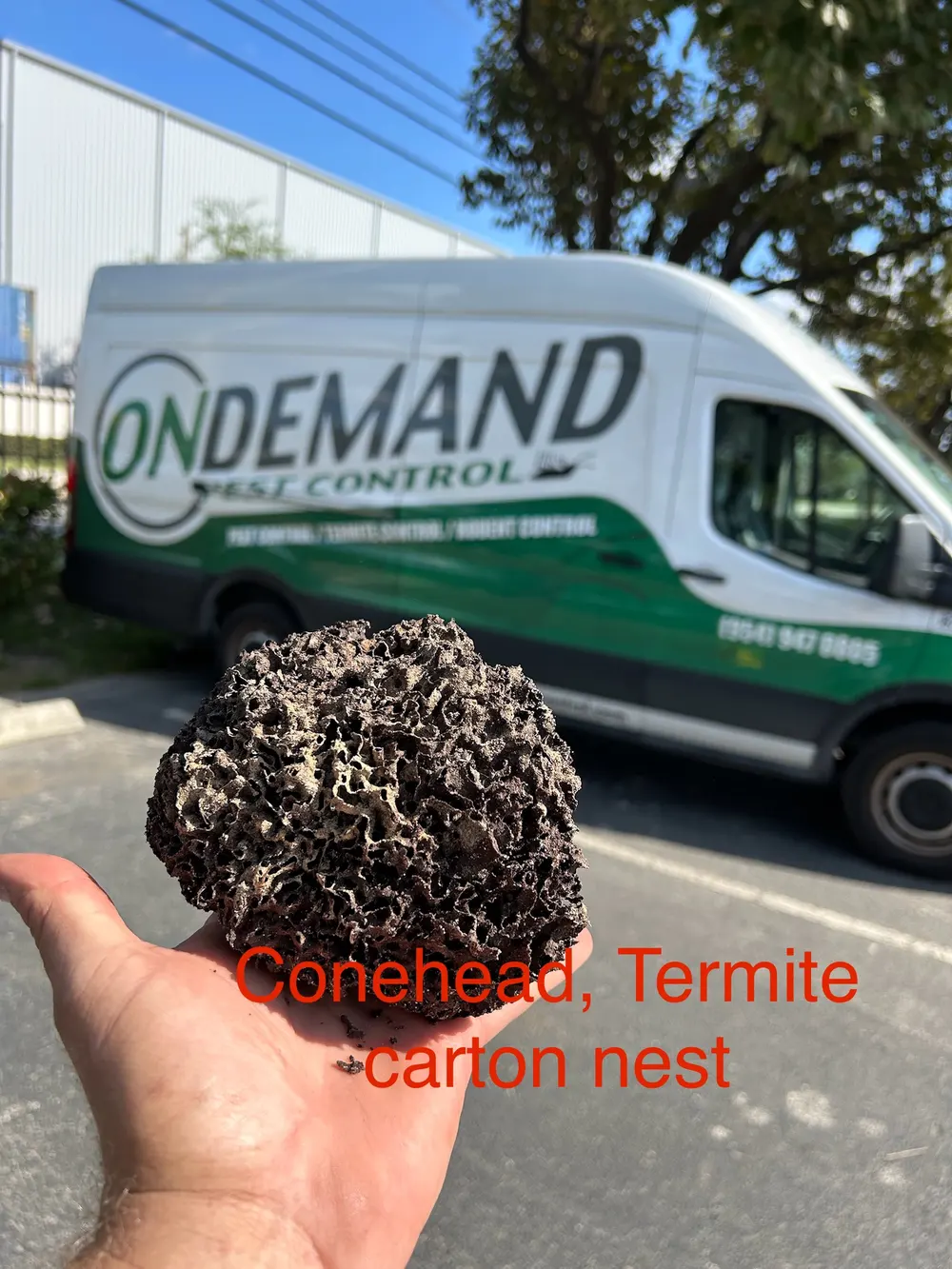
Originally from East Asia, Formosan termites in Florida have established permanent populations across the state, particularly in urban areas. They build distinctive carton nests made of chewed wood, soil, and fecal material, sometimes inside wall voids where they retain enough moisture to survive without returning to the ground.
One fascinating and alarming trait: Formosan soldiers are aggressive defenders. This is the type of termite that sprays chemicals out of its head to repel predators like ants. That defensive capability helps explain why Formosan colonies grow so large — they’re incredibly hard to displace once established.
How to Identify Termites in Florida: Species Comparison
Telling termite species apart matters because the wrong treatment wastes time and money. The table below highlights the key differences between Florida’s three major termite groups.
| Feature | Subterranean | Drywood | Formosan |
|---|---|---|---|
| Colony Size | 60,000–1,000,000 | 1,000–10,000 | 1,000,000–10,000,000 |
| Nesting Location | Underground in soil | Inside dry wood | Underground or in wall carton nests |
| Moisture Needs | High — requires soil contact | Low — survives in dry wood | Moderate — can build moisture-retaining nests |
| Primary Evidence | Mud tubes on foundation | Frass pellets below kick holes | Large mud tubes, carton nests in walls |
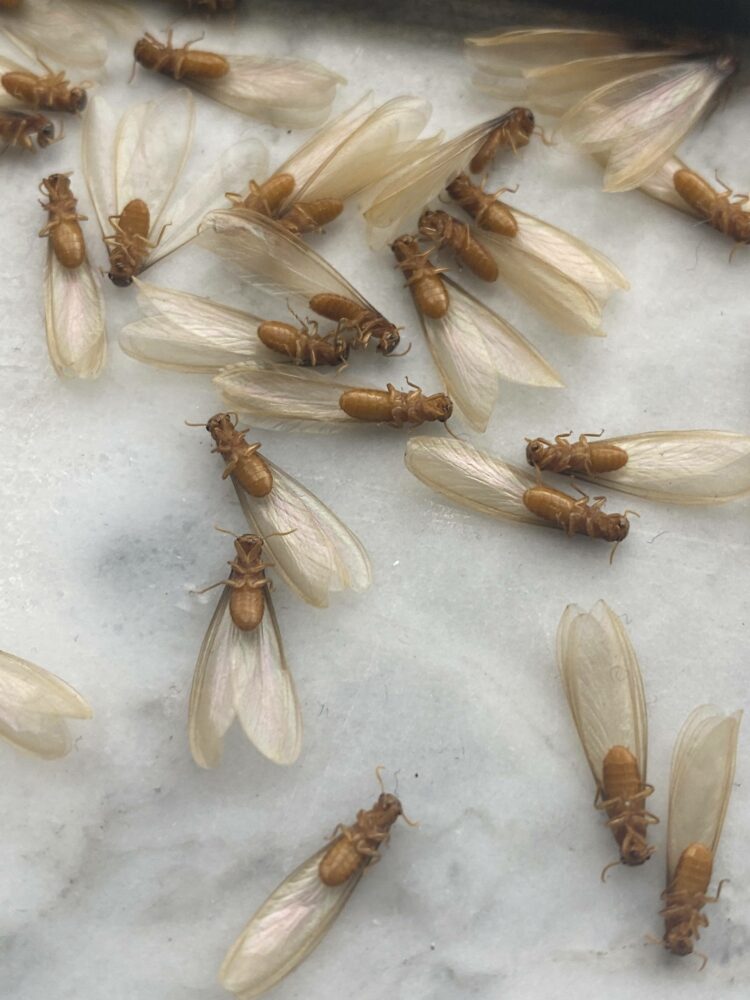
| Swarmer Color | Black body, translucent wings | Amber to light brown | Yellowish-brown, hairy wings |
| Peak Swarm Season | February–May | April–November | May–June (evenings) |
If you’ve spotted winged insects around your home, understanding what termites with wings look like helps you distinguish them from flying ants, which are often confused with termite swarmers.
Where Do Termites in Florida Come From?
Understanding where termites come from helps you close the entry points they exploit. Subterranean termites live in the soil surrounding your property. They forage outward from the colony in random patterns, and when a worker finds a reliable food source — like your home’s foundation sill plate — the colony redirects traffic toward it.
Common entry points for subterranean and Formosan termites include:
- Cracks in concrete slab foundations
- Expansion joints between slab sections
- Gaps around plumbing penetrations
- Where stucco meets the soil line
- Wooden porch posts or steps that contact the ground
Drywood termites enter differently. Reproductive swarmers fly to your home, shed their wings, mate, and bore directly into exposed wood. A mated pair can squeeze into a crack as small as 1/16 inch. Common entry points include unscreened attic vents, gaps around window frames, and exposed fascia boards.
Termites can also arrive inside infested furniture, lumber, or shipping crates — especially drywood species. This is one reason whether termites can spread through clothes and belongings is a question many Florida homeowners ask, particularly when moving.
Warning Signs of a Termite Infestation in Your Florida Home
Termites are cryptic pests. They avoid light and open air, which means damage often progresses silently for months or years before you notice it. However, there are reliable early warning signs every Florida homeowner should watch for.
Mud Tubes Along Your Foundation
Subterranean and Formosan termites build mud tubes to travel safely between the soil and your home’s wood. These pencil-width tunnels typically appear on exterior foundation walls, interior garage walls, and around plumbing pipes. If you discover them, you need to know what to do when you find termite tubes around your home.
Frass (Termite Droppings)
Drywood termites produce distinctive fecal pellets called frass. These tiny, six-sided granules look like coarse sand or ground pepper. They accumulate in small piles beneath infested wood. Learning what termite droppings look like is one of the fastest ways to catch a drywood infestation early.
Termite Swarmers and Discarded Wings
Swarming is the reproductive flight event where winged termites leave the colony to start new ones. In Florida, swarming season varies by species but generally peaks between February and June. Finding discarded wings on windowsills, near light fixtures, or inside spider webs is a strong indicator that a mature colony is nearby. If you see live swarmers indoors, read about what to do about termite swarmers in your home.
Drywood termites have their own distinct swarming calendar. Knowing when drywood termites swarm in Florida tells you exactly when to heighten your vigilance.
Exit Holes, Hollow Wood, and Other Structural Clues
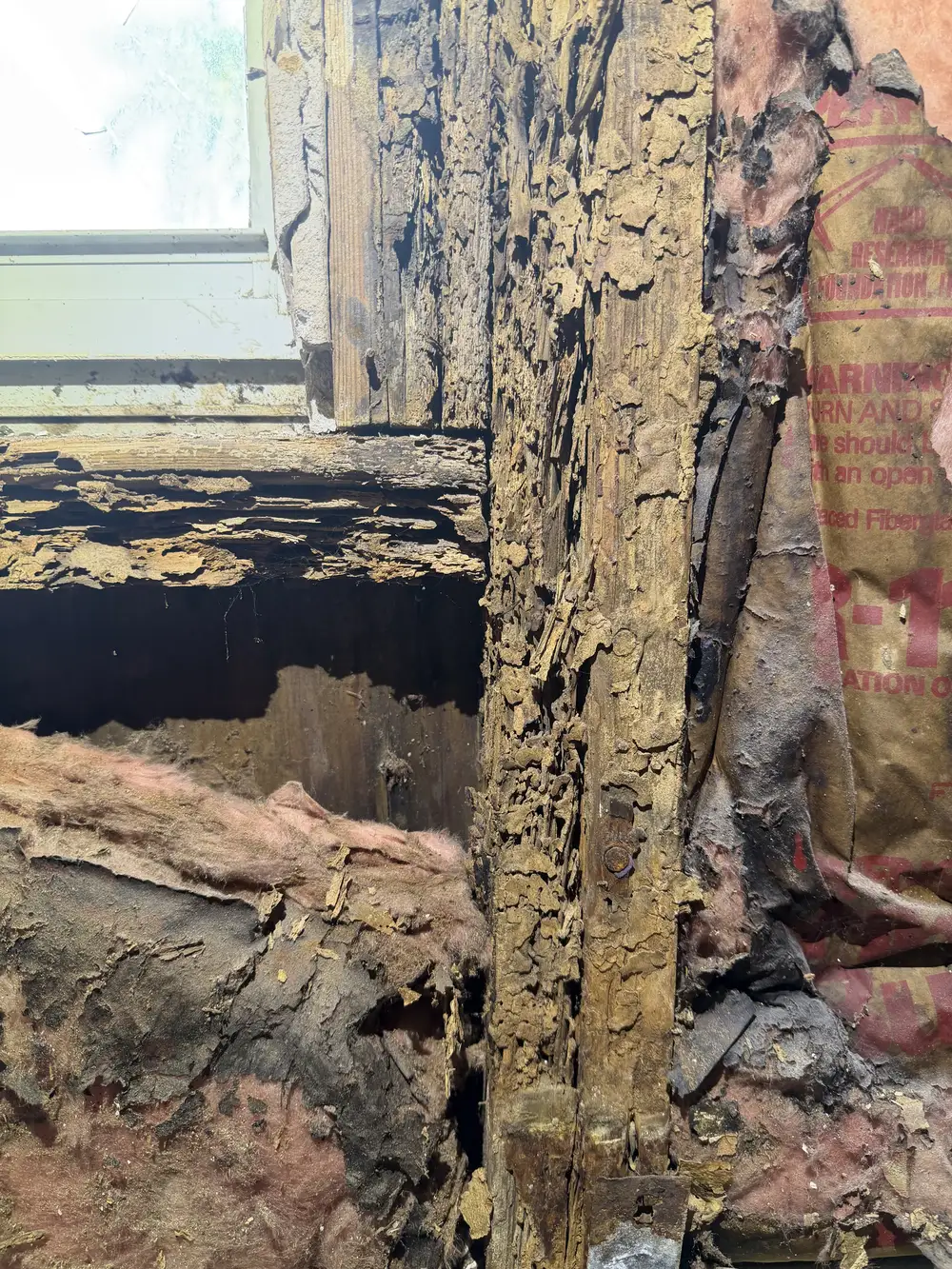
Tiny termite exit holes in drywall, trim, or furniture indicate that swarmers have emerged from an established colony inside your structure. Tap on suspected areas with the handle of a screwdriver — if the wood sounds hollow or papery, termites may have eaten the interior while leaving the surface intact.
Other structural clues include bubbling or peeling paint, doors and windows that suddenly stick, and sagging floors or ceilings. Many homeowners wonder whether termites eat drywall, and the answer is yes — they consume the paper facing on both sides of the gypsum board.
Termite Life Cycle: From Eggs to Swarmers
Understanding the termite life cycle helps you interpret the evidence you find and predict what the colony will do next. Every termite colony follows the same basic progression, though the timeline varies by species and environmental conditions.
A colony begins when a mated king and queen seal themselves inside wood or soil and the queen lays her first batch of eggs. Termite eggs are tiny, translucent, and oval-shaped — almost invisible to the naked eye. They hatch into nymphs that molt several times before differentiating into workers, soldiers, or reproductive alates.
Workers are the caste that actually damages your home. They forage for cellulose, feed the colony, and maintain tunnels. Baby termites (nymphs) look like smaller, paler versions of workers and are found deep inside the colony structure.
Once a colony matures — typically after 3 to 5 years — it produces winged reproductive swarmers. These alates fly from the colony in large numbers, pair off, and attempt to establish new colonies. The presence of swarmers means the colony is well-established and likely already causing significant damage.
Do Termites in Florida Pose a Health Risk?
Termites are primarily a structural threat, not a health threat. However, Florida homeowners frequently ask whether termites bite humans. Soldier termites can technically bite if handled, but they don’t seek out people and their bites don’t transmit disease.
The more relevant health concern is indirect. Termite activity inside walls can increase moisture levels, which promotes mold growth. In addition, the frass and debris from drywood colonies can aggravate allergies and asthma in sensitive individuals. For these reasons, addressing a termite problem quickly benefits both your home’s structure and your indoor air quality.
How to Inspect Your Florida Home for Termites
A thorough inspection is the foundation of any effective termite management plan. Whether you hire a professional or conduct a preliminary check yourself, knowing what to look for and where to look dramatically improves your odds of catching an infestation early.
A full guide on how to do a termite inspection walks you through the process room by room. Here’s a summary of the most important areas to examine:
- Foundation perimeter — Look for mud tubes on exterior walls, especially where stucco meets the soil line.
- Garage — Inspect the inside of the garage where the slab meets the block wall, around door frames, and near stored wood or cardboard.
- Bathrooms and kitchen — High-moisture areas attract subterranean termites. Check under sinks and around tub traps.
- Attic — Examine roof sheathing, rafters, and fascia for frass piles, kick holes, and darkened or blistered wood.
- Windows and doors — Tap frames with a screwdriver and listen for hollow sounds.
- Crawl space (if applicable) — Look for mud tubes on piers, joists, and subfloor sheathing.
Before scheduling a professional visit, preparing for a termite inspection ensures the technician can access all critical areas without delay. A typical professional inspection covers far more detail. Wondering about timing? Most inspections take 30 to 90 minutes — learn more about how long a termite inspection takes and what to expect.
Termite Inspections When Buying or Selling a Florida Home
Real estate transactions in Florida almost always involve termite inspections, though the requirements vary depending on the type of financing and the buyer’s preferences.
If you’re purchasing a home, understanding whether a termite inspection is required for your specific loan type helps you plan accordingly. VA-backed loans have the strictest requirements. A VA loan termite inspection is mandatory in Florida, and the property must be free of active infestations to close.
What happens if the inspection reveals problems? A failed termite inspection doesn’t automatically kill the deal, but it does trigger negotiations about who pays for treatment and repairs. Sellers dealing with existing damage should know that it’s still possible to sell a home with termite damage — but full disclosure and remediation greatly improve the outcome.
Termite Treatment Options for Florida Homes
Choosing the right treatment depends on the termite species, the extent of the infestation, and the construction of your home. Florida homeowners have access to a wide range of termite control methods, each with distinct strengths.
Liquid Soil Treatments
Liquid termiticides applied to the soil around and beneath your foundation create a continuous chemical barrier that kills or repels subterranean termites as they attempt to reach your home. Modern non-repellent products like fipronil and imidacloprid are particularly effective because termites can’t detect them — they walk through the treated zone and spread the active ingredient back to the colony.
Liquid treatments are the gold standard for subterranean and Formosan termite control. They provide immediate protection and typically remain effective for five or more years.
Bait Stations
Termite bait systems use monitoring stations installed in the soil around your home’s perimeter. Once termites are detected in a station, the monitoring cartridge is replaced with a bait matrix containing a slow-acting insect growth regulator. Workers carry the bait back to the colony, where it’s shared through grooming and feeding, eventually collapsing the entire colony.
Bait stations are excellent for long-term colony elimination and ongoing monitoring. They’re often used in combination with liquid treatments for comprehensive protection.
Fumigation (Tenting)
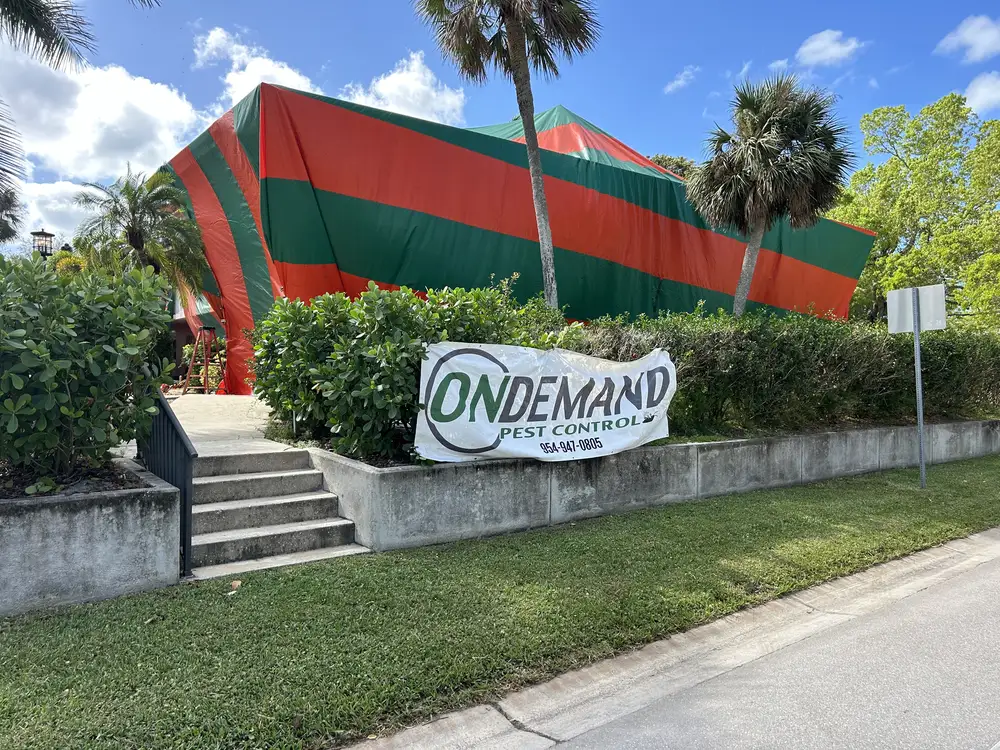
When drywood termites infest multiple areas of a home, whole-structure fumigation is often the most effective solution. The process involves sealing the entire building under a tent and introducing sulfuryl fluoride gas, which penetrates every piece of wood in the structure. Tenting for termites is the only treatment guaranteed to reach drywood colonies hidden deep inside walls, attics, and inaccessible voids.
Fumigation requires vacating the home for 2 to 3 days. Afterward, there are specific steps to follow — what to do after termite fumigation covers everything from cleaning to re-entry safety. The cost of fumigation varies based on the home’s size but typically ranges from $1,200 to $3,500 for an average Florida home.
Heat Treatment
For homeowners who prefer a chemical-free approach to drywood termites, heat treatment for termites raises the temperature inside infested areas to 120–140°F, killing all life stages including eggs. Heat treatment is effective for localized or whole-structure applications and leaves no chemical residue.
The trade-off is that heat treatment provides no residual protection — it kills what’s present but doesn’t prevent reinfestation. It’s often combined with ongoing monitoring or a bait system for long-term control.
Localized and Spot Treatments
If drywood termites are confined to a single piece of furniture or a small section of trim, localized treatments using injectable foams, dust insecticides, or essential-oil-based products can be effective. This approach is the best treatment for drywood termites when the infestation is caught early and hasn’t spread. For a deeper look at all available options, review this guide on how to treat drywood termites in Florida.
Termite Treatment Costs in Florida: What to Expect
Cost is one of the first questions homeowners ask after discovering termites. The answer depends on the species, treatment method, and size of your home. A detailed breakdown of how much a termite treatment costs covers all the variables, but here’s a general overview for Florida:
| Treatment Method | Typical Cost Range | Best For |
|---|---|---|
| Liquid soil treatment | $800–$2,500 | Subterranean/Formosan control |
| Bait stations (annual) | $800–$1,500/year | Ongoing monitoring + colony elimination |
| Whole-structure fumigation | $1,200–$3,500 | Widespread drywood infestations |
| Heat treatment | $1,000–$2,800 | Chemical-free drywood option |
| Spot/localized treatment | $200–$600 | Small, contained drywood infestations |
Keep in mind that delaying treatment increases costs dramatically. A colony left unchecked for a year can cause thousands of dollars in additional structural damage — damage that’s far more expensive to repair than the treatment itself.
DIY Termite Control vs. Professional Treatment in Florida
The internet is full of home remedies for termites, from orange oil to diatomaceous earth to cardboard traps. Some of these methods have limited merit for very minor, accessible infestations. If you want to explore your options, guides on effective DIY tips for controlling termites and natural methods for eradicating termites without chemicals cover the most popular approaches.
However, a realistic comparison of DIY termite treatment vs. professional service almost always favors the professional route in Florida for several important reasons:
- Hidden colonies — Termites operate inside walls, under slabs, and deep in soil. Without professional-grade detection tools (moisture meters, borescopes, microwave sensors), you can’t confirm the full extent of an infestation.
- Species-specific treatment — Applying a soil treatment for a drywood termite problem wastes money. Professionals identify the exact species and match the treatment accordingly.
- Application equipment — Liquid soil treatments require specialized injection rods to distribute termiticide evenly beneath a slab. Fumigation requires state licensing and sealed containment. These aren’t DIY tasks.
- Warranty protection — Professional treatments come with warranties that cover re-treatment if termites return. DIY treatments come with no safety net.
For Florida homeowners, the most effective strategy is a comprehensive approach that addresses the root cause of your problem — not a surface-level quick fix.
How Long Does Termite Treatment Take — and How Long Does It Last?
The timeline for eliminating termites depends on the treatment method and the colony’s size. If you’re wondering how long it takes to get rid of termites, here’s a general breakdown:
- Liquid soil treatments begin killing termites within 24 hours and achieve full colony suppression within 1 to 3 months.
- Bait stations take longer — typically 3 to 6 months for complete colony elimination — because the active ingredient must circulate through the entire population.
- Fumigation kills all drywood termites in the structure within 24 to 72 hours, though the home must be vacated for 2 to 3 days.
- Heat treatment is completed in a single day for most structures.
As for longevity, how long termite treatment lasts varies by product and method. Liquid soil treatments typically protect for 5 to 10 years. Bait stations require annual servicing to maintain effectiveness. Fumigation and heat treatments provide zero residual protection — they eliminate what’s present but don’t prevent reinfestation.
The question of how often you need termite treatment depends on your risk level and the protection plan you choose. In high-pressure areas like South Florida, annual monitoring is the minimum recommendation.
What Is a Termite Bond — and Do You Need One in Florida?
A termite bond is a service agreement between you and a pest control company that provides ongoing termite protection for your property. In Florida, termite bonds are extremely common and widely considered a smart investment for any homeowner.
There are two main types of termite bonds:
- Retreatment bond — If termites return during the coverage period, the company retreats at no additional cost. However, you’re responsible for any structural damage.
- Repair bond — This premium option covers both retreatment and the cost of repairing any termite damage that occurs during the coverage period. It’s essentially termite insurance for your home’s structure.
Annual bond renewal fees typically range from $200 to $500, depending on your home’s size and the coverage level. Considering that a single Formosan termite colony can cause $10,000 or more in structural damage, the bond pays for itself the moment it prevents a major loss.
Many real estate transactions in Florida require an active termite bond as a condition of sale, making it both a protective measure and a property value asset.
Can Termite Damage Be Repaired?
Yes — but the extent and cost of repair depend entirely on how long the termites were active before discovery. Minor surface damage to trim boards or window frames is relatively inexpensive to fix. However, structural damage to load-bearing beams, floor joists, or roof trusses can require engineering assessments and five-figure repair budgets.
A full guide on whether termite damage can be fixed covers the repair process in detail, including when to call a structural engineer. The critical first step is always eliminating the active infestation before any repairs begin. Repairing wood without treating the colony is like putting a bandage on a wound that’s still bleeding.
For homeowners concerned about prevention, strategies to banish termites and prevent reinfestations should be implemented immediately after treatment to protect your investment in repairs.
Preventing Termites in Florida: Long-Term Protection Strategies
Prevention is always cheaper than treatment. Florida homeowners who take proactive steps to reduce termite risk can avoid the stress, expense, and disruption of an active infestation. Here are the most effective prevention strategies:
Reduce Moisture Around Your Home
Subterranean and Formosan termites need moisture to survive. Fix leaky faucets, repair damaged gutters, and ensure downspouts direct water at least three feet away from your foundation. Grade the soil around your home so water flows away from the structure, not toward it. In bathrooms and kitchens, use exhaust fans to reduce humidity.
Eliminate Wood-to-Soil Contact
Any wood that directly touches the ground creates a bridge between termite colonies and your home. Raise wooden fence posts, deck supports, and porch steps off the soil using concrete footings or metal brackets. Replace wood landscape timbers with stone, rubber, or composite alternatives.
Manage Mulch and Vegetation
Mulch holds moisture and provides a food source for termites. Keep mulch beds at least 12 inches away from your foundation, and never pile mulch higher than 2 inches. Trim shrubs and tree branches so they don’t touch the exterior walls — this improves airflow and reduces moisture retention.
Seal Entry Points
Caulk cracks in your foundation, seal gaps around utility penetrations, and install fine mesh screens over attic and soffit vents. For drywood termite prevention, paint or seal all exposed wood surfaces — drywood termites are less likely to bore into wood that’s coated with paint, varnish, or sealant.
Schedule Annual Professional Inspections
Even with excellent prevention habits, professional inspections catch problems that homeowners miss. A licensed inspector knows exactly where to look and has tools to detect activity behind walls and under slabs. In Florida’s high-risk environment, annual inspections are not optional — they’re essential. Miami-area homeowners dealing with active swarms should also review this guide on winged termite swarmers in Miami for location-specific advice.
Protect Your Florida Home Before Termites Strike
Termites are not a problem you can afford to ignore in Florida. Every day an infestation goes untreated, the colony grows larger and the damage grows more expensive. The good news is that modern termite control methods are highly effective when applied correctly and maintained over time.
Whether you’re dealing with an active infestation, buying a new home, or simply want peace of mind, the smartest move is to get a professional inspection and establish a protection plan tailored to your property. From liquid barriers and bait systems to fumigation and termite bonds, the right combination of treatments can keep your home safe for decades.
If you’re in South Florida and ready to take action, starting your termite-free journey begins with a single phone call to a licensed pest control professional who understands the unique challenges of protecting homes in this state.
Frequently Asked Questions
-
What is the most destructive type of termite in Florida?
Formosan termites are the most destructive termite species in Florida. A single colony can contain several million individuals and consume wood significantly faster than eastern subterranean or drywood species. They also build moisture-retaining carton nests inside wall voids, allowing them to cause damage in areas that other subterranean termites can't easily reach.
-
When is termite swarming season in Florida?
Termite swarming season in Florida varies by species. Subterranean termites typically swarm between February and May, Formosan termites swarm from May through June (usually at dusk), and drywood termites can swarm from April through November. Because multiple species overlap, Florida homeowners may encounter swarms for much of the year.
-
How much does termite treatment cost in Florida?
Termite treatment costs in Florida range from $200 for a localized spot treatment to $3,500 or more for whole-structure fumigation. Liquid soil treatments typically cost $800 to $2,500, and annual bait station monitoring runs $800 to $1,500 per year. The total cost depends on your home's size, the species involved, and the treatment method selected.
-
Can I get rid of termites in Florida without tenting my house?
Yes, but it depends on the species and extent of the infestation. Subterranean termites are treated with liquid soil barriers or bait stations — no tenting required. For drywood termites, small or isolated infestations can be treated with localized spot treatments, injectable foams, or heat treatment. However, widespread drywood infestations across multiple areas of the home usually require fumigation to ensure complete elimination.
-
How often should I have my Florida home inspected for termites?
Florida homeowners should schedule a professional termite inspection at least once per year. Homes in high-risk areas — especially coastal South Florida, older wood-frame structures, or properties surrounded by heavy vegetation — may benefit from inspections every six months. If you have an active termite bond, your annual inspection is typically included in the service agreement.
-
Does homeowner insurance cover termite damage in Florida?
No. Standard homeowner insurance policies in Florida do not cover termite damage or treatment costs. Insurers consider termite damage a maintenance issue rather than a sudden, accidental event. This is why many Florida homeowners invest in a termite bond with a repair provision, which functions as a form of termite-specific coverage for their property.