Table of Contents
ToggleKey Takeaways
- Ignoring early signs of pest activity is the most costly mistake Florida homeowners make — catching infestations early saves time and money.
- Over-the-counter sprays often scatter pests deeper into your home instead of eliminating the colony.
- Florida’s subtropical climate creates year-round pest pressure, so seasonal-only treatments leave dangerous gaps in protection.
- Sealing entry points and reducing moisture are more effective long-term strategies than reactive chemical treatments alone.
- Working with a licensed professional ensures the right treatment for Florida-specific species like ghost ants, German cockroaches, and subterranean termites.
Common pest control mistakes cost Florida homeowners hundreds — sometimes thousands — of dollars every year. Between the state’s year-round warmth, heavy rainfall, and dense vegetation, pests like American cockroaches, termites, and rodents don’t take a season off. And when you accidentally invite them to stay by making avoidable errors, a minor nuisance quickly becomes a full-blown infestation. The good news? Most of these mistakes are easy to fix once you know what to look for. In this guide, you’ll learn the five most frequent pest control blunders that Florida homeowners make, why Florida’s unique climate makes each one especially dangerous, and exactly what you should do instead to keep your property protected.
Why Pest Control Mistakes Are Costlier in Florida
Florida isn’t like most states when it comes to pest pressure. The subtropical climate across South Florida — from Fort Lauderdale to Naples — means warm temperatures and high humidity persist nearly every month. That translates to faster breeding cycles, more species diversity, and shorter windows between “I saw one bug” and “I have an infestation.”
Consider this: a single German cockroach can produce up to 400 offspring in a year. Subterranean termites — Florida’s most destructive species — cause an estimated $2 billion in damage nationwide annually, with a disproportionate share in the Sunshine State. When you make a common pest control mistake here, the consequences multiply faster than they would in a cooler, drier climate.
Understanding how rain and weather impact household pests in South Florida is a critical first step. Heavy afternoon storms drive ants, roaches, and rodents indoors — and if your home isn’t prepared, they’ll settle in quickly.
Mistake #1: Ignoring Early Warning Signs of Pest Activity
The most common pest control mistake Florida homeowners make is dismissing the early signs. A single ant trail along the kitchen counter, a few droppings in the garage, or a faint musty smell in the attic all signal a developing problem. In Florida’s climate, these small signs escalate rapidly.
Here are early warning signs you should never ignore:
- Small piles of sawdust-like material near baseboards (possible termite or carpenter ant frass)
- Grease marks or gnaw marks along walls and cabinets (rodent activity)
- Tiny dark specks on bedding or furniture (potential bed bug or flea evidence)
- Mud tubes on your foundation (subterranean termites)
- An unexplained musty or oily odor in enclosed spaces (cockroach infestation)
Scheduling routine pest inspections catches these problems before they require expensive remediation. A quick visual check of your home’s exterior every month — paying close attention to the foundation, roof eaves, and window frames — goes a long way.
Mistake #2: Relying on Store-Bought Sprays as Your Only Defense
Grabbing a can of bug spray from the hardware store feels like a quick fix. In reality, it’s one of the biggest pest control mistakes you can make. Most over-the-counter products are repellents, not eliminators. They push pests away from the sprayed area and deeper into wall voids, attics, and crawl spaces — places that are harder and more expensive to treat later.
In South Florida, this is especially problematic with species like ghost ants and pharaoh ants. These tiny invaders practice “budding,” meaning that when a colony feels threatened, it splits into multiple satellite colonies. A single spray application can turn one colony into three or four.
Instead of relying on retail products, Florida homeowners benefit from Integrated Pest Management strategies that combine targeted baiting, habitat modification, and monitoring. This approach treats the root cause — not just the visible symptoms.
There’s also a persistent belief that common pest control myths like “ultrasonic devices repel pests” or “a clean house won’t get bugs” are reliable advice. They’re not — especially in a state where pests are driven indoors by weather as much as by food sources.
Mistake #3: Only Treating Pests Seasonally Instead of Year-Round
In northern states, pest activity drops sharply during winter. Florida homeowners sometimes adopt this same seasonal mindset — treating in the spring and summer, then stopping once temperatures dip slightly. This is a critical pest control mistake in the Sunshine State.
Florida’s mild winters rarely produce sustained cold enough to kill off pest populations. Mosquitoes remain active in South Florida through December. Rodents seek indoor shelter during brief cold snaps. Termites work silently through your home’s structure 365 days a year.
Florida's Year-Round Pest Calendar
| Season | Key Pest Threats | Why They’re Active |
|---|---|---|
| Spring | Termite swarmers, ants, mosquitoes | Warming temps + rain trigger swarming and breeding |
| Summer | Cockroaches, mosquitoes, fleas, wasps | Peak humidity accelerates reproduction cycles |
| Fall | Rodents, spiders, German cockroaches | Pests seek indoor shelter as conditions shift |
| Winter | Rodents, termites, stored-product pests | Mild Florida winters don’t eliminate populations |
As you can see, there’s no true “off-season.” That’s exactly why winter pest control is essential even in Florida. Consistent quarterly or bi-monthly treatments maintain a protective barrier and catch emerging issues before they explode.
Mistake #4: Neglecting Moisture Control and Entry Point Sealing
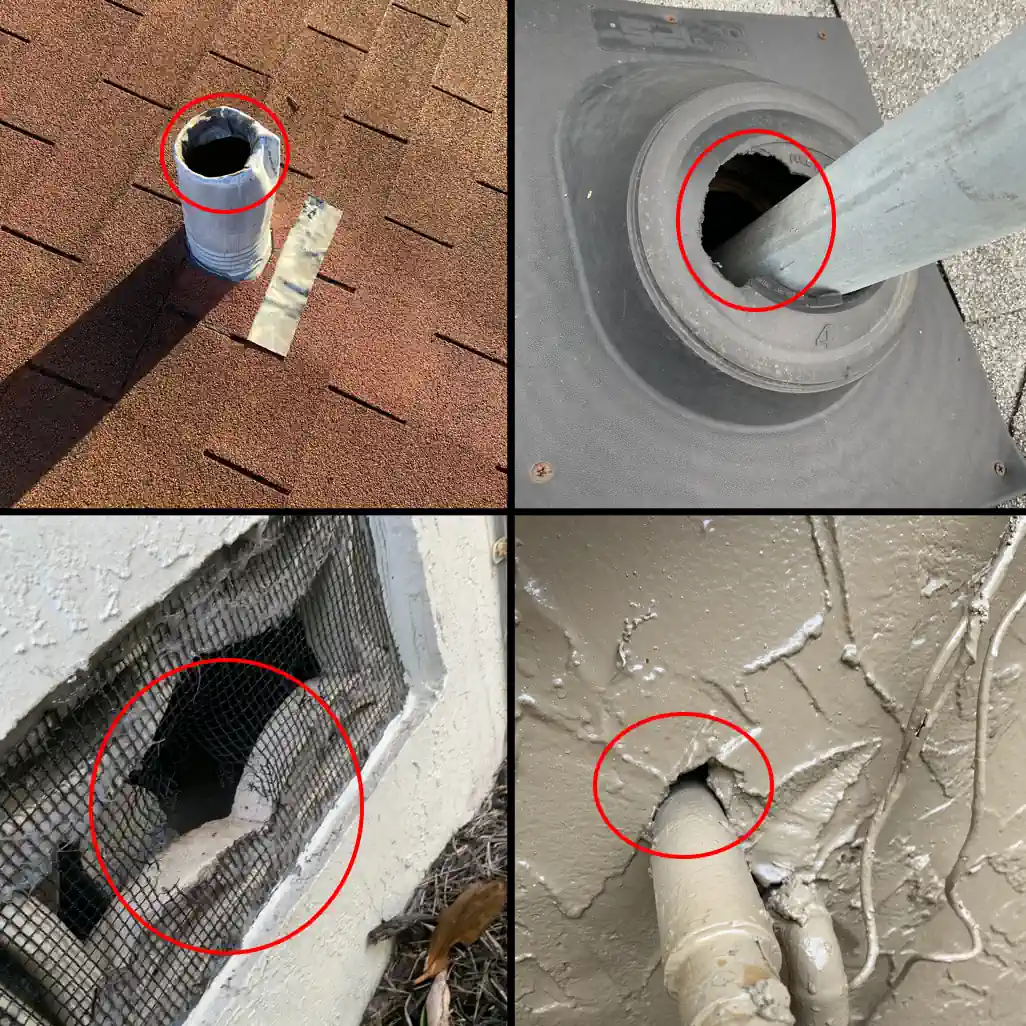
You can treat for pests every month. However, if your home is an open invitation, new populations will keep arriving. Neglecting exclusion work and moisture management is one of the most damaging pest control mistakes Florida homeowners make.
Florida homes face unique structural challenges:
- Concrete block construction develops hairline cracks that roaches and ants exploit.
- Sliding glass doors with worn weatherstripping create easy entry for rodents and insects.
- Overwatered landscaping and poor drainage create standing water that breeds mosquitoes and attracts subterranean termites.
- Dense tropical foliage touching the home provides pest highways directly to your walls and roof.
Learning what exclusion means in pest control can fundamentally change your approach. Sealing gaps around utility lines, installing door sweeps, repairing window screens, and keeping vegetation trimmed at least 18 inches from your exterior walls will dramatically reduce pest entry.
Pair this with proper moisture management — fixing leaky faucets, ensuring gutters drain away from the foundation, and using a dehumidifier in crawl spaces. Additionally, upgrading your attic insulation to a treated product can create an added layer of defense. Learn how pest control insulation works to both reduce energy costs and deter insects from nesting in your attic.
Mistake #5: Choosing DIY Over Professional Pest Control
DIY pest control has its place for minor, occasional issues. But when it comes to Florida’s aggressive pest species, going it alone is often the most expensive pest control mistake you can make in the long run.
Here’s the honest breakdown:
- Identification errors: Misidentifying a pest leads to the wrong treatment. For example, treating for carpenter ants when you actually have a termite problem wastes time and allows structural damage to continue.
- Improper chemical use: Applying pesticides incorrectly can be hazardous to your family, pets, and beneficial wildlife — and may violate Florida’s pesticide application laws.
- No follow-up protocol: Most DIY efforts are one-and-done. Professional treatments include scheduled follow-ups and monitoring to ensure the problem is truly resolved.
The comparison between DIY and professional pest control services becomes clear when you factor in long-term effectiveness. A licensed technician brings knowledge of local species behavior, access to professional-grade products, and the training to apply them safely.
If you’re in South Florida, working with a trusted local provider makes all the difference. On Demand Pest Control offers comprehensive pest control services throughout South Florida, from initial inspections through ongoing preventive treatments — designed specifically for the pests and conditions found in this region. When you’re ready to stop guessing and start solving, professional help is just a call away.
Frequently Asked Questions
-
What is the most common pest control mistake in Florida?
Ignoring early warning signs is the most common mistake. Florida's warm, humid climate allows small pest problems to escalate into full infestations within weeks. Catching signs like ant trails, droppings, or mud tubes early saves significant time and money.
-
Do I need pest control during winter in Florida?
Yes. Florida's mild winters rarely get cold enough to eliminate pest populations. Termites, rodents, and cockroaches remain active year-round. Stopping treatments during winter leaves your home unprotected during a time when rodents are especially likely to seek indoor shelter.
-
Why don't store-bought bug sprays work well in Florida?
Most retail sprays are repellents, not colony eliminators. They push pests deeper into wall voids and hidden spaces. Some Florida ant species, like ghost ants, respond to repellents by splitting into multiple colonies — making the problem worse, not better.
-
How often should Florida homeowners schedule pest control?
Most pest control professionals recommend quarterly treatments at minimum for Florida homes. Homes near water, dense vegetation, or wooded areas may benefit from bi-monthly service. Consistent treatment maintains a protective perimeter and catches new issues early.
-
Can sealing my home really prevent pest infestations?
Exclusion is one of the most effective long-term pest prevention strategies. Sealing cracks in your foundation, repairing damaged screens, installing door sweeps, and keeping landscaping trimmed away from exterior walls eliminates the pathways pests use to enter your home.
-
How do I know if I should call a professional instead of handling pests myself?
Call a professional if you see recurring pest activity, suspect termites, notice structural damage, or have difficulty identifying the pest species. Professionals use targeted treatments based on local species knowledge and provide follow-up monitoring that DIY methods lack.