Table of Contents
ToggleKey Takeaways
- Diatomaceous earth works by physically damaging insect exoskeletons, causing dehydration and death within 24 to 72 hours.
- Food-grade diatomaceous earth is effective against crawling insects like ants, cockroaches, bed bugs, fleas, and silverfish, but it has significant limitations.
- Moisture renders diatomaceous earth useless, making it a poor standalone solution in humid climates like South Florida.
- DE works best as one tool within a broader integrated pest management strategy rather than a sole treatment method.
- Professional pest control services provide faster, more reliable results for moderate to severe infestations.
If you’ve searched for natural ways to deal with ants, cockroaches, or other household pests, you’ve likely come across diatomaceous earth as a popular recommendation. This fine, chalky powder has earned a reputation as a chemical-free pest killer, and homeowners across the country sprinkle it along baseboards and behind appliances hoping it will solve their bug problems. But is diatomaceous earth truly effective for pest control, or is it another overhyped DIY remedy that falls short when put to the test? The answer is more nuanced than most blogs will tell you. In this guide, you’ll learn exactly how diatomaceous earth works, which pests it targets, its real-world limitations, and when you should skip the powder and call in professional help instead.
What Is Diatomaceous Earth and How Does It Work?
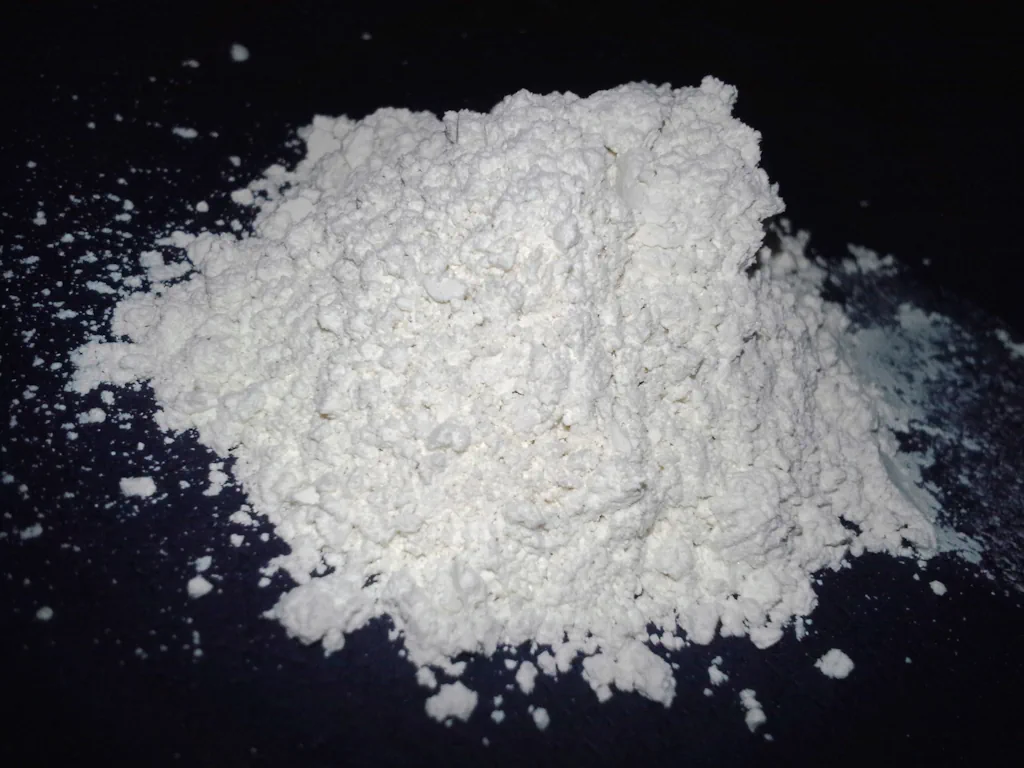
Diatomaceous earth (DE) is a naturally occurring sedimentary rock made from the fossilized remains of diatoms — microscopic, single-celled algae with hard silica shells. When ground into a fine powder, these tiny fossilized particles become razor-sharp at a microscopic level.
Unlike chemical pesticides that poison insects through ingestion or neurological disruption, diatomaceous earth kills bugs through a purely physical mechanism. When an insect crawls through DE, the abrasive particles scratch and penetrate its waxy exoskeleton. This damage allows moisture to escape from the insect’s body. Without that protective layer, the pest dehydrates and dies — typically within 24 to 72 hours of contact.
There are two main types of diatomaceous earth:
- Food-grade DE: Contains less than 1% crystalline silica and is approved for household use around people and pets.
- Filter-grade (pool-grade) DE: Contains up to 60% crystalline silica, is toxic if inhaled, and should never be used for pest control.
For pest control purposes, only food-grade diatomaceous earth should ever be used in your home.
Which Pests Does Diatomaceous Earth Kill?
Diatomaceous earth is effective against a range of crawling insects with exoskeletons. However, it does not work on all pests equally. Understanding which bugs DE targets — and which it doesn’t — helps you set realistic expectations.
Pests DE Can Help Control
Diatomaceous earth works best against slow-moving, crawling insects that travel along surfaces where the powder has been applied. Common targets include:
- Ants — DE can kill individual ants that walk through it, though it rarely eliminates entire colonies.
- Cockroaches — Roaches that crawl through DE will eventually dehydrate, but they must make sustained contact.
- Bed bugs — DE is sometimes used as a supplemental bed bug treatment, though it’s far too slow to serve as a primary remedy.
- Fleas — Sprinkling DE on carpets can help reduce flea populations between professional treatments.
- Silverfish — These moisture-loving pests are vulnerable to DE’s dehydrating effect.
- Earwigs and centipedes — Both crawling pests can be affected by DE placed in their travel paths.
Pests DE Cannot Effectively Treat
Diatomaceous earth has no meaningful effect on flying insects like mosquitoes or wasps. It also struggles against pests that live deep inside walls, underground, or within wood — such as termites and carpenter ants. Rodents like roof rats are completely unaffected. If your pest problem involves any of these species, you’ll need a different approach entirely.
How to Apply Diatomaceous Earth for Pest Control
Proper application is critical. Many homeowners fail with DE simply because they apply it incorrectly. Here are the steps for effective use:
- Identify pest travel routes: Look for trails, droppings, or damage that indicates where pests are moving through your home.
- Apply a thin, even layer: Use a puff duster or squeeze bottle to lightly dust DE along baseboards, behind appliances, inside cabinet cracks, and around entry points. A barely visible dusting is more effective than thick piles — insects will walk around heavy accumulations.
- Target dry, enclosed areas: Cracks, crevices, wall voids, and under-sink areas work best. Avoid applying DE in open, high-traffic areas where it will be disturbed.
- Reapply after cleaning: Vacuuming, mopping, or any moisture will remove or neutralize DE. You’ll need to reapply regularly.
- Wear a dust mask: Even food-grade DE can irritate your lungs if inhaled. Always protect your respiratory system during application.
For best results, combine DE with sanitation improvements — sealing food, fixing leaks, and removing clutter. These steps are part of a sound integrated pest management strategy that addresses root causes, not just symptoms.
Is Diatomaceous Earth Safe Around Children and Pets?
One of the biggest selling points of diatomaceous earth is its reputation as a “natural” and “non-toxic” pest solution. This is partially true — but it requires context.
Food-grade DE is generally considered safe around children and pets when used correctly. The EPA classifies it as a low-risk pesticide, and it doesn’t contain synthetic chemicals that could cause poisoning through casual skin contact or minor ingestion.
However, “safe” doesn’t mean “harmless.” The fine silica particles can irritate eyes, skin, and especially lungs. Children and pets who play on floors where DE has been heavily applied may inhale the dust. Dogs and cats that groom themselves after walking through DE can ingest significant amounts.
To minimize risk:
- Apply DE only in areas that children and pets cannot easily access — inside wall voids, behind heavy furniture, and inside sealed cabinet gaps.
- Never apply DE directly to pet bedding or children’s play areas.
- Ventilate rooms thoroughly during and after application.
If you’re concerned about keeping your family and animals safe, review these tips for keeping pets safe during pest control treatments. Safety-conscious homeowners should also consider eco-friendly pest control methods that have been professionally vetted for household use.
Key Limitations of Diatomaceous Earth for Pest Control
Despite its popularity in DIY pest control circles, diatomaceous earth has serious drawbacks that are often glossed over. Understanding these limitations helps you decide whether DE deserves a place in your pest management plan — or whether you need something more robust.
Moisture Destroys Its Effectiveness
This is DE’s biggest weakness. Once diatomaceous earth gets wet, the sharp microscopic particles clump together and lose their abrasive quality. In humid environments like South Florida, where indoor humidity can easily exceed 60%, DE may become ineffective within days. Bathrooms, kitchens, and laundry rooms — the exact areas where pests often thrive — are the worst places for DE to perform. If you live in a humid climate, this single limitation can render the product nearly useless as a standalone treatment.
Slow Kill Time
Diatomaceous earth does not provide instant results. Even under ideal dry conditions, it takes 24 to 72 hours to kill individual insects. During that time, pests continue breeding, foraging, and contaminating your home. For fast-reproducing species like cockroaches or fleas, DE’s slow action means the population can outpace the kill rate.
No Colony Elimination
DE only kills insects that physically walk through it. It cannot penetrate nests, eliminate egg sacs, or reach pests hidden deep inside walls. For colony-based insects like ants or termites, killing a few surface foragers barely dents the overall population. Bait systems and targeted professional treatments are far more effective at reaching the source. Many common pest control myths lead homeowners to believe that surface treatments alone can eliminate infestations — but this is rarely the case.
Messy and Impractical for Large Areas
Applying diatomaceous earth across an entire home is impractical. The fine powder settles on surfaces, gets tracked through rooms, and creates a visible mess. Maintaining effective coverage in every crack, crevice, and entry point requires constant reapplication — especially after routine cleaning.
Diatomaceous Earth vs. Professional Pest Control
Comparing diatomaceous earth to professional pest control treatments highlights why DE works as a supplement but rarely as a replacement. Here’s how the two approaches stack up:
| Factor | Diatomaceous Earth | Professional Pest Control |
|---|---|---|
| Speed of Results | 24–72 hours per insect | Often same-day knockdown |
| Colony Elimination | No — surface contact only | Yes — baits, sprays, and growth regulators target colonies |
| Humidity Resistance | Fails in moist conditions | Treatments designed for all climates |
| Coverage Area | Limited to accessible surfaces | Wall voids, attics, crawl spaces, and perimeters |
| Long-Term Prevention | Requires constant reapplication | Scheduled treatments prevent recurrence |
| Cost | Low upfront; high in time and effort | Higher upfront; greater long-term value |
For minor pest sightings — a few ants in the garage or an occasional silverfish in a closet — DE can be a reasonable first step. But for recurring or growing infestations, professional-grade solutions deliver faster, more complete results. If you’re weighing the trade-offs between DIY and professional pest control, consider the severity of your infestation and the climate you live in before committing to a DIY-only approach.
When Should You Skip Diatomaceous Earth and Call a Pro?
Diatomaceous earth has its place, but there are clear situations where relying on it wastes time and allows infestations to worsen. You should contact a pest control professional if:
- You’ve applied DE for more than two weeks without noticeable improvement.
- The infestation involves colony-based pests like termites, carpenter ants, or fire ants.
- Pests are present in high-moisture areas where DE cannot remain dry.
- You’re dealing with bed bugs — DE alone is far too slow to resolve a bed bug infestation.
- The pest activity is spreading to multiple rooms or areas of your home.
- You have health concerns about dust exposure for family members with asthma or respiratory conditions.
A qualified exterminator can identify the exact species, locate nesting sites, and deploy targeted treatments that DE simply cannot match. Knowing how to choose the best pest control company ensures you work with a team that uses proven methods tailored to your specific situation.
Professional solutions also extend beyond reactive treatments. For example, pest control insulation provides a long-term barrier that deters insects at the structural level — something no amount of powder can accomplish. Combining professional treatments with smart home improvements gives you lasting protection rather than a temporary fix.
How to Use Diatomaceous Earth as Part of a Bigger Plan
The most effective way to use diatomaceous earth is as one component within a comprehensive pest management approach — not as your only line of defense. Here’s how to integrate it wisely:
- Use DE in dry, hard-to-reach spots: Wall voids, behind outlet covers, inside cabinet hinge gaps, and under appliances are ideal placement areas where moisture and foot traffic are minimal.
- Pair DE with sanitation: Seal food in airtight containers, fix leaking pipes, and eliminate standing water. Removing food and water sources forces pests to travel farther, increasing their chances of contacting DE.
- Combine with exclusion methods: Seal cracks around windows, doors, and utility penetrations to reduce entry points. Learn more about exclusion in pest control and why it’s one of the most effective long-term strategies.
- Schedule professional treatments: Use DE between professional visits to maintain a supplemental barrier. Your pest control provider can advise you on the best placement areas based on their inspection findings.
Treating DE as a supporting tactic rather than a silver bullet gives you the best possible return on your effort. Regular pest inspections help you catch new activity early, so you can respond before a minor issue becomes a full-blown infestation.
Frequently Asked Questions
-
How long does diatomaceous earth take to kill bugs?
Diatomaceous earth typically kills crawling insects within 24 to 72 hours after they make direct contact with the powder. However, this timeframe depends on the insect species, the thickness of its exoskeleton, and whether the DE remains dry. In humid conditions, the kill time may be significantly longer — or the DE may not work at all.
-
Can diatomaceous earth get rid of a cockroach infestation?
Diatomaceous earth can kill individual cockroaches that crawl through it, but it is unlikely to eliminate an entire infestation on its own. Cockroaches reproduce quickly and often nest inside walls, under appliances, and in areas where DE cannot reach. For moderate to severe cockroach infestations, professional treatment with baits and targeted sprays is far more effective.
-
Is food-grade diatomaceous earth safe for pets?
Food-grade DE is generally considered low-risk for pets, but it can irritate their lungs, eyes, and skin if they inhale or roll in it. Apply DE only in areas your pets cannot easily access, and avoid dusting it directly onto pet bedding or food bowls. If your pet has respiratory issues, consult your veterinarian before using DE in your home.
-
Does diatomaceous earth work in humid climates like Florida?
Humidity is diatomaceous earth's biggest weakness. In humid climates like South Florida, indoor moisture levels can quickly clump and neutralize DE, making it ineffective. If you live in a high-humidity area, DE should only be used in climate-controlled, enclosed spaces — and even then, it works best as a supplement to professional pest control rather than a primary solution.
-
Where is the best place to apply diatomaceous earth in my home?
The best placement locations are dry, low-traffic areas where pests travel — such as behind appliances, inside wall voids accessed through outlet covers, beneath kitchen sinks (if no leaks are present), along garage baseboards, and inside cabinet hinge gaps. Apply a thin, barely visible layer for maximum effectiveness, and reapply after cleaning or any moisture exposure.
-
Can I use diatomaceous earth instead of hiring a pest control company?
For very minor pest sightings, DE may provide temporary relief. However, it cannot replace professional pest control for established infestations, colony-based insects, or pests in humid environments. A licensed pest control company uses targeted treatments that reach nesting sites, eliminate colonies, and prevent future infestations — results that DE alone cannot deliver.