Table of Contents
ToggleKey Takeaways
- Certain tick species, especially the brown dog tick, can survive and reproduce entirely indoors.
- Ticks enter your house on pets, clothing, and wildlife, then hide in cracks, carpets, and furniture.
- Indoor tick populations can grow quickly if left untreated because a single female may lay thousands of eggs.
- Regular pet treatments, thorough vacuuming, and professional pest control are the most effective ways to eliminate ticks inside your home.
- Most outdoor tick species like deer ticks and lone star ticks struggle to survive indoors long-term due to low humidity.
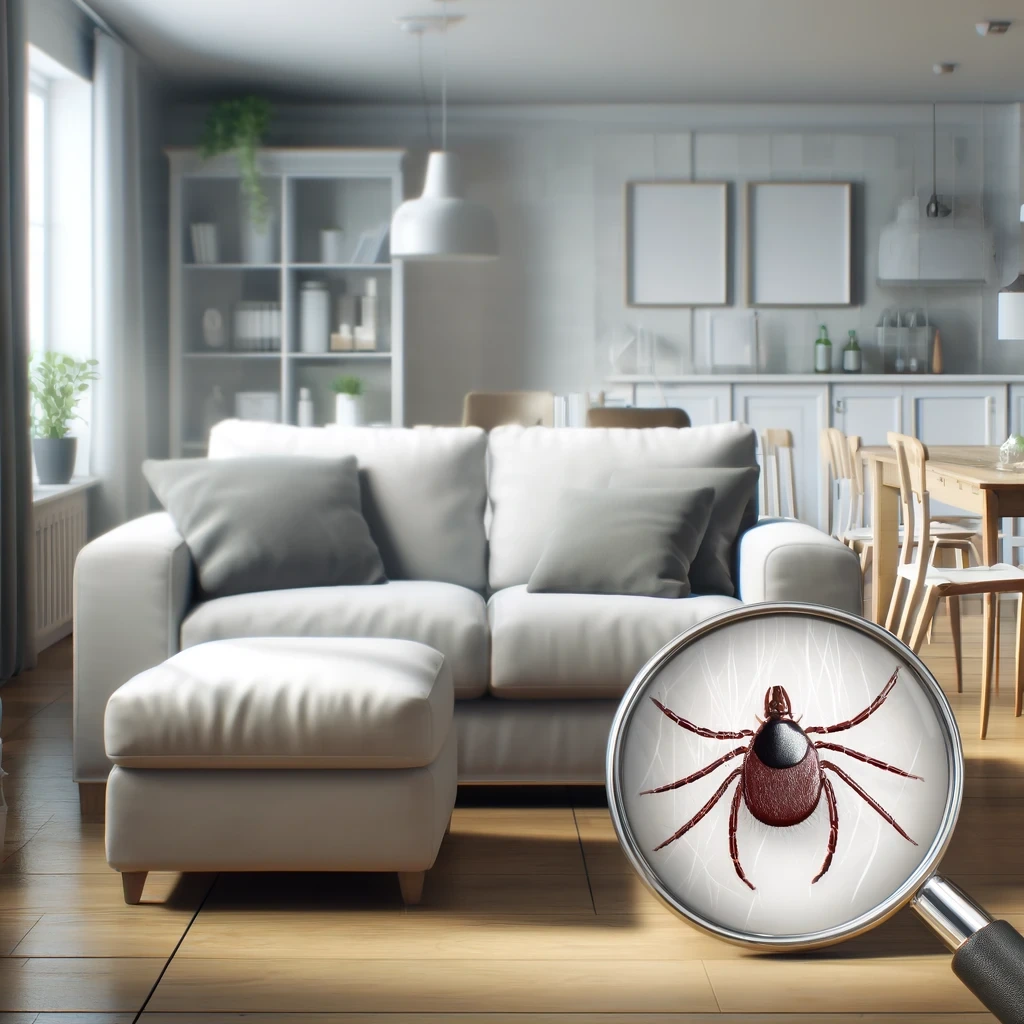
Finding a tick crawling across your living room floor is enough to make anyone’s skin crawl — and the first question that races through your mind is whether ticks can live in your house. The short answer is yes, but it depends on the species. While most ticks prefer the moist, shaded habitats of the outdoors, certain species thrive inside homes and can establish full-blown infestations behind your walls, under your furniture, and deep within your carpet fibers. Understanding how ticks get indoors, which species pose the greatest indoor threat, and what you can do to stop them is critical for protecting your family and pets. This guide breaks down everything you need to know about indoor tick survival, warning signs, and proven elimination strategies.
Which Tick Species Can Live in Your House?
Not all ticks are created equal when it comes to indoor survival. Most tick species are adapted to outdoor environments where they rely on humidity from leaf litter, tall grass, and wooded areas. However, a few species can survive — and even thrive — inside residential homes.
The Brown Dog Tick: The Primary Indoor Threat
The brown dog tick (Rhipicephalus sanguineus) is the only tick species in North America that can complete its entire life cycle indoors. Unlike other ticks, it does not need high humidity levels found in forests or fields. This species feeds primarily on dogs, but it will occasionally bite humans when populations grow large enough.
A single female brown dog tick can lay up to 5,000 eggs in cracks, baseboards, and furniture seams. Within weeks, your home can go from a single hitchhiking tick to a serious infestation. If you live in a warm climate like Florida, this risk is even greater year-round. Learning about common ticks found in Florida can help you identify this species quickly.
Outdoor Ticks That Occasionally End Up Inside
Deer ticks (black-legged ticks), lone star ticks, and American dog ticks are primarily outdoor species. They may enter your home on clothing, pets, or gear, but they rarely survive more than a few days indoors. The dry conditions inside most homes cause these species to dehydrate and die relatively quickly.
However, “quickly” doesn’t mean harmlessly. Even a tick that survives indoors for just 24 hours can attach to a host and transmit dangerous pathogens. Understanding diseases transmitted by ticks underscores why even a brief indoor presence matters.
How Do Ticks Get Inside Your Home?
Ticks don’t fly, jump, or burrow through walls. They rely entirely on hitchhiking and passive entry. Understanding their pathways into your home is the first step toward keeping them out.
- Pets: Dogs and cats that spend time outdoors are the number one source of indoor ticks. A single walk through tall grass or a wooded trail can bring multiple ticks inside.
- Clothing and gear: Ticks latch onto shoes, pants, backpacks, and camping equipment. They can remain hidden in fabric folds for hours before dropping off indoors.
- Wildlife: Rodents, raccoons, and birds nesting in attics, crawl spaces, or wall voids can carry ticks directly into your home’s structure.
- Open doors and windows: In rare cases, ticks questing on vegetation near entry points may crawl through gaps, especially during peak activity seasons.
Once inside, ticks seek dark, sheltered areas where they can wait for a host. This makes them incredibly difficult to spot before a population establishes itself.
Where Do Ticks Hide Inside Your House?
Ticks are masters of concealment. Their small size and flat bodies allow them to squeeze into spaces you’d never think to check. Knowing where ticks hide in your house helps you target your inspection and cleaning efforts effectively.
Common Indoor Hiding Spots
Ticks gravitate toward areas that are dark, warm, and close to potential hosts. Common hiding spots include:
- Along baseboards and in cracks between floorboards
- Inside carpet fibers, especially near pet bedding areas
- Behind curtains and along window casings
- Under furniture cushions, particularly couches and recliners where pets rest
- In pet bedding, kennels, and crates
- Within wall voids and behind electrical outlet covers
Brown dog ticks, in particular, tend to crawl upward. You may find them on walls, around ceiling edges, and behind picture frames — areas most homeowners never inspect for pests.
Signs You Have Ticks Living in Your House
An indoor tick infestation often goes unnoticed until the population is significant. Watch for these warning signs:
- Finding engorged or unfed ticks on your pet repeatedly, even after outdoor exposure is limited
- Spotting tiny dark specks (tick larvae or nymphs) on light-colored surfaces
- Discovering ticks crawling on walls, curtains, or furniture
- Your dog scratching excessively or developing skin irritation despite flea treatments
If you’re finding ticks indoors regularly, the problem has likely moved beyond a random hitchhiker. Learning how to properly check for ticks on both your body and your pet can help you gauge the severity of the issue.
How Long Can Ticks Survive Indoors Without a Host?
A tick’s indoor survival time varies dramatically by species, life stage, and environmental conditions. The table below provides a general comparison.
| Tick Species | Indoor Survival Without a Host | Can Reproduce Indoors? |
|---|---|---|
| Brown Dog Tick | Up to 18 months | Yes — full lifecycle indoors |
| Deer Tick (Black-Legged) | A few days to 2 weeks | No |
| Lone Star Tick | A few days to 1 week | No |
| American Dog Tick | Up to 2 years (in cool, humid areas) | Rarely |
Brown dog ticks are the clear outlier. Their ability to survive months without feeding and reproduce entirely indoors makes them the most dangerous tick species for homeowners. For a deeper look at tick lifespans across environments, explore our guide on how long ticks live.
Can Ticks in Your House Make You Sick?
Absolutely. Indoor ticks carry the same disease risks as outdoor ticks. The brown dog tick can transmit Rocky Mountain spotted fever and canine ehrlichiosis. If a deer tick hitches a ride inside, it still carries the risk of Lyme disease, anaplasmosis, and babesiosis.
The danger amplifies indoors because you’re in close, continuous proximity to the ticks. Outdoors, you might encounter a tick for a brief moment during a hike. Indoors, ticks have access to you and your pets 24 hours a day. Children and pets are especially vulnerable because they spend more time on floors and furniture where ticks hide.
Taking steps toward preventing tick bites remains important even inside your own home when an infestation is suspected.
How to Get Rid of Ticks Living in Your House
Eliminating an indoor tick population requires a multi-step approach. Ticks are resilient, and their eggs are resistant to many common pesticides. A thorough, sustained effort is essential.
Step 1: Treat Your Pets First
Your pets are both the primary food source and the main transportation system for indoor ticks. Without treating your animals, every other effort will fail. Consult your veterinarian about tick-specific treatments such as oral preventatives (like NexGard or Bravecto), topical treatments, or tick collars. Treat every pet in the household — not just the one showing signs of ticks.
Step 2: Deep Clean Your Home
Vacuum every room thoroughly, paying special attention to baseboards, carpet edges, under furniture, and pet resting areas. Vacuuming physically removes ticks, larvae, and eggs. Immediately seal and dispose of the vacuum bag or empty the canister into a sealed outdoor trash container.
Wash all pet bedding, blankets, and removable cushion covers in hot water (at least 130°F) and dry on high heat. This kills ticks at every life stage. Repeat this process weekly until the infestation is resolved.
Step 3: Apply Indoor Tick Treatments
Use an EPA-registered indoor insecticide labeled for ticks. Look for products containing permethrin, bifenthrin, or cyfluthrin. Apply along baseboards, in cracks, around door frames, and in any area where ticks have been spotted. Follow all label directions carefully.
For severe infestations, over-the-counter products often fall short. The brown dog tick’s ability to hide in wall voids, behind outlet covers, and inside structural cracks means surface sprays alone may not reach every population cluster.
Step 4: Call a Professional Pest Control Service
If you’re dealing with a recurring or large-scale tick infestation inside your home, professional pest control is the most reliable solution. Trained technicians can identify the species, locate hidden harborage areas, and apply targeted treatments that penetrate the spaces DIY products miss. Residents in South Florida dealing with persistent tick problems should read our detailed guide on how to stop a tick infestation in South Florida for region-specific strategies. Professional intervention is especially important when brown dog ticks have been breeding indoors, as egg deposits in structural voids can sustain populations for months without additional treatment.
How to Prevent Ticks From Entering Your House
Prevention is always more effective — and far less stressful — than dealing with an active infestation. These proactive strategies significantly reduce your risk of ticks establishing themselves indoors.
- Maintain year-round pet tick prevention: Oral or topical tick preventatives should be given consistently, not just seasonally. Ticks remain active in warm climates like Florida throughout the year.
- Inspect pets after outdoor activity: Check your dog or cat thoroughly after walks, hikes, or backyard play. Focus on ears, between toes, around the collar, and in the groin area.
- Check yourself and your clothing: After spending time outdoors in tick-prone areas, inspect your clothes and body. Tumble dry clothing on high heat for 10 minutes to kill any hitchhikers.
- Maintain your yard: Keep grass trimmed short, remove leaf litter, and create a 3-foot gravel or mulch barrier between wooded areas and your lawn. Using effective tick repellents when working in your yard also reduces the chance of bringing ticks inside.
- Seal entry points: Repair gaps around doors, windows, and utility penetrations. Address wildlife entry points in attics and crawl spaces to prevent rodent- and wildlife-carried ticks from entering.
- Vacuum regularly: Weekly vacuuming of high-traffic areas, pet zones, and upholstered furniture removes ticks before they can establish a population.
Ticks vs. Fleas: Understanding the Difference Indoors
Homeowners sometimes confuse ticks with fleas, especially when finding tiny pests on their pets or in their carpet. While both are blood-feeding parasites, their behavior and treatment differ significantly.
| Characteristic | Ticks | Fleas |
|---|---|---|
| Movement | Crawl slowly; do not jump | Jump up to 13 inches vertically |
| Feeding | Attach for days at a time | Bite repeatedly and move on |
| Indoor Reproduction | Only brown dog ticks reproduce indoors reliably | Reproduce rapidly indoors (eggs in carpet, bedding) |
| Size | Visible to naked eye; grow when engorged | Very small (1-3mm); hard to see |
If you’re noticing bites or pests on your pets but aren’t sure what you’re dealing with, our resource on identifying fleas in your home can help you tell the difference and choose the right treatment approach.
Frequently Asked Questions
-
Can ticks lay eggs inside your house?
Yes, particularly the brown dog tick. A single female can lay up to 5,000 eggs in cracks, baseboards, and furniture seams. Other tick species rarely reproduce indoors because they require outdoor humidity levels to survive long enough to lay eggs.
-
Can ticks live in your bed?
Ticks can temporarily hide in bedding, especially if a pet sleeps on the bed. However, ticks prefer dark crevices like baseboards and carpet edges over exposed surfaces. Washing bedding in hot water and drying on high heat eliminates any ticks present.
-
How do I know if I have a tick infestation in my house?
Repeated tick findings on your pets even with limited outdoor exposure is the most telling sign. You may also spot ticks crawling on walls or furniture, find tiny larvae near baseboards, or notice your pet scratching persistently. Finding more than one or two ticks indoors within a short period suggests an active infestation.
-
Do ticks die in the winter inside a heated home?
No. A heated home provides the warm conditions brown dog ticks need to survive and reproduce year-round. Indoor heating actually helps ticks stay active during months when outdoor ticks become dormant. This is why year-round prevention is critical in any climate.
-
Will vacuuming alone get rid of ticks in my house?
Vacuuming removes ticks, larvae, and some eggs from surfaces, but it won't reach ticks hidden in wall voids, deep carpet padding, or structural cracks. Vacuuming should be combined with pet treatments, indoor insecticide applications, and potentially professional pest control for full elimination.
-
Can ticks in my house spread Lyme disease?
Deer ticks (black-legged ticks) that carry Lyme disease can enter your home but rarely survive indoors long enough to breed. However, even a single indoor deer tick can transmit Lyme disease if it attaches and feeds for 36-48 hours. Brown dog ticks do not transmit Lyme disease but carry other serious pathogens.