Table of Contents
ToggleKey Takeaways
- Earwigs thrive in dark, damp environments, so reducing moisture around your home is the most effective prevention strategy.
- DIY traps using oil and soy sauce or rolled-up newspaper can significantly reduce earwig populations overnight.
- Sealing cracks, gaps, and entry points around your foundation stops earwigs from getting inside your home.
- Diatomaceous earth and targeted insecticide treatments provide reliable earwig control when applied correctly.
- Persistent earwig infestations often require professional pest control to address hidden nesting sites and breeding areas.
- Earwigs are most active from spring through fall, making early-season prevention critical for long-term control.
If you’ve been finding earwigs — those unsettling insects with pincers on their rear — crawling across your bathroom floor or hiding under potted plants, you’re not alone. Figuring out how to get rid of earwigs is one of the most common pest control challenges homeowners face, especially during warm, humid months. These nocturnal insects are drawn to moisture and darkness, which means your home can quickly become their favorite hiding spot. While earwigs aren’t dangerous to humans, their sheer numbers and startling appearance make them unwelcome guests. This guide walks you through everything from identifying what attracts pincher bugs to proven removal methods that actually work — so you can reclaim your home from these moisture-loving pests once and for all.
What Are Earwigs and Why Are They in Your Home?
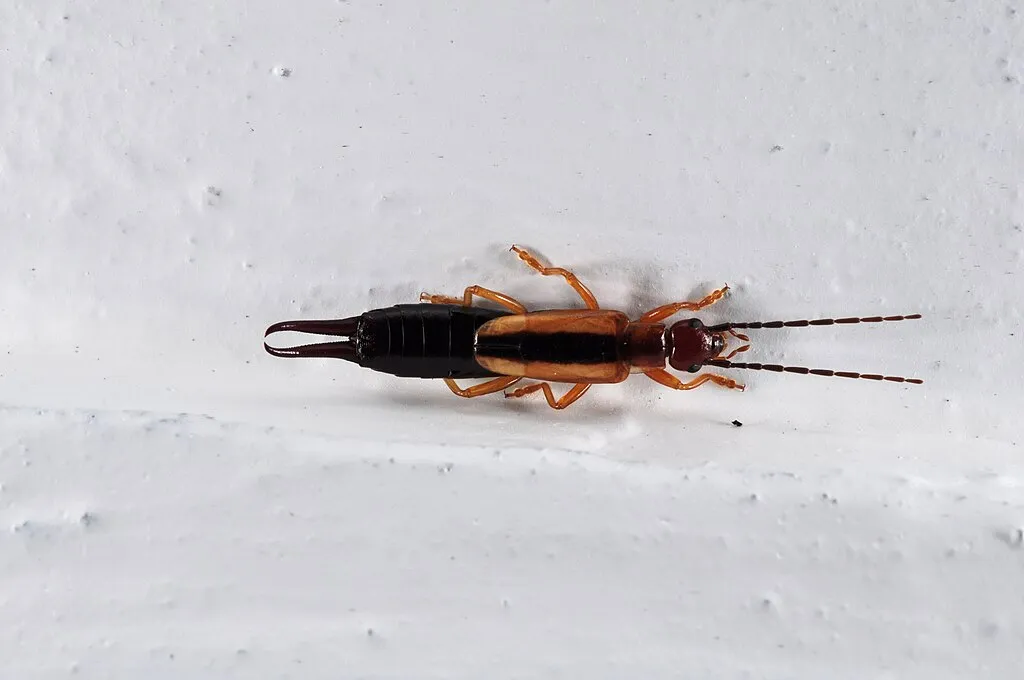
Earwigs, commonly called pincher bugs, belong to the insect order Dermaptera. They have elongated, flat bodies that range from dark brown to reddish-brown. The most recognizable feature is the pair of cerci — curved, pincer-like appendages — at the end of their abdomen. Males have curved pincers, while females have straighter ones.
Despite old myths, earwigs do not crawl into human ears. They’re harmless to people and pets. However, they can damage young seedlings, soft fruit, and flower petals in your garden.
So why do earwigs invade homes? The answer is almost always moisture. Earwigs need damp conditions to survive. When outdoor conditions become too hot, too dry, or too cold, they migrate indoors. Common entry points include:
- Cracks in your foundation or exterior walls
- Gaps around doors, windows, and utility pipes
- Poorly sealed basement or crawl space openings
- Spaces beneath sliding glass doors
Once inside, they gravitate toward bathrooms, kitchens, laundry rooms, and basements — anywhere humidity levels stay high. Earwigs share this love of moisture with other household pests like silverfish, which also seek out damp, dark spaces throughout your home.
Do Earwigs Have Wings?
Many homeowners are surprised to learn that some earwig species do have wings. The European earwig, the most common species in North America, has a set of short, leathery forewings and folded hindwings. However, they rarely fly. You can learn more about whether earwigs fly and how their wings work to better understand their behavior and movement patterns.
How to Identify an Earwig Infestation
Earwigs are nocturnal, so you may not see them during the day. Instead, look for these telltale signs of an infestation:
- Live earwigs at night: Turn on a light in your bathroom, kitchen, or basement after dark. If earwigs are present, you’ll spot them scurrying for cover.
- Earwig droppings: Tiny, dark pellets near baseboards, under sinks, or in cabinets.
- Plant damage: Irregular holes in leaves, chewed flower petals, and damaged seedlings in your garden.
- Musty odor: Earwigs release a foul-smelling liquid when threatened or crushed. A persistent musty smell in a confined area may indicate a large population.
Finding one or two earwigs occasionally is normal. However, seeing multiple earwigs every night — or finding clusters beneath objects outdoors — suggests a breeding population that needs attention. Earwigs are sometimes confused with other pests that share similar dark, damp habitats, such as centipedes, though centipedes have many more legs and move much faster.
How to Get Rid of Earwigs Inside Your Home
Once earwigs have made it indoors, your goal is twofold: eliminate the ones already inside and stop more from entering. Here are the most effective indoor methods for getting rid of earwigs.
Reduce Indoor Moisture
Since moisture is the primary reason earwigs come inside, eliminating dampness is your first line of defense. Use dehumidifiers in basements, crawl spaces, and laundry rooms. Fix leaking pipes immediately. Make sure bathroom exhaust fans are working properly. Improving ventilation in high-humidity rooms will make your home far less attractive to pincher bugs.
Set DIY Earwig Traps
Simple homemade traps can capture large numbers of earwigs overnight. Two highly effective options include:
- Oil and soy sauce trap: Fill a shallow container with equal parts vegetable oil and soy sauce. Place it near areas where you’ve seen earwigs. The soy sauce scent attracts them, and the oil traps them.
- Rolled newspaper trap: Lightly dampen a section of newspaper and roll it up. Place it on the floor near problem areas before bed. In the morning, earwigs will be hiding inside. Dispose of the entire roll in a sealed bag.
Check and replace traps daily for at least one to two weeks to make a noticeable impact on the population.
Vacuum and Remove Earwigs Manually
When you spot earwigs, vacuuming them up is the fastest and cleanest removal method. Empty the vacuum canister into a sealed outdoor trash bag immediately afterward. For individual earwigs, you can also use a paper towel or tissue. This approach works best as a supplement to trapping and prevention — not as a standalone solution.
Apply Indoor Insecticides Strategically
For moderate to heavy infestations, targeted insecticide application helps. Use residual sprays along baseboards, beneath sinks, around door frames, and in other crevices where earwigs hide. Insecticidal dust containing diatomaceous earth or boric acid can be applied inside wall voids and beneath appliances. Always follow product label directions carefully, especially in homes with children or pets.
Outdoor Methods to Eliminate Pincher Bugs
Most earwig infestations start outdoors. Addressing the exterior of your property prevents future invasions and reduces the overall population around your home.
Remove Outdoor Hiding Spots
Earwigs hide during the day beneath objects that provide darkness and moisture. Walk your property and address these common harborage areas:
- Move mulch at least six inches away from your foundation
- Clear leaf litter, wood piles, and landscape debris from around the house
- Elevate potted plants on stands or feet to eliminate hiding spots underneath
- Store firewood away from exterior walls and off the ground
- Remove decorative stones or ground cover directly adjacent to the foundation
The fewer damp, dark hiding spots near your home, the fewer earwigs will congregate close enough to find their way inside.
Fix Drainage Issues Around Your Foundation
Standing water and poor drainage near your foundation create ideal earwig habitat. Make sure gutters and downspouts direct water at least three to four feet away from the house. Grade the soil around your foundation so water flows away rather than pooling. Repair any irrigation leaks near the building perimeter.
Apply Outdoor Perimeter Treatments
A perimeter insecticide barrier is one of the most reliable ways to stop earwigs before they reach your doors and windows. Granular insecticides spread in a band around the foundation work well because earwigs travel along the ground. Liquid residual sprays applied to the lower foundation wall, around door frames, and near window wells add another layer of protection. Reapply treatments every four to six weeks during peak earwig season — typically April through October.
Use Diatomaceous Earth in the Garden
Food-grade diatomaceous earth (DE) is a natural, non-toxic powder made from fossilized algae. When earwigs crawl through it, the microscopic particles damage their exoskeleton and cause dehydration. Sprinkle DE around garden beds, along the foundation, and near entry points. Reapply after rain or heavy irrigation, as moisture reduces its effectiveness.
How to Prevent Earwigs From Coming Back
Elimination without prevention leads to re-infestation. Once you’ve reduced the earwig population, take these steps to keep pincher bugs from returning.
Seal All Entry Points
Inspect the exterior of your home thoroughly. Use silicone caulk to seal cracks in the foundation, gaps around window frames, and openings where utility pipes or wires enter the structure. Install or replace weatherstripping on exterior doors. Add door sweeps to any door that has a visible gap at the bottom. Pay special attention to basement-level windows and crawl space access points.
Adjust Outdoor Lighting
Earwigs are attracted to light at night. Bright white porch lights and security lights draw earwigs — and many other insects — directly to your home’s exterior. Switch to yellow or sodium-vapor bulbs, which are less attractive to nocturnal insects. Alternatively, position lights away from the house and angle them toward the building rather than mounting them directly on walls. Reducing light attraction also helps limit other nighttime pests like crickets and moths from gathering near your doors.
Maintain a Clean, Dry Yard Year-Round
Consistent yard maintenance reduces earwig habitat throughout the year. Rake leaves regularly in the fall. Keep grass trimmed short near the foundation. Avoid over-watering garden beds close to the house. Prune shrubs and plants so air circulates freely near exterior walls. These habits make your property less appealing to moisture-loving pests like earwigs.
DIY vs. Professional Earwig Treatment: Which Works Better?
Many homeowners can manage minor earwig problems with the DIY methods described above. Traps, moisture reduction, and sealing entry points handle small populations effectively. However, professional pest control becomes the better choice in several situations.
| Factor | DIY Treatment | Professional Treatment |
|---|---|---|
| Best for | Small, occasional infestations | Large or recurring infestations |
| Cost | $10–$50 for supplies | $100–$300 per treatment |
| Effectiveness | Moderate — requires consistent effort | High — targets hidden nesting sites |
| Speed | 1–3 weeks to see results | Noticeable reduction within days |
| Prevention included | Depends on homeowner diligence | Often includes follow-up and monitoring |
If you’ve tried traps and perimeter sprays for several weeks with no improvement, or if earwigs keep reappearing in large numbers each season, a pest control professional can identify hidden entry points and nesting areas you may have missed. Professional-grade products also offer longer-lasting residual protection than most consumer options. When earwigs are part of a broader moisture pest problem in your home, expert assessment ensures you’re addressing the root cause — not just the symptoms.
When Are Earwigs Most Active During the Year?
Understanding earwig seasonality helps you time your prevention efforts for maximum impact. Earwigs are most active from late spring through early fall. Here’s a seasonal breakdown:
- Spring (March–May): Earwig eggs hatch, and nymphs begin feeding. This is the ideal time to apply perimeter treatments and set outdoor traps before populations spike.
- Summer (June–August): Peak activity. Earwigs are most likely to enter homes during hot, dry spells when they seek moisture and cooler temperatures indoors.
- Fall (September–November): Adults search for overwintering sites. They may burrow into garden debris or find their way into basements and crawl spaces.
- Winter (December–February): Earwigs become dormant underground or in sheltered locations. This is a good time to seal entry points and address drainage issues before spring.
Starting earwig prevention in early spring — before the first generation hatches — gives you the greatest advantage. Consistent monthly treatments through summer maintain control during the highest-activity period.
Frequently Asked Questions
-
Are earwigs dangerous to humans or pets?
Earwigs are not dangerous. Their pincers can deliver a mild pinch if handled, but they don't carry venom or transmit diseases. They pose no health risk to humans or pets. The main concern with earwigs is property nuisance and minor garden damage.
-
What attracts earwigs to my house?
Moisture is the primary attractant. Leaking pipes, poor drainage, damp basements, and excessive mulch near your foundation all draw earwigs in. Outdoor lighting also attracts them to exterior walls at night, increasing the chance they'll find gaps to enter through.
-
Can earwigs cause damage inside my home?
Earwigs don't cause structural damage to homes. They don't chew wood, fabric, or electrical wiring. However, in large numbers, they can contaminate stored food and leave behind droppings and a musty odor in confined spaces like cabinets and closets.
-
How long does it take to get rid of an earwig infestation?
With consistent DIY efforts — trapping, moisture reduction, and sealing entry points — you can expect noticeable results within one to three weeks. Professional treatments typically reduce populations within a few days, with follow-up visits ensuring complete control over four to six weeks.
-
Does diatomaceous earth really work on earwigs?
Yes, food-grade diatomaceous earth is effective against earwigs. It damages their exoskeleton on contact, causing dehydration and death within 24 to 48 hours. For best results, apply it in dry areas where earwigs travel. It loses effectiveness when wet, so reapply after rain.
-
Should I hire a professional to get rid of earwigs?
For small, occasional sightings, DIY methods are usually sufficient. If you're dealing with large numbers of earwigs repeatedly, or if they return every season despite your efforts, professional pest control is worth the investment. Professionals can locate hidden nesting sites and apply longer-lasting treatments that most homeowners can't access.