
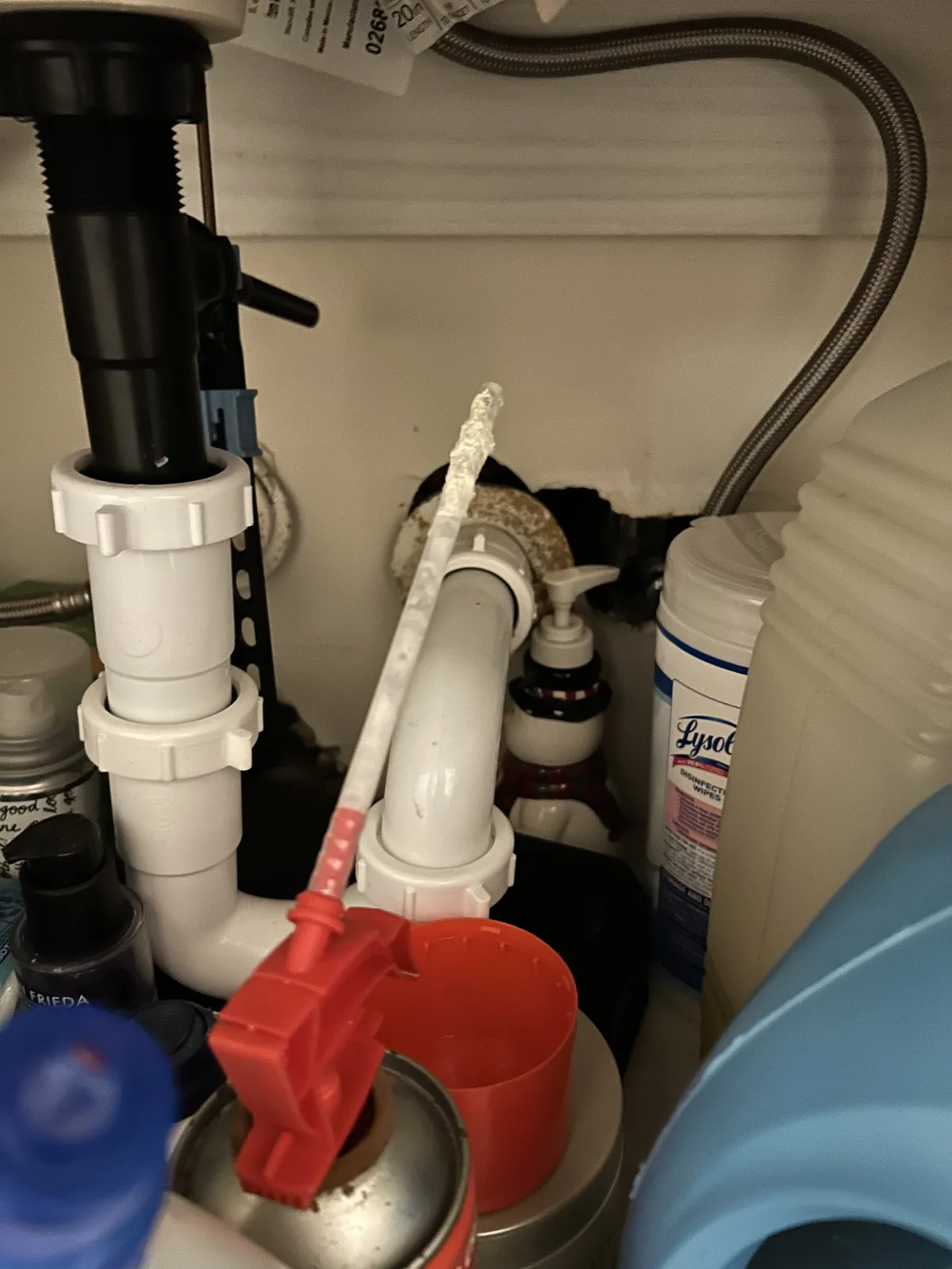
Phorid flies often scuttle and have a humpbacked profile, but a specimen may be needed to confirm identification. Inspect accessible decay and moisture before assuming a hidden plumbing defect.
What to Know About Phorid Flies
- Phorid flies are tiny brown, tan or black flies with a humped back. They usually run across a surface in short, jerky bursts instead of flying away.
- They breed in moist, decaying organic matter. In homes, that usually means drain linings, dirty trash cans, rotting produce, wet rags or food debris under appliances.
- Killing the adults won’t solve the problem. You have to find and remove the place where the larvae are growing.
- Seeing these flies doesn’t by itself mean your plumbing is broken. Use simple tests first, and call a plumber if you suspect a leak.
You see a few small flies on the counter. When you reach for one, it doesn’t take off. Instead, it scurries sideways, stops and darts off in another direction. Without a microscope, that behavior is the best clue you can get. That behavior can guide identification and a search for breeding material; confirmation may require an intact specimen and magnification.
How Do You Recognize a Scuttle Fly?
Phorid flies have several common names, including scuttle flies, humpback flies, sewer flies and coffin flies. Each name points to a trait or habit. Once you know what to look for, those traits make the family fairly easy to spot.
The Run-and-Pause Movement
Virginia Tech’s Insect Identification Lab describes the behavior clearly. A phorid fly runs a short distance and pauses briefly. Then it runs off abruptly in a new direction. It often runs away rather than flying away. NC State Extension says this erratic running is one of the best ways to tell phorids from other small flies.
If the flies you see mostly hover around a fruit bowl, they may be something else. If they skitter across countertops, windowsills or the rim of a sink, think phorid.
Body Shape, Size and Wings
Up close, look for these features:
- Size: Most are under 5 mm (0.2 inches). The average is about 1/8 inch.
- Color: Shades of brown, tan, black or yellow. Some have dark bands across the abdomen.
- Hump: Seen from the side, the thorax arches high and the small head sits low in front of it.
- Legs: The hind legs are long and often flattened.
- Head: Short antennae and spiky, bristly hairs on the face.
- Wings: Usually clear. Several heavy, dark veins crowd toward the front edge near the base, and three or four lighter veins run across the rest of the wing.
NC State calls the wing veins the easiest way to confirm a phorid fly. However, you need magnification to see them well.
What You Can and Can't Confirm at Home
Be realistic about what you can see with the naked eye. The scuttling run and humped profile are strong clues. Still, the family includes many species, and they vary in size and appearance. To confirm the wing veins or name the exact species, you usually need a hand lens or microscope.
If you need a firm ID, catch a few flies on a sticky trap. Then take the sample to your local cooperative extension office or insect diagnostic clinic. A squashed fly on a paper towel is much harder to identify than an intact one.
You may also find pupal cases. NC State says they can coat surfaces near where the larvae developed. They’re oval, slightly flattened and about 4 mm long, with short spikes and two small breathing horns. A cluster of these strongly suggests you’re close to the breeding site.
How Are They Different From Other Small Flies?
People most often mistake phorid flies for fruit flies. Look at the eyes, body and legs first. Many familiar fruit flies have red eyes, but color alone is not a reliable identifier. Fruit flies also lack the arched hump and the long, flattened hind legs. Fungus gnats have long antennae and a forked wing vein. Black flies bite, but phorid flies don’t.
Drain flies are the other common mix-up in kitchens and bathrooms. If your flies don’t scuttle, or they look fuzzy rather than humped, compare them with fruit flies and drain flies before you start a phorid-focused search. Drain flies have a fuzzy, moth-like look. Those features help narrow the possibilities, but an unclear specimen still needs identification.
The scuttling run and humped profile are useful phorid clues, not a substitute for examining the insect. Getting the ID right matters because it tells you which breeding materials to search first.
Life Cycle: Why a Few Flies Become Many
Phorid flies go through complete metamorphosis: egg, larva, pupa and adult. You’ll rarely notice the early stages because they’re so small.
For the common household phorids discussed by NC State Extension, reported development includes:
- Eggs are boat-shaped, about 0.5 mm long and very hard to find.
- Larvae are white to gray maggots up to 10 mm long. They can enter the pupal stage in as little as 55 to 65 hours.
- Pupae finish developing in roughly 170 hours.
- Total development from egg through pupa takes about 10 days. Cooler temperatures stretch that out.
A single female can lay more than 700 eggs in her lifetime. As a result, you might suddenly see a large number of flies even if only a few got in at first. Virginia Tech says multiple generations hatch each year. Cold weather and the food supply are the main limits.
This timeline explains why swatting adults feels like a losing battle. Persistent breeding material can support overlapping generations; development varies with species and conditions.
Where Do Phorid Flies Breed?
Phorid flies lay eggs in moist, decaying plant and animal matter. NC State lists a wide range of household sources:
- The slimy lining (biofilm) inside drain pipes
- Garbage disposals
- Residue inside trash cans and recycling bins
- Food that has dropped under or between appliances
- Rotting fruits and vegetables, especially stored potatoes and onions
- Dirty mop heads, damp rags and sponges
- Pet waste
- Potted plants and compost bins
- Septic systems
Virginia Tech adds drip and condensation pans under refrigerators, air conditioners and dehumidifiers. It also points to tile grout, small ledges under appliances and cracks where organic material builds up.
Moisture and decaying organic matter are common resources for these household phorids. Once you understand what attracts flies in general, it becomes easier to find a forgotten bag of potatoes or a sour sponge. Phorids are simply less picky than most species. That’s why a wide, careful search works better than cleaning only the obvious spots.
Keep in mind that the source may not be inside at all. NC State says phorid flies travel readily. Adults are drawn to light and ride air currents. They can come in from outdoor breeding spots on your property or a neighbor’s.
Mapping the Source Room by Room
NC State stresses that finding the breeding site is essential, though it can be hard. A methodical search beats random cleaning. Start where the flies are heaviest and work outward.
Kitchen
If the problem seems to be indoors, NC State recommends starting in the kitchen. Check these spots:
- Pantry bins and bags of potatoes, onions and other stored produce
- The garbage disposal and sink drain
- Trash and recycling containers, including the bottom of the can under the bag
- The floor and side gaps under and beside the refrigerator, stove and dishwasher
- The refrigerator drip pan
- The cabinet under the sink, where you should look for leaks, pooled water or damp cleaning supplies
Bathrooms and Laundry Areas
Next, move to rooms with drains and moisture. Inspect sink, tub, shower and floor drains. Look around the base of toilets for signs of moisture. Check behind and under the washing machine for leaks or standing water. Damp bath mats, sponges and mop buckets are worth checking too.
Basements, Crawl Spaces and Utility Areas
Limit checks to accessible areas. Do not enter unsafe crawl spaces, open energized equipment, move heavy appliances or handle suspected sewage yourself.
NC State points to crawl spaces, wall voids and basements, where moisture can encourage fungus. Check floor drains, sump areas and dehumidifier or HVAC condensation pans. Also look for wet spots along the foundation.
Outdoors and the Perimeter
Finally, walk around the outside of the house. Look for dirty outdoor trash cans, compost piles, wet grass clippings, pet waste and dead animals. NC State lists all of these as outdoor breeding materials. If the flies are worse near a door or window on one side, give that side a closer look.
As you search, note where you find adults, pupal cases or larvae. Sketch your floor plan and mark each spot where you see activity. A pattern often shows up quickly.
Simple Tests to Confirm a Drain Source
Drains are a common suspect, but don’t assume. Both extension sources describe easy tests:
- Tape test: Place clear tape sticky-side down over a drain opening overnight. If flies are coming up from the drain line, some will stick to the underside.
- Clear bowl test: Set a clear bowl upside down over the drain. Flies coming up from the pipe will collect inside, where you can see them.
- Sticky traps for mapping: Place sticky fly traps around the house. NC State says this helps show where breeding activity is heaviest, so you can focus your effort.
Test one drain at a time, or label each one. That way, a positive result points to a specific fixture rather than a whole room.
A positive test shows a route of emergence and helps focus inspection. It does not, by itself, locate all breeding material or establish whether a pipe is intact. Inspect accessible buildup and seek plumbing assessment when other evidence suggests a defect.
Are These Flies a Health Concern?
For most households, phorid flies are a nuisance. They don’t bite people or pets. NC State emphasizes that around the home, they are typically only a nuisance.
The real concern is contamination. Virginia Tech explains that adults feed on liquids from rotting garbage, carrion and dung. If they reach fresh food, they can carry disease organisms to it on their bodies. That risk matters most in food-handling settings and hospitals. At home, it’s a good reason to keep food covered and counters clean while you find the source.
If the specimen instead proves to be a moth-like drain fly, the drain-fly health guide explains that separate insect. Neither identification nor an individual sighting establishes that someone has been exposed to a disease. Keep food protected and investigate the actual breeding material.
Cleaning Up the Breeding Site
Both extension sources agree that sanitation is the key to control. Once you’ve found the source, remove it completely.
Remove and Clean
- Throw out rotting produce and any spoiled food you find.
- Empty and scrub trash cans and recycling bins on a regular schedule.
- Clean under and beside appliances where food debris collects.
- Scrub tile grout, small ledges and cracks that hold organic material.
- Clean drip and condensation pans under refrigerators, AC units and dehumidifiers.
- Wash or replace damp rags, sponges and mop heads, and let them dry fully between uses.
- Fix leaks and dry out pooled water under sinks and around appliances.
Clean Drains the Right Way
For drains, NC State says microbial cleaners can work well because they break down organic buildup. Foam products are preferred because they coat the pipe walls. Always follow the product label.
Don’t pour bleach or other strong cleaners down drains. NC State warns that these products can react dangerously with other chemicals in drain lines. They also won’t kill the larvae or control the flies.
Handle the Adults
Use a fly swatter on adults you can see. Sticky fly tape, glue traps or light traps may reduce adult numbers. However, Virginia Tech is clear that removing the breeding source is the key to controlling the larvae. NC State adds that residual sprays may kill adults but won’t end an infestation. Keep any insecticide away from food, dishes and utensils.
Keep Monitoring
Continue monitoring after cleanup and keep dated counts from the same trap locations. Adults may continue to emerge from existing immature stages; there is no fixed household elimination deadline. If you catch fewer flies each week, you’ve likely found the source. Steady or rising catches suggest a second site you haven’t found yet.
When to Call a Plumber or Pest Professional
Sometimes a careful search turns up nothing. If you can’t find an obvious source, NC State recommends having a plumbing company inspect the drain lines. Plumbers can check for cracks with a flexible camera or a smoke test.
Virginia Tech explains why this matters. Occasionally, a broken sewer or drain pipe leaks decaying material into the soil under a slab or foundation. Large numbers of phorid flies can then breed in that soil. Fixing that requires a plumber. Don’t try to dig out or handle contaminated soil yourself. If a pipe is confirmed broken under concrete, NC State says professionals typically have to open the slab, repair the pipe and remove the affected soil.
Still, seeing phorid flies doesn’t mean your sewer line is broken. NC State says breeding sites are most commonly organic debris that a careful inspection can find. Work through the room-by-room search and drain tests first. Call a plumber if the evidence points to a hidden leak or you still can’t find the source.
Frequently Asked Questions
-
Do phorid flies bite?
No. Both Virginia Tech and NC State Extension confirm that phorid flies don't bite people or animals. They're mainly a nuisance. The bigger concern is that they can carry germs from decaying material onto uncovered food.
-
How long does it take to get rid of phorid flies?
It depends on how quickly you find and remove the source. Development varies with species and temperature, and existing immature stages may still emerge. Track sightings after source removal; continuing or rising activity calls for another inspection rather than a promised timetable.
-
Why do I keep seeing them after I cleaned the drains?
The drain may not be the source, or it may be one of several. Use the tape or clear-bowl test on each drain to confirm. Then check stored produce, trash cans, appliance drip pans and damp areas. Remember that adults can also come in from outdoors.
-
Can phorid flies come from potted plants?
Yes. NC State lists potted plants as possible breeding sites, especially when the soil stays wet and holds decaying organic matter. However, small flies in houseplants are often fungus gnats. Look for long antennae (gnat) or a humped back and scuttling run (phorid).
-
Will bug spray get rid of phorid flies?
Sprays may kill the adults you see, but they won't stop the infestation. New flies keep emerging until you remove what the larvae feed on. NC State says residual sprays don't end an infestation, so sanitation has to come first.
-
When should I suspect a plumbing problem?
Consider it if you've searched thoroughly and cleaned every likely source, yet large numbers of flies keep appearing. This is especially telling near floor cracks or slab edges. Don't assume a pipe is broken based on sightings alone. A plumber can inspect the lines with a camera or smoke test.

Vincent founded On Demand Pest Control in 2017 and is a Florida Certified Operator in all four state categories. He treats pest control as a systematic problem to solve, not a symptom to spray. Read Vincent’s full bio →
Get help with pests in your home.
We’ll talk through what you’re seeing and arrange a time to inspect your home.
- Tell us what you’re seeing.
- We arrange an on-site inspection.
- You receive a written quote explaining the work.
Where can we reach you?
Our team will call to confirm the next step.
By submitting, you’re asking On Demand Pest Control to contact you about this request.
↗ Prefer to call? (954) 947-0805