Table of Contents
ToggleKey Takeaways
- Banana spiders (golden silk orb-weavers) are generally not dangerous to humans but can become a nuisance around homes and gardens.
- Physical web removal with a long stick or broom is the simplest and most immediate way to discourage banana spiders from settling near your property.
- Natural deterrents like peppermint oil, citrus sprays, and vinegar solutions repel banana spiders without harmful chemicals.
- Reducing outdoor lighting and eliminating insect prey populations are the most effective long-term prevention strategies.
- Professional pest control is recommended when banana spider infestations are widespread or located in hard-to-reach areas.
Figuring out how to get rid of banana spiders becomes a priority when their massive golden webs start blocking your walkways, porches, and garden paths. These large, striking spiders — formally known as golden silk orb-weavers (Trichonephila clavipes) — are a common sight across Florida and the southeastern United States. While they play a beneficial role in controlling insect populations, their imposing size and sticky webs can make daily life uncomfortable. The good news is that banana spiders are rarely dangerous, and you have several effective options for removing them and keeping them away. This guide covers everything from identification and behavior to hands-on removal techniques, natural repellents, and long-term prevention strategies so you can reclaim your outdoor spaces.
What Are Banana Spiders and Why Are They Near Your Home?
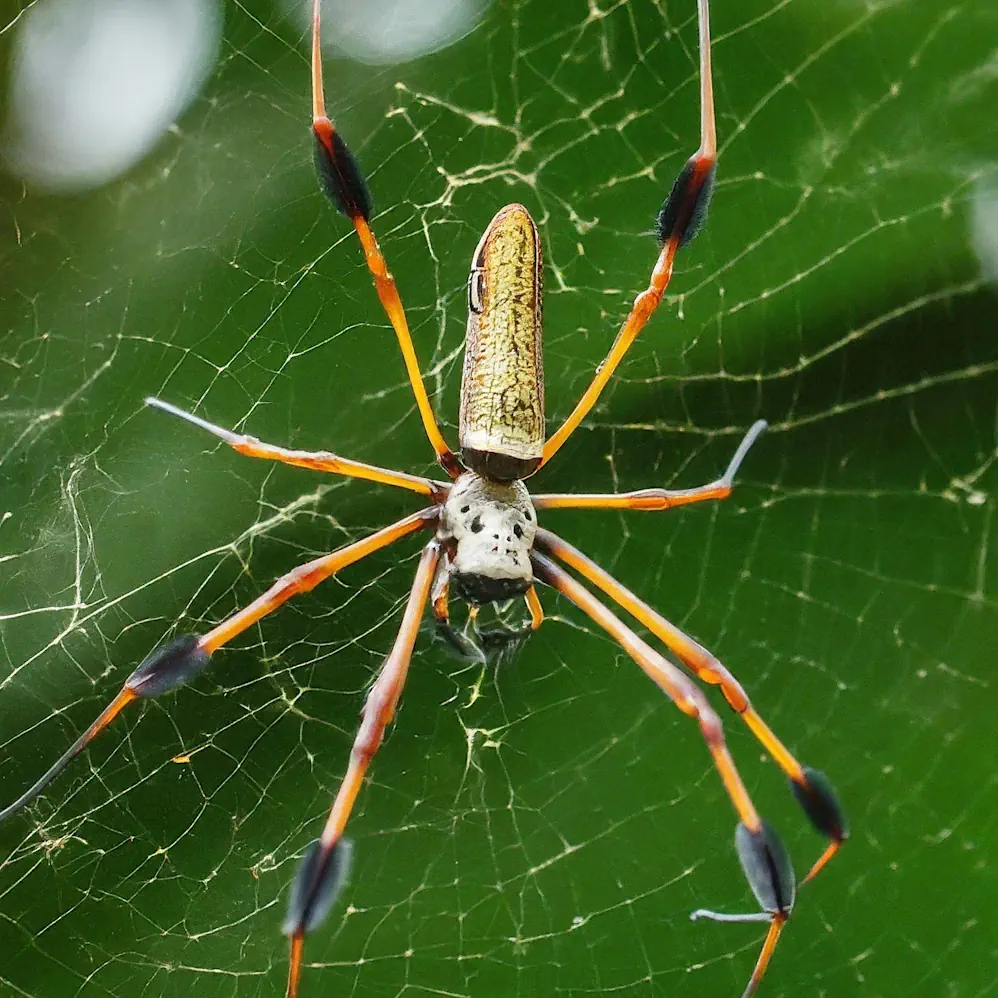
Before you attempt to get rid of banana spiders, it helps to understand what you’re dealing with. The term “banana spider” most commonly refers to the golden silk orb-weaver, a species known for building enormous, golden-hued webs that can span several feet across. Females are the ones you’ll notice — they can reach up to three inches in body length with legs extended, while males are tiny by comparison.
Banana spiders gravitate toward areas that offer two things: structural anchor points for their webs and a steady supply of flying insects. That’s why you’ll often find them between trees, along fence lines, near porch lights, and around garden trellises. Their webs are incredibly strong, sometimes strong enough to snag small birds, and the golden silk they produce is one of the toughest natural fibers on Earth.
Understanding their spider anatomy can help you identify them correctly. Banana spiders have elongated abdomens with yellow and brown banding, tufted leg joints, and a distinctly cylindrical body shape that sets them apart from other large spiders in the region.
Are Banana Spiders Dangerous to Humans?
Banana spiders can bite if handled or provoked, but their venom is mild — comparable to a bee sting for most people. Bites may cause localized pain, redness, and minor swelling that typically resolves within 24 to 48 hours. Severe allergic reactions are rare but possible.
The primary concern with banana spiders isn’t their bite. It’s the inconvenience of walking face-first into their massive webs. For homeowners in Florida, where banana spiders thrive from late spring through fall, web encounters can become a daily annoyance.
How to Identify Banana Spiders vs. Other Species
Proper identification matters because banana spiders are often confused with other large web-building species. Misidentification could mean using the wrong removal strategy or ignoring a more dangerous spider nearby.
Key Identification Features
Look for these characteristics when identifying banana spiders:
- Body size: Females measure 1 to 3 inches (body length); males are only about 0.5 inches
- Coloring: Yellow, orange, and brown banding on an elongated abdomen
- Legs: Long, banded legs with distinctive dark tufts at the joints
- Web: Large asymmetric orb webs with golden-colored silk, often 3 to 6 feet in diameter
- Web placement: Elevated between trees, shrubs, fences, or structures — rarely at ground level
Banana Spiders vs. Other Florida Orb Weavers
Florida hosts many common orb weaver spiders that build similar webs. The spiny orb weaver, for example, creates smaller webs and has a distinctive crab-like shell. Garden orb weavers tend to be rounder and stockier. If you spot a large spider with a glossy black body and red markings, stop — that could be a black widow, which requires a completely different approach. The table below summarizes key differences.
| Feature | Banana Spider | Spiny Orb Weaver | Black Widow |
|---|---|---|---|
| Body Shape | Elongated, cylindrical | Flat, crab-like | Round, glossy |
| Size (Female) | 1–3 inches | 0.3–0.5 inches | 0.5–1.5 inches |
| Web Type | Large golden orb | Small orb with tufts | Messy, irregular |
| Danger Level | Low | Harmless | Medically significant |
| Active Season | Late spring–fall | Year-round | Year-round |
How to Get Rid of Banana Spiders: Step-by-Step Methods
Once you’ve confirmed you’re dealing with banana spiders, it’s time to take action. The best approach combines immediate removal with ongoing prevention. Here are the most effective methods ranked from simplest to most involved.
1. Physical Web Removal
The fastest way to get rid of banana spiders is to destroy their webs. Use a long stick, broom, or extending duster to knock down webs. The spider will typically flee rather than confront you. Remove webs in the early morning when dew makes them easier to spot.
Key tips for effective web removal:
- Wear gloves and long sleeves for protection
- Check the same spots daily — banana spiders often rebuild in the same location
- Dispose of egg sacs if you find them (they look like small, papery pouches attached near the web)
Consistent web removal signals to the spider that the location isn’t viable. After three to five removals, most banana spiders relocate on their own.
2. Natural Repellent Sprays
Banana spiders dislike strong scents, and you can use this to your advantage with natural deterrents. These sprays won’t kill the spiders but will discourage them from building webs in treated areas.
- Peppermint oil spray: Mix 15–20 drops of peppermint essential oil with water in a spray bottle. Apply to doorframes, porch railings, and garden structures weekly.
- Citrus spray: Boil citrus peels in water, let cool, strain, and spray around web-prone areas.
- White vinegar solution: Combine equal parts white vinegar and water. Spray directly on web anchor points.
Reapply these natural solutions after rain, as water washes them away quickly. For best results, spray in the late afternoon before spiders begin their evening web construction.
3. Reduce Outdoor Lighting
Outdoor lights attract the flying insects banana spiders feed on — moths, beetles, mosquitoes, and flies. By reducing or redirecting your outdoor lighting, you cut off the spider’s food supply.
- Switch to yellow or amber “bug light” bulbs that attract fewer insects
- Move porch lights away from doorways and seating areas
- Use motion-sensor lights instead of leaving fixtures on all night
- Turn off unnecessary landscape lighting during peak spider season
4. Apply Residual Insecticide Barriers
For persistent banana spider problems, a residual insecticide applied around your home’s perimeter can be effective. Look for products containing bifenthrin or lambda-cyhalothrin, which create a barrier that kills spiders on contact for several weeks.
Apply the product along eaves, window frames, doorframes, fence posts, and any structural points where webs commonly appear. Follow all label directions carefully, and avoid spraying near edible garden plants, pet areas, or water features.
5. Habitat Modification
Long-term banana spider control requires making your property less attractive to them. Focus on these habitat modifications:
- Trim overgrown shrubs and tree branches that create natural web anchor points
- Clear debris, woodpiles, and dense vegetation near the house
- Seal gaps around windows, doors, and utility penetrations to prevent indoor entry
- Keep gutters clean — clogged gutters attract insects that spiders feed on
These changes also help reduce encounters with other spider species. If you’re curious about the full range of spiders in Florida that might benefit from similar habitat modifications, understanding the local species helps you prioritize your efforts.
When Should You Call a Professional for Banana Spider Removal?
Most banana spider situations are manageable with DIY methods. However, certain circumstances warrant professional pest control assistance:
- Large infestations: Dozens of webs covering your property indicate a thriving insect population that needs professional assessment
- Inaccessible locations: Webs high on your roofline, inside soffits, or in tall trees are safer to address with professional equipment
- Misidentification concerns: If you suspect you’re dealing with a dangerous species like black widows, which prefer hidden habitats, a professional can confirm the species and apply appropriate treatments
- Recurring problems: If banana spiders return despite consistent DIY removal, a pest control technician can identify underlying attractants you may have missed
A professional treatment typically includes a thorough inspection, targeted insecticide application, web removal, and recommendations for ongoing prevention. Most treatments provide protection for 30 to 90 days depending on the product used and local weather conditions.
How to Prevent Banana Spiders From Coming Back
Getting rid of banana spiders is only half the battle. Prevention keeps them from returning season after season. Think of prevention as a three-pronged approach: eliminate food sources, remove shelter opportunities, and maintain barriers.
Control the Insect Population
Banana spiders stay where the food is. Reducing the flying insect population around your home is the single most effective prevention strategy. Keep trash cans sealed, eliminate standing water that breeds mosquitoes, and maintain a clean yard free of decaying organic matter. Consider installing fans on covered patios — moving air disrupts both flying insects and web construction.
Maintain Your Landscape
Overgrown vegetation provides countless anchor points for banana spider webs. Maintain a clear buffer of at least two feet between shrubs and your home’s exterior walls. Prune tree branches that overhang walkways, and remove dead plants and leaf litter that harbor insect prey. Regular landscape maintenance is one of the most overlooked spider prevention tactics.
Schedule Seasonal Pest Control Treatments
In Florida, banana spider season peaks from June through November. Scheduling quarterly perimeter treatments — especially in spring before the population boom — creates a chemical barrier that intercepts spiders before they establish webs. Many large spider species in Florida respond to the same perimeter treatments, so you address multiple species at once.
Consistent professional treatments combined with DIY maintenance create the most reliable defense. If you’ve struggled with banana spiders year after year, a scheduled treatment plan is worth the investment for peace of mind and web-free outdoor living.
Frequently Asked Questions
-
Are banana spiders poisonous or venomous?
Banana spiders are venomous — they use venom to subdue insect prey — but their venom is not medically significant to humans. A bite may cause mild pain and localized swelling similar to a bee sting. Serious reactions are extremely rare, and no deaths have been attributed to golden silk orb-weaver bites.
-
What time of year are banana spiders most active?
In Florida and the southeastern U.S., banana spiders are most active from late May through November. Their population peaks during the warm, humid months of summer and early fall. Webs become noticeably larger as females mature and prepare to lay eggs in late summer.
-
Will banana spiders come inside my house?
Banana spiders strongly prefer outdoor habitats and rarely enter homes. They need large open spaces between anchor points to build their orb webs, which indoor environments don't typically provide. If you find one indoors, it likely wandered in accidentally through an open door or window.
-
Can I relocate a banana spider instead of killing it?
Yes. You can gently guide a banana spider into a large container and release it in a wooded area away from your home. Since banana spiders are beneficial predators that consume large numbers of pest insects, relocation is an environmentally friendly option if the spider isn't in a problematic location.
-
How long does it take a banana spider to rebuild its web?
A banana spider can rebuild a full-sized web in as little as one hour, though most take two to four hours. They typically construct new webs in the evening and take them down at dawn. Consistent daily web removal for three to five days usually causes the spider to relocate to a different area.
-
Do essential oil sprays actually repel banana spiders?
Peppermint oil and citrus-based sprays can deter banana spiders from building webs in treated areas. However, they must be reapplied frequently — at least weekly and after every rainfall. Essential oils work best as part of a broader prevention strategy that includes habitat modification and insect population control.