
Table of Contents
ToggleKey Takeaways
- Roach bombs scatter cockroaches deeper into walls and spread contamination without eliminating infestations at their source.
- Gel baits, boric acid, and IGR treatments target roaches more effectively than total-release foggers while keeping your family and pets safer.
- Sealing entry points and eliminating moisture sources are critical long-term roach control strategies that bombing completely ignores.
- Integrated Pest Management (IPM) combines multiple low-toxicity methods for sustained roach elimination instead of a one-time chemical blast.
- Professional pest control services use targeted treatments that reach hidden nesting sites bombs can never penetrate.
Roach control alternatives to bombing are not just safer — they’re significantly more effective at eliminating infestations for good. If you’ve ever set off a fogger only to see cockroaches return within days, you already know the frustration. Total-release foggers, commonly called roach bombs, coat surfaces with pesticide but rarely reach the cracks, voids, and drains where American cockroaches and other species actually hide. Worse, they push roaches deeper into your walls and expose your family to unnecessary chemicals. The good news? Proven alternatives exist that target roaches where they live, breed, and feed — without blanketing your home in toxic residue. This guide covers every effective method, from gel baits and boric acid to professional-grade strategies, so you can take back your home the right way.
Why Roach Bombing Fails Most Homeowners
Before exploring alternatives, it’s worth understanding exactly why bombing falls short. A roach bomb works by releasing a cloud of pesticide into the air. The chemicals settle on exposed surfaces, but they don’t penetrate the tight spaces cockroaches prefer. Roaches nest inside wall voids, behind appliances, under sinks, and deep within plumbing systems. The fogger mist simply can’t reach them there.
In fact, research from North Carolina State University found that total-release foggers failed to reduce cockroach populations in tested apartments. In some cases, the foggers actually increased pesticide residue on surfaces without killing a meaningful number of roaches.
Here’s what happens when you set off a roach bomb:
- Roaches scatter from treated areas into untreated rooms, spreading the infestation
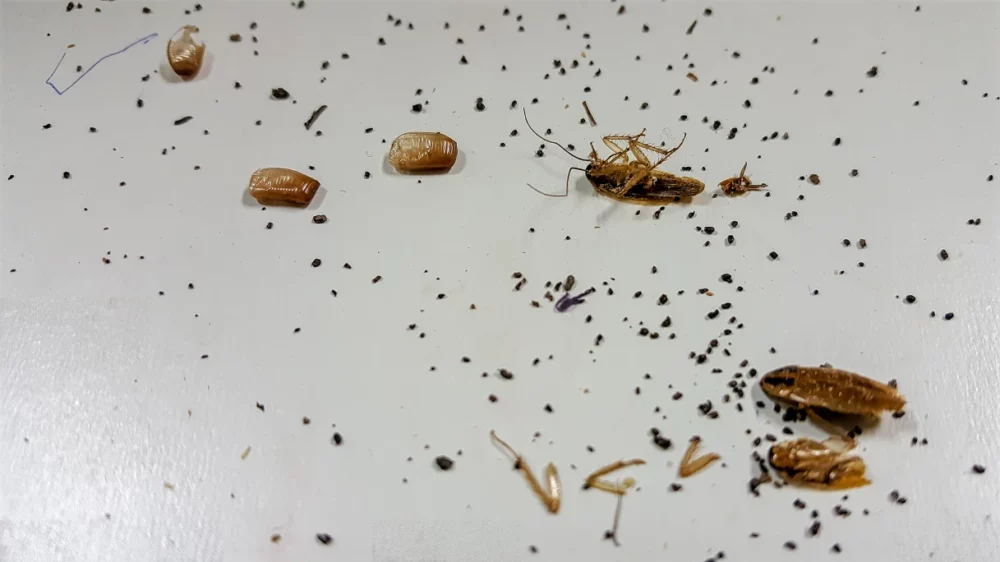
- Eggs inside oothecae (egg cases) remain unaffected since the pesticide doesn’t penetrate them
- Chemical residue settles on countertops, dishes, toys, and pet bowls
- Surviving roaches develop resistance to the active ingredients over time
If you’ve been wondering whether roach foggers and bombs really work, the evidence is clear — they create more problems than they solve. For a deeper look at what actually drives infestations, explore why cockroaches show up in your home in the first place.
Gel Baits: The Most Effective Roach Control Alternative
Gel bait is widely considered the gold standard in modern cockroach control. Unlike bombs that rely on airborne chemicals, gel baits are placed directly in the cracks, crevices, and harborage areas where roaches actively travel. When a cockroach consumes the bait, it returns to the nest and dies. Other roaches then feed on the contaminated carcass or droppings, creating a domino effect that spreads the toxicant throughout the colony.
This transfer effect is what makes gel bait so powerful against species like German cockroaches, which are notoriously difficult to eliminate. German roaches nest in tight clusters, so a single bait placement can impact dozens of individuals.
Where to Apply Gel Bait for Maximum Results
Strategic placement is everything with gel bait. Apply small dots — roughly the size of a pea — in these high-activity areas:
- Under the kitchen sink and behind the garbage disposal
- Along the hinge side of cabinet doors
- Behind and beneath the refrigerator, stove, and dishwasher
- Inside electrical outlet covers (after turning off power)
- Along plumbing penetrations in bathrooms and kitchens
- Under bathroom vanities and around toilet base gaskets
Avoid placing bait in wide-open areas where it will dry out quickly. Roaches prefer dark, confined spaces, so that’s exactly where your bait should go. Refresh placements every two to four weeks until activity stops.
Gel Bait vs. Roach Bombs: A Direct Comparison
| Factor | Gel Bait | Roach Bomb |
|---|---|---|
| Reaches hidden nesting sites | Yes — placed directly in cracks and voids | No — aerosol can’t penetrate tight spaces |
| Transfer effect to colony | Yes — spreads through feeding and contact | No — only kills roaches directly exposed |
| Surface contamination | Minimal — applied in targeted spots | High — coats all exposed surfaces |
| Pet and child safety | Low risk when placed in concealed areas | High risk — residue on floors, toys, surfaces |
| Effectiveness duration | 2-4 weeks per application | Minutes of active exposure only |
Boric Acid and Diatomaceous Earth for Long-Term Roach Control
Dust-based treatments like boric acid and diatomaceous earth (DE) are time-tested roach control alternatives to bombing that work through physical and chemical means rather than volatile fumes.
How Boric Acid Eliminates Roaches
Boric acid works in two ways. First, when a cockroach walks through the powder, it clings to the insect’s legs and body. The roach then ingests the powder during grooming. Once inside, boric acid disrupts the roach’s digestive system and damages its exoskeleton, leading to dehydration and death within 72 hours.
The key to boric acid is applying it as a barely visible film — not thick piles. Heavy applications cause roaches to walk around the powder entirely. Lightly dust it into wall voids, behind switch plates, under appliances, and along baseboards. Boric acid remains effective for months as long as it stays dry.
If you’re dealing with roaches entering from drains or plumbing gaps, combining boric acid treatments with solutions for sewer roaches caused by plumbing issues will address both entry points and nesting sites.
Diatomaceous Earth as a Non-Toxic Option
Food-grade diatomaceous earth is a natural mineral powder that destroys the waxy outer layer of a cockroach’s exoskeleton. This causes the insect to lose moisture rapidly and die from dehydration. DE is non-toxic to humans and pets, making it a popular choice for households seeking pet-safe cockroach control solutions.
Apply DE in the same areas you would boric acid — behind appliances, in cabinet voids, and along baseboards. However, DE loses effectiveness when wet, so avoid using it in high-moisture areas like directly under sinks or near shower bases.
Insect Growth Regulators: Breaking the Roach Life Cycle
Insect growth regulators (IGRs) are a crucial piece of the roach control puzzle that most homeowners overlook. IGRs don’t kill adult cockroaches. Instead, they mimic natural hormones and prevent juvenile roaches from reaching reproductive maturity. Nymphs exposed to IGRs develop malformed wings, can’t reproduce, and eventually die without producing offspring.
This matters because cockroaches reproduce at staggering rates. A single German cockroach female can produce over 300 offspring in her lifetime. Killing adults without disrupting reproduction is like bailing water from a sinking boat — you’ll never get ahead.
IGR products come as sprays and point-source stations. Apply them alongside gel baits for a combined strategy that kills current adults while preventing the next generation from ever emerging. This layered approach is central to Integrated Pest Management (IPM).
How Integrated Pest Management Controls Roaches Without Bombing
Integrated Pest Management is the science-backed framework professionals use to control cockroaches safely and sustainably. Instead of relying on a single method like bombing, IPM combines multiple strategies to attack every stage of the roach life cycle while minimizing chemical exposure.
An effective IPM program for roach control includes these steps:
- Inspection: Identifying the species, locating nesting sites, and assessing infestation severity
- Sanitation: Removing food debris, fixing leaks, and eliminating moisture sources
- Exclusion: Sealing cracks, gaps around pipes, and entry points with caulk or steel wool
- Targeted treatments: Applying gel baits, dusts, and IGRs in harborage areas
- Monitoring: Using sticky traps to track population changes and adjust the plan
If you want a comprehensive walkthrough of every step, our complete guide on how to get rid of a roach infestation in your Florida home covers identification, treatment, and prevention in detail.
Sealing Entry Points and Eliminating Moisture Sources
No roach treatment — no matter how advanced — will deliver lasting results if your home keeps inviting new cockroaches inside. Exclusion work is the foundation of permanent roach control, and it’s something foggers completely ignore.
Common Roach Entry Points to Seal
Cockroaches can squeeze through gaps as narrow as a credit card. Focus your sealing efforts on these areas:
- Gaps around plumbing pipes under kitchen and bathroom sinks
- Space behind wall-mounted outlets and switch plates
- Cracks where baseboards meet the floor or wall
- Gaps around HVAC ducts and vents
- Door sweeps and weather stripping on exterior doors
- Openings around dryer vents and utility line penetrations
Use silicone caulk for small gaps and copper mesh or steel wool for larger openings around pipes. Expanding foam works for irregular voids but should be trimmed flush after curing. These measures also help prevent roaches from entering through bathroom drains.
Why Moisture Control Matters
Cockroaches need water even more than food. A roach can survive a month without eating, but only a week without water. Fixing leaky faucets, repairing sweating pipes, using dehumidifiers in damp areas, and drying sinks before bed all reduce the conditions roaches need to thrive.
Pay special attention to areas under refrigerators (condensation pans), beneath dishwashers, and around washing machine connections. These hidden moisture sources are magnets for roach activity.
Natural Roach Control Methods That Actually Work
For homeowners who prefer to minimize even low-toxicity products, several natural roach control alternatives deliver real results when applied correctly.
- Essential oil repellents: Peppermint oil, cedarwood oil, and eucalyptus oil can deter roaches from specific areas when applied regularly. They work best as supplements to other methods — not standalone solutions.
- Sticky traps: Glue board traps placed along walls and under sinks capture roaches and help you monitor population levels. They won’t eliminate an infestation but tell you exactly where activity is concentrated.
- Borax and sugar bait: Mixing borax with powdered sugar creates a simple homemade bait. The sugar attracts roaches, and the borax kills them after ingestion. Place small amounts in bottle caps near known activity zones.
For a deeper dive into chemical-free approaches, our guide on natural German cockroach control in Florida homes walks through every option with step-by-step instructions.
When to Call a Professional for Roach Control
DIY methods work well for minor infestations caught early. However, certain situations demand professional intervention. If you’re seeing roaches during the day, finding egg cases in multiple rooms, or noticing a musty odor — the infestation has likely grown beyond what consumer products can resolve.
Professional pest control technicians have access to commercial-grade gel baits, crack-and-crevice injection equipment, and IGR formulations that aren’t available at retail stores. They also know how to identify which species you’re dealing with, which directly affects the treatment plan. An approach that works for common types of roaches in Florida like American cockroaches differs significantly from what’s needed for a German cockroach infestation.
A trained technician will inspect your entire home, identify harborage areas, apply targeted treatments in wall voids and hidden spaces, and establish a monitoring and follow-up schedule. This comprehensive strategy eliminates the current population and prevents re-infestation — something a single fogger can never accomplish.
If you’re tired of temporary fixes that don’t last, contact a pest control professional who uses IPM-based strategies. Targeted, science-backed treatments deliver lasting roach elimination without the risks and limitations of bombing your home.
Frequently Asked Questions
-
Are roach bombs safe to use around children and pets?
Roach bombs deposit pesticide residue on every exposed surface in the treated area, including floors, countertops, and toys. Children and pets face higher exposure risks because they spend time on floors and may touch or ingest contaminated surfaces. Safer alternatives like gel baits placed in concealed cracks pose far less risk to household members.
-
How long does it take gel bait to eliminate a cockroach infestation?
Most homeowners see a significant reduction in roach activity within one to two weeks of proper gel bait placement. Complete elimination of a moderate infestation typically takes three to four weeks with consistent reapplication. Severe infestations, particularly with German cockroaches, may require six to eight weeks combined with IGR treatments.
-
Can I use boric acid and gel bait at the same time?
Yes, boric acid and gel bait complement each other well. However, do not apply boric acid directly on top of or immediately next to gel bait placements. Boric acid dust can contaminate the bait and make it repellent to roaches. Place them in different locations within the same general area for the best results.
-
Why do roaches come back after I bomb my house?
Fogger mist only reaches exposed surfaces and doesn't penetrate the wall voids, cracks, and plumbing chases where roaches actually nest. Surviving roaches — plus their protected egg cases — quickly repopulate treated areas. Additionally, the fogger may scatter roaches into previously unaffected rooms, expanding the infestation rather than reducing it.
-
What is the best alternative to roach bombing for apartments?
Gel bait combined with insect growth regulators is the most effective alternative for apartment roach control. These methods target roaches in shared wall voids and plumbing chases without affecting neighboring units. Sealing gaps around pipes and electrical outlets also prevents roaches from migrating between apartments.
-
Should I use a roach bomb inside my car to kill cockroaches?
No. The enclosed space of a car intensifies chemical exposure and leaves heavy residue on upholstery, dashboard surfaces, and ventilation systems. Gel bait placements under seats and in trunk crevices are far more effective and safer. Learn more about why cockroach bombs are not a good idea for cars and what to do instead.