Explain mosquito food webs and documented pollination while choosing practical, targeted household prevention.
Key Takeaways
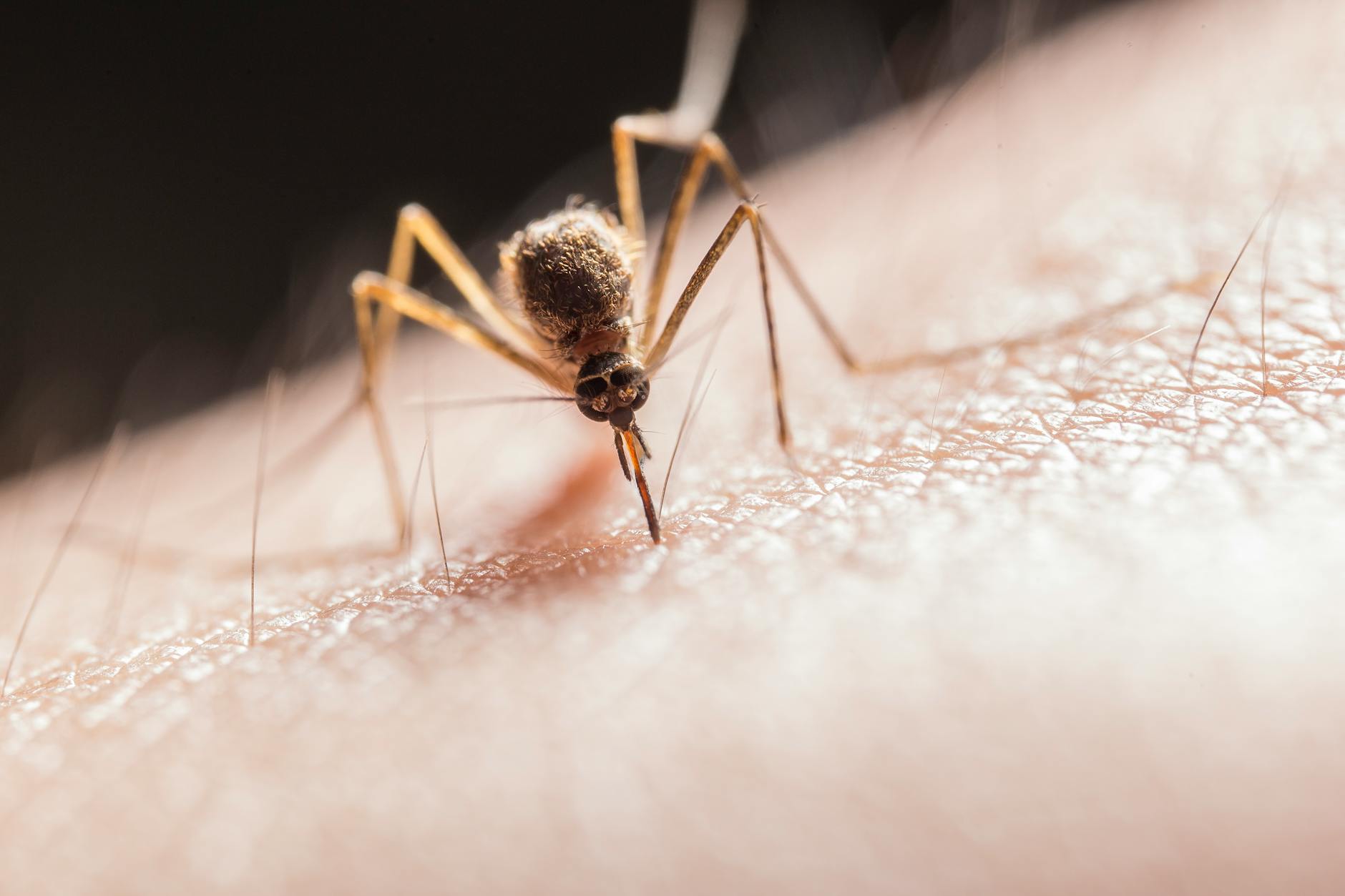
Mosquitoes take part in aquatic and terrestrial food webs. Adults use plant sugars, some species pollinate particular plants, and larvae consume microorganisms or prey. These roles vary by species and habitat. Protecting people through targeted source reduction and appropriate control does not require eradicating every mosquito or tolerating bites at home.
How Mosquitoes Fit Into the Food Web
Mosquitoes connect water and land through their life cycle. Larvae and pupae develop in aquatic habitat; winged adults emerge and move into terrestrial environments. Predators can consume mosquitoes at either stage, while larval feeding converts aquatic food into mosquito biomass.
That establishes a food-web relationship, not a claim that mosquitoes are indispensable everywhere. Their importance differs between a temporary container, a marsh, and a forest pool. The relevant household decision is usually how to stop production in avoidable water containers while managing exposure around necessary or natural water.
Birds and bats: prey does not mean dependable control
Birds and bats can eat adult mosquitoes, but a predator’s ability to catch a mosquito does not prove dependable control of a patio population. UF/IFAS notes that adult mosquitoes do not make up a significant portion of any animal’s diet. A claim about consuming mosquito-sized insects is also not a measured count of mosquitoes.
Natural enemies of mosquitoes contribute to food webs, but purple martins, swallows and bats do not provide dependable household mosquito control. Appreciate wildlife without feeding, handling or moving it as a treatment. Personal bite protection and management of accessible water sources remain the practical steps for a home.
Fish and Aquatic Predators
Fish, aquatic insects, copepods, and predatory mosquito larvae can consume immature mosquitoes. Native eastern mosquitofish are used in some Florida mosquito-control programs, while larvae of Toxorhynchites and Psorophora can prey on other mosquito larvae. These examples concern aquatic habitat rather than adult mosquitoes at a picnic table.
Guppies and bluegill are not interchangeable stocking recommendations for every pond. Ask the local mosquito-control program whether a managed fish option is suitable and permitted. Do not collect or relocate wildlife. Understanding water and mosquito breeding comes before selecting a biological-control tool.
Do Mosquitoes Pollinate Plants?
Both sexes use sugar sources, including flower nectar. Some mosquito-flower interactions do transfer pollen successfully. University of Washington researchers demonstrated pollination of blunt-leaf orchid, Platanthera obtusata, by local Aedes mosquitoes in a Washington forest habitat. They did not find the same relationship with every closely related orchid.
This is stronger evidence than simply observing an insect drink nectar. It also shows why a specific pollination example should not become a claim that Florida gardens depend on mosquitoes. Mosquito feeding includes sugar meals as well as species-specific female blood feeding.
Larval feeding in aquatic habitats
Larvae consume algae, bacteria, microorganisms, or other organic material, depending on species. Some are predators instead of filter feeders. Their feeding and their role as prey place them in aquatic food webs, but do not make infested water sanitary or safe to drink.
The pupal stage does not feed. Adults then emerge from the water and use resources above it. These stage differences matter for control: a product that needs ingestion by feeding larvae cannot be assumed to kill nonfeeding pupae or biting adults.
Nutrient pathways without water-quality promises
Food consumed by larvae becomes part of their body mass. That biomass may be eaten by an aquatic predator, leave the water as an adult, or return to a habitat after death. These are reasonable pathways for nutrients through a food web.
The available guidance does not establish that residential mosquito populations measurably enrich a lawn or provide a necessary water-filtration service. Life stage and lifespan vary by species and conditions. Larval control can target a documented source without a speculative claim about soil fertility.
Mosquito ecology and disease risk
Some mosquitoes transmit pathogens during blood feeding. Species, infected hosts, and local transmission conditions determine the risk. Ecological interest in mosquitoes does not make infections a desirable population-regulation service.
Florida malaria cases in 2023 and South Florida dengue accounts illustrate why surveillance and prevention matter; historical reports do not establish current transmission at a specific home. Follow health-department advice and prevent bites. A yard treatment reduces some mosquitoes but does not certify that every exposure is safe.
Balancing Health Risks and Ecological Value
Many mosquitoes are not important human disease vectors, and not every mosquito feeds on people. UF/IFAS describes Toxorhynchites rutilus as non-blood-feeding and describes different host choices among Florida species. Identifying the insect and its habitat helps separate a nuisance from a public-health vector.
Mosquito-control decisions should consider surveillance, attainable source reduction, treatment benefits, and non-target exposure. A plan can prioritize containers around occupied buildings without pretending that all mosquitoes have identical ecological roles or health effects.
What a worldwide disappearance scenario can and cannot tell us
Removing every mosquito species worldwide is a hypothetical ecological question, far beyond household source reduction. Predicting the outcome would require knowing each species’ role, the predators and plants involved, alternative food sources, and the habitat affected.
The cited evidence does not support either guaranteed global collapse or guaranteed harmless disappearance. It supports specific relationships, such as orchid pollination and aquatic predation. A homeowner can remove water from a discarded bucket without resolving the consequences of worldwide mosquito extinction.
Arctic and wetland contexts differ
Arctic habitats and tropical wetlands differ in seasonal timing, mosquito abundance, and the organisms interacting with them. A pollination relationship in a northern forest cannot be automatically applied to a Florida mangrove. Likewise, an aquatic predator in one pond may have alternative prey unavailable elsewhere.
The ecological relationships vary with habitat, season, and alternative food sources. They do not support a fixed prediction of bird or fish population losses if mosquitoes disappear.
Could Other Insects Fill the Gap?
Midges, gnats, and other small flies can overlap with mosquitoes as food for predators, but shared size does not establish identical ecology. Some insects develop in different substrates, feed at different times, or visit different plants. Mosquito lookalikes may also be nonbiting insects mistakenly blamed for bites.
Whether another prey species could replace a mosquito’s function is a habitat-specific question. It should not be promised from a general insect list. Identification also avoids unnecessary spraying of a harmless emergence when the actual biting pest remains unaddressed.
Ecological Roles of Mosquitoes at a Glance
| Role | Stage | Evidence boundary |
|---|---|---|
| Prey in food webs | Aquatic and adult | Consumption does not prove predator-based yard control. |
| Sugar feeding | Adult | Nectar feeding is common; effective pollination is plant-specific. |
| Consumption of aquatic organisms and debris | Larva | Diet varies; not a water-purification service. |
| Movement of biomass between water and land | Emergence | A pathway, not a quantified benefit to a residential lawn. |
| Pathogen transmission | Blood-feeding adult | Species and local infection context determine risk. |
Control mosquitoes while limiting unnecessary exposure
Begin with inspection and actions that do not require a broad pesticide application. Maintain screens, close doors, empty unnecessary water, and use an EPA-registered repellent as directed. Report persistent shared-source activity to local mosquito control.
When pesticide treatment is considered, ask what species and life stage it targets, where it will be applied, and how non-target exposure will be limited. No method should be described as having zero ecological impact. The actual label and site conditions govern a suitable application.
Target Mosquitoes Where They Breed
Yard prevention starts with weekly emptying and scrubbing of water-holding items, covered storage, and drainage maintenance. Inspect after rain because containers that were dry can become new sources. Necessary water may need a site-labeled larvicide rather than removal.
Bti is an insecticide with defined targets and directions, not a harmless additive for all wildlife and all water. Do not add pesticides to public water or wetlands. Ask the mosquito-control program for advice about inaccessible sources and managed water bodies.
Mosquito traps: mechanisms and limits
In2Care stations use a growth regulator and a fungal adulticide delivered through a water-attracting station. The inspected EPA label covers container-breeding Aedes and Culex; the device is not a universal trap for every mosquito species.
A contained station may limit some exposure compared with broad application, but its label still has hazards and restrictions. People and pets must not contact the pesticide, and environmental directions matter. Correct placement, maintenance, and identification determine whether it fits the site. Low volume does not mean risk-free.
Work With a Professional Pest Control Service
A useful professional assessment documents sources, resting habitat, species clues, and options. The management guide shows how screening, source reduction, repellents, and selected treatments fit together. Request product information and follow-up criteria before judging a plan by the number of sprays or traps.
Compare activity under similar conditions and report ongoing problems. New arrivals and changing water sources may require the plan to change. Company service frequency, price, and guarantees must come from a written proposal; ecological language does not substitute for those terms.
Sources and further guidance
- UF/IFAS: Mosquitoes and their control
- UF/IFAS: Mosquito FAQs
- University of Washington: Mosquitoes and orchid pollination research
- Florida FWC: Nongame wildlife regulations
- CDC: Mosquito Control at Home
- CDC: Preventing mosquito bites
- CDC: Integrated mosquito management
- CDC: Larvicides
- EPA: Bti for mosquito control
- EPA: Accepted In2Care Mosquito Trap pesticide label, registration 91720-1 (2022)
- CDC MMWR: Florida and Texas locally acquired malaria, May–July 2023
Frequently Asked Questions
-
What is the main ecological role of mosquitoes?
Mosquitoes participate in food webs as aquatic and adult prey, and their larvae consume aquatic food. Adults use sugars, and some species pollinate particular plants. No single role has equal importance in every ecosystem.
-
Would the ecosystem collapse if all mosquitoes were eliminated?
The cited sources do not establish a global-collapse prediction or a guarantee of no effect. Consequences would depend on species and habitat. Removing household container water is a much narrower action than eliminating every mosquito worldwide.
-
Do male mosquitoes play any role in ecosystems?
Yes. Males feed on plant sugars and can be prey for other animals. They do not blood-feed. Whether a particular mosquito pollinates effectively depends on the plant and feeding interaction.
-
Are all mosquito species dangerous to humans?
No. Mosquito species differ in host choice and ability to transmit pathogens. Some do not blood-feed at all. A species’ vector capability also does not prove current infection at a particular property.
-
How can I reduce mosquitoes in my yard without harming wildlife?
Remove avoidable container water, maintain screens, and use repellents as labeled. For necessary water or persistent adults, obtain a species- and site-specific plan that follows product directions and limits non-target exposure.
-
Do mosquitoes benefit plants in any way?
Some species do pollinate certain plants; research documents mosquito pollination of blunt-leaf orchid. That does not establish that every nectar visit transfers pollen or that Florida gardens need mosquito populations to thrive.
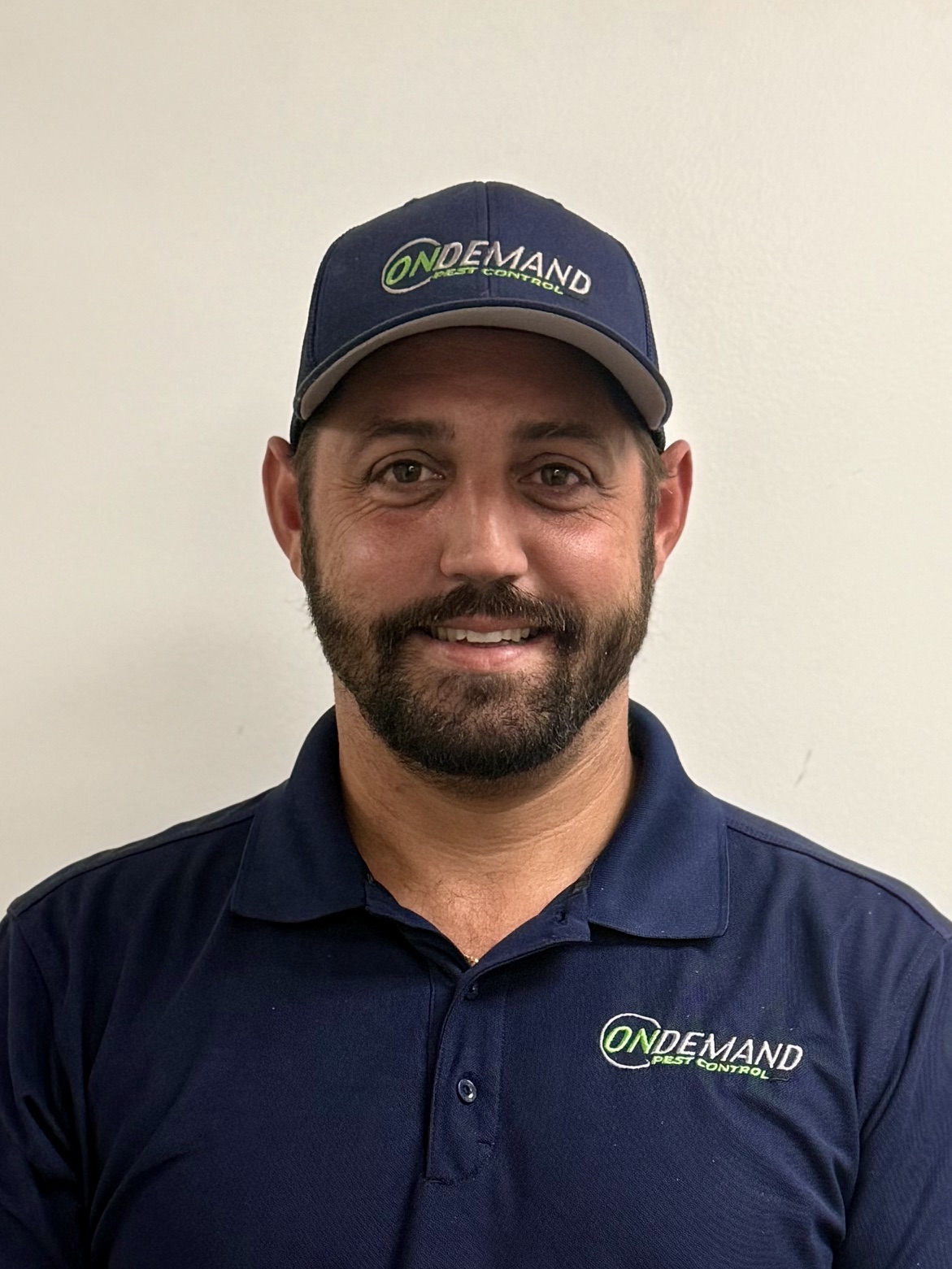
Vincent founded On Demand Pest Control in 2017 and is a Florida Certified Operator in all four state categories. He treats pest control as a systematic problem to solve, not a symptom to spray. Read Vincent’s full bio →
Get help with your pest concern.
Tell us what you are seeing. Our team can discuss the concern and the next step.
- Share your concern and contact details.
- Our team contacts you to discuss available service.
- Ask for a written scope and quote before work.
Where can we reach you?
Our team will call to confirm the next step.
By submitting, you’re asking On Demand Pest Control to contact you about this request.
↗ Prefer to call? (954) 947-0805