

Aromatic garden plants do not form a reliable mosquito barrier. Maintain water-holding containers, inspect actual habitat and use appropriate personal protection.
Key Takeaways
- Plants can improve a Florida garden, but planting aromatic species does not establish reliable protection from mosquito bites.
- Citronella grass, lavender, rosemary and basil are garden plants, not substitutes for EPA-registered personal repellents or water-source management.
- Source reduction, screens and registered repellents have practical mosquito-control roles. Decorative planting should be judged separately.
- Do not rub crushed leaves or undiluted essential oils on skin as a homemade repellent. Plant chemistry is not a tested skin-use formulation.
- Arrange plants for horticultural needs and usable outdoor space; proximity to a chair does not create a proven bite-protection zone.
Mosquito-control plant claims can be misleading. Florida homeowners may enjoy herbs and aromatic foliage, but a scented garden is not a reliable mosquito barrier. This guide separates the appeal of popular plants from the actions that actually reduce exposure: managing water, maintaining screens and using appropriately registered personal repellents. For related background, see mosquitoes.
How Do Garden Plants Actually Work?
A chemical extracted from a plant and tested in a formulation is not equivalent to the living plant on a patio. Dose, release, formulation, species and study conditions all matter. Fragrance a person can smell does not show that the surrounding air prevents bites.
Simply placing a potted aromatic plant near a chair does not create a validated protective shield. Rather than trying to increase plant-oil exposure, prioritize the following:
- Inspect containers and saucers for water and empty and scrub them at least weekly.
- Use an EPA-registered repellent according to its label rather than raw leaves or oil.
- Keep screens intact and reduce gaps at regularly used doors.
Decorative plants are not an additional tested repellent layer. They can be part of a well-maintained landscape, while mosquito-specific work addresses actual breeding habitat and exposure. For related background, see eliminating standing water where mosquitoes breed.
Best Garden Plants That Thrive in Florida
Select garden plants for the local conditions and their horticultural purpose. Florida contains different climates and soils, so local extension advice is preferable to a blanket list of plants guaranteed to thrive and repel mosquitoes.
Citronella Claims and Grass-Like Garden Plants
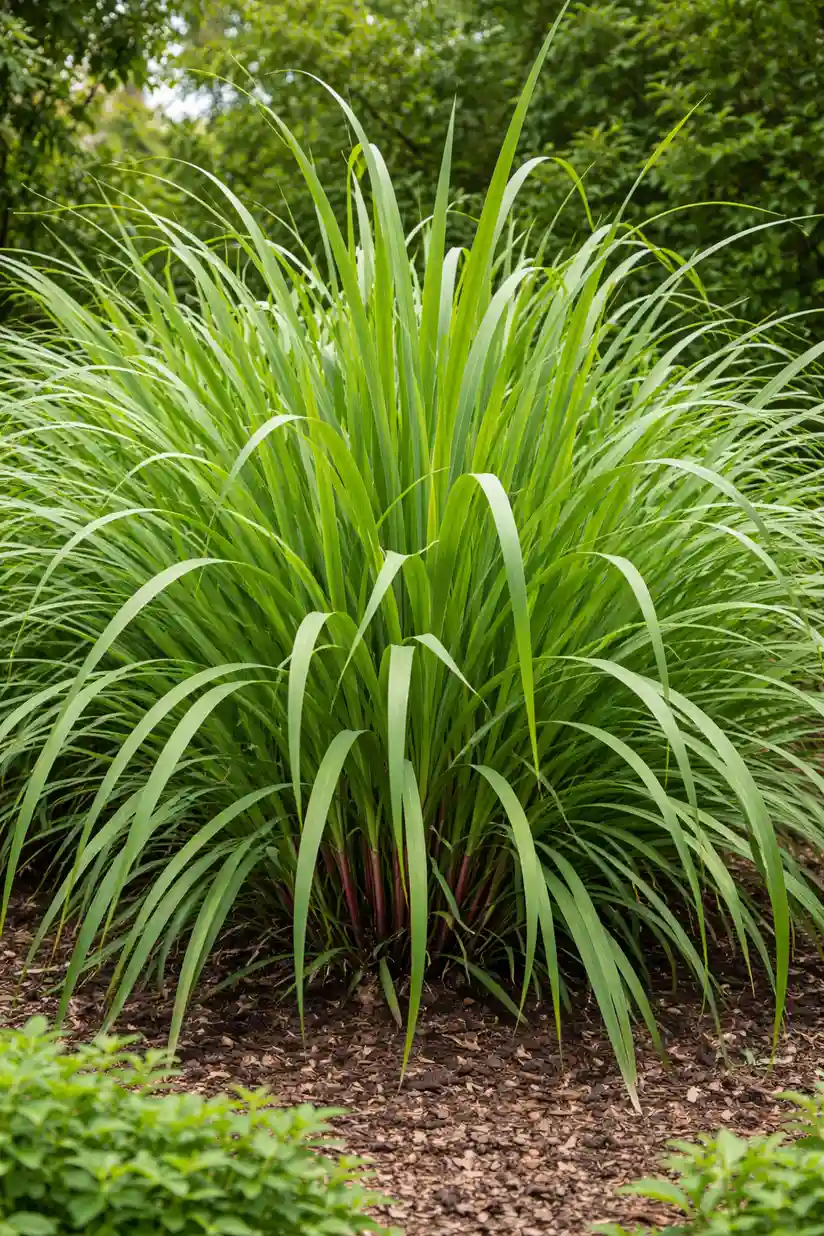
Citronella grass is associated with citronella oil production, but a living clump does not provide the same exposure as a formulated repellent. Plant it only if it suits the garden; do not describe it as a gold-standard outdoor protection system.
Growing needs and mature size depend on the plant and location. Check local plant guidance. Placing grass beside a seating area or crushing its blades does not establish a controlled mosquito-repellent dose.
Scented geraniums marketed as mosquito plants are not the same as citronella-producing grasses. Marketing names should not be read as evidence of bite prevention.
Lavender (Lavandula)
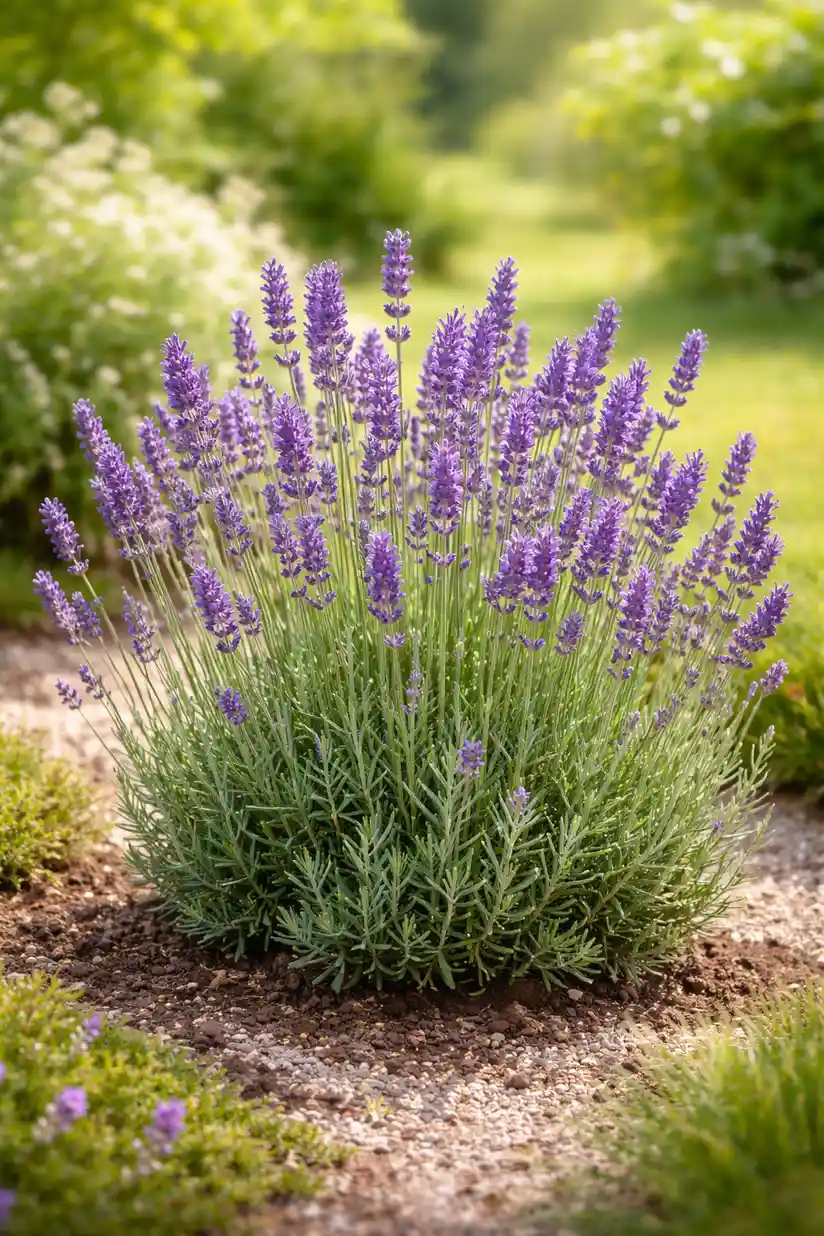
Lavender can be attractive aromatic planting where conditions suit it. The presence of linalool or another constituent does not prove that a live lavender plant reduces household mosquito exposure. For related background, see natural mosquito repellents.
Good drainage and a suitable cultivar matter to plant health. A walkway planting should leave safe access; brushing leaves is not a dependable mosquito-control technique.
Rosemary (Salvia rosmarinus)
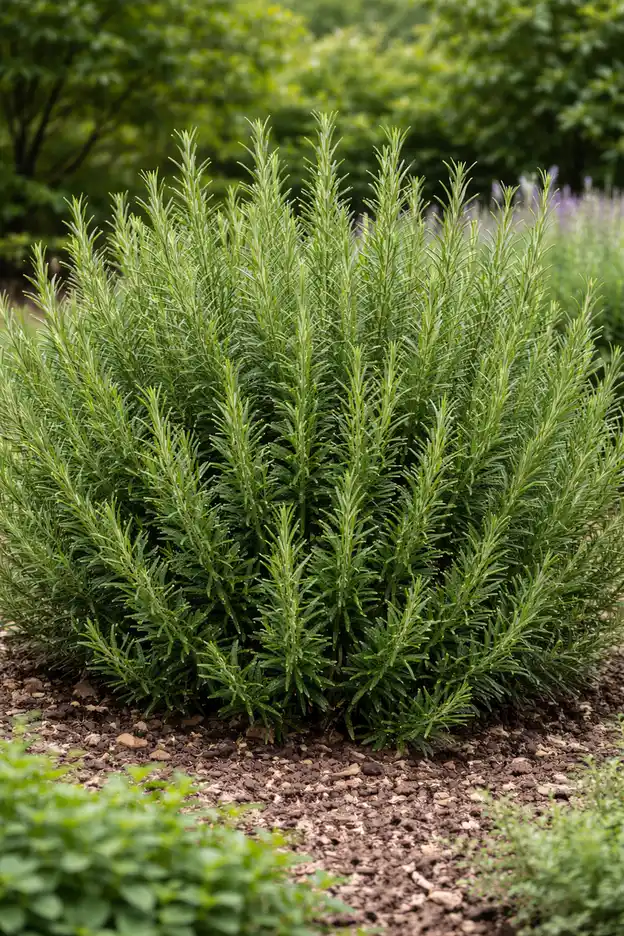
Rosemary is a culinary garden herb. Enjoy it for that role rather than claiming its aroma confuses mosquitoes enough to protect people.
Do not burn herbs or add sprigs to a fire specifically as a mosquito-control recipe. Smoke exposure and fire risks are not justified by an unverified protective claim.
Basil (Ocimum basilicum)
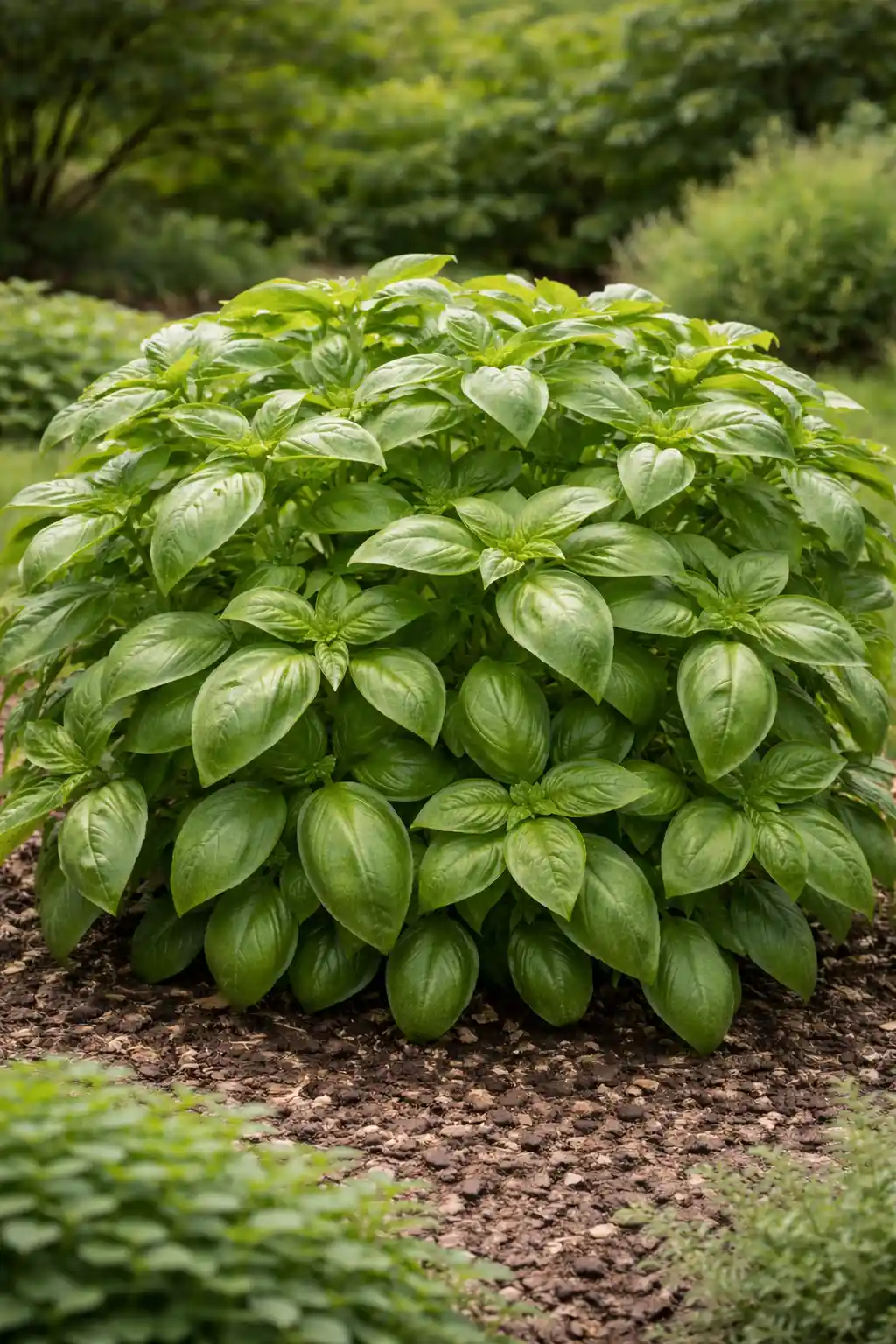
Basil is useful as an herb, but fragrance around a doorway is not a mosquito-proof barrier. Maintain the screen or closed door regardless of what is planted nearby.
Grow basil according to local gardening advice, and drain its pot saucer. Extra irrigation or standing water around herbs can undermine mosquito source reduction.
Catnip and Catmint: Plant Identity Matters
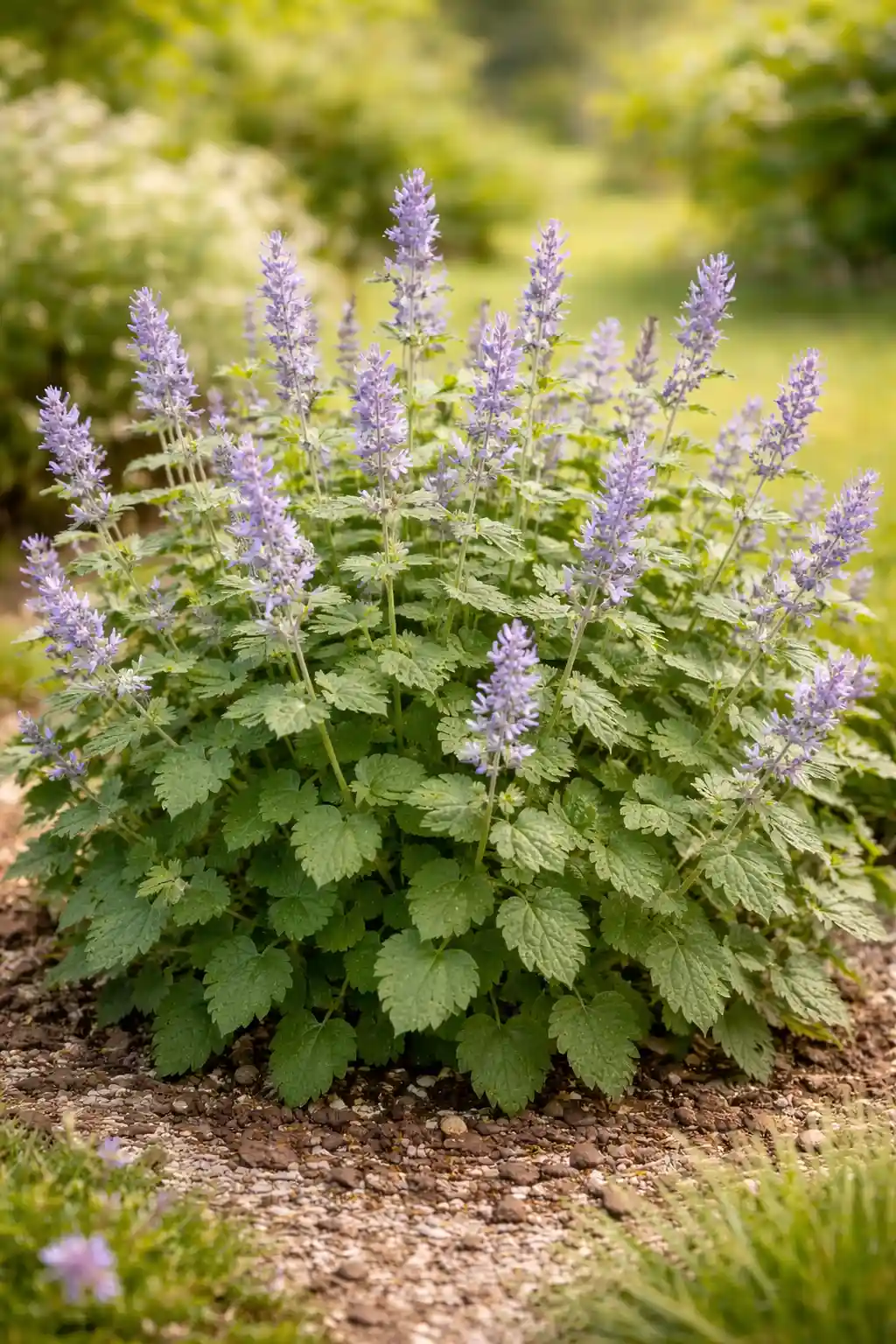
A laboratory comparison involving an isolated catnip compound cannot be translated into a claim that a garden plant is ten times better than DEET. Personal protection requires a properly evaluated and labeled formulation, not a plant ranking.
Choose catnip only for its horticultural purpose and consider how pets interact with it. No plant in this list is assigned a guaranteed pet-safety or mosquito-control rating.
Other Aromatic Plants and Their Evidence Limits
Other commonly marketed aromatic plants also need the same evidence distinction:
| Plant and botanical distinction | Compound distinction | Florida sun / site needs | Useful placement |
|---|---|---|---|
| Lemongrass (Cymbopogon citratus) | Citral is the neral + geranial mixture identified in extracted lemongrass oil. That chemistry does not establish a protective garden border. | Full or part sun. Allow room for a large clump. | A sunny border, fence line or wide walkway; choose the site for plant growth, not bite protection. |
| Marigolds (Tagetes spp.) | Some produce alpha-terthienyl, studied against certain plant-parasitic nematodes. Pyrethrum is chrysanthemum-derived material, not a Tagetes compound. | Full sun; grown as Florida annuals. | Flower borders or containers, including near a vegetable bed if conditions suit. Placement does not establish a mosquito barrier. |
| Pennyroyal: European Mentha pulegium differs from Florida pennyroyal, Piloblephis rigida. | Pulegone is reported in pennyroyal extract associated with M. pulegium. Do not assign that oil chemistry to P. rigida; swallowed pennyroyal oil can cause severe toxicity. | The Florida Museum lists native P. rigida for full sun. The name alone is insufficient to prescribe a shaded site. | Identified Florida pennyroyal can be a full-sun landscape perennial. Confirm the botanical name before planting; it is not a repellent groundcover. |
| Scented geraniums (Pelargonium spp.; P. graveolens oil is one example). | Citronellol and geraniol were major constituents of one commercial geranium-oil batch. Scented cultivars differ; this is not a uniform geraniol rating or mosquito test. | Full sun, with partial shade tolerated; well-drained soil. Florida summer heat and humidity can be difficult. | Containers with drainage on a suitably lit porch or patio; favor Florida’s cooler growing season. |
| Peppermint (Mentha × piperita, watermint × spearmint). | L-menthol was the main constituent in the extracted peppermint oil studied. Oil composition is not a rating of passive plant protection. | Partial shade suits peppermint; keep soil moist. Light tolerance varies with site, so this is not a Florida-wide hardiness promise. | Use a container to contain mint’s spread; peppermint spreads aggressively by rhizomes. |
| Living plants do not provide a dependable repellent barrier. Extracted-oil chemistry and laboratory tests are different evidence. UF/IFAS explains passive-plant limits. Empty water-holding saucers and other containers so the planting does not add breeding sites. | |||
Flower and herb selection should follow horticultural guidance. Do not infer that a plant broadly repels mosquitoes, aphids and whiteflies simply from its scent or family.
Avoid recommending pennyroyal oil or other raw essential oils for personal mosquito protection. Plant selection around children and pets needs its own toxicity check, separate from repellent marketing.
Where Should You Plant Aromatic Plants?
Plan a comfortable landscape with clear access, good drainage and inspectable containers. There is no established plant-spacing formula for mosquito protection.
Strategic Placement Zones
- Patios: Maintain screens and keep pot saucers drained; use registered personal protection when needed.
- Doors: Close gaps and repair screens rather than relying on herbs to stop entry. For related background, see sneaking into your house.
- Walkways: Keep clear access and avoid vegetation that conceals water-holding containers.
- Water features: Manage the water itself; surrounding plants do not cancel breeding habitat.
- Garden beds: Inspect irrigation and hidden containers rather than treating flower planting as mosquito control.
Container vs. In-Ground Planting
Containers offer flexibility. You can move potted plants closer to your outdoor gathering when hosting a barbecue, then return them to a sunny spot afterward. Containers also prevent aggressive spreaders like mint from taking over.
In-ground planting is a landscape choice, not a permanent repellent perimeter. Inspect nearby drainage and containers even when mature aromatic plants are present.
Why Plants Alone Won't Eliminate Mosquitoes in Florida
A planted garden does not eliminate mosquitoes. Suitable warm conditions and water sources can support development, while species, weather and location affect activity. Maintain water-holding containers and appropriate personal protection rather than assigning a year-round breeding guarantee to every Florida property. Related background: how long mosquitoes live
For meaningful personal protection and source management, prioritize these measures rather than plant scent:
- Eliminate all standing water on your property — even a bottle cap of stagnant water is enough for mosquito larvae
- Keep your lawn mowed short since mosquitoes rest in tall grass during the day
- Use fans on your porch and patio because mosquitoes are weak fliers
- Consider professional mosquito control treatments for severe infestations
Use a combination of source reduction, exclusion and labeled personal repellents. Decorative plants cannot be assumed to reduce mosquito presence, and professional options require a site-specific assessment. For related background, see how to keep mosquitoes out of your yard.
Plan a Florida Garden Without Adding Mosquito Habitat
To create a garden without accidentally increasing mosquito habitat, use the following practical planning sequence:
Step 1: Assess Your Outdoor Living Areas
Identify places where water accumulates after rain or irrigation, including behind pots and under benches. Those sites are water-management priorities, not simply planting zones.
Step 2: Choose Plants for Your Zone
Ask local extension or a nursery about plant suitability. A statewide hardiness-zone list does not validate mosquito control or guarantee that every listed plant thrives in a particular yard.
Step 3: Create Layered Plantings
Arrange plants for sun, drainage, airflow and access. Keep containers easy to lift and inspect. A multi-level wall of fragrance is not an evidence-based repellent system.
Step 4: Maintain Plant Health and Inspect Water-Holding Containers
Water and fertilize for plant health without leaving stagnant water. Avoid increasing irrigation merely to produce more essential oils; source reduction matters more than a plant fragrance target.
Pairing Garden Plants with Professional Treatments
Mosquito species differ in their capacity to transmit disease, and local risks change. Consult current public-health guidance rather than implying every mosquito carries every disease. Registered personal repellents and water management remain important regardless of decorative planting. For related background, see why mosquito control is important.
A professionally selected mosquito trap is a separate tool with its own placement, maintenance and performance requirements. It is not made effective by pairing it with aromatic plants. For related background, see In2Care mosquito trap system.
If mosquitoes persist, ask local mosquito control or a qualified professional to assess water sources and species. No plant installation is a substitute for that diagnosis or a guaranteed companion treatment.
Turn a plant-shopping plan into a water-management plan
Before buying more patio plants, examine the containers already present. Look beneath benches and behind large pots for saucers, decorative cachepots and buckets that hold rainwater. A live plant sold with mosquito-repellent branding can still create a water-holding habitat if its container is poorly managed. Drain and scrub removable vessels and redesign storage so they do not repeatedly fill.
After rain, check the same locations again. Water can collect where a pot leans, where an irrigation line drips or in a folded tarp nearby. Emptying once does not establish lasting prevention if the feature refills every day. Ask appropriate maintenance help to correct inaccessible gutters and drainage, and do not alter a public retention feature yourself.
For personal protection, choose an EPA-registered repellent suitable for the user and follow its label. Ingredients and age-related directions differ. Plant-derived does not mean a raw herb, oil or homemade dilution is equivalent to the finished evaluated product. Do not apply a personal repellent to animals or use a garden pesticide on skin.
Screens and sheltered seating arrangements can improve the usable space without depending on fragrance. Check door closure, frame gaps and any standing-water pockets near the patio. Fans may improve comfort in a particular setup, but are not a complete infection-prevention or breeding-control system.
Keep gardening goals separate: pollinator support, cooking herbs, appearance and manageable maintenance. Select plants for those benefits with local horticultural advice and check the specific species for pet toxicity when relevant. This makes the project useful even when the mosquito-control marketing claim is removed. If biting pressure remains, consult current local public-health or mosquito-control guidance and obtain a source-based assessment.
Sources and further reading
Frequently Asked Questions
-
What is the most effective mosquito control plant for Florida?
No living garden plant is established here as reliable bite protection. Use water management, screens and an EPA-registered personal repellent instead of ranking herbs as protective equipment.
-
Do mosquito-repelling plants really work?
Aromatic planting is not equivalent to a tested extracted-oil formulation. Enjoy plants for gardening, but do not count on them to protect people from bites.
-
How many mosquito-repelling plants do I need for my yard?
There is no validated number or spacing formula. Inspect pots and saucers for water; more plants can add water-holding containers if poorly managed.
-
Can I use mosquito control plants indoors in Florida?
Indoor herbs do not replace screens or a mosquito-source inspection. Drain their saucers and identify recurring insects rather than relying on fragrance.
-
Which mosquito-repelling plants are safe for pets?
Plant toxicity varies and natural does not mean pet-safe. Check the specific plant with veterinary or authoritative toxicity guidance and do not apply raw essential oils to animals.
-
When is the best time to plant mosquito-repelling plants in Florida?
Choose planting time for the species and local horticultural conditions, not as a mosquito-control treatment window. Maintain water management throughout the year.
Get help with your pest concern.
Tell us what you are seeing. Our team can discuss the concern and the next step.
- Share your concern and contact details.
- Our team contacts you to discuss available service.
- Ask for a written scope and quote before work.
Where can we reach you?
Our team will call to confirm the next step.
By submitting, you’re asking On Demand Pest Control to contact you about this request.
↗ Prefer to call? (954) 947-0805