Table of Contents
ToggleKey Takeaways
- South Florida’s warm, humid climate creates ideal conditions for cockroaches, ants, mosquitoes, silverfish, and other household insects to thrive indoors year-round.
- Proper identification of each insect species is essential because different pests require different prevention and treatment strategies.
- Reducing moisture, sealing entry points, and eliminating food sources are the three most effective ways to prevent household insect infestations.
- Some common South Florida insects—like German cockroaches and fire ants—pose real health risks, including allergic reactions and disease transmission.
- Professional pest control is often necessary when DIY methods fail, especially for fast-breeding species that can quickly overwhelm a home.
Common household insects in South Florida are more than just a nuisance—they can damage your property, contaminate food, and trigger health problems for your family. Thanks to the region’s year-round warmth and high humidity, pests like cockroaches, ants, mosquitoes, and silverfish don’t take a seasonal break the way they do in northern states. They breed continuously, seek shelter indoors, and establish colonies that grow fast if left unchecked. Whether you’ve spotted tiny ghost ants trailing across your kitchen counter or a palmetto bug scurrying across your bathroom floor, understanding what you’re dealing with is the first step toward taking back your home. In this guide, you’ll learn how to identify the most common household insects in South Florida, understand why they invade, and discover actionable strategies to stop them for good.
Why South Florida Homes Attract So Many Insects
South Florida’s subtropical climate is essentially paradise for insects. Average temperatures hover between 70°F and 90°F throughout the year, and humidity levels regularly exceed 70 percent. These conditions accelerate insect breeding cycles and keep populations active 12 months a year.
Unlike colder regions where a hard freeze kills off outdoor insect populations each winter, South Florida never delivers that natural reset. As a result, pest pressure is constant. Insects don’t just survive here—they flourish.
Your home offers everything pests need: shelter from heavy rains, consistent moisture in bathrooms and kitchens, and reliable food sources ranging from crumbs to pet food. Even well-maintained homes can attract insects if small cracks, gaps around pipes, or torn window screens create entry points. Understanding this dynamic is key to long-term prevention rather than reactive treatment.
Most Common Household Insects in South Florida
Not every bug you encounter in your home is the same, and treating them all with a single spray rarely works. Below are the insects South Florida homeowners encounter most frequently, along with tips for quick identification.
Cockroaches
South Florida is home to several cockroach species, but two dominate indoor environments. The American cockroach—often called the palmetto bug—is large, reddish-brown, and frequently enters through drains or gaps around doors. German cockroaches are smaller, light brown, and prefer kitchens and bathrooms where moisture and food are abundant.
German cockroaches are particularly problematic because they reproduce rapidly. A single female can produce up to 400 offspring in her lifetime. They carry bacteria like Salmonella and E. coli, and their droppings and shed skins trigger asthma and allergies, especially in children.
Ants
Ants are arguably the most persistent household insects in the region. Ghost ants are tiny, nearly transparent, and form long trailing lines on countertops and around sinks. Sugar ants target sweet foods and drinks. Fire ants primarily build mounds outdoors but can enter homes and deliver painful, venomous stings.
Many South Florida ant species establish multiple satellite colonies, making DIY eradication difficult. Spraying visible ants with contact killers often just causes the colony to split and relocate—a process called “budding”—which makes the problem worse.
Mosquitoes
Mosquitoes breed in any standing water, and South Florida’s frequent afternoon rain showers provide endless breeding sites. Species like Aedes aegypti and Aedes albopictus are aggressive daytime biters that can transmit Zika virus, dengue fever, and West Nile virus.
While mosquitoes primarily live outdoors, they readily enter homes through open doors and torn screens. Even a bottlecap-sized pool of water in a plant saucer or clogged gutter can support hundreds of mosquito larvae.
Silverfish
Silverfish are small, torpedo-shaped insects with a metallic sheen. They thrive in dark, humid areas like closets, attics, and under bathroom sinks. They feed on starchy materials—books, wallpaper paste, cardboard, and even clothing.
While silverfish don’t bite or transmit diseases, they can cause significant damage to stored items over time. Their presence also signals excessive moisture, which may point to underlying ventilation or plumbing issues in your home.
Fleas
Fleas are a major concern for pet owners in South Florida. These tiny, wingless parasites jump onto dogs and cats outdoors and quickly infest carpets, bedding, and upholstered furniture inside. Flea bites cause intense itching and can trigger allergic dermatitis in both pets and humans.
Because fleas can lay up to 50 eggs per day, a small problem escalates rapidly. Treating only your pet without addressing the indoor environment leaves behind thousands of eggs and pupae waiting to hatch.
Quick Identification Chart for South Florida Household Insects
| Insect | Size | Color | Where Found | Primary Risk |
|---|---|---|---|---|
| American Cockroach | 1.5–2 inches | Reddish-brown | Bathrooms, basements, drains | Bacteria, allergens |
| German Cockroach | 0.5–0.6 inches | Light brown | Kitchens, pantries | Disease, rapid breeding |
| Ghost Ant | 1/16 inch | Translucent/dark head | Countertops, sinks | Food contamination |
| Fire Ant | 1/8–1/4 inch | Reddish-brown | Yards, near foundations | Painful stings |
| Mosquito | 1/4 inch | Brown/black | Near standing water | Disease transmission |
| Silverfish | 1/2–3/4 inch | Silver/gray | Closets, attics, bathrooms | Property damage |
| Flea | 1/12 inch | Dark brown | Carpets, pet bedding | Bites, allergic reactions |
How to Prevent Common Household Insects From Entering Your Home
Prevention is always more effective—and less expensive—than treating an active infestation. Most South Florida household insects share the same basic needs: food, water, and shelter. Eliminating access to these three things dramatically reduces your risk.
Seal Entry Points
Walk the perimeter of your home and inspect for gaps around doors, windows, pipes, and utility lines. Even a 1/16-inch gap is wide enough for ants and small cockroaches. Use silicone caulk for small cracks and weatherstripping for door and window gaps. Repair or replace torn window screens promptly.
Pay close attention to areas where plumbing enters the house. Cockroaches and ants frequently use pipe penetrations as highways into kitchens and bathrooms.
Reduce Moisture
Moisture is the number-one attractant for most household insects in South Florida. Fix dripping faucets and leaky pipes immediately. Use exhaust fans in bathrooms and kitchens during and after showers or cooking. Run a dehumidifier in naturally damp spaces like garages, laundry rooms, and enclosed porches.
Outside, ensure gutters drain properly and that sprinkler heads don’t spray directly against your foundation. Pooling water near the house creates ideal conditions for both mosquitoes and moisture-loving insects like silverfish. If you’re unsure whether your habits might be attracting pests, check out this guide on avoiding a pest-friendly environment.
Eliminate Food Sources
Store all pantry items in airtight glass or heavy plastic containers. Wipe down counters, stovetops, and tables after every meal. Sweep floors daily, especially under appliances where crumbs accumulate unnoticed.
Don’t leave pet food bowls sitting out overnight—ants and cockroaches are most active after dark. Take garbage out every evening and use trash cans with tight-fitting lids both indoors and outdoors.
DIY Methods That Work Against South Florida Insects
Several do-it-yourself approaches can help manage minor insect problems before they escalate. However, it’s important to match the method to the pest.
- Boric acid: Effective against cockroaches and silverfish when applied as a thin dust in cracks, behind appliances, and along baseboards. Keep away from children and pets.
- Ant baits: Gel or station-based baits work far better than sprays. Worker ants carry the bait back to the colony, eventually reaching the queen. This takes patience—results typically show within one to two weeks.
- Mosquito dunks: Drop these biological larvicide tablets into bird baths, rain barrels, and plant saucers to kill mosquito larvae before they become biting adults.
- Diatomaceous earth: This natural powder damages the exoskeletons of crawling insects, causing them to dehydrate. Apply in dry areas like attic spaces, along window tracks, and behind furniture.
- Sticky traps: Useful for monitoring insect activity and identifying species. Place them along walls, under sinks, and near entry points.
For broader prevention strategies specific to our region, these tips for keeping pests away in Fort Lauderdale are helpful for homeowners across South Florida.
When Should You Call a Professional for Household Insects?
DIY methods have limits, and South Florida’s pest pressure can overwhelm even the most diligent homeowner. You should consider professional pest control if you experience any of the following:
- You see cockroaches during the daytime—this usually signals a large, established population.
- Ant trails reappear within days of cleaning and baiting.
- You find flea larvae in carpets despite treating your pets.
- Silverfish damage appears on stored documents, clothing, or wallpaper.
- Mosquito populations around your home remain high despite removing standing water.
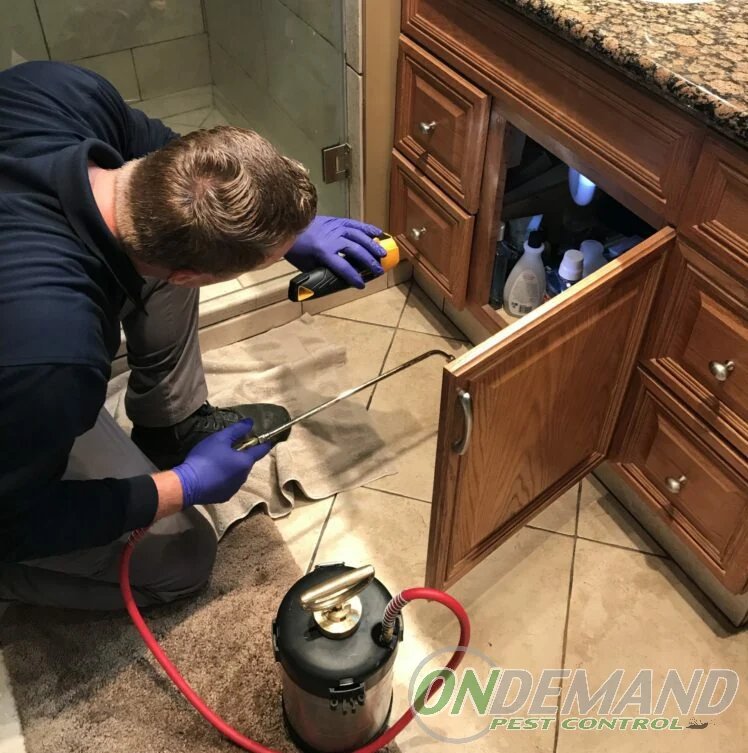
A licensed technician can identify the exact species, locate nesting sites, and apply targeted treatments that store-bought products simply can’t match. For recurring infestations, quarterly or bi-monthly maintenance plans provide consistent protection against South Florida’s relentless pest pressure.
Seasonal Patterns of Household Insects in South Florida
While South Florida doesn’t have a traditional “pest season” with a clear start and end, insect activity does shift throughout the year. Understanding these patterns helps you stay ahead of problems.
During the hot, rainy summer months from June through September, mosquito populations explode. Cockroaches become more active and often move indoors seeking cooler, drier conditions. Ants increase foraging activity as colonies grow during peak reproductive periods.
In the cooler months from November through February, outdoor pests push indoors for warmth. This is when you might notice more silverfish, spiders, and even occasional centipedes. Flea activity also increases in fall as wildlife and stray animals carry fleas closer to residential areas.
Year-round vigilance is the only reliable approach. Don’t wait until you see a problem—routine prevention and monitoring are far more effective. It’s also worth keeping an eye on outdoor threats. For example, Bufo toads in South Florida are another seasonal concern, particularly for pet owners during warmer months.
Protect Your South Florida Home From Insects Year-Round
Living in South Florida means accepting that insects are part of the environment—but it doesn’t mean they have to be part of your home. A combination of proactive prevention, targeted DIY treatments, and professional pest control creates a layered defense that keeps household insects outside where they belong.
Start today by inspecting your home’s exterior for entry points, addressing any moisture issues, and removing obvious food sources. If you’re already dealing with an infestation or want reliable year-round protection, On Demand Pest Control offers customized treatment plans designed specifically for South Florida homes. Our trained technicians understand the unique challenges of this climate and deliver solutions that work.
Frequently Asked Questions
-
What are the most common household insects in South Florida?
The most common household insects in South Florida include American cockroaches, German cockroaches, ghost ants, sugar ants, fire ants, mosquitoes, silverfish, and fleas. These species thrive in the region's warm, humid climate and remain active throughout the entire year.
-
Why do I keep finding bugs in my South Florida home even though it's clean?
Even spotless homes can attract insects if there are entry points like gaps around doors, pipes, or window screens. South Florida's humidity also drives moisture-seeking pests indoors regardless of cleanliness. Sealing cracks and managing indoor humidity are just as important as keeping things tidy.
-
Are cockroaches in South Florida dangerous to my health?
Yes. Both American and German cockroaches carry bacteria such as Salmonella and E. coli on their bodies and legs. Their droppings, saliva, and shed skins also contain allergens that can trigger asthma attacks and allergic reactions, particularly in children.
-
How do I get rid of ghost ants in my kitchen?
Avoid spraying ghost ants with contact killers, as this causes the colony to split and spread. Instead, use gel-based ant baits placed along their trailing paths. Workers carry the bait back to the colony and queen, eliminating the source. Keep counters clean and store food in sealed containers to reduce attractants.
-
What time of year are household insects worst in South Florida?
Insect activity peaks during the hot, rainy summer months from June through September, when mosquitoes, cockroaches, and ants are most active. However, South Florida's mild winters mean pests remain a concern year-round. Many insects move indoors during cooler months seeking warmth and shelter.
-
Should I hire a professional exterminator or handle insects myself?
Minor issues—like a small ant trail or an occasional cockroach—can often be managed with DIY baits and prevention. However, recurring infestations, large cockroach populations, or widespread flea problems typically require professional treatment. A licensed technician can identify species accurately, locate hidden nests, and apply targeted solutions that deliver lasting results.