Frequently asked questions
How much does rodent control cost in Cape Coral?
The price depends on how many entry points need sealing and what kind they are, the size and accessibility of the attic, and whether you add attic sanitation. A home with a few soffit and vent openings is a different job from one with openings spread across a long roofline. We do not quote rodent work over the phone. Every job starts with a free on-site inspection and a written quote you can take your time reviewing.
How many visits does rodent removal take?
Rodent removal requires a minimum of two total service visits, spaced 5 to 7 days apart. Sealing and trapping both happen on the first visit, and that first visit starts the job. On the follow-up visit 5 to 7 days later, the technician checks the traps and assesses remaining activity. Anything beyond the minimum depends on what the technician finds at that follow-up.
How fast can you come out to a Cape Coral home with rats in the attic?
Appointments are typically within one to two business days, and same-day service is often available when the schedule allows. During busy periods same-day may not be possible, and the one-to-two-day window stays very achievable. If rodents are in the living space, we treat that as urgent and usually respond by the next business day. We work during business hours.
What rodents are common in South Florida attics?
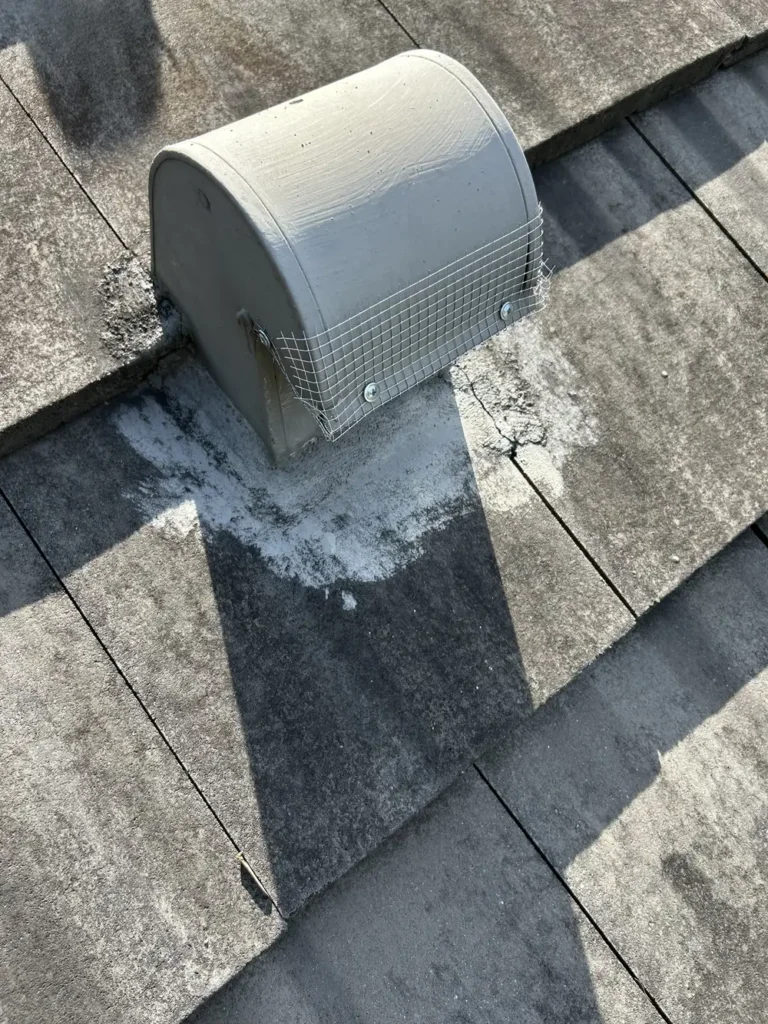
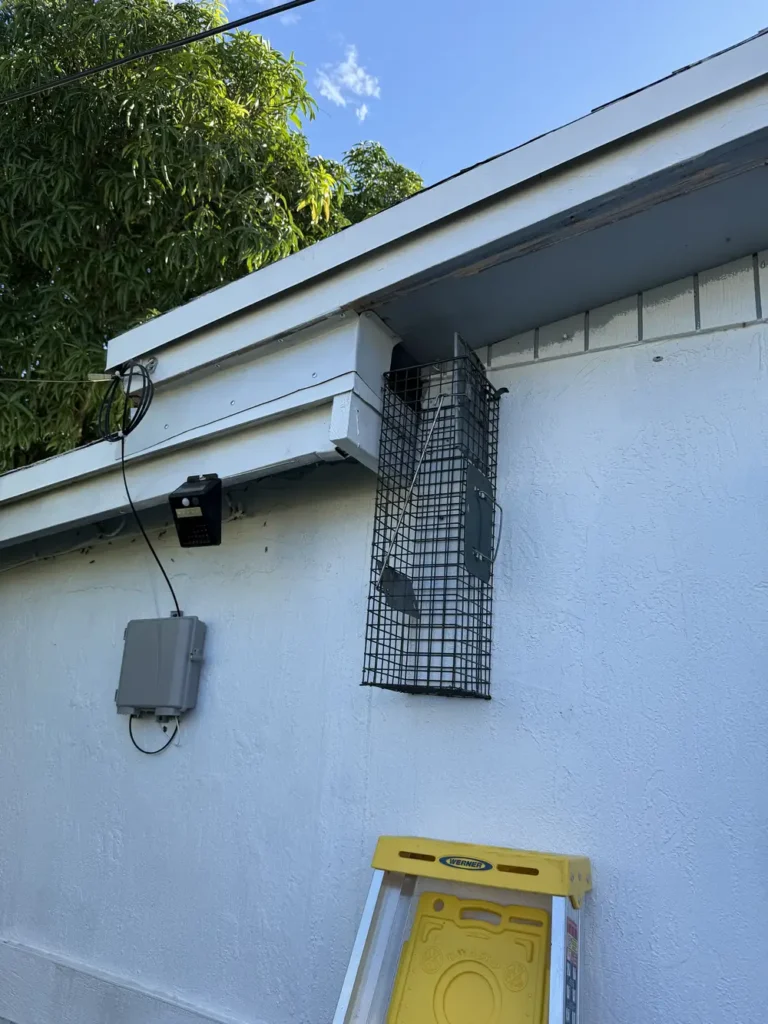
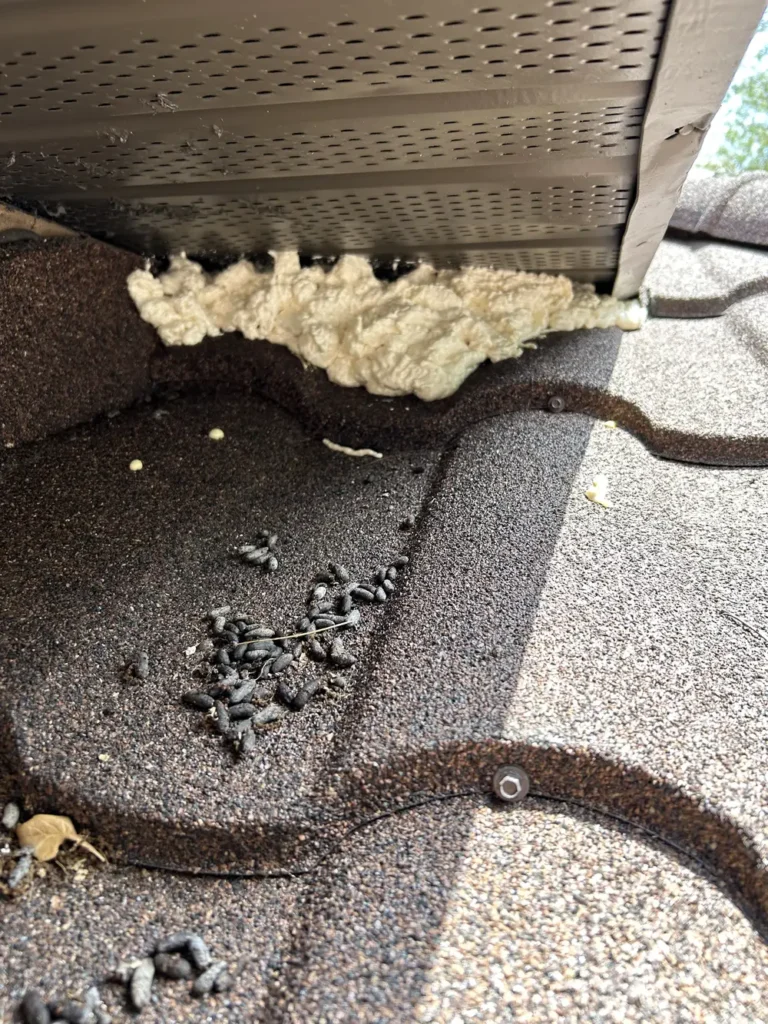
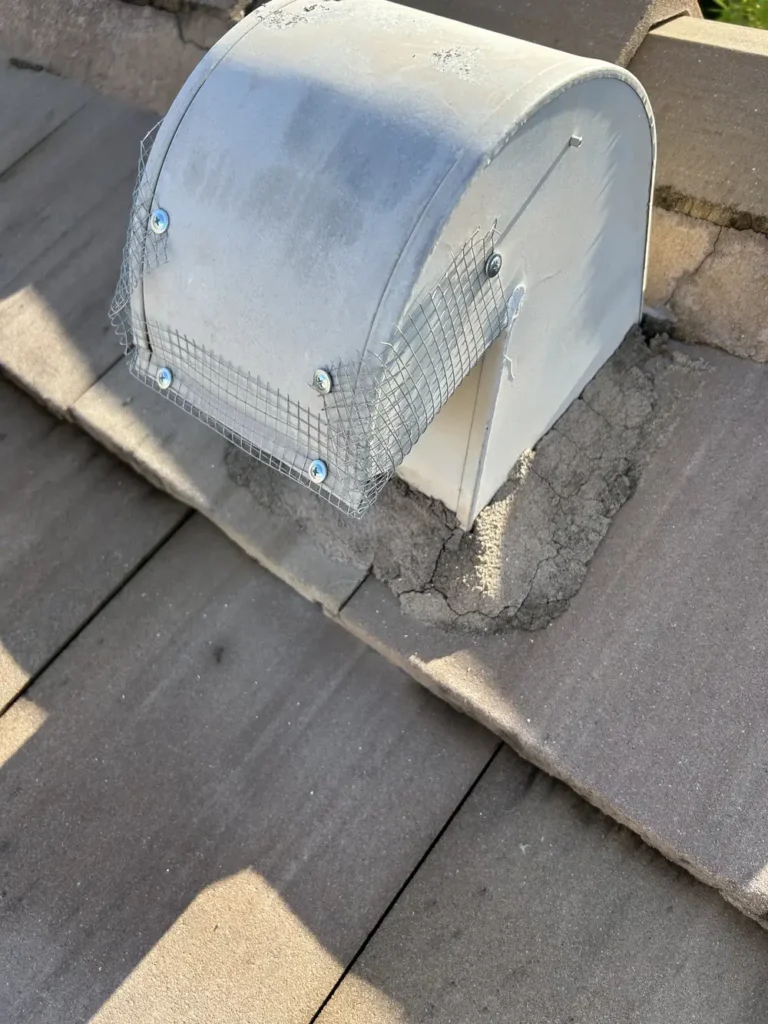
Roof rats — also called palm rats or citrus rats — are common in South Florida and are the ones most often found in attics. They are strong climbers that reach the roofline using fences, limbs, and utility runs, then enter at soffits, soffit returns, gable and roof vents, plumbing vent stacks, and weathered gaps. Norway rats and house mice also occur in the region. Our inspector identifies what is present and where it is getting in before any work is quoted.
What do you use inside the house versus outside?
Interior work is trapping. Bait stations, where they are used, go only at the exterior perimeter of the home. Bait is never placed inside the house or in the attic. Your technician will tell you what is being placed, where it is going, and what to do around it before anything is set, and will answer questions about placement at any point during the job.
Why not set traps myself instead of hiring a rodent control company?
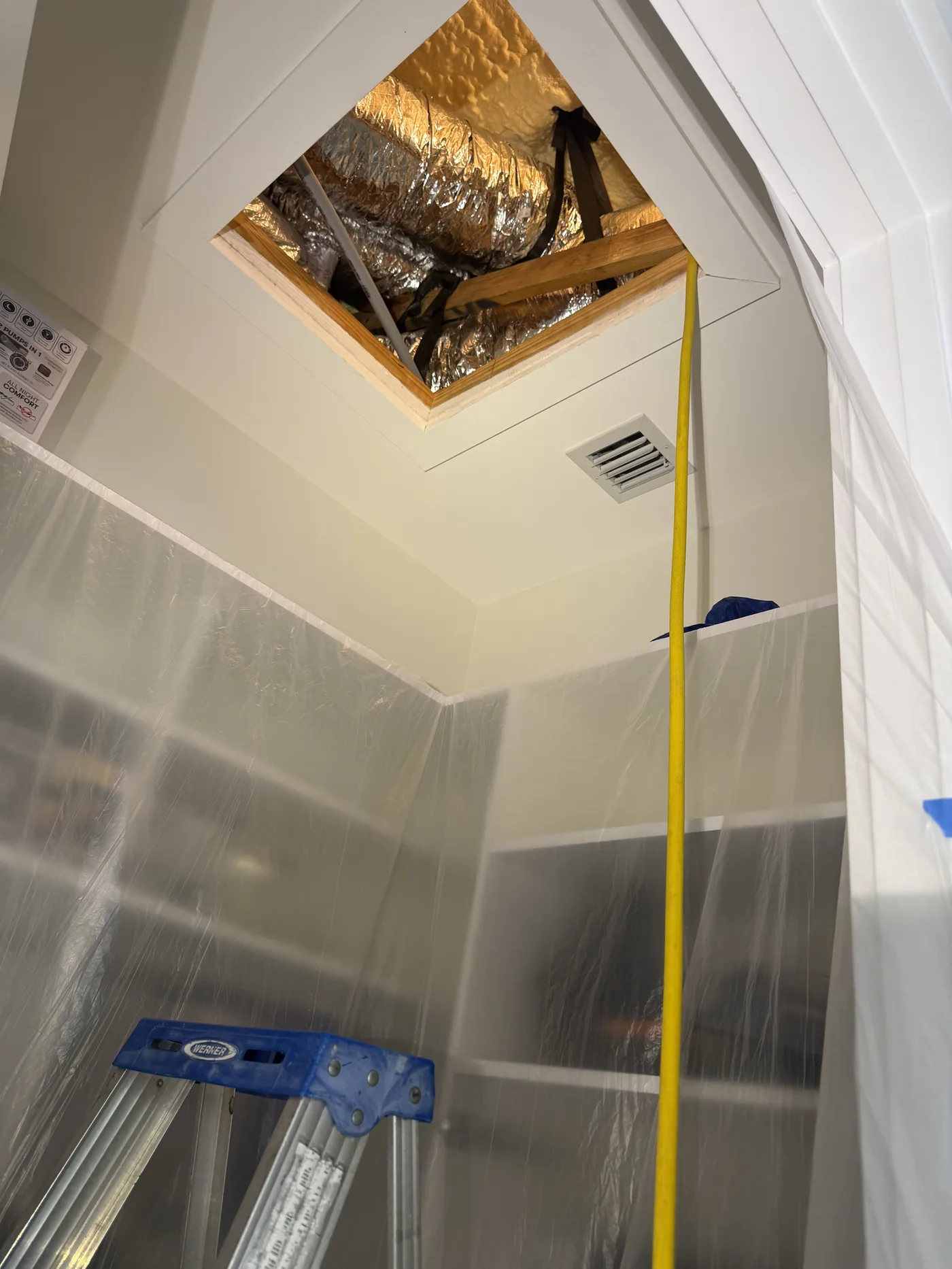
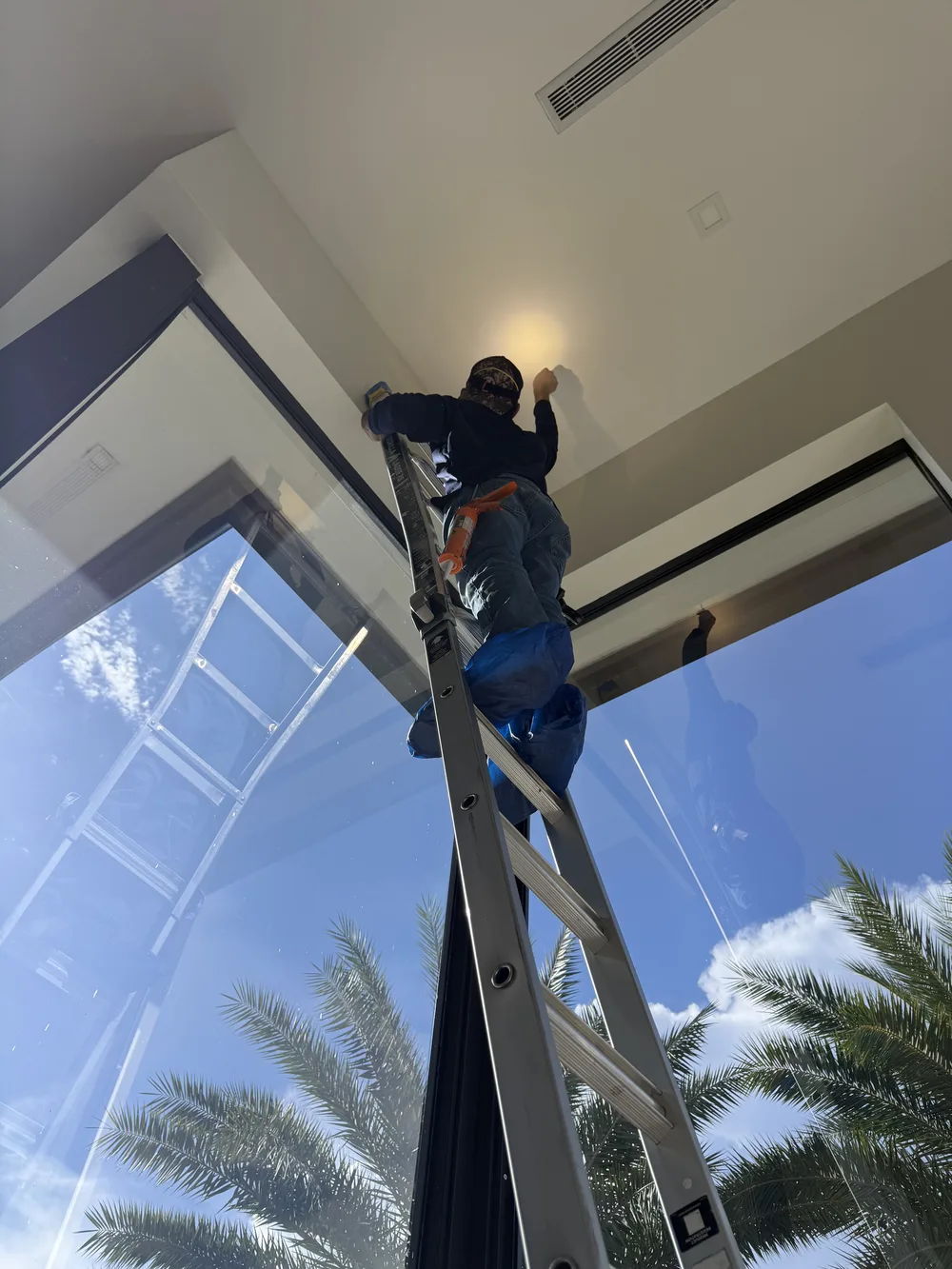
Traps alone address the rodents currently inside. The openings they are using stay open. On most homes those openings sit at the roofline — soffit returns, vents, and plumbing vent stacks — which means ladder work, attic access, and rodent-proof materials matched to each opening type. Without sealing, trapping tends to become an ongoing chore. Professional rodent control closes the entry points so the trapping has an end point.