

Whiteflies are plant pests; manage feeding and honeydew without attributing unsupported human illness claims to them.
Key Takeaways
- Whiteflies are plant-feeding insects, not blood-feeding or stinging pests.
- Do not treat an unexplained human rash or breathing symptom as a whitefly diagnosis.
- Whiteflies cause significant damage to plants rather than people, feeding on sap and weakening crops and ornamentals.
- Honeydew and sooty mold create sticky surfaces and plant-management problems.
- Identification and plant monitoring guide management; human symptoms require separate medical assessment.
A cloud of tiny white insects rising from foliage often suggests whiteflies, but identification matters. These insects feed on plants, and the established management concern is plant damage and sticky honeydew, not a proven human-disease risk. This guide separates garden evidence from unsupported medical claims and explains practical inspection and control choices. Related context: mosquito.
What Are Whiteflies and Why Are They So Common?
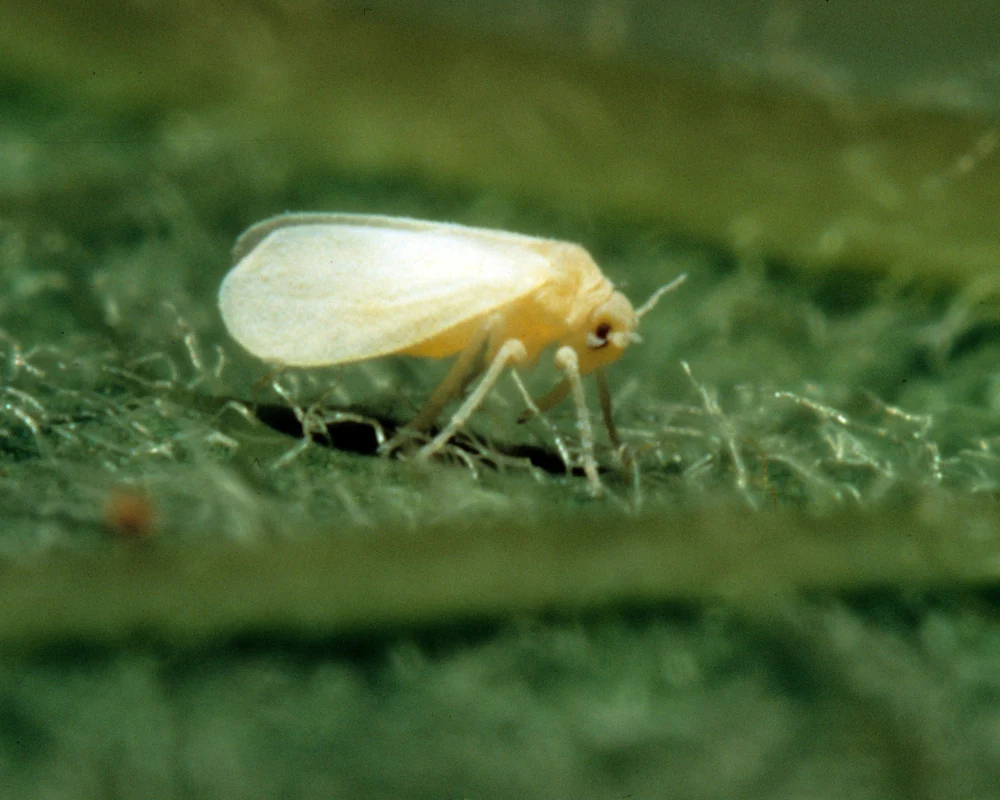
Whiteflies are tiny, winged insects belonging to the family Aleyrodidae. Despite their name, they are not true flies. They are more closely related to aphids, mealybugs, and scale insects. Adult whiteflies measure roughly 1 to 2 millimeters long and have powdery white wings that fold flat over their bodies.
Whitefly species differ in host plants and appearance. Inspect the undersides of leaves for immature stages and match the affected plant to a reliable identification resource rather than relying only on adult color.
You will typically find whiteflies on:
- Vegetable garden plants like tomatoes, peppers, and squash
- Ornamental shrubs and flowering plants
- Houseplants brought indoors from outside
- Greenhouse and nursery stock
Their rapid reproduction and preference for warm conditions make them a persistent challenge. For a deeper look at species types, lifecycle stages, and management strategies, explore this comprehensive guide to identifying and controlling whiteflies.

Are Whiteflies Harmful to Humans Directly?
Whiteflies feed on plant sap and are not recognized human blood-feeding or stinging pests. If an insect appears to bite, preserve a sample for identification instead of assuming it is a whitefly. Related context: fleas.
Here is what whiteflies cannot do to you:
- They are not treated as biting human pests.
- They are not stinging insects.
- Their plant-virus transmission should not be confused with human disease transmission.
- They may occur on indoor plants; that differs from a bed bug infestation. Related context: bed bug identification.
An insect identification cannot explain an individual’s symptoms. A rash, breathing problem or unexplained bite should be evaluated independently rather than attributed to plant insects without evidence.
Separating plant damage from medical claims
Reliable whitefly guidance focuses on plant feeding, honeydew, sooty mold and some plant viruses. It does not support a general claim that garden whiteflies cause asthma, COPD symptoms or a characteristic human allergy syndrome.
Avoid diagnosing symptoms from a garden sighting
Whitefly wax or debris can be noticeable on plants. That observation alone does not establish airborne sensitization or a medical cause. If symptoms occur, seek appropriate health advice and avoid unnecessary exposure to any pesticide applied nearby.
- Keep insect identification separate from symptom assessment.
- Do not infer a diagnosed allergy from white material on foliage.
- Record any actual contact or pesticide exposure for a clinician.
- A significant breathing problem needs medical help, not pest identification alone.
Occupational or household health concerns require an appropriate assessment. This article does not use greenhouse insect counts as a medical risk threshold.
Honeydew and sooty mold on plants
Whiteflies excrete a sticky substance called honeydew as they feed on plants. This sugary residue coats leaves, fruits, and nearby surfaces. Over time, honeydew attracts a black fungal growth called sooty mold.
Sooty mold grows on sugary honeydew and can obscure leaf surfaces. Manage the source of honeydew and identify affected plants; do not use a black coating on foliage to diagnose a human respiratory condition.
Handling garden produce appropriately
Inspect harvested produce and wash it using ordinary food-safety guidance. Honeydew or insect presence does not by itself establish food poisoning or mean an entire crop must be discarded. If a pesticide was used, follow its crop permissions and harvest interval.
How Whiteflies Affect Your Property and Garden
The documented concerns are plant performance, honeydew and maintenance of nearby surfaces.
Plant Damage and Crop Loss
Whiteflies drain vital nutrients from plants by feeding on phloem sap. Over time, this weakens the host plant and causes visible symptoms:
- Yellowing and wilting leaves
- Stunted growth and reduced fruit production
- Premature leaf drop
- Transmission of plant viruses like tomato yellow leaf curl virus
A severe infestation can kill young or vulnerable plants entirely. For home gardeners who depend on their vegetable patches, this translates to wasted time, effort, and money.
Sticky Surfaces and Mold Buildup
Honeydew does not just stay on plants. It drips onto patio furniture, cars, walkways, and outdoor living areas. The sticky residue attracts ants and other insects, compounding your pest problems. Much like how common ant species are drawn to sweet food sources indoors, they readily follow honeydew trails on your plants and outdoor surfaces. As a result, you end up dealing with multiple pest species at once — not just the whiteflies themselves.
Once sooty mold colonizes the honeydew, dark stains spread across surfaces. These stains are difficult to remove and can diminish your property’s appearance significantly.
Whiteflies vs. Other Pests: A Human Safety Comparison
Putting whiteflies into context alongside other common household pests helps clarify just how low the human health risk actually is. The table below compares whiteflies to several other insects based on their direct threat to people.
| Pest | Bites Humans? | Transmits Human Diseases? | Causes Allergic Reactions? | Primary Threat |
|---|---|---|---|---|
| Whiteflies | No | No | Human allergy claim not established here | Plant damage |
| Mosquitoes | Yes | Some species; pathogen risk varies locally | Yes | Disease transmission |
| Fleas | Yes | Some flea species; risk is not uniform | Yes | Bites, disease |
| Bed Bugs | Yes | No (not proven) | Yes | Bites, psychological stress |
| Aphids | No | No | Human health claim not established here | Plant damage |
This comparison identifies broad biology, not a medical risk score. A confirmed whitefly finding should lead to a plant-management plan; actual bites or symptoms need separate evaluation. Related context: tick identification.
Which plant situations need closer attention?
Pay attention when feeding or honeydew is affecting valuable plants or persistent sources remain:
- Sensitive or newly planted material that is declining.
- Greenhouse or indoor plants where infestations can spread between containers.
- Edible crops requiring careful product selection and harvest restrictions.
- Large hedges or trees where safe access to leaf undersides is difficult.
Identify the insect, host plant and extent before selecting controls.
How to Protect Yourself and Your Garden from Whiteflies
Use plant inspection, appropriate horticultural care, natural-enemy conservation and targeted controls when justified. No one method is appropriate to every whitefly and host plant.
Cultural and Physical Controls
Start with prevention. These low-effort methods reduce whitefly numbers before they spiral out of control:
- Inspect new plants before bringing them into your garden or greenhouse. Check the undersides of leaves for eggs and nymphs.
- Use reflective mulches around vegetable beds. Aluminum or silver-colored mulch disorients whiteflies and reduces landing rates.
- Remove heavily affected leaves only when the plant tolerates pruning; excessive removal can worsen plant stress.
- A directed water stream can help dislodge insects on tolerant plants; avoid damaging delicate growth or assuming every immature stage will be removed.
Biological Controls
Natural enemies can contribute to control. Preserve observed beneficial insects rather than promising complete pesticide-free control from a purchased release.
- Some lady beetles feed on whitefly stages.
- Green lacewing larvae are voracious predators of soft-bodied pests.
- Encarsia formosa parasitic wasps target greenhouse whiteflies specifically.
Broad-spectrum pesticides may disrupt natural enemies. Ask how a proposed treatment avoids unnecessary impacts.
Chemical and Professional Treatment Options
Soaps and horticultural oils require a product labeled for the plant, pest and setting. Contact and leaf-underside coverage matter; sensitive plants, weather and beneficial organisms can be affected. Natural origin does not make a product harmless.
For persistent landscape problems, consult a qualified plant or pest professional about identification, host plants and a monitoring plan. Confirm the service and follow-up offered rather than assuming lasting eradication.
When to Call a Pest Control Professional for Whiteflies
Most small whitefly problems respond well to DIY methods. However, there are situations where professional help makes the most sense:
- Whitefly populations have spread across your entire garden or landscape.
- Sooty mold is covering large areas of your plants, patio, or outdoor structures.
- You have tried multiple control methods without lasting results.
- Access or plant sensitivity limits safe inspection or application.
- There are unexplained human symptoms, which need separate health advice rather than a presumed whitefly treatment.
An inspection-led plan should address confirmed plant activity and the sources of honeydew. It should not be sold as medical treatment or a guarantee of a permanently insect-free landscape.
A plant-centered inspection avoids unsupported health claims
Identify the plant before selecting a whitefly control. Inspect both upper and lower leaves and look for immature stages, honeydew and actual decline. Adult clouds can be striking, but species and host plant influence management. Some leaf yellowing has other causes, so do not assume every symptom is whitefly feeding just because adults are nearby.
Record changes using photographs of the same leaves or plant area. Note watering, recent pruning and products already applied. A plant that is stressed by excess water or harsh treatment may decline even if insect numbers drop. Share these details with a horticultural adviser or qualified landscape-pest professional rather than simply switching products after each visible cloud.
If a product is proposed, confirm that its label permits the pest, plant and setting. An ornamental hedge and an edible crop are not interchangeable application sites. Follow temperature, plant-sensitivity and harvest restrictions and do not spray blooming areas or beneficial insects indiscriminately. Contact products require suitable coverage; a strong odor or natural ingredient is not evidence of greater safety.
Keep human symptoms and pest treatment decisions separate. A garden finding is not a diagnosis of asthma, allergy or food poisoning. If someone becomes unwell, obtain appropriate health advice and record any product exposure. Managing honeydew and protecting plant health are valid reasons for action without adding an unsupported medical narrative to a whitefly problem.
Sources and further guidance
Guidance below informed the identification and management corrections. A product label and property-specific inspection still control any application.
Frequently Asked Questions
-
Can whiteflies bite humans?
Whiteflies are plant-feeding insects, not recognized human biting pests. If an insect seems to bite, preserve a specimen for identification rather than assuming that a white garden insect is a whitefly.
-
Do whiteflies carry diseases that affect people?
Some whiteflies transmit plant viruses, which should not be confused with human mosquito-borne disease transmission. Human symptoms need separate assessment rather than a diagnosis from whiteflies on foliage.
-
Can whitefly honeydew or sooty mold make you sick?
Honeydew supports sooty mold and creates plant and maintenance concerns. The sources reviewed here do not establish a general whitefly-specific illness or allergy claim. Seek medical advice for actual symptoms and record any pesticide exposure separately.
-
Are whiteflies harmful to pets?
They are plant pests rather than a typical blood-feeding pet parasite. Do not use that distinction to diagnose a sick animal; keep pets away from applied products and consult a veterinarian about symptoms or possible exposure.
-
Why do whiteflies fly around my face when I walk through the garden?
Disturbing an infested plant can cause adults to fly up. A cloud around a person does not mean the insects are seeking human blood or attacking. Inspect leaf undersides and identify the pest.
-
How do I get rid of whiteflies on indoor plants without chemicals?
Inspect and isolate affected plants where practical, check leaf undersides and use suitable physical removal or horticultural adjustments. Avoid damaging excessive pruning or overwatering. If activity persists, obtain plant-specific advice before selecting a pesticide.
Get help with your pest concern.
Tell us what you are seeing. Our team can discuss the concern and the next step.
- Share your concern and contact details.
- Our team contacts you to discuss available service.
- Ask for a written scope and quote before work.
Where can we reach you?
Our team will call to confirm the next step.
By submitting, you’re asking On Demand Pest Control to contact you about this request.
↗ Prefer to call? (954) 947-0805