
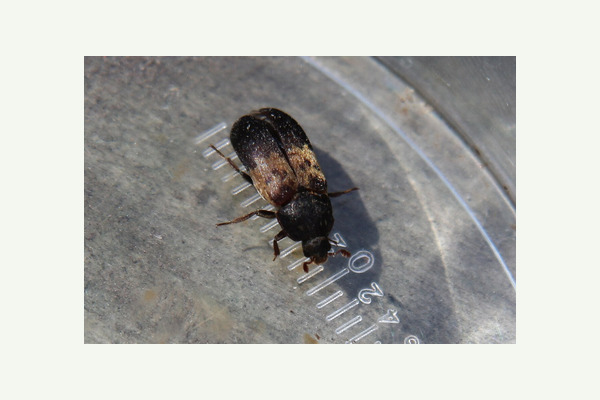
Repeated Larder Beetles Indoors: Finding Hidden Animal-Protein Sources
At a glance Repeated confirmed larder beetles warrant a search for suitable food. Check accessible stored products and dead-insect debris; concealed animal material is a
At a glance Repeated confirmed larder beetles warrant a search for suitable food. Check accessible stored products and dead-insect debris; concealed animal material is a
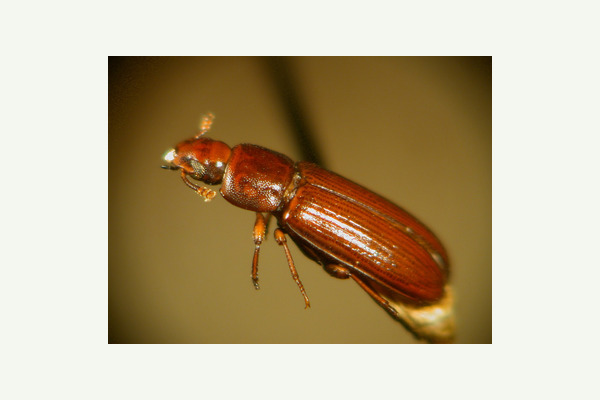
At a glance Securely discard infested food, vacuum accessible crevices and protect sound supplies. Cleanup must include missed sources; sprays and traps cannot replace that
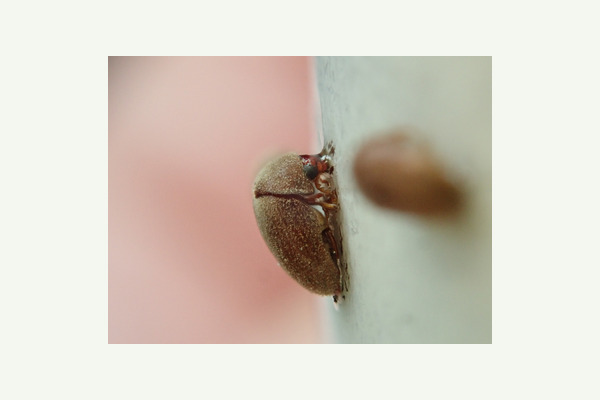
At a glance Cigarette-beetle pheromone lures target males. Record dated catches and inspect stored products; empty traps do not prove that eggs, larvae or a
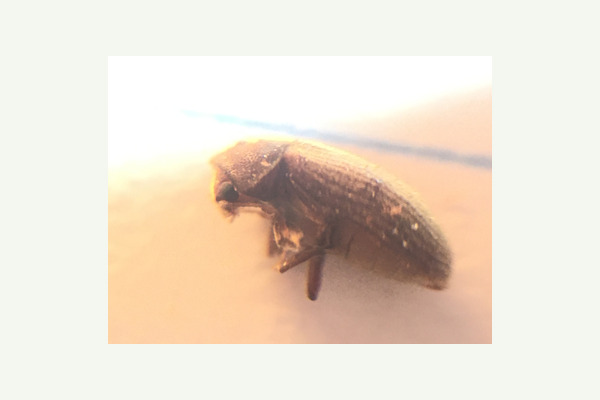
At a glance Bag and discard visibly infested ordinary food, inspect neighboring stock and clean storage areas. Medicines and valuable materials need appropriate specialist advice;
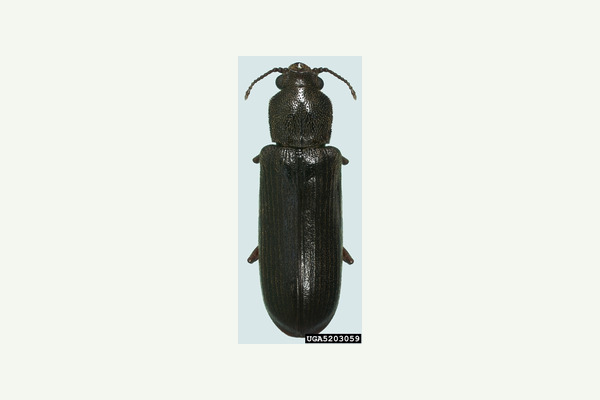
At a glance Confirm current activity before choosing treatment. Wood type, finish, moisture and access determine whether monitoring, replacement, a labeled surface treatment or specialist
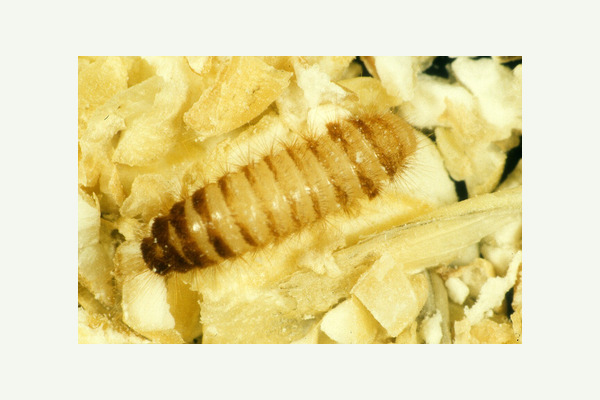
At a glance Hairy stored-food larvae can resemble several dermestid beetles. Expert identification matters; imported goods, bulk materials or suspected regulated pests warrant official guidance
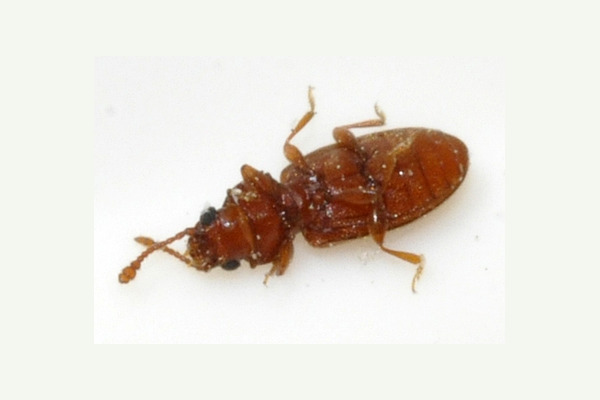
At a glance Foreign grain beetles can accompany damp materials, including new construction. They do not prove toxic mold, a specific leak or wood damage.
At a glance Larder beetles feed on animal-rich materials. Larvae can bore into firm material for pupation, not to eat wood; nearby holes still need
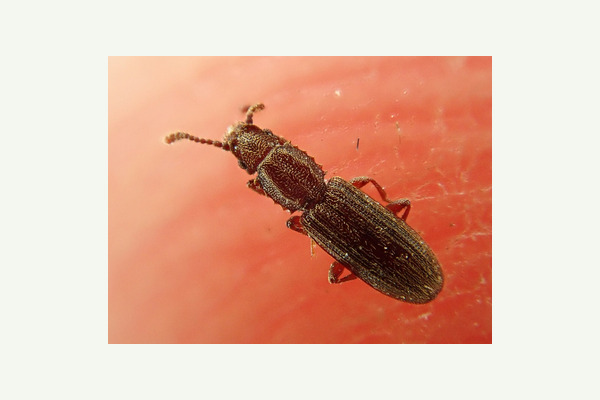
At a glance Sawtoothed and merchant grain beetles look very similar. Preserve a specimen, inspect suitable stored foods and use the small head features for
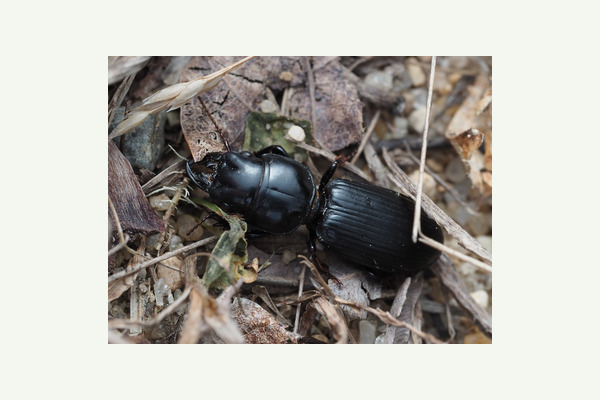
At a glance Most ground beetles are outdoor predators. Incidental adults do not reproduce indoors; remove strays without bare-hand handling and investigate repeated entry rather
At a glance Antenna and thorax features help distinguish two similar stored-product beetles. Inspect milled foods and damaged grain; an adult sighting alone does not
At a glance Small brown adults can travel away from their source. Check susceptible stored materials and confirm the specimen; suspect medicines need pharmacist advice,
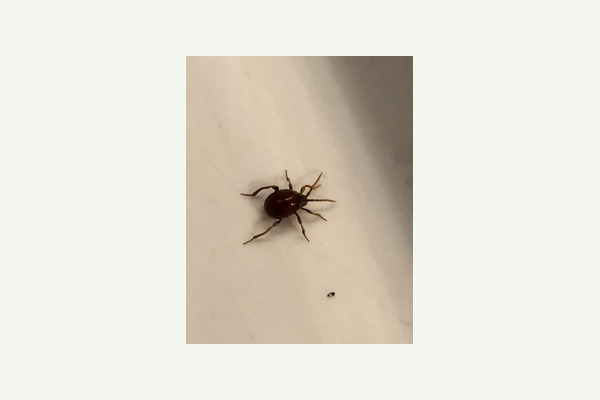
At a glance Spider beetles are insects, not spiders. Both adults and larvae can feed on stored products; inspect possible food sources rather than treating
At a glance Drugstore beetles can develop in dry foods and some nonfood materials. Confirm the insect, distinguish cigarette and carpet beetles, and inspect stored
At a glance Small round holes and powder need identification and an activity check. Different wood-boring beetles attack different wood, and old debris can resemble
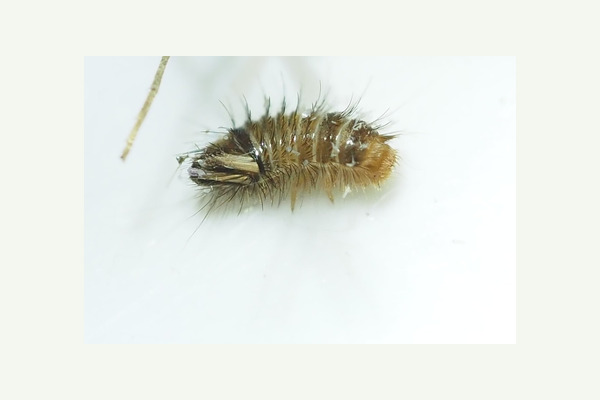
At a glance Find larval food sources, clean materials appropriately, and monitor fresh evidence. Do not rely on universal quick heat, freezer, or pesticide recipes.

At a glance Adults can fly in or arrive on flowers, while infested belongings can carry immature stages. Exclusion and source removal work together. Key
At a glance Living larvae, bristly skins, and feeding damage are useful combined clues. Old skins, a window beetle, or a rash alone do not

At a glance Larvae can graze animal-based fibers and leave holes or thinning. Identify insect evidence because wear and moth damage can overlap. Key Takeaways
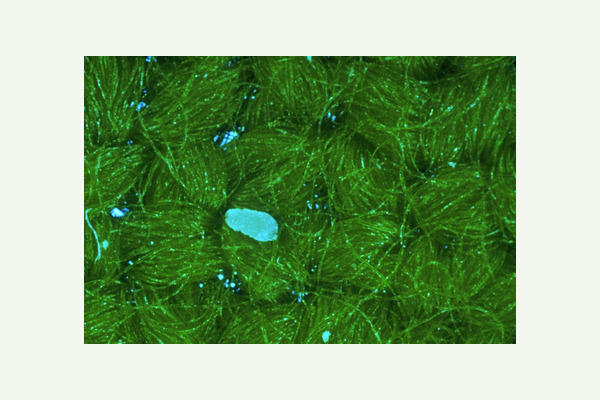
At a glance Eggs are inconspicuous and hard to identify among debris. Inspect associated larvae and food sources, clean correctly, and monitor rather than relying
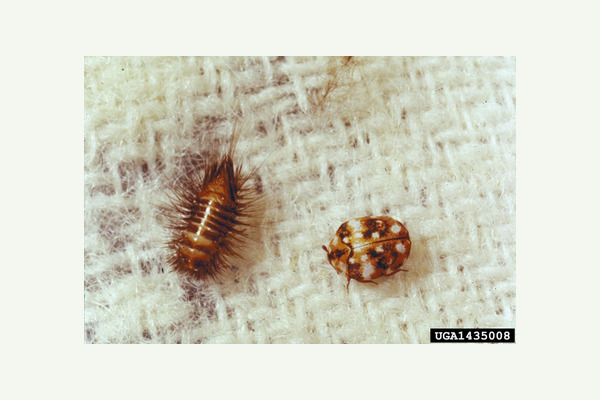
At a glance Identify hairy larvae, compare similar household pests and locate the material supporting an infestation. Recognizing the larval stage A carpet beetle larva
At a glance Separate adult beetles from damaging larvae, inspect vulnerable belongings and build a practical prevention plan. Understand which stage causes the problem The

At a glance Identify the animal, remove attractants and consult current Florida wildlife rules before considering capture or relocation. Identify the animal before selecting a
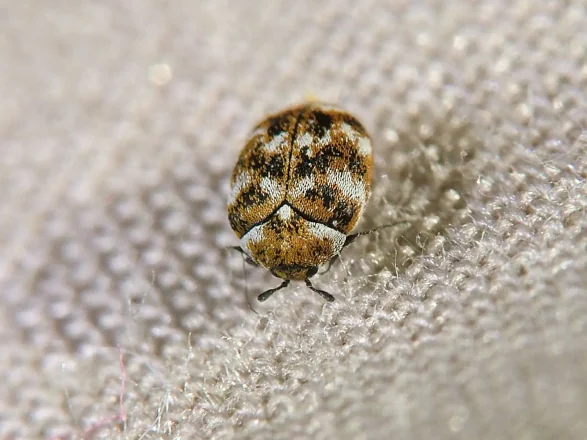
At a glance Carpet beetles do not bite people. Larval hairs can irritate some people, but a rash needs medical assessment rather than an insect
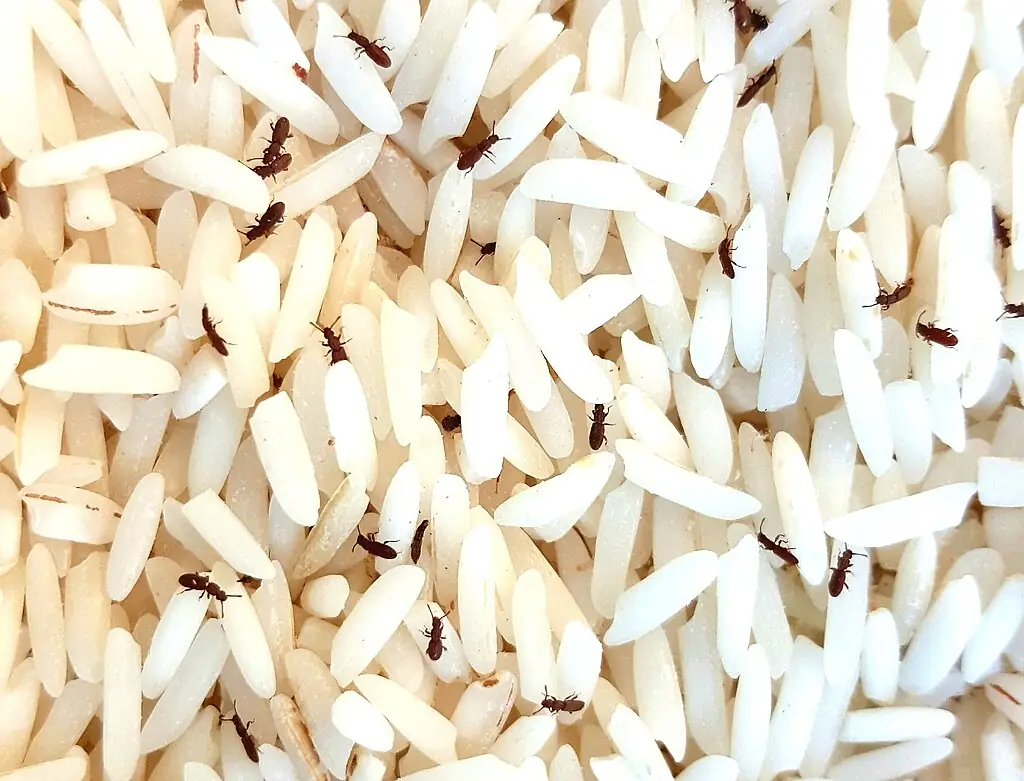
At a glance Rigid sealed containers, inspecting purchases and rotating stock reduce pantry-pest spread. A sealed package can already contain insects, so storage is not
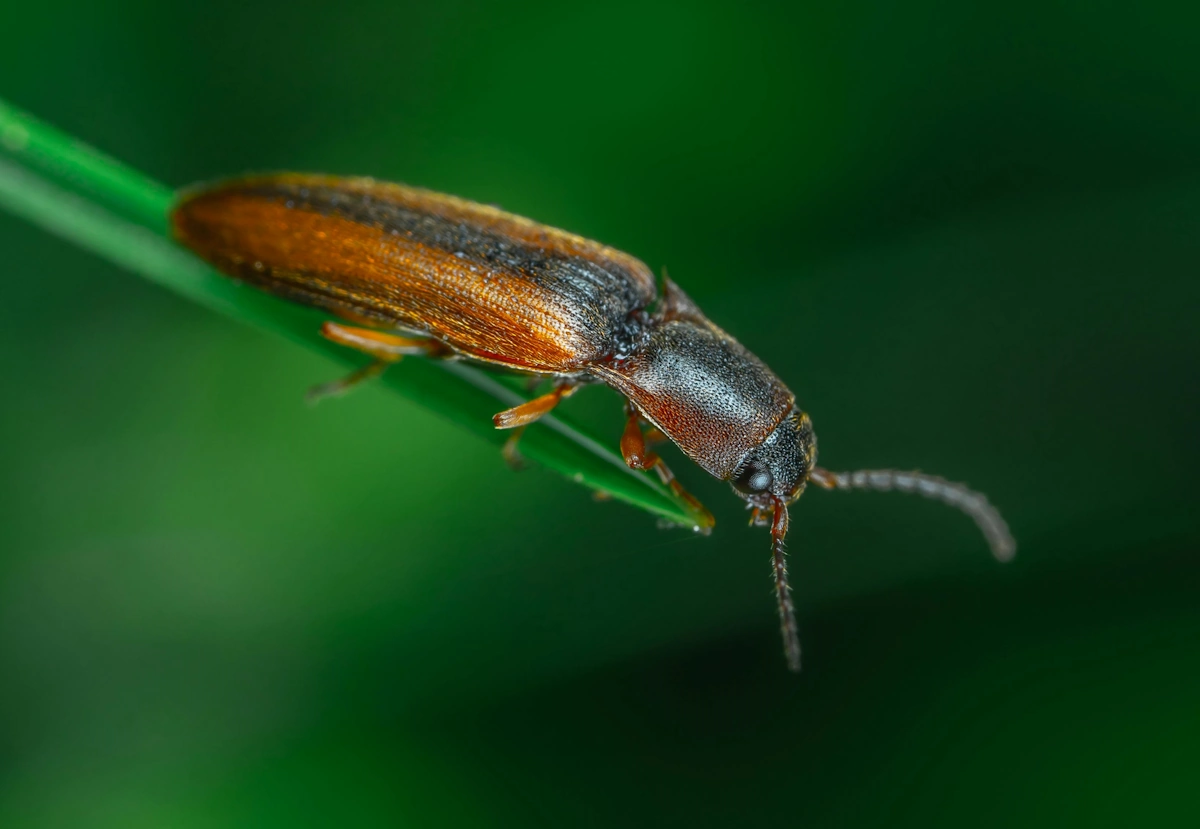
At a glance Identify a click beetle before responding. Inspect observed entry and lighting patterns; a wandering adult does not establish damaging larvae in the
At a glance Confirm carpet-beetle evidence and inspect larval food in a vehicle. Clean compatible materials without damaging safety systems or assuming a pesticide label
At a glance Carpet-beetle larvae may damage susceptible materials and irritate sensitive skin. Identify the insect and food source, and keep medical symptom assessment separate.
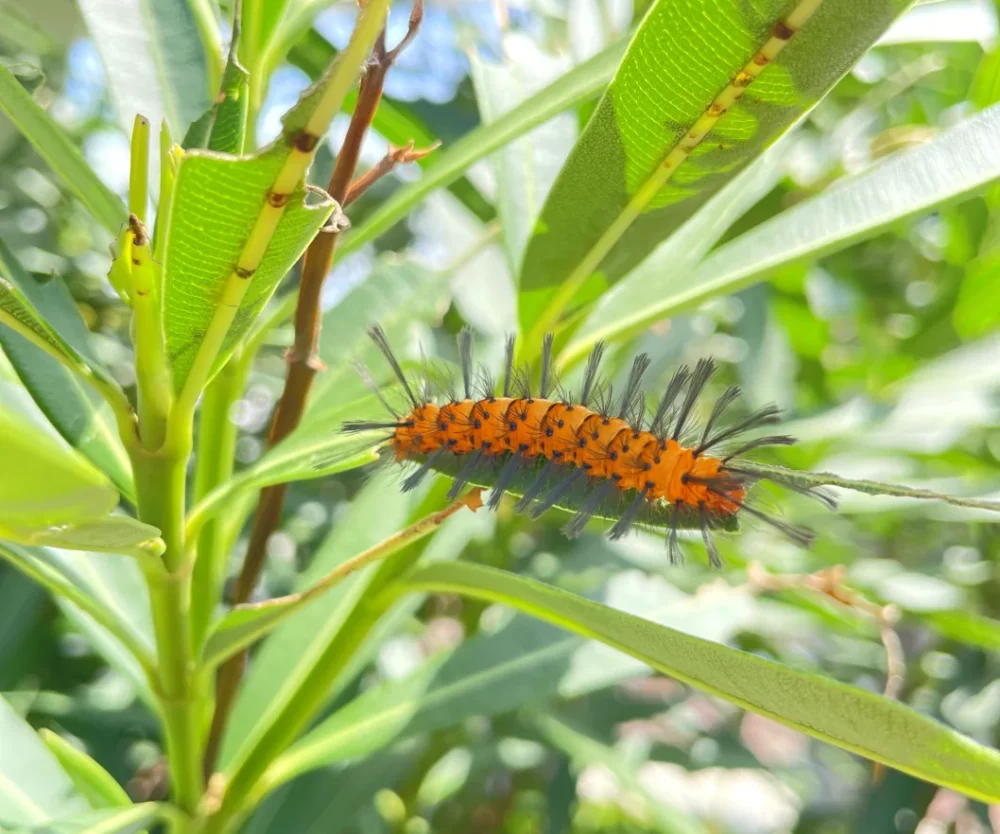
Identify orange-and-black oleander caterpillars and the adult polka-dot wasp moth. Understand plant toxicity, defoliation, life stages, and label-based treatment choices.
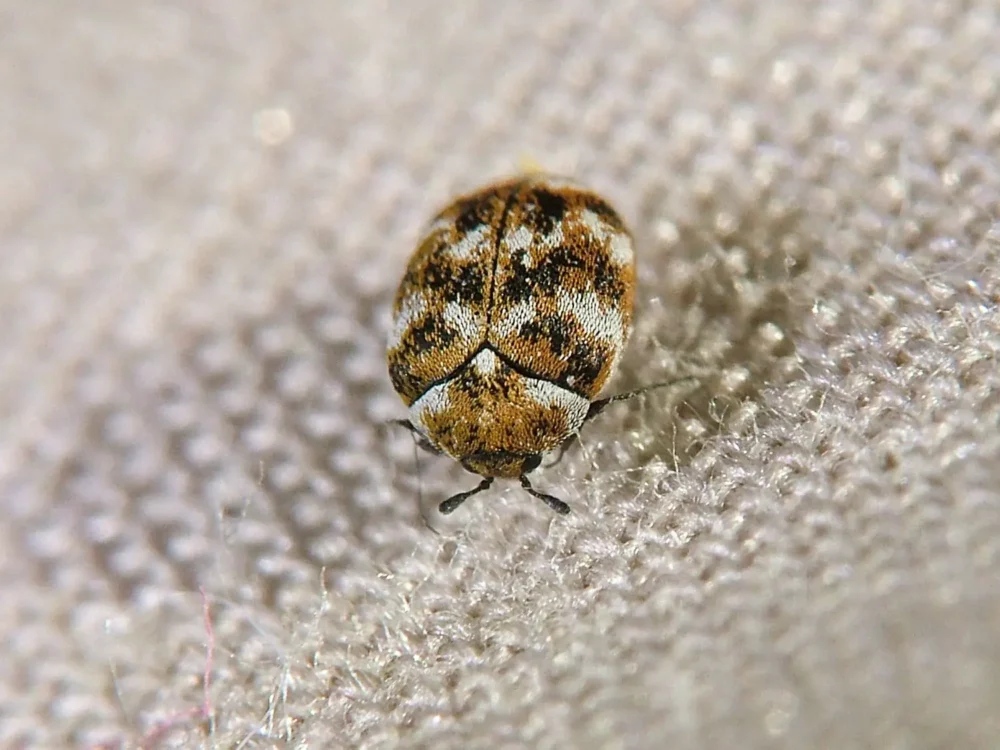
At a glance Identify carpet beetle adults and larvae, distinguish fabric damage from other problems, and find feeding sources before choosing treatment. Key Takeaways Larvae,

At a glance Termites are wood-associated pests rather than blood-feeding household insects. Skin marks cannot identify their cause; avoid handling termites and address medical symptoms
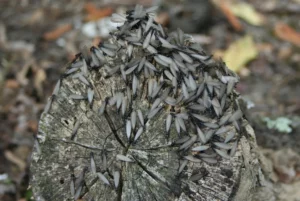
At a glance Winged termites in Miami are a reason to investigate, not a diagnosis of structural damage. Swarmers are reproductive termites leaving a mature

Learn when drywood fumigation is considered, what to ask about preparation and why reentry requires professional clearance.
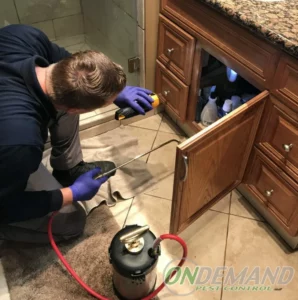
Compare cockroaches, ants, termites, mosquitoes and rodents, then inspect resources and access before choosing treatment.
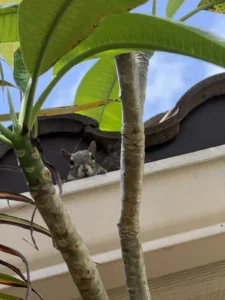
At a glance Squirrels can damage building materials and wiring, but attic noise is not identification. Confirm activity and dependent young before exclusion; repair damage