
How to Keep Your Home Clean and Bug-Free Year-Round
Key Takeaways A consistent cleaning routine removes the food, water, and shelter sources that attract pests into your home. Sealing cracks, gaps, and entry points
Key Takeaways A consistent cleaning routine removes the food, water, and shelter sources that attract pests into your home. Sealing cracks, gaps, and entry points
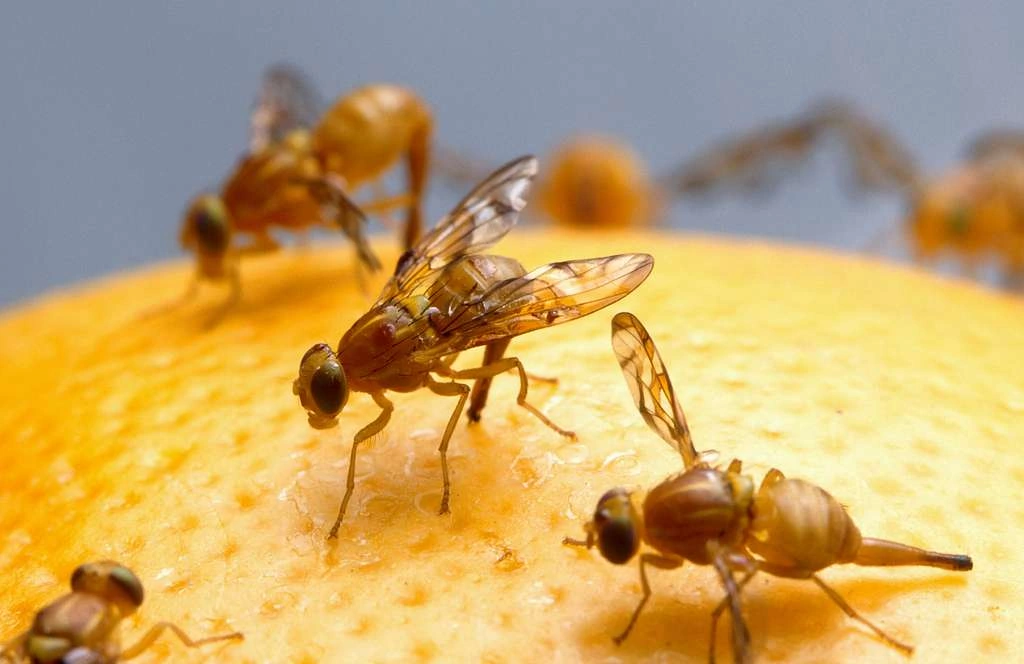
Key Takeaways Apple cider vinegar traps are the most effective DIY method to catch fruit flies quickly. Combining dish soap with your trap liquid breaks

Key Takeaways Cockroaches, ants, rodents, bed bugs, silverfish, and clover mites are the most common pests in high-rise buildings. Shared walls, plumbing lines, and trash
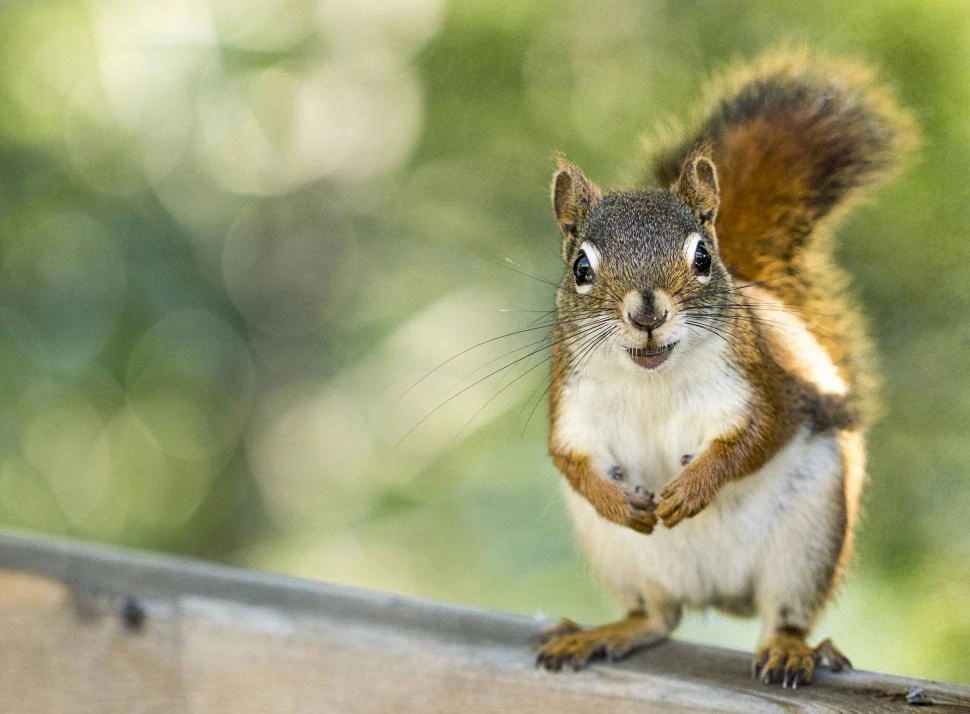
Key Takeaways Squirrels chew through electrical wiring, insulation, and structural wood, creating fire hazards and costly repairs. Attics, soffits, and roof vents are the most
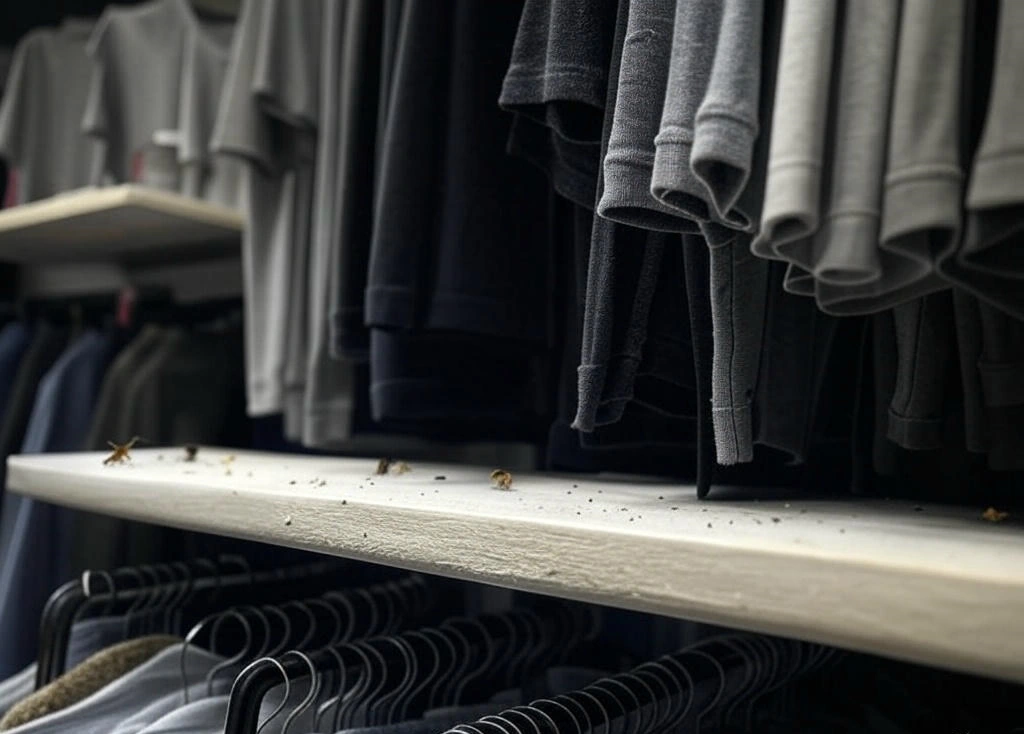
Key Takeaways Clothes moths, carpet beetles, silverfish, and crickets are the most common bugs that eat clothes and damage fabrics. These pests target natural fibers
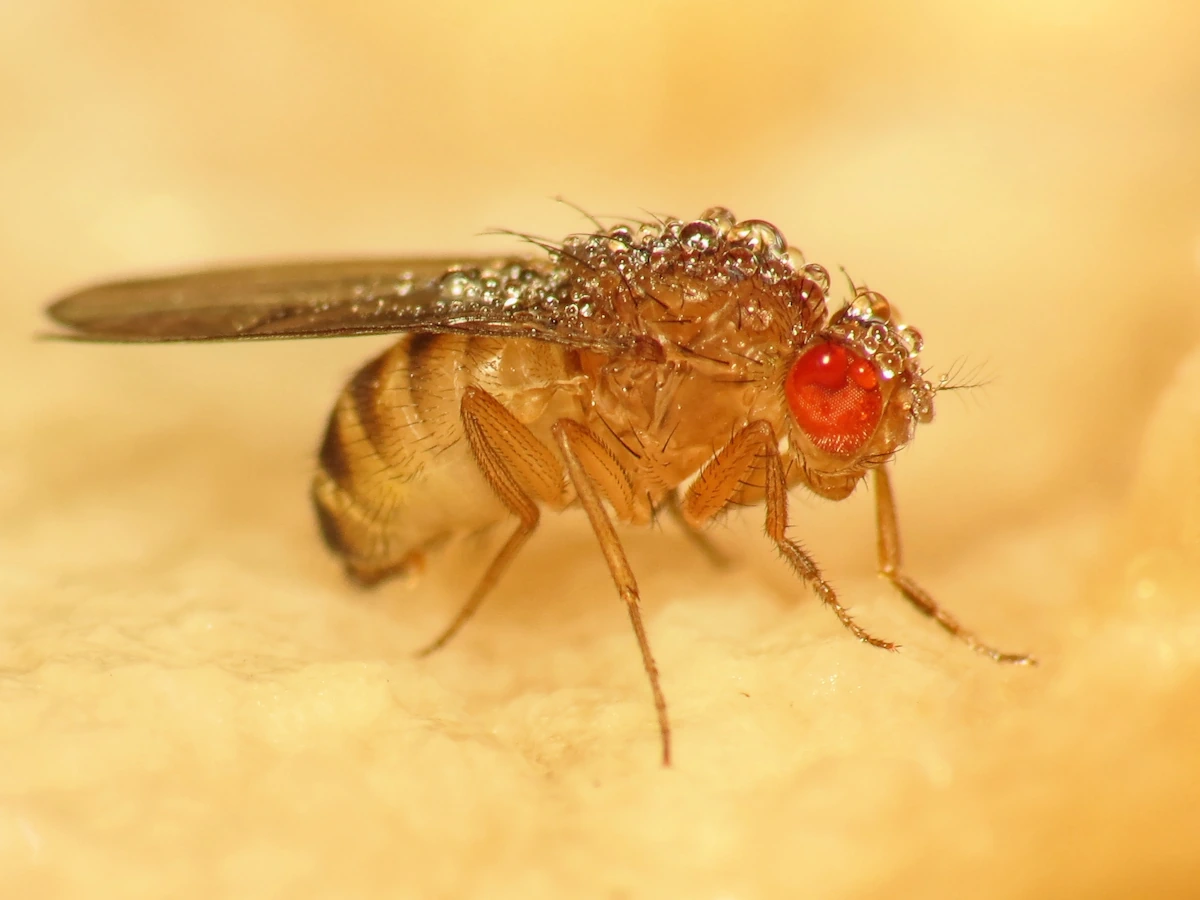
Key Takeaways Fruit flies can lay up to 500 eggs at a time, so early action is critical to preventing a full-blown infestation. Eliminating breeding
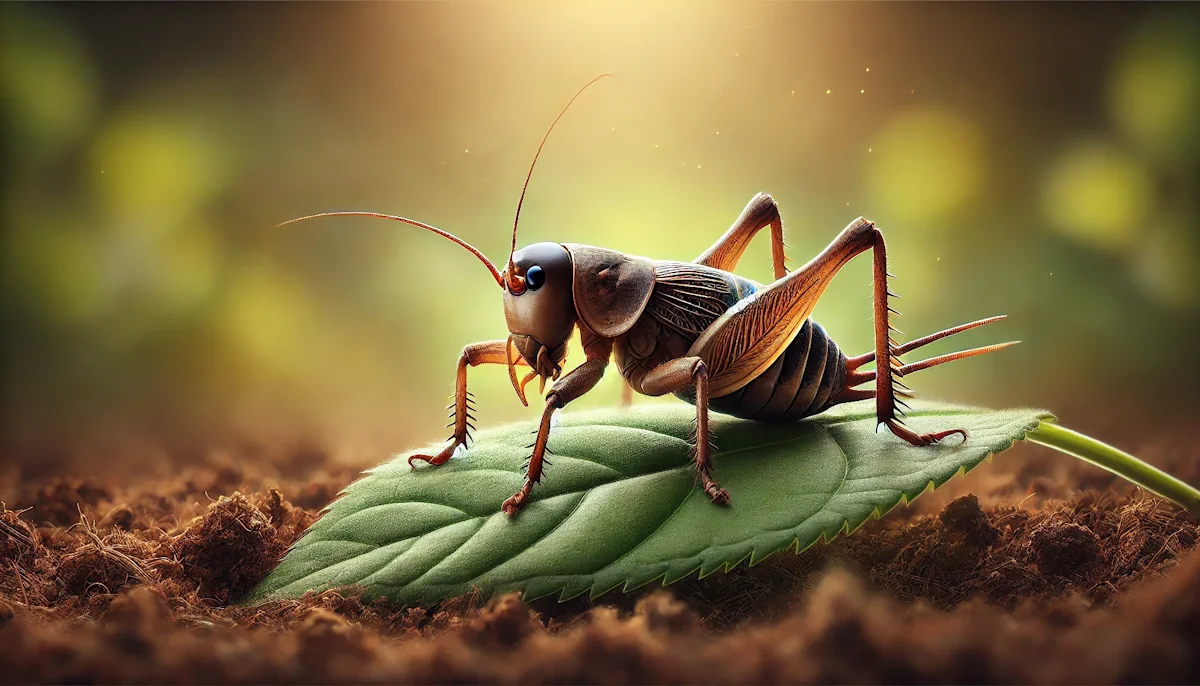
Key Takeaways Crickets can bite humans, but most species lack the jaw strength to break through skin. House crickets, field crickets, and camel crickets are

Key Takeaways Iguanas can and do bite, especially when they feel cornered, threatened, or are protecting their territory during mating season. Green iguanas in South
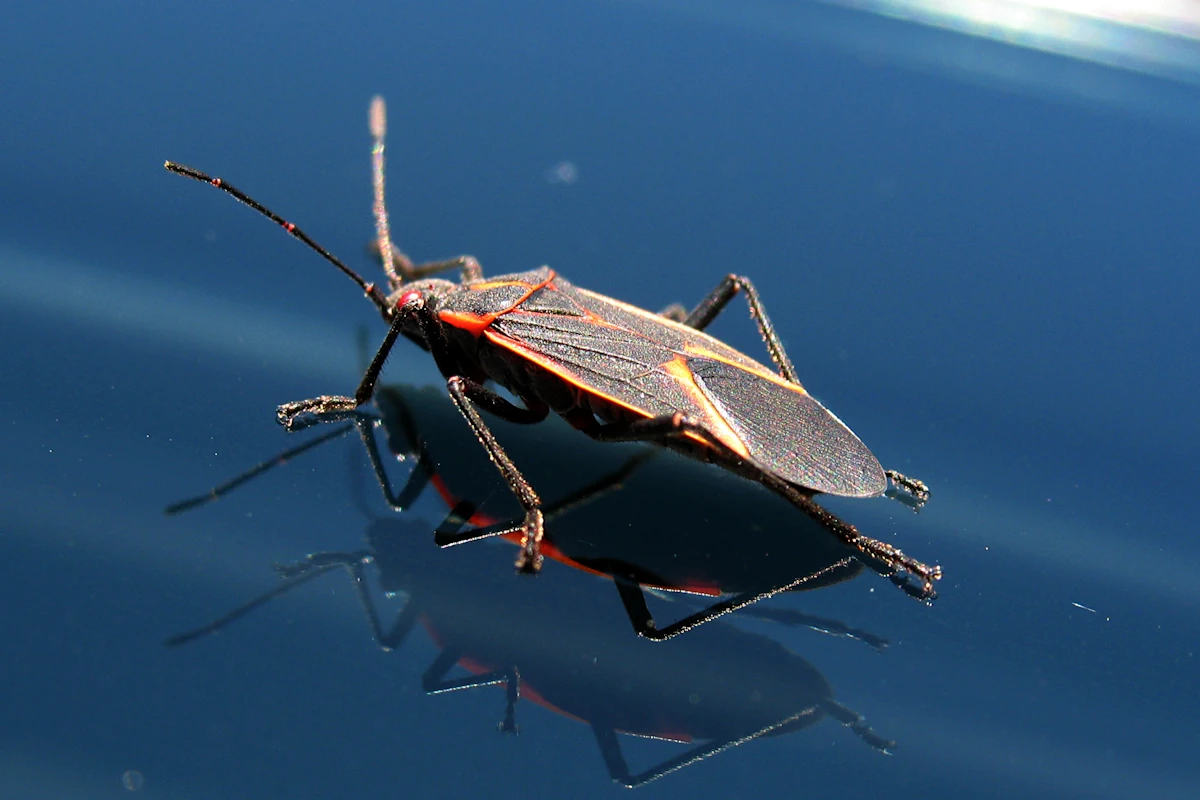
Key Takeaways Boxelder bugs primarily feed on the seeds, leaves, and sap of boxelder trees, but they also eat maple and ash trees. These bugs

Key Takeaways Sand fleas is a catch-all term that can refer to sand-burrowing crustaceans, biting midges, or parasitic Tunga penetrans — knowing the difference matters.
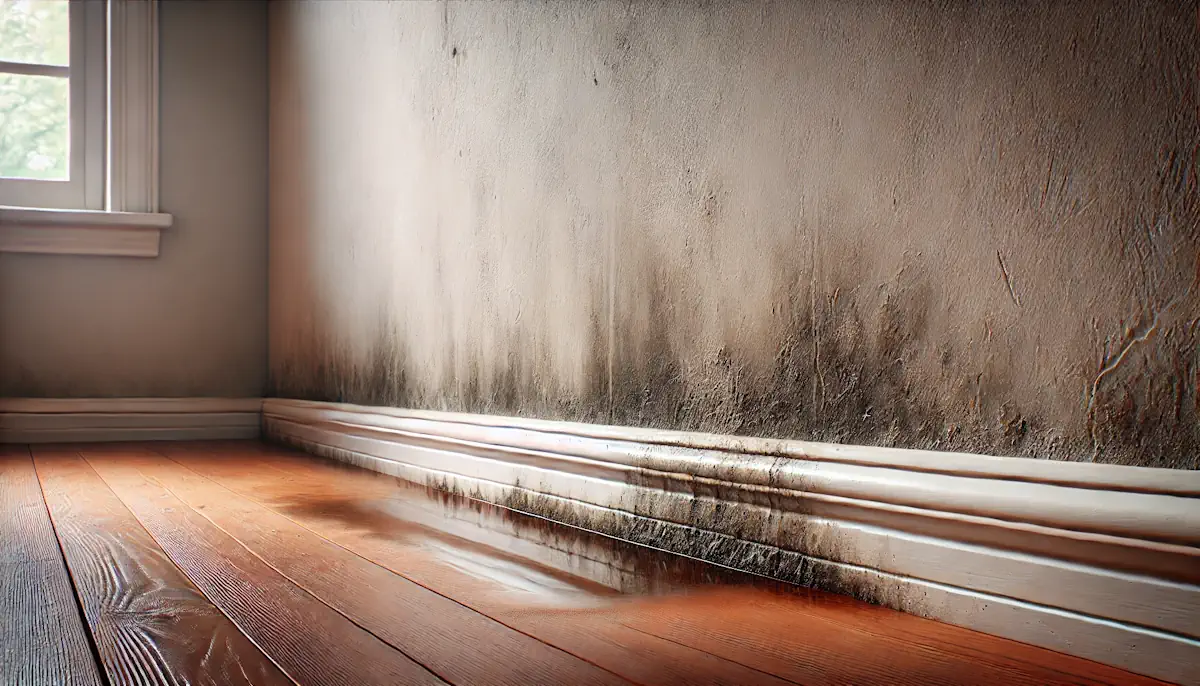
Key Takeaways Excess moisture attracts cockroaches, termites, silverfish, mosquitoes, and other destructive pests to your home. Fixing plumbing leaks, improving ventilation, and using dehumidifiers are
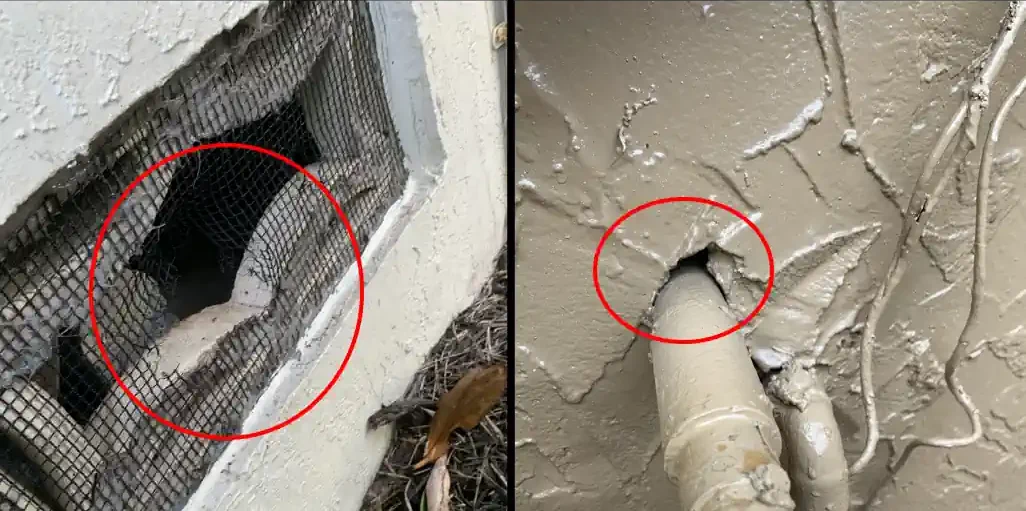
Key Takeaways Even a gap as small as 1/16 of an inch is wide enough for ants, cockroaches, and other common pests to enter your

Key Takeaways South Florida’s warm, humid climate makes it a hotspot for nocturnal insects including cockroaches, moths, mosquitoes, and palmetto bugs. Many nighttime pests are
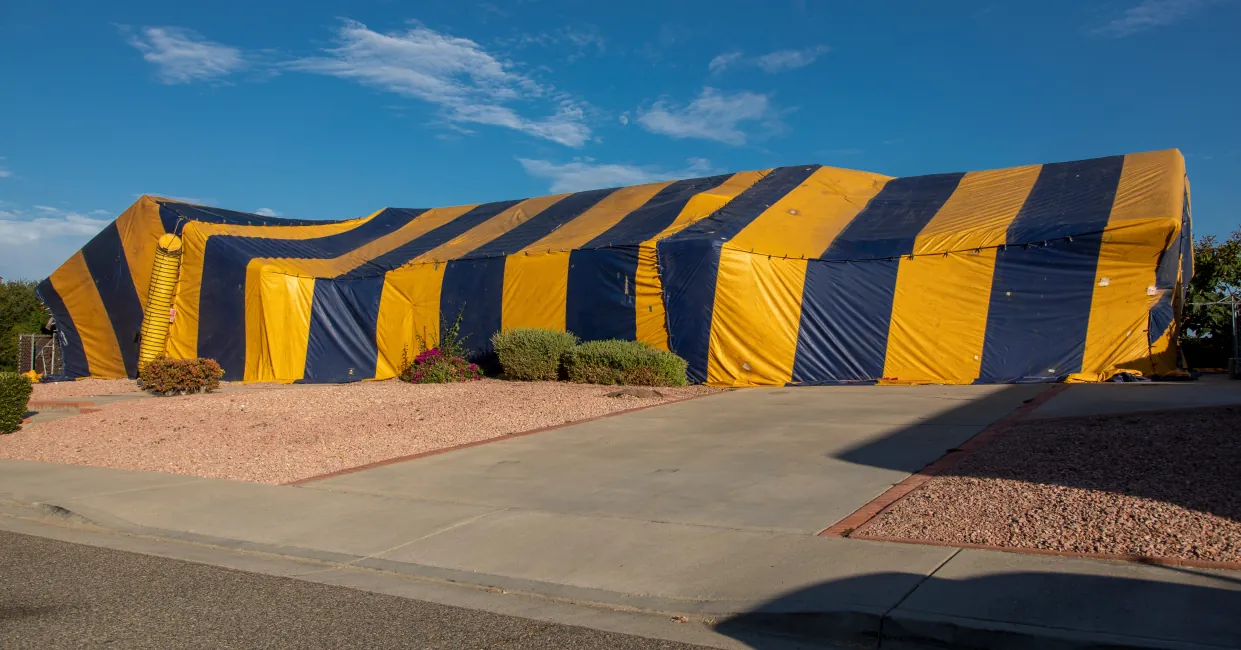
Key Takeaways Most fumigation treatments require you to stay out of your home for 24 to 72 hours, depending on the chemical used and the
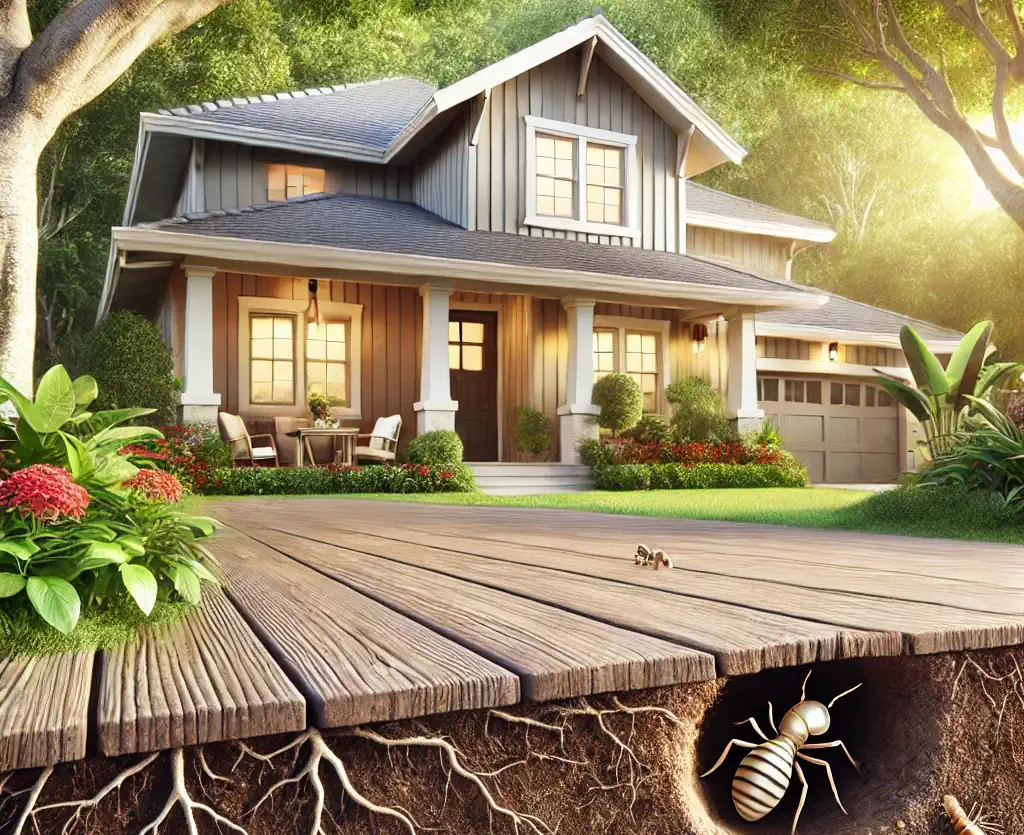
Key Takeaways Florida’s mild winters keep cockroaches, termites, bed bugs, and many other pests active year-round in Hollywood. Cooler temperatures drive insects indoors, making winter

Key Takeaways Hollywood, Florida’s warm, humid climate creates year-round pest pressure on commercial properties. Sealing entry points, managing moisture, and maintaining sanitation are the three
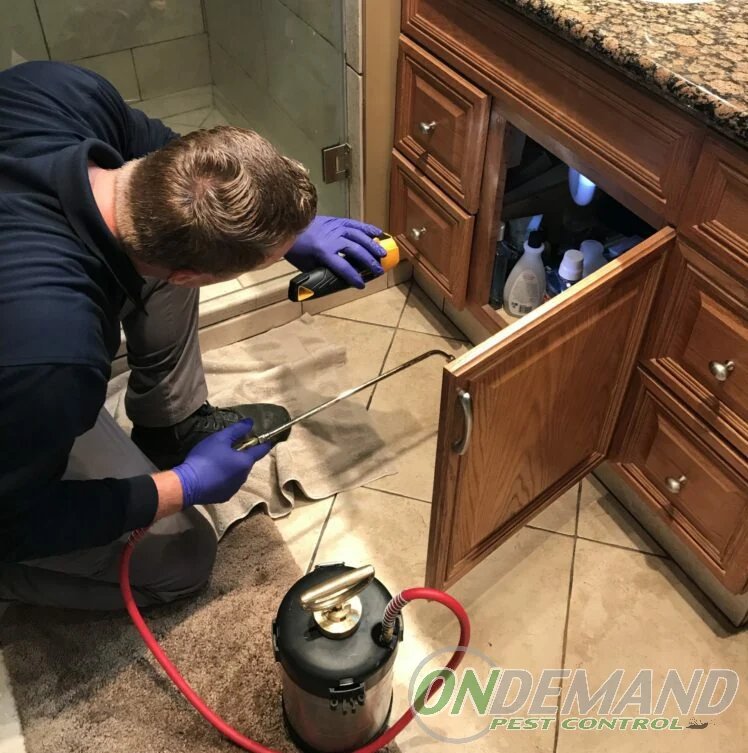
Key Takeaways Bugs do not go away in winter in Hollywood, Florida — the subtropical climate keeps most pests active year-round. Cockroaches, ants, mosquitoes, and
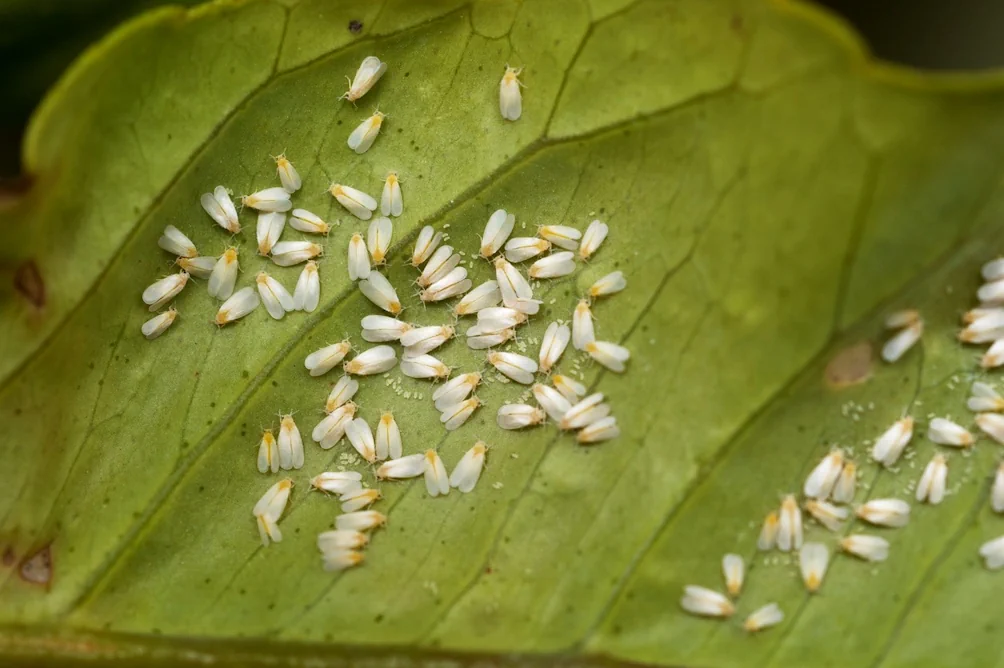
Key Takeaways South Florida’s warm, humid climate supports year-round pest activity that most other U.S. states never experience. Cockroaches can spread over 30 types of

Key Takeaways Raccoons are nocturnal, so you may hear them at night before you ever see them during the day. Overturned trash cans, torn soffit,
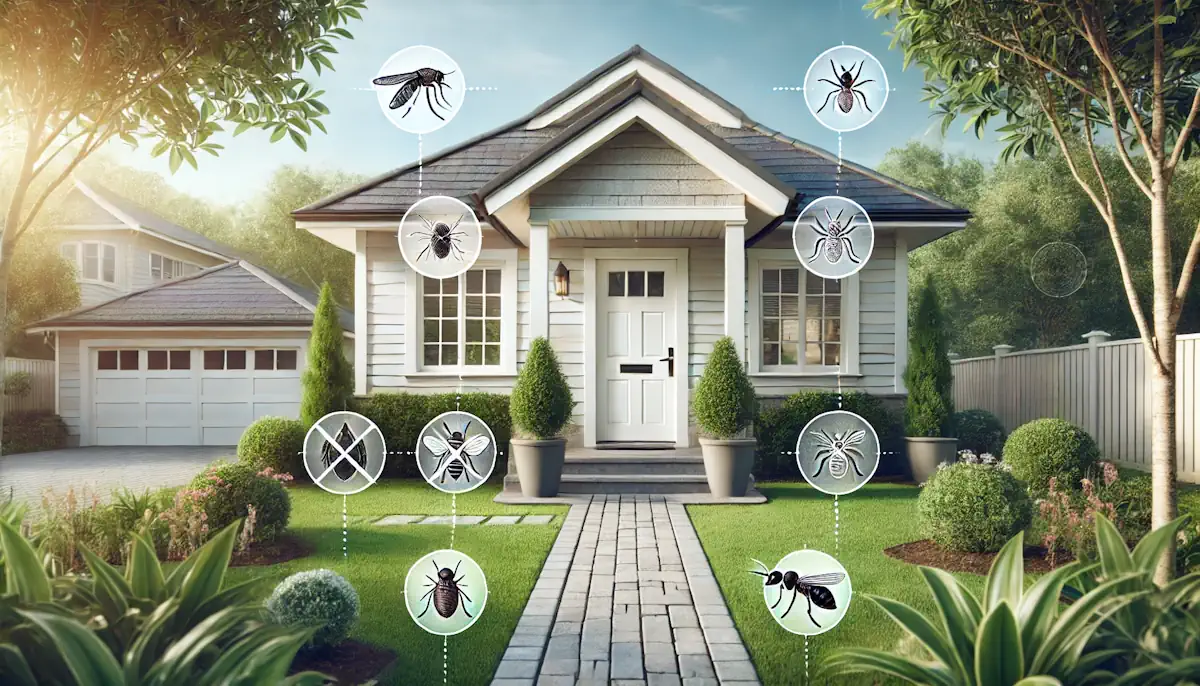
Key Takeaways Nuisance pests are annoying but generally harmless, while destructive pests cause structural, health, or financial damage to your home. Correctly identifying whether a
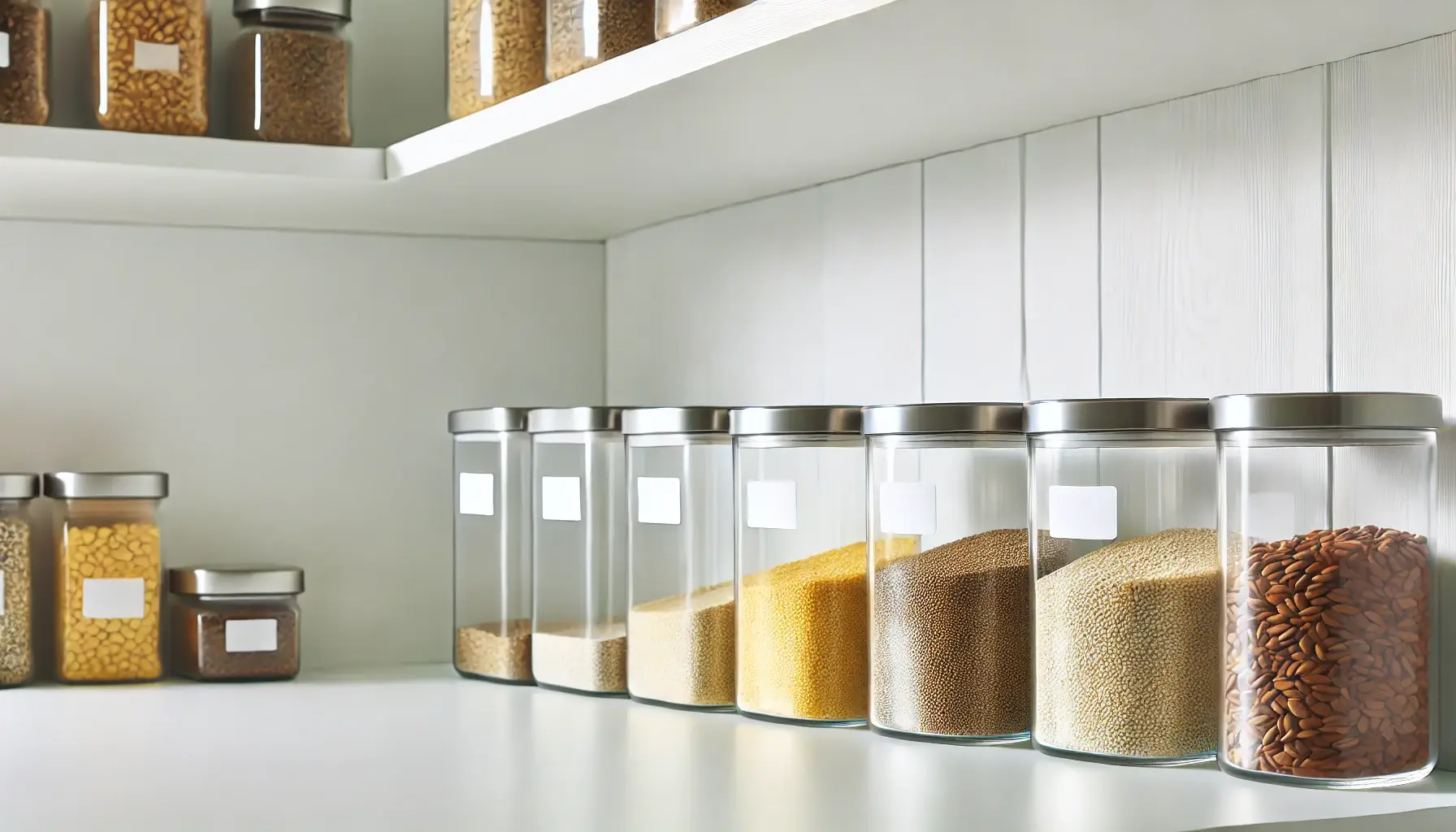
Key Takeaways Airtight containers made of glass, metal, or thick plastic are the most effective way to store food and prevent pantry pest infestations. Indian
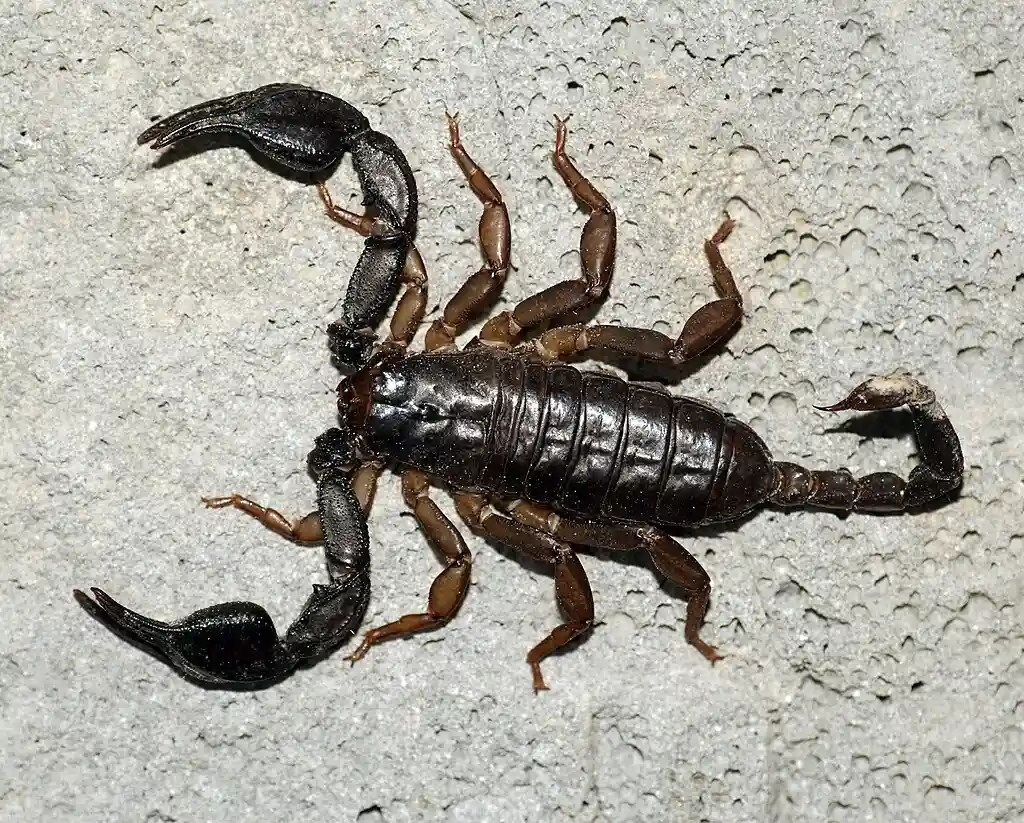
Key Takeaways Yes, there are scorpions in Florida — at least three native species live throughout the state. The most common species is the Florida

Key Takeaways Rain drives ground-dwelling insects like ants, cockroaches, and crickets out of saturated soil and into your home. Standing water left after storms creates

Key Takeaways Weevils are small beetles that infest stored grains, flour, rice, and other dry goods in your pantry — they can also damage garden
Key Takeaways South Florida’s tropical climate creates year-round pest pressure, making a qualified local exterminator essential for lasting protection. Always verify that an exterminator holds
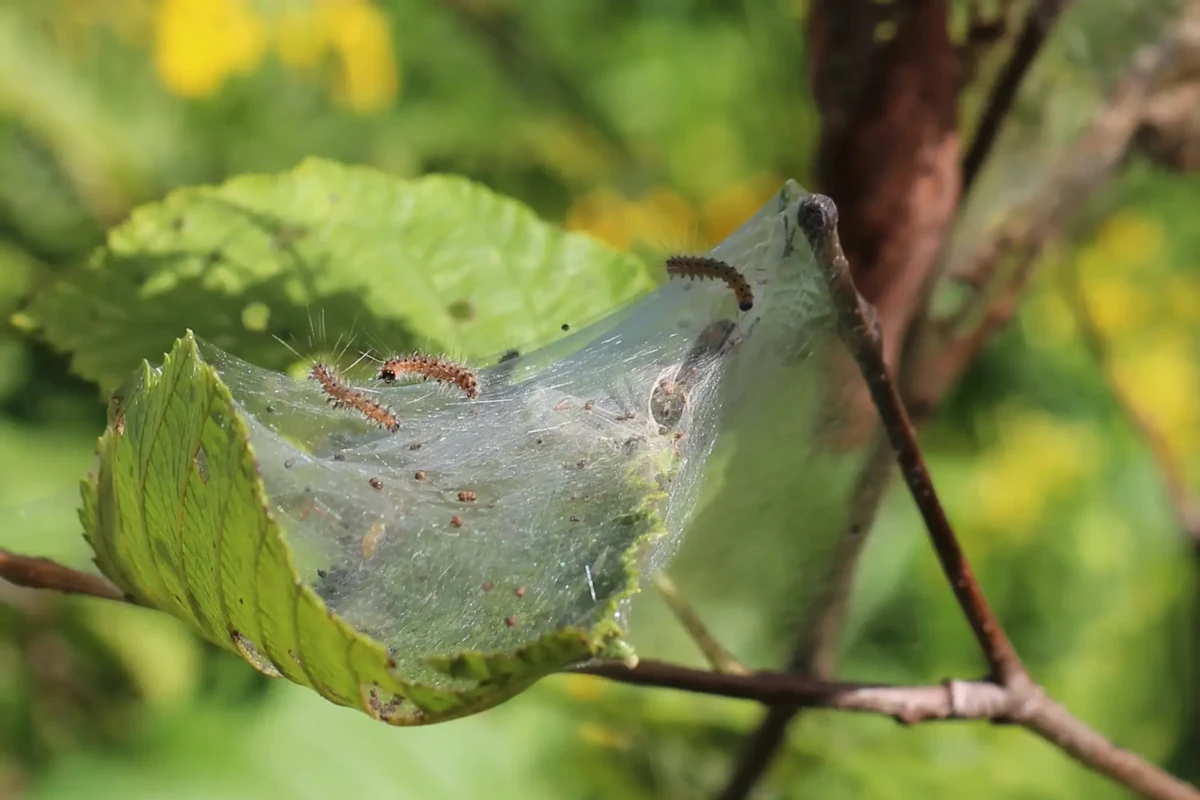
Key Takeaways Webworms are caterpillars that build silken webs on trees and feed on leaves, and they thrive in South Florida’s warm, humid climate. Fall
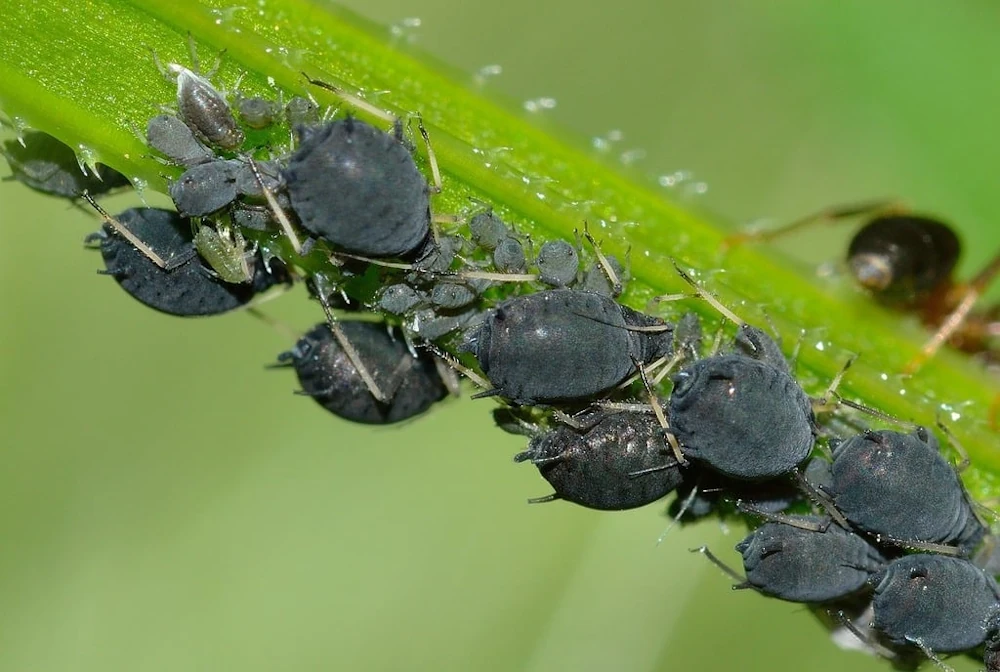
Key Takeaways Aphids reproduce rapidly and can devastate garden plants in just a few weeks if left untreated. A simple homemade spray made with dish

Key Takeaways Leaving food unsealed and crumbs on counters is one of the fastest ways to attract ants, cockroaches, and rodents. Standing water in gutters,
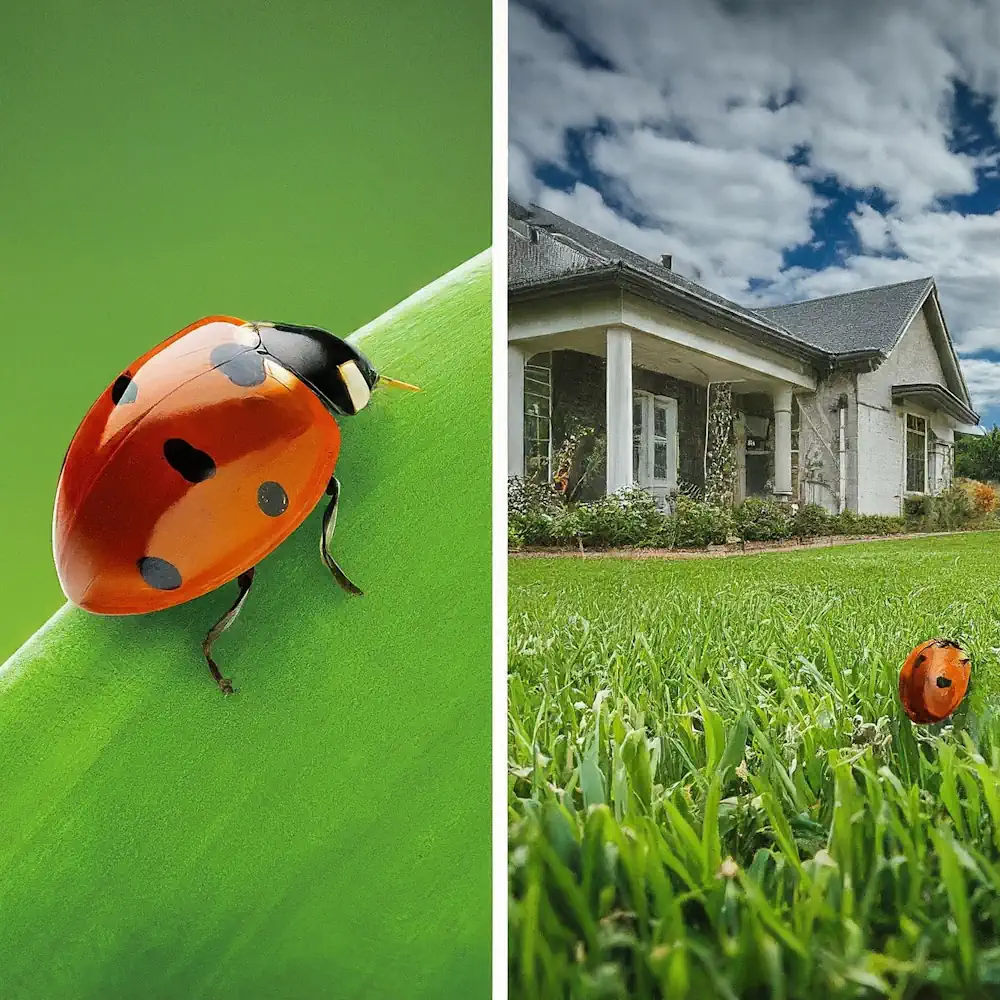
Key Takeaways Ladybugs enter homes in fall and winter seeking warmth and shelter, not food or breeding grounds. Vacuuming with a stocking filter and the
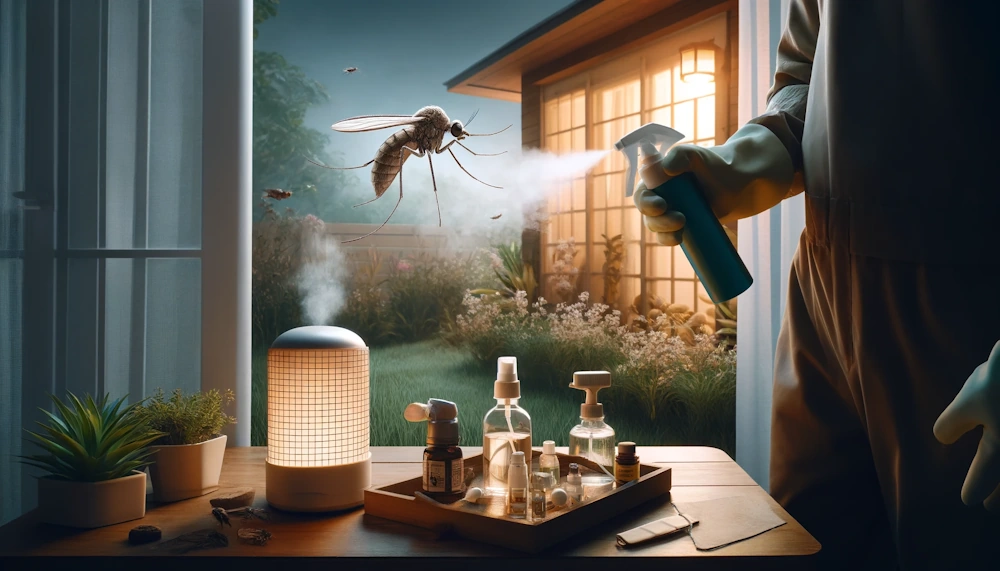
Key Takeaways No-see-ums are tiny biting midges that breed in moist soil, standing water, and decaying organic matter near your home. Fine-mesh screens (at least
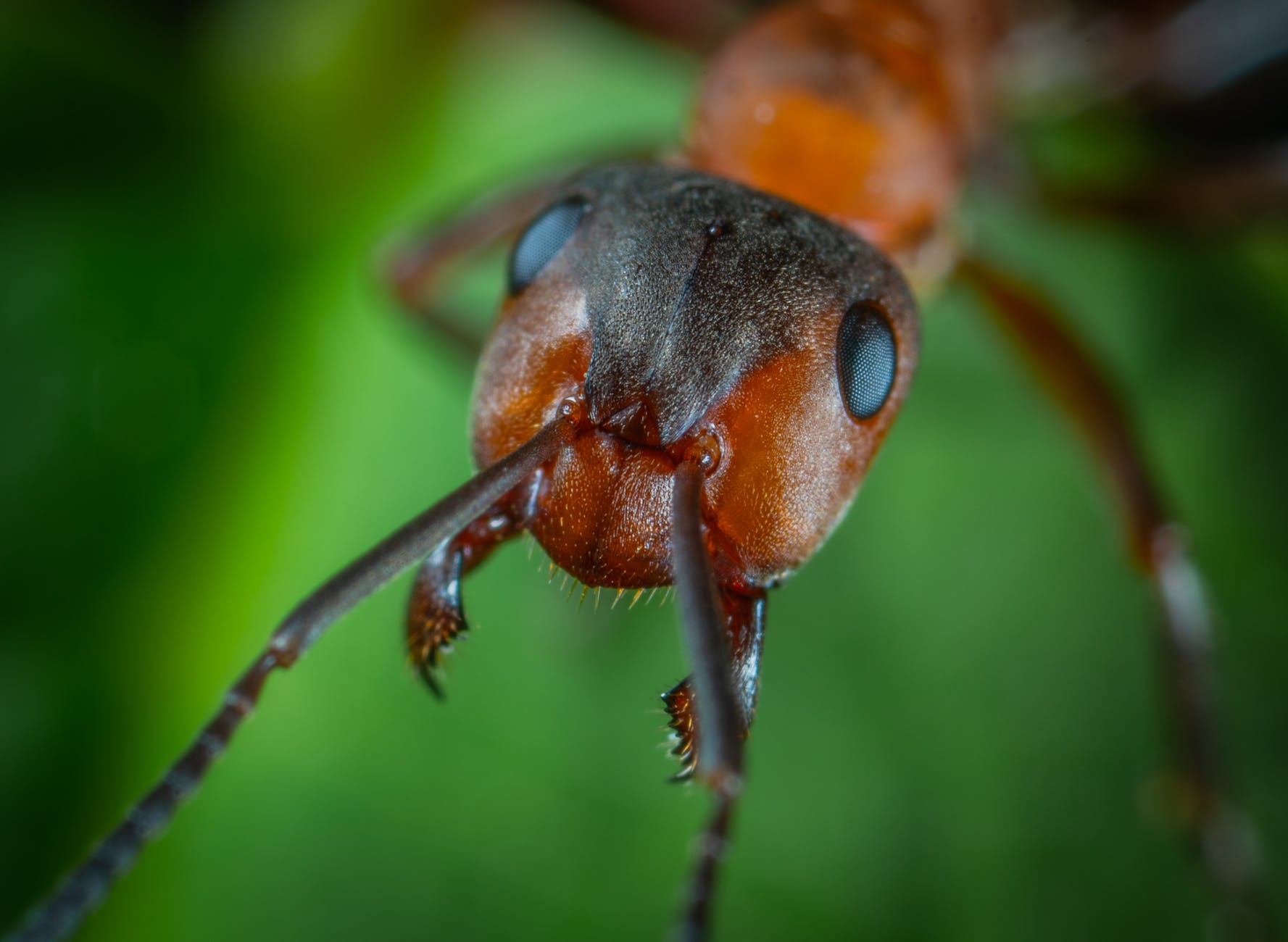
Key Takeaways Broward County’s warm, humid climate supports year-round ant activity from species like ghost ants, fire ants, and carpenter ants. Professional exterminators use targeted
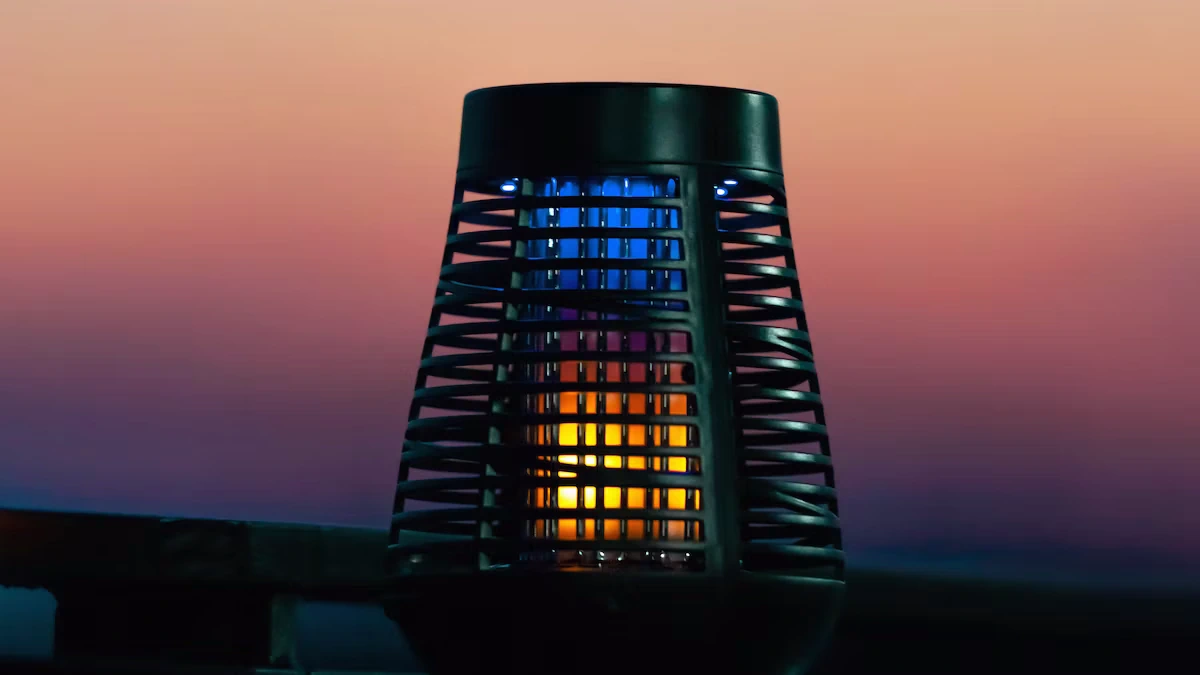
Discover the effectiveness of chemical insecticides and explore natural alternatives for insect control. Choose the right product with our comprehensive comparison.
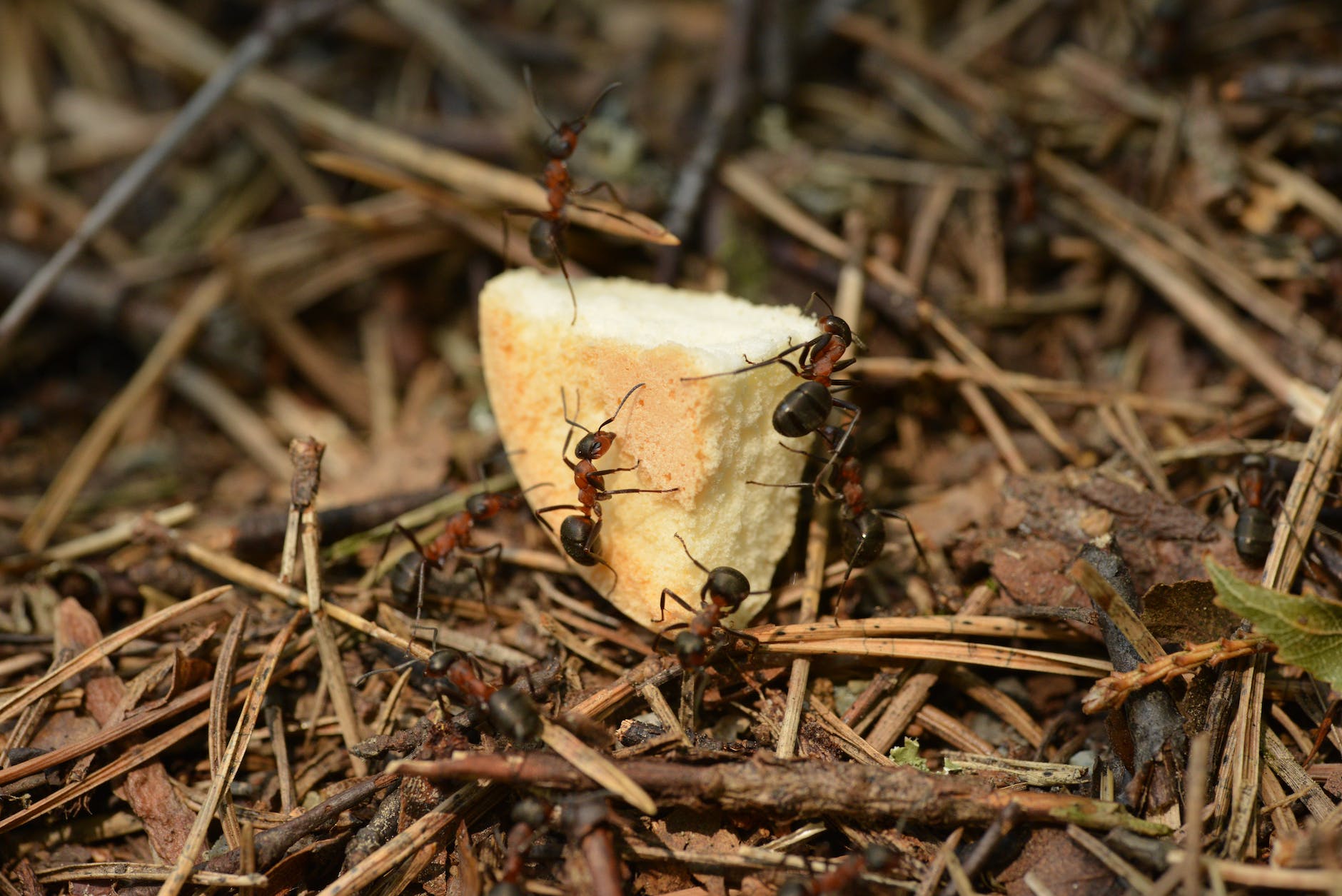
Key Takeaways Killing visible ants without targeting the colony is the most common ant control mistake in Naples homes. Naples’ warm, humid subtropical climate creates

Key Takeaways Strategic plant choices like citronella, lavender, and marigolds naturally repel mosquitoes, ants, and other Naples pests. Proper yard drainage and mulch management eliminate

Key Takeaways Fort Lauderdale’s warm, humid subtropical climate creates ideal year-round breeding conditions for dozens of pest species. Mosquitoes, termites, cockroaches, and ants are among
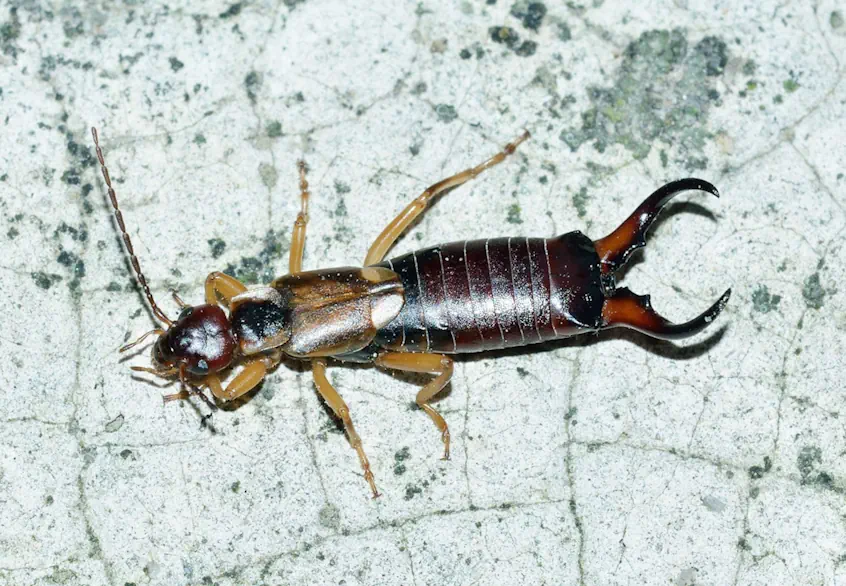
Key Takeaways Earwig infestations are most common in dark, moist areas like basements, bathrooms, and mulch beds around your home’s foundation. Earwigs are nocturnal scavengers
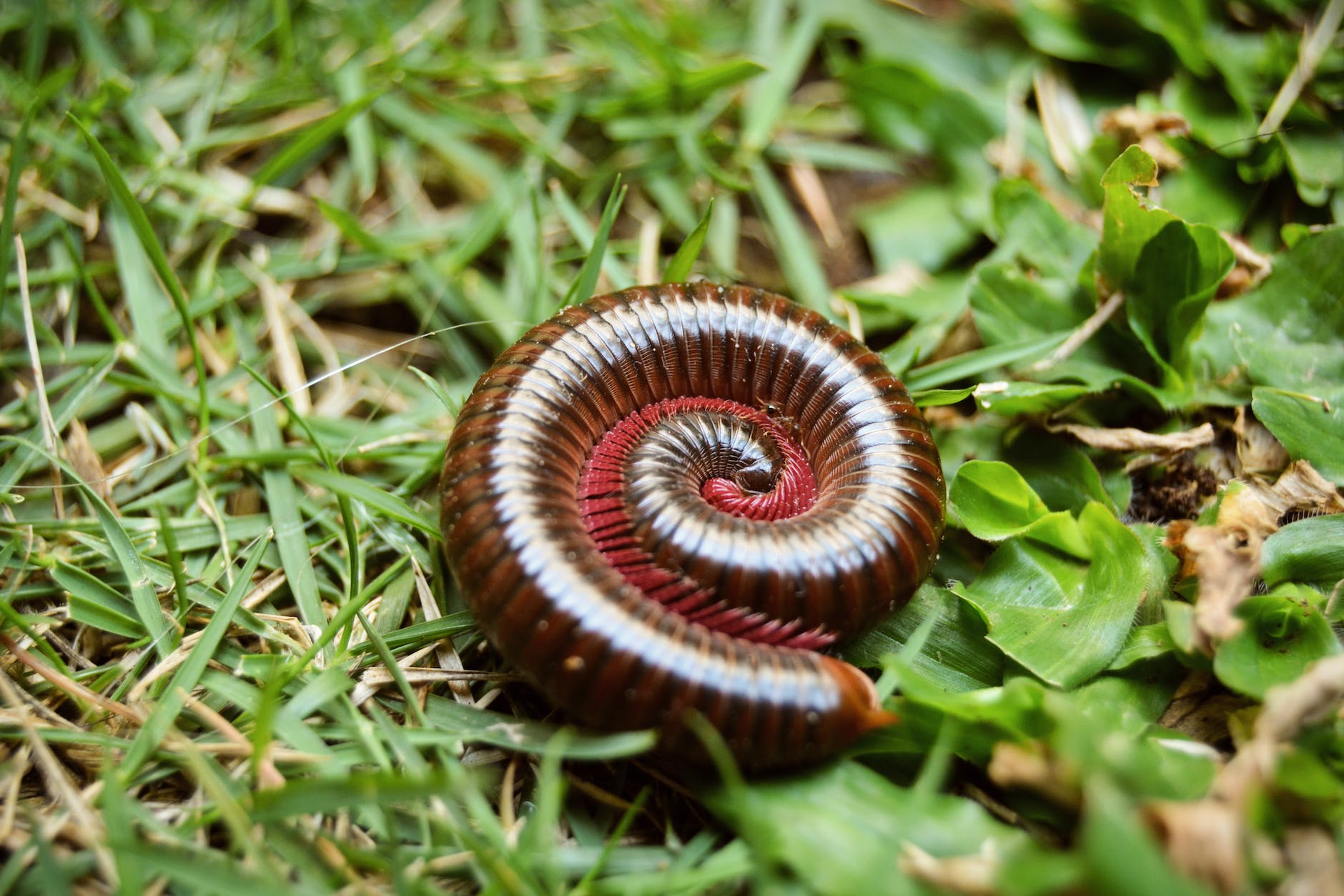
Key Takeaways South Florida millipedes are not poisonous, but some species secrete defensive chemicals that can irritate skin and eyes. The yellow-banded millipede and Florida
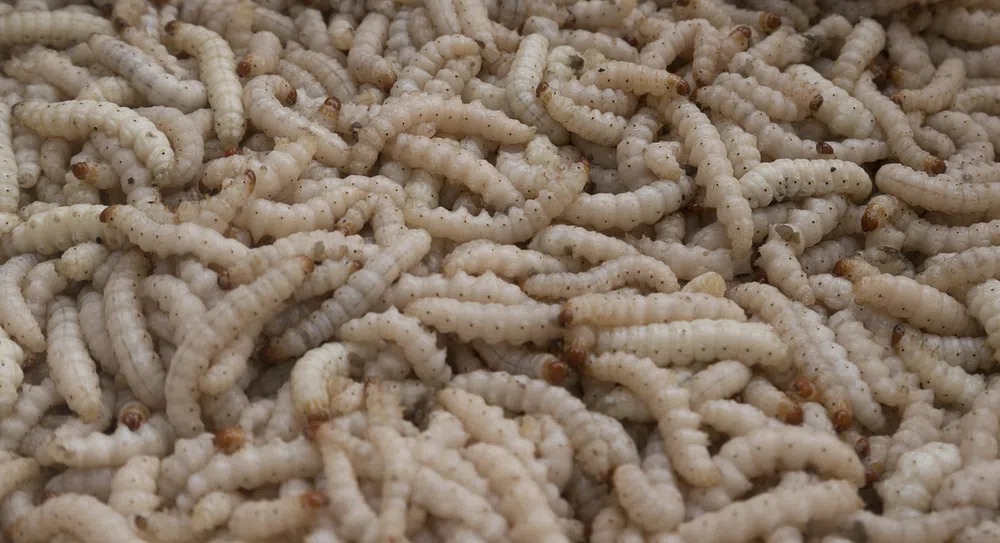
Key Takeaways Maggots come from eggs laid by house flies and other fly species on decaying organic matter, and they can hatch in as little
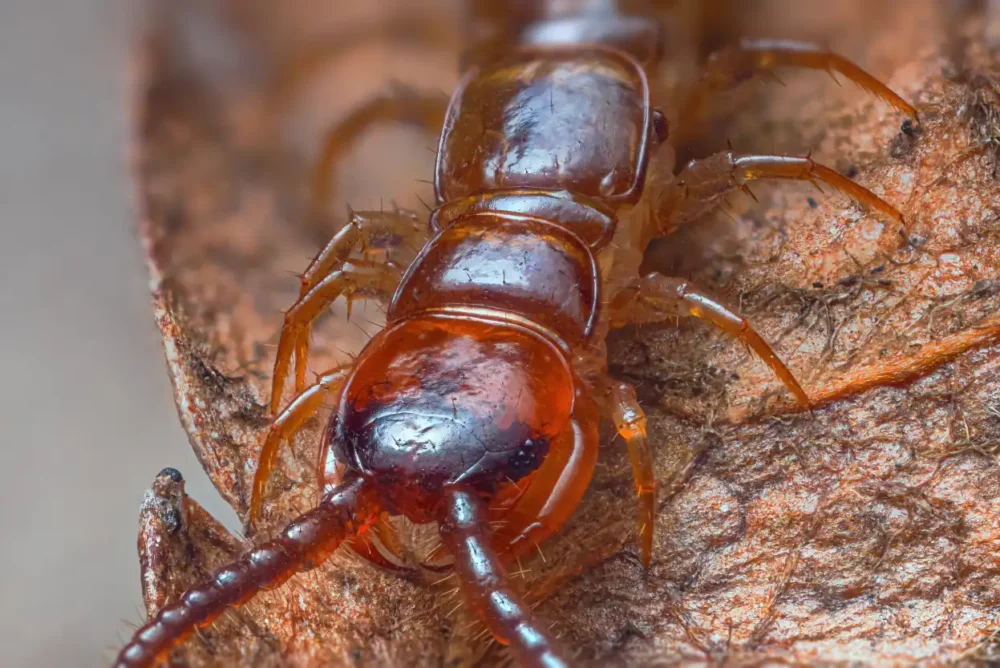
Key Takeaways Despite their name meaning ‘100 legs,’ centipedes never actually have exactly 100 legs because they always have an odd number of leg pairs.
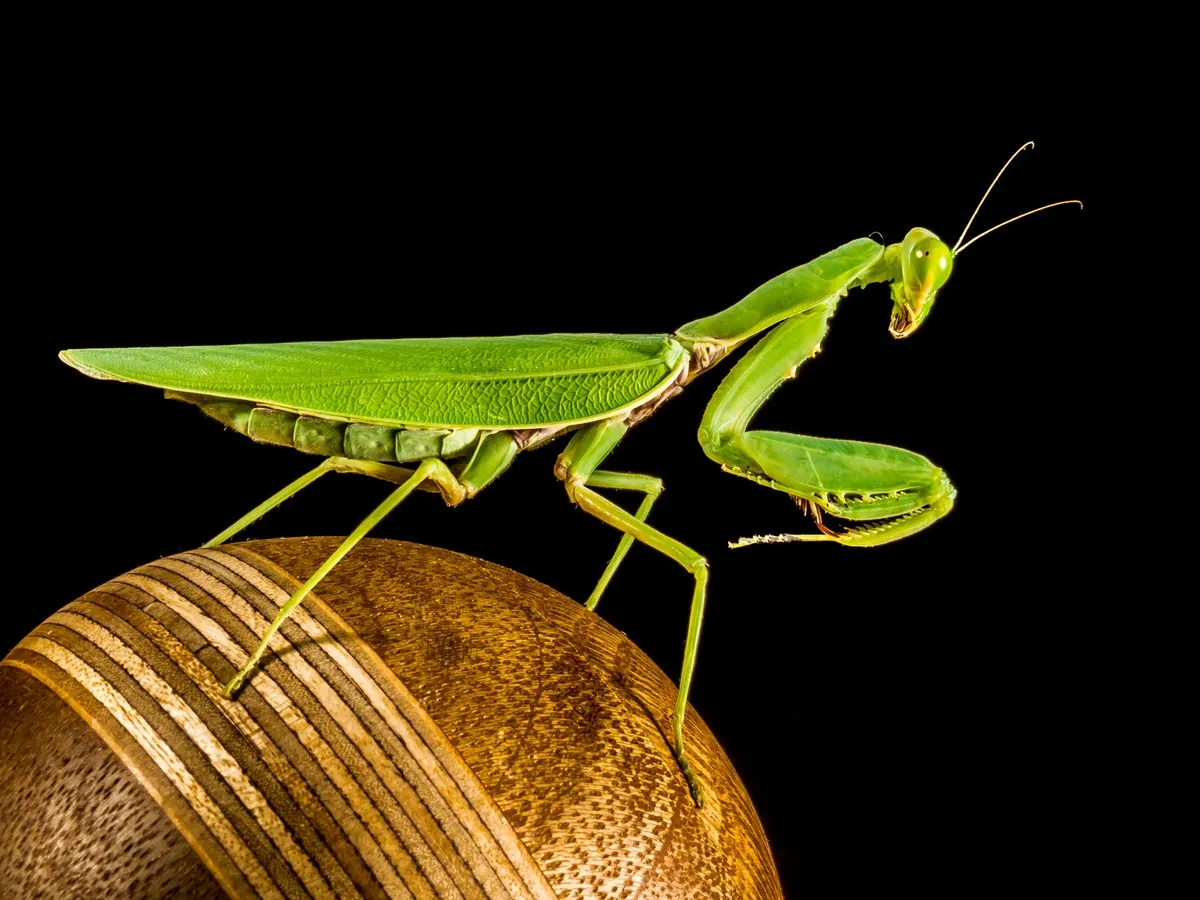
Key Takeaways Praying mantises are opportunistic predators that eat a wide range of insects including flies, crickets, moths, beetles, and even other mantises. A mantis
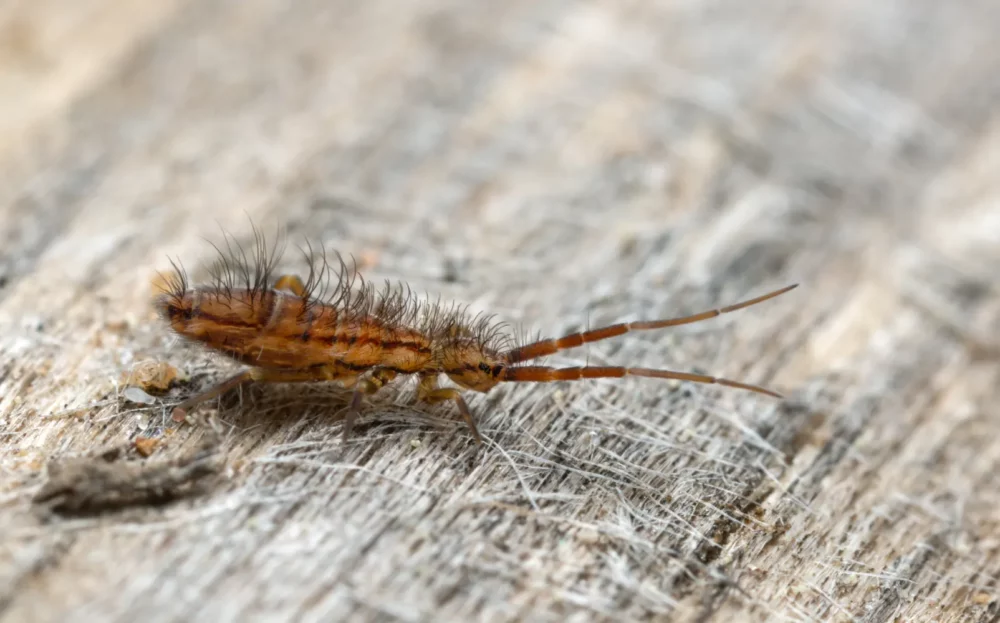
Key Takeaways Springtails do not bite humans, pets, or any other animals — they lack the mouthparts to pierce skin. These tiny creatures thrive in
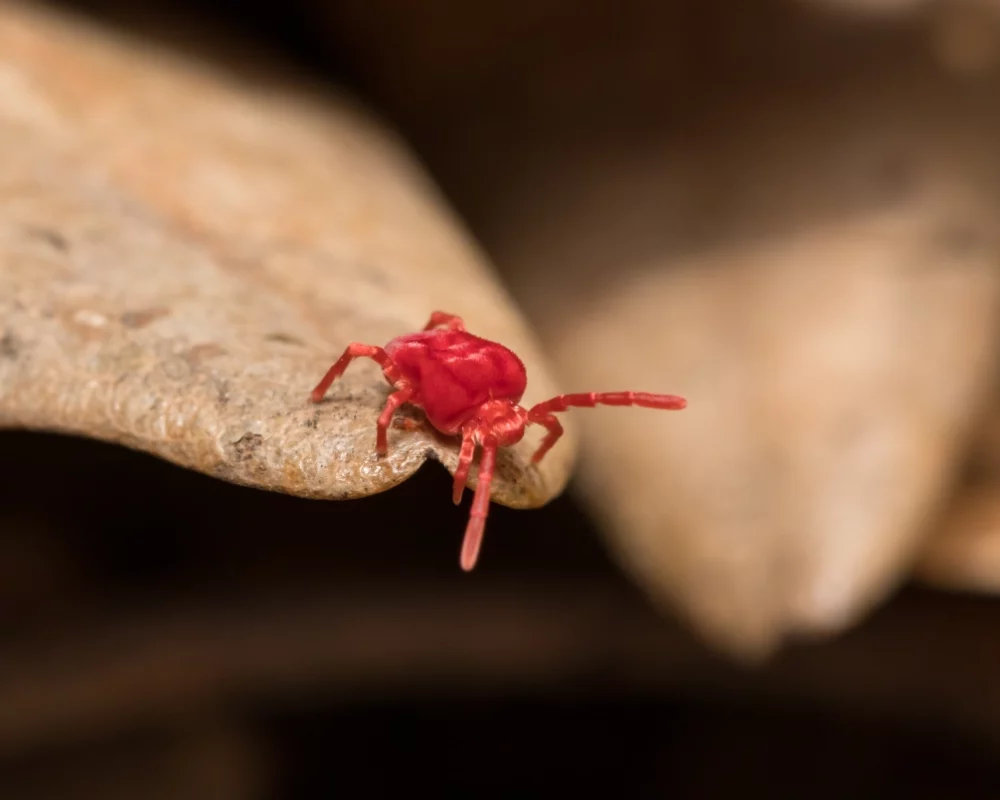
Key Takeaways Clover mites are tiny, reddish-brown arachnids that invade homes in large numbers but do not bite, sting, or transmit diseases to humans. They
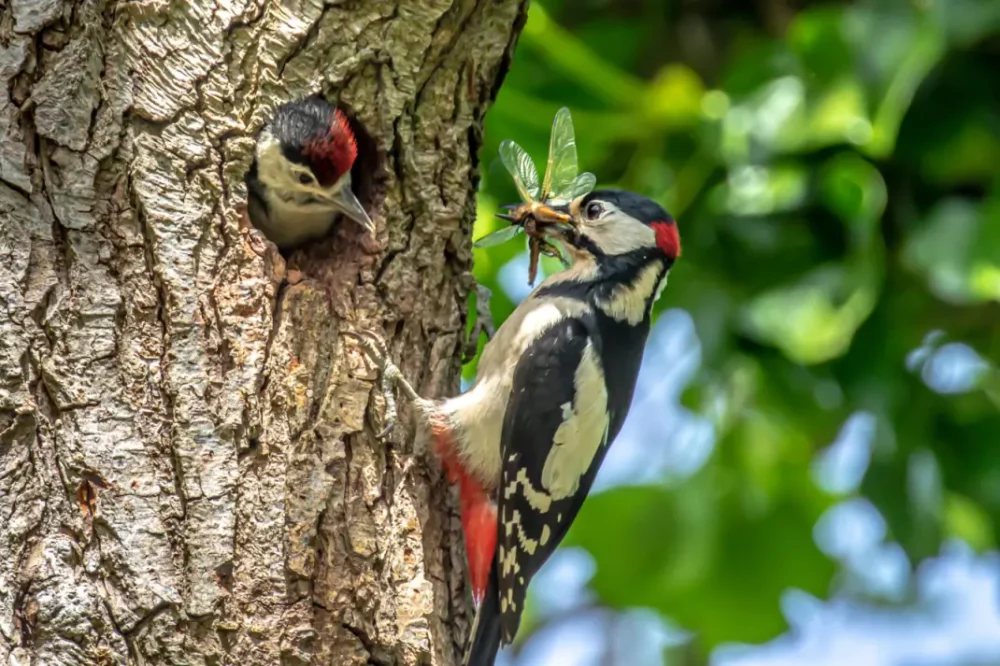
Key Takeaways Woodpeckers peck on wood to find insects, establish territory, create nesting cavities, and attract mates. Homes with wood siding, cedar shakes, or hidden
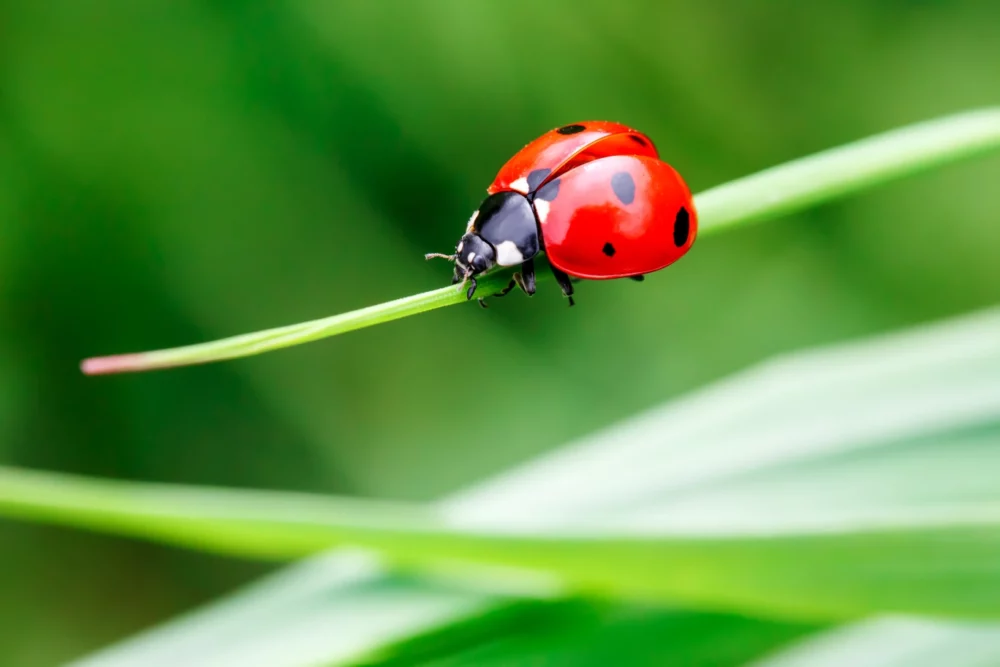
Key Takeaways Not all ladybugs are female — both males and females exist in roughly equal numbers within ladybug populations. The name “ladybug” comes from
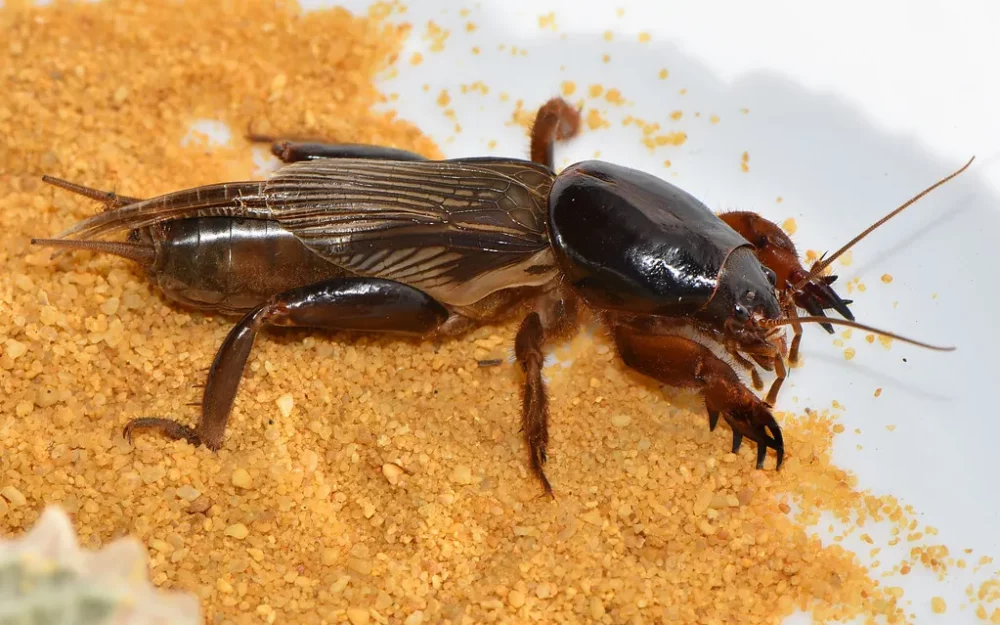
Key Takeaways Mole crickets are subterranean insects that destroy lawns by tunneling through soil and feeding on grass roots. Spongy turf, raised soil ridges, and
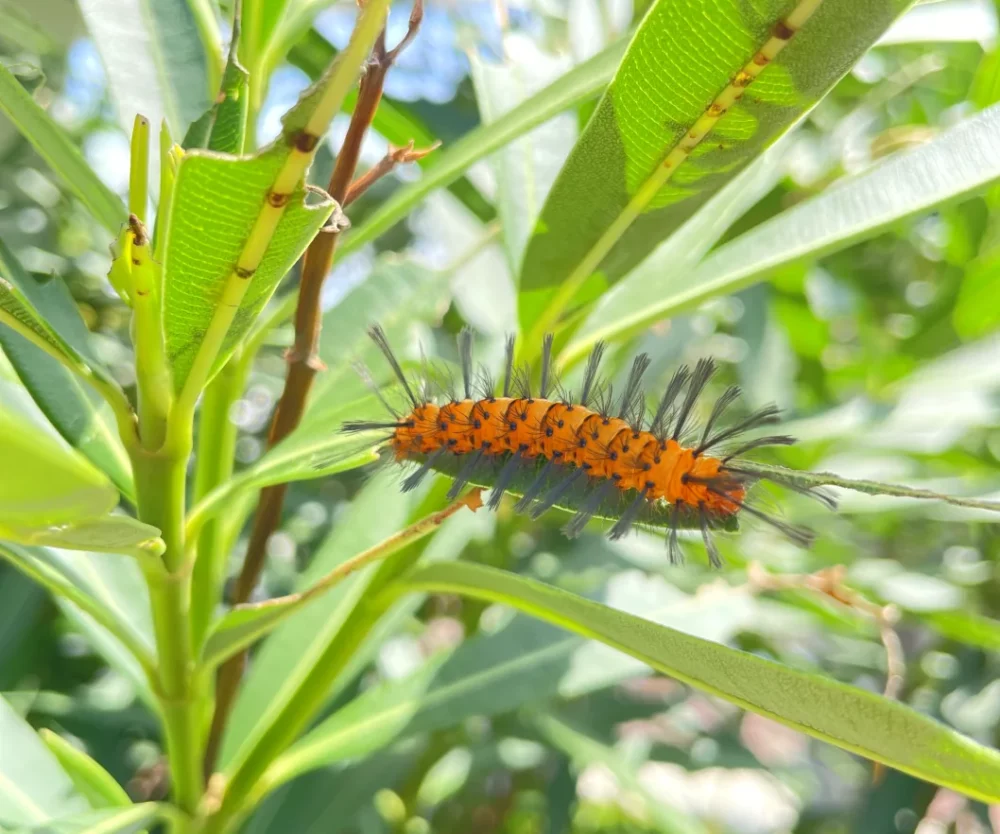
Key Takeaways Oleander caterpillars are bright orange with black tufts of hair, and they feed exclusively on oleander and related plants. A single generation of
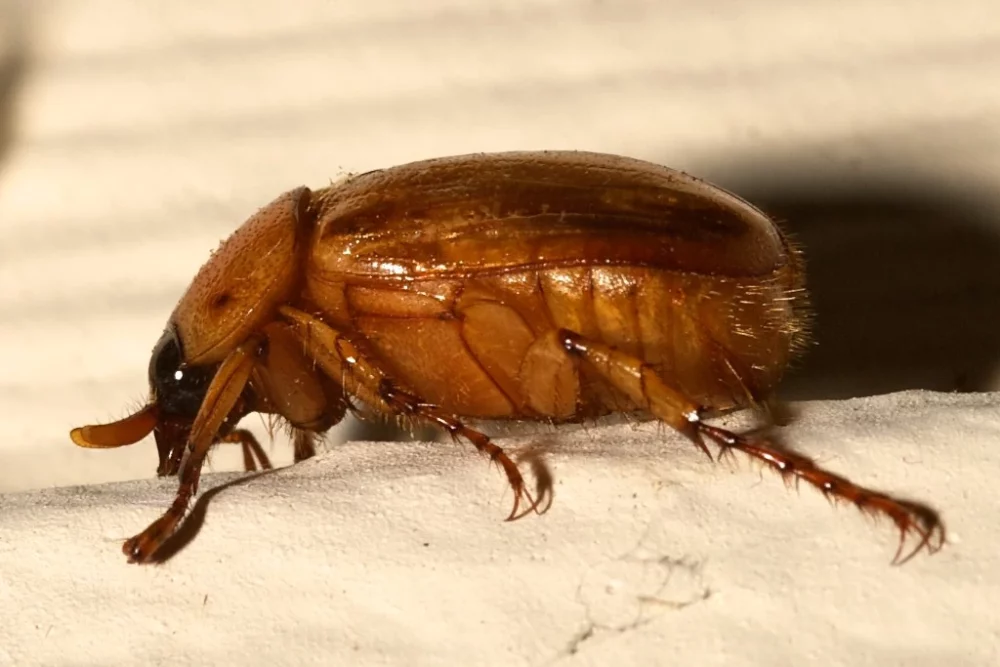
Key Takeaways June bug season typically runs from late May through August, with peak activity in June and July. Adult june bugs are attracted to
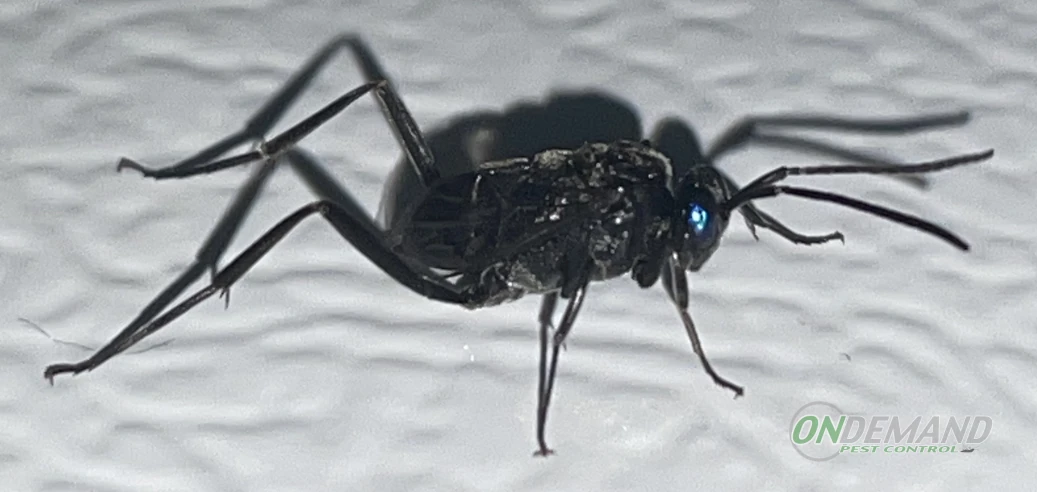
Key Takeaways The most common black fly with long legs found in homes is the crane fly, which is harmless and does not bite or

Key Takeaways Sealing cracks, gaps, and entry points around your home is the single most effective way to keep pests out. Moisture control inside and
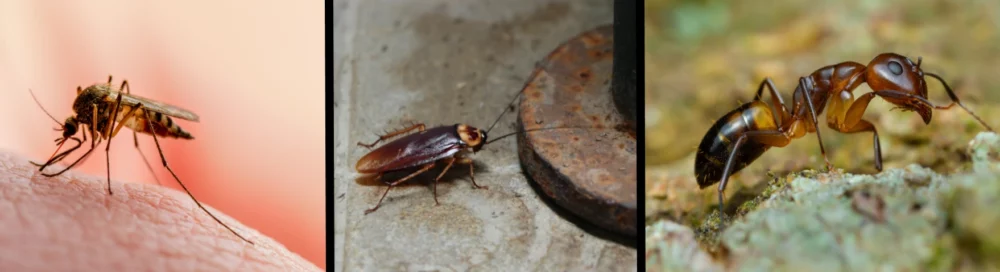
Key Takeaways Florida’s warm, humid climate creates year-round conditions for dozens of common household pests including cockroaches, ants, mosquitoes, and termites. Many Florida pests carry
Key Takeaways Proper watering technique matters more than watering frequency — deep, infrequent sessions encourage stronger root growth. Mowing at the correct height for your
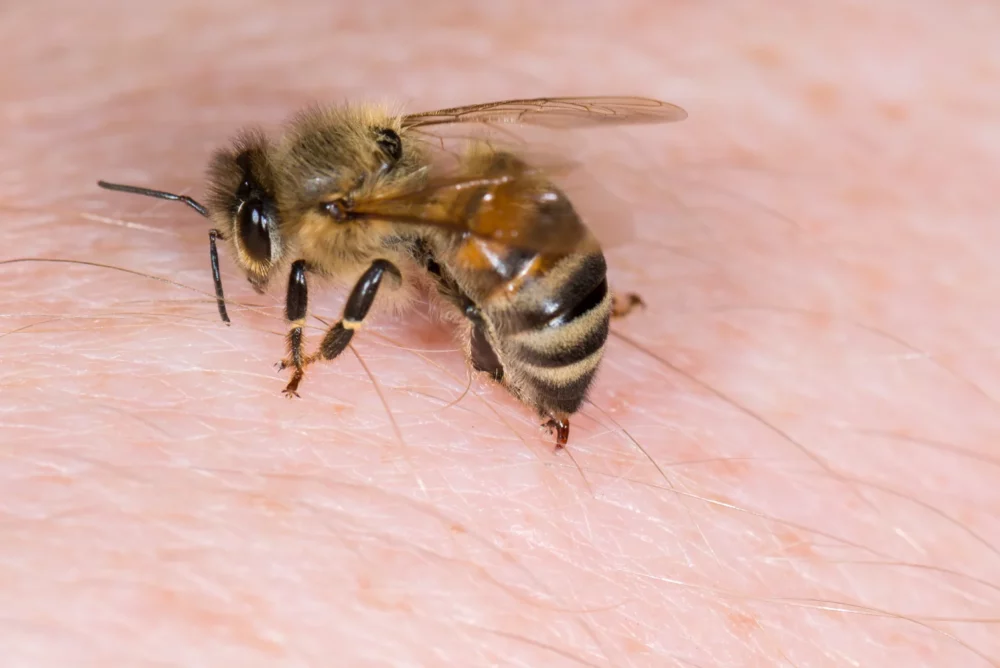
Key Takeaways Remove the stinger as quickly as possible by scraping it sideways — never squeeze it with tweezers. Clean the sting site with soap
Key Takeaways Kitchens attract rats because they offer easy access to food, water, and warmth — the three things rats need to survive. Rats can
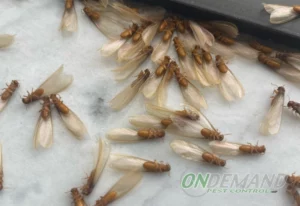
Key Takeaways A failed termite inspection means evidence of active termites or termite damage was found, but it doesn’t mean the deal is dead. Buyers
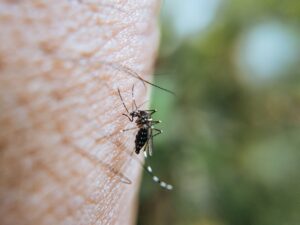
Key Takeaways Genetically modified mosquitoes have been released in the Florida Keys and other areas to reduce disease-carrying Aedes aegypti populations. The technology works by
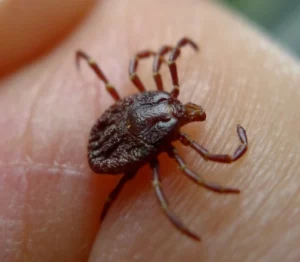
Key Takeaways Wearing EPA-registered repellents containing DEET, picaridin, or permethrin is one of the most effective ways to prevent tick bites. Performing a full-body tick
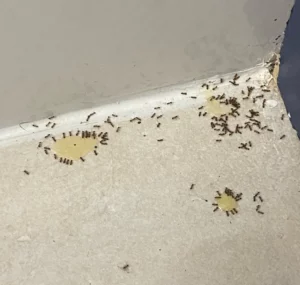
Key Points Most “sugar ants” in Florida are ghost ants or big-headed ants, not true sugar ants. They invade homes seeking sweets, water, and warmth.