
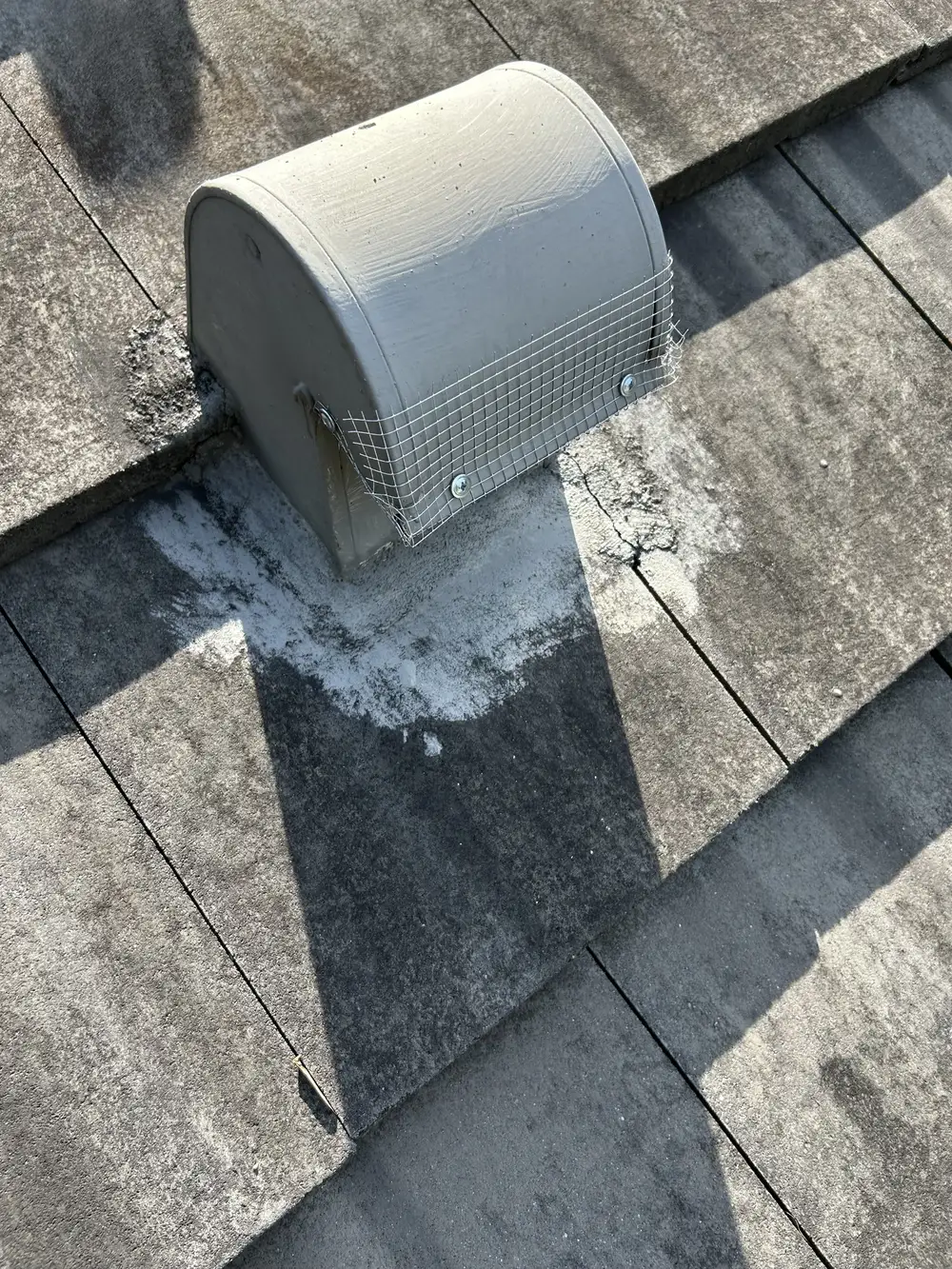
What Mouse Droppings in Your House Mean
Mouse droppings in house corners, drawers, or under the sink are evidence that a breeding rodent population is already living with you. Each mouse leaves
Mouse droppings in house corners, drawers, or under the sink are evidence that a breeding rodent population is already living with you. Each mouse leaves
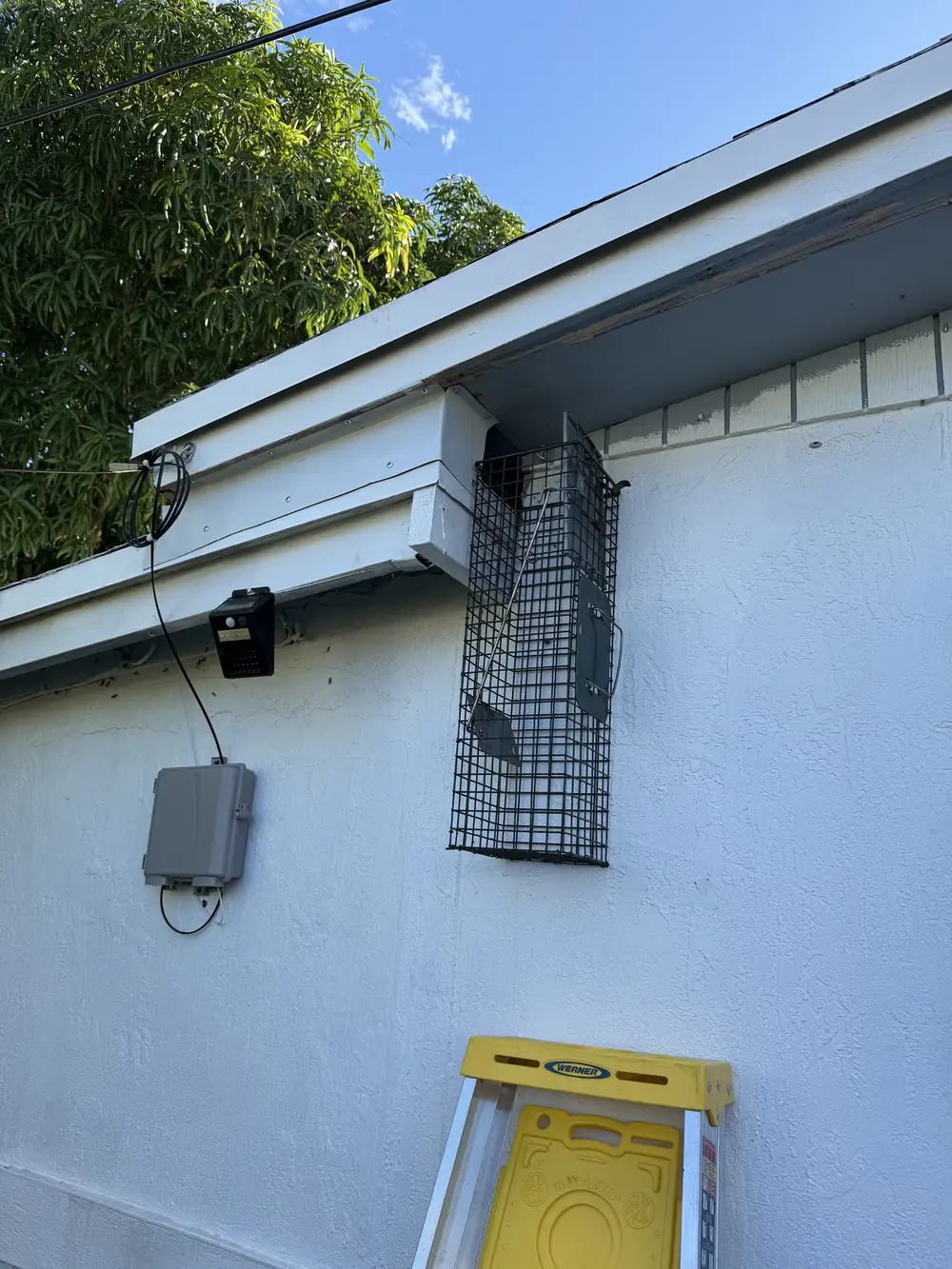
Packing a steel wool mouse hole plug does work, but only when you use a coarse grade and lock it in place with caulk or
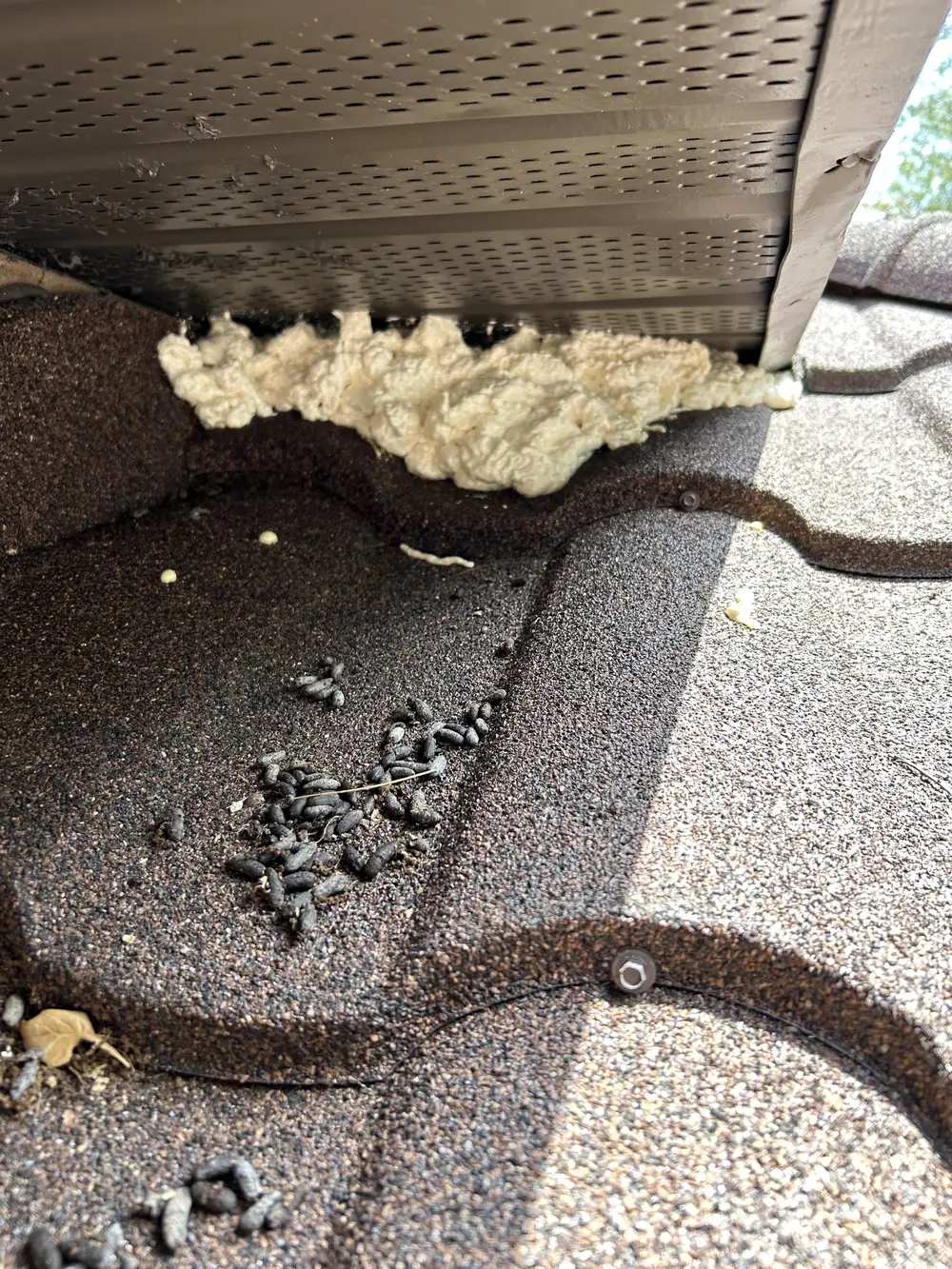
What to Know About a Dead Rodent Smell in the Wall A dead rodent smell in wall cavities comes from decomposition gases, and the odor
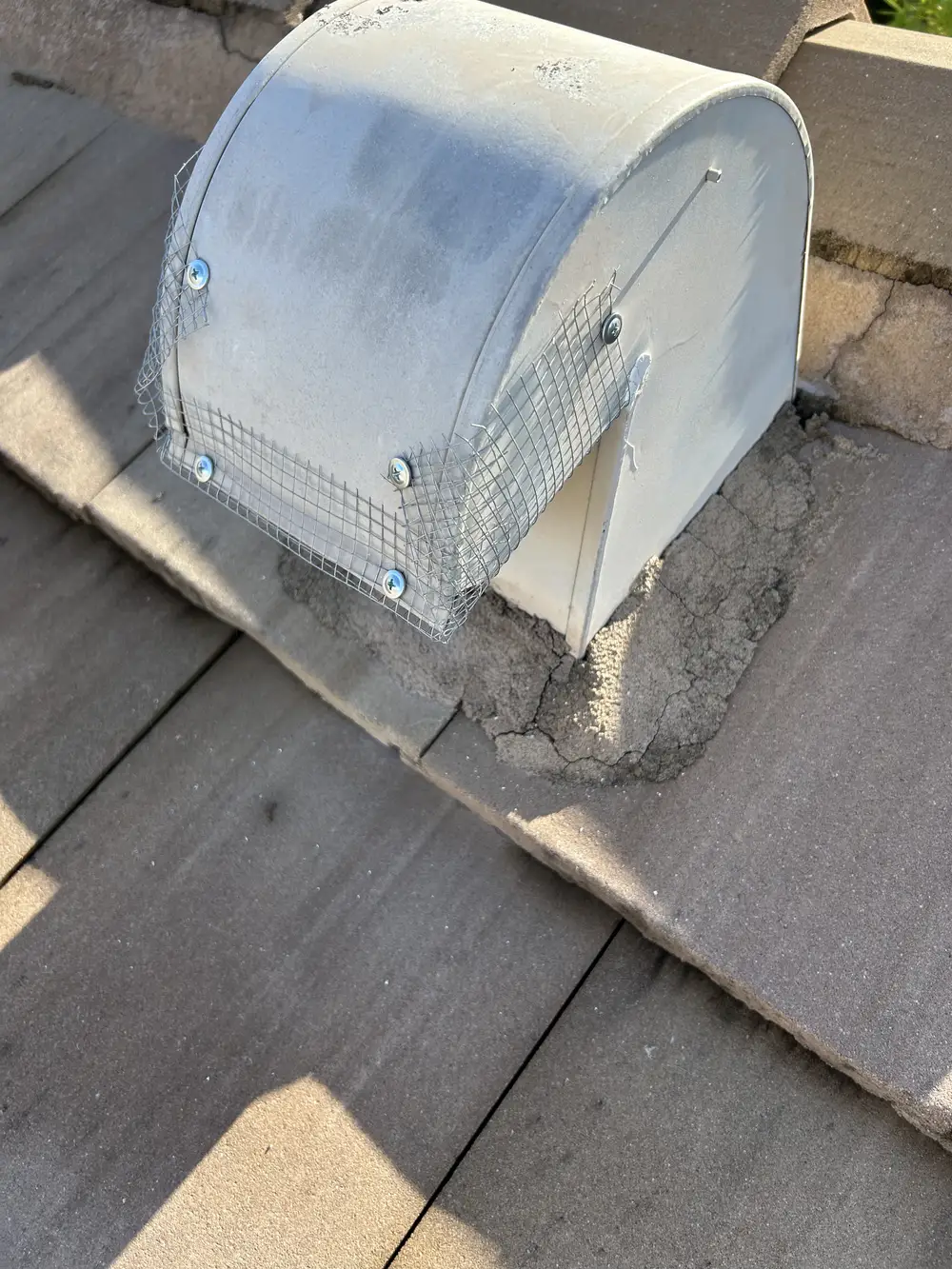
The sound of mice in walls is the cheapest warning your house will ever give you, and most people ignore it for weeks. By the

You wake up at 2 a.m. to a faint scratching above the ceiling, and the next morning you find a torn corner on the cereal
If you are searching how to get rid of rats in house fast, the clock is already working against you. One female rat can produce
What to Know About Rats Above Your Ceiling Rats in attic spaces are almost always roof rats, a climbing species that enters through the roofline
It always starts the same way. You settle onto the couch around nine at night, the house goes quiet, and something drags itself across the
Miss the early signs of rats in your house and a two-rat problem becomes a two-dozen-rat problem before the season turns. While they breed, rats
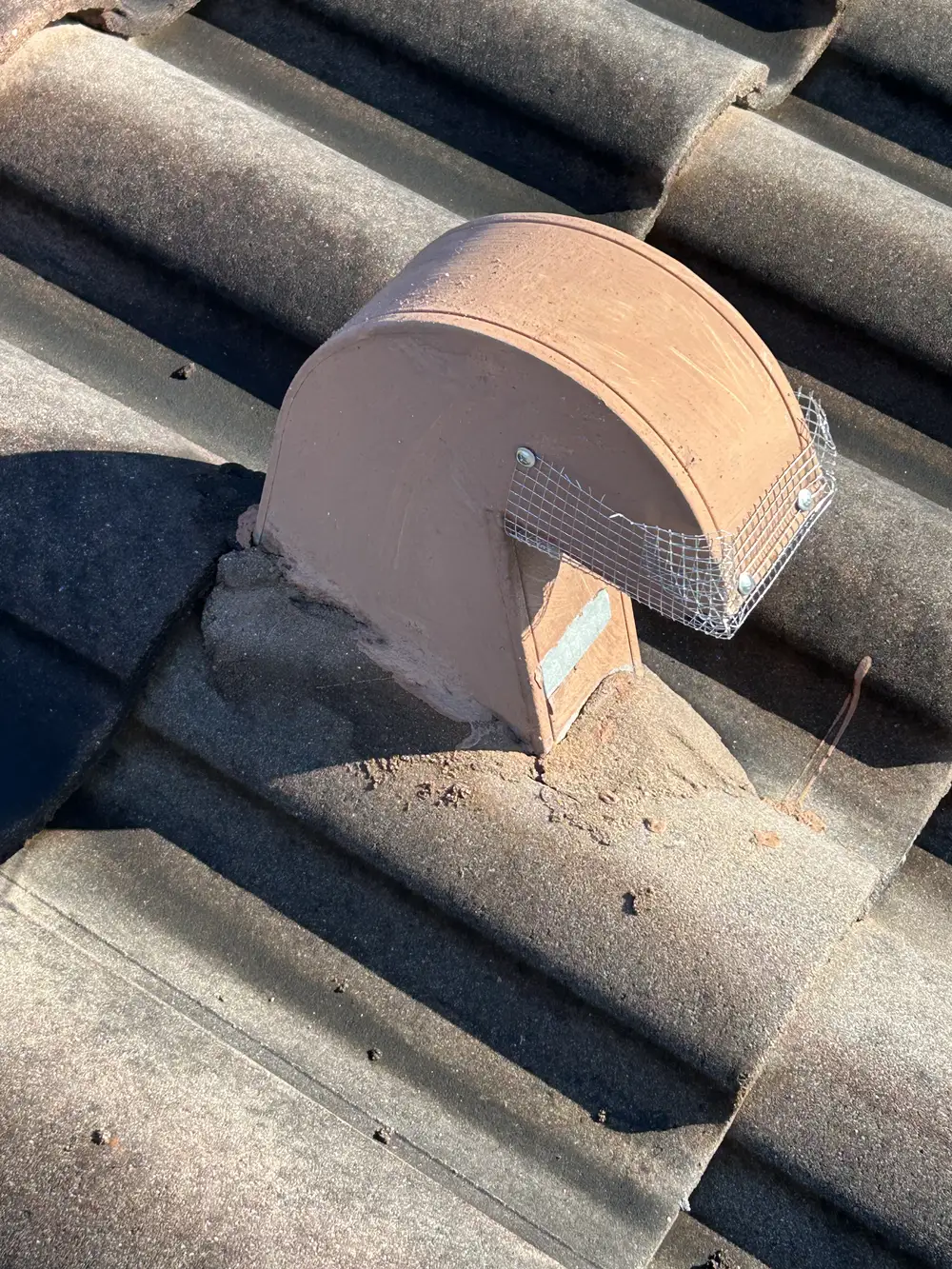
You flip on the kitchen light at 11 p.m. and something small and grey streaks along the baseboard behind the trash can. That was almost
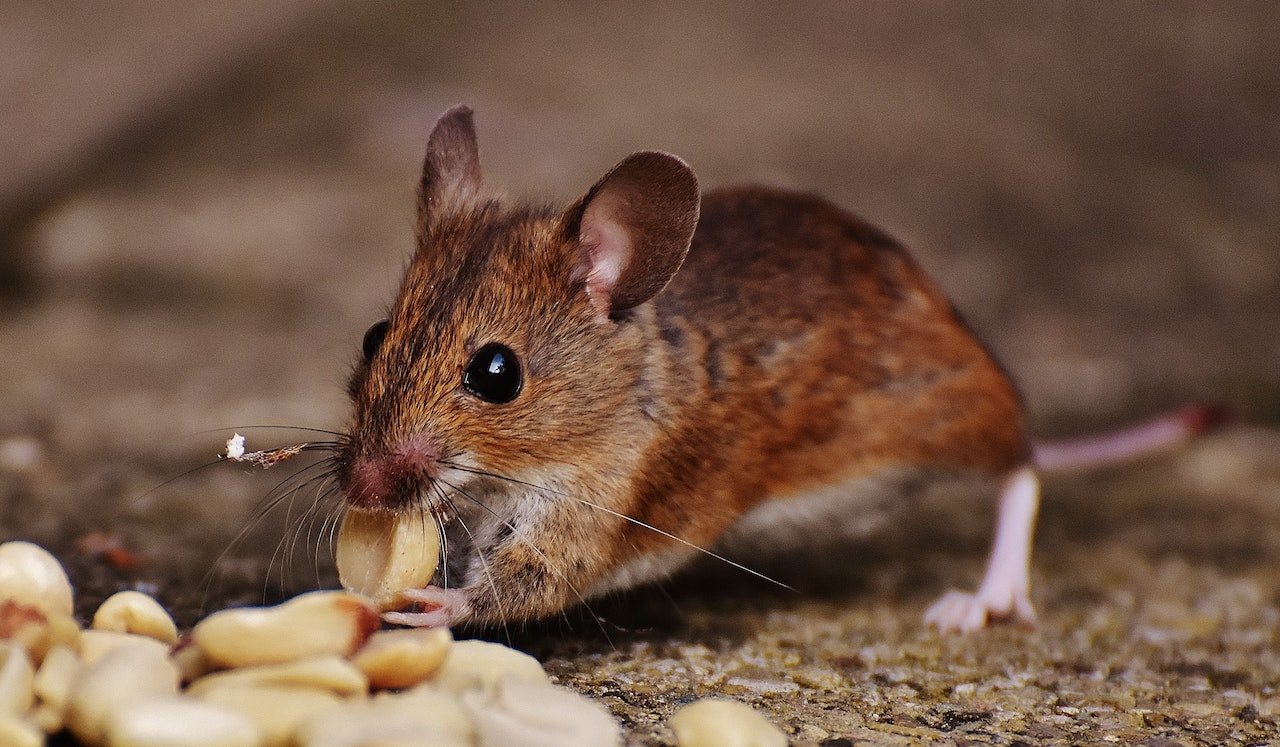
Key Takeaways Sealing entry points and eliminating food sources are the most cost-effective ways to reduce pest control expenses over time. Catching a rodent problem
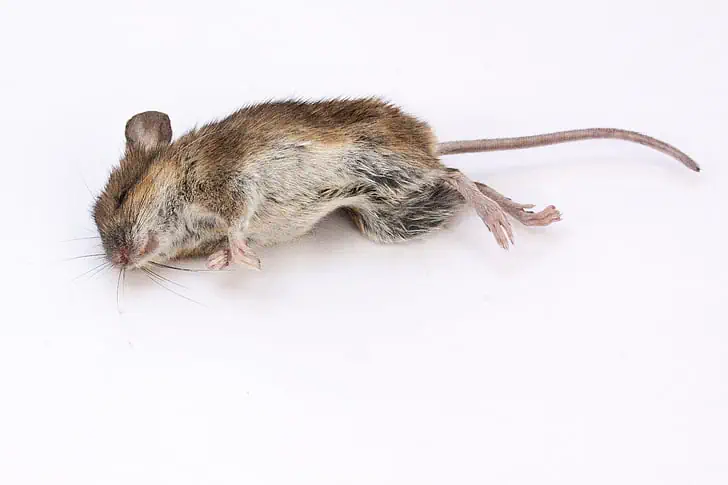
Key Takeaways Dead rat smell in Florida homes intensifies quickly due to heat and humidity, often becoming unbearable within 24-48 hours. Locating the carcass is

Key Takeaways Peppermint oil may temporarily deter mice in small spaces, but scientific evidence for long-term effectiveness is weak. Mice can quickly adapt to strong

Key Takeaways Wood rats (also called pack rats) are attracted to South Florida homes by clutter, food sources, and sheltered nesting sites like attics and

Key Takeaways Squirrels chew through electrical wiring, insulation, and structural wood, creating fire hazards and costly repairs. Attics, soffits, and roof vents are the most

Key Takeaways Peanut butter is the most effective and widely recommended bait for mouse traps due to its strong scent and sticky texture. Mice are

Key Takeaways Rodents are attracted to high-calorie foods like grains, seeds, nuts, pet food, and fruit — not just cheese. Improper food storage in kitchens,
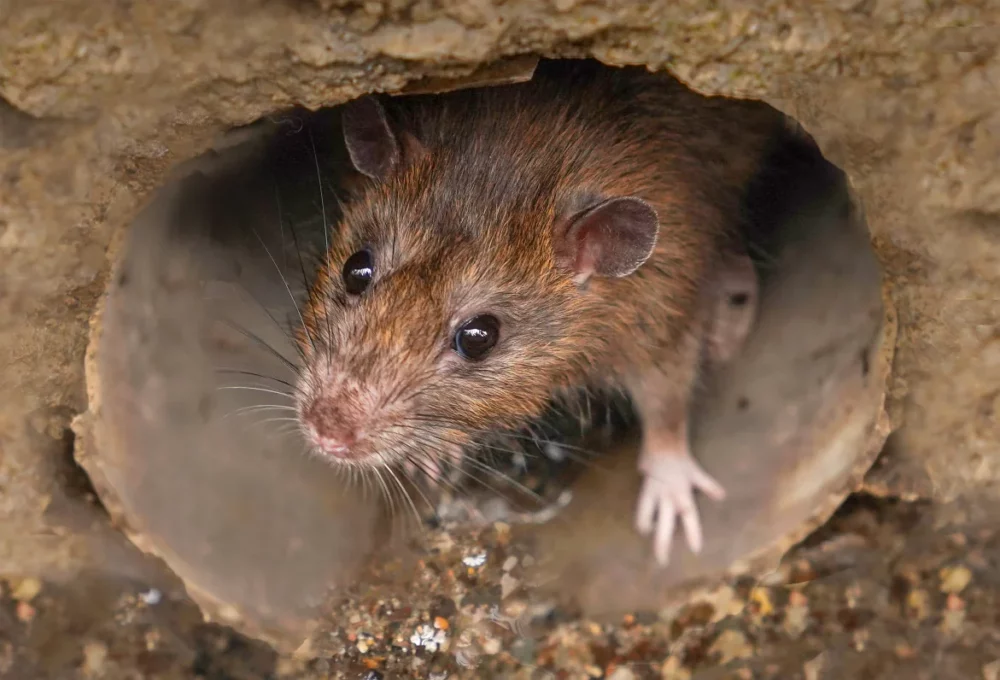
Key Takeaways Rodents transmit over 35 diseases to humans through direct contact, droppings, urine, bites, and contaminated food or water. Hantavirus, leptospirosis, salmonellosis, and rat-bite

Key Takeaways Fruit rats — also called roof rats — thrive in Pompano Beach due to abundant tropical fruit trees and warm year-round weather. Signs

Key Takeaways Mice can squeeze through gaps as small as a dime, making even modern offices vulnerable to rodent intrusion. Daily sanitation practices like proper

Key Takeaways Pest control attic insulation combines thermal performance with rodent-deterrent properties to protect your home from infestations. TAP (Thermal Acoustical Pest Control) insulation contains
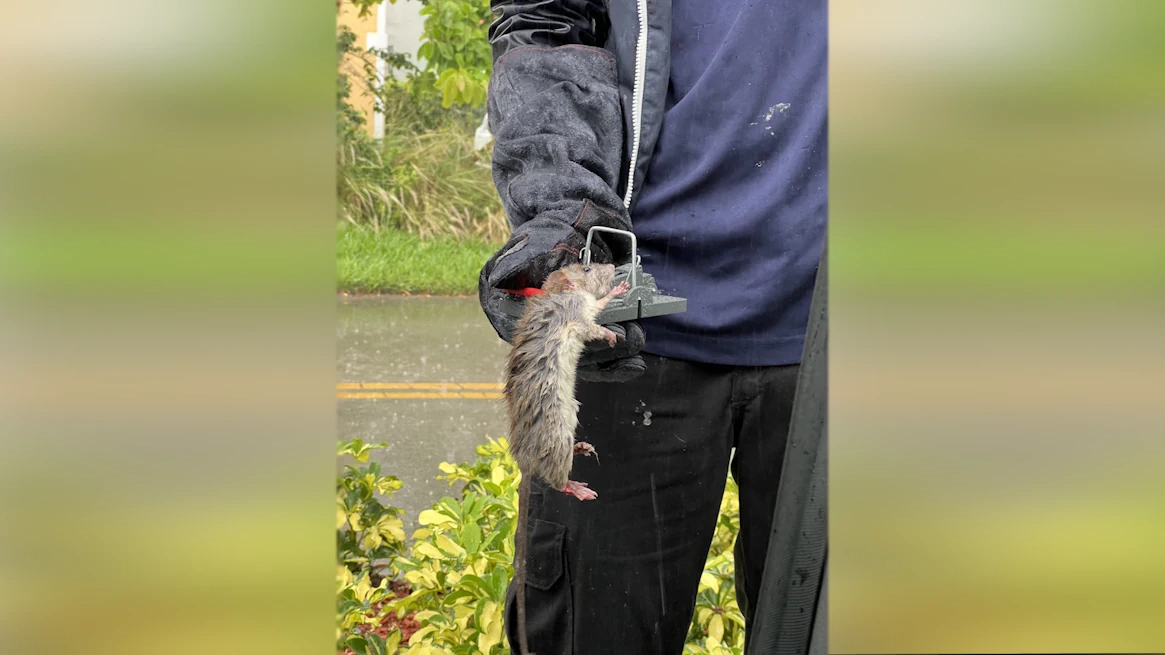
Key Takeaways Florida’s warm, humid climate creates year-round rodent activity — not just seasonal surges like in northern states. Exclusion and sealing entry points is

Key Takeaways Hollywood’s warm, humid climate creates year-round rodent pressure from roof rats, Norway rats, and house mice. Sealing entry points as small as a
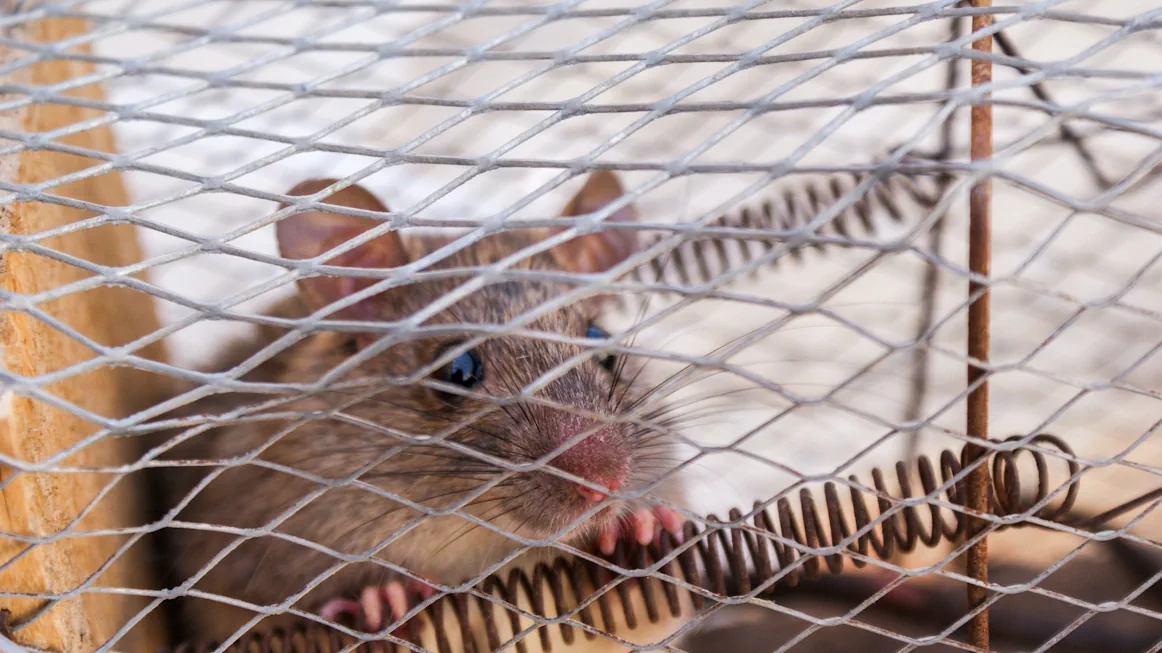
Key Takeaways Naples’ warm, humid climate creates year-round rodent activity — especially from roof rats and house mice. Sealing entry points around your home’s exterior

Key Points Roof rats are one of the most common rodent pests in Florida homes In Florida, roof rats are also commonly called palm rats

Key Takeaways Mouse droppings, gnaw marks, and grease trails along walls are the earliest and most reliable signs of a bad mice infestation. A strong
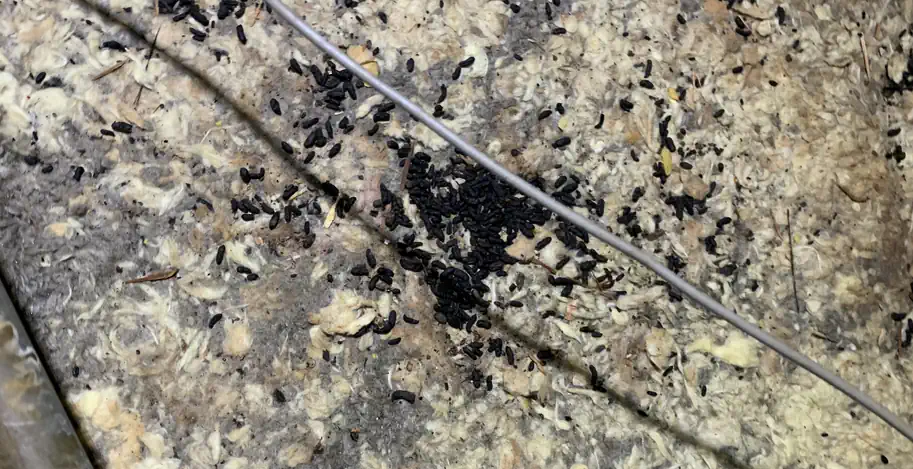
Key Takeaways Rat droppings are roughly ½ to ¾ inch long with blunt ends, while mouse droppings are only about ¼ inch long with pointed
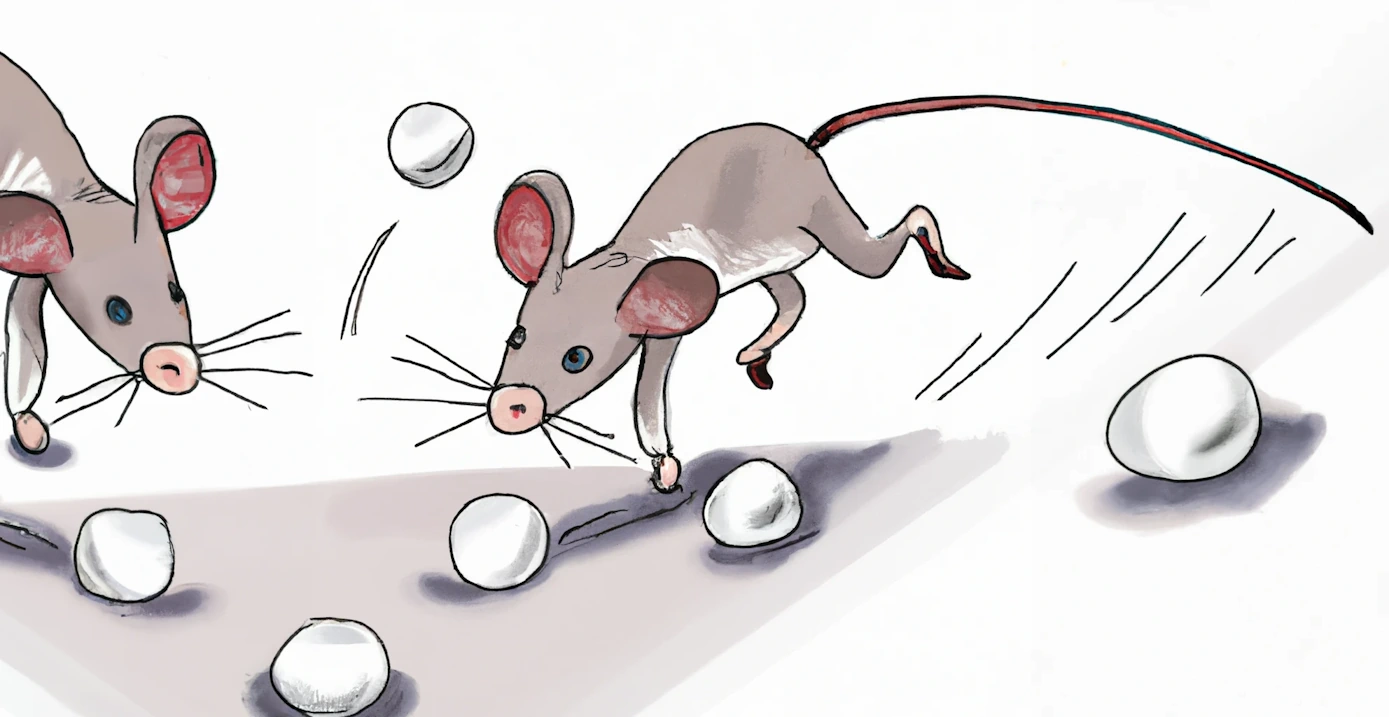
Key Takeaways Most commercially sold mouse repellents — including ultrasonic devices and essential oils — provide only temporary or partial results at best. Peppermint oil
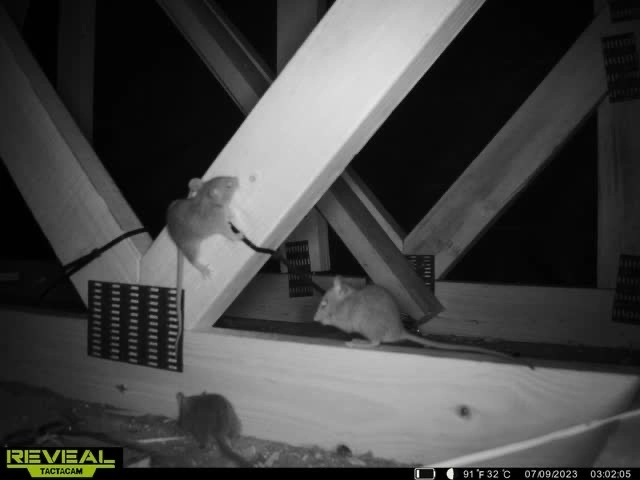
Key Takeaways Scratching, thumping, and scurrying noises—especially at night—are the most common first signs of animals in the attic. Roof rats, squirrels, raccoons, bats, and
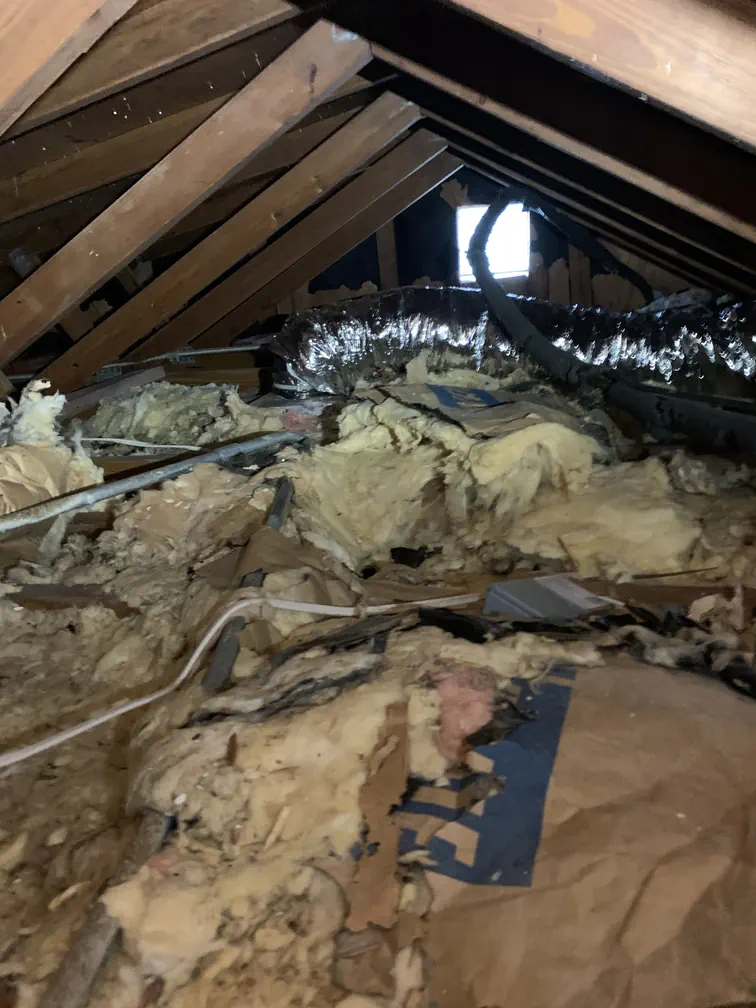
Key Takeaways Mice are drawn to attics because they provide warmth, shelter, quiet nesting spaces, and easy access to food and water. Gaps as small
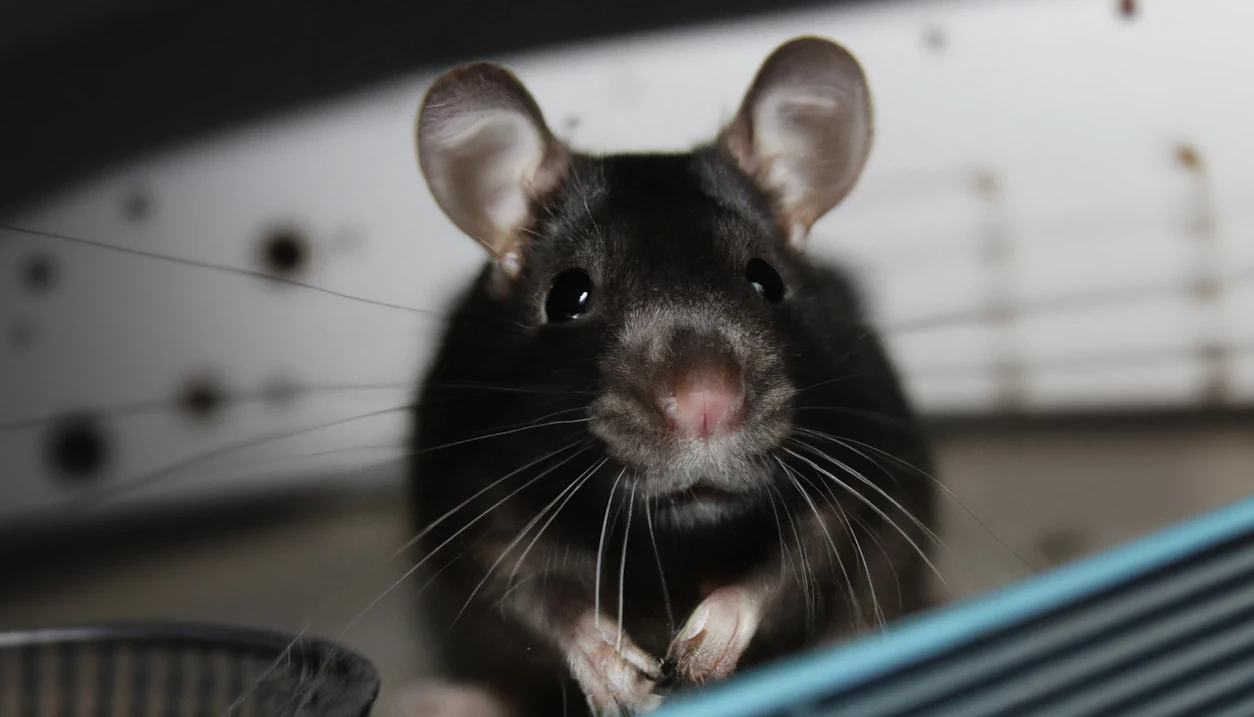
Key Takeaways Black mice are typically house mice (Mus musculus) with darker fur caused by a genetic variation called melanism. Key identification features include small
Key Takeaways Exterminators use a combination of inspection, trapping, baiting, and exclusion to eliminate mice living inside walls and crawlspaces. Scratching sounds, droppings, and grease
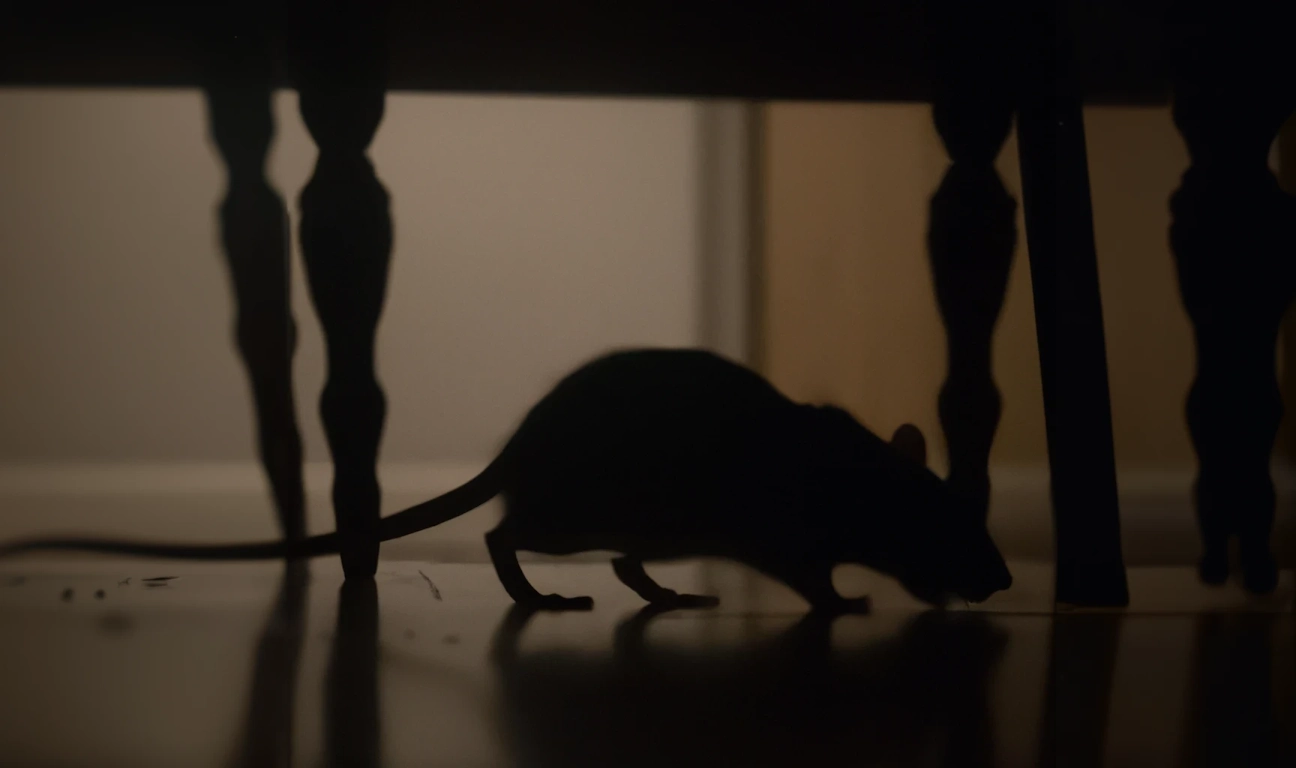
Key Takeaways Kitchens attract rats because they offer easy access to food, water, and warmth — the three things rats need to survive. Rats can

Key Takeaways Mouse urine stains appear as small yellowish or dark streaks, often accompanied by a strong ammonia-like odor. A UV blacklight is the most

Key Takeaways Wild mice typically live 12 to 18 months, while house mice living indoors can survive up to 2 to 3 years. A single
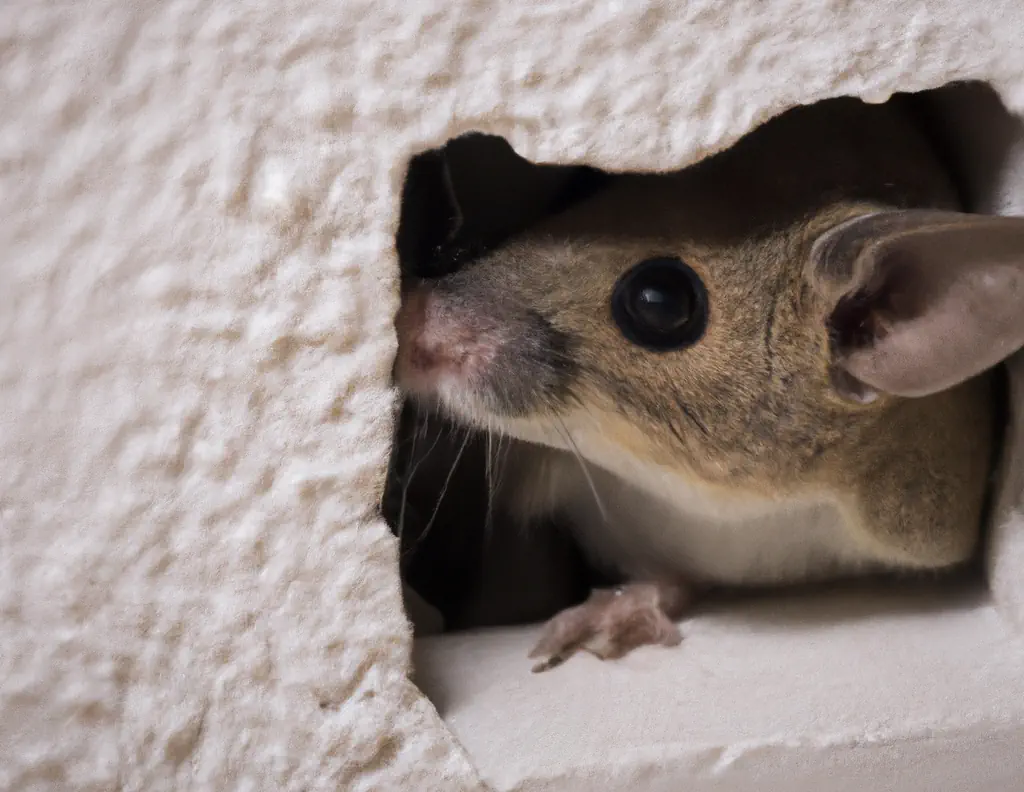
Key Takeaways Mice absolutely have bones — a full skeleton with over 200 individual bones, more than humans. Their skull is one of the few
Key Takeaways A vermin infestation refers to the uncontrolled presence of destructive or disease-carrying pests — most commonly rats, mice, and other rodents — inside
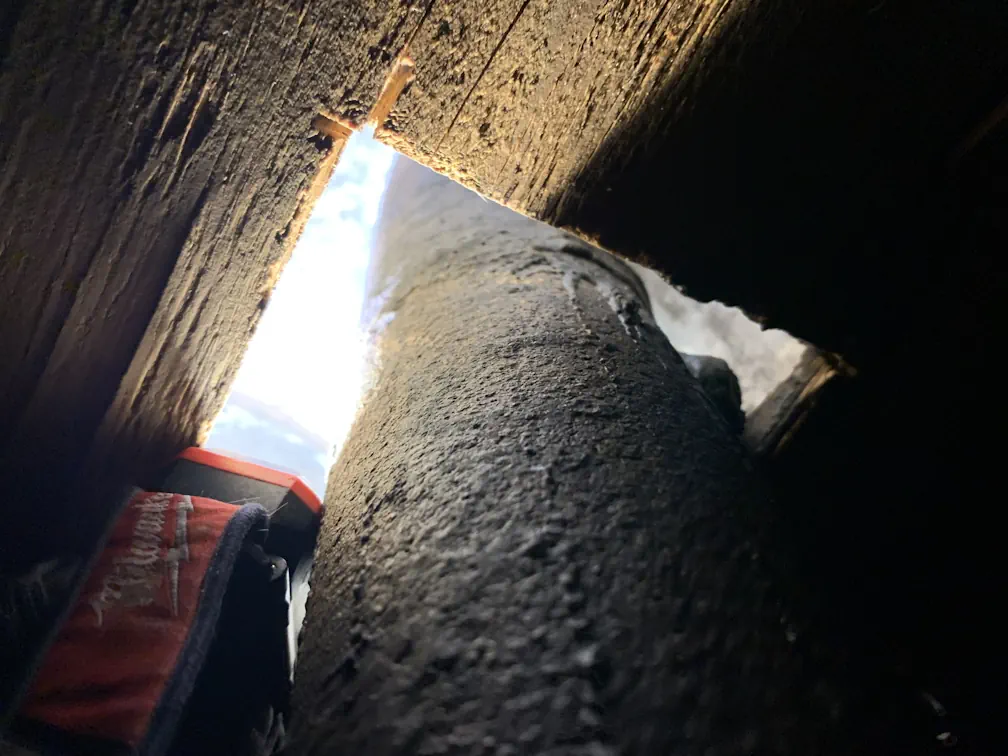
Key Takeaways Scratching sounds in walls usually indicate mice, rats, or other wildlife have entered your home and are nesting inside wall cavities. The timing,
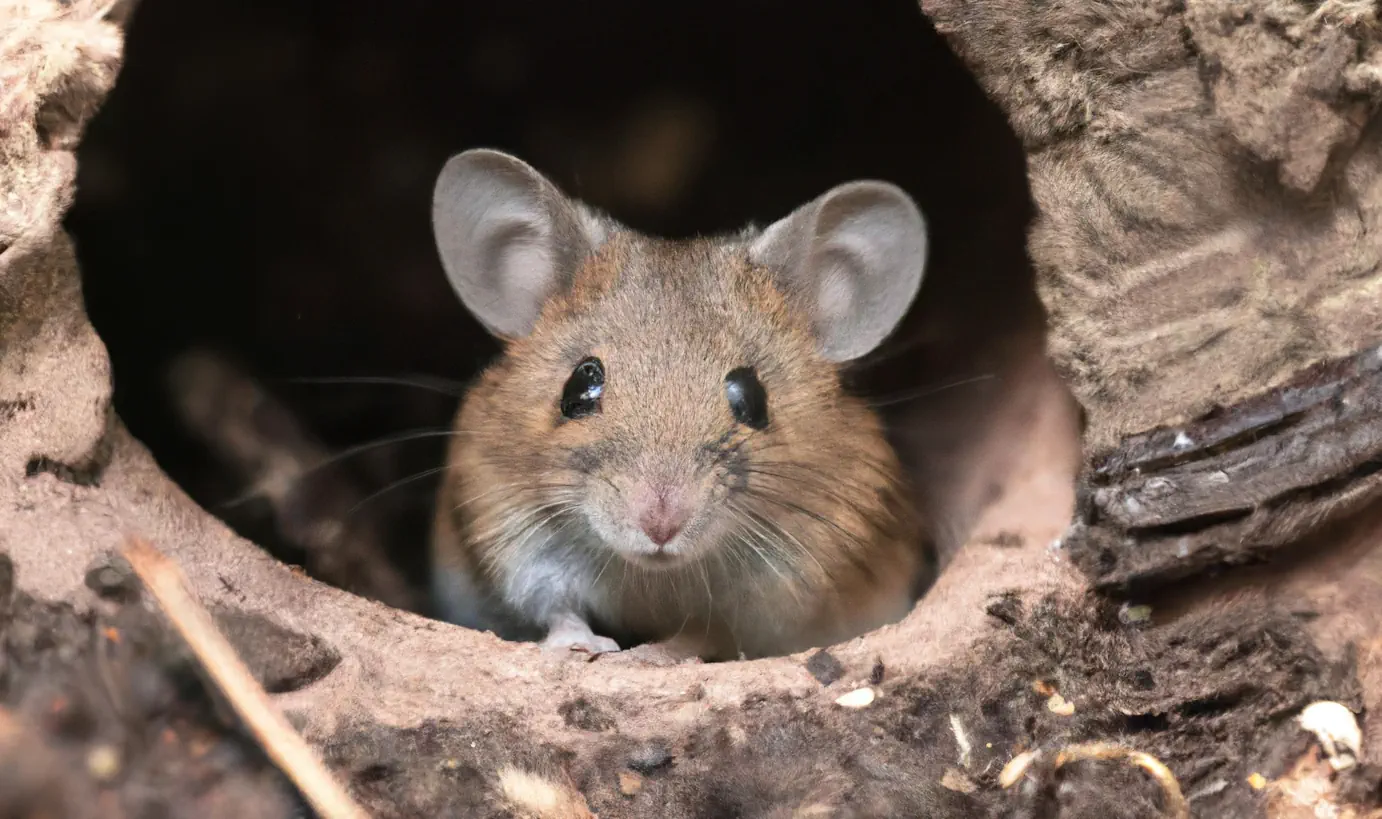
Key Takeaways Mice grow from blind, hairless pinkies to fully independent adults in just six weeks. A single female mouse can produce 5 to 10

Key Takeaways Rats almost never carry rabies — the CDC considers small rodents an extremely low-risk group for rabies transmission. While rabies from rats is

Key Takeaways A mouse in your bedroom is unlikely to harm you while you sleep, but taking action quickly prevents a larger infestation. Seal food
Key Takeaways Mouse droppings can transmit dangerous diseases like hantavirus, salmonellosis, and lymphocytic choriomeningitis (LCMV) to humans. The highest risk of illness comes from inhaling
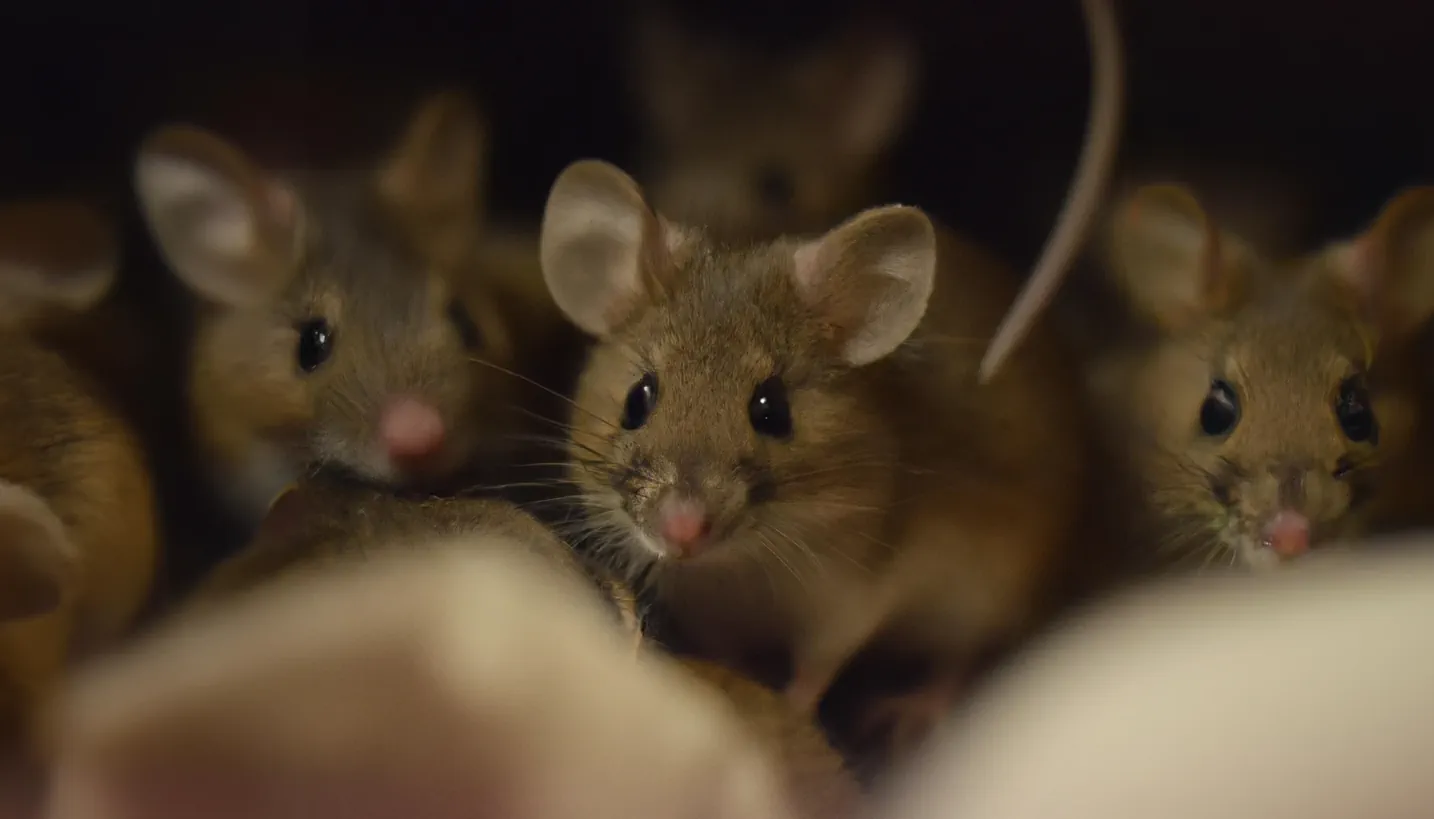
Key Takeaways Seeing one mouse almost always means there are more — typically 5 to 20 or more hiding in your home. Mice are nocturnal
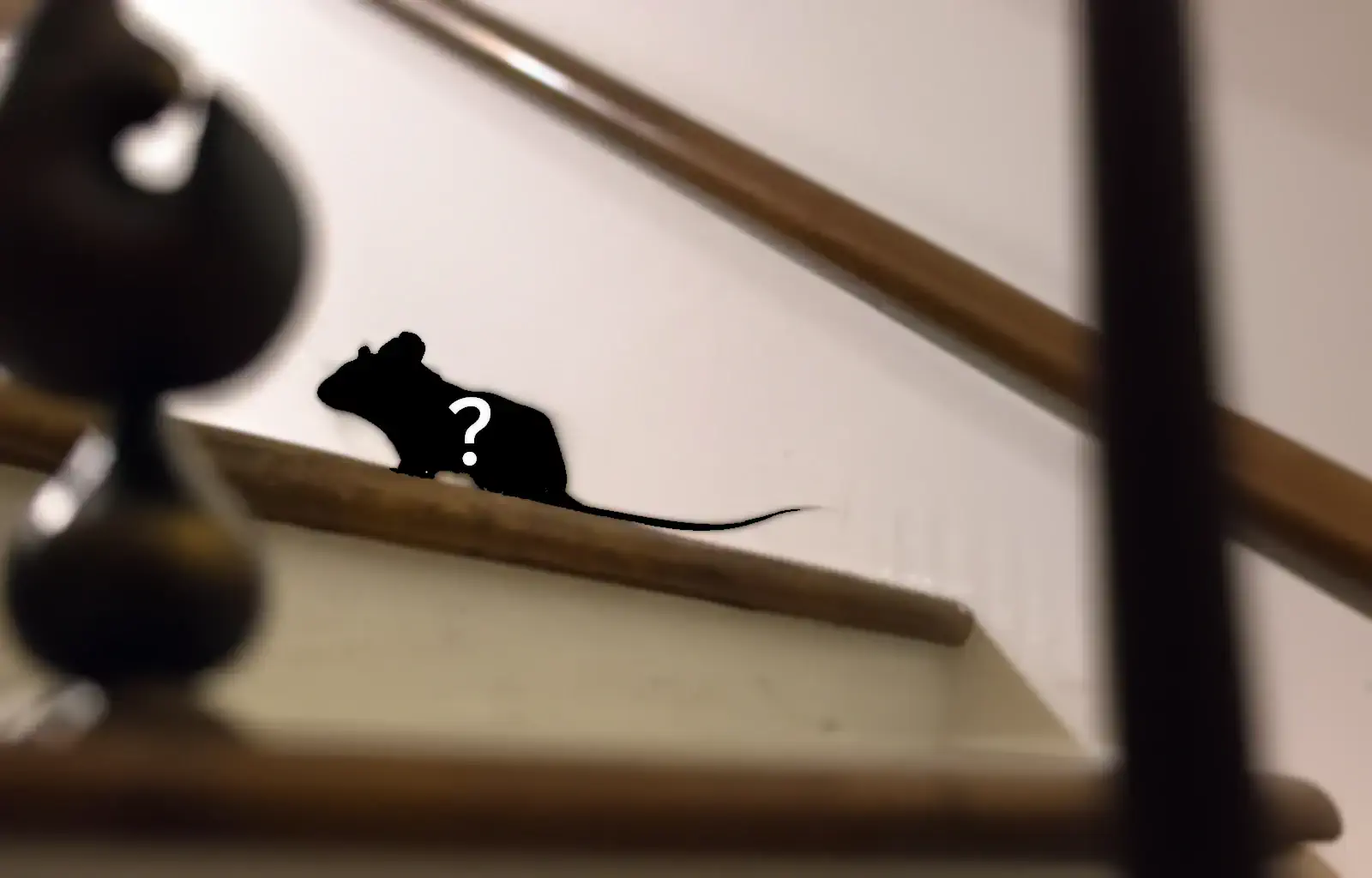
Key Takeaways Mice can easily climb stairs, walls, pipes, and wiring to reach every floor of your home. Textured surfaces like brick, stucco, wood siding,
Key Takeaways Mice hide in dark, warm, undisturbed areas close to food and water sources like kitchens, pantries, and laundry rooms. Wall voids, attic insulation,

Key Takeaways Most rats can survive approximately two to four days without any food before they die of starvation. Rats can survive much longer without
Key Takeaways Brown mice — most commonly house mice (Mus musculus) — are among the most widespread rodent pests in residential homes across the United

Key Points Outdoor rat problems usually begin with food, water, shelter, and hidden travel routes around the property. Long-term rat control works best when sanitation,

Key Points Outdoor mice problems usually start with food, shelter, moisture, and easy hiding spots around the property. Long-term outdoor mouse control works best when
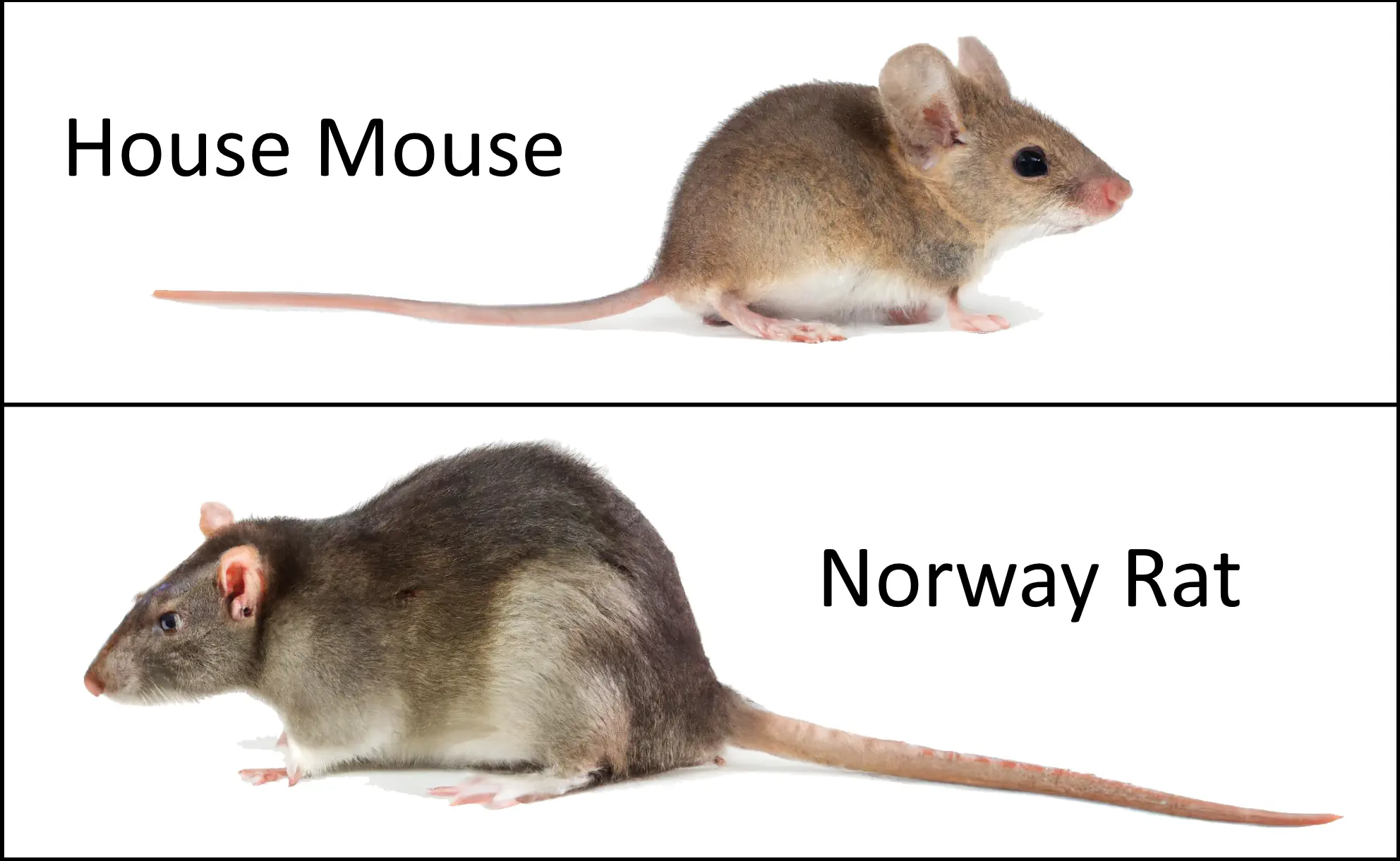
Key Points Rats and mice are both rodents, but they differ in size, appearance, behavior, nesting habits, and the type of damage they cause. Correct
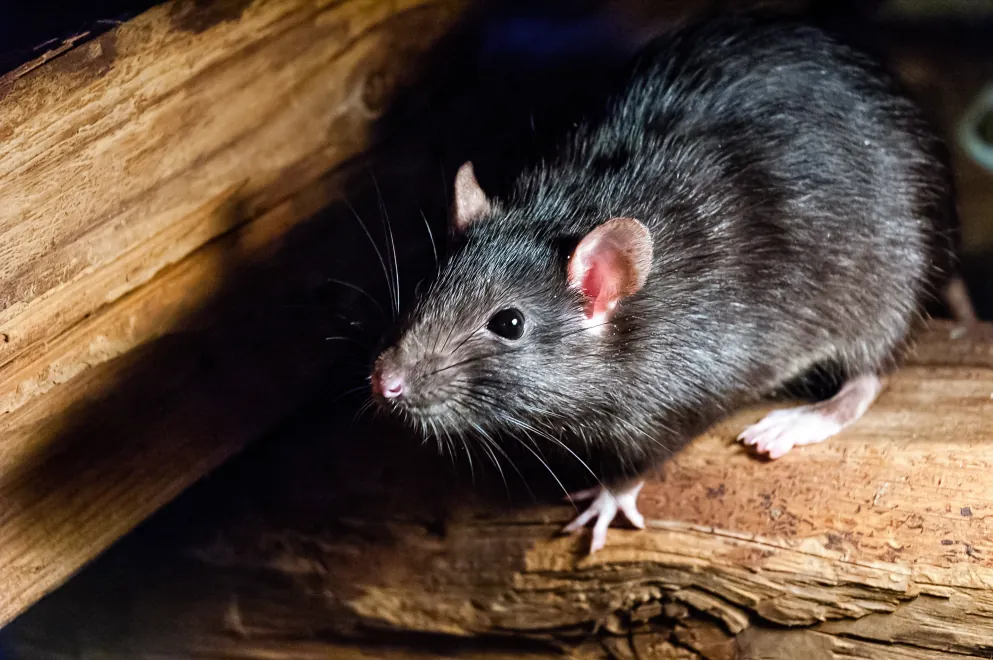
Key Points Rats often leave behind warning signs before homeowners ever see one. Common clues include droppings, scratching sounds, gnaw marks, grease marks, nesting material,
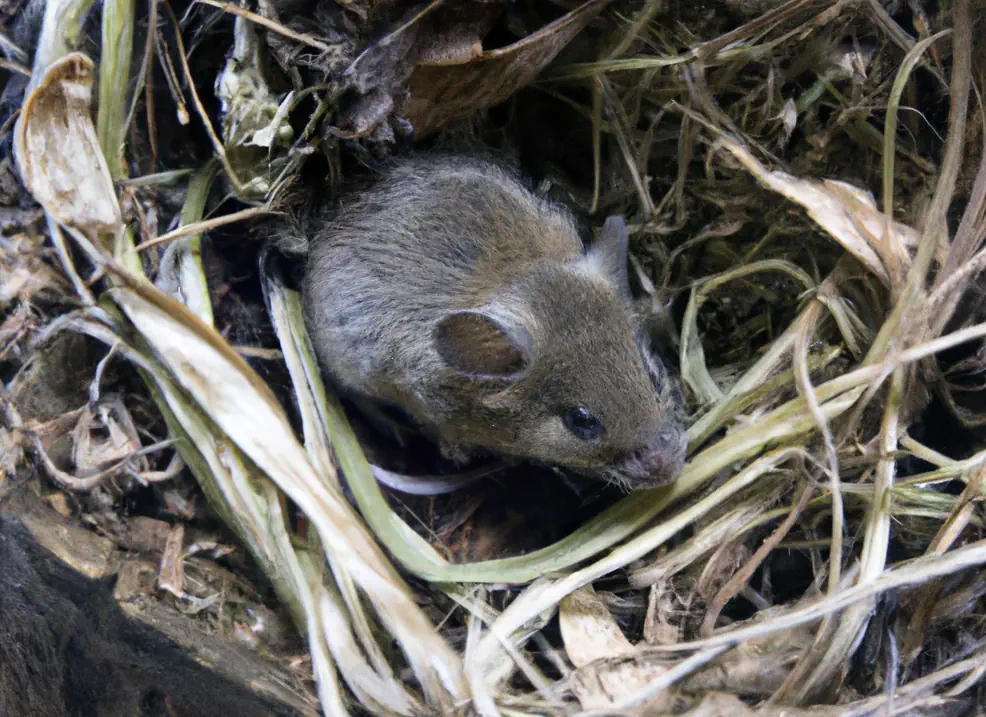
Key Points Mouse nests are usually small, hidden, and made from shredded soft materials such as paper, insulation, fabric, cardboard, and plant matter. Most mouse

Key Points Deer mice and house mice are different rodents with different appearances, behaviors, and risks around the home. Deer mice usually have brown or
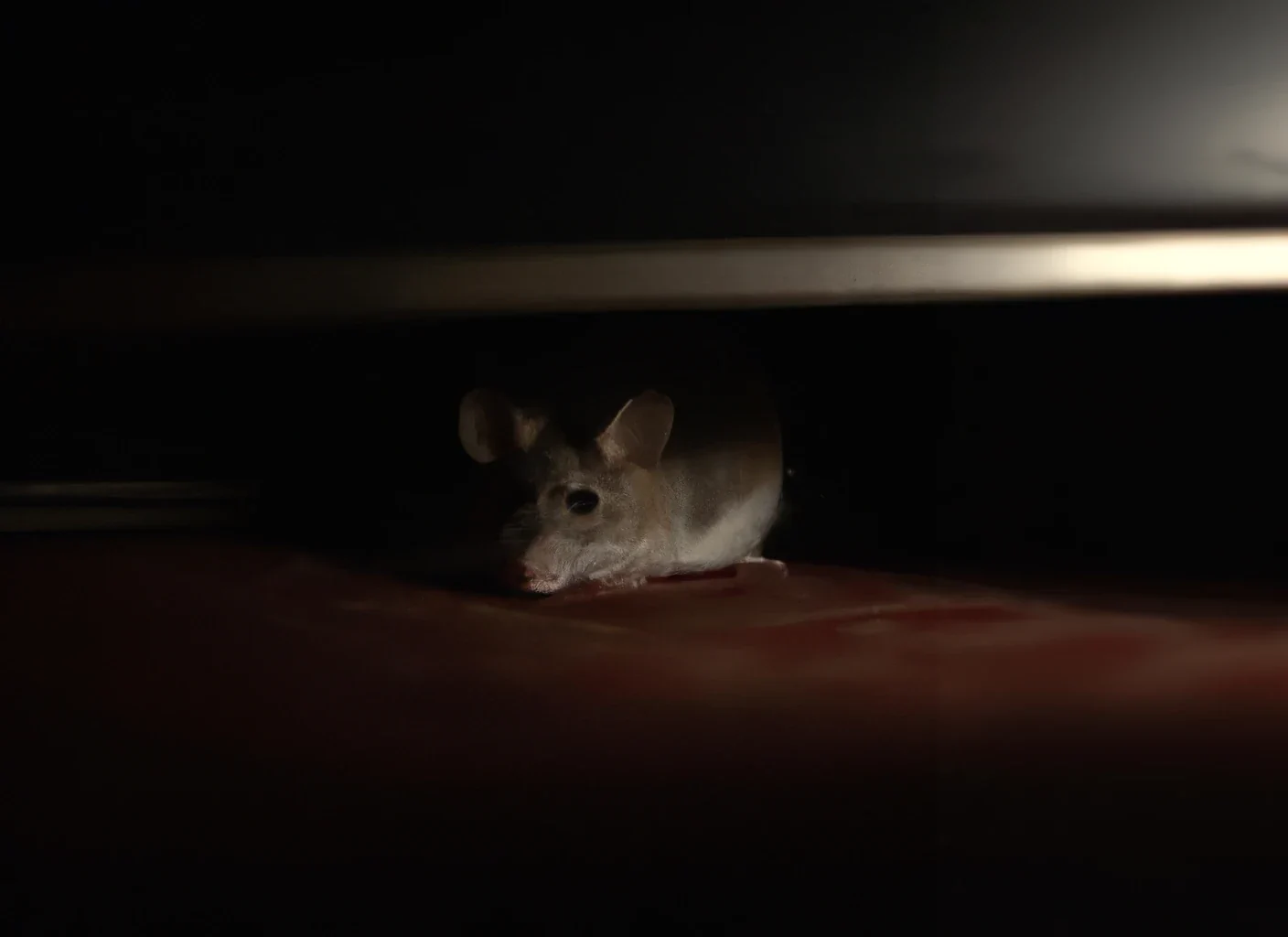
Key Points Mice can bite people in their sleep, but it is uncommon in most homes. Mouse bites are more likely when mice are living
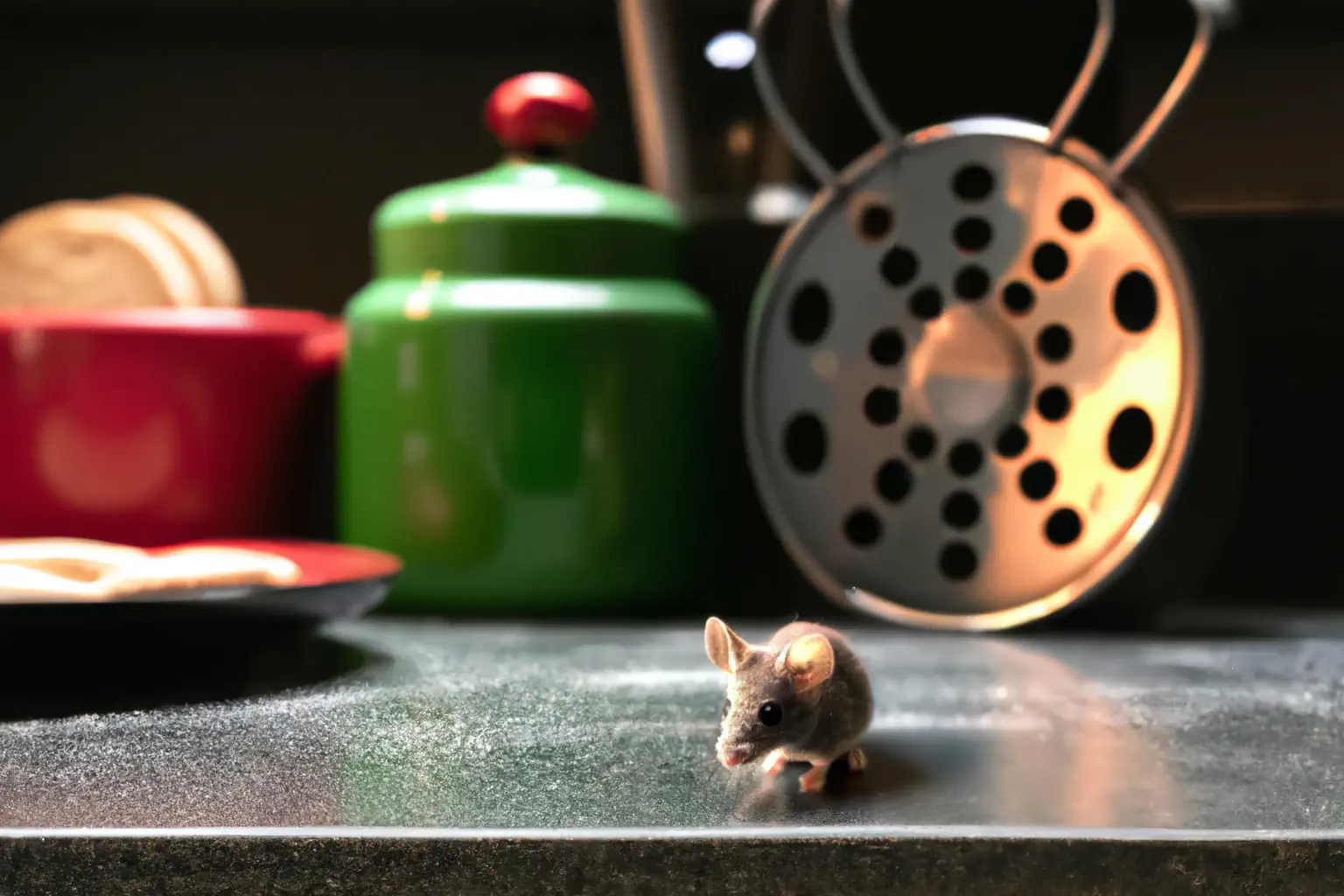
Key Points • Mouse droppings in the kitchen usually mean a mouse has been active nearby, not just passing through once. • The kitchen is
Key Points • Rats can bite humans in their sleep, but it is not common in most homes. • Rat bites are more likely when
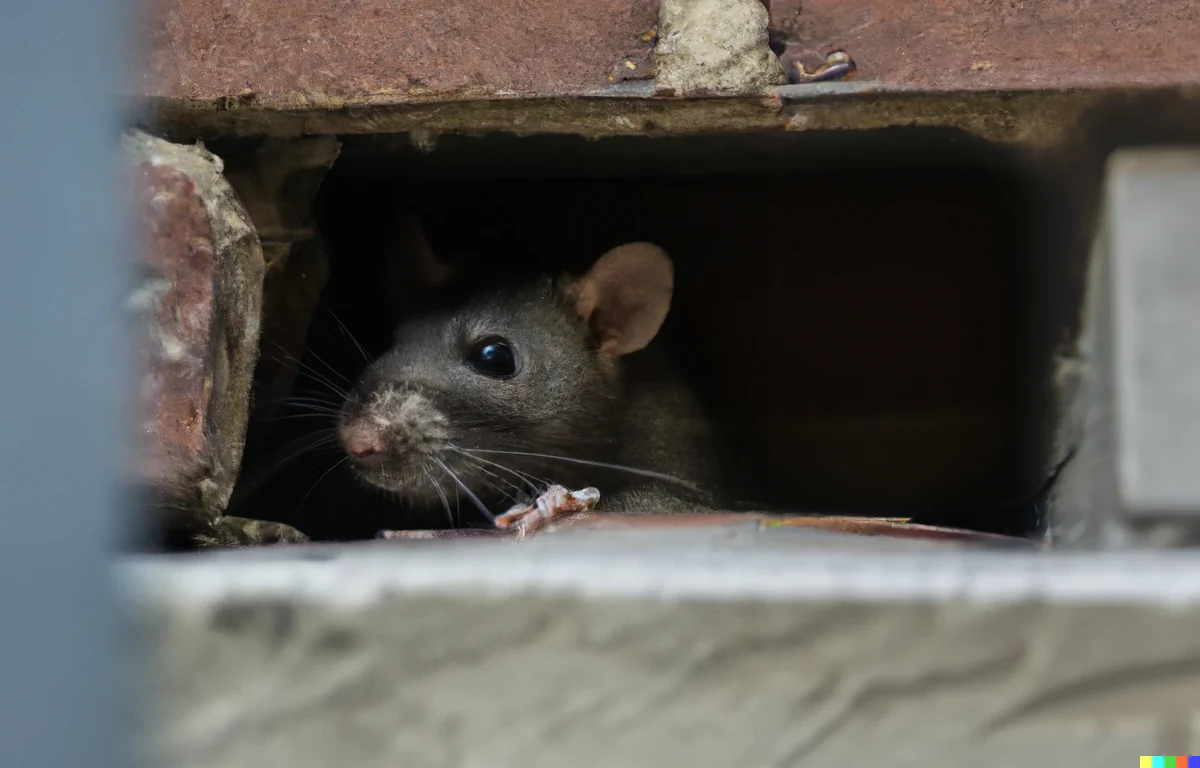
If you want to prevent rat and mouse problems, you need to know how they get into homes. Pest management is important for this reason.

According to the County of Los Angeles, Rats are nocturnal, usually from around half an hour after sunset to half an hour before sunrise. However, rats

Key Points Mice can get into a house through surprisingly small openings around doors, vents, utility lines, roofs, and foundations. They usually enter when a

Key Points Mice are usually more active at night, but they can come out during the right conditions. Daytime mouse activity may happen when food

Key Points Rodent-proofing focuses on blocking entry, removing food and water sources, and reducing hiding spots. Small gaps around doors, vents, utility lines, and roofs
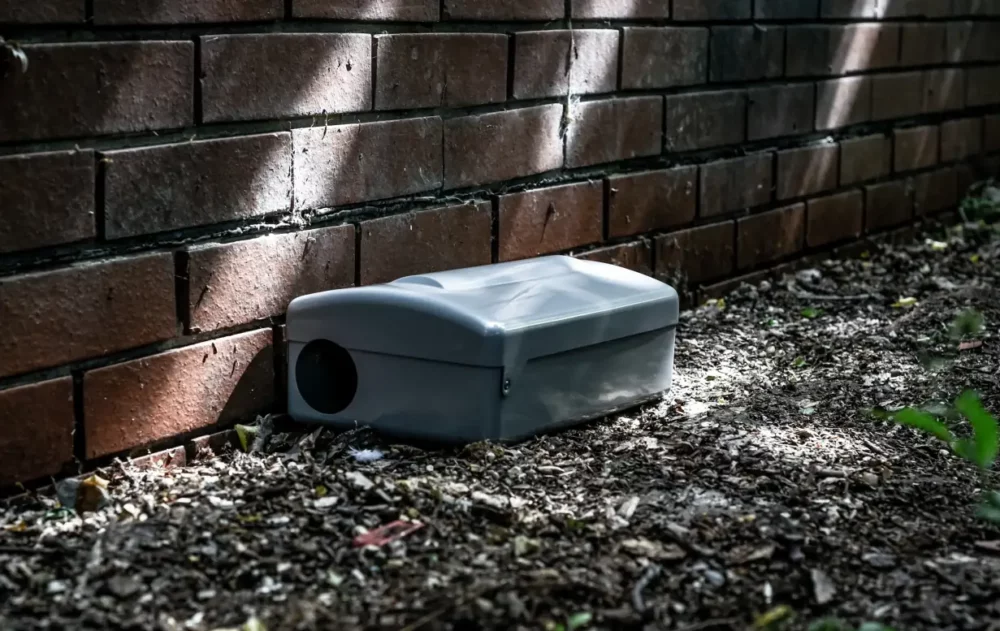
Key Points Rodent bait stations are tamper-resistant boxes designed to hold bait securely while limiting access by children, pets, and non-target animals. They work by

Getting rid of rats is never easy, but there are many methods you can try. Since day one, we have told our clientele that poison
Key Takeaways You can get rid of mice completely, but it requires a multi-step approach combining exclusion, trapping, sanitation, and ongoing monitoring. Mice can squeeze
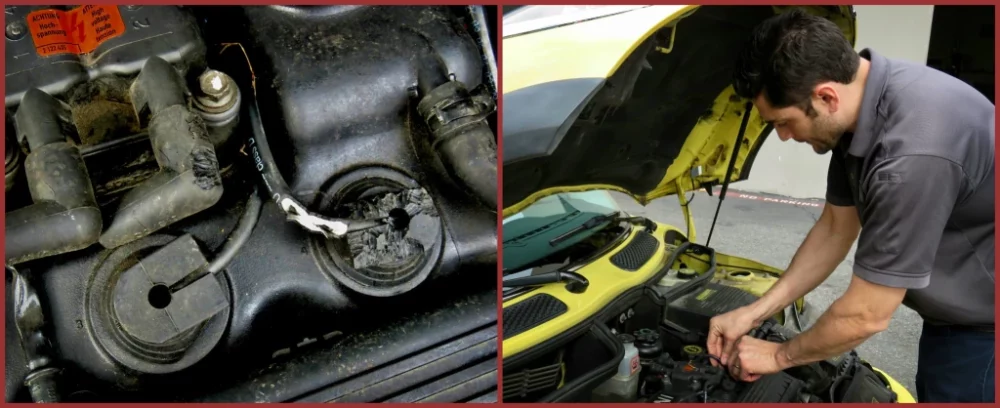
Key Takeaways Rodents chew car wiring because soy-based wire coatings attract them and they need to gnaw constantly to wear down their ever-growing teeth. Signs
Key Takeaways Over 2,000 rodent species exist worldwide, but only a handful regularly invade homes and cause property damage. House mice, Norway rats, and roof
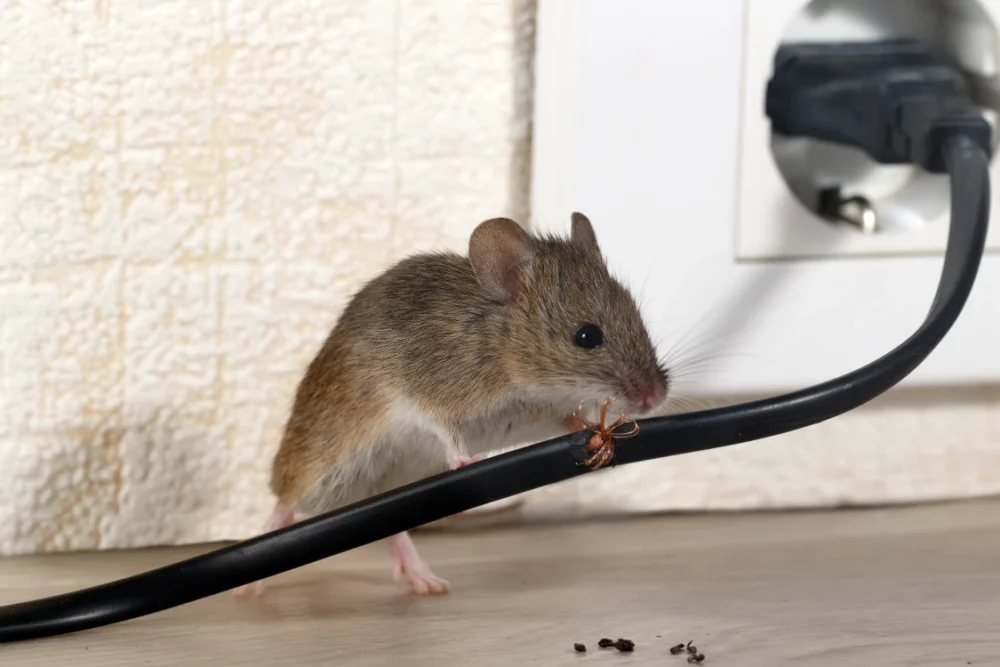
Key Takeaways Rats in the attic create distinct scratching, scurrying, and gnawing sounds that are most active between dusk and dawn. Different animals produce different
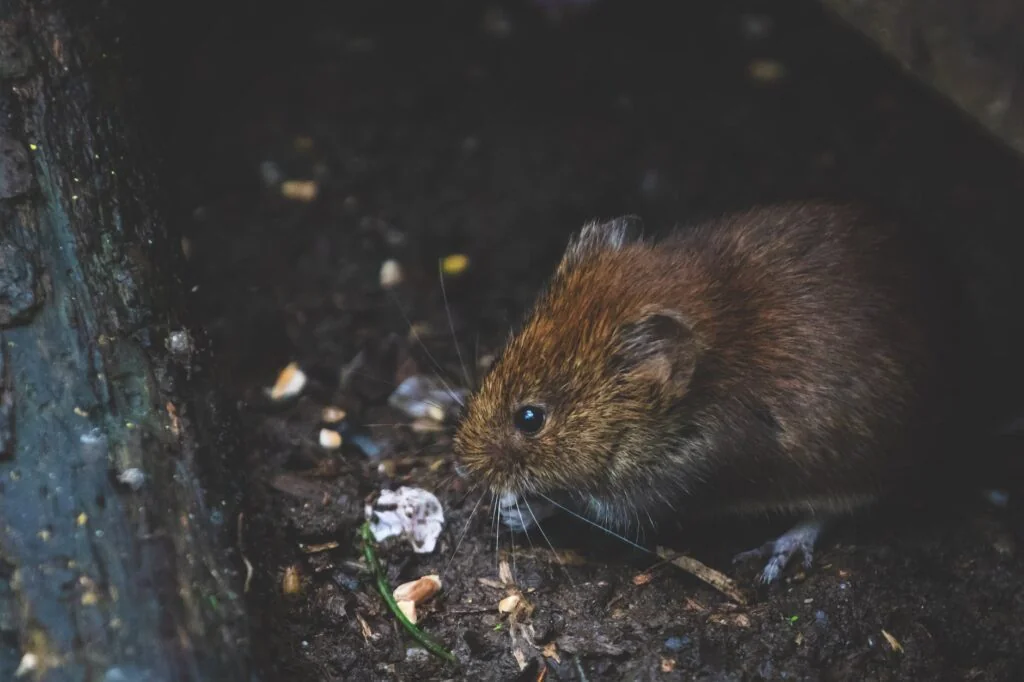
What animal is in my ceiling or attic? Hearing noises in ceiling? Rats, mice, squirrels, raccoons, skunks, bats, opossums, and birds are among the most

Key Takeaways German cockroaches spread over 30 types of bacteria, including E. coli and Salmonella, through contaminated surfaces and food. Cockroach allergens are one of

Key Takeaways Florida’s warm, humid climate creates year-round breeding conditions for disease-carrying mosquitoes like Aedes aegypti and Aedes albopictus. The most common mosquito-borne diseases in
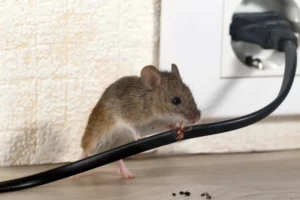
Key Takeaways Rats in the attic create distinct scratching, scurrying, and gnawing sounds that are most active between dusk and dawn. Different animals produce different
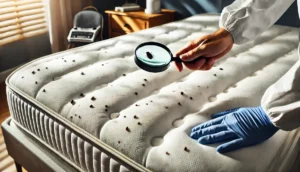
Key Takeaways Proper bed bug disposal requires targeting every life stage — adults, nymphs, and eggs — to prevent reinfestation. Heat treatment above 120°F is