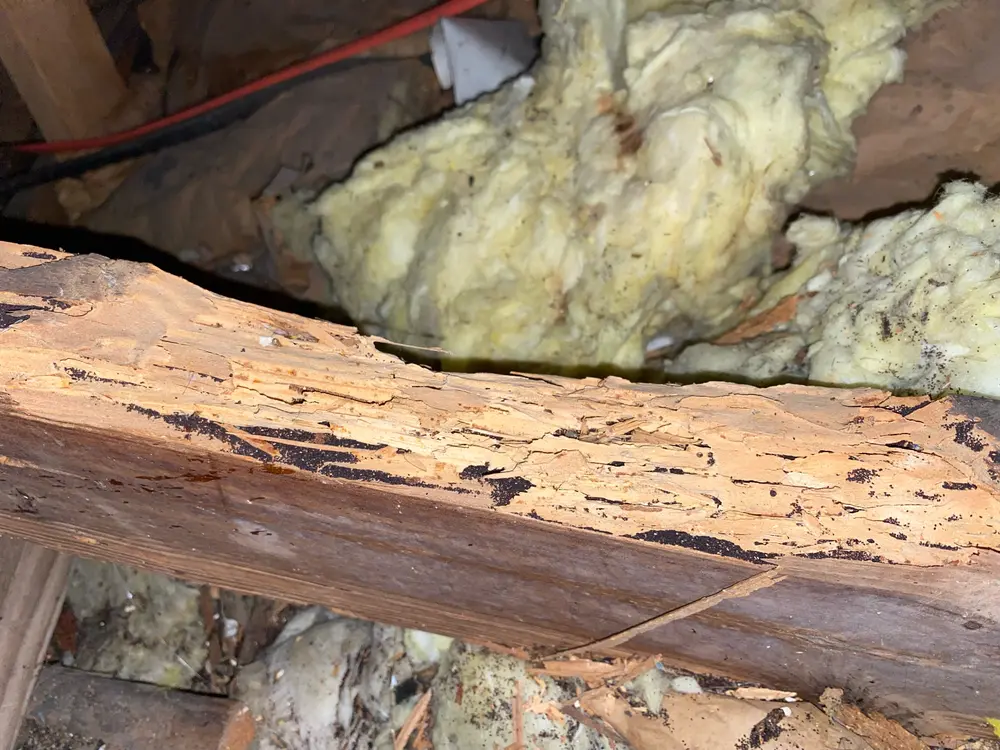
Termites in Florida: What Attracts Them & Prevention
Key Takeaways Excess moisture around your foundation is the single biggest factor attracting termites to your Florida home. Wood-to-soil contact near your house creates a
Key Takeaways Excess moisture around your foundation is the single biggest factor attracting termites to your Florida home. Wood-to-soil contact near your house creates a
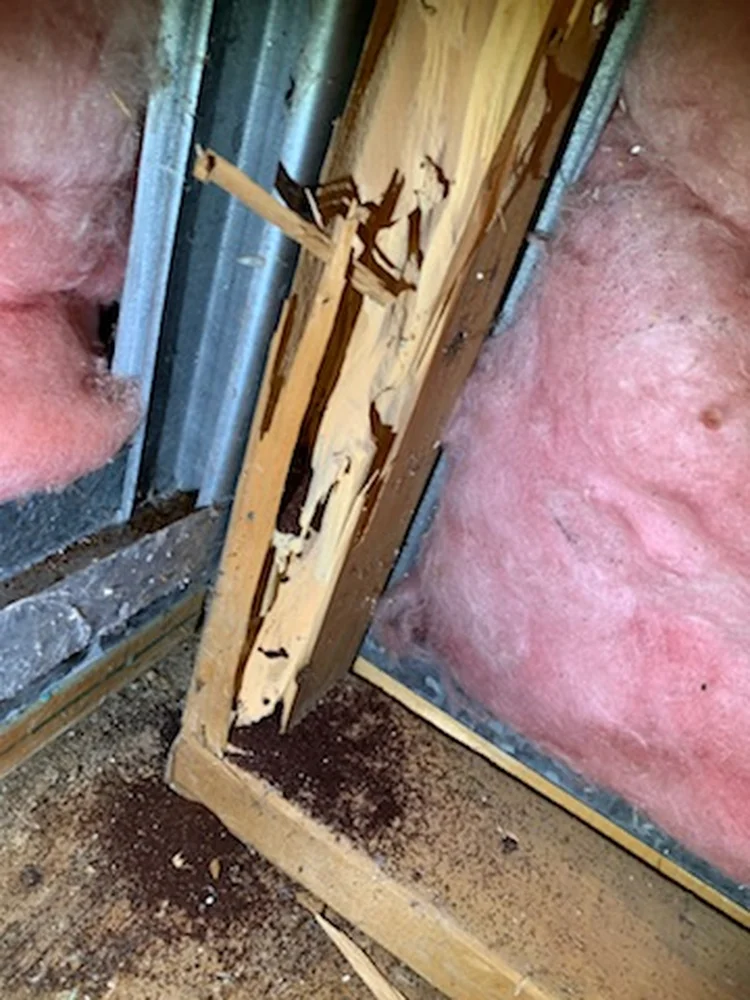
The short version: Yes, termites do eat drywall — but only the paper backing, not the gypsum core. In Florida homes, both drywood and subterranean
Key Takeaways Most termite damage can be fixed, but the repair method depends on how severe and widespread the damage is. South Florida’s subterranean and
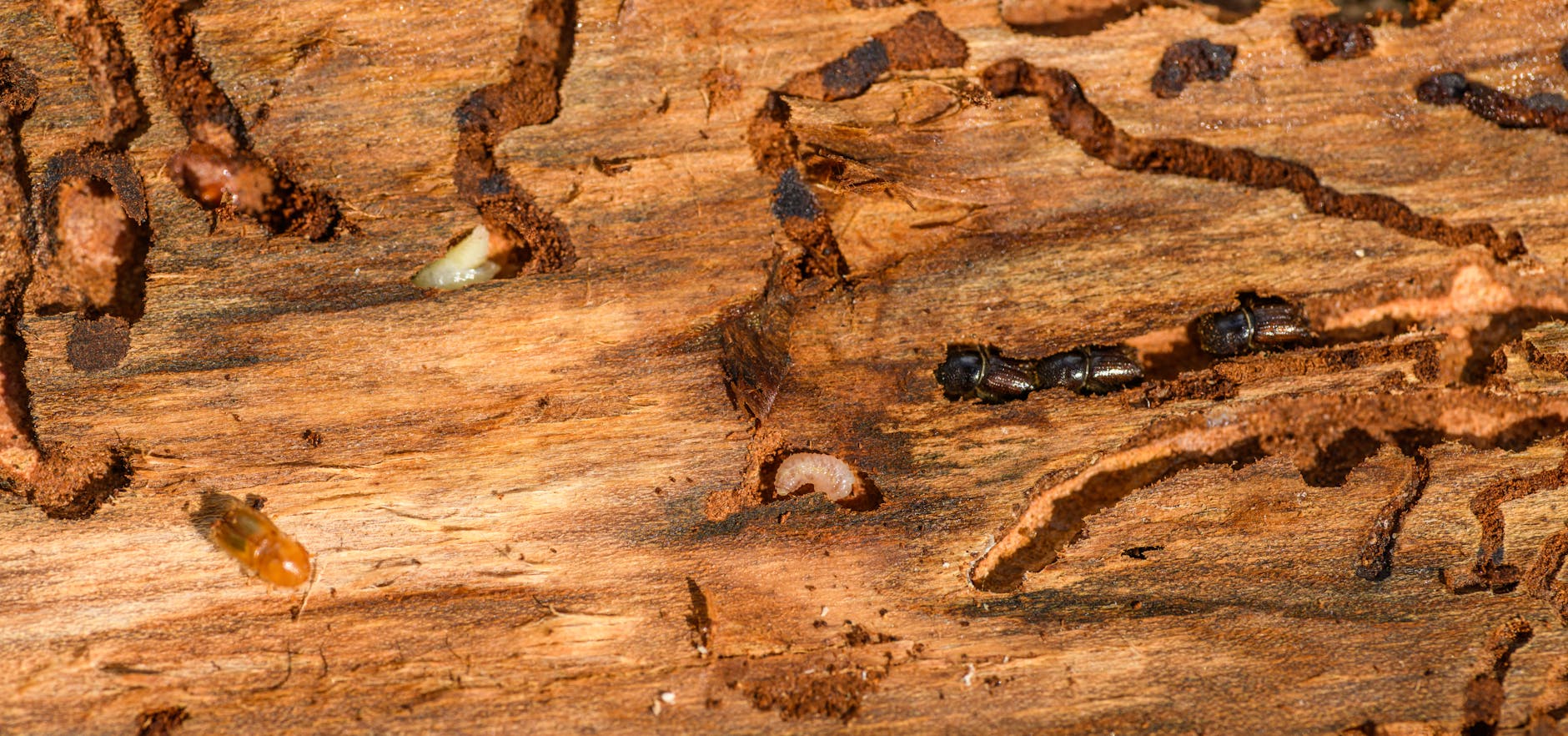
Can termites spread through clothes? In nearly every realistic scenario, the answer is no — termites do not infest, travel inside, or hitchhike on clothing
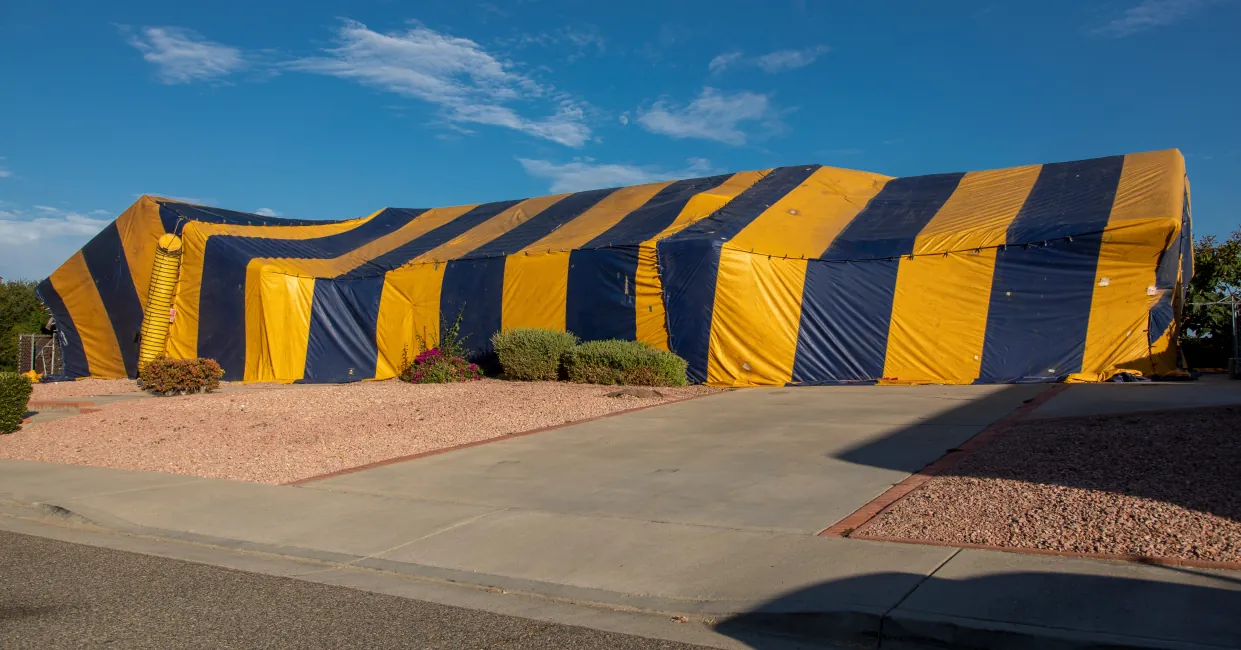
Key Takeaways Wait until your fumigation company issues a clearance certificate before re-entering your home — never go in early. Open all windows and doors
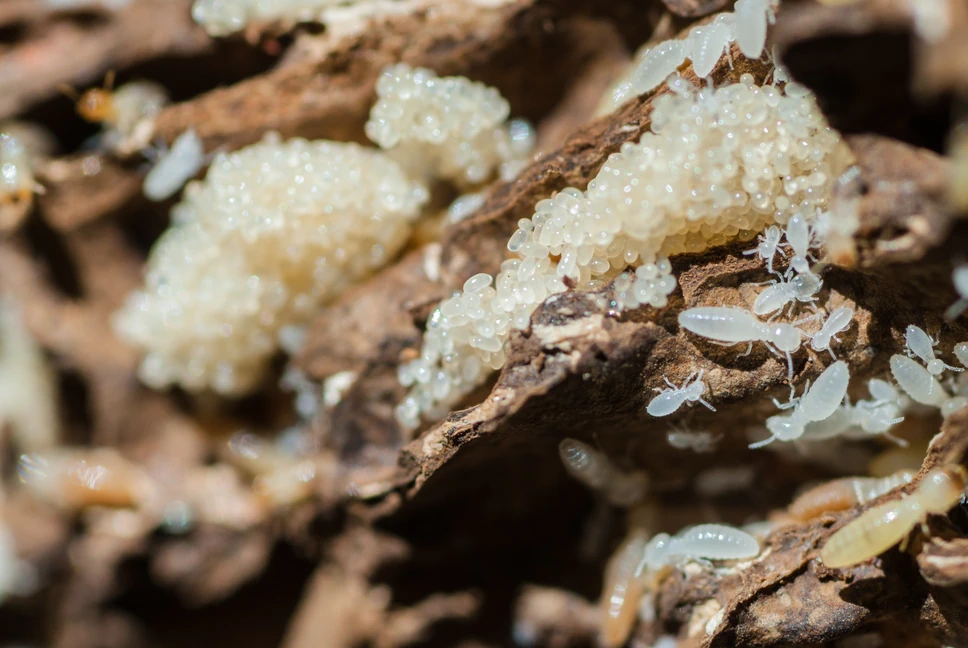
Key Takeaways White ants and termites are the same insect — ‘white ant’ is simply a common nickname for termites based on their pale appearance.
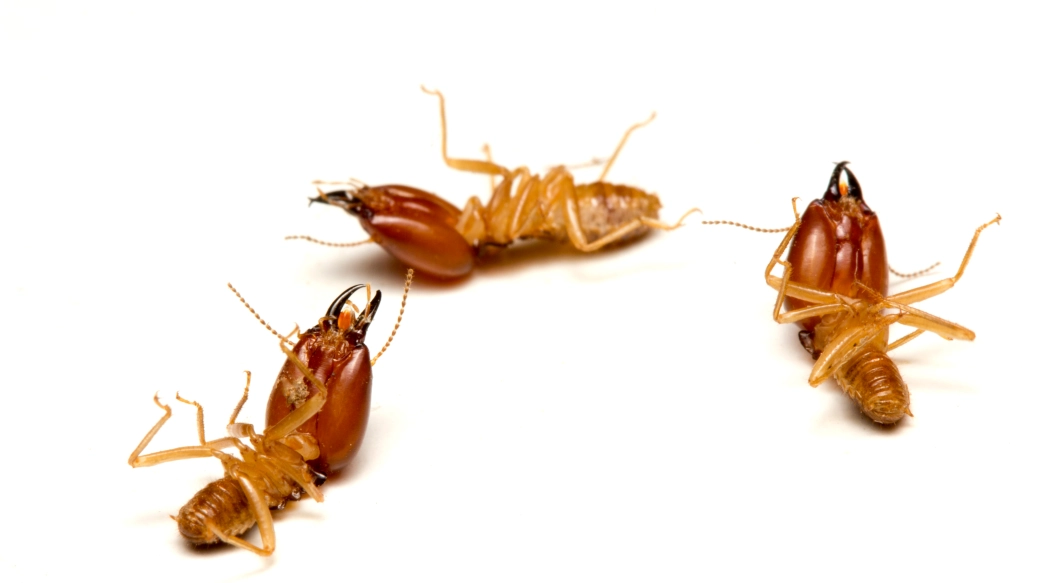
Key Takeaways Subterranean termites cause more structural damage in Florida than any other termite species due to their massive underground colonies. Mud tubes on your
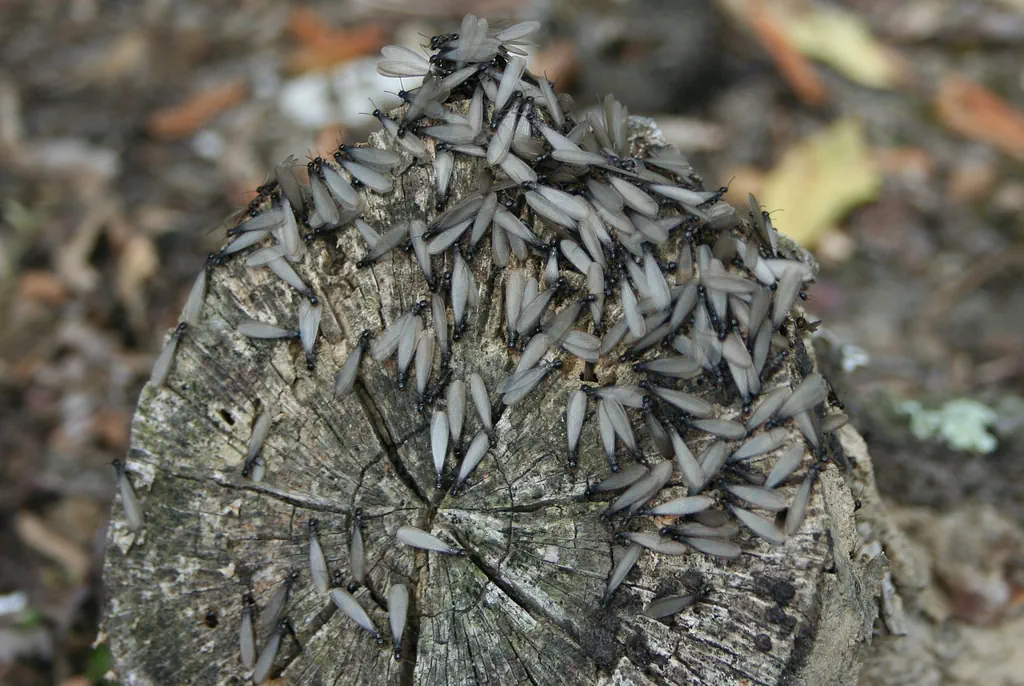
Key Takeaways Termite swarmers are winged reproductive termites that leave established colonies to start new ones, and spotting them near your Miami home means a
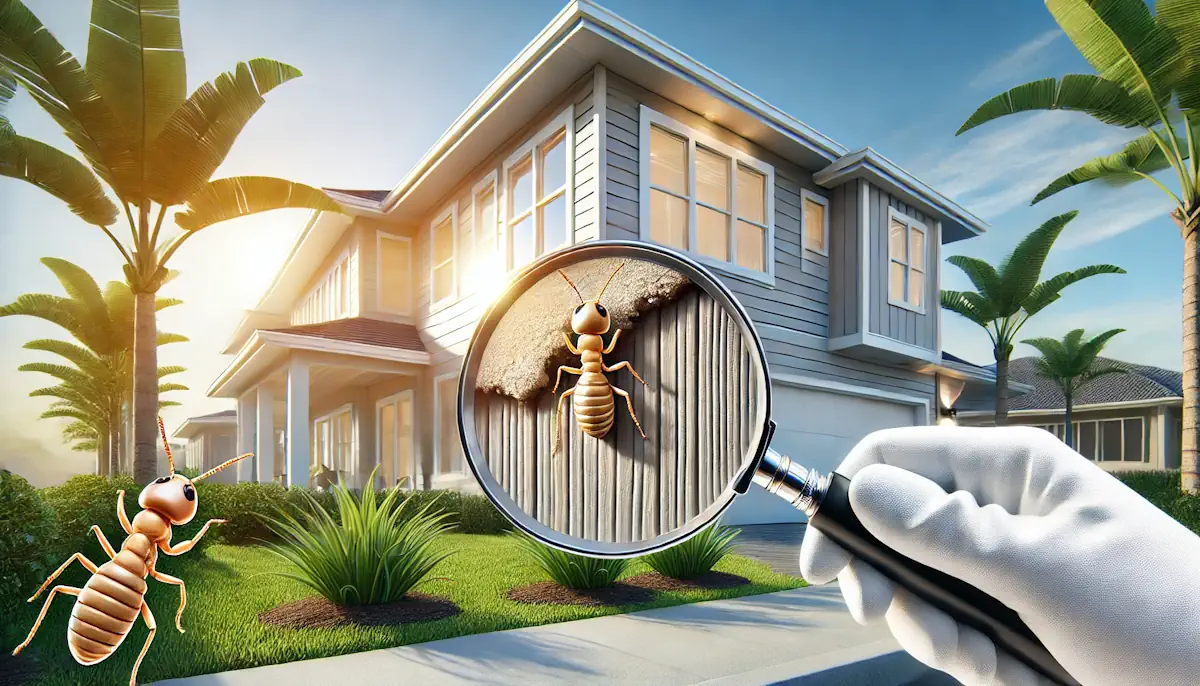
Key Takeaways Termite elimination timelines range from 1 day for fumigation to several months for baiting systems, depending on the treatment method used. Subterranean termites
Key Takeaways Most fumigation treatments require you to stay out of your home for 24 to 72 hours, depending on the chemical used and the
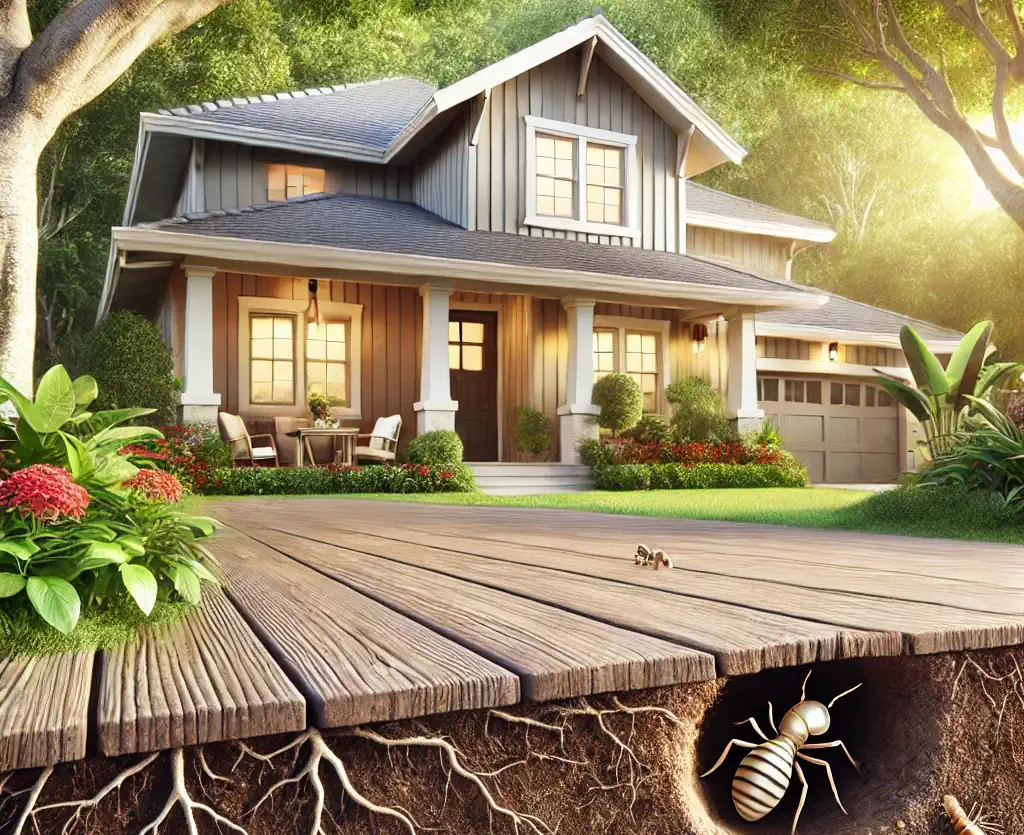
Key Takeaways Florida’s mild winters keep cockroaches, termites, bed bugs, and many other pests active year-round in Hollywood. Cooler temperatures drive insects indoors, making winter
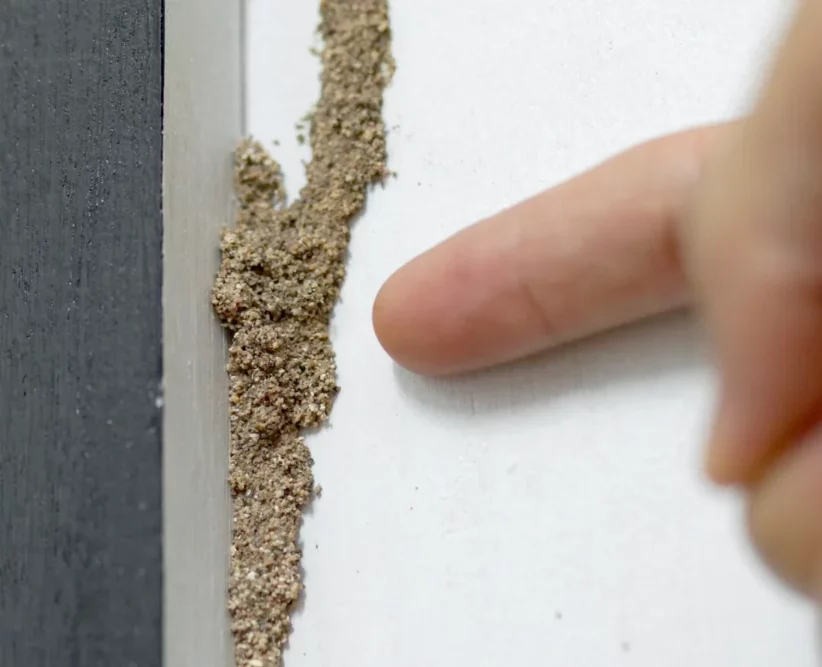
Key Takeaways Termite tubes (mud tubes) are a clear sign of an active or recent subterranean termite infestation that requires immediate attention. Never destroy termite
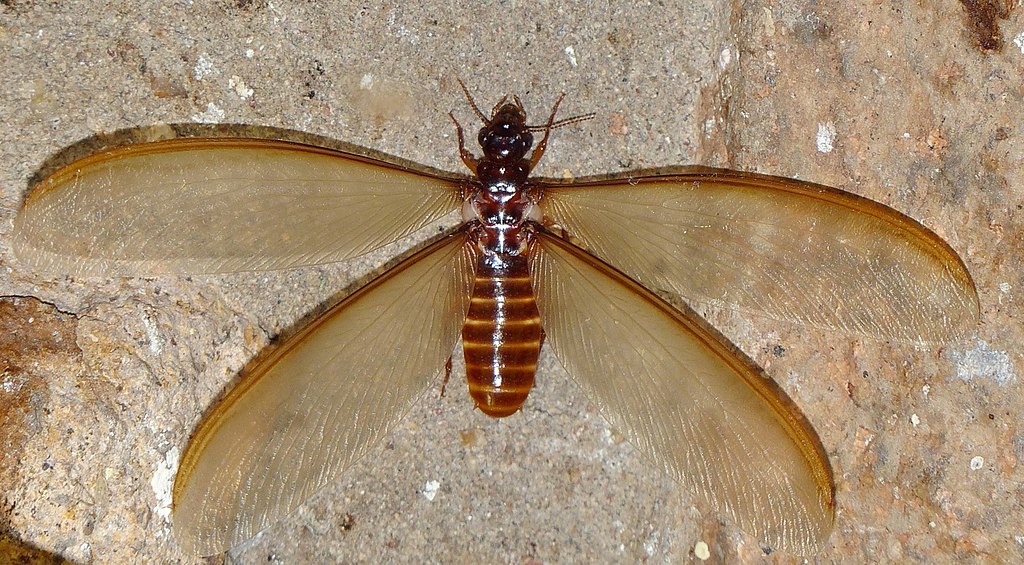
Key Takeaways Only reproductive termites called alates or swarmers can fly — workers and soldiers never develop wings. Flying termites swarm to start new colonies,
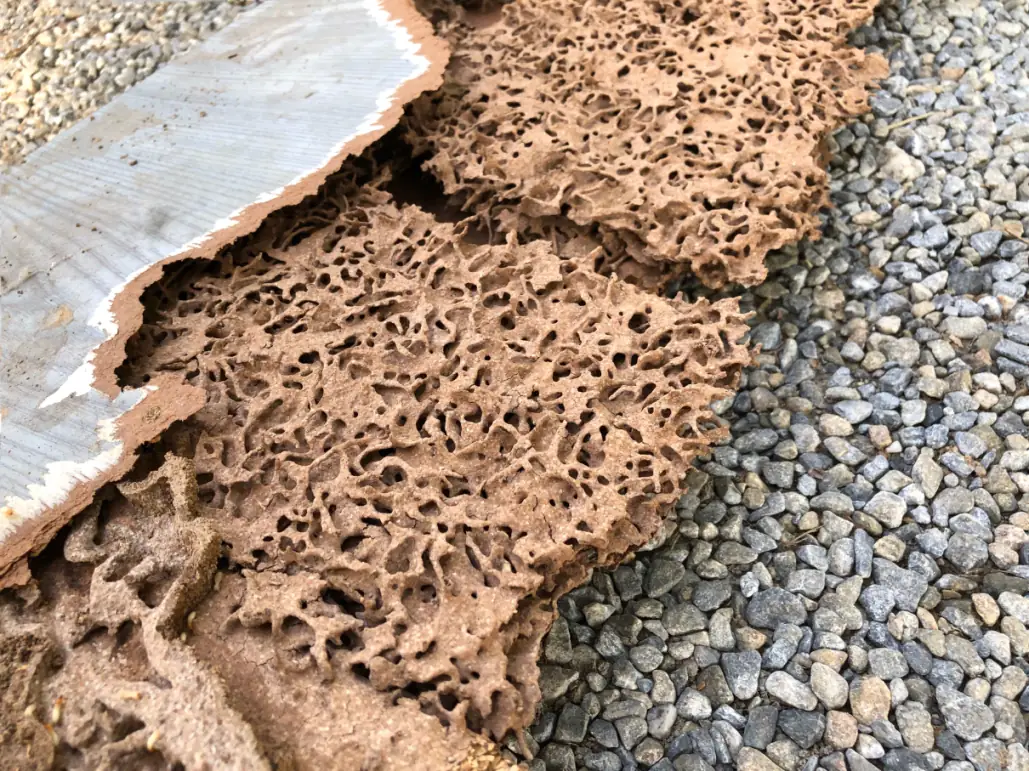
Key Takeaways Naples’ warm, humid subtropical climate creates year-round conditions that support drywood, subterranean, and Formosan termite activity. Discarded wings near windows, mud tubes along
Key Takeaways Most Coral Springs homes need termite tenting every 5 to 10 years, though severe infestations or reinfestations may require more frequent treatment. Coral
Key Takeaways Miramar’s warm, humid climate creates year-round conditions that attract subterranean, drywood, and Formosan termites. Termite damage in South Florida averages thousands of dollars
Key Takeaways Termite droppings, called frass, are one of the earliest and most visible signs of a drywood termite infestation in Pembroke Pines homes. Frass
Key Takeaways Marco Island’s tropical climate and coastal humidity create year-round termite pressure from both drywood and subterranean species. Professional termite prevention spray creates a
Key Takeaways Hollywood, FL’s warm, humid climate creates year-round termite activity, making proactive prevention essential for every homeowner. Subterranean and drywood termites are the two
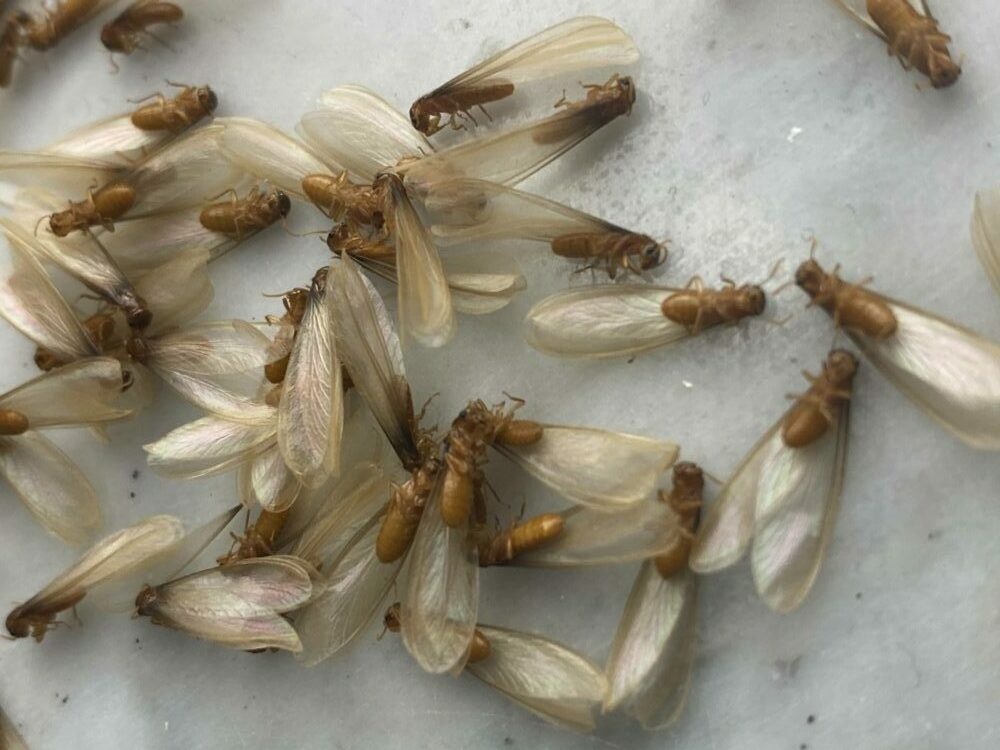
Key Takeaways Formosan termites are the most destructive termite species in Florida, capable of consuming a foot of 2×4 lumber in just 25 days. These
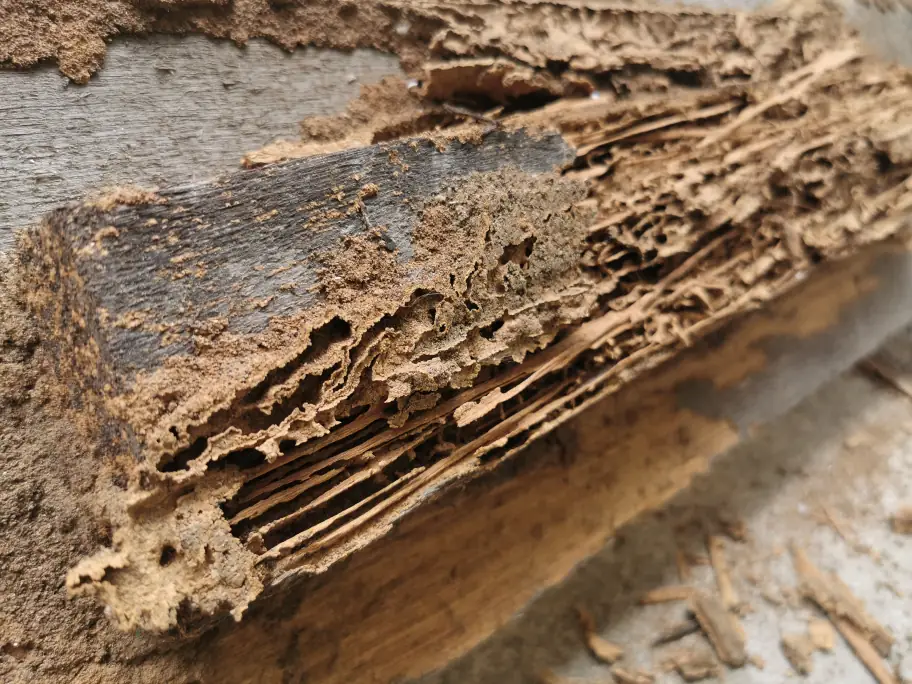
Key Takeaways Identifying the termite species in your home is the first critical step toward choosing the right removal strategy. Professional treatments like liquid barriers,
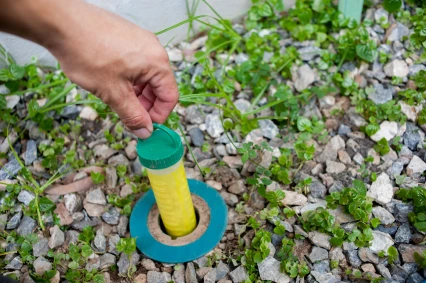
Key Takeaways South Florida’s warm, humid climate creates year-round termite pressure from multiple species, including drywood, subterranean, and Formosan termites. The best termite control strategy
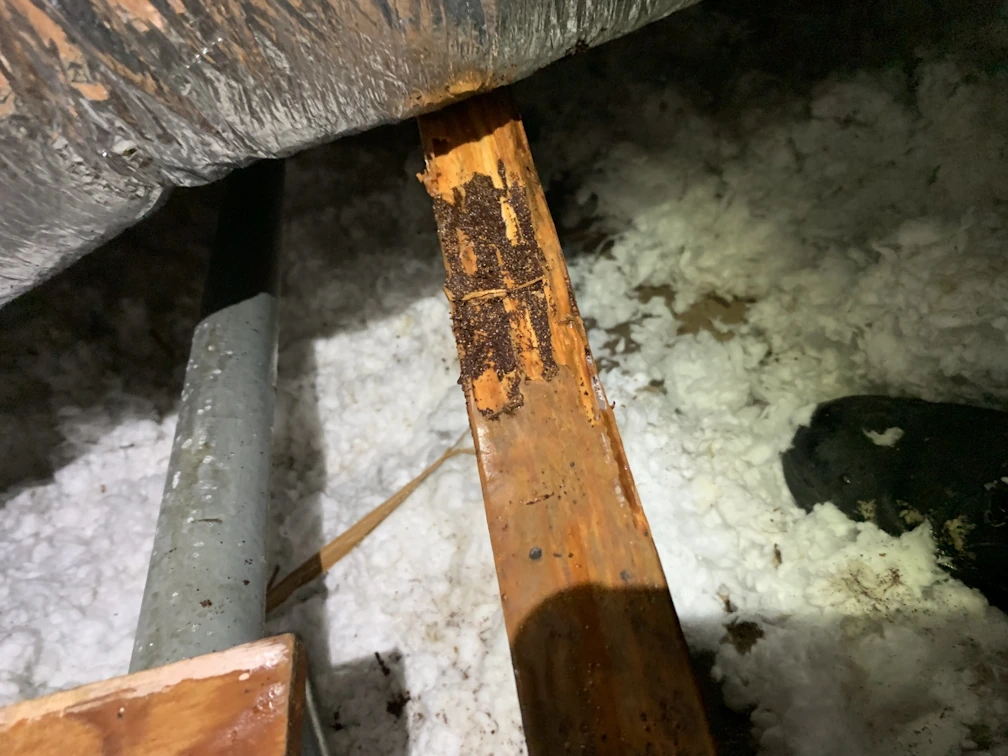
Key Takeaways Florida’s warm, humid climate makes homes vulnerable to subterranean, drywood, and Formosan termites year-round. Mud tubes along your foundation, discarded wings, and hollow-sounding
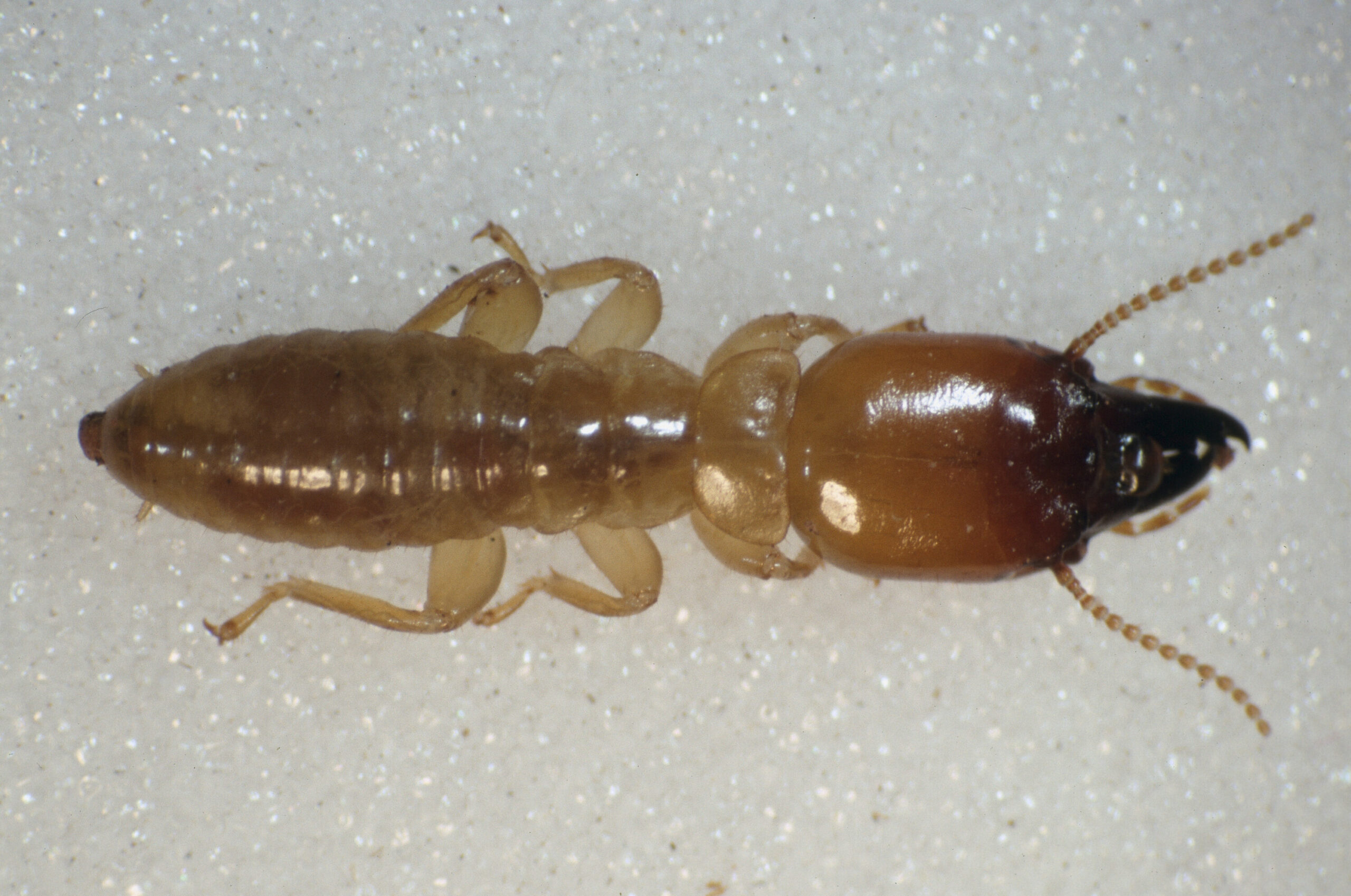
Key Takeaways Ft. Lauderdale’s warm, humid climate makes it one of the highest-risk cities in the U.S. for termite infestations year-round. Three major termite species
Key Takeaways Hollywood, FL’s warm, humid climate makes it one of the highest-risk areas for termite infestations in the United States. Drywood, subterranean, and Formosan
Key Takeaways Naples’ warm, humid subtropical climate creates year-round termite activity, making regular inspections essential for every homeowner. Subterranean and drywood termites are the two
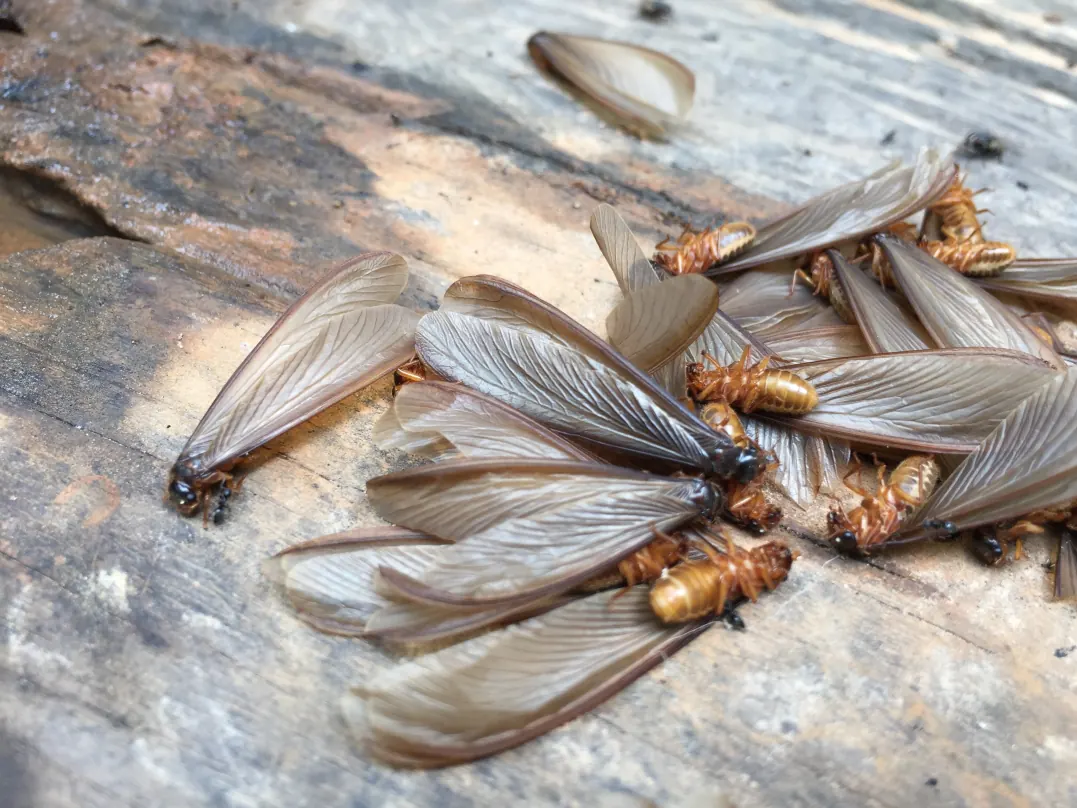
Key Takeaways Pompano Beach’s warm, humid coastal climate creates year-round conditions that attract drywood termites to homes. Sealing cracks, screening vents, and maintaining wood surfaces
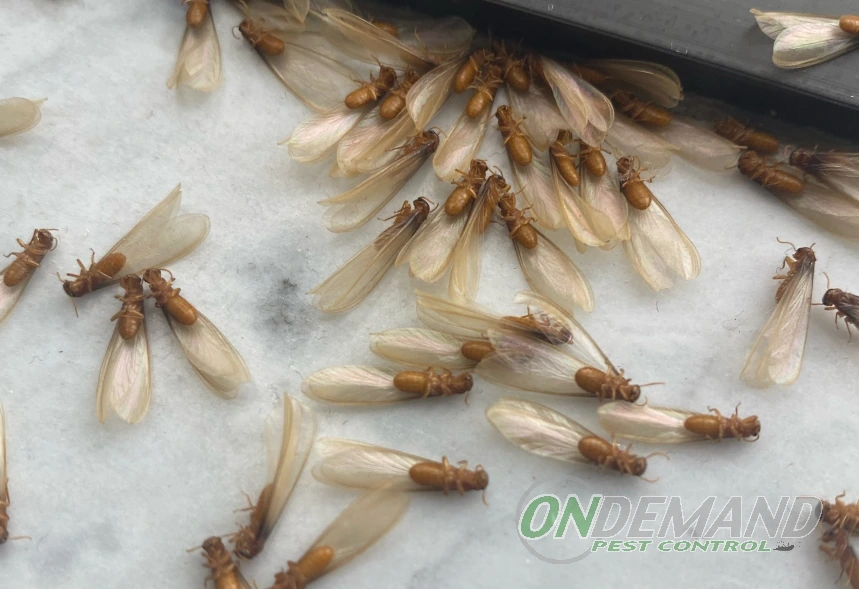
If you live in Fort Lauderdale, FL, you know that drywood termites can be a hidden menace to your home or business. These seemingly invisible
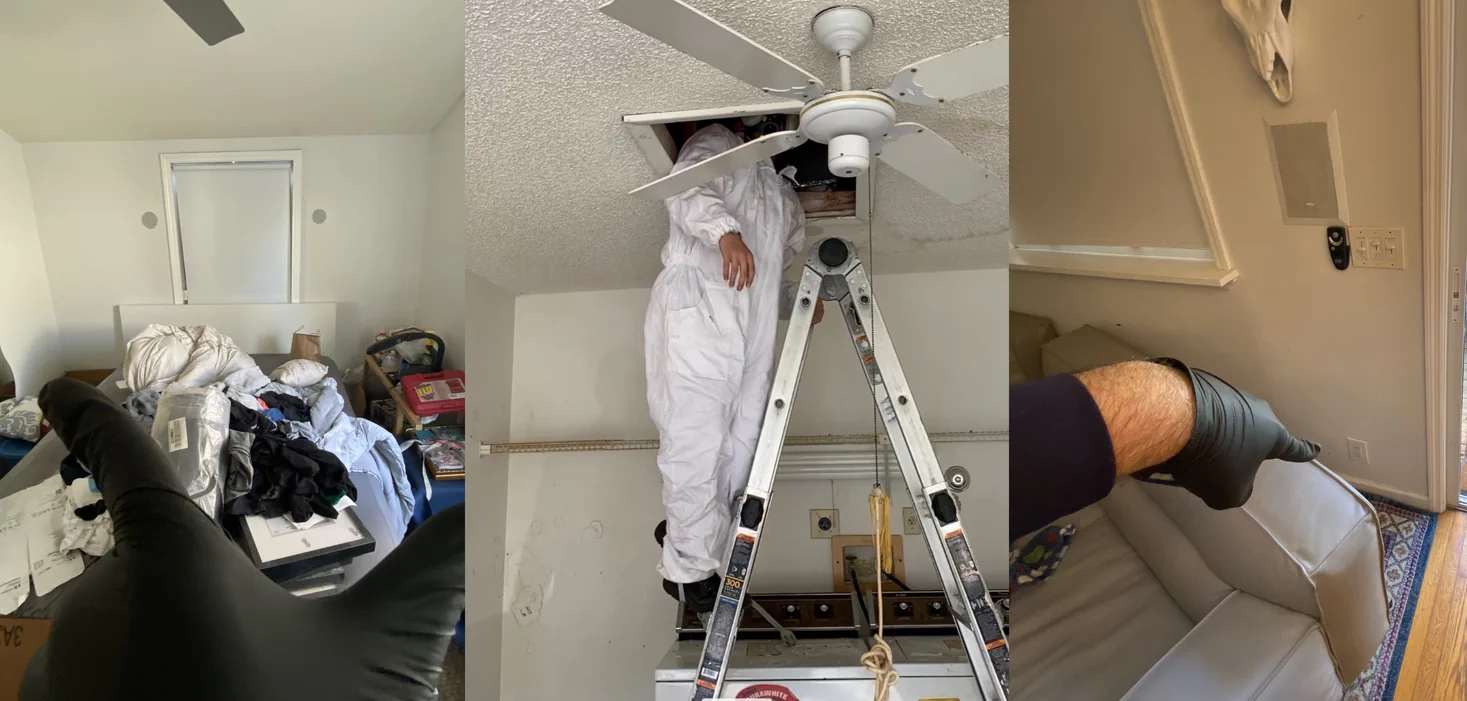
Key Takeaways Clear access to your home’s foundation, attic, crawl space, and garage at least 24 hours before the inspection. Move stored items away from
Key Takeaways The main types of termite treatments include liquid soil treatments, bait systems, fumigation, heat treatment, and spot treatments — each suited to different
Key Takeaways Termite swarmers inside your home are a strong sign of an active or nearby termite colony that needs professional attention. Swarmers are winged
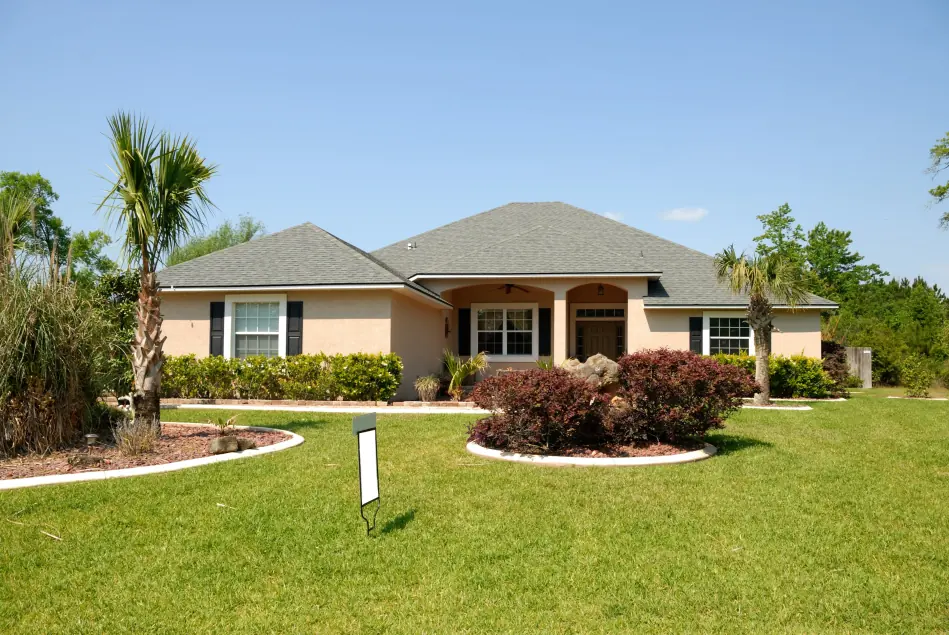
Key Takeaways Heat treatment for termites kills drywood termite colonies by raising indoor temperatures to 120–140°F for several hours. This chemical-free method eliminates termites at
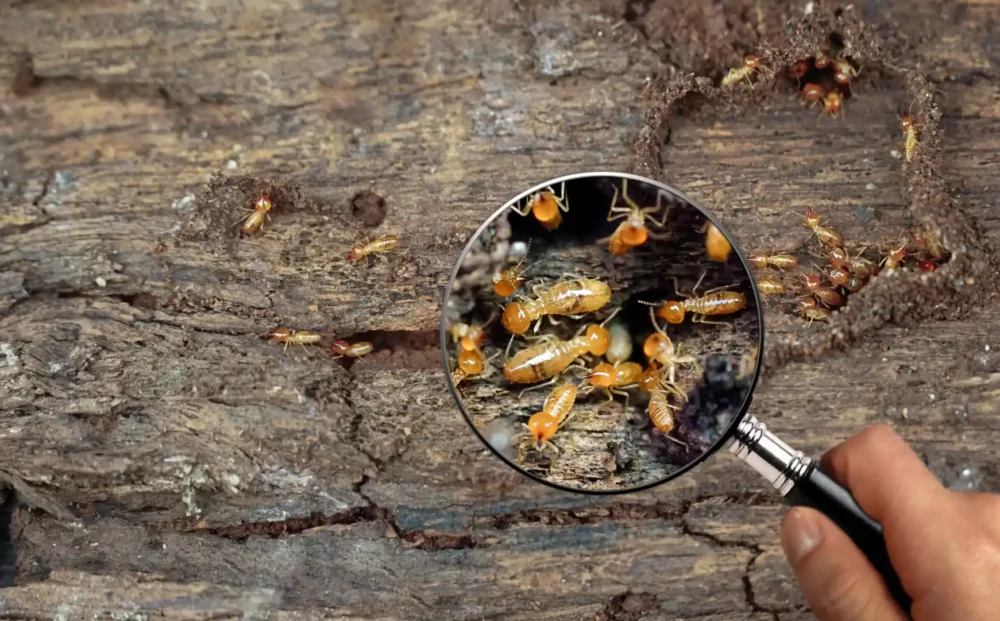
Key Takeaways A thorough termite inspection covers the interior, exterior, crawl spaces, and attic of your home. Mud tubes, frass (drywood termite droppings), hollow-sounding wood,
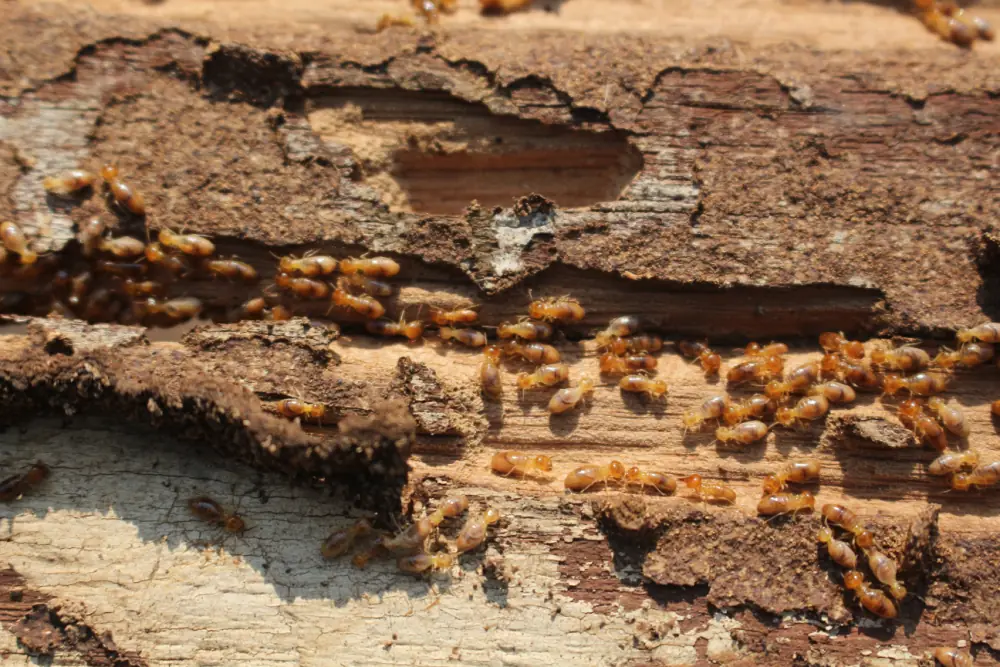
Key Takeaways Subterranean termites have three distinct castes — workers, soldiers, and swarmers — each with a unique appearance. Workers are small, pale, soft-bodied insects
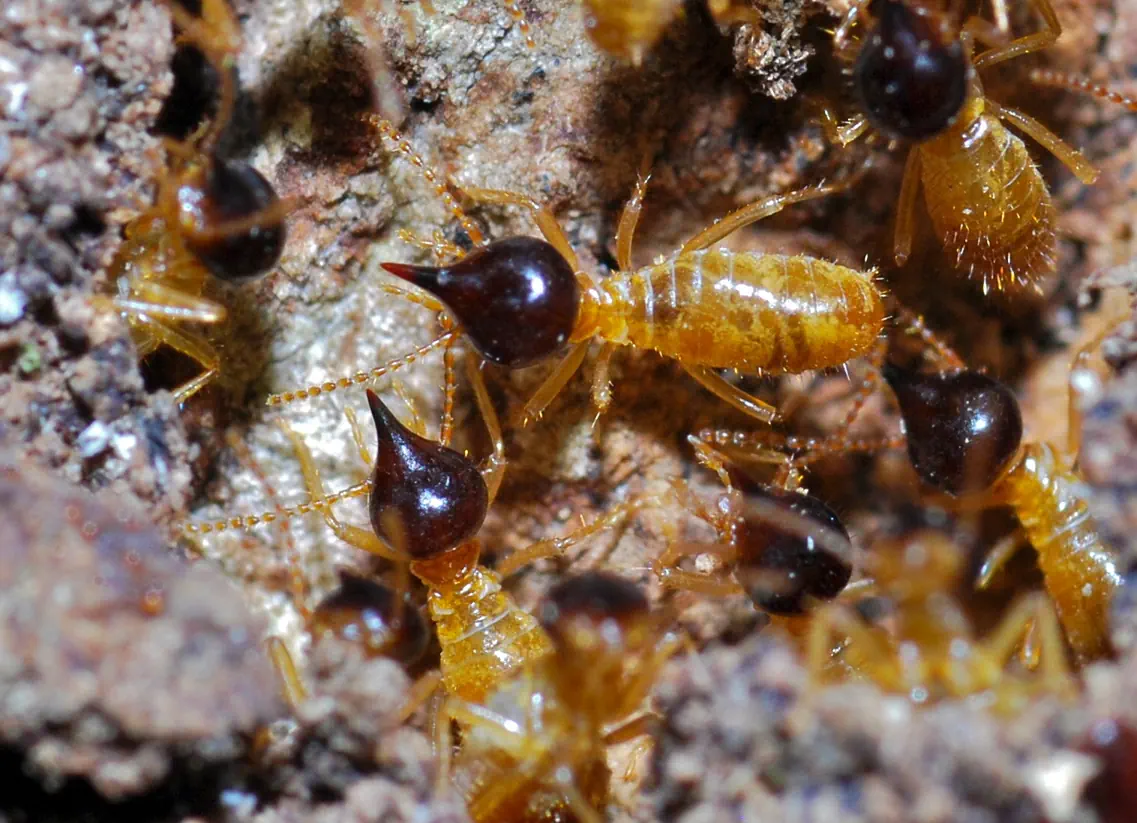
Key Takeaways Nasutitermes soldier termites spray a toxic, glue-like chemical from a nozzle-shaped structure on their heads called a nasus. This chemical defense mechanism makes
Key Takeaways Drywood termites live entirely inside wood and don’t need contact with soil, making them harder to detect than subterranean species. The most reliable
Key Takeaways Termite eggs are tiny, translucent white or yellowish ovals about the size of a grain of sand, making them nearly impossible to spot
Key Takeaways Termite exit holes are small, round openings (about 1/8 inch) that drywood termites create to push out frass and allow swarmers to leave
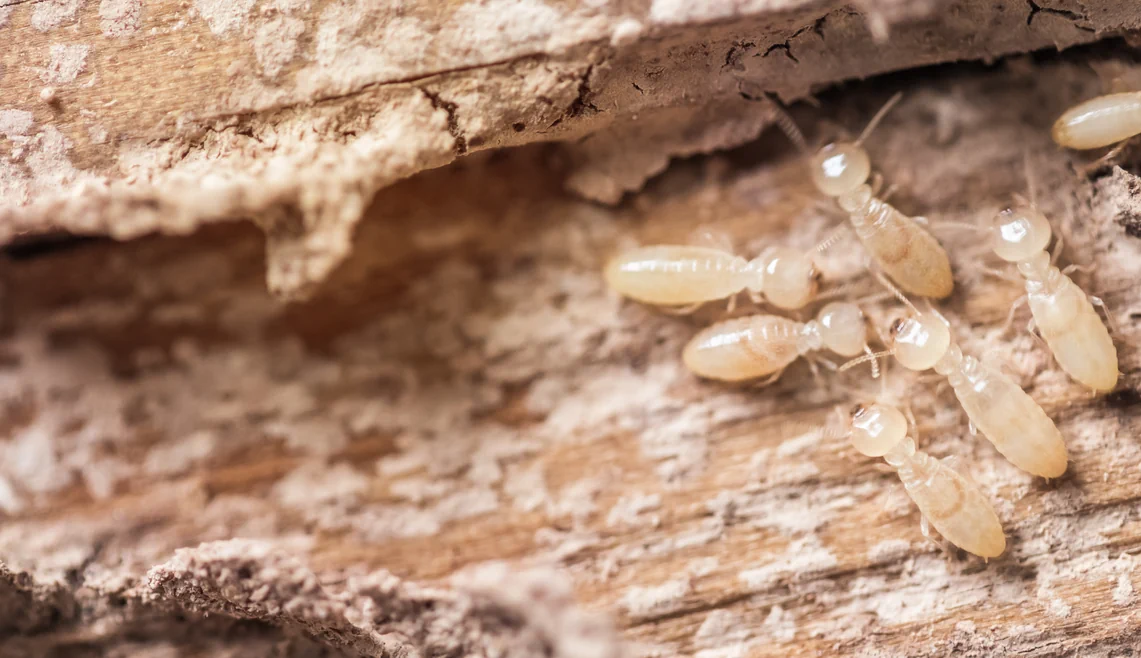
Key Takeaways Baby termites (nymphs) are tiny, translucent white insects about 1/8 inch long that resemble smaller versions of adult worker termites. Finding baby termites
Key Takeaways A standard termite inspection takes between 30 minutes and 2 hours depending on the size and condition of your home. Inspectors examine both
Key Takeaways Winged termites, called swarmers or alates, have straight antennae, a thick waist, and two pairs of equal-length wings. Flying ants look similar but
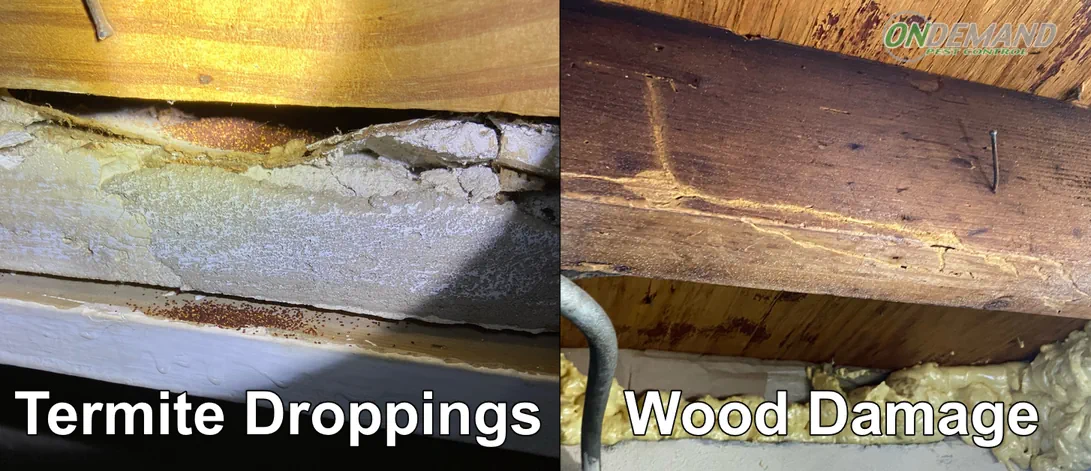
Key Takeaways You can legally sell a home with termite damage in Florida, but you must disclose all known damage and infestations to potential buyers.
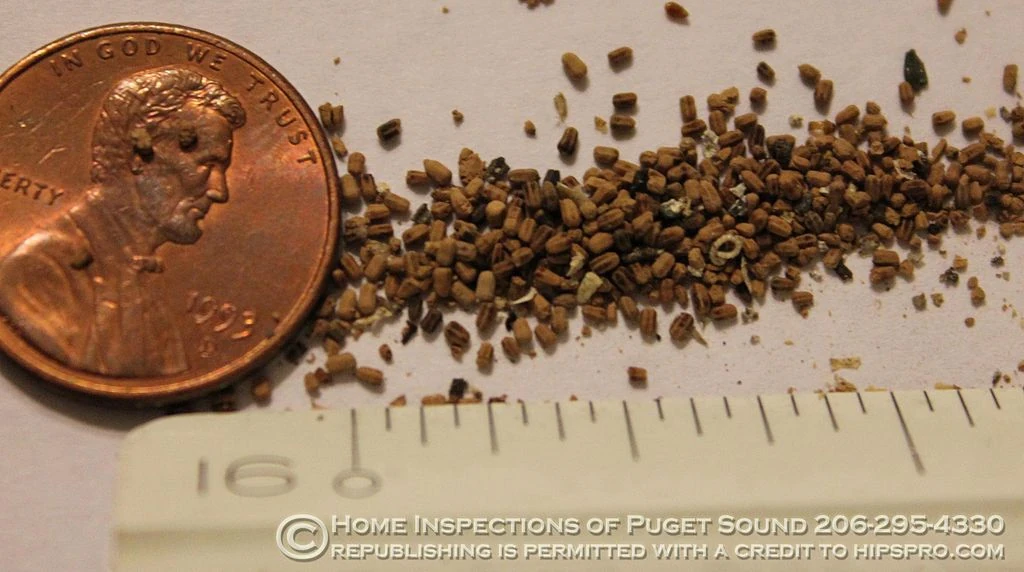
Key Takeaways Termite droppings (frass) are tiny, six-sided pellets that resemble grains of sand or black pepper and are a hallmark sign of drywood termites.
Key Takeaways A failed termite inspection means evidence of active termites or termite damage was found, but it doesn’t mean the deal is dead. Buyers
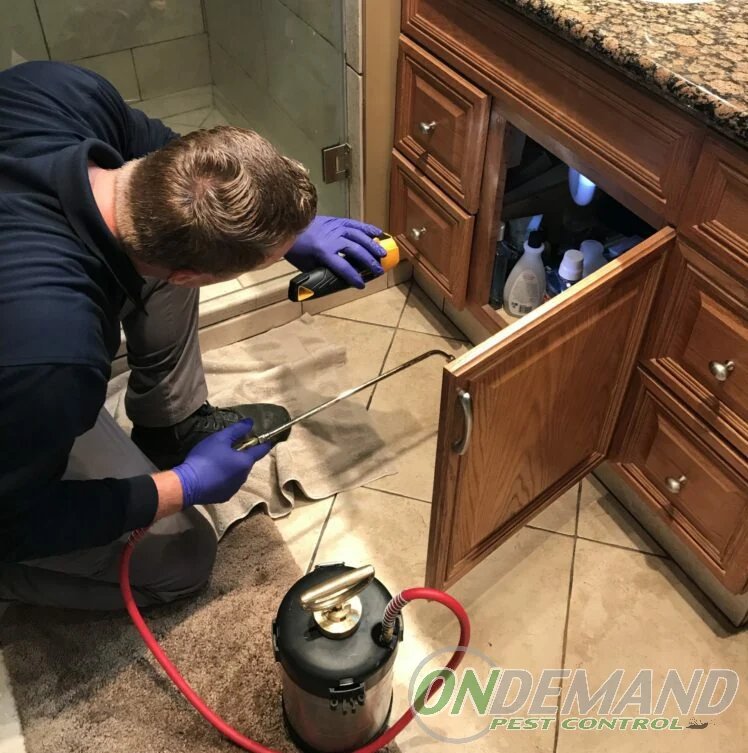
Key Takeaways A termite inspection is not legally required in every state, but most mortgage lenders — especially VA and FHA lenders — mandate one
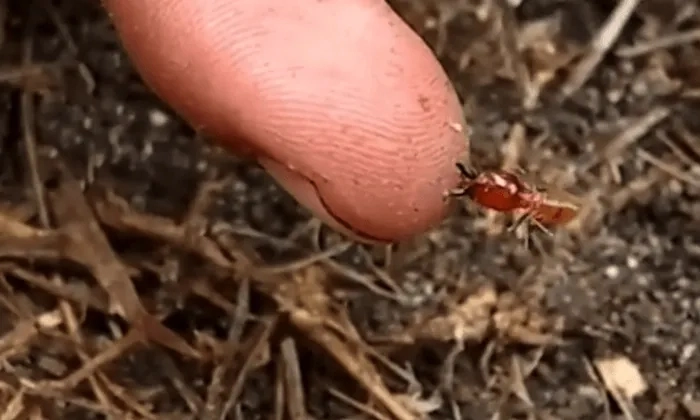
Key Takeaways Termites can technically bite humans, but it is extremely rare and almost never happens in real-world situations. Termite bites are not dangerous, not
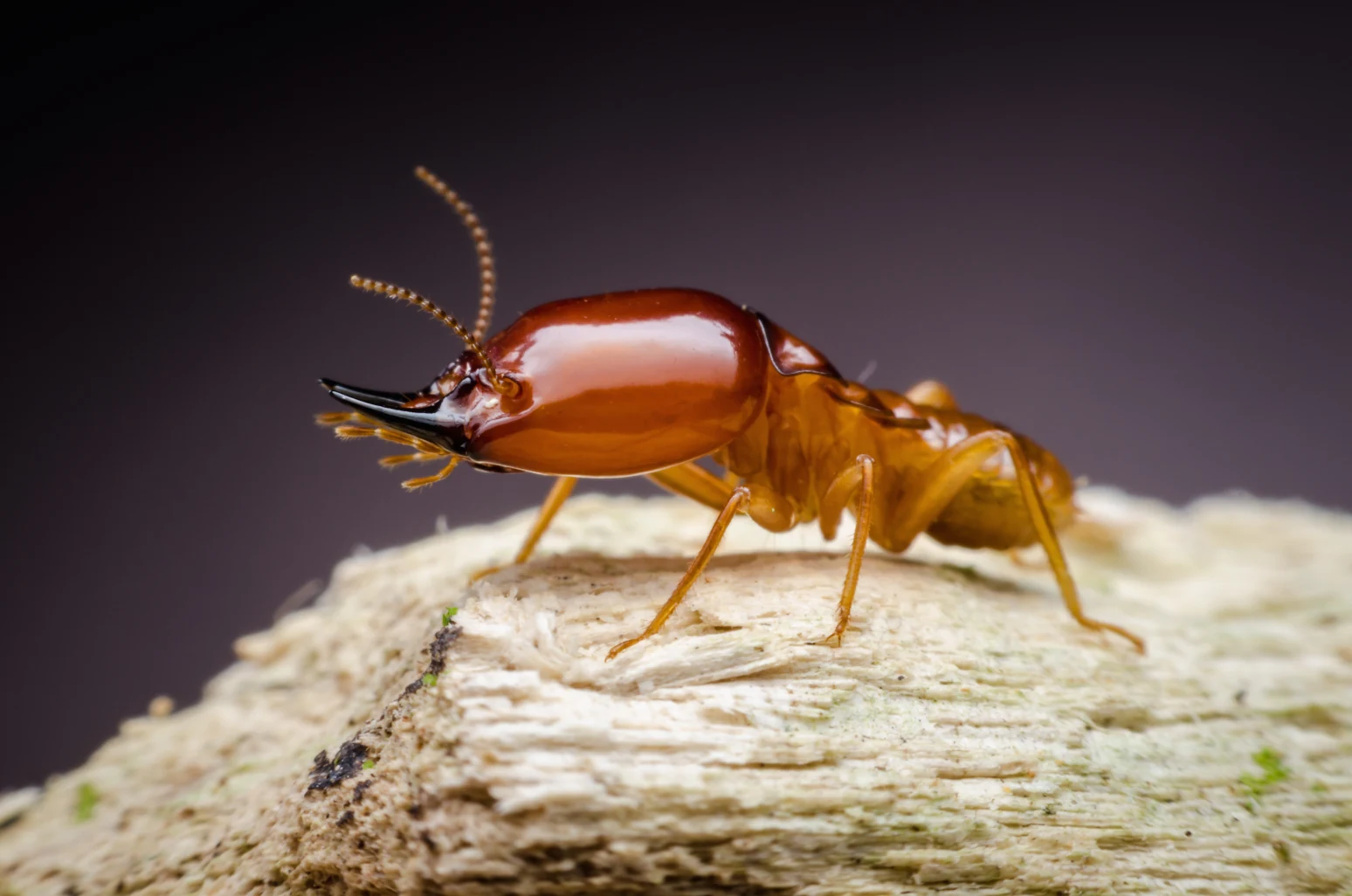
Key Takeaways VA loans require a termite inspection (also called a Wood Destroying Insect report) in most U.S. states, including all of Florida. The buyer,
Key Takeaways Liquid termite treatments typically last 5 to 8 years, while baiting systems require ongoing monitoring to remain effective. Fumigation kills active termites but
Key Takeaways Whole-house fumigation for termites typically costs between $1,200 and $3,500, depending on the size of your home and severity of the infestation. The
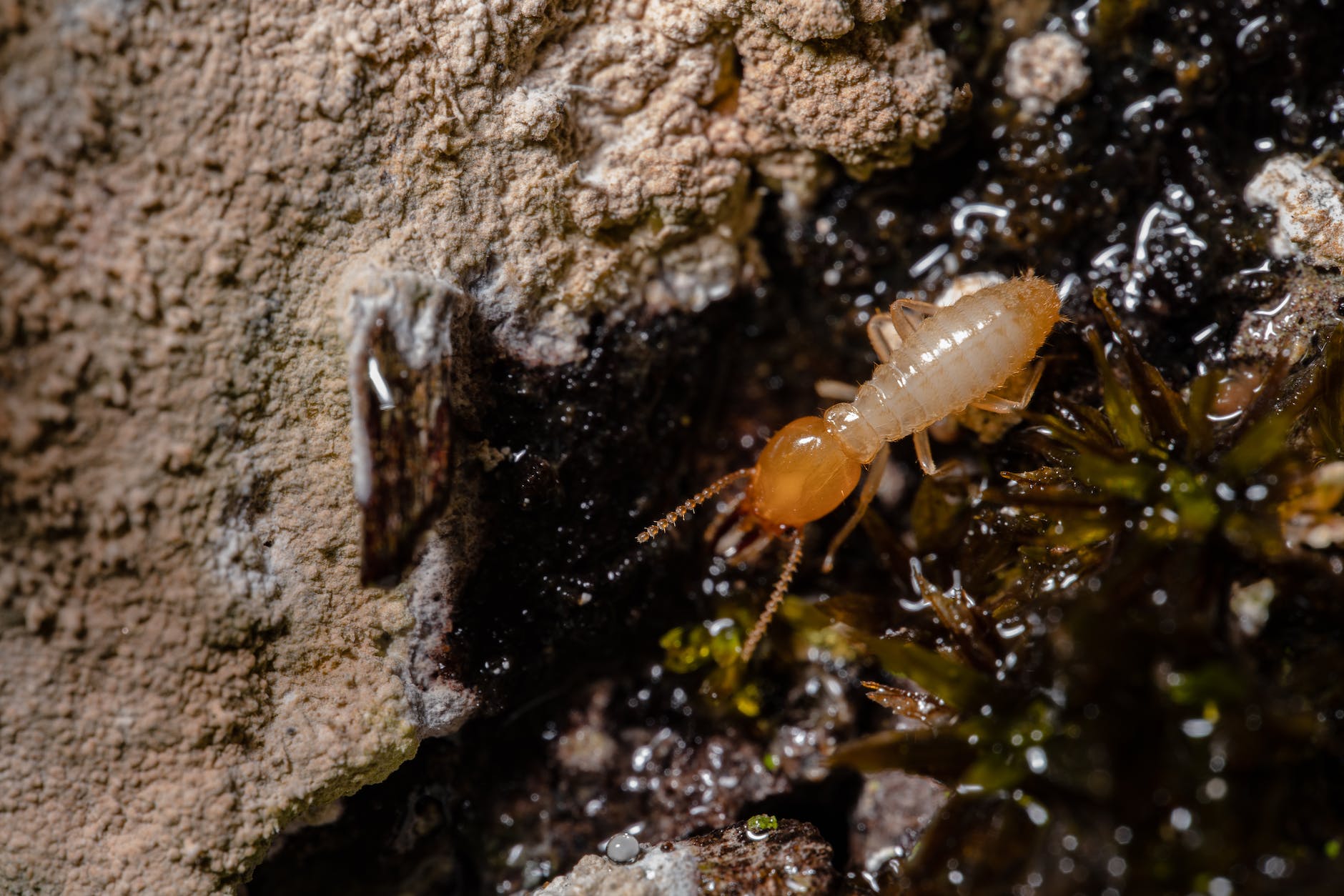
Key Takeaways Most liquid termite treatments need renewal every 5 to 8 years, while bait stations require monitoring every 1 to 3 months. Annual termite
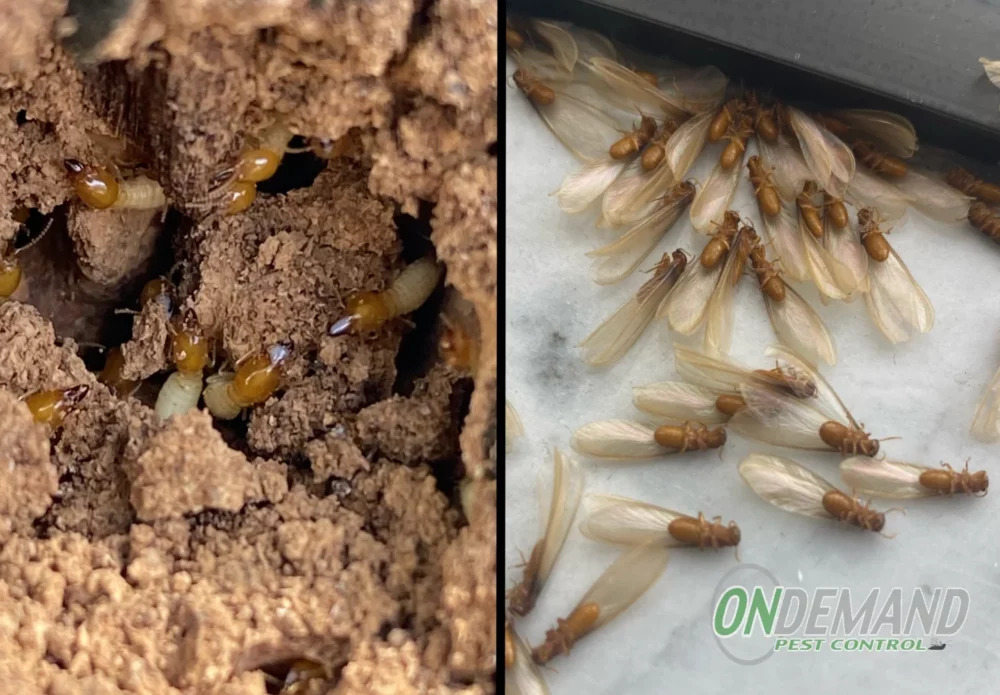
Key Takeaways Fumigation (tenting) is the most effective whole-structure treatment for drywood termites and eliminates colonies hidden deep inside walls. Spot treatments like localized chemical
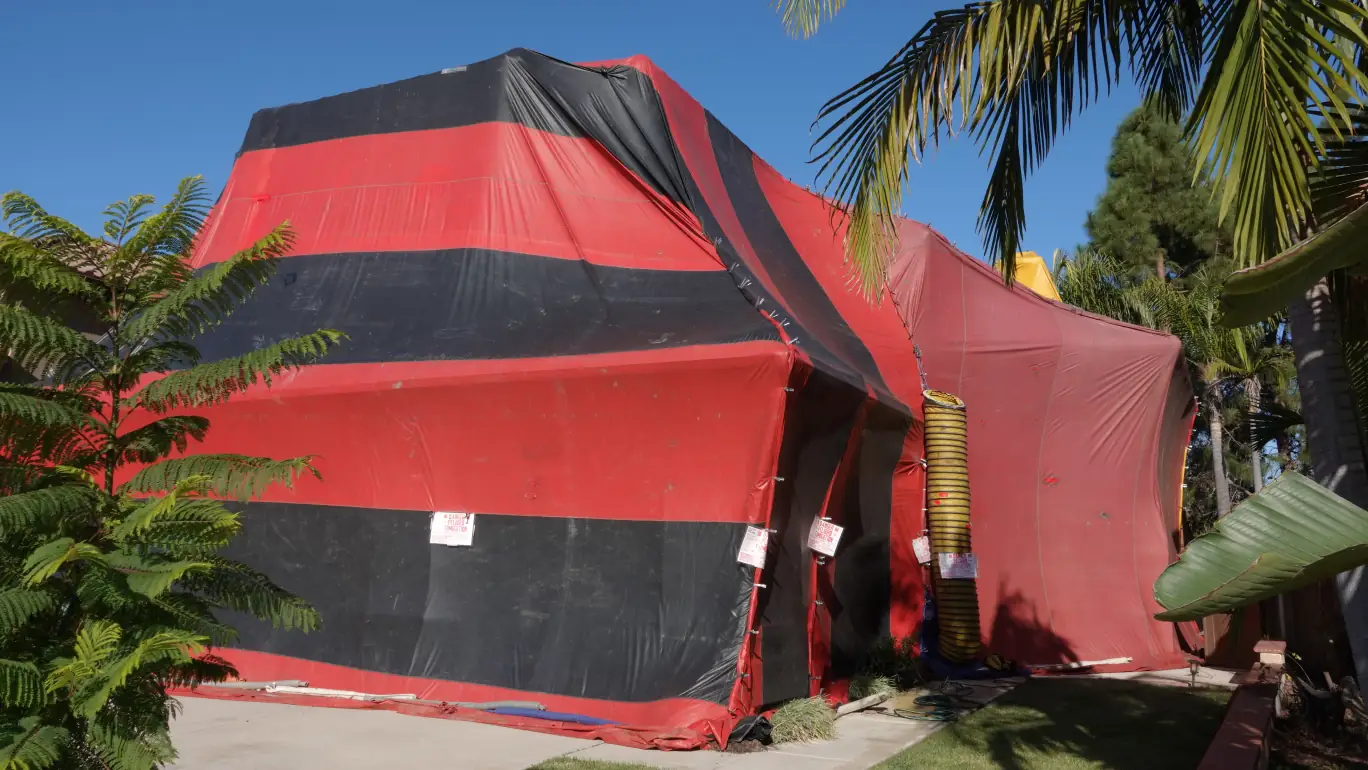
Key Takeaways Tenting for termites (fumigation) is the most effective way to eliminate widespread drywood termite infestations throughout an entire structure. The fumigation process typically
Key Takeaways Natural termite control methods like orange oil, neem oil, and diatomaceous earth can effectively target small, localized infestations without harsh chemicals. Heat treatment
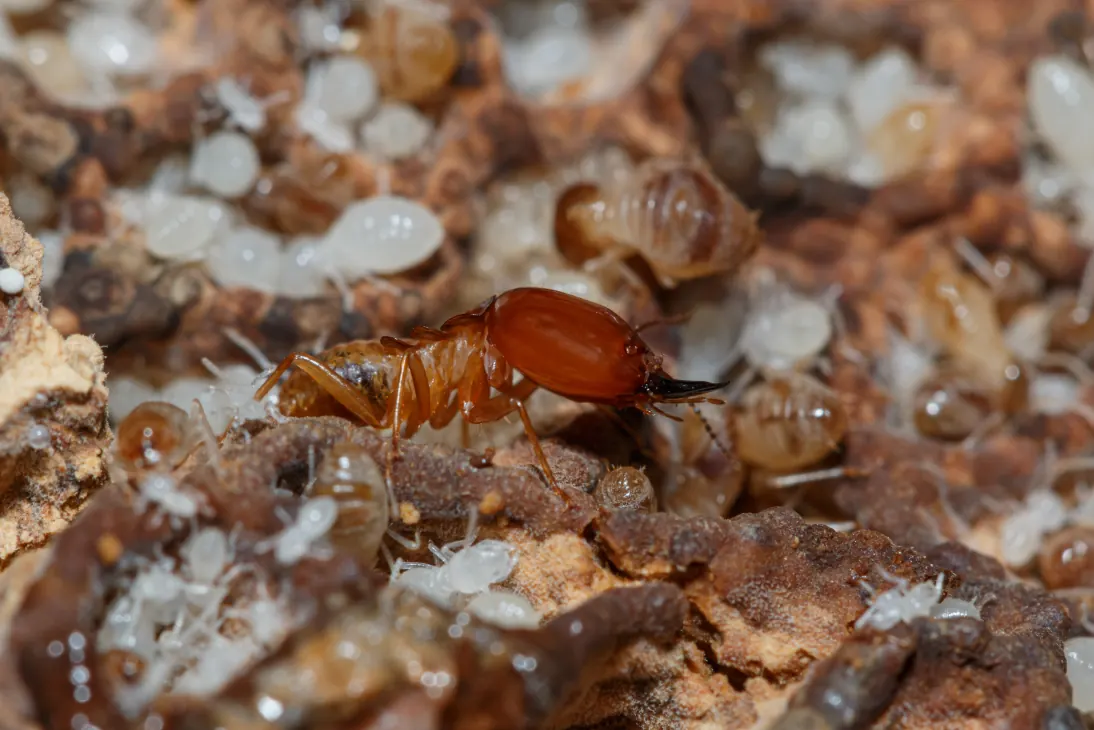
Key Takeaways DIY termite treatment can work for small, localized infestations but has significant limitations against large colonies. Liquid termiticides, bait stations, and boric acid
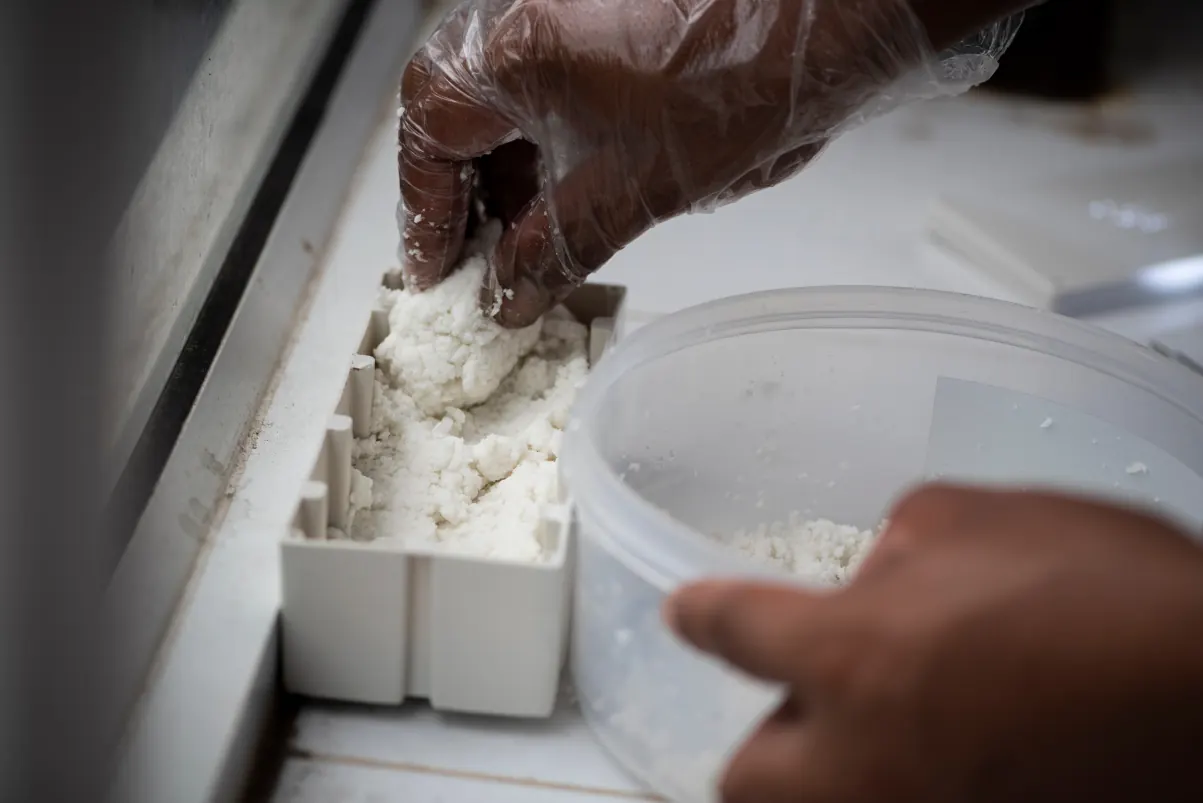
Key Takeaways DIY termite treatments work best for small, localized drywood termite infestations caught very early. Professional termite treatment is significantly more effective for subterranean
Key Takeaways Termite treatment cost ranges from $200 for spot treatments to $3,000+ for whole-home fumigation depending on severity and home size. The type of
Key Takeaways Drywood termites are extremely common throughout Florida, with the highest concentrations in South Florida’s coastal counties. Florida’s warm, humid climate creates year-round conditions
Key Takeaways A termite bond is a renewable service agreement between a homeowner and a pest control company that covers ongoing termite inspections, treatments, and
Key Takeaways Drywood termites live inside the wood they eat, making them harder to detect and treat than subterranean species. Treatment options range from localized
Key Takeaways Drywood termites in Florida swarm primarily from late spring through early fall, with peak activity between April and July. Swarms are triggered by
Key Takeaways Termite mud tubes are pencil-sized tunnels built by subterranean termites to travel between soil and wood safely. There are four distinct types of
Key Takeaways Termites originate from mature colonies that send out winged swarmers to reproduce and establish new nests. Subterranean termites enter homes from underground through
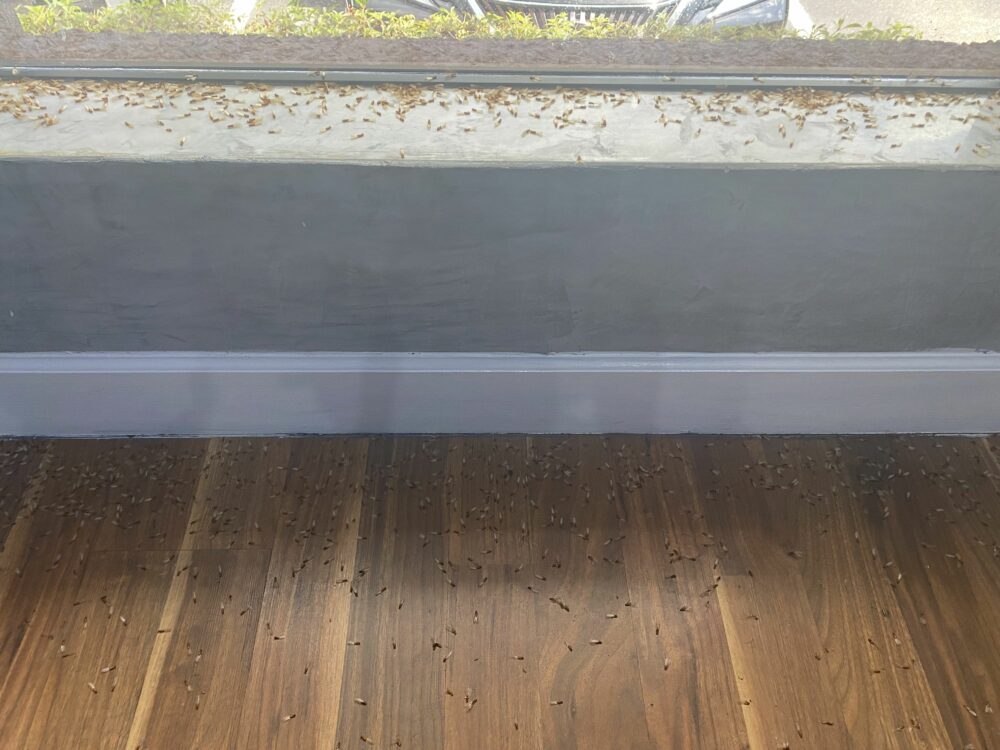
Key Points Termites are difficult to eliminate without addressing the entire colony. Different termite species require different treatment methods. DIY treatments may reduce activity but
Key Takeaways Termite mud tubes, discarded wings, frass (droppings), hollow-sounding wood, and paint bubbling are the five most reliable early signs of termites in Florida
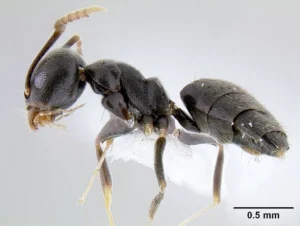
Key Takeaways White-footed ants form massive colonies with multiple queens, making them one of the hardest ant species to control in South Florida. Traditional contact
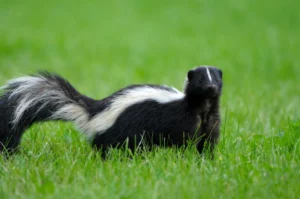
Key Takeaways Skunks are attracted to your property by easy food sources, shelter under structures, and grub-filled lawns. Natural repellents like ammonia, cayenne pepper, and

Key Takeaways Many common household pests remain active during winter and actively seek shelter inside your home. Skipping winter pest control allows hidden infestations to
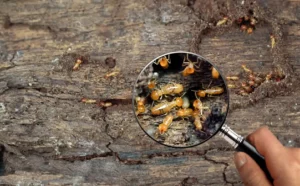
Key Takeaways Termites originate from mature colonies that send out winged swarmers to reproduce and establish new nests. Subterranean termites enter homes from underground through
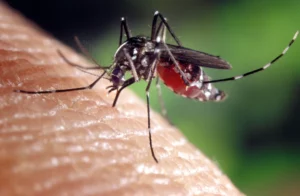
Key Takeaways Mosquito control is important because mosquitoes transmit deadly diseases like Zika, dengue, West Nile virus, and malaria — even in the United States.