
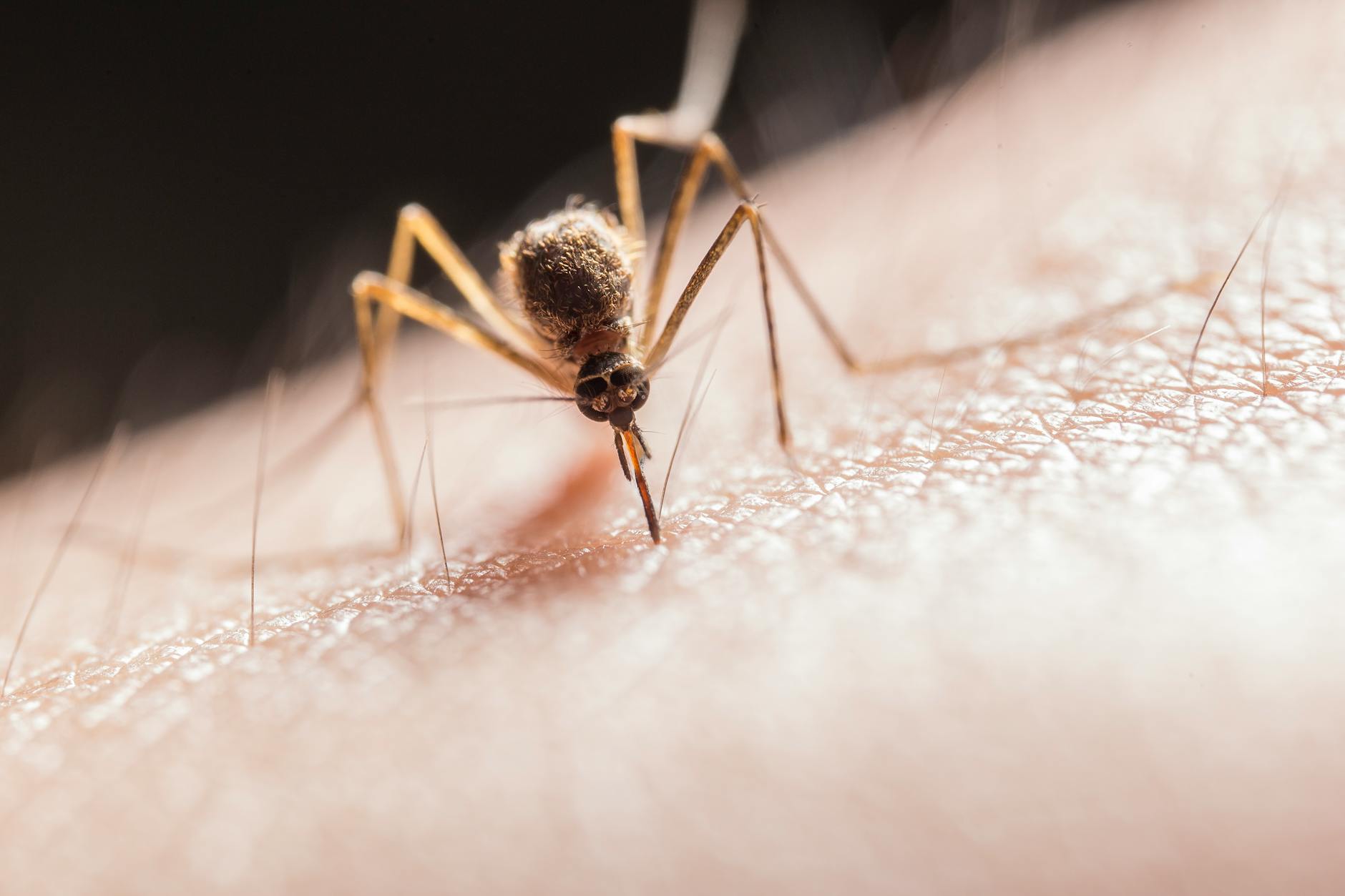
Inspect damaged screens, entry opportunities and water-holding sites when mosquitoes are found indoors. Activity varies by species, weather and location.
Key Takeaways
- Common entry routes include open doors, damaged screens and gaps around windows. A mosquito in a bathroom does not establish entry through plumbing.
- Host-seeking and breeding involve different cues. Inspect actual entry opportunities and water-holding containers; a mosquito sighting does not establish why it entered.
- Sealing cracks, repairing screens, and using door sweeps can block the most common mosquito entry points.
- Indoor breeding sites like plant saucers, pet bowls, and clogged drains can sustain a mosquito population entirely inside your home.
- Exclusion, water-source management and labeled personal protection serve different roles. Professional work should have a defined site-specific scope, not a universal ongoing-protection promise.
Mosquitoes found indoors warrant inspection of screens, doors and water-holding sites. Florida activity varies with species, weather and location. This guide explains useful checks and personal protection without promising that every hidden opening will be found or every mosquito prevented. Related background: Mosquitoes
Why Do Mosquitoes Want to Get Inside Your House?
Before you can stop mosquitoes from entering, it helps to understand what draws them indoors. Mosquitoes don’t wander inside randomly. They follow specific biological cues that lead them straight to you.
Carbon Dioxide and Body Heat
Mosquitoes can respond to host cues including exhaled carbon dioxide, but detection distance varies. Do not assign every mosquito a fixed hundred-and-fifty-foot tracking range.
Host-seeking mosquitoes respond to several cues, but this guide does not assign a particular sensory organ or explain an individual person’s bites from one household observation. Use screens, appropriate repellents and source inspection rather than relying on a presumed personal-attraction diagnosis. Related background: why mosquitoes seem to bite you more than others
Doorway Checks and Water-Holding Sites
Observe mosquito sightings near routinely opened doors and check screen and closure condition. This guide does not establish porch lighting as the cause of mosquito gathering or indoor entry.
Mosquitoes also need moisture to survive and reproduce. Bathrooms, kitchens, and laundry rooms with high humidity are especially appealing. Standing water plays a critical role in mosquito breeding, and even a small dish of stagnant water indoors can become a nursery for larvae.
Common Ways Mosquitoes Get in Your House
Look for damaged screens, poorly sealed frames and regularly open doors. A single pencil-eraser measurement does not define all entry routes.
Torn or Ill-Fitting Window Screens
Window screens are your first line of defense, but they degrade over time. A single small tear or a screen that doesn’t sit flush in its frame creates a gap mosquitoes can easily exploit. In Florida’s climate, UV damage and humidity cause screen mesh to weaken faster than in drier regions.
Inspect screen edges and visible damage regularly and after storms. Repair openings rather than claiming one universal minimum gap admits every mosquito species.
Open Doors and Garage Entries
An open doorway can admit mosquitoes. Activity near doors varies with location and species; it is not established as the number-one route in every home.
Sliding glass doors are another weak spot. The tracks collect debris over time, which prevents the door from sealing completely. That sliver of space along the bottom or side is an open invitation.
Gaps Around Windows and Door Frames
Inspect worn weatherstripping, damaged screens and visible gaps and make suitable repairs. Relevant mesh and closure depend on the insect and installation; daylight alone is not a universal mosquito-entry test.
Check the following areas for gaps:
- Around window air conditioning units
- Between the door frame and the wall
- Under exterior doors without proper door sweeps
- Around pipe and wire penetrations through exterior walls
Plumbing Vents and Drain Pipes
A plumbing or sump-related source is possible in specific circumstances, but should be confirmed rather than assumed. Do not modify roof vents or sanitary plumbing without qualified guidance.
If insects appear near a bathroom drain, identify them; drain flies are often mistaken for mosquitoes. A properly functioning water-filled trap is a plumbing seal. Persistent drainage defects need a plumber, not improvised vent screening.
Attic and Soffit Vents
Your attic needs ventilation, but those soffit vents, gable vents, and ridge vents can also let mosquitoes into your attic space. From there, they may find their way into living areas through recessed light fixtures, attic access hatches, or gaps around ductwork.
Maintain pest screens compatible with the ventilation system and building requirements. Do not cover roof or attic vents with material that restricts required airflow.
How Do Mosquitoes Breed Inside Your Home?
Sometimes the problem isn’t just mosquitoes entering from outside — they may actually be breeding indoors. A female mosquito only needs a tiny amount of stagnant water to lay her eggs. Understanding how long mosquitoes live helps illustrate why even a single breeding female can cause a persistent problem indoors.
Indoor Breeding Sites to Eliminate
You might be surprised by how many potential breeding spots exist inside a typical home:
- Plant saucers and overwatered potted plants
- Pet water bowls that aren’t refreshed daily
- Flower vases with standing water
- Persistent water associated with a plumbing defect: investigate the defect and confirm larvae before calling it mosquito breeding.
- Condensation trays under refrigerators or dehumidifiers
- Basement sump pits without tight-fitting covers
Maintain removable water-holding containers and inspect appropriate sources. Suitable source reduction or label-compliant larval management can reduce development opportunities, but does not guarantee that all future adults or outside arrivals are prevented. Related background: Controlling mosquitoes at the larval stage
How to Mosquito-Proof Your House: A Room-by-Room Approach
Now that you know where mosquitoes get in and where they breed, it’s time to close every gap. Here’s a systematic approach organized by area of the home.
Front and Back Doors
Install or replace door sweeps on every exterior door. Choose a brush-style sweep that creates a tight seal against the threshold. For frequently used doors, consider adding a self-closing mechanism or a screen door as a secondary barrier.
Observe entry when doors are opened and maintain appropriate screens and closures. This guide does not establish light color as a verified mosquito-control intervention.
Windows Throughout the Home
Repair torn screens and ensure frames fit tightly. Choose mesh and installation compatible with the window and ventilation requirements rather than a universal twenty-by-twenty prescription.
If you use window-mounted AC units, seal the gaps around the unit with foam insulation strips or weatherstripping tape.
Bathrooms and Kitchens
Maintain seldom-used plumbing traps according to plumbing guidance. Do not pour household insecticide into drains or alter vents and traps as a pest-control shortcut.
Manage humidity and maintain exhaust systems, but humidity reduction is not an entry barrier. Some mosquitoes bite during daylight; do not assume evening is the only exposure period.
Garage and Utility Areas
Keep the garage door closed whenever possible, especially at dusk and dawn. Seal the gap between the garage door and the concrete floor with a rubber threshold seal. Check the interior door leading from the garage into the home and treat it like an exterior door — add weatherstripping and a door sweep.
Does Mosquito Entry Differ by Season in Florida?
In most of the United States, mosquito activity drops sharply in winter. Florida is different. Warm temperatures and frequent rain create year-round mosquito pressure, though intensity does vary by season.
| Season / weather context | Mosquito activity: species matters | Entry risk and useful check |
|---|---|---|
| Spring (March–May) — when warmth and water return | Water-filled containers can support development as conditions allow; rates depend on water temperature and species. Aedes aegypti readily bites by day. | An open, unscreened window creates an entry opportunity during daytime as well as evening use. Repair and use window screens; check rain-filled planters and other containers. |
| Summer (June–August) — warm, rainy conditions | UF/IFAS describes July–August as Florida’s rainy-season and mosquito-season peak. This does not mean every species or location peaks together; Culex quinquefasciatus is nighttime-active. | Open exterior or garage doors provide access while adults are nearby. Close them promptly; include nighttime garage use in the check, while retaining daytime protection against A. aegypti. |
| Fall (September–November) — rain, flooding or storm damage | Water can sustain aquatic stages while conditions remain suitable. The salt-marsh mosquito, Aedes taeniorhynchus, is a strong flier and a major summer/early-fall pest; it is not the explanation for every indoor mosquito. | If a storm tears screens or leaves doors open during cleanup, restore those barriers. Empty and scrub water-holding items weekly; standing water is a breeding opportunity, not an entry hole. |
| Winter (December–February) — cooler weather, with local variation | Cooler weather can reduce flight, but the calendar alone cannot establish that a home has no mosquitoes. Development varies with temperature and species; adults that enter may use indoor water-holding containers. | Whenever mosquitoes are present, open doors and damaged screens remain access routes. Keep barriers working and inspect indoor vases and flowerpot saucers weekly, even during quieter outdoor periods. |
| Time of day is species-specific: A. aegypti readily bites by day, indoors and outdoors; C. quinquefasciatus is active at night. Dusk-only precautions leave daytime entry opportunities unaddressed. | ||
| Season labels are a reading aid, not biological cutoffs or a forecast for every Florida address. CDC recommends using screens, closing doors including garages, and weekly water-container maintenance. Weather can change mosquito production; an actual opening is still required for entry from outside. | ||
Because mosquitoes remain active in Florida’s mild winters, keeping your home sealed is a year-round commitment. Learning how to keep mosquitoes out of your yard reduces the population near your home, which in turn reduces indoor entry pressure.
When to Call a Professional for Mosquitoes in Your House
DIY prevention goes a long way, but some mosquito problems require professional intervention. If you’ve sealed every visible entry point, eliminated standing water, and still find mosquitoes inside your home regularly, the breeding source or entry point may be hidden somewhere you can’t easily inspect.
A qualified provider or local mosquito-control program can assess sources and suitable management. Trap systems and larvicides have particular placement and maintenance requirements; no universal ongoing perimeter protection is promised. For related background, see In2Care mosquito trap system.
Mosquito species differ in their ability to transmit disease, and local risk changes. Follow current public-health advice and seek medical care for concerning symptoms after bites. Species identification and source inspection are useful without claiming every indoor mosquito is infected. For related background, see why mosquito control is important.
Inspect the route of entry before altering plumbing
Record where the adults are actually seen and confirm that they are mosquitoes. Small hairy drain flies and other flies can appear in bathrooms and require different source work. A mosquito near a sink does not prove that it traveled through the trap or that the ventilation system contains larvae.
Check accessible screen edges, door thresholds and the opening around a window air conditioner. Observe whether a door is held open during deliveries or whether a garage connects to an unsealed interior doorway. Repair the physical route, while preserving required ventilation and safe access.
Inspect water-holding containers inside and immediately outside the room, including saucers and stored vessels. Where a plumbing defect, sump or inaccessible water source is suspected, ask the appropriate professional to inspect it. Do not block vents, pour household pesticide into drains or dismantle fittings as a shortcut.
After repairs, compare sightings at the same times and locations without relying on a single species-wide activity schedule. Some mosquitoes are active during daylight. Adults can come from outside the property, so indoor exclusion and outdoor source reduction should be assessed separately and maintained together.
Choose a household inspection time that reflects actual use. Watch the front door during deliveries, the patio door when children or pets go out and the garage connection during unloading. A rarely opened window may be less important than a door held open several times daily. This observation helps direct a small repair or behavior change without guessing that every vent is responsible.
If screens were repaired yet adults continue appearing, photograph the insect again and reassess the water and entry record. A persistent fly source can mimic a mosquito problem, and adult mosquitoes can arrive from outside the immediate property. Retaining identification evidence avoids repeating plumbing changes that never addressed the actual cause.
Sources and further reading
Frequently Asked Questions
-
Can mosquitoes come through air conditioning vents?
A damaged opening around a window unit or building penetration can allow entry. A mosquito sighting does not prove travel through intact sealed ductwork; inspect the actual gap.
-
Why do I have mosquitoes in my house even with the windows closed?
Doors, screen edges, building gaps or transported items may be involved, and standing water should be checked. Identify the insect before assuming a drain or ventilation source.
-
How many mosquitoes can breed from a small amount of standing water?
The number varies with species and conditions. Inspect and empty or manage water sources rather than estimating a mosquito count from container volume.
-
What time of day are mosquitoes most likely to enter my house?
Species differ: some bite during the day and others around dusk or night. Maintain exclusion throughout use rather than relying on an evening-only rule.
-
Do mosquitoes travel far to get inside a home?
Flight range varies by species and conditions. Source reduction on the property helps but cannot guarantee that all adults originate there.
-
Will keeping my house cold stop mosquitoes from coming inside?
Air conditioning may improve comfort, but a cooler room is not an entry barrier. Repair screens and gaps and address suitable water sources.
Get help with your pest concern.
Tell us what you are seeing. Our team can discuss the concern and the next step.
- Share your concern and contact details.
- Our team contacts you to discuss available service.
- Ask for a written scope and quote before work.
Where can we reach you?
Our team will call to confirm the next step.
By submitting, you’re asking On Demand Pest Control to contact you about this request.
↗ Prefer to call? (954) 947-0805