Table of Contents
ToggleKey Takeaways
- Integrated pest management (IPM) combines prevention, monitoring, and targeted treatments to control pests with minimal chemical use.
- South Florida’s warm, humid climate makes IPM especially valuable because pest pressure is year-round and diverse.
- IPM prioritizes long-term solutions like habitat modification and exclusion over repeated pesticide applications.
- Biological controls, cultural practices, and mechanical methods all play a role in a well-designed IPM program.
- Professional pest control companies trained in IPM deliver safer, more sustainable results than blanket chemical treatments alone.
Integrated pest management is the gold standard approach that South Florida homeowners need to understand — especially when pests like American cockroaches, termites, mosquitoes, and ants thrive in our subtropical climate nearly every month of the year.
Rather than relying solely on chemical sprays and hoping for the best, IPM takes a strategic, science-backed approach that addresses the root causes of pest problems. It combines prevention, careful monitoring, and targeted treatments to keep pest populations below harmful levels.
In this guide, you’ll learn exactly how integrated pest management works, why it’s uniquely suited to South Florida conditions, and how each component of an IPM program protects your home and family more effectively than traditional methods alone.
What Is Integrated Pest Management?
Integrated pest management — commonly called IPM — is a systematic decision-making process for managing pests. It doesn’t rely on a single tactic. Instead, it combines multiple strategies to achieve long-term pest suppression while minimizing risks to people, pets, and the environment.
The U.S. Environmental Protection Agency developed IPM principles decades ago, and they remain the foundation of modern pest control science. At its core, IPM asks a simple question before any treatment: What is the most effective and least harmful way to solve this pest problem?
IPM is not anti-chemical. Pesticides still have a role. However, they’re used as a last resort and applied in a targeted way — not as the first or only line of defense. This makes integrated pest management both smarter and more sustainable than traditional spray-and-pray methods.
How IPM Differs From Traditional Pest Control
Traditional pest control often follows a calendar-based schedule. A technician arrives, applies a broad-spectrum pesticide, and leaves. The problem may return weeks later because the underlying causes — entry points, moisture, food sources — were never addressed.
IPM flips this model. It starts with inspection and identification, determines the cause of the infestation, and then selects the least-toxic effective solution. Treatments are based on pest activity thresholds, not arbitrary timelines. Many homeowners wonder whether professional pest control is worth the investment, and IPM is precisely why the answer is yes — it delivers lasting results rather than temporary fixes.
Why Integrated Pest Management Matters in South Florida
South Florida’s subtropical climate creates perfect conditions for pest activity year-round. High humidity, warm temperatures, heavy rainfall, and abundant vegetation give pests every advantage. This is why integrated pest management matters more here than almost anywhere else in the country.
Consider the numbers: South Florida deals with more than 30 common household pest species on a regular basis. From subterranean termites to German cockroaches, from fire ants to roof rats, the diversity of pest pressure demands a multi-layered response.
A one-size-fits-all chemical treatment simply cannot address all of these threats effectively. IPM’s flexible, targeted framework allows professionals to tailor their approach to your specific pest challenges, your property’s vulnerabilities, and South Florida’s unique environmental conditions. Understanding how rain and weather patterns drive pest behavior in South Florida is a key part of this approach.
The Four Pillars of an Integrated Pest Management Program
Every effective IPM program rests on four foundational pillars. These work together in sequence, ensuring that each step builds on the one before it. Skipping any one of these pillars weakens the entire system.
1. Inspection and Identification
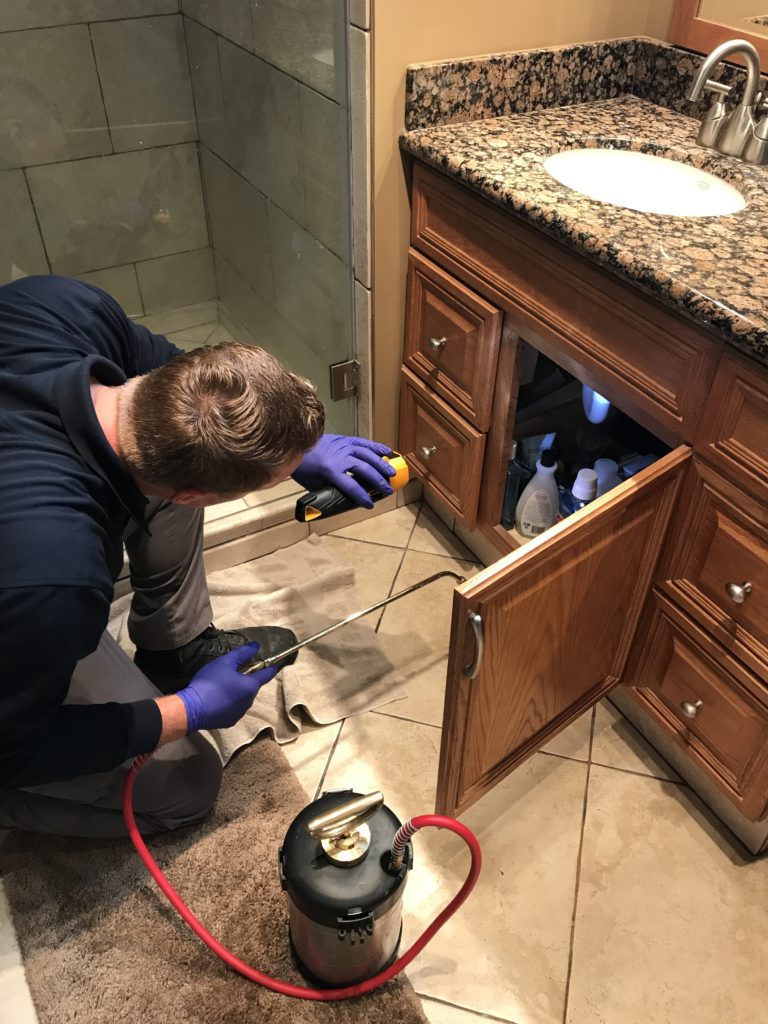
The first step is always a thorough inspection. You can’t manage a pest you haven’t correctly identified. Different species require different treatments, so accurate identification is critical.
During an inspection, a trained technician looks for:
- Live pests and evidence of activity (droppings, shed skins, damage)
- Entry points such as gaps around pipes, cracks in foundations, and damaged screens
- Moisture sources that attract pests — leaking faucets, poor drainage, standing water
- Food sources including crumbs, pet food, and improperly stored pantry items
This step is so important that regular pest inspections are essential for protecting your property, even when you don’t see obvious signs of a problem.
2. Setting Action Thresholds
Not every pest sighting requires treatment. IPM establishes action thresholds — the point at which pest populations or environmental conditions indicate that control action is needed.
For example, seeing a single ant in your kitchen doesn’t necessarily mean you have an infestation. However, seeing a trail of dozens heading toward a food source crosses the threshold. This prevents unnecessary treatments and keeps interventions proportional to the actual threat.
3. Prevention and Cultural Controls
Prevention is the most cost-effective form of pest control. IPM emphasizes modifying the environment to make your home less hospitable to pests. Cultural controls include:
- Sealing cracks and gaps in your home’s exterior
- Installing door sweeps and repairing window screens
- Reducing moisture through proper ventilation and fixing leaks
- Keeping landscaping trimmed back from the structure
- Storing food in airtight containers
Physical exclusion is one of the most powerful IPM tools available. Learning what exclusion means in pest control can help you understand why sealing your home is often more effective than spraying it.
4. Targeted Treatment and Control
When prevention alone isn’t enough and action thresholds have been crossed, IPM uses the least-toxic effective treatment. This could include biological controls, mechanical controls, or carefully selected chemical treatments.
The key word is targeted. Rather than spraying an entire home, an IPM-trained technician applies treatments precisely where pests are active. This reduces chemical exposure, lowers costs, and delivers better long-term results.
Types of Pest Control Methods Used in IPM
Integrated pest management draws from a diverse toolbox. Each method has strengths and ideal use cases. A good IPM program selects and combines methods based on the specific pest, the severity of the problem, and the environment.
| Control Method | How It Works | Best Used For |
|---|---|---|
| Biological | Uses natural predators, parasites, or pathogens to suppress pest populations | Garden pests, mosquito larvae, certain lawn pests |
| Mechanical / Physical | Traps, barriers, screens, and exclusion devices physically block or capture pests | Rodents, crawling insects, wildlife |
| Cultural | Modifies human behavior and the environment to reduce pest attraction | All pest types — prevention-focused |
| Chemical | Uses targeted pesticides (baits, gels, sprays) as a last resort | Severe infestations, fast-acting control needed |
For homeowners interested in reducing chemical reliance, eco-friendly pest control methods align closely with IPM’s philosophy. Both prioritize safety and sustainability without sacrificing effectiveness.
How Does Integrated Pest Management Work in Your Home?
Understanding IPM theory is one thing. Seeing how it works in a real South Florida home brings the concept to life. Here’s a practical example of IPM in action.
IPM in Practice: A Cockroach Scenario
Imagine you’re finding American cockroaches in your kitchen and bathrooms. Here’s how an IPM approach would handle it:
- Inspect: A technician identifies the species, locates harborage areas, and finds entry points — in this case, gaps around plumbing under the sink and a broken seal on an exterior door.
- Assess: The population is established, with egg cases found in multiple locations. The action threshold is clearly crossed.
- Prevent: The technician seals plumbing penetrations, recommends a door sweep replacement, and advises reducing moisture under sinks. One particularly effective long-term strategy is installing pest control insulation in attic spaces, which acts as both a thermal barrier and a pest deterrent.
- Treat: Gel bait is applied in cracks and crevices where cockroaches are active. No broadcast spraying is needed.
- Monitor: Sticky traps are placed in key areas. The technician returns in two weeks to check progress and adjust the plan.
This layered approach eliminates the current problem and prevents it from returning. That’s the power of integrated pest management.
Common IPM Strategies for South Florida Pests
Different pests require different IPM tactics. South Florida homeowners commonly deal with a handful of persistent species. Here are targeted IPM strategies for the most common offenders.
Termites
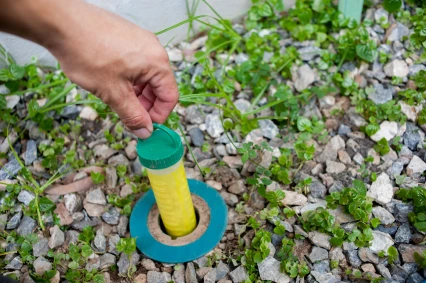
Subterranean termites are South Florida’s most destructive pest. IPM for termites includes regular inspections, moisture reduction around the foundation, removing wood-to-soil contact, and using baiting systems that target colonies directly rather than broadcasting liquid treatments everywhere.
Mosquitoes
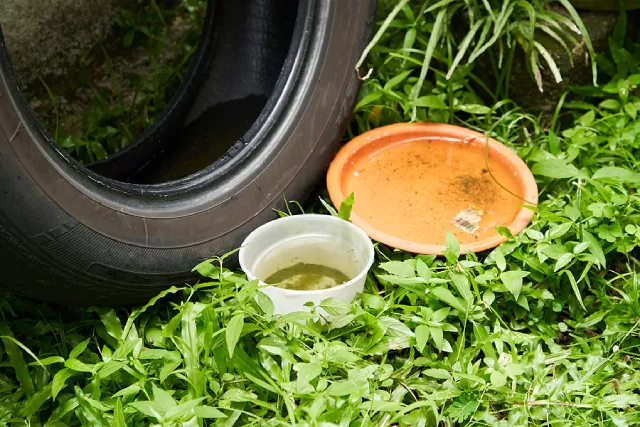
Mosquito IPM focuses heavily on source reduction. Eliminating standing water in gutters, plant saucers, and toys removes breeding habitat. Larvicides can treat standing water that can’t be drained. Adult mosquito treatments are used sparingly and targeted to resting areas like dense vegetation.
Ants
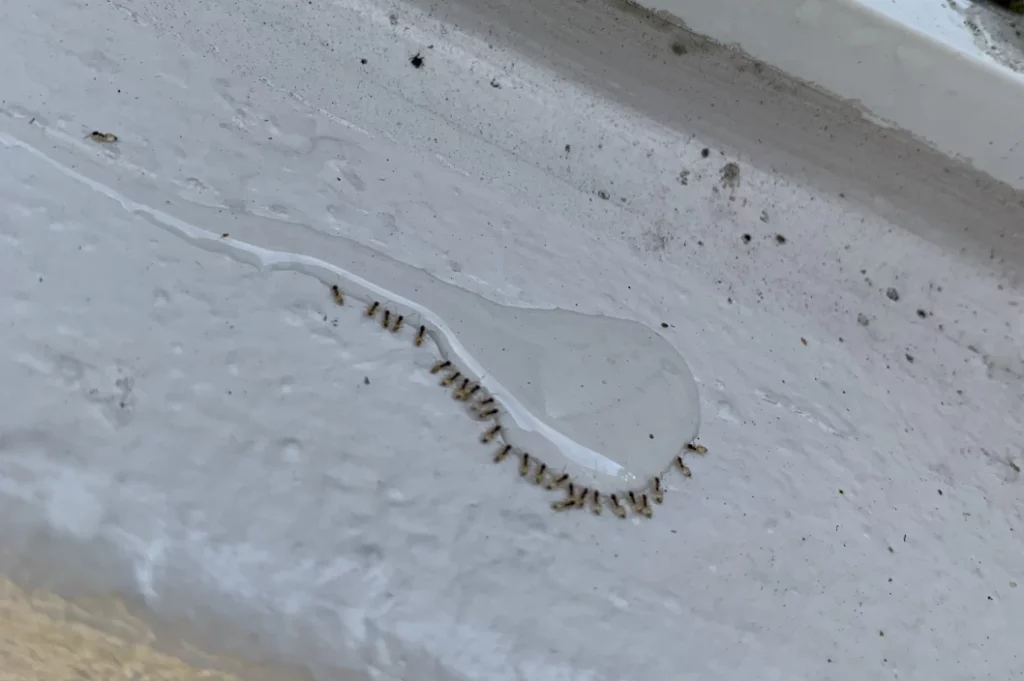
South Florida hosts dozens of ant species. IPM for ants starts with proper identification — ghost ants need different bait than fire ants. Sealing entry points, removing food attractants, and using targeted baits placed along foraging trails provide effective, long-term control. Following essential pest control tips for Florida homeowners can help you maintain ant-free conditions between professional treatments.
Rodents
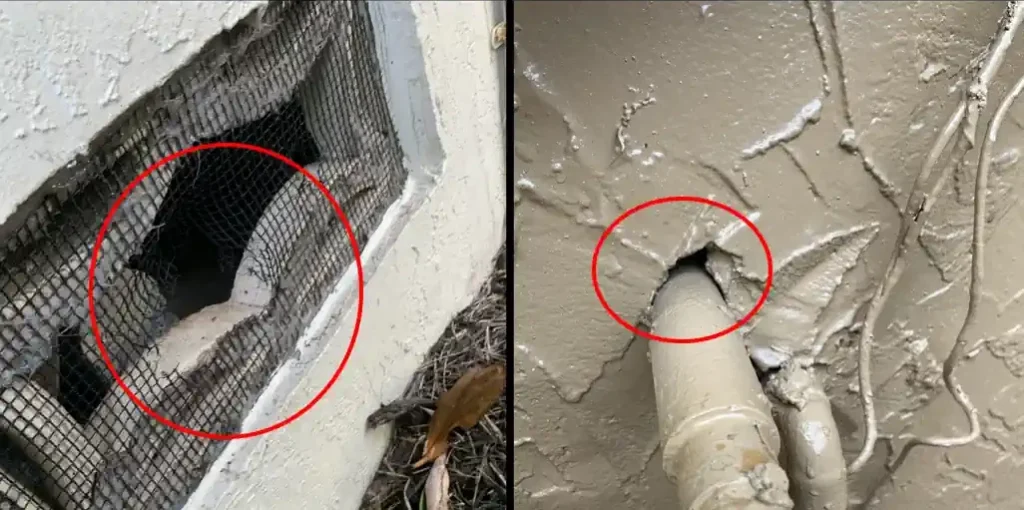
Roof rats are the dominant rodent pest in South Florida. IPM for rodents emphasizes exclusion — sealing every opening larger than a quarter. Trimming tree branches that touch the roof eliminates access. Snap traps placed along travel routes handle active populations without the risks of rodenticides.
Benefits of Choosing an IPM-Based Pest Control Provider
Not all pest control companies practice integrated pest management. Choosing one that does gives you significant advantages over traditional service models.
- Reduced chemical exposure: Your family and pets face fewer risks from unnecessary pesticide applications. If you’re concerned about safety during treatments, understanding how to keep pets safe during pest control is especially important.
- Long-term effectiveness: Because IPM addresses root causes, results last longer and recurrence rates drop.
- Cost savings: Preventing infestations is cheaper than treating them repeatedly.
- Environmental responsibility: Targeted treatments protect beneficial insects, pollinators, and local ecosystems.
- Better monitoring: Ongoing inspections catch new problems early, before they become major infestations.
When evaluating providers, look for companies that emphasize inspection, identification, and prevention — not just spraying. A reliable guide to choosing the best pest control company can help you ask the right questions and find a provider committed to IPM principles.
Frequently Asked Questions
-
What does integrated pest management mean for homeowners?
For homeowners, integrated pest management means a smarter, science-based approach to keeping pests out. Instead of relying solely on chemical sprays, IPM combines inspection, prevention, habitat modification, and targeted treatments. The result is safer, longer-lasting pest control with less chemical exposure.
-
Is integrated pest management more expensive than traditional pest control?
IPM may have a slightly higher upfront cost due to thorough inspections and exclusion work. However, it typically saves money over time because it reduces the need for repeated treatments. By addressing root causes, IPM prevents infestations rather than just suppressing symptoms.
-
Does IPM mean no pesticides are used at all?
No. IPM does not eliminate pesticides entirely. It uses them as a targeted last resort when other methods aren't sufficient. When chemicals are needed, they're applied precisely where pests are active — in the smallest effective quantity. This minimizes risk while still achieving control.
-
How often should an IPM inspection be performed in South Florida?
In South Florida's year-round pest environment, IPM inspections should be performed quarterly at minimum. High-risk properties — those near water, with heavy landscaping, or with a history of termite activity — may benefit from monthly monitoring during peak seasons like spring and summer.
-
Can I practice integrated pest management on my own?
You can implement many IPM principles yourself, such as sealing entry points, reducing moisture, and storing food properly. However, accurate pest identification, threshold assessment, and targeted treatments are best handled by trained professionals who understand species-specific behavior and local conditions.
-
What pests does IPM work best for in South Florida?
IPM is effective against virtually all South Florida pests, including cockroaches, ants, termites, mosquitoes, rodents, and spiders. It's especially valuable for persistent, multi-species pressure because the framework adapts to each pest's biology and behavior rather than applying a single blanket solution.