
Table of Contents
ToggleKey Takeaways
- Remove the stinger as quickly as possible by scraping it sideways — never squeeze it with tweezers.
- Clean the sting site with soap and water, then apply a cold compress to reduce swelling and pain.
- Take an over-the-counter antihistamine or apply hydrocortisone cream to manage mild allergic reactions.
- Seek emergency medical attention immediately if you experience throat swelling, difficulty breathing, or dizziness after a bee sting.
- Prevent future bee stings by avoiding bright clothing, sweet fragrances, and open food or drinks outdoors.
- Reducing insect nesting sites around your home lowers the chance of unexpected encounters with stinging insects.
Knowing what to do for a bee sting can mean the difference between a minor inconvenience and a medical emergency. Every year, more than two million Americans experience allergic reactions to stinging insects, and the pain and swelling from even a mild sting can ruin your entire day. Whether you stepped barefoot on a bee in the yard or disturbed a nest while gardening, your next actions matter. Honey bees are among the most common culprits, but wasps, hornets, and yellow jackets deliver similar stings. In this guide, you’ll learn three critical steps to take right after a bee sting, how to identify a serious allergic reaction, and what you can do to prevent stings from happening again.
Why a Bee Sting Requires Immediate Attention
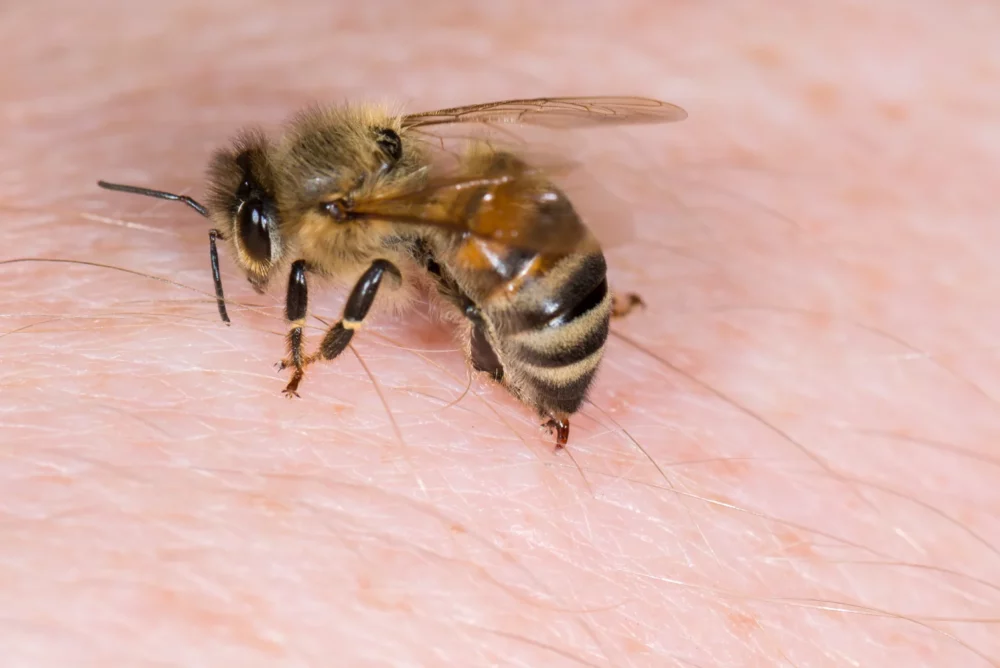
A bee sting is more than just a sharp pinch. When a honey bee stings you, its barbed stinger embeds in your skin and continues pumping venom for up to a minute. That venom contains proteins that trigger pain, inflammation, and — in some people — a dangerous immune response called anaphylaxis.
Most people experience only localized pain, redness, and swelling. However, roughly 5-8% of the population has a more severe allergic reaction to insect venom. Even if you’ve been stung before without issues, allergies can develop at any age. That’s why acting quickly and knowing the warning signs is essential every single time.
The faster you respond, the less venom enters your body, and the less severe your symptoms will be. Let’s walk through the three steps you should take the moment a bee stings you.
Step 1: Remove the Bee Stinger Correctly
The first thing to do for a bee sting is to remove the stinger. Speed matters here more than technique, but there is a preferred method that minimizes venom injection.
Why You Should Never Use Tweezers
Many people instinctively reach for tweezers, but squeezing the stinger can compress the venom sac and push more venom into your skin. Instead, use a flat-edged object like a credit card, butter knife, or even your fingernail to scrape across the skin’s surface. This pops the stinger out without squeezing additional venom into the wound.
How to Scrape Out the Stinger
Hold your scraping tool at a slight angle against the skin. Slide it firmly across the sting site in one smooth motion. You should see the tiny stinger and its attached venom sac lift away. If the stinger breaks off beneath the skin, don’t panic — your body will eventually push it out naturally. However, keep the area clean to prevent infection.
A 2020 study from the Journal of Allergy and Clinical Immunology confirmed that the speed of stinger removal matters more than the method used. Whether you scrape, flick, or pinch it out, doing it within the first 15 seconds significantly reduces total venom exposure.
Step 2: Clean the Bee Sting and Apply a Cold Compress
Once the stinger is out, your next priority is reducing pain and preventing infection. Bee stingers create small puncture wounds, and any break in the skin can invite bacteria.
Wash the Area Thoroughly
Use mild soap and warm water to gently clean the sting site. Avoid scrubbing aggressively, as this can increase irritation. Pat the area dry with a clean towel. If you’re outdoors without access to soap, an alcohol-based hand sanitizer works as a temporary substitute.
Use Ice to Control Swelling
Wrap ice cubes or a cold pack in a thin cloth and apply it to the sting site. Hold it there for 10-15 minutes, then remove it for 10 minutes before reapplying. Cold constricts blood vessels, which slows the spread of venom and reduces swelling.
Avoid placing ice directly on bare skin. Direct contact can cause frostbite, especially if you’re distracted by pain and leave it on too long. A thin towel or even a paper towel between the ice and your skin is enough protection.
Step 3: Treat Bee Sting Pain and Allergic Symptoms
After cleaning and icing the sting, you’ll want to address lingering pain and watch for allergic reactions. Most mild stings resolve within a few hours, but the right over-the-counter treatment can speed up your recovery.
Over-the-Counter Pain Relief
Ibuprofen or acetaminophen can help manage sting pain. Follow the dosage instructions on the label. For localized itching and swelling, apply a thin layer of hydrocortisone cream or calamine lotion directly to the sting site.
Antihistamines for Mild Reactions
An oral antihistamine like diphenhydramine (Benadryl) or cetirizine (Zyrtec) can reduce itching, redness, and minor swelling. These medications block the histamine response your body triggers in reaction to the venom. Take them as soon as possible after the sting for the best results.
Home Remedies That May Help
Some people find relief with natural remedies, though scientific evidence varies. Common options include:
- Baking soda paste — Mix baking soda with a small amount of water to form a thick paste. Apply it to the sting and leave for 15 minutes.
- Raw honey — Apply a small amount to the sting site. Honey has natural antibacterial and anti-inflammatory properties.
- Apple cider vinegar — Soak a cotton ball and hold it against the sting for several minutes to help neutralize the venom.
- Aloe vera gel — Soothes the skin and reduces inflammation around the sting.
While these remedies won’t replace proper medical treatment for severe reactions, they can ease discomfort for mild stings. If you’re interested in comparing chemical vs. natural insect control alternatives, the same principle of weighing effectiveness applies to sting treatment.
When Is a Bee Sting a Medical Emergency?
Most bee stings are painful but harmless. However, anaphylaxis is a life-threatening allergic reaction that requires immediate emergency care. Knowing the difference between a normal reaction and a dangerous one could save your life or someone else’s.
Symptoms of Anaphylaxis After a Bee Sting
Call 911 or go to the nearest emergency room immediately if you experience any of these symptoms after a sting:
- Swelling of the throat, tongue, or lips
- Difficulty breathing or wheezing
- Rapid pulse or heart palpitations
- Dizziness, lightheadedness, or fainting
- Hives or rash spreading far from the sting site
- Nausea, vomiting, or abdominal cramps
- A sudden drop in blood pressure
These symptoms can develop within minutes of the sting. If you carry an epinephrine auto-injector (EpiPen), use it immediately and still call for emergency help. The effects of epinephrine are temporary, and you may need additional medical treatment.
Normal Reaction vs. Severe Reaction
| Symptom | Normal Reaction | Severe/Emergency Reaction |
|---|---|---|
| Pain | Sharp pain at the sting site that fades within hours | Intense pain accompanied by full-body symptoms |
| Swelling | Localized swelling around the sting (up to a few inches) | Swelling of the face, throat, or tongue |
| Redness | Red welt at the puncture site | Widespread hives or flushing across the body |
| Breathing | Normal breathing | Difficulty breathing, wheezing, or chest tightness |
| Duration | Symptoms resolve within 24-48 hours | Symptoms escalate rapidly within minutes |
How to Prevent Bee Stings Around Your Home
The best bee sting treatment is avoiding one altogether. While you can’t eliminate every bee from your yard, you can significantly reduce your risk of getting stung by managing your environment and behavior.
Reduce Attractants in Your Yard
Bees and wasps are drawn to sweet smells, bright colors, and food sources. To minimize encounters:
- Avoid wearing perfumes, scented lotions, or hair products when spending time outdoors.
- Cover food and sugary drinks during cookouts and picnics.
- Keep garbage cans sealed tightly.
- Pick up fallen fruit from trees in your yard.
- Wear light-colored, smooth-textured clothing instead of bright floral patterns.
Many stinging insects share their habitat with other common pests. Taking steps to keep pests out of your home and yard can reduce encounters with bees, wasps, and dozens of other unwanted insects. Similarly, understanding common mistakes that attract pests helps you make your property less inviting to all kinds of creatures.
Inspect Your Property for Nests
Regularly check eaves, gutters, tree branches, and ground-level holes for bee and wasp nests. Early detection is key — a small nest in spring can become a colony of thousands by late summer. If you find an active nest, don’t attempt to remove it yourself. Professional pest control experts have the proper protective equipment and techniques to handle stinging insect colonies safely.
Bees aren’t the only pests that set up shop around your home. If you’re already doing a property inspection, keep an eye out for clover mites near your foundation and window sills, as they’re another common nuisance during warmer months. Likewise, pantry invaders like weevils can infest stored food if you aren’t checking regularly.
What to Do for a Bee Sting on a Child or Pet
Children and pets react to bee stings differently than adults. Their smaller body size means venom has a proportionally larger impact, and they may not be able to communicate their symptoms clearly.
Bee Sting First Aid for Children
Follow the same three steps — remove the stinger, clean the wound, and apply cold — but stay calm so the child stays calm. Crying and panic can increase heart rate and blood flow, which may spread venom faster. Distract younger children with a toy or screen while you treat the sting.
Use children’s formulations of antihistamines and pain relievers. Always check the label for proper dosing based on the child’s age and weight. Monitor them closely for at least two hours after the sting, watching for any signs of a systemic allergic reaction.
What to Do if Your Dog Gets Stung by a Bee
Dogs often get stung on the face or paws because they investigate insects with their noses. If your dog is stung, scrape out the stinger if visible, apply a cold compress, and contact your veterinarian. Mild facial swelling is common in dogs after a sting, but rapid swelling, vomiting, or collapse requires an emergency vet visit immediately.
Pets frequently encounter stinging insects along with other outdoor pests. Keeping your yard well-maintained reduces the number of nuisance and destructive pests your animals are exposed to during outdoor play.
Long-Term Care After a Bee Sting
Even after the initial pain subsides, a bee sting requires some follow-up attention. Most stings heal completely within three to five days, but improper care can lead to complications.
- Don’t scratch the sting site. Scratching breaks the skin barrier and increases the risk of bacterial infection.
- Keep the area clean. Wash gently with soap and water once or twice daily.
- Watch for signs of infection. Increasing redness, warmth, pus, or red streaks spreading from the wound indicate an infection that needs medical attention.
- Track your reactions. If swelling worsens after 48 hours or you develop a fever, see a doctor promptly.
If you’ve had a severe reaction to a bee sting, ask your doctor about venom immunotherapy (allergy shots). This treatment gradually desensitizes your immune system to bee venom and can reduce the risk of future anaphylaxis by up to 97%. You should also carry an epinephrine auto-injector at all times and wear a medical alert bracelet.
Outdoor stings often happen when you least expect them — while gardening, mowing the lawn, or enjoying a barbecue. A proactive approach to yard maintenance goes a long way. Staying on top of pest activity throughout the year, even understanding whether rain brings more bugs to your property, helps you stay one step ahead of encounters with stinging insects and other pests.
Frequently Asked Questions
-
How long does a bee sting stay swollen?
Mild bee sting swelling typically peaks within 24-48 hours and resolves within 3-5 days. Large local reactions can cause swelling several inches across that may take up to a week to fully subside. If swelling continues to worsen after 48 hours, consult a healthcare provider.
-
Can a bee sting you more than once?
Honey bees can only sting once because their barbed stinger tears from their body after insertion. However, wasps, hornets, and yellow jackets have smooth stingers and can sting multiple times in a single encounter. If you're being stung repeatedly, move away from the area quickly.
-
Should I go to the doctor for a bee sting?
You should see a doctor if you experience any signs of anaphylaxis, such as difficulty breathing, facial swelling, or dizziness. You should also seek medical care if the sting site shows signs of infection after a few days, or if you were stung multiple times (10 or more stings at once can cause a toxic reaction even without an allergy).
-
Does vinegar help a bee sting?
Apple cider vinegar is a popular home remedy believed to help neutralize bee venom, which is slightly acidic. While anecdotal evidence suggests it may reduce pain and itching, there is limited scientific research confirming its effectiveness. It can be used alongside standard treatments but should not replace medical care for serious reactions.
-
What should I avoid putting on a bee sting?
Avoid applying mud, tobacco, or raw meat to a bee sting — these folk remedies can introduce bacteria and increase infection risk. Also avoid scratching the area aggressively, applying heat, or using harsh chemicals. Stick to soap, water, ice, and approved over-the-counter creams for the safest treatment.
-
Why do some people react worse to bee stings than others?
Allergic reactions to bee stings are caused by an overactive immune response to proteins in the venom. Some people produce higher levels of Immunoglobulin E (IgE) antibodies when exposed to venom, triggering histamine release and potentially anaphylaxis. Genetics play a role, and reactions can worsen with repeated stings over time.