Table of Contents
ToggleKey Takeaways
- Silverfish thrive in humid, dark environments — reducing moisture is the single most effective prevention strategy.
- Natural repellents like diatomaceous earth, cedar oil, and boric acid can eliminate small silverfish infestations without harsh chemicals.
- Sealing cracks, fixing leaks, and using dehumidifiers cuts off the conditions silverfish need to survive and reproduce.
- Silverfish eat starches, sugars, and cellulose, meaning your books, wallpaper, clothing, and pantry items are all at risk.
- Professional pest control is recommended when DIY methods fail or when silverfish populations have spread to multiple rooms.
- Consistent prevention habits — not one-time treatments — are what keep silverfish from returning permanently.
Figuring out how to get rid of silverfish can feel like chasing shadows. These small, wingless insects dart across bathroom floors, hide inside book bindings, and chew through wallpaper — often without you realizing they’re there until the damage is done. As one of the oldest insect species on the planet, silverfish are remarkably resilient. They can survive for months without food, reproduce quickly in the right conditions, and squeeze through the tiniest gaps in your home’s exterior. This guide covers everything you need to know — from identifying the signs of an infestation to choosing the right treatment methods, sealing entry points, and building long-term prevention habits that ensure silverfish stay gone for good.
What Are Silverfish and Why Are They in Your Home?
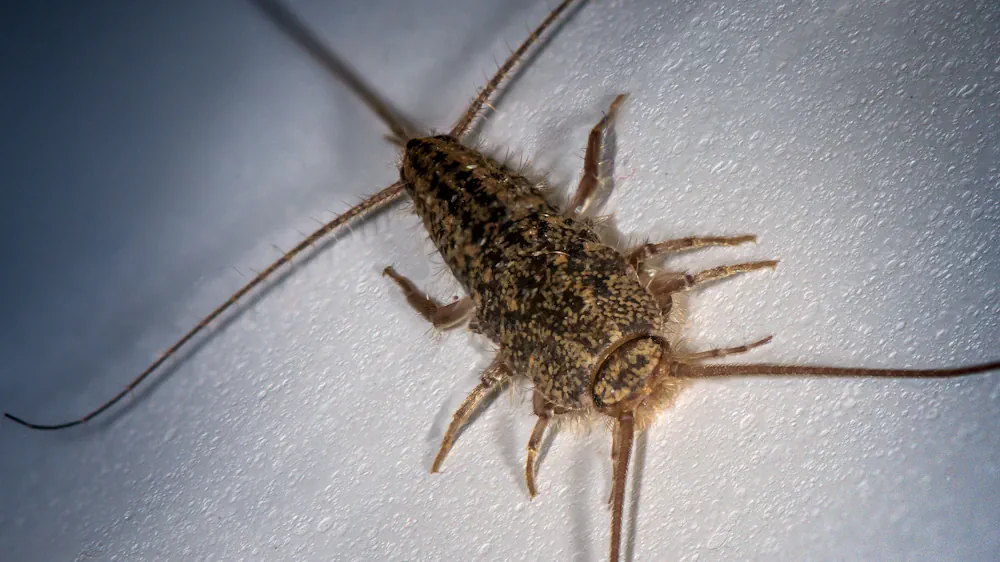
Silverfish (Lepisma saccharinum) are small, carrot-shaped insects that measure roughly half an inch to three-quarters of an inch long. They have a distinctive metallic silver or gray color, three long tail-like appendages at the rear, and two long antennae at the front. Their movement is fast, fish-like, and side-to-side — which is exactly how they got their name.
These insects are nocturnal. You’ll rarely spot them during the day unless you disturb their hiding spots. They prefer dark, damp, undisturbed areas like basements, bathrooms, attics, closets, and crawl spaces. If your home has high humidity, cardboard storage boxes, or stacks of old paper, you’ve essentially created a silverfish paradise.
Silverfish are not dangerous to humans. They don’t bite, sting, or transmit diseases. However, they can cause real damage to your belongings. They feed on starches, sugars, and cellulose-based materials — meaning books, photographs, wallpaper paste, clothing, and even some food products are fair game. To understand the environmental factors that bring these pests indoors, explore our detailed guide on where silverfish come from and how they find their way into residential spaces.
How Long Have Silverfish Been Around?
Silverfish are among the most ancient insects still alive today. Fossil evidence suggests they’ve existed for over 400 million years — predating dinosaurs by roughly 200 million years. Their survival success comes down to adaptability. They don’t need much to thrive: darkness, moisture, and a starch-based food source.
This evolutionary resilience is exactly why getting rid of silverfish requires a multi-step approach rather than a single treatment. They’ve survived this long because they’re experts at hiding and enduring harsh conditions.
Common Species Found in Homes
The most common species in residential settings is the common silverfish (Lepisma saccharinum). However, you may also encounter the gray silverfish (Ctenolepisma longicaudatum) or the firebrat (Thermobia domestica), which prefers warmer environments like areas near ovens, furnaces, and hot water heaters.
Identifying the exact species helps you target your treatment. Common silverfish prefer cooler, damp spaces, while firebrats seek warmth. Both respond to similar control methods, but knowing the source of the infestation in your specific home narrows down where to focus your efforts.
Signs You Have a Silverfish Infestation
Before you can get rid of silverfish, you need to confirm they’re actually the problem. Because silverfish are nocturnal and fast-moving, many homeowners never see one directly. Instead, you’ll notice the evidence they leave behind.
Visual Damage to Paper and Fabric
Silverfish feeding damage has a distinctive look. On paper products — books, newspapers, documents, wallpaper — you’ll see irregular holes, surface etching, or notched edges. The damage often appears scraped rather than cleanly cut, because silverfish scrape surfaces with their mouthparts rather than chewing through materials the way some other pests do.
On clothing and fabrics, silverfish leave small, irregular holes, particularly in items made from cotton, linen, silk, or rayon. Starched fabrics are especially vulnerable. This type of fabric damage is sometimes confused with other pests that eat similar materials, so proper identification matters.
Pepper-Like Droppings
Silverfish droppings are tiny, black, and pellet-shaped — similar in appearance to ground pepper. You’ll often find them in areas where silverfish are active: inside drawers, on bookshelves, along baseboards, in cardboard boxes, and behind appliances. If you spot these droppings alongside damaged paper or fabric, silverfish are almost certainly the cause.
Yellow Stains and Shed Skins
Silverfish molt throughout their lives — even as adults. Cast skins are translucent, delicate, and often found near feeding or hiding areas. You may also notice yellowish stains on paper, fabric, or surfaces where silverfish have been active. These stains come from their body scales and secretions.
Sightings at Night
If you flip on a bathroom or kitchen light late at night and see a small, silver, fast-moving insect darting for cover, you’ve likely spotted a silverfish. A single sighting doesn’t always mean a major infestation, but it does warrant investigation. Where there’s one silverfish visible, there are usually many more hiding nearby.
What Do Silverfish Eat and Why Does It Matter?
Understanding the silverfish diet is critical to effective elimination. When you know what attracts them, you can remove those attractants and make your home far less hospitable.
Silverfish are generalist feeders with a preference for starchy, sugary, and cellulose-rich materials. Their diet includes:
- Paper products — books, newspapers, magazines, cardboard
- Wallpaper and wallpaper paste
- Glue and book bindings
- Clothing and textiles — especially starched cotton, linen, silk, and rayon
- Cereal, flour, oats, and other dry pantry goods
- Dead insects and shed skin (including their own)
- Hair and dandruff
- Photographs and important documents
This varied diet is why silverfish can show up almost anywhere in your home. They’ll move from the bathroom to the kitchen to the attic, following food sources. For a deeper look at their feeding habits and the specific materials most at risk, read our complete guide to the silverfish diet.
Why Removing Food Sources Matters
Silverfish can survive for weeks — sometimes months — without eating. However, removing accessible food sources still plays a major role in control. Without easy food, silverfish populations grow more slowly, individuals are weaker, and they’re more likely to encounter baits and traps you’ve set out.
Store dry goods in airtight containers. Keep books and important papers in sealed plastic bins rather than cardboard boxes. Vacuum regularly to remove crumbs, hair, and dead insects that silverfish feed on. These steps alone won’t eliminate an infestation, but they significantly reduce silverfish activity.
How to Get Rid of Silverfish With Natural Remedies
If you’re dealing with a small or early-stage infestation, natural remedies can be surprisingly effective. These methods are safe for homes with children and pets when used correctly, and they target silverfish without introducing harsh chemicals.
Diatomaceous Earth (DE)
Food-grade diatomaceous earth is one of the most popular and effective natural silverfish killers. DE is a fine powder made from fossilized algae. Under a microscope, each particle has razor-sharp edges that damage the waxy outer coating of an insect’s exoskeleton, causing dehydration and death.
Apply a thin, even layer of DE along baseboards, inside cracks, behind appliances, under sinks, and in other areas where silverfish are active. Reapply after vacuuming or if the powder gets wet — moisture renders DE ineffective. Always use food-grade DE, not pool-grade, which is chemically treated and unsafe for indoor use.
Boric Acid
Boric acid works similarly to diatomaceous earth but also acts as a stomach poison when ingested. Silverfish that walk through boric acid powder carry it on their bodies and ingest it during grooming. Apply it lightly in crevices, behind baseboards, inside wall voids (if accessible), and under appliances.
Use caution with boric acid around pets and small children. While it’s low-toxicity for humans, it can cause stomach irritation if ingested in large amounts. Keep applications thin and confined to areas that are out of reach.
Cedar Oil and Cedar Shavings
Cedar contains natural compounds that repel many insects, including silverfish. Place cedar shavings in closets, drawers, and storage areas. You can also use cedar oil sprayed on cotton balls and placed in problem areas. Cedar won’t kill silverfish directly, but it discourages them from settling in treated zones.
This method works best as a supplement to other treatments rather than a standalone solution.
Essential Oil Repellents
Several essential oils have insect-repellent properties that silverfish dislike. The most effective options include:
- Lavender oil — add a few drops to water in a spray bottle and mist baseboards and entry points
- Peppermint oil — strong scent that silverfish avoid
- Citrus oil — lemon and orange oils work as surface repellents
- Cinnamon oil — effective as both a repellent and a deterrent in pantry areas
Essential oils need frequent reapplication since their scent fades within a day or two. They’re useful for keeping silverfish out of specific areas but won’t eliminate an established population on their own.
DIY Silverfish Traps
You can build simple, effective silverfish traps at home. The two most common options are:
Glass jar trap: Wrap the outside of a glass mason jar with masking tape so silverfish can climb up. Place a small piece of bread or a cracker at the bottom as bait. Silverfish climb in but can’t climb the smooth glass interior to escape.
Newspaper trap: Roll up a damp newspaper loosely and leave it overnight in an area where silverfish are active. In the morning, dispose of the entire roll — silverfish will have crawled inside for moisture and shelter. Seal the newspaper in a plastic bag and discard it immediately.
Chemical Treatments to Eliminate Silverfish
When natural methods aren’t enough — or when an infestation has grown large — chemical treatments provide faster, more aggressive control. Several product types are available for homeowner use, each with different strengths.
Residual Insecticide Sprays
Residual sprays create a lasting barrier that kills silverfish on contact and continues working for weeks after application. Look for products containing pyrethroids like bifenthrin, cyfluthrin, or deltamethrin. Apply along baseboards, around door and window frames, in cracks, and along known travel paths.
Follow all label directions carefully. Ventilate treated areas, keep children and pets away during and immediately after application, and never apply near food preparation surfaces.
Insecticidal Dusts
Insecticidal dusts — including silica gel-based products and boric acid formulations — are ideal for treating wall voids, behind electrical outlet covers, inside attic insulation gaps, and other enclosed spaces where silverfish hide. A hand duster or bulb applicator lets you puff small amounts into tight areas.
Dusts last longer than sprays in dry, enclosed environments because they don’t break down as quickly. This makes them especially useful in attics, crawl spaces, and behind walls.
Silverfish Baits
Commercial silverfish baits combine a food attractant with a slow-acting insecticide. Silverfish consume the bait and carry the active ingredient back to their hiding spots, where other silverfish come into contact with it. This creates a cascading effect that can reduce populations significantly over a few weeks.
Place baits in dark, humid areas where silverfish are most active: under sinks, behind toilets, inside closets, in attics, and near known entry points. Check and replace baits according to the product’s instructions.
Comparison of Silverfish Treatment Methods
| Method | Speed of Results | Best For | Safety Level |
|---|---|---|---|
| Diatomaceous Earth | 1-2 weeks | Small infestations, preventive use | Very safe (food-grade) |
| Boric Acid | 1-2 weeks | Moderate infestations, hard-to-reach areas | Low toxicity; keep from children/pets |
| Essential Oils | Repellent only | Deterring silverfish from specific areas | Very safe |
| Residual Sprays | 24-48 hours | Active infestations, barrier treatment | Moderate; follow label directions |
| Insecticidal Dusts | 1-3 weeks | Wall voids, attics, crawl spaces | Moderate; avoid inhalation |
| Commercial Baits | 2-4 weeks | Widespread or hidden infestations | Low toxicity when used per label |
How to Prevent Silverfish From Coming Back
Killing the silverfish currently in your home is only half the battle. Without prevention, new silverfish will move in to replace them. Long-term success depends on changing the conditions that attracted them in the first place.
Reduce Humidity Throughout Your Home
Moisture control is the single most important step in silverfish prevention. Silverfish need relative humidity above 75% to thrive, and they actively seek out the dampest areas of your home. Lower your indoor humidity to discourage them.
- Use dehumidifiers in basements, crawl spaces, and laundry rooms
- Run exhaust fans in bathrooms during and after showers
- Fix leaky pipes, faucets, and condensation-prone surfaces immediately
- Ensure clothes dryer vents exhaust to the outside, not into the home
- Improve ventilation in attics with ridge vents or attic fans
Aim for indoor relative humidity between 30% and 50%. A simple hygrometer — available at any hardware store — lets you monitor levels throughout your home. Humidity is a key factor in understanding where silverfish originate and why they choose certain homes over others.
Seal Entry Points and Cracks
Silverfish enter homes through tiny gaps around pipes, utility lines, windows, doors, and foundation cracks. A thorough sealing job dramatically reduces the number of silverfish that can get inside.
- Caulk gaps around windows and door frames
- Seal cracks in foundation walls and slab edges
- Use expanding foam around pipe penetrations and utility entries
- Replace worn or missing door sweeps and weatherstripping
- Screen all attic and crawl space vents
Pay special attention to bathrooms and kitchens, where plumbing penetrations create easy entry points. Even small gaps — 1/16 of an inch or less — are wide enough for a silverfish to squeeze through.
Improve Storage Habits
How you store your belongings plays a direct role in silverfish activity. Cardboard boxes, stacked newspapers, and piles of old magazines are silverfish magnets — they provide both food and shelter.
- Replace cardboard storage boxes with sealed plastic containers
- Store important documents, photos, and books in airtight bins
- Recycle newspapers, magazines, and junk mail promptly
- Keep closets organized and avoid piling clothes on the floor
- Elevate stored items off basement and garage floors
Silverfish are attracted to the starches and cellulose in paper and cardboard. Eliminating these easy food sources forces them to seek resources elsewhere. For more on why silverfish target these materials, see our breakdown of what silverfish eat.
Regular Cleaning Routines That Deter Silverfish
A clean home doesn’t guarantee you’ll never see a silverfish, but it removes many of the resources they depend on. Focus your cleaning efforts on the areas silverfish prefer.
- Vacuum baseboards, closets, bookshelves, and behind furniture regularly
- Wipe down bathroom and kitchen surfaces to remove moisture and food residue
- Dust ceiling corners, light fixtures, and crown molding where silverfish hide
- Clean under appliances like refrigerators, washers, and dryers quarterly
- Empty trash cans frequently and keep lids tightly closed
Where Do Silverfish Hide in Your Home?
Knowing where silverfish hide tells you exactly where to focus your treatment and prevention efforts. Silverfish are creatures of habit — they return to the same hiding spots night after night as long as conditions remain favorable. Understanding their preferred harborage areas is essential to learning how silverfish enter and establish themselves in homes.
Bathrooms and Kitchens
Bathrooms are the number one silverfish hotspot in most homes. The combination of constant moisture, dark cabinets, and warm pipes creates ideal conditions. Look behind toilets, under sinks, inside vanity cabinets, and around bathtub edges.
Kitchens offer both moisture and food. Silverfish frequently hide behind refrigerators, under dishwashers, inside pantry shelves, and around sink plumbing. Any area that stays damp and dark is a potential silverfish harborage.
Basements and Crawl Spaces
Unfinished basements and crawl spaces often have the highest humidity levels in a home. Silverfish populations can grow large in these areas without ever being noticed. Check around water heaters, sump pumps, foundation walls, stored boxes, and any stacked materials.
Attics and Closets
Attics may seem too dry for silverfish, but in reality, many attics have poor ventilation and condensation problems. Silverfish find their way into attic insulation, stored clothing, holiday decorations, and boxes of old photographs.
Bedroom closets — especially those against exterior walls — can also harbor silverfish. Stacks of folded clothing, shoe boxes, and garment bags provide shelter, while natural fibers like cotton, silk, and wool provide food.
Step-by-Step Plan to Get Rid of Silverfish
Eliminating silverfish requires a systematic approach. Follow this step-by-step plan to address an active infestation and prevent future problems.
- Inspect your home thoroughly. Check every room — especially bathrooms, kitchens, basements, attics, and closets — for signs of silverfish activity: droppings, shed skins, damaged items, and live insects.
- Identify and fix moisture problems. Repair leaks, improve ventilation, and install dehumidifiers where needed. This is the foundation of long-term control.
- Remove food sources. Reorganize storage, switch to airtight containers, recycle paper clutter, and vacuum thoroughly. Remember that silverfish eat a wide range of starchy and cellulose-based materials, so check less obvious items like wallpaper paste and book bindings.
- Apply treatments to active areas. Use diatomaceous earth, boric acid, or commercial baits in areas where you’ve confirmed silverfish activity. For heavy infestations, consider residual sprays or insecticidal dusts.
- Seal entry points. Caulk cracks, seal gaps around pipes, and install door sweeps to prevent new silverfish from entering.
- Set traps to monitor progress. Place jar traps or sticky traps in problem areas. Check them weekly to gauge whether your efforts are working.
- Maintain prevention habits. Continue cleaning, monitoring humidity, and inspecting vulnerable areas monthly. Silverfish control is ongoing — not a one-and-done project.
Silverfish and Other Pests: Understanding the Connection
Silverfish rarely exist in isolation. The same damp, cluttered conditions that attract silverfish often invite other moisture-loving pests into your home. Understanding these connections helps you address the root causes that make your home vulnerable to multiple infestations.
High humidity environments that silverfish love also attract earwigs, which seek out similar dark, damp hiding spots in basements and bathrooms. In areas where organic debris and moisture accumulate, you may also encounter centipedes, which are actually predators that feed on silverfish and other small insects.
Fabric damage from silverfish is sometimes confused with damage caused by clothes moths, which also target natural fibers in closets and storage areas. Similarly, black carpet beetles can create holes in fabrics that look nearly identical to silverfish damage. Correct identification is essential because treatment methods differ for each pest.
If you’re finding silverfish alongside other insects, it’s a strong signal that your home has underlying moisture and sanitation issues that need attention. Fixing those conditions benefits your entire pest prevention strategy — not just your silverfish problem.
When Should You Call a Professional for Silverfish?
DIY silverfish control works well for minor to moderate infestations. However, certain situations call for professional pest control expertise.
Consider calling a professional when:
- You’ve tried multiple DIY methods for more than four to six weeks with no noticeable improvement
- You’re seeing silverfish in multiple rooms or on multiple floors
- The infestation is centered in hard-to-reach areas like wall voids, sub-flooring, or deep crawl spaces
- Silverfish are causing significant damage to valuable items like rare books, important documents, or heirloom clothing
- You suspect a related moisture problem — like a hidden leak or condensation issue — that’s feeding the infestation
A licensed pest control technician can identify the full scope of the infestation, treat inaccessible areas with professional-grade products, and address the environmental conditions driving silverfish activity. Professional treatments often include a combination of liquid residual barriers, dust applications in wall voids, targeted baiting programs, and moisture recommendations tailored to your specific home.
If silverfish have persisted despite your best efforts, don’t wait until the damage gets worse. Reaching out to a pest control professional saves time, protects your belongings, and delivers results that last.
What to Expect From Professional Silverfish Treatment
A professional silverfish treatment typically begins with a detailed inspection of your home. The technician will identify active harborage areas, entry points, moisture sources, and the severity of the infestation.
Treatment usually involves a multi-method approach: liquid sprays along baseboards and entry points, dust applications in wall voids and attic spaces, and bait placements in key activity zones. Many pest control companies also provide follow-up visits to monitor progress and reapply treatments if needed.
Most professional treatments show noticeable results within one to two weeks, with full control achieved within four to six weeks depending on the size of the infestation.
Silverfish vs. Other Common Household Pests
Silverfish are sometimes confused with other small, fast-moving household insects. Knowing the difference ensures you use the right control methods.
| Pest | Appearance | Preferred Environment | Primary Damage |
|---|---|---|---|
| Silverfish | Silver/gray, 1/2-3/4 inch, three tail appendages | Dark, humid areas | Paper, fabric, wallpaper, dry foods |
| Firebrat | Mottled gray/brown, similar shape to silverfish | Warm areas near heat sources | Same as silverfish |
| Earwig | Dark brown, pincers at rear | Damp outdoor areas, sometimes indoors | Plants; rarely damages household items |
| Carpet beetle larvae | Small, fuzzy, brown/black | Carpets, closets, stored fabrics | Wool, silk, leather, feathers |
| Booklice (psocids) | Tiny, pale, soft-bodied | Humid rooms with mold or mildew | Mold and starchy residues |
If you’re unsure which pest you’re dealing with, capturing a specimen in a clear container helps with identification. A pest control professional can confirm the species and recommend the most targeted treatment approach.
Common Mistakes When Trying to Get Rid of Silverfish
Many homeowners struggle with silverfish not because the pests are invincible, but because common mistakes undermine their control efforts. Avoid these pitfalls for better results.
Ignoring the Moisture Problem
Spraying insecticide without fixing the underlying moisture issue is like bailing water out of a boat with a hole in it. Silverfish will keep coming back as long as humidity levels remain high. Always address moisture first, then apply treatments.
Treating Only the Rooms Where You See Silverfish
Seeing a silverfish in the bathroom doesn’t mean the infestation is limited to the bathroom. Silverfish travel between rooms through wall voids, plumbing chases, and gaps along baseboards. A whole-home inspection and treatment approach is far more effective than spot-treating a single room. Understanding where silverfish come from in your home helps you trace pathways and find the true center of activity.
Using Too Much Product in Wrong Areas
More product doesn’t mean better results. Heavy applications of diatomaceous earth or insecticidal dust can actually repel silverfish rather than attract them. Apply thin, barely visible layers in targeted locations. Silverfish will walk through a thin dusting but may avoid a thick pile.
Expecting Overnight Results
Silverfish control takes time. Most treatments require one to four weeks to show significant results. Baits need time to be discovered and consumed. Dusts need to contact silverfish that pass through treated areas. Be patient, stay consistent, and don’t abandon a strategy after just a few days.
Neglecting Follow-Up
Even after you’ve eliminated an active infestation, silverfish can return if conditions become favorable again. Monitor your home monthly, reapply preventive treatments seasonally, and maintain good humidity control year-round. The homes that stay silverfish-free are the ones where prevention becomes routine.
Frequently Asked Questions
-
Are silverfish harmful to humans or pets?
Silverfish are not harmful to humans or pets. They do not bite, sting, or carry diseases. However, they can trigger allergies in sensitive individuals. Their shed scales and droppings contain a protein called tropomyosin, which may cause allergic reactions or worsen asthma symptoms in some people.
-
How long does it take to get rid of silverfish completely?
Most silverfish infestations take two to six weeks to resolve with consistent treatment and prevention efforts. Minor infestations may clear up faster, while large or widespread populations — especially in homes with persistent moisture problems — can take longer. Ongoing prevention habits are essential to keeping them gone permanently.
-
Can silverfish survive without water?
Silverfish can survive for several weeks in low-moisture conditions, but they cannot reproduce or thrive without adequate humidity. They absorb moisture from the air and the materials they eat. Reducing indoor humidity below 50% makes your home significantly less hospitable and slows their population growth substantially.
-
Do silverfish come out during the day?
Silverfish are strictly nocturnal and strongly avoid light. During the day, they hide in dark, tight spaces like wall voids, behind baseboards, inside boxes, and under appliances. If you see silverfish during daytime, it typically means the population is large enough that hiding spots are overcrowded.
-
What is the fastest way to kill silverfish?
The fastest way to kill individual silverfish is with a residual insecticide spray applied to their hiding areas and travel paths. For broader population reduction, combining sprays with insecticidal dusts in wall voids and baits in active harborage areas delivers the quickest overall results. Natural options like diatomaceous earth also work but take one to two weeks to show noticeable effects.
-
Will silverfish go away on their own if I do nothing?
Silverfish will not go away on their own. Without intervention, populations tend to grow over time because silverfish reproduce steadily and live for two to eight years. As long as your home provides moisture, food, and dark hiding spots, silverfish will continue to thrive and potentially spread to additional rooms.