Table of Contents
ToggleKey Takeaways
- Dragonflies, bats, birds, fish, frogs, and certain fungi are among the most effective natural enemies of mosquitoes.
- Many mosquito predators target both larvae and adult mosquitoes, attacking them at multiple life stages.
- You can attract natural mosquito predators to your yard by adding native plants, bat houses, and small water features stocked with mosquito-eating fish.
- Natural predators alone cannot eliminate a mosquito problem — combining biological control with other strategies offers the best results.
- Understanding mosquito predators helps you build a more balanced ecosystem while reducing pest pressure around your home.
The natural enemies of mosquitoes are working around the clock to reduce populations of one of the world’s most annoying and dangerous pests. While you’re swatting away these blood-seeking insects at your next backyard barbecue, an entire army of predators — from dragonflies to bats — is actively hunting them down. Understanding which animals, insects, and organisms prey on mosquitoes can transform how you approach pest control around your home. These biological allies won’t replace professional mosquito management, but they play a vital role in keeping populations in check. In this guide, you’ll learn about six powerful natural mosquito predators, how they hunt, and practical ways to encourage their presence in your yard.
Why Natural Enemies of Mosquitoes Matter for Pest Control
Mosquitoes are far more than a nuisance. They transmit diseases like West Nile virus, Zika, and even malaria, which saw local cases in Florida in 2023. Chemical treatments are effective, but relying solely on one approach has limitations. That’s where biological control enters the picture.
Natural predators attack mosquitoes at every stage of their life cycle. Some consume larvae in standing water before they ever take flight. Others snatch adults right out of the air. When you encourage these predators in your environment, you add an ongoing, self-sustaining layer of defense.
Biological mosquito control also benefits the broader ecosystem. Predators that eat mosquitoes often control other pest species as well. Understanding the role mosquitoes play in ecosystems helps you appreciate why nature already has mechanisms to keep them in balance — and how you can support those mechanisms.
Dragonflies: The Most Fearsome Natural Enemies of Mosquitoes
Dragonflies are perhaps the most efficient mosquito hunters in the insect world. Often called “mosquito hawks” (though that nickname also applies to crane flies), dragonflies consume mosquitoes at both larval and adult stages. A single dragonfly can eat hundreds of mosquitoes per day.
How Dragonflies Hunt Mosquitoes
Dragonflies are aerial predators with incredible agility. Their two sets of wings operate independently, allowing them to hover, dive, and change direction in mid-air. They catch mosquitoes in flight using a basket formed by their legs.
What makes dragonflies doubly effective is that their aquatic nymphs also prey on mosquito larvae. Dragonfly nymphs live in ponds and still water for months, continuously feeding on developing mosquito larvae. This means dragonflies attack mosquitoes before and after they become flying adults.
Attracting Dragonflies to Your Property
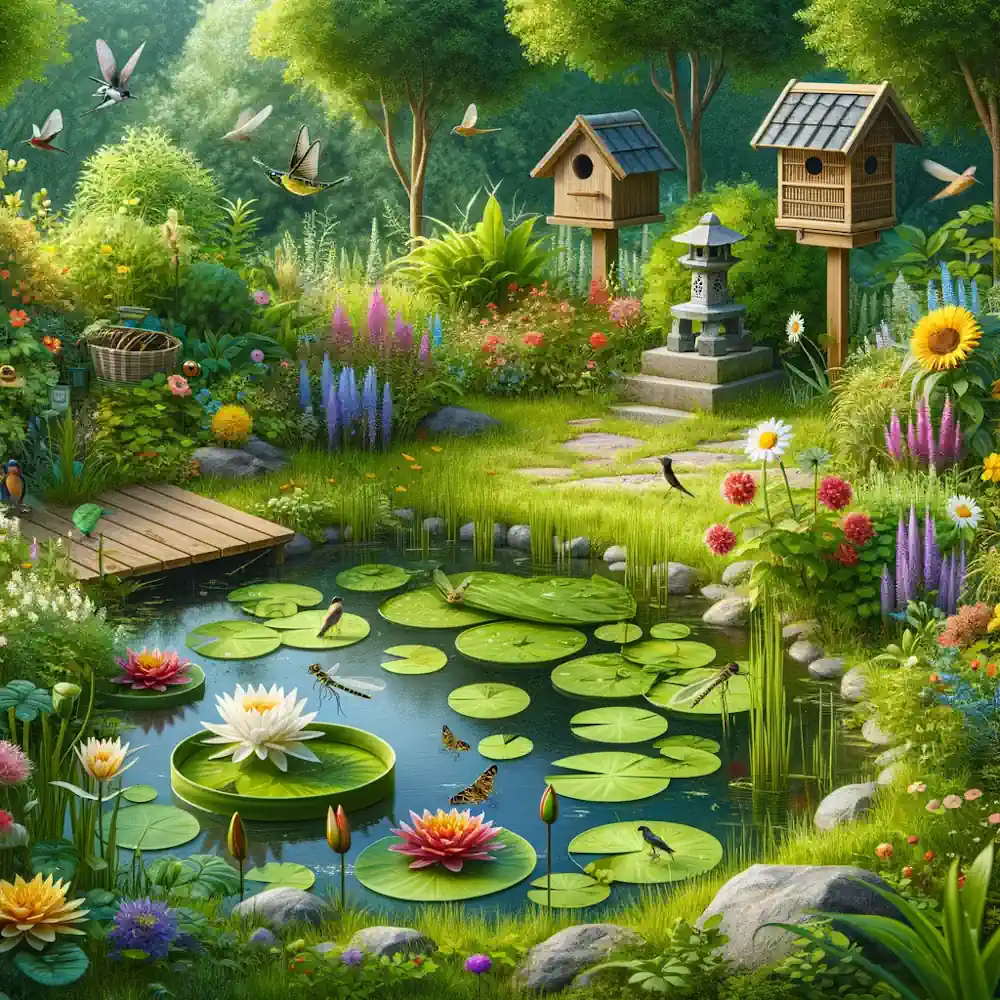
To invite dragonflies into your yard, consider adding a small garden pond with native aquatic plants. Dragonflies need still or slow-moving water for breeding. Flat rocks near water give them sunny perching spots. Avoid using broad-spectrum insecticides, which can harm dragonflies along with their prey.
It’s worth noting that mosquito hawks (crane flies) are often mistaken for mosquito predators, but they actually don’t eat mosquitoes at all. True dragonflies are the real hunters.
Bats: Nighttime Mosquito Predators That Devour Thousands
Bats are one of the most celebrated natural enemies of mosquitoes, and for good reason. A single little brown bat (Myotis lucifugus) can eat up to 1,000 mosquitoes in one hour during peak feeding. Since mosquitoes are most active at dusk and dawn, bats provide precisely timed predation.
How Bats Locate and Catch Mosquitoes
Bats use echolocation — emitting high-frequency sound waves that bounce off flying insects — to detect mosquitoes in total darkness. This biological sonar system is remarkably precise, allowing bats to distinguish mosquitoes from other similarly sized insects.
Most insectivorous bat species forage over open areas, near water sources, and along forest edges. These are the same habitats where mosquitoes swarm in large numbers, making the overlap ideal for natural control.
Installing Bat Houses for Mosquito Control
Mounting a bat house on your property is a simple and effective way to attract resident bats. Place bat houses at least 12-15 feet high on a south-facing wall or pole. Ensure they receive 6-8 hours of direct sunlight daily, which maintains the warm temperatures bats prefer.
A well-placed bat house can attract a colony within one to two seasons. Once established, these colonies return year after year, providing continuous mosquito suppression throughout the warm months.
Birds That Eat Mosquitoes: Swallows, Martins, and More
Several bird species feed heavily on mosquitoes and other flying insects. Purple martins, barn swallows, and various species of warblers are among the most effective avian mosquito predators.
Purple Martins and Barn Swallows
Purple martins are often marketed as mosquito-eating machines, and while mosquitoes are not their primary food source, they do consume significant numbers during peak mosquito activity. Barn swallows are even more impressive. They skim over lawns, ponds, and fields, catching insects — including mosquitoes — on the wing.
Other birds like nighthawks and chimney swifts also contribute to mosquito reduction. These species are crepuscular feeders, meaning they’re most active during the twilight hours when mosquitoes are swarming.
Encouraging Mosquito-Eating Birds in Your Yard
Install purple martin houses or nesting shelves for swallows. Planting native shrubs and trees provides habitat and attracts the insects these birds eat alongside mosquitoes. Bird baths with fresh, moving water (not stagnant) also draw them in.
Be careful with standing water features, however. Stagnant water is exactly where mosquitoes breed. Learn more about the role of standing water in mosquito breeding so you don’t accidentally create new mosquito habitat while trying to attract predators.
Mosquitofish and Other Aquatic Predators of Mosquito Larvae
Some of the most impactful mosquito predators work underwater. Gambusia affinis, commonly known as the mosquitofish, is arguably the single most effective biological control agent for mosquito larvae worldwide.
Why Mosquitofish Are So Effective
Mosquitofish are small, hardy, and voracious feeders. A single mosquitofish can consume up to 100 mosquito larvae per day. They thrive in ponds, ditches, rain barrels, and ornamental water features — the same places where mosquitoes lay their eggs.
Many local mosquito control districts in Florida distribute mosquitofish free of charge to residents. Stocking them in backyard ponds or water gardens is one of the most practical steps you can take to control mosquitoes at the larval stage before they become biting adults.
Other Fish and Aquatic Predators
Beyond mosquitofish, goldfish, koi, and guppies also consume mosquito larvae. Aquatic invertebrates like certain species of copepods and water beetles are effective larval predators as well.
The table below compares common aquatic mosquito predators:
| Aquatic Predator | Larvae Consumed Per Day | Best Habitat |
|---|---|---|
| Mosquitofish | Up to 100 | Ponds, ditches, rain barrels |
| Goldfish | 30-50 | Garden ponds |
| Guppies | 50-75 | Small water features, containers |
| Copepods | 30-40 | Containers, tree holes, bromeliads |
Frogs and Toads: Amphibian Mosquito Hunters
Frogs and toads are natural predators of mosquitoes at both the larval and adult stages. Tadpoles share the same aquatic habitat as mosquito larvae, and adult frogs catch flying mosquitoes with their sticky, lightning-fast tongues.
Which Frog Species Eat the Most Mosquitoes?
Tree frogs, green frogs, and spadefoot toads are particularly effective mosquito consumers. In Florida, the green tree frog (Hyla cinerea) is abundant and feeds heavily on small flying insects, including mosquitoes.
Tadpoles of many frog species also feed on mosquito larvae in shallow water. This dual-stage predation makes amphibians valuable allies in any integrated mosquito management strategy.
Creating Frog-Friendly Habitats
Frogs need moisture, shelter, and access to water. A small garden pond with shallow edges, leaf litter, and native plants creates ideal amphibian habitat. Avoid chemical pesticides near frog habitats, as amphibians absorb toxins through their skin.
Log piles, rock gardens, and dense ground cover provide hiding spots where frogs rest during the day. At night, they emerge to feed — right when mosquitoes are most active. Understanding how long mosquitoes live helps you see why continuous predation pressure from frogs is so beneficial throughout mosquito season.
Fungi and Bacteria: Microscopic Natural Enemies of Mosquitoes
Not all mosquito enemies are visible to the naked eye. Certain fungi and bacteria are among the most targeted and effective biological control agents science has identified.
Bacillus thuringiensis israelensis (Bti)
Bacillus thuringiensis israelensis, or Bti, is a naturally occurring soil bacterium that produces toxins lethal to mosquito larvae. When larvae ingest Bti, the toxins destroy their gut lining within hours. Bti is highly specific — it kills mosquito and black fly larvae but poses virtually no risk to fish, birds, mammals, or beneficial insects.
Bti is commercially available in dunks, granules, and liquid formulations. Homeowners drop them into standing water sources like bird baths, rain barrels, and flower pot saucers. This approach is a cornerstone of effective mosquito control programs.
Entomopathogenic Fungi
Fungi such as Metarhizium anisopliae and Beauveria bassiana are natural mosquito pathogens. These fungi infect adult mosquitoes on contact. Spores attach to the mosquito’s exoskeleton, germinate, penetrate the body, and eventually kill the host within days.
Some innovative mosquito trap systems harness these fungi for residential control. For example, the In2Care mosquito trap uses targeted biological agents that mosquitoes carry back to breeding sites, spreading the fungal infection to other mosquitoes. This autodissemination approach multiplies the impact far beyond the trap itself.
How to Combine Natural Predators with Other Mosquito Control Methods
Natural enemies of mosquitoes provide valuable support, but they rarely eliminate an infestation on their own. The most effective approach combines biological control with environmental management and, when necessary, professional treatment.
Here’s a practical framework for integrating natural predators into your mosquito control strategy:
- Reduce breeding sites: Eliminate standing water in gutters, containers, and low-lying areas.
- Stock water features: Add mosquitofish or guppies to ponds and water gardens.
- Install predator habitats: Mount bat houses and birdhouses to attract aerial hunters.
- Use Bti products: Treat water sources you can’t drain with mosquito dunks.
- Plant strategically: Native plants attract predatory insects and provide habitat for birds and frogs. Explore the best mosquito control plants for Florida gardens for specific recommendations.
- Minimize pesticide overuse: Broad-spectrum chemicals kill predators along with pests, disrupting the natural balance.
When natural methods aren’t enough, professional mosquito control services fill the gap. Modern treatments can target mosquitoes specifically while preserving beneficial predator populations. A comprehensive guide to getting rid of mosquitoes outlines how layered strategies deliver the best long-term results.
Frequently Asked Questions
-
What is the number one natural predator of mosquitoes?
Dragonflies are widely considered the top natural predator of mosquitoes. Both adult dragonflies and their aquatic nymphs feed on mosquitoes, attacking them at multiple life stages. A single dragonfly can consume hundreds of mosquitoes per day.
-
Do bats really eat 1,000 mosquitoes per hour?
Studies have shown that little brown bats can consume up to 1,000 mosquito-sized insects per hour under controlled conditions. In natural settings, the number varies depending on mosquito density and alternative food sources, but bats remain highly effective nighttime mosquito predators.
-
Can I rely solely on natural predators to eliminate mosquitoes?
Natural predators significantly reduce mosquito populations but typically cannot eliminate them entirely. Mosquitoes reproduce rapidly, and their numbers can overwhelm predator capacity during peak season. Combining natural enemies with habitat management and targeted treatments offers the most effective control.
-
Where can I get mosquitofish for my yard?
Many local mosquito control districts in Florida provide mosquitofish free of charge to residents. Contact your county's mosquito control office to check availability. You can also purchase them from aquarium supply stores or online fish retailers.
-
Are natural mosquito predators safe around children and pets?
Yes, the natural predators discussed — dragonflies, bats, birds, fish, frogs, and Bti bacteria — pose no harm to children or pets. In fact, encouraging natural predators reduces the need for chemical treatments, creating a safer environment overall.
-
What plants attract mosquito predators to my yard?
Native flowering plants, shrubs, and grasses attract insects that dragonflies and birds feed on. Water-edge plants like sedges and rushes attract dragonflies for egg-laying. Dense ground cover and moisture-retaining plants create frog habitat. The key is diverse, native landscaping that supports the broader food web.