
Table of Contents
ToggleKey Takeaways
- Mosquito season in Naples, FL runs roughly from March through November, with peak activity from June through September.
- Naples’ subtropical climate, heavy summer rainfall, and low-lying terrain create ideal mosquito breeding conditions nearly year-round.
- Common Naples mosquito species include the Asian tiger mosquito, southern house mosquito, and yellow fever mosquito — all capable of transmitting diseases.
- Standing water after afternoon thunderstorms is the single biggest driver of mosquito population surges in the Naples area.
- Professional mosquito control, combined with consistent yard maintenance, is the most effective way to reduce mosquito populations around your home.
Mosquito season in Naples, FL is something every resident and seasonal visitor needs to understand — because in this corner of Southwest Florida, mosquitoes aren’t just a summer nuisance. Naples sits in Collier County along the Gulf Coast, surrounded by mangroves, wetlands, and the Everglades. That geography, paired with a subtropical climate and intense rainy season, means mosquitoes thrive here longer and in greater numbers than in most U.S. cities. Whether you live in Pelican Bay, Golden Gate Estates, or anywhere in between, knowing when mosquito season starts, when it peaks, and how to protect your family can make a real difference in your comfort and health. Below, you’ll learn exactly what drives mosquito activity in Naples and what you can do about it.
When Does Mosquito Season Start in Naples, FL?
In Naples, mosquito season typically begins in early to mid-March. As daily temperatures consistently rise above 70°F and humidity increases, mosquito eggs that have been dormant through the cooler winter months begin to hatch. By April, populations are already building.
Unlike northern states where mosquito season is confined to a short summer window, Naples experiences a much longer active period. The warm, humid conditions that mosquitoes need to breed and feed can persist well into November — and in mild winters, you may notice sporadic mosquito activity even in December and January.
Here’s a general timeline of mosquito season in Naples:
| Month | Mosquito Activity Level |
|---|---|
| January – February | Low (occasional activity during warm spells) |
| March – April | Moderate (season begins, populations building) |
| May | High (rainy season approaching, rapid breeding) |
| June – September | Very High (peak season, daily rain fuels surges) |
| October – November | Moderate (gradual decline as temperatures cool) |
| December | Low (minimal activity) |
Understanding how long mosquitoes live helps explain why populations explode so quickly once conditions align — a single female mosquito can lay hundreds of eggs in her short lifespan.
Why Is Mosquito Season So Intense in Naples?
Naples isn’t just warm — it has almost every environmental factor that mosquitoes love. Understanding these local conditions explains why the city consistently ranks among the worst in Florida for mosquito pressure.
Subtropical Climate and Year-Round Warmth
Naples’ average annual temperature hovers around 75°F. Mosquitoes are most active when temperatures stay between 70°F and 85°F, which describes a large portion of the year here. Even winter months rarely dip low enough to cause a true die-off of adult mosquitoes.
Heavy Rainfall and Afternoon Thunderstorms
From June through September, Naples receives an average of 8 to 10 inches of rain per month. Afternoon thunderstorms are almost a daily occurrence. Each storm leaves behind puddles, flooded drainage ditches, and pockets of standing water that serves as a mosquito breeding ground. It takes as little as a bottle cap’s worth of water for mosquitoes to lay eggs.
Wetlands, Mangroves, and Low-Lying Terrain
Naples borders the western edge of the Everglades and is dotted with retention ponds, canals, and mangrove swamps. Communities like Golden Gate Estates, with its network of drainage canals, and waterfront neighborhoods along Naples Bay are particularly vulnerable. These natural and man-made water features provide endless habitat for mosquito larvae.
Common Mosquito Species in Naples, FL
Not all mosquitoes behave the same way. Naples is home to several species, each with different habits, peak activity times, and disease risks.
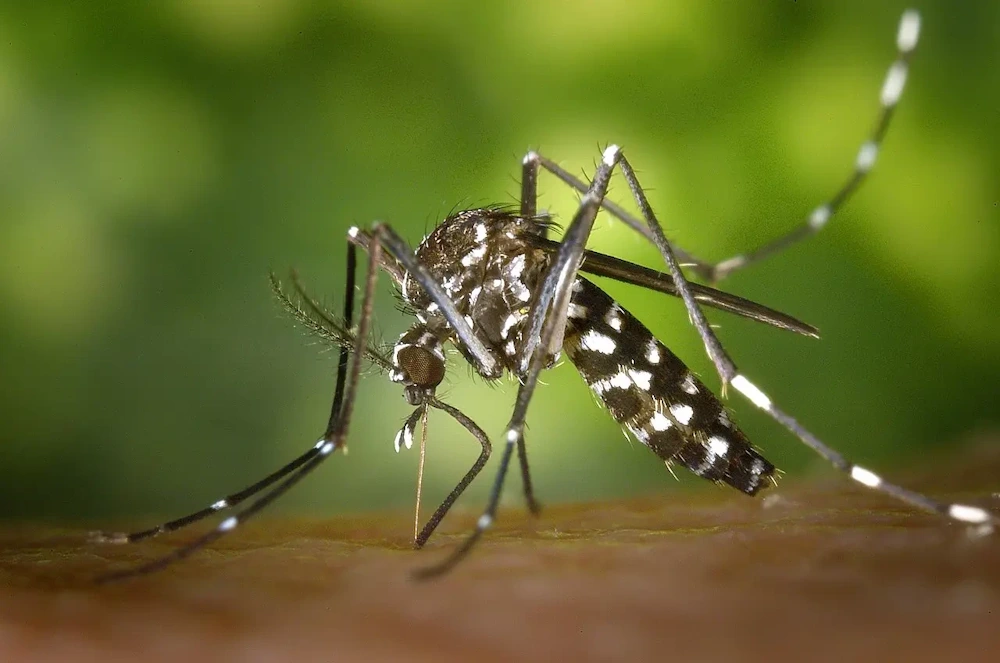
- Asian Tiger Mosquito (Aedes albopictus): Aggressive daytime biter. Breeds in small containers and artificial water holders around yards. Known to carry dengue, Zika, and chikungunya viruses.
- Yellow Fever Mosquito (Aedes aegypti): Another daytime feeder that prefers biting humans. Thrives in urban and suburban environments close to homes.
- Southern House Mosquito (Culex quinquefasciatus): Active primarily at dusk and dawn. The primary carrier of West Nile virus in Florida.
- Salt Marsh Mosquito (Aedes taeniorhynchus): Common near Naples’ coastal areas and mangrove zones. These mosquitoes can travel considerable distances from their breeding sites, sometimes miles inland.
Because multiple species overlap in Naples, residents often face biting pressure during both daytime and nighttime hours throughout peak season.
Health Risks of Mosquito Season in Naples
Mosquitoes in Naples aren’t merely annoying — they pose genuine health threats. Southwest Florida has seen confirmed cases of mosquito-borne illnesses that every homeowner should take seriously.
Key health risks include:
- West Nile Virus: The most commonly reported mosquito-borne illness in Florida. Most people experience mild symptoms, but severe cases can lead to neurological damage.
- Eastern Equine Encephalitis (EEE): Rare but extremely dangerous, with a high fatality rate. Florida reports cases nearly every year.
- Dengue Fever: Dengue has surfaced in South Florida in recent years, and the Aedes aegypti mosquitoes that carry it are well-established in Naples.
- Malaria: In 2023, Florida reported locally acquired malaria cases for the first time in decades, a stark reminder that these risks are evolving.
Pets are also at risk. Mosquitoes transmit heartworm to dogs, which can be fatal without treatment. Understanding why mosquitoes bite dogs and how to protect them is an important part of a complete prevention plan.
How to Reduce Mosquitoes Around Your Naples Home
You can’t control Naples’ climate, but you can control conditions on your property. Consistent action is the key to lowering mosquito populations around your yard.
Eliminate Standing Water Weekly
Walk your property at least once a week and dump any accumulated water. Check potted plant saucers, bird baths, grill covers, pool equipment, and clogged gutters. After every afternoon storm, inspect your yard again. Targeting mosquitoes at the larval stage is one of the most effective prevention strategies because it stops them before they become biting adults.
Maintain Your Landscaping
Mosquitoes rest in tall grass, overgrown hedges, and dense vegetation during the heat of the day. Keep your lawn mowed short and trim bushes regularly. For additional protection, consider adding mosquito-repelling plants to your Florida garden, such as citronella, lavender, and rosemary.
Use Targeted Mosquito Treatments
DIY efforts help, but professional-grade treatments deliver the most consistent results — especially during Naples’ peak season. Barrier sprays and innovative trap systems like the In2Care mosquito trap target both adult mosquitoes and larvae simultaneously, breaking the breeding cycle on your property.
Why Professional Mosquito Control Matters in Naples
Given the length and intensity of mosquito season in Naples, FL, relying on citronella candles and store-bought sprays alone rarely provides enough relief. The combination of daily rain, warm temperatures, and surrounding wetlands means mosquitoes repopulate your yard quickly after any one-time treatment.
A professional mosquito control program provides recurring treatments timed to match local mosquito activity cycles. Technicians identify breeding sites you might miss — hidden low spots in your yard, ornamental bromeliads that collect water, or forgotten containers tucked behind sheds.
Understanding why mosquito control is important goes beyond comfort. It’s about protecting your family and pets from disease, reclaiming your outdoor living space, and enjoying everything Naples has to offer without swatting away mosquitoes every time you step outside.
If you’re a Naples homeowner looking for reliable, local mosquito management, On Demand Pest Control serves the Naples area with customized treatment plans designed for Southwest Florida’s unique conditions. Reach out today to schedule your free inspection and take back your yard before peak season hits.
Frequently Asked Questions
-
What month are mosquitoes worst in Naples, FL?
Mosquitoes are worst in Naples from June through September. This period combines the highest temperatures with the heaviest rainfall, creating ideal conditions for rapid breeding and peak adult mosquito activity.
-
Do mosquitoes go away in winter in Naples?
Mosquito activity drops significantly in December through February, but it rarely disappears entirely. Naples' mild winters mean warm spells can trigger brief periods of mosquito activity even during the coolest months.
-
How can I protect my yard from mosquitoes during peak season?
Eliminate all standing water weekly, keep your lawn and landscaping trimmed, and invest in recurring professional mosquito treatments. Combining these steps is far more effective than relying on any single method alone.
-
Are mosquitoes in Naples dangerous?
Yes. Naples mosquitoes can carry West Nile virus, Eastern equine encephalitis, dengue, and heartworm (which affects dogs). While not every bite results in illness, the risk is real and increases during peak season when populations are highest.
-
Why are mosquitoes so bad near the Everglades and Naples Bay?
These areas provide extensive wetland habitat, warm standing water, and sheltered vegetation — everything mosquitoes need to breed in massive numbers. Salt marsh mosquitoes from coastal zones can also travel miles inland, increasing pressure on nearby neighborhoods.