
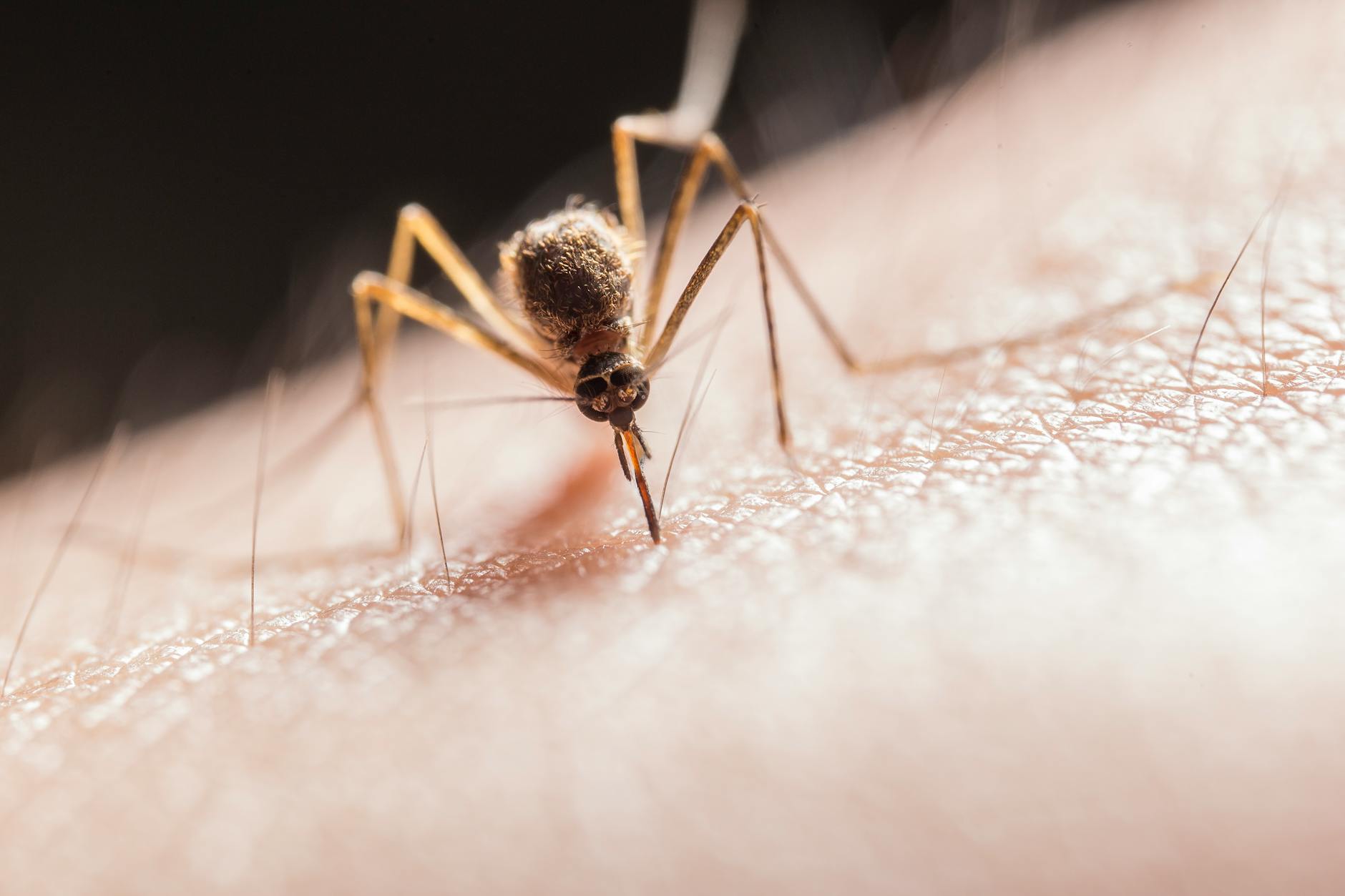
The short version: mosquito bites itch because your immune system reacts to proteins in the mosquito’s saliva by releasing histamine, which inflames the skin and triggers the nerves that signal “itch” to your brain. So when you ask why do mosquito bites itch, the real answer isn’t the bite itself — it’s your own allergic response to a tiny dose of foreign spit injected under your skin.
That little red welt feels disproportionate to such a small insect, but there’s a remarkable amount of biology happening in those first few seconds after a mosquito lands on you. Understanding the chemistry behind the itch helps you treat bites faster, predict how long the misery will last, and know when a reaction is normal versus when it’s worth worrying about. This guide breaks down exactly what happens under your skin, why some bites swell into golf balls while others fade in an hour, and what actually works to shut the itch down.
The Real Reason Mosquito Bites Itch
When a female mosquito lands on you, she’s not just poking a hole and slurping. She uses a needle-like mouthpart called a proboscis to probe for a blood vessel, and the moment she finds one, she injects saliva into the wound. That saliva is doing serious work — it contains anticoagulants that keep your blood from clotting and vasodilators that widen your blood vessels for easier feeding.
Your body, however, doesn’t recognize those salivary proteins as friendly. It treats them as foreign invaders and triggers an immune response. Mast cells in your skin release a chemical called histamine, which causes the classic signs of inflammation: redness, swelling, warmth, and that maddening itch.
So when people wonder why do bug bites itch in general, the answer for most biting insects is the same — your immune system is reacting to something the bug left behind, not to the puncture itself.
Histamine Is the Real Villain
Histamine is the same chemical responsible for allergy symptoms like sneezing and watery eyes. It binds to receptors on nerve endings near the bite site, and those nerves fire signals that your brain interprets as itching. The more histamine your body releases, the bigger the welt and the worse the itch.
This is why antihistamines (like diphenhydramine or cetirizine) work for bug bites — they block those histamine receptors and quiet the signal.
What’s Actually Happening Under Your Skin
Within seconds of being bitten, three things happen almost simultaneously:
- Capillaries dilate. Blood rushes to the area, creating the pink or red flush around the bite.
- Fluid leaks from those vessels. This produces the raised wheal — the soft, puffy bump in the middle.
- Sensory nerves fire. The itch begins, sometimes within a minute, sometimes building over the next hour.
In most adults, the visible bump appears within about 20 minutes and peaks around the two-hour mark. The itch can linger for two to four days, though sensitive individuals may feel it for longer. If you scratch hard enough to break the skin, you can extend the healing time significantly and risk a secondary bacterial infection.
Why Does It Itch When a Mosquito Bites You for the First Time vs. the Hundredth Time?
Here’s a strange twist of immunology: your reaction to mosquito bites actually changes over your lifetime. Children often react more dramatically than adults because their immune systems are still “learning” the saliva proteins. After repeated exposure over many years, some adults develop partial tolerance and barely notice bites at all. Others go the opposite direction and become more sensitized, producing larger welts each season.
This explains why two people standing in the same backyard can have wildly different reactions to the same mosquito species — and why the kid who got eaten alive in elementary school might shrug off bites as an adult.
Why Are Mosquito Bites Itchy for Days?
The itch lingers because histamine release doesn’t happen all at once. Your immune system continues processing the foreign saliva proteins over the next 24 to 72 hours, with delayed-phase reactions producing renewed swelling and itching even after the initial bump has flattened. This is also why scratching makes it worse: mechanical irritation triggers additional histamine release and resets the clock on the inflammatory cycle.
In some people, particularly those bitten frequently, a single bite can produce a hard, itchy bump that lasts a full week. This is a normal — if frustrating — variation of the standard response.
Who Gets Bitten More Often (and Why)
Ever wonder why do mosquitoes bite me more than others when everyone is sitting on the same patio? The reasons are partly genetic and partly behavioral. Mosquitoes are drawn to:
- Carbon dioxide from your breath — heavier breathers (during exercise, pregnancy, or simply having a larger body mass) are more attractive.
- Lactic acid and ammonia in sweat — people who run hot or have just worked out smell like a buffet.
- Skin bacteria — your unique microbiome produces volatile compounds that some species find irresistible.
- Blood type — research suggests Type O blood may attract certain species more than Type A or B.
- Dark clothing — mosquitoes use vision to find hosts and lock onto darker silhouettes.
You can’t change your blood type, but wearing light-colored clothing, showering after outdoor exercise, and using EPA-registered repellents can shift the odds in your favor.
How to Stop the Itch Fast
The single most effective home remedy is cold. Apply an ice pack or a chilled spoon to the bite for ten minutes — cold constricts blood vessels and slows histamine release, which can knock the itch back significantly. Over-the-counter hydrocortisone cream and oral antihistamines also work well for stubborn bites.
Some people swear by household alternatives. Can alcohol soothe mosquito bite itch? Rubbing alcohol does provide brief, cooling relief by evaporating quickly from the skin and dulling nerve signals, but it doesn’t address the underlying histamine reaction — so the itch returns within minutes. It’s a stopgap, not a real fix.
Other natural options have more staying power. The top essential oils for soothing mosquito bites — including peppermint, tea tree, and lavender — contain compounds with mild anti-inflammatory or counter-irritant effects. Diluted properly in a carrier oil, they can take the edge off without leaving you smelling like a medicine cabinet.
The cardinal rule, regardless of which remedy you choose: do not scratch. Scratching releases more histamine, prolongs the reaction, and can introduce bacteria from your fingernails into the open skin.
When a Bite Reaction Is Not Normal
Most bites are uncomfortable but harmless. Seek medical attention if you notice:
- Spreading redness, warmth, or pus (signs of infection)
- A bite that swells dramatically beyond a few centimeters across
- Fever, body aches, or rash following bites in areas with mosquito-borne disease activity
- Difficulty breathing or facial swelling (rare but serious allergic reaction)
In Florida and the broader Gulf Coast, mosquito-borne illnesses like West Nile virus, Eastern equine encephalitis, and dengue do occur, so flu-like symptoms after heavy bite exposure are always worth a call to your doctor.
Mosquito Behavior That Helps You Avoid Bites in the First Place
The best treatment for an itchy bite is the bite you never receive. A few quick facts shape smart prevention.
Lifespan matters. People often ask how long do mosquitoes live, and the answer is shorter than you’d think — most adult females live two to four weeks, with males surviving only about a week. That short lifespan is why standing water elimination works so well: you’re disrupting generation after generation before they can mature.
Biting doesn’t kill them. Despite the myth, the answer to whether do mosquitoes die after they bite you is no — a female mosquito can bite multiple hosts over her lifetime, taking blood meals every few days to produce new batches of eggs. One mosquito in your bedroom can be responsible for dozens of bites.
That ear buzz isn’t random. If you’ve ever wondered why mosquitoes buzz in people’s ears, it’s because the carbon dioxide you exhale is concentrated right around your face. Mosquitoes home in on the plume, and the wingbeat frequency that produces the whine is simply the byproduct of their flight as they hover near a target.
Keeping Mosquitoes Out of the House
Indoor bites are particularly frustrating because there’s no escape. If you’ve found yourself wondering how do mosquitoes get in my house — or the closely related question of how are mosquitoes getting in my house when the windows are shut — the answer is usually one of a few culprits:
- Torn or poorly fitted window and door screens
- Gaps under exterior doors (especially garage entry doors)
- Unsealed plumbing penetrations and dryer vents
- Hitchhikers entering when doors open at dusk
Eliminating standing water around the perimeter of your home is the single biggest move you can make. Birdbaths, plant saucers, clogged gutters, and bromeliad cups can each produce hundreds of mosquitoes per week in warm weather. Pair that with intact screens, well-sealed thresholds, and outdoor lighting that doesn’t draw insects toward entry points, and the indoor population drops sharply.
For persistent problems, especially in humid coastal regions where breeding sites multiply quickly, professional barrier treatments applied to vegetation and resting areas around the home can reduce adult populations for weeks at a time.
Frequently Asked Questions
Why do mosquito bites itch more at night?
Cortisol levels in your body naturally drop in the evening, which reduces your body’s anti-inflammatory defenses and lets histamine reactions feel more pronounced. There are also fewer distractions at night, so your brain pays more attention to mild sensory signals like itching. Keeping the bite cool and taking a non-drowsy antihistamine before bed can help.
How long should a mosquito bite take to stop itching?
A typical bite itches for two to four days, with the worst symptoms in the first 24 hours. If a bite is still itching intensely after a week, or if it has grown larger rather than smaller, that may indicate a hypersensitive reaction or secondary infection and deserves medical attention.
Why does scratching make the itch worse?
Scratching damages skin cells and triggers additional histamine release, which intensifies the itch rather than relieving it. It also breaks the skin barrier, increasing the risk of bacterial infection. The temporary “good feeling” from scratching is your brain releasing serotonin, which paradoxically activates pain pathways that feel like more itch shortly after.
Are mosquito bites worse for kids than adults?
Often, yes. Children’s immune systems haven’t been exposed to mosquito saliva as many times, so their reactions tend to be larger and last longer. This is normal and usually fades with age, though some kids develop a condition called skeeter syndrome with unusually large, hot welts that should be evaluated by a pediatrician.
Does taking Benadryl actually help mosquito bites?
Yes. Oral antihistamines like diphenhydramine block the histamine receptors responsible for the itch, providing real relief within 30 to 60 minutes. Topical hydrocortisone cream works on the same principle locally. For severe bites, combining a cold compress, topical steroid, and oral antihistamine produces the fastest results.
Can you become immune to mosquito bites?
Some people develop partial tolerance after years of repeated exposure, producing smaller and less itchy welts over time. True immunity is uncommon, and the protection is species-specific — being tolerant of bites from one mosquito species doesn’t mean you’ll be tolerant of another. Most people remain reactive enough to need bite prevention throughout life.

Vincent founded On Demand Pest Control in 2017 and is a Florida Certified Operator in all four state categories. He treats pest control as a systematic problem to solve, not a symptom to spray. Read Vincent’s full bio →