
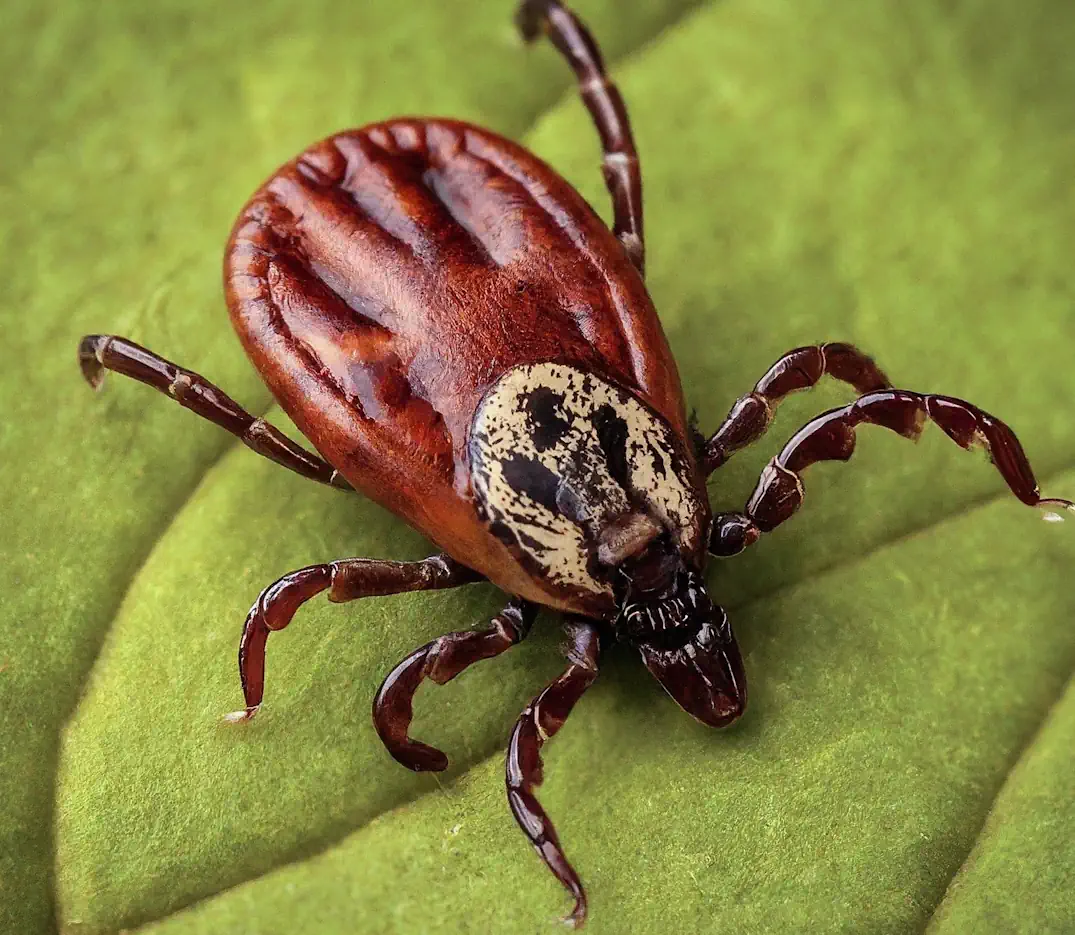
A tick check should start when you return from a potentially tick-infested place, including your own yard. Do not wait for itching: bites may go unnoticed, and small ticks can resemble a speck of dirt. Inspect your skin, clothing, gear and pets so ticks are not carried indoors and missed until later.
A tick check should start when you return from a potentially tick-infested place, including your own yard. Do not wait for itching: bites may go unnoticed, and small ticks can resemble a speck of dirt. Inspect your skin, clothing, gear and pets so ticks are not carried indoors and missed until later.
Use a mirror, good light and help from another person for hard-to-see areas. Showering within two hours is a useful additional step, but it does not reliably remove attached ticks or replace a full-body inspection. If you find an attached tick, remove it promptly with clean fine-tipped tweezers. A rash or fever afterward calls for medical advice, not another round of home pest treatment.
Why Checking for Ticks Matters More Than You Think
Ticks can be associated with several infections, while some tick bites are associated with alpha-gal syndrome, an allergy rather than an infection. Do not infer an individual condition from the bite alone. Further reading: diseases transmitted by ticks.
Transmission timing varies by pathogen and tick. Prompt removal is important, but there is no universal twenty-four- or forty-eight-hour safe window and no guarantee that a timely check prevents every infection.
Tick exposure depends on the species, place, season, and activity. Potential habitat can include yards and vegetated park edges as well as woods. Florida tick identification is useful background, not a personal risk ranking based only on the state.
When Should You Check for Ticks?
Check promptly on returning from possible tick habitat. Showering within two hours is an additional precaution, not the deadline for beginning a check.
High-Risk Activities That Require a Tick Check
Not every trip outdoors carries the same level of risk. You should always perform a tick check after the following activities:
- Hiking or walking on wooded trails
- Gardening, weeding, or working in leaf litter
- Playing in tall grass or near overgrown vegetation
- Camping or sitting on the ground outdoors
- Walking your dog through natural areas or dog parks with tree lines
- Mowing or landscaping near wooded borders
Check promptly after possible exposure, including brushing vegetation. A fixed attachment time is not a reason to dismiss a brief outing or delay checking.
Seasonal Timing for Tick Checks
In most of the United States, tick season peaks from April through September. However, in warmer climates like Florida, ticks remain active year-round. Black-legged ticks (deer ticks) are even more active during the cooler fall and winter months. Don’t let the calendar give you a false sense of security — make tick checks a habit regardless of the season.
How to Check for Ticks on Your Body: Step by Step
A proper tick check is systematic. Ticks are small — nymphs can be the size of a poppy seed — so a quick glance in the mirror isn’t enough. Follow these steps every time you come indoors from a tick-prone area.
Step 1: Gather Your Supplies
Before you start, grab the following:
- A handheld mirror or stand in front of a full-length mirror
- A fine-toothed comb for checking your scalp
- Bright overhead lighting or a flashlight
- A pair of fine-tipped tweezers (in case you find one)
Step 2: Check Your Clothing First
For dry clothing, CDC recommends ten minutes of high-heat drying. Damp clothing needs more time; items washed first should use hot water when care instructions allow. Inspect clothing and gear as well as skin.
Step 3: Shower and Begin Your Body Check
Showering within two hours of outdoor activity washes away unattached ticks and gives you a chance to feel for any bumps on your skin. After showering, stand in front of a well-lit mirror and inspect every area of your body, paying extra attention to the tick hotspots listed in the next section.
Step 4: Inspect High-Priority Body Areas
Ticks seek warm, moist, hidden areas. Check these spots thoroughly:
- Scalp and hairline: Use a fine-toothed comb. Part your hair in sections and feel with your fingertips.
- In and behind the ears: Check the folds and behind the earlobes.
- Neck and jawline: Run your fingers along both sides and the back of your neck.
- Armpits: Lift your arms and inspect carefully. This is one of the most common attachment sites.
- Around the waistband: Check where clothing presses against skin.
- Belly button: Ticks sometimes nestle inside the navel.
- Groin and inner thighs: Warm, dark areas are prime tick territory.
- Behind the knees: Flex your leg and inspect the crease.
- Between the toes: Check along toe lines and the tops of your feet.
Use your handheld mirror to check your back and any areas you can’t see directly. If possible, ask a partner to help inspect hard-to-see areas.
How to Check for Ticks on Children
Help children check after possible tick exposure, following the same systematic inspection used for adults. They may need assistance seeing the scalp, behind the ears, and skin folds; no universal child-versus-adult risk ranking is inferred.
Follow the same head-to-toe inspection, but be especially thorough around the scalp and hairline. Children’s hair provides excellent cover for ticks. Use a fine-toothed comb under bright light, and feel along their scalp with your fingertips. Check behind their ears, along the neck, and in skin folds. Young children may not be able to tell you about a small bump or itch, so visual and tactile inspection is essential.
Make it fun by turning the check into a game or a story. The goal is to build a habit so that tick checks feel normal rather than alarming.
How to Check Pets for Ticks After Outdoor Activity
Pets can carry ticks indoors, but not every tick species can establish an indoor population. Inspect animals separately and ask a veterinarian about suitable prevention. Ticks and indoor activity need species-specific assessment; a pet-carried tick does not establish a reproducing infestation.
Where Ticks Hide on Dogs and Cats
Run your fingers through your pet’s fur slowly, pressing down to feel the skin. Focus on these areas:
- Ears: Inside and around the ear flaps
- Around the eyes: Along eyelids and brows
- Under the collar: Remove the collar and inspect the skin beneath
- Between the toes: Spread the toes and look carefully
- Under the tail: The base of the tail is a common hiding spot
- Groin area: The inner thighs and belly
If you find a tick on your pet, remove it promptly with fine-tipped tweezers. Grasp the tick as close to the skin surface as possible and pull upward with steady, even pressure. Clean the bite area with rubbing alcohol or soap and water.
What Does an Attached Tick Look and Feel Like?
Ticks vary in size by species, life stage, and feeding. Use visible legs and an appropriate photo or specimen for assessment; size alone is not a reliable identification or infection test.
When you run your fingers over your skin, an attached tick feels like a small, firm bump — similar to a new mole or skin tag. Visually, you may see tiny dark legs radiating from the bump. Embedded ticks won’t brush off easily. They’re anchored into the skin with their mouthparts.
Tick vs. Skin Tag vs. Mole: How to Tell the Difference
If you’re unsure, use a magnifying glass. Ticks have visible legs and a distinct body structure that sets them apart from skin growths.
What to Do If You Find a Tick During Your Check
Stay calm. Finding a tick is not an emergency, but prompt removal is important. Here’s how to handle it correctly:
- Use fine-tipped tweezers to grasp the tick as close to the skin as possible.
- Pull upward with steady, even pressure. Don’t twist or jerk — this can cause the mouthparts to break off.
- If mouthparts remain in the skin, try to remove them with tweezers. If you can’t, leave them alone and let the skin heal.
- Clean the bite area and your hands with rubbing alcohol, iodine, or soap and water.
- Save the tick in a sealed bag or container with the date noted, in case you develop symptoms later.
Do not use nail polish, petroleum jelly, or heat to delay or force removal. CDC recommends prompt removal with fine-tipped tweezers, followed by cleaning and attention to symptoms; an unsupported mechanism is not needed to explain this advice.
Watch for rash, fever or other illness in the days and weeks after a bite and seek medical advice if symptoms develop. Tell the clinician when and where exposure occurred. Do not wait for a particular rash pattern. Further reading: top tick repellents for humans.
Preventing Tick Bites Before Your Next Outdoor Trip
Use appropriate exposure precautions, but continue tick checks after possible contact. Repellent and treated clothing have product-specific limits and do not guarantee that a tick will not attach.
- Wear light-colored clothing so ticks are easier to spot.
- Tuck pants into socks and shirts into waistbands to block entry points.
- Apply EPA-registered repellent containing DEET, picaridin, or IR3535 to exposed skin.
- Use a product containing permethrin labeled for clothing or gear as directed. Do not apply it to skin, and follow age, handling and laundering instructions. Other repellents have their own labels and restrictions.
- Stay on cleared trails and avoid walking through tall grass or leaf litter.
- Keep your yard maintained by mowing regularly, removing leaf piles, and creating a barrier between lawn and wooded areas.
For comprehensive strategies on avoiding tick encounters, explore this detailed guide on preventing tick bites. If you’re already dealing with ticks in your yard or home, professional pest control may be necessary to break the cycle. Understanding how long ticks live helps explain why a single treatment often isn’t enough — these persistent pests can survive for months without a blood meal, waiting for their next host.
Make the inspection systematic
Check under the arms, in and around ears, inside the belly button, behind knees, around the waist, between the legs and throughout the hair. A mirror or another person’s help makes the back and scalp easier to inspect. Work in a consistent order so one hidden area is not skipped. Children need an adult’s careful check, including places covered by straps and clothing.
For dry clothing, CDC recommends high-heat tumble drying for ten minutes; damp clothing needs additional drying time, and items that need washing first should be washed hot if their care instructions permit. Inspect backpacks and pets separately. Never put a dog pesticide on a cat or a pet product on a person. If you cannot identify a skin spot, get medical advice rather than digging at it.
Related guidance for the next assessment
For a related comparison, see tick identification. A clear photograph or specimen can support a clinician or specialist’s assessment. Do not infer infection from color or a quick glance.
Frequently Asked Questions
-
How long after being outside should I check for ticks?
Check when you return from a potentially tick-infested place. Showering within two hours is an additional CDC recommendation, not permission to delay an inspection or leave an attached tick in place.
-
Can you feel a tick bite when it happens?
You may not notice the bite. Do a visual and hands-on check rather than waiting for discomfort. Remove attached ticks promptly and monitor for illness afterward.
-
What is the best way to check for ticks in thick hair?
Use good light, part the hair in small sections and ask someone to inspect the scalp and behind the ears. A mirror helps with hard-to-see areas. Do not rely on shampoo to remove an attached tick.
-
How small are ticks when they first attach?
Some immature ticks are very small. Look for tiny attached bumps and visible legs, but avoid digging at uncertain skin spots. A healthcare professional can assess an unclear lesion.
-
Should I go to the doctor every time I find a tick on me?
Remove an attached tick promptly rather than waiting for an appointment. Ask a clinician about your circumstances, especially if rash, fever or other symptoms develop. Species, location and attachment history affect medical decisions.
-
Can ticks get into my home after a tick check?
Yes. Ticks can remain on clothes, gear or pets and attach later. Inspect those items too. CDC recommends ten minutes of high-heat drying for dry clothing; damp items need more time, subject to their care instructions.
Get help with your pest concern.
Tell us what you are seeing. Our team can discuss the concern and the next step.
- Share your concern and contact details.
- Our team contacts you to discuss available service.
- Ask for a written scope and quote before work.
Where can we reach you?
Our team will call to confirm the next step.
By submitting, you’re asking On Demand Pest Control to contact you about this request.
↗ Prefer to call? (954) 947-0805