Table of Contents
ToggleKey Takeaways
- Black widows thrive across the southern United States, especially in warm, humid climates like Florida.
- They prefer dark, undisturbed spaces such as garages, sheds, woodpiles, crawl spaces, and cluttered storage areas.
- Black widows build irregular, messy webs close to the ground rather than the organized webs you see from other species.
- Reducing clutter, sealing entry points, and wearing gloves when reaching into hidden areas are the best ways to avoid encounters.
- Professional pest control is recommended when you find multiple black widows or egg sacs near your living spaces.
If you’ve ever wondered where do black widows live, the answer might be closer than you think. These venomous spiders are one of the most feared household pests in North America, and their preferred hiding spots are places you likely visit every day—your garage, your garden shed, even the underside of your patio furniture. Black widows are masters of staying hidden, which makes understanding their habitat preferences essential for keeping your family safe. In this guide, you’ll learn exactly where black widows set up their webs, why certain environments attract them, the geographic regions where they’re most common, and practical steps you can take to control and prevent infestations around your property.
Where Do Black Widows Live in the United States?
Black widows are found across much of the United States, but they are most abundant in the southern and western states. The southern black widow (Latrodectus mactans) dominates the Southeast, while the western black widow (Latrodectus hesperus) is common from the Pacific Coast through the desert Southwest. A third species, the northern black widow (Latrodectus variolus), extends into the northeastern and midwestern states, though it is less commonly encountered.
Warm, temperate climates provide ideal conditions for black widows. States like Florida, Texas, Arizona, California, Georgia, and the Carolinas report some of the highest populations. These regions offer long warm seasons that support year-round activity, especially in sheltered outdoor and indoor environments.
In Florida specifically, black widows are a year-round concern. The state’s subtropical humidity and mild winters mean these spiders never truly go dormant. Homeowners throughout the state—from the panhandle to the Keys—regularly encounter them. If you’re curious about other spider species common in the Sunshine State, our guide to fascinating facts about spiders in Florida covers a wide range of species and behaviors worth knowing about.
What Outdoor Habitats Do Black Widows Prefer?
Black widows are primarily outdoor spiders. They gravitate toward dark, sheltered areas close to the ground where insect prey is plentiful. Understanding their outdoor habitat preferences helps you identify and eliminate high-risk zones around your property.
Woodpiles and Debris
Stacked firewood, lumber piles, and yard debris are among the most common outdoor hiding spots for black widows. The crevices between logs and boards provide the dark, undisturbed conditions they need. Always wear heavy gloves when moving firewood, and store wood at least 20 feet from your home’s foundation.
Rock Walls and Landscaping Features
Retaining walls, stone borders, and decorative rock gardens create an ideal microhabitat. The gaps between stones trap moisture and attract insects, which in turn attract black widows. Regularly inspect these features during warm months, especially along the shaded side.
Under Decks and Porches
The shaded underside of decks, porches, and raised patios is a favorite nesting zone. Black widows spin their tangled webs in corners and along joists where they can catch crawling insects. Consider installing fine mesh screening beneath decks to limit spider access.
Garden Sheds and Meter Boxes
Outdoor utility boxes, water meter enclosures, and infrequently opened shed doors are classic black widow territory. Utility workers and homeowners often discover them when opening a meter box or reaching behind stored equipment. Use a flashlight before reaching into any dark outdoor enclosure.
Where Do Black Widows Hide Inside Your Home?
While black widows prefer the outdoors, they regularly move indoors—especially when seeking shelter from extreme heat, cold, or heavy rain. Knowing their favorite indoor hiding places is crucial for early detection.
Garages and Basements
Garages rank as the number-one indoor location for black widow encounters. Cluttered storage shelves, cardboard boxes on the floor, and dark corners behind lawn equipment provide everything they need. Basements and crawl spaces offer similar conditions—cool, dark, and rarely disturbed.
Closets and Storage Areas
Seldom-used closets, attic storage, and boxes of seasonal decorations can harbor black widows for months. They particularly favor the insides of shoes, old clothing piles, and between stacked boxes. Always shake out shoes and clothing stored in dark areas before putting them on.
Crawl Spaces and Wall Voids
Crawl spaces beneath homes are among the most common indoor-adjacent habitats. The combination of darkness, exposed soil, and insect prey makes these areas extremely attractive. Wall voids near plumbing entry points also provide easy access and protection from disturbance.
Why Do Black Widows Choose Dark, Undisturbed Spaces?
Black widows are nocturnal hunters. They rely on vibrations transmitted through their webs to detect prey rather than sight. As a result, they have no need for well-lit environments and actively avoid them. Dark spaces reduce their exposure to predators such as birds, lizards, and parasitic wasps.
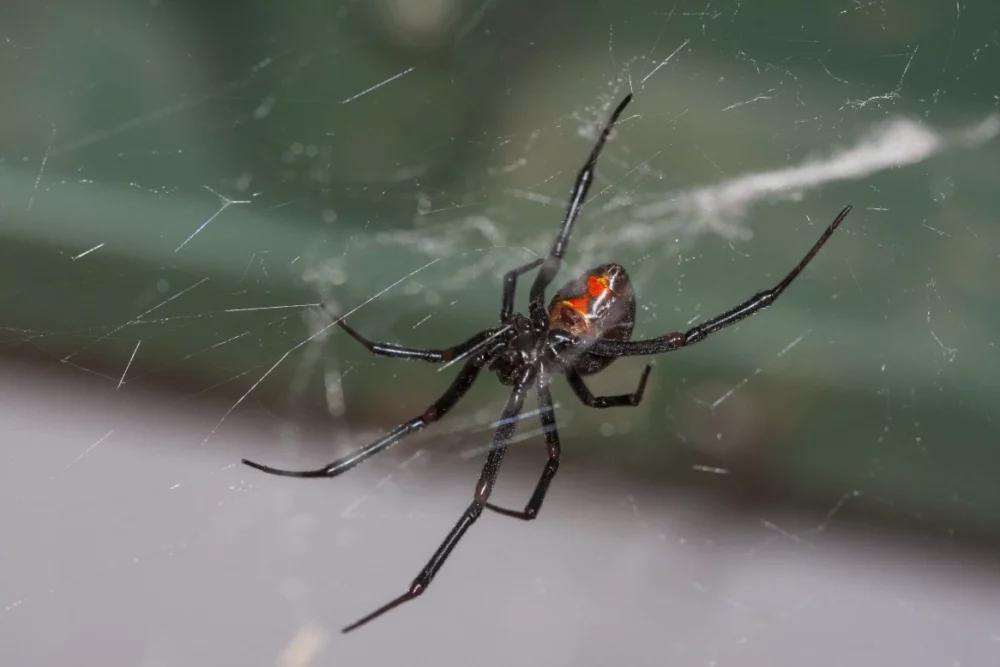
Their webs are distinctive. Unlike the symmetrical orb webs built by species like common orb weaver spiders in Florida, black widow webs are irregular, tangled, and three-dimensional. They typically build at ground level or slightly above, stretching sticky strands between objects to snare crawling insects. This web architecture is a reliable identification clue.
The anatomy of spiders also plays a role in their habitat choice. Black widows have relatively poor eyesight compared to active hunters like jumping spiders. Their bulbous abdomen and short legs make them less agile, so they depend heavily on their web’s structural support. Tight, enclosed spaces help anchor these webs securely.
How to Identify a Black Widow Infestation
Spotting a single black widow doesn’t necessarily mean you have an infestation, but multiple sightings—especially of egg sacs—warrant immediate attention. Here are the key signs to look for:
- Irregular, tangled webs near ground level in dark corners, garages, and outdoor structures.
- Round, papery egg sacs about the size of a marble, often cream or tan in color, attached to the web.
- The spider itself: glossy black body with the iconic red hourglass marking on the underside of the abdomen. Females are approximately 1.5 inches long including legs.
- Prey remnants caught in the web, including beetle husks, ants, and other small insects.
Keep in mind that immature black widows look quite different from adults. Juveniles may display white, brown, or orange markings before developing the classic adult coloring. If you’re unsure about identifying what you’ve found, compare it against our detailed look at how to get rid of black widows, which includes identification tips alongside removal strategies.
Black Widow Habitats by Season
Black widow behavior shifts with the seasons, and understanding these patterns helps you anticipate where they’ll show up throughout the year.
| Season | Primary Habitat | Activity Level |
|---|---|---|
| Spring | Outdoor garden beds, under mulch, woodpiles | Moderate — emerging and building webs |
| Summer | Sheds, garages, meter boxes, rock walls | High — peak breeding and feeding season |
| Fall | Transitioning indoors — garages, basements, crawl spaces | Moderate to high — seeking warmth |
| Winter | Indoor sheltered spots — closets, storage boxes, wall voids | Low — dormant in cooler regions, active in Florida |
In states like Florida, the mild climate keeps black widows active for most of the year. However, even in warmer regions, activity peaks in late spring through early fall when temperatures and prey availability are highest.
How to Control Black Widows Around Your Property
Controlling black widows requires a combination of habitat modification, exclusion, and targeted treatment. Here are the most effective steps you can take:
Reduce Clutter and Hiding Spots
The single most effective prevention strategy is eliminating their preferred habitat. Remove unnecessary clutter from garages, sheds, and basements. Store items in sealed plastic bins instead of cardboard boxes. Keep firewood stacked away from the house and elevated off the ground.
Seal Entry Points
Inspect your home’s exterior for gaps around doors, windows, utility pipes, and vents. Use caulk, weather stripping, or expanding foam to seal openings. Install door sweeps on garage doors and exterior doors. Even a gap of a quarter inch is large enough for a black widow to squeeze through.
Manage Outdoor Lighting
Bright outdoor lights attract flying insects, which in turn attract spiders that feed on them. Switch exterior lights to yellow or sodium-vapor bulbs, which are less attractive to insects. Alternatively, position lights away from doorways so insects are drawn away from entry points.
Use Targeted Treatments
Residual insecticide sprays applied along baseboards, in crevices, and around exterior foundations can reduce black widow populations. Sticky traps placed in garages and crawl spaces help monitor activity levels. For step-by-step removal guidance, our article on how to get rid of banana spiders covers overlapping principles that apply to many species, including web removal techniques and perimeter treatments.
When to Call a Professional
If you discover multiple black widows, find egg sacs in or near your living areas, or have small children or pets at risk, professional pest control is the safest option. A licensed technician can perform a thorough inspection, apply professional-grade products in hard-to-reach areas, and set up an ongoing prevention plan. Don’t gamble with a venomous species when expert help is readily available.
Frequently Asked Questions
-
Where do black widows live most commonly in the house?
Black widows most commonly live in garages, basements, crawl spaces, and cluttered storage areas inside a home. They seek out dark, undisturbed corners where they can build webs close to the ground and catch crawling insects without being disturbed.
-
Do black widows live in Florida year-round?
Yes, black widows are active year-round in Florida due to the state's warm, humid climate. They don't enter true dormancy like they do in northern states. However, their activity still peaks during the warmer months from late spring through early fall.
-
Can black widows live in cold climates?
Black widows can survive in cooler climates by seeking shelter in heated buildings, basements, and crawl spaces during winter. The northern black widow (Latrodectus variolus) extends into the northeastern and midwestern United States, though it is far less common than the southern species.
-
How can I tell if a black widow is living in my garage?
Look for irregular, messy webs built close to the ground in dark corners, behind stored items, or along baseboards. Check for round, papery egg sacs attached to the web. The spider itself is shiny black with a red hourglass marking on the underside of its abdomen.
-
Are black widows aggressive toward people?
Black widows are not aggressive. They are reclusive and bite only when they feel trapped or threatened—typically when a hand or foot accidentally presses against them. Most bites occur when people reach into dark spaces without checking first or put on shoes where a spider has taken shelter.
-
Should I hire a pest control professional for black widows?
Professional pest control is recommended whenever you find multiple black widows, discover egg sacs near living spaces, or have young children or pets in the home. A professional can safely treat hard-to-reach areas like crawl spaces, wall voids, and attic spaces that are difficult to inspect on your own.