
Table of Contents
ToggleKey Takeaways
- Dead rat smell in Florida homes intensifies quickly due to heat and humidity, often becoming unbearable within 24-48 hours.
- Locating the carcass is essential — check walls, attics, crawl spaces, and behind appliances by following the strongest concentration of odor.
- Safe removal requires gloves, a mask, and proper disinfection to avoid exposure to bacteria, parasites, and airborne pathogens.
- Natural odor neutralizers like baking soda, activated charcoal, and white vinegar absorb lingering smells far better than air fresheners.
- Preventing future dead rat smells starts with sealing entry points and addressing any active rodent infestation in your home.
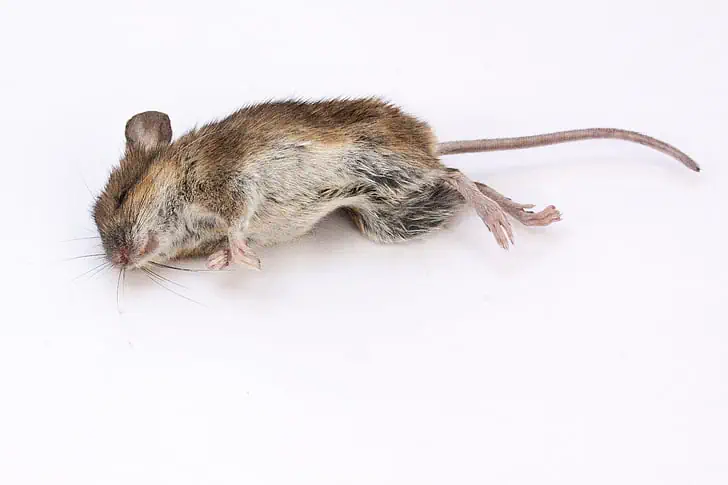
A dead rat smell in your Florida home is one of the most nauseating problems a homeowner can face. The warm, humid climate accelerates decomposition, turning a hidden carcass into a powerful source of odor in just one or two days. That sickly-sweet, rotten stench seeps through walls, ductwork, and ceiling cavities — and no amount of scented candle or air freshener will make it disappear. Roof rats, one of the most common rodent species in the state, frequently die inside attics, wall voids, and other hard-to-reach areas. In this guide, you’ll learn exactly how to locate a dead rat, safely remove it, eliminate the lingering odor, and prevent the problem from happening again.
Why Dead Rat Smell Is Worse in Florida Homes
Florida’s subtropical climate creates the perfect conditions for rapid decomposition. When temperatures inside an attic or wall cavity reach 90°F or higher — which happens routinely from spring through fall — a dead rat can begin producing a noticeable odor within 24 hours. In cooler climates, homeowners might have several days before the smell becomes overwhelming. In South Florida, you rarely get that grace period.
Humidity plays an equally important role. Moisture accelerates bacterial activity, which is what produces the gases responsible for that unmistakable rotting smell. The combination of heat and humidity means the decomposition process is both faster and more pungent than it would be in drier states.
Additionally, many Florida homes use central air conditioning systems with ductwork that runs through attics and wall cavities. When a rat dies near a duct, the HVAC system can circulate the odor throughout every room in the house. This makes it seem like the smell is everywhere, even though the source might be in a single, confined location.
How to Find a Dead Rat in Your Home
Before you can eliminate the dead rat smell, you need to find the source. This is often the hardest part. Rats tend to die in hidden spots — behind drywall, under insulation, inside ductwork, or beneath floorboards. However, a few strategies can help you narrow down the location.
Follow Your Nose
The most reliable method is simple: follow the smell. Move through your home room by room and identify where the odor is strongest. Get close to walls, baseboards, and vents. The intensity of the smell increases dramatically as you approach the source. If the odor peaks near a specific wall, the carcass is likely inside that wall cavity.
Look for Visual Clues
Staining on walls or ceilings can indicate decomposition fluids seeping through building materials. You may also notice an unusual concentration of flies or other insects near a particular area. Blowflies are attracted to decaying tissue and are often the first visual sign that something has died nearby.
If you’ve been hearing noises in your ceiling or walls that recently stopped, that’s a strong indicator of where the rat was active — and likely where it died.
Check Common Hiding Spots
In Florida homes, dead rats are most frequently found in these locations:
- Attics and attic insulation
- Wall cavities, especially near kitchens and bathrooms
- Crawl spaces beneath raised homes
- Inside or behind large appliances like refrigerators and dishwashers
- Garage storage areas
- Air handler closets and ductwork
If you suspect the rat is in your attic, be sure to check under and between layers of insulation. Florida homeowners who use pest control attic insulation sometimes find carcasses nestled into the material.
Step-by-Step Dead Rat Removal Process
Once you’ve located the carcass, safe removal is critical. Dead rats carry bacteria, parasites, and potentially dangerous pathogens. Handling them without proper protection can expose you to serious rodent-borne diseases and health dangers. Follow these steps carefully.
Gather Your Supplies
Before touching anything, assemble the following:
- Disposable rubber or latex gloves (double up for extra protection)
- An N95 respirator mask or similar face covering
- Heavy-duty garbage bags (double-bagged)
- Paper towels or old rags
- A disinfectant spray or a bleach-and-water solution (1 part bleach to 10 parts water)
- A plastic scraper or putty knife (if the carcass is stuck to a surface)
Remove the Carcass Safely
Put on your gloves and mask before approaching the dead rat. Spray the carcass and surrounding area thoroughly with disinfectant. Let it soak for at least five minutes. This kills surface bacteria and reduces the risk of airborne particles.
Pick up the rat using paper towels or rags and place it directly into the garbage bag. Add the paper towels, gloves, and any contaminated materials into the bag as well. Seal it tightly, then place it inside a second bag. Dispose of the double-bagged carcass in an outdoor trash bin with a secure lid.
Disinfect the Area
After removing the carcass, spray the entire area again with your bleach solution or a commercial disinfectant. Wipe down all surfaces the rat may have contacted. If the carcass was on insulation, you’ll likely need to remove and replace that section of insulation entirely, as decomposition fluids soak in and continue producing odor.
Wash your hands thoroughly with antibacterial soap after completing the cleanup, even if you wore gloves the entire time.
How to Eliminate Dead Rat Smell After Removal
Removing the carcass is only half the battle. The dead rat smell can linger for days or even weeks if you don’t actively neutralize it. Air fresheners and scented sprays only mask the odor temporarily — you need solutions that absorb and break down the odor-causing compounds.
Activated Charcoal
Activated charcoal is one of the most effective odor absorbers available. Place charcoal briquettes or activated charcoal bags near the area where the rat was found. You can also place them in rooms where the smell has spread. Charcoal works by trapping odor molecules in its porous surface, pulling them out of the air over several days.
Baking Soda
Baking soda is another powerful, inexpensive option. Sprinkle a generous layer of baking soda over the affected area and leave it for 24 to 48 hours before vacuuming it up. For wall cavities or hard-to-reach spaces, place open containers of baking soda as close to the source as possible.
White Vinegar
Set bowls of undiluted white vinegar around the affected room. Vinegar neutralizes odor-causing compounds rather than masking them. You can also wipe down walls, baseboards, and hard surfaces near the source with a vinegar-soaked cloth. The vinegar smell dissipates within a few hours and takes much of the decomposition odor with it.
Ventilation and Air Purification
Open windows and use fans to create cross-ventilation in the affected area. Running a HEPA air purifier can also help capture airborne particles and odor compounds. If your HVAC system circulated the smell throughout the house, consider replacing your air filter and running the system on fan mode with windows open for a few hours.
Dead Rat Smell Timeline: How Long Does It Last?
One of the most common questions homeowners ask is how long the smell will persist. The answer depends on several factors, including whether you’ve removed the carcass and what the ambient temperature is.
| Scenario | Estimated Odor Duration |
|---|---|
| Carcass removed, area disinfected and treated | 1-3 days |
| Carcass removed, no odor treatment | 1-2 weeks |
| Carcass not removed (inaccessible), hot weather | 2-4 weeks |
| Carcass not removed, moderate temps | 4-8 weeks |
In Florida’s heat, decomposition happens fast, which means the most intense phase of the smell is shorter — but it’s also far more powerful. If you cannot access the carcass (for example, it’s deep inside a wall), the odor neutralization methods above become even more important to maintain livability while nature runs its course.
Health Risks of Dead Rat Smell in Your Home
Beyond the obvious unpleasantness, a decomposing rat poses real health concerns. As the body breaks down, it releases bacteria and can attract secondary pests like flies, beetles, and mites. These pests can spread contamination to other areas of your home.
Airborne particles from decomposition can irritate the respiratory system, particularly in people with asthma or allergies. The chances of getting sick from rodent-related contamination increase when exposure is prolonged. If droppings or urine are present near the carcass — which is common — the risk compounds further.
Children, elderly individuals, and immunocompromised family members are especially vulnerable. If anyone in your household begins experiencing headaches, nausea, or respiratory symptoms while a dead rat odor is present, seek fresh air immediately and consider professional remediation.
How to Prevent Dead Rat Smells in the Future
The best way to avoid dealing with a dead rat smell is to prevent rats from entering your home in the first place. A dead rat inside your walls or attic means there’s an active or recent infestation that needs to be addressed.
Seal Entry Points
Rats can squeeze through openings as small as a quarter. Inspect your home’s exterior for gaps around pipes, utility lines, roof vents, soffit panels, and foundation cracks. Finding and sealing rodent entry points is one of the most effective long-term prevention strategies. Use steel wool, hardware cloth, or metal flashing — rats can chew through caulk, foam, and even wood.
Address Active Infestations
If you’ve found one dead rat, there are likely more living ones nearby. A single sighting usually means a larger population is present. Review our complete guide to getting rid of rats for a thorough approach to elimination. For mouse problems, our guide on how to completely get rid of mice covers everything from trapping to exclusion.
Look for signs of an ongoing rat infestation such as droppings, gnaw marks, grease trails along walls, and nesting materials in hidden areas.
Use Traps Instead of Poison
One often-overlooked cause of dead rat smells is the use of rodenticide (rat poison). When a poisoned rat retreats into a wall cavity or attic space to die, homeowners are left with an inaccessible carcass and weeks of odor. Snap traps and other mechanical traps allow you to locate and remove dead rodents immediately, eliminating the hidden-carcass problem entirely.
If you do use bait stations, understand how rodent bait stations work and place them strategically to reduce the chance of rats dying in inaccessible areas.
Reduce Attractants
Remove the things that draw rodents to your property. Store food in airtight containers, clean up pet food bowls at night, and eliminate outdoor food sources like fallen fruit from trees. Florida’s roof rats are particularly attracted to citrus trees and palm fruit. Keep vegetation trimmed away from your roofline and remove debris piles where rodents might shelter.
When to Call a Professional for Dead Rat Smell Removal
Some situations are beyond DIY solutions. If the dead rat is sealed inside a wall and you cannot access it, a pest control professional can use tools like borescopes and thermal imaging to pinpoint the exact location without tearing apart large sections of drywall. They can make a small, targeted cut, remove the carcass, disinfect the area, and patch the opening.
Professional help is also warranted when:
- The smell persists for more than two weeks despite odor treatment
- You find evidence of multiple dead rats or a large infestation
- Contaminated insulation needs to be removed and replaced
- You’re uncomfortable handling a dead animal or concerned about health risks
A pest control technician can also inspect your home for active rat activity and set up traps to address the underlying problem. Removing one dead rat without solving the infestation means you’ll likely face the same odor issue again soon. If you’re in South Florida and dealing with a persistent rodent problem or a dead rat smell you can’t resolve, reach out to a local pest control provider who can handle removal, sanitation, and long-term prevention in one visit.
Frequently Asked Questions
-
How long does dead rat smell last in a wall in Florida?
In Florida's heat and humidity, a dead rat in a wall typically produces a strong odor for two to four weeks. The most intense smell usually occurs during the first week. Using odor absorbers like activated charcoal and baking soda near the area can make the smell more manageable while decomposition completes.
-
Can dead rat smell make you sick?
Yes, prolonged exposure to the gases and bacteria from a decomposing rat can cause headaches, nausea, and respiratory irritation. People with asthma or weakened immune systems are at higher risk. Removing the carcass and disinfecting the area reduces these health risks significantly.
-
What is the fastest way to get rid of dead rat smell?
The fastest method is to locate and remove the carcass, disinfect the area with a bleach solution, and then place activated charcoal and open containers of white vinegar nearby. Combined with good ventilation, this approach can reduce the odor to undetectable levels within one to three days.
-
Why does my house smell like a dead animal but I can't find it?
The carcass is likely inside a wall cavity, under insulation, or in an area of the attic you can't easily access. HVAC ductwork can also distribute the smell throughout the house, making it hard to pinpoint. A pest control professional with specialized equipment can locate carcasses hidden behind walls without causing unnecessary damage.
-
Should I use rat poison if I'm worried about dead rat smells?
Rat poison is a common cause of dead rat smells in walls because poisoned rats often crawl into inaccessible spaces before dying. Snap traps are a better choice if you want to avoid this problem, since they allow you to locate and dispose of the rat immediately after it's caught.
-
How do I prevent rats from dying in my walls again?
Seal all entry points around your home's exterior using steel wool or metal flashing. Use snap traps rather than poison to control active infestations. Keep your attic and crawl spaces regularly inspected, and remove outdoor food sources that attract rodents to your property in the first place.