
Learn which early bed bug signs are useful, why bites alone are inconclusive, and how to inspect, monitor, and request help without spreading suspect belongings.
Early bed bug activity can be easy to miss. The best next step is a careful inspection for physical evidence, not a diagnosis from an itchy mark. A live specimen, eggs, shed skins, and fresh spotting near a sleeping area give a pest professional something concrete to assess.
Recognize the insect and why early inspection helps
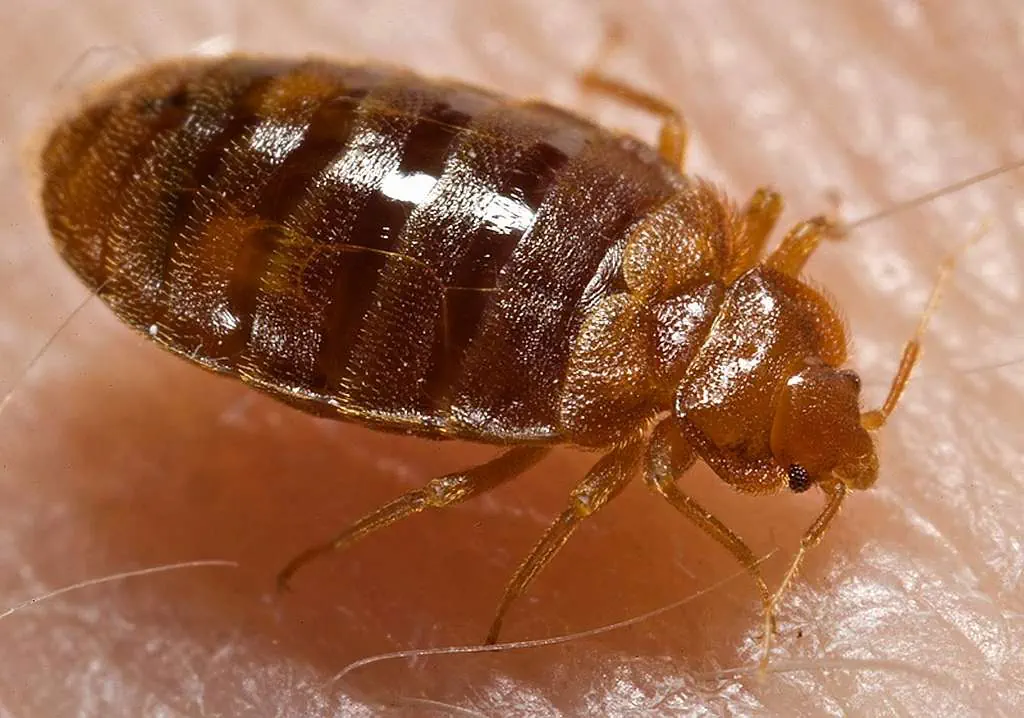
Bed bugs are wingless, blood-feeding insects. Adults are usually reddish brown, broadly oval, and flattened before a meal; feeding makes them fuller. Nymphs are smaller and often pale. They crawl rather than jump or fly. Our identification guide and discussion of what can be seen without magnification help separate adults from much smaller eggs and young stages.
An infestation can include eggs, five nymphal stages, and adults. Nymphs need a blood meal before each molt. Bugs usually shelter in protected places near sleeping or resting hosts, rather than remaining on the person. They are primarily active at night and hide between meals, but hungry bed bugs can also seek hosts in daylight. A daytime inspection should therefore examine protected seams and joints rather than depend on seeing a bug moving in the open. That makes seams, joints, and nearby furniture more useful inspection targets than searching only your skin.
Finding activity early can make the extent easier to investigate, but a low count does not prove that the problem is confined to one mattress. Females can keep laying eggs when feeding and conditions permit, allowing a small population to grow through successive life stages. That is a reason to investigate early signs promptly; it does not predict a fixed outbreak timeline or treatment result. Travel belongings, used furniture, and movement of affected items can introduce or spread bugs. How bed bugs arrive also explains why housekeeping alone cannot prevent every introduction.
Bites are a clue, not a diagnosis
Bed bug reactions vary. Some people notice itchy red marks; others have little or no visible response, and reactions can appear after a delay. A line or cluster of marks is not a reliable way to distinguish bed bugs from mosquitoes, fleas, other insects, or non-insect causes. The absence of marks on another household member also does not rule bed bugs out.
If new unexplained marks appear, note when they were noticed and inspect the places where you sleep or sit. Keep the skin question and the pest question separate: a clinician evaluates the reaction, while a pest specialist identifies specimens and environmental signs. Seek urgent medical care for breathing trouble or a severe reaction, and medical advice for worsening inflammation or possible infection.
Do not apply pesticide to a person, bedding, or a room because bites “look right.” Compare any insect with common bed bug look-alikes. Treatment for a flea, carpet beetle, or host-associated bat bug requires a different investigation.

Historical skin-reaction photo. Skin marks and their arrangement cannot establish the cause or identify bed bugs.
Inspect stains, eggs, shed skins, and live bugs together
Small dark spots on mattress seams, bedding, or nearby frames may be fecal material. Rusty or reddish stains can occur when bugs are crushed. Both are more useful when found with other signs, since stains alone have several possible explanations. Photograph the spot and the surrounding seam rather than cleaning away all evidence before an identification visit.
Look for pale shed skins, tiny whitish eggs, and live insects in the same protected areas. Bed bug eggs can be difficult to distinguish from lint without a close view. Young bugs are also easy to overlook. Use good light and avoid relying on a single photograph taken from across the room.
A musty or sweet odor is sometimes associated with substantial infestations, but an odor is nonspecific and its absence does not clear a room. Physical findings are more useful for early detection. Record the date and place of each finding so a later check can distinguish old staining from fresh activity.

Historical image of marks on mattress fabric. Color or a stain alone does not establish bed bug activity.
Check the bed, then the nearby resting areas
Begin with a flashlight and magnifying glass along mattress piping, labels, tufts, and folds. Magnification helps examine tiny suspected eggs or young bugs rather than relying on an indistinct speck. A crack wide enough to hold a credit card can hide a bed bug, so include narrow accessible joints without dismantling unsafe fixtures. Inspect the box spring, bed-frame joints, and the back and attachment points of the headboard where safely accessible. Continue to bedside furniture, nearby upholstered chairs, and couch seams if people rest there. The bed bug inspection guide provides a broader checklist.
Do not dismantle electrical fixtures or reach into unsafe wall or furniture spaces. If access requires heavy lifting, disassembly, or work at height, leave it to someone equipped for it. Photograph or retain an ordinary insect specimen in a sealed container for identification when safely feasible. Avoid crushing the sample or carrying loose suspect belongings through the home.
Interceptors under suitable bed legs can help detect crawling bugs. A correctly fitted bed bug encasement can make a mattress or box spring easier to inspect. Monitors differ: a passive interceptor does not have the same requirements as a lure-based device. Use the manufacturer’s directions and record findings. An empty trap or one negative inspection does not guarantee absence, especially when activity is light.

Historical mattress inspection image. It does not establish an ODPC technician, a local job, confirmed specimens, or a treatment outcome.
Reduce spread while you arrange identification
Keep suspect items in the affected area until you have a containment plan. Bag laundry before moving it and use the dryer treatment recommended by EPA for compatible items; laundering alone is not a dependable way to kill all stages. Keep cleaned items separate from suspect ones. Do not relocate your bed or carry an unwrapped mattress through shared hallways as an improvised solution.
Reduce clutter methodically, vacuum accessible seams, and contain collected debris for disposal. These measures remove some bugs and improve access but do not prove that an infestation is eliminated. A clean home can still receive bed bugs. Check secondhand furniture before bringing it inside and inspect luggage after travel.
Choose encasements designed for bed bugs, fit them properly, and maintain their closures and fabric. They do not remove bugs from the frame, couch, or other belongings. Avoid foggers, rubbing alcohol treatments, and improvised room heating. Pesticides must be registered for bed bugs and used only where the actual label permits.
As part of the inspection and treatment plan, caulk appropriate cracks and crevices to reduce small hiding places. Coordinate repairs around infested areas with the professional handling the inspection; sealing alone is not a clearance test. Share the confirmed signs, reporting steps, and bagging or movement precautions with household members and guests, so everyone follows the same containment plan instead of moving suspect belongings into another room.
When to request a professional inspection
Request help when you find a likely specimen, repeated fresh signs, activity in more than one location, or evidence you cannot confidently identify. Do not wait for a large infestation or a particular number of bites. In a rental or shared building, notify the property manager so assessment can include relevant neighboring spaces and building responsibilities.
Bring the dates, locations, photographs, and any safely contained specimen to the discussion. Ask what identification was made, which areas need inspection, what preparation is required, and how progress will be monitored. Bed bug treatment information can help you prepare for that conversation. Request an inspection or call 954-947-0805 to discuss what you have found. Specific methods, availability, and terms should be confirmed for your property.
Get help with your pest concern.
Tell us what you are seeing. Our team can discuss the concern and the next step.
- Share your concern and contact details.
- Our team contacts you to discuss available service.
- Ask for a written scope and quote before work.
Where can we reach you?
Our team will call to confirm the next step.
By submitting, you’re asking On Demand Pest Control to contact you about this request.
↗ Prefer to call? (954) 947-0805