Frequently asked questions
How much does rodent control cost in Pompano Beach?
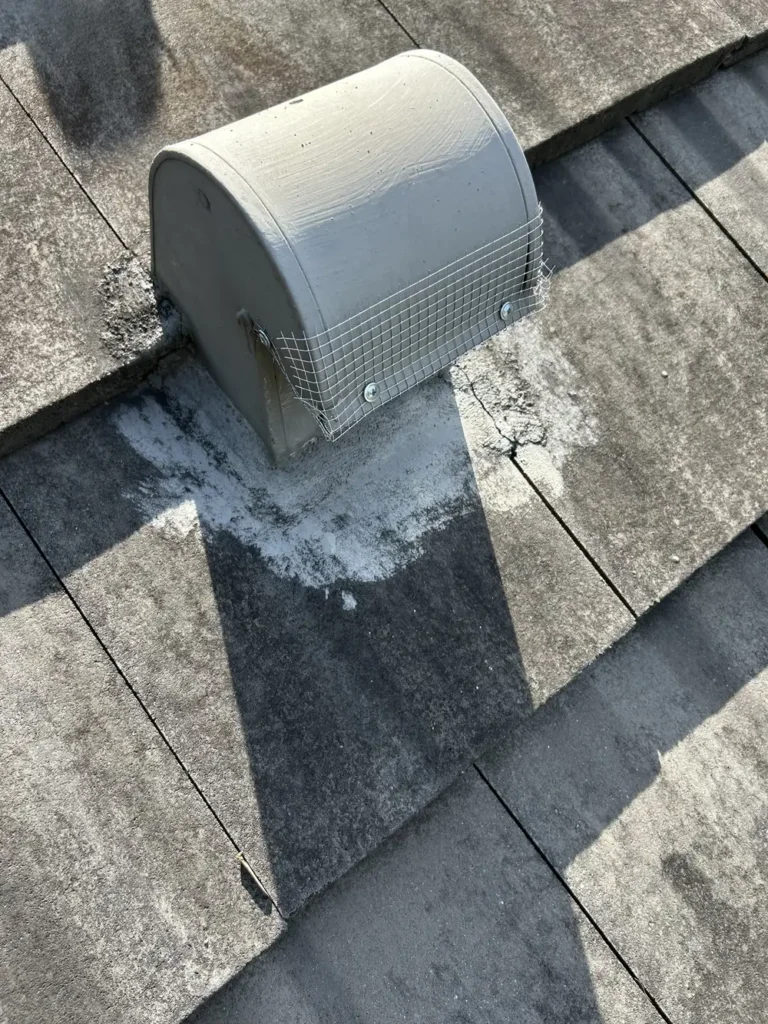
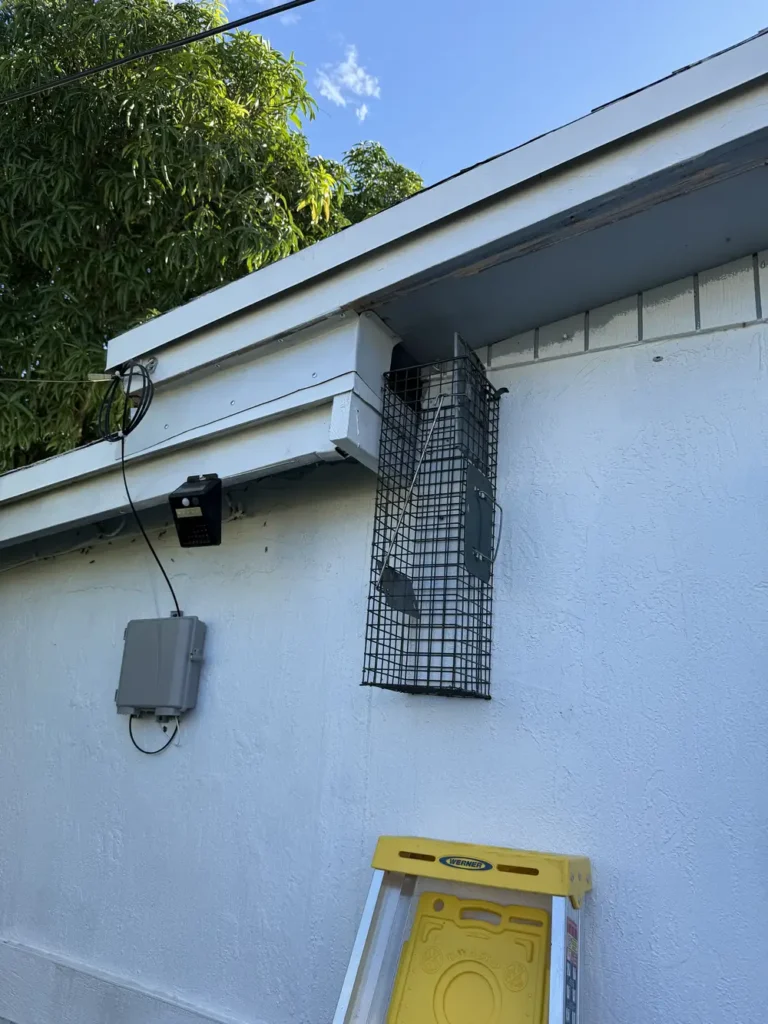
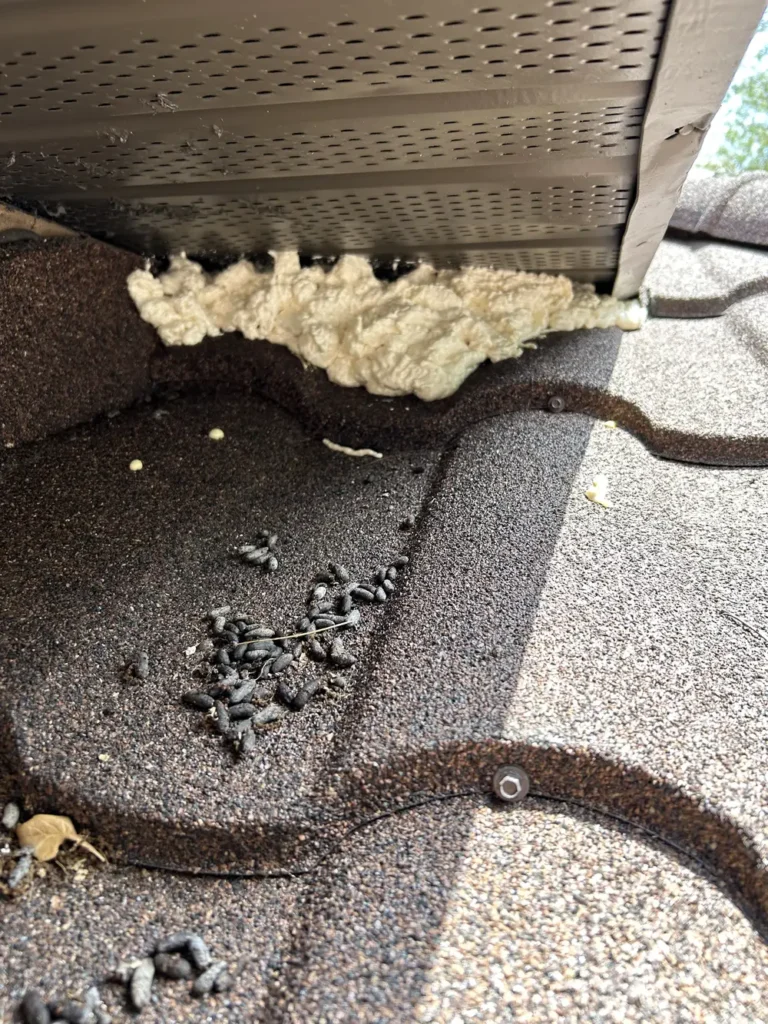
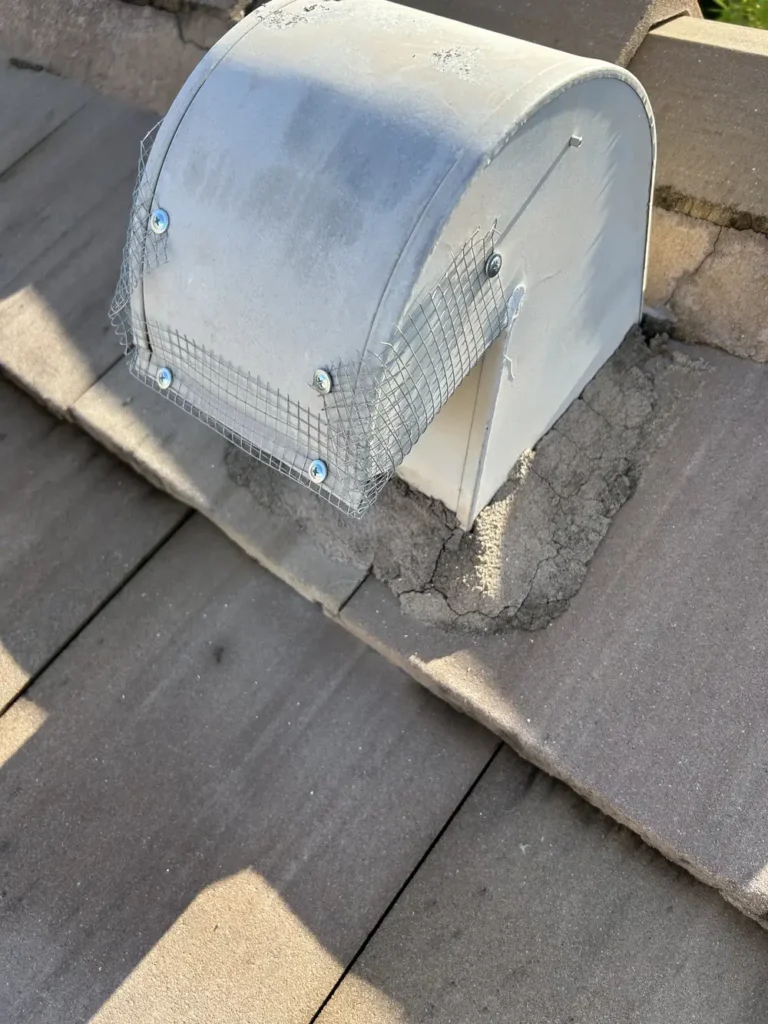
Pricing depends on the exclusion work your home needs — the number of entry points, how accessible they are, the size of the attic, and how many follow-up visits the activity level requires. That is why we do not quote rodent jobs over the phone. Our inspector comes out free, inspects inside and out, and leaves you with a written quote covering the whole scope.
How fast can you come out if I hear rats in my attic?
Scheduling is fast. Same-day service is often available when the schedule allows, and appointments are typically within one to two business days. When rats are in the living space, we usually respond by the next business day. We operate during business hours.
Can you get rid of the rats in one visit?
No. We seal the structure and set traps on the first visit, which starts the removal right away, but rodent removal requires a minimum of two visits spaced five to seven days apart so our technician can check traps, remove captures, and read the remaining activity. Some homes need more than two.
Do you put bait inside my house or attic?
No. Bait stations are exterior and perimeter only, placed around the property where appropriate to reduce pressure from outside. Inside the home the work is done with traps, and our technician checks those traps and removes captures on the follow-up visits.
Do you clean up the attic after the rats are gone?
Attic sanitation is available as an optional add-on, offered and priced separately when contamination warrants it. That work can include removing contaminated insulation, sanitizing and deodorizing the space, and re-insulating. Our inspector will tell you what they find and you decide whether to include it.
What kinds of rodents are common in Pompano Beach homes?
Roof rats and palm rats are the usual culprits in attics, since they climb well and enter high along the roofline and soffits. Norway rats stay closer to the ground and push in at grade level. House mice also show up and need only a very small gap. Identifying the species correctly changes where we seal and where traps go.