

Unusual Backyard Species in Florida: Identification and Reporting
Identify unusual backyard insects and wildlife in Florida. Compare native toads and anoles, document sightings, and choose reporting or prevention steps.
Identify unusual backyard insects and wildlife in Florida. Compare native toads and anoles, document sightings, and choose reporting or prevention steps.
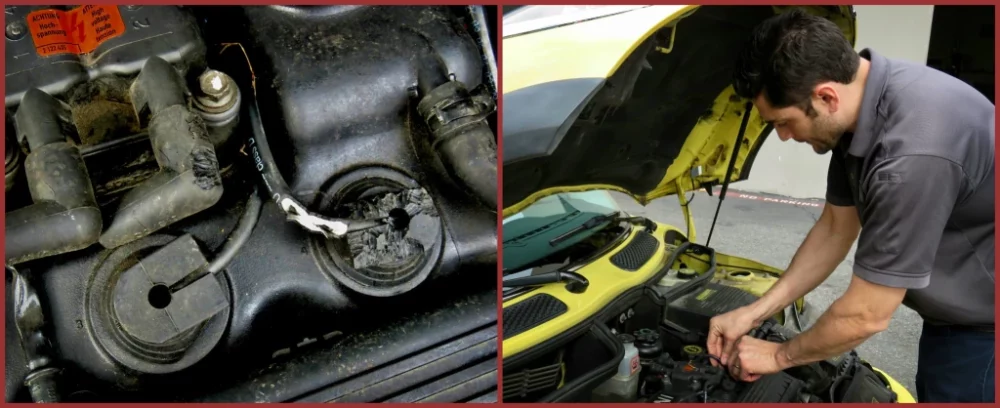
At a glance Recognize rodent signs around your vehicle, inspect before starting, and coordinate a mechanic’s repair with garage exclusion and parking-area prevention. Key Takeaways
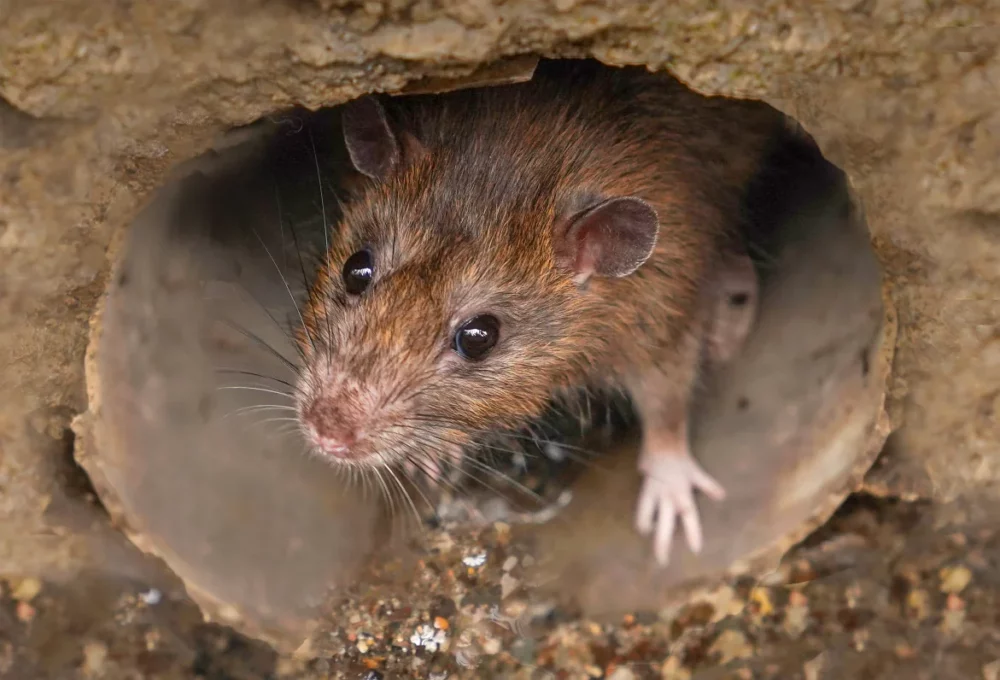
At a glance Compare mice, roof rats, Norway rats and native lookalikes using body features, habitat and evidence before planning exclusion or control. Key Takeaways
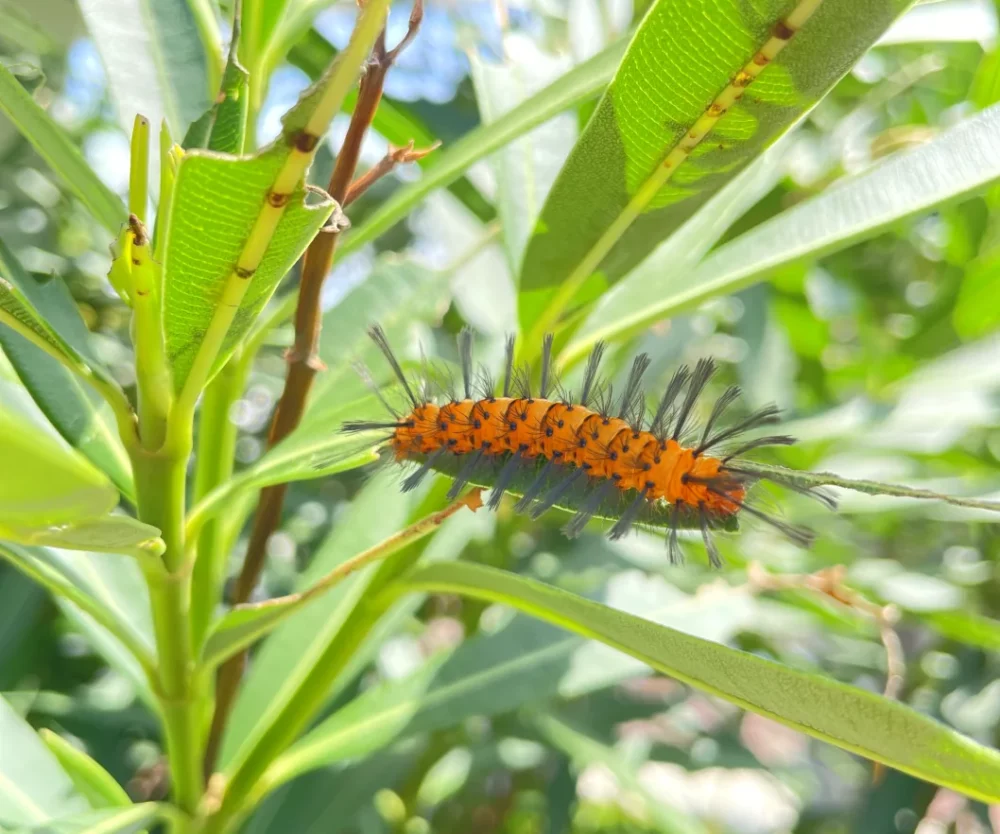
At a glance Identify orange-and-black oleander caterpillars, inspect early feeding, and compare plant-specific management while accounting for oleander toxicity. Key Takeaways Orange larvae with black
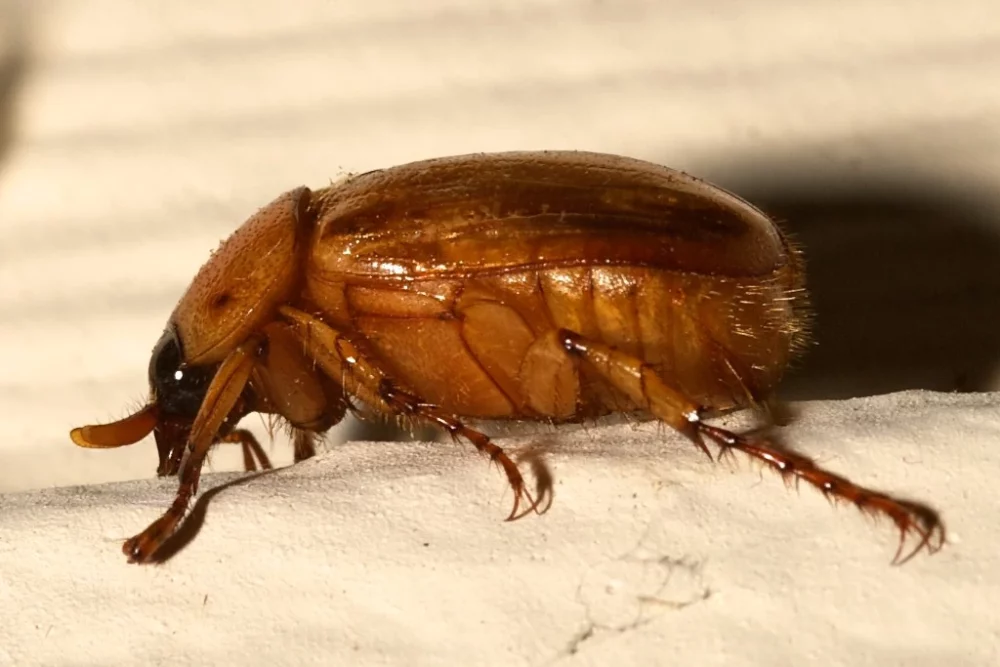
At a glance Understand Florida June-beetle activity, distinguish adults from damaging grubs, and inspect turf before selecting species-specific management. Key Takeaways June bug is a
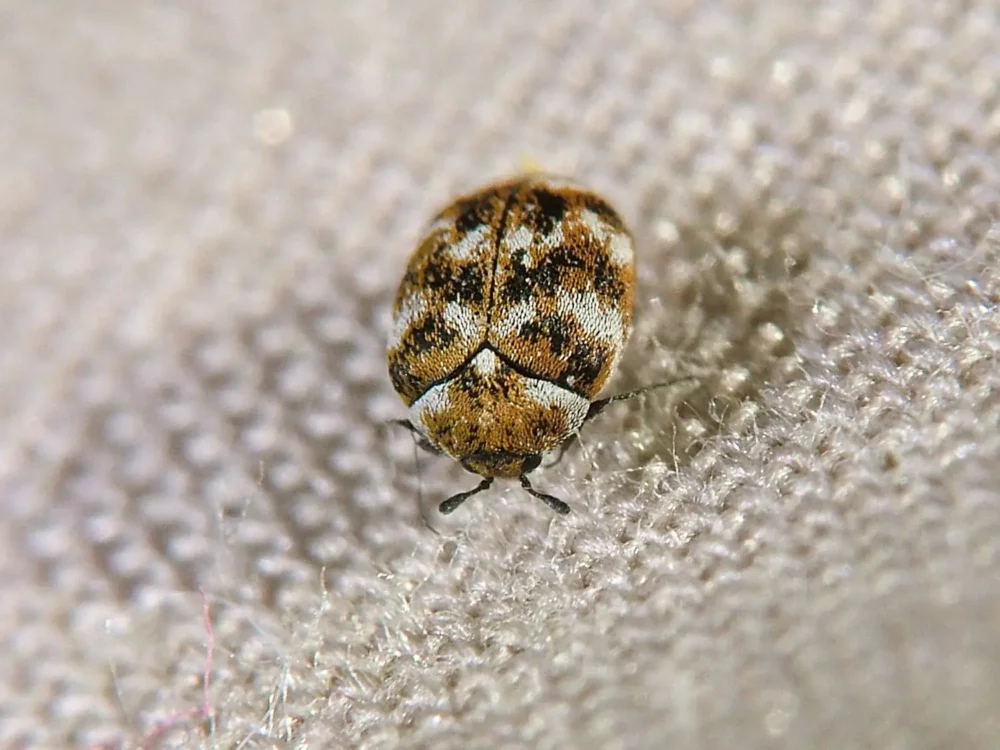
At a glance Identify carpet beetle adults and larvae, distinguish fabric damage from other problems, and find feeding sources before choosing treatment. Key Takeaways Larvae,
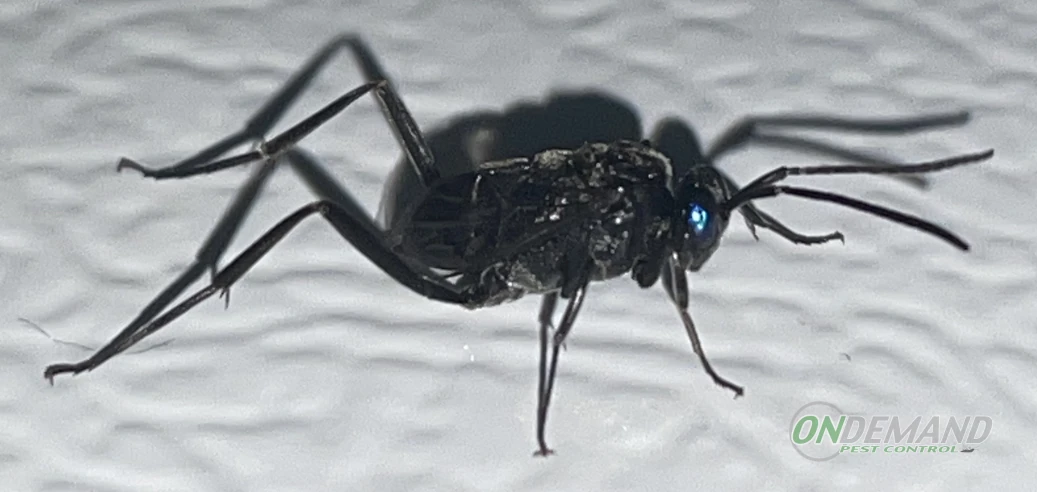
At a glance Compare crane flies, fungus gnats, ensign wasps and other dark insects, then inspect the correct source before choosing control. Key Takeaways A
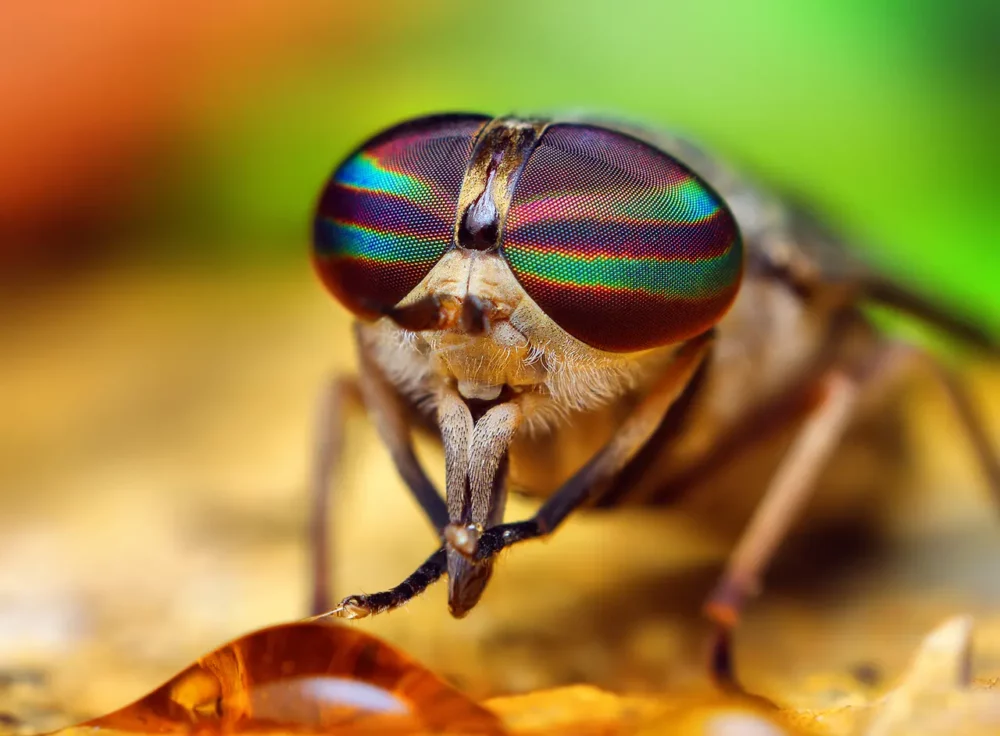
At a glance Learn why female horse flies bite, how to compare biting flies, when symptoms need medical care, and how to reduce exposure without
At a glance Identify carpet beetle adults and larvae, distinguish fabric damage from other problems, and find feeding sources before choosing treatment. Key Takeaways Larvae,
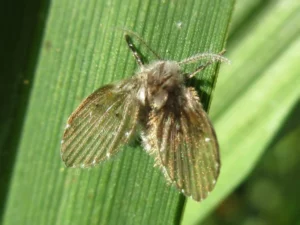
At a glance Identify the flies and remove the moist organic material where they develop. Mechanical cleaning and plumbing repairs address sources that adult traps
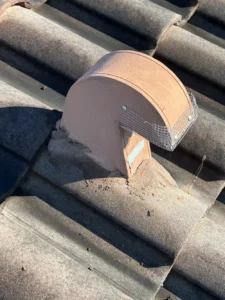
At a glance House mice are small, adaptable rodents. Identification, protected food storage, durable exclusion and careful monitoring matter more than guessed mouse counts or
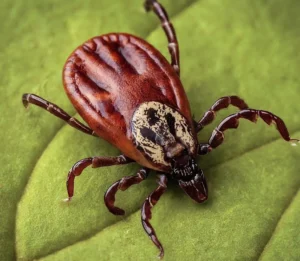
At a glance A tick check should start when you return from a potentially tick-infested place, including your own yard. Do not wait for itching:

At a glance Assess tick predators realistically and build a practical plan around habitat, identification, pets, and bite prevention. Key Takeaways Why Natural Tick Control