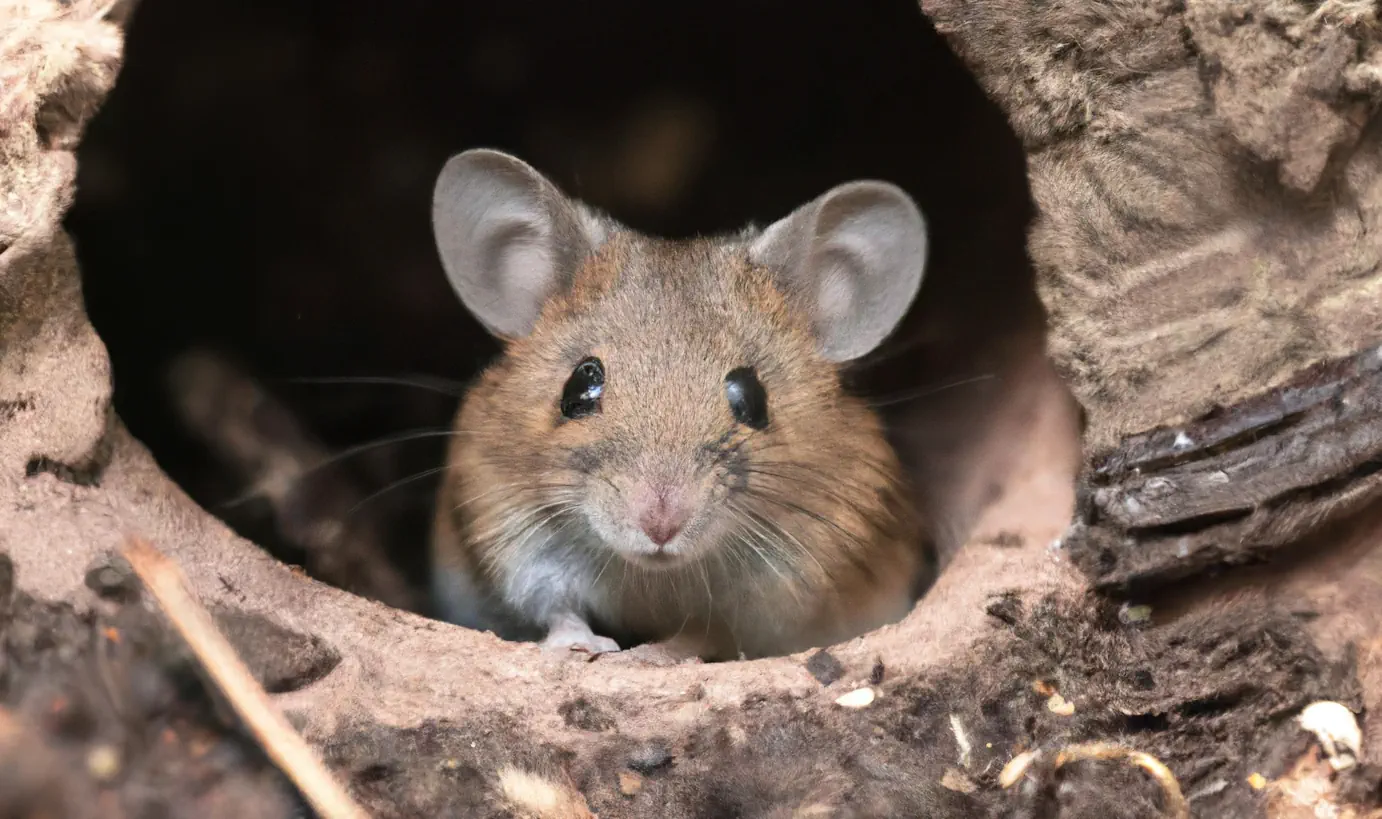
How Fast Do Mice Grow? Life Cycle Stages Explained
Key Takeaways Mice grow from blind, hairless pinkies to fully independent adults in just six weeks. A single female mouse can produce 5 to 10
Key Takeaways Mice grow from blind, hairless pinkies to fully independent adults in just six weeks. A single female mouse can produce 5 to 10
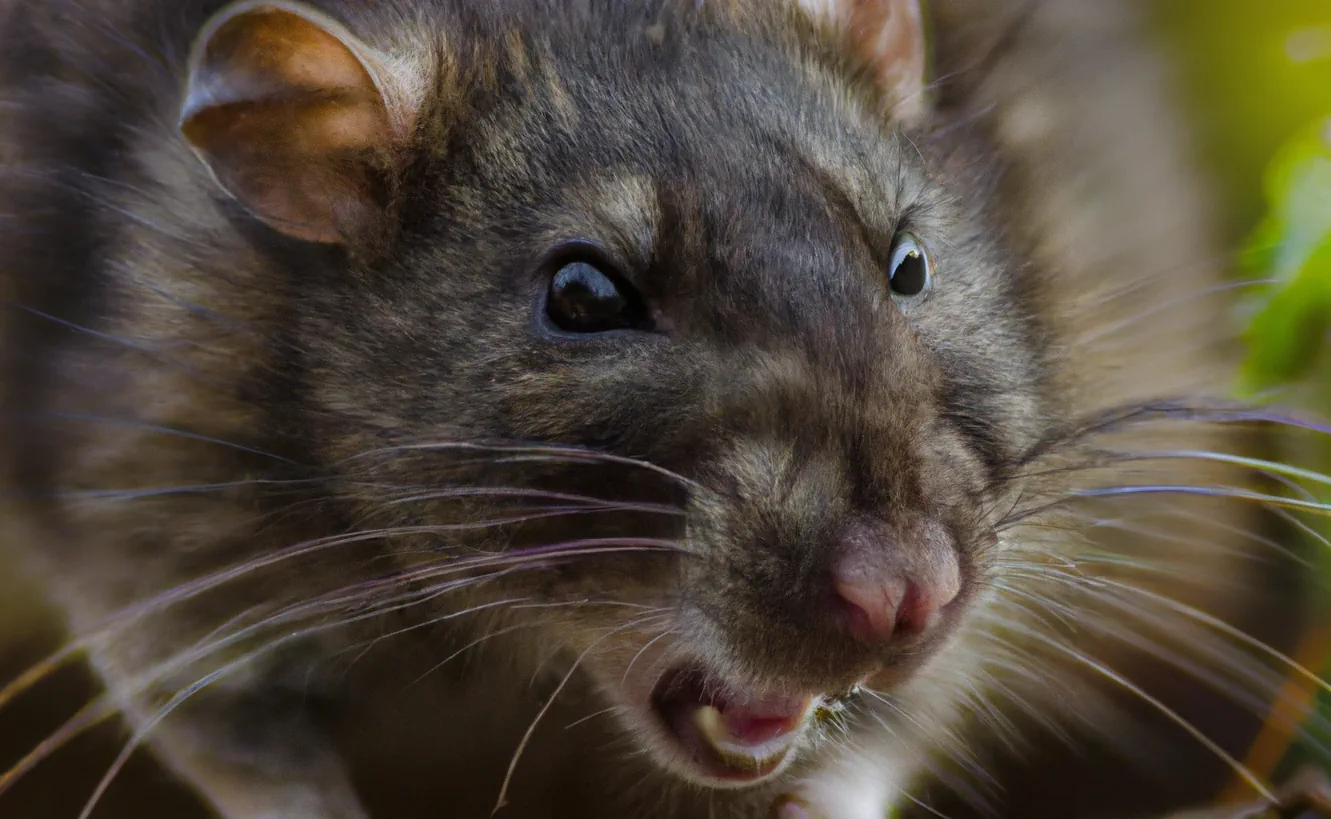
Key Takeaways Rats almost never carry rabies — the CDC considers small rodents an extremely low-risk group for rabies transmission. While rabies from rats is

Key Takeaways A mouse in your bedroom is unlikely to harm you while you sleep, but taking action quickly prevents a larger infestation. Seal food
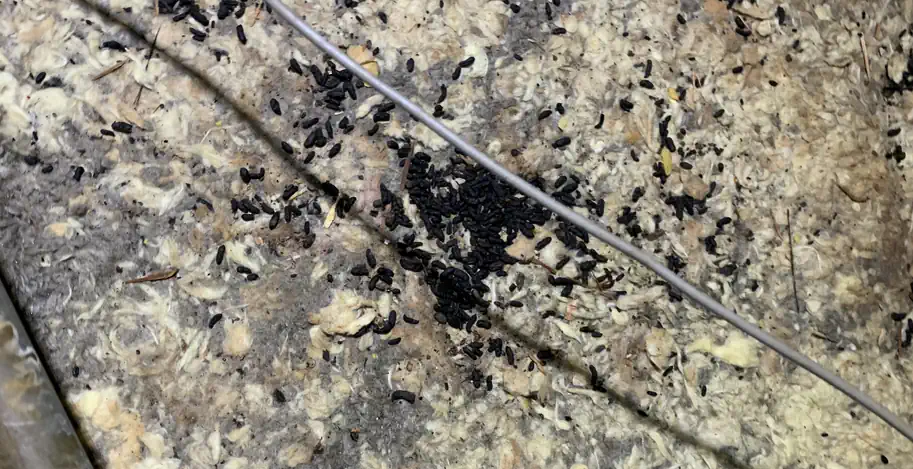
Key Takeaways Mouse droppings can transmit dangerous diseases like hantavirus, salmonellosis, and lymphocytic choriomeningitis (LCMV) to humans. The highest risk of illness comes from inhaling
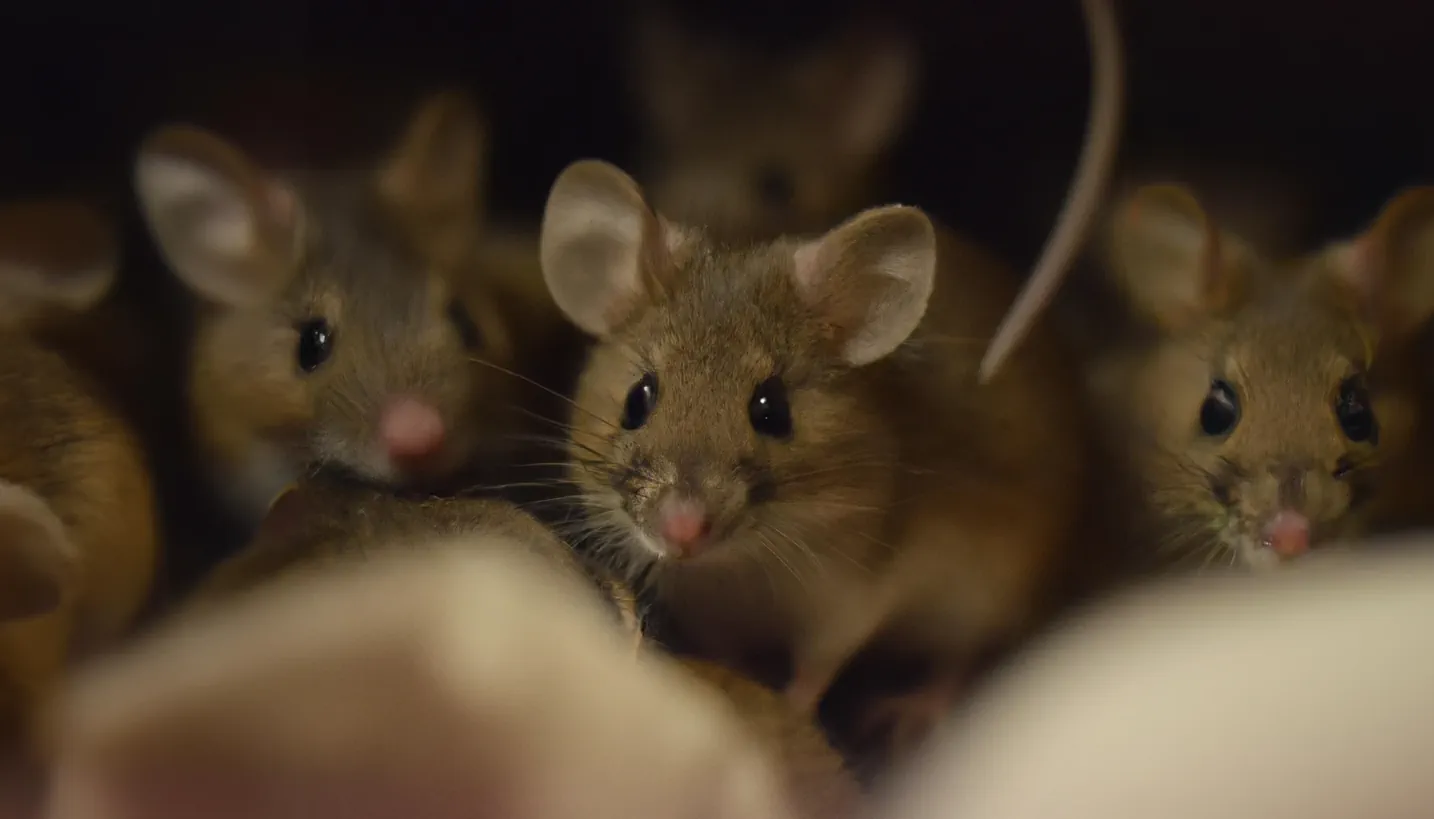
Key Takeaways Seeing one mouse almost always means there are more — typically 5 to 20 or more hiding in your home. Mice are nocturnal
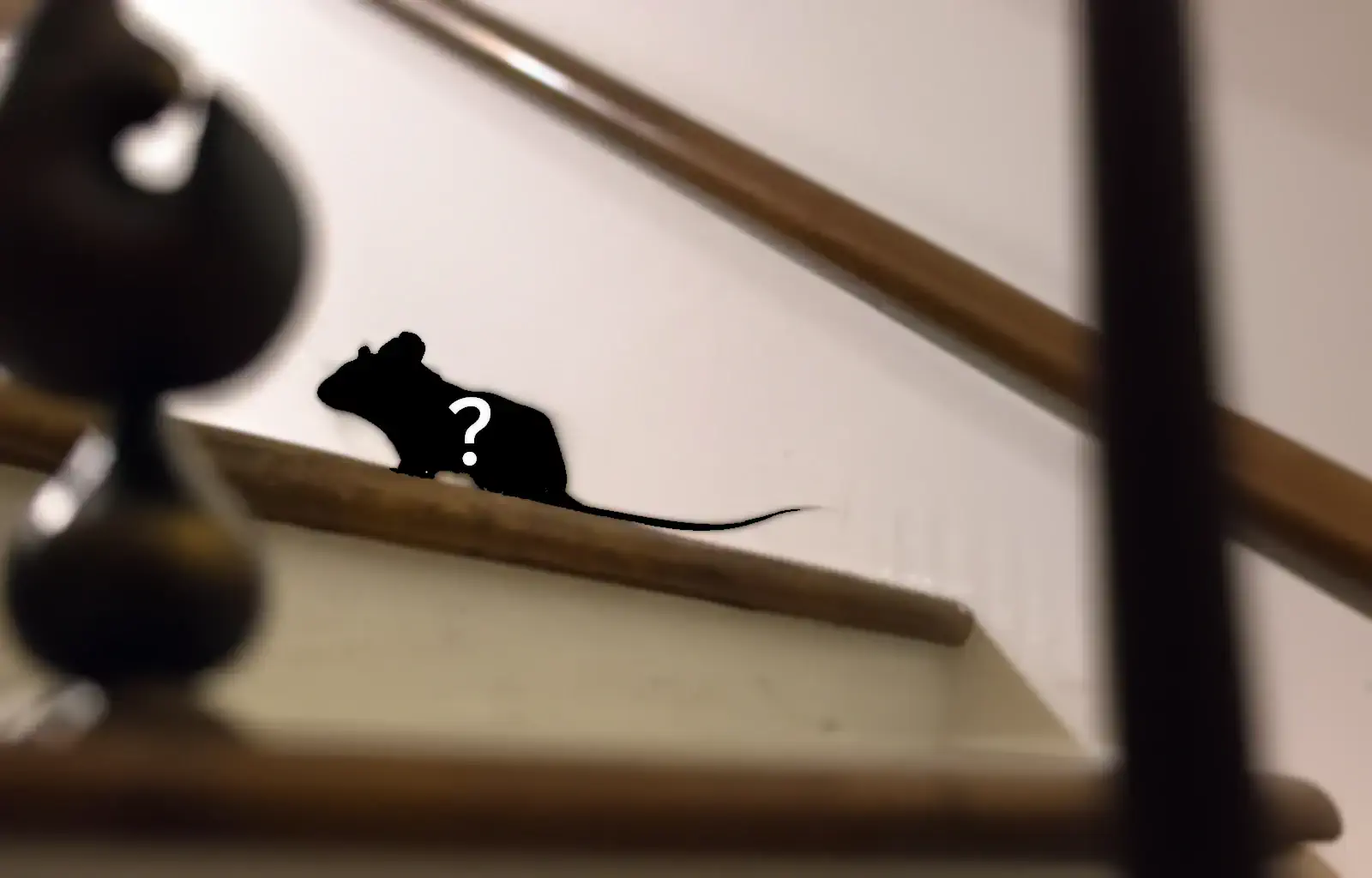
Key Takeaways Mice can easily climb stairs, walls, pipes, and wiring to reach every floor of your home. Textured surfaces like brick, stucco, wood siding,
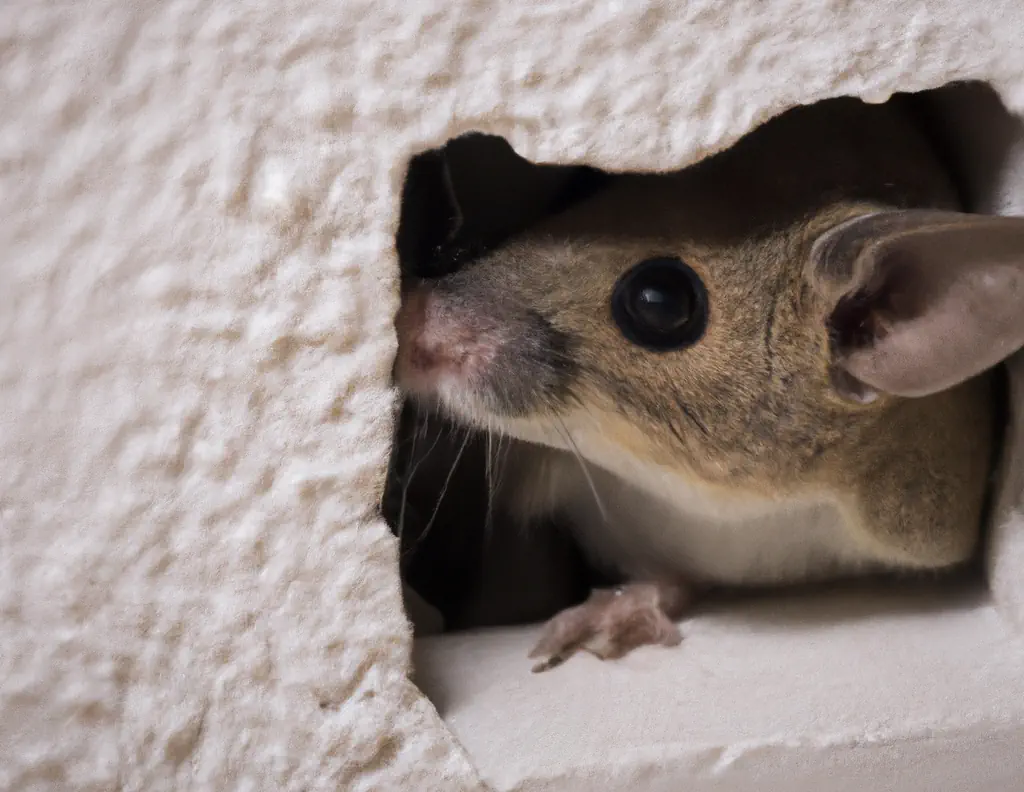
Key Takeaways Mice hide in dark, warm, undisturbed areas close to food and water sources like kitchens, pantries, and laundry rooms. Wall voids, attic insulation,
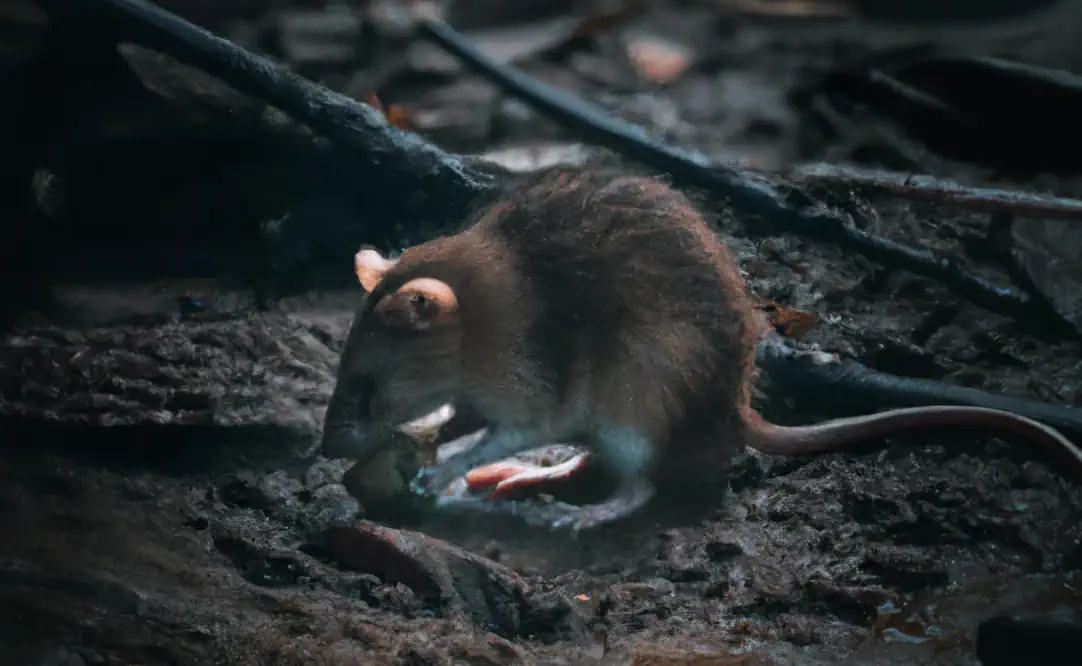
Key Takeaways Most rats can survive approximately two to four days without any food before they die of starvation. Rats can survive much longer without
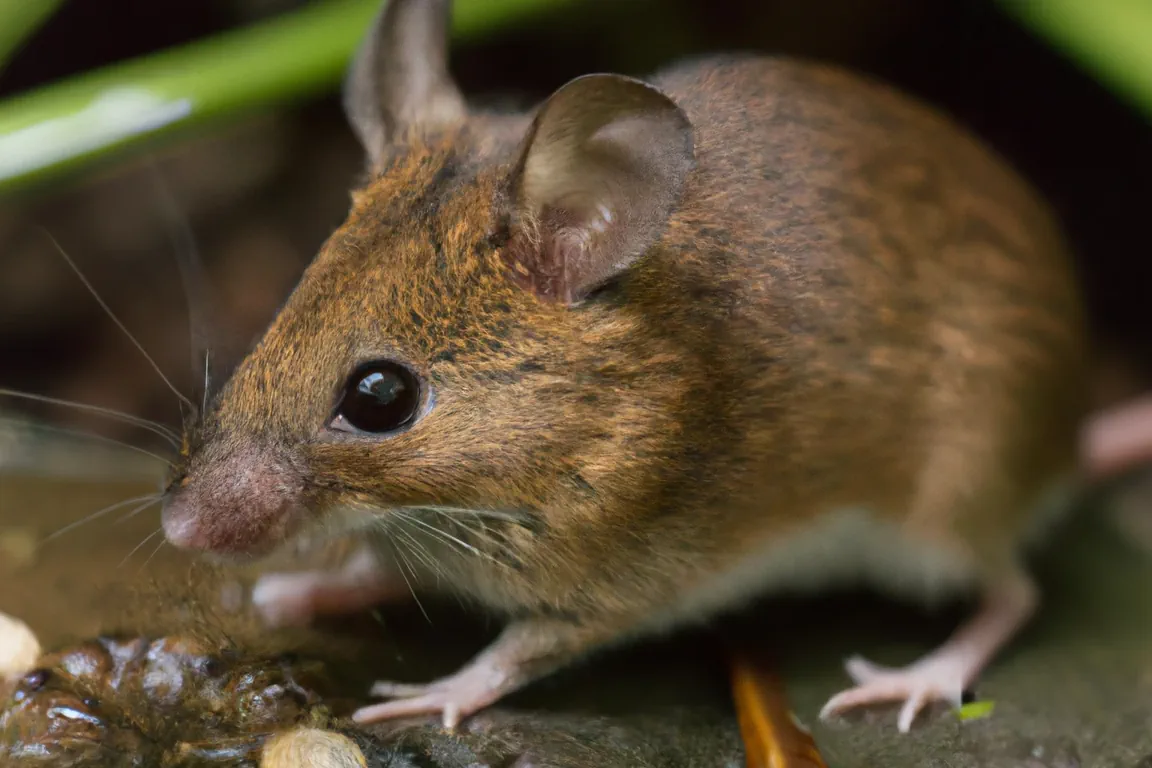
Key Takeaways Brown mice — most commonly house mice (Mus musculus) — are among the most widespread rodent pests in residential homes across the United

Key Points Outdoor rat problems usually begin with food, water, shelter, and hidden travel routes around the property. Long-term rat control works best when sanitation,

Key Points Outdoor mice problems usually start with food, shelter, moisture, and easy hiding spots around the property. Long-term outdoor mouse control works best when
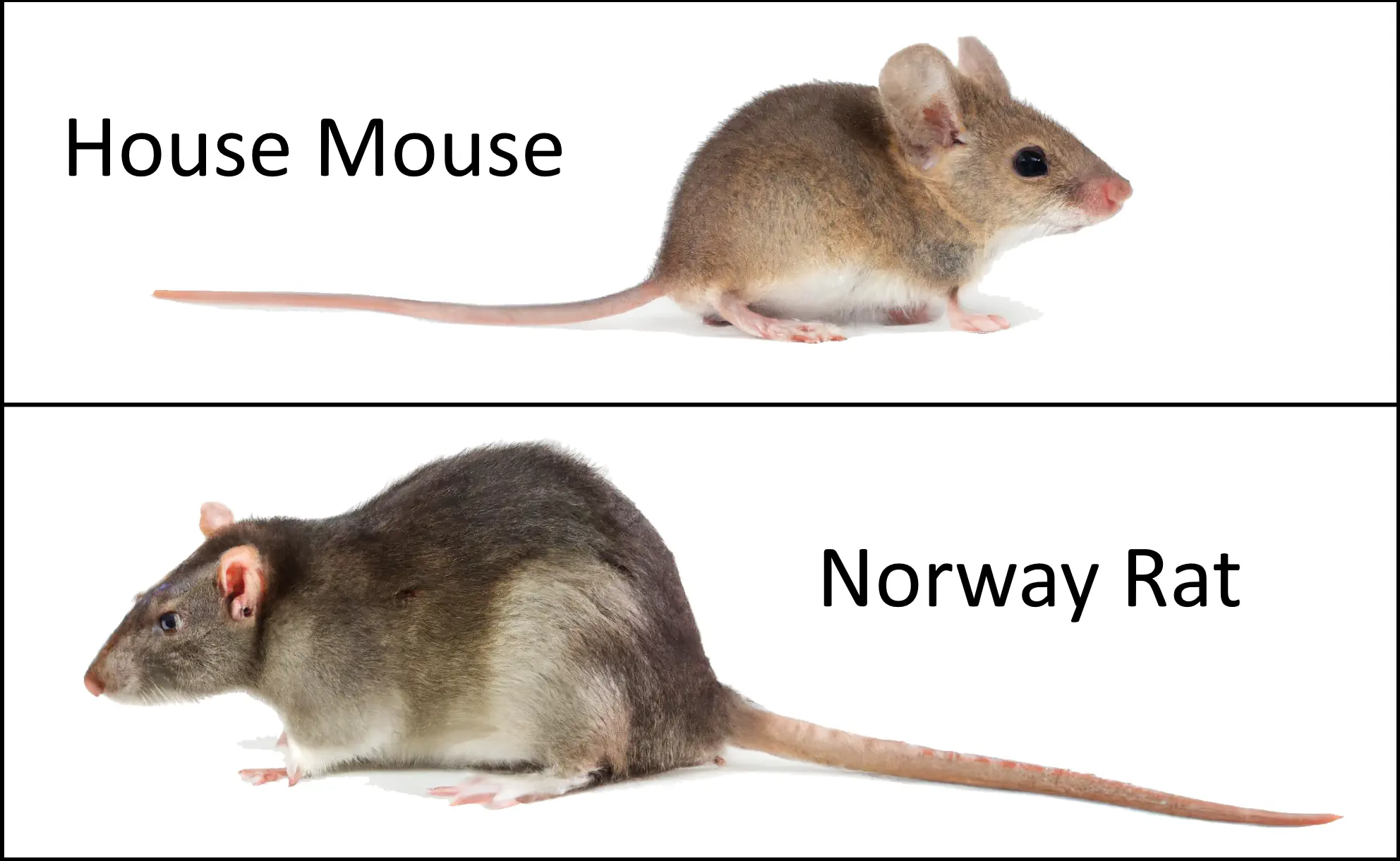
Key Points Rats and mice are both rodents, but they differ in size, appearance, behavior, nesting habits, and the type of damage they cause. Correct
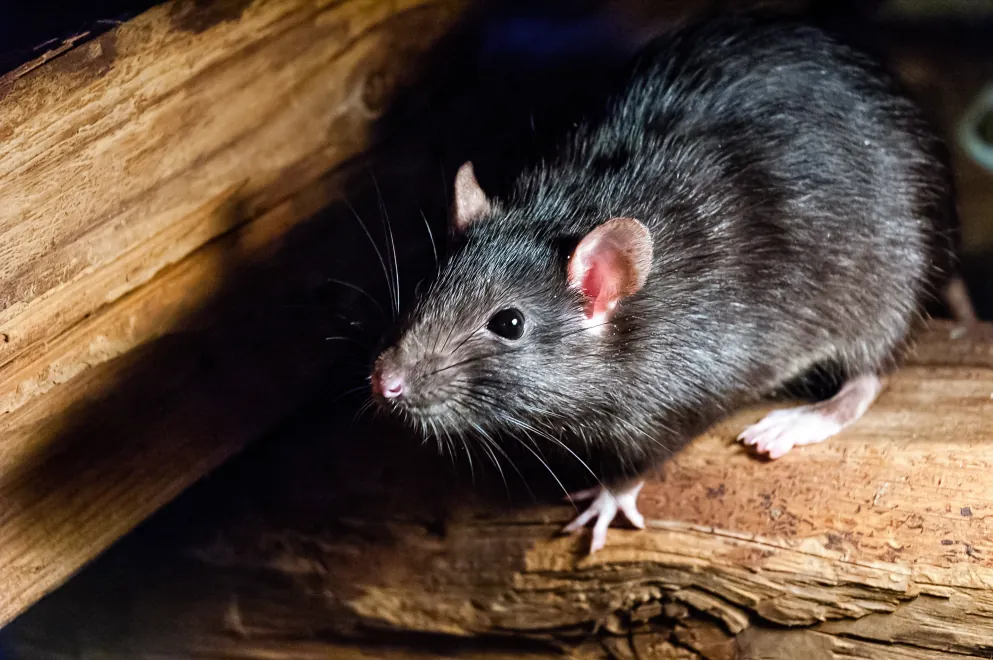
Key Points Rats often leave behind warning signs before homeowners ever see one. Common clues include droppings, scratching sounds, gnaw marks, grease marks, nesting material,
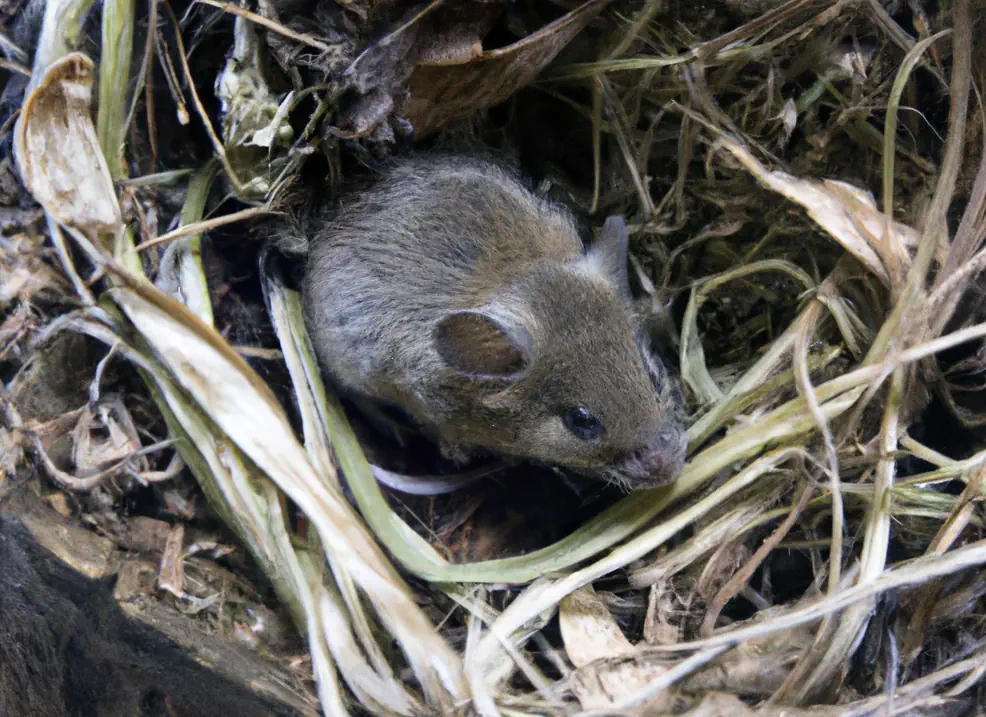
Key Points Mouse nests are usually small, hidden, and made from shredded soft materials such as paper, insulation, fabric, cardboard, and plant matter. Most mouse

Key Takeaways Skunks are attracted to your property by easy food sources, shelter under structures, and grub-filled lawns. Natural repellents like ammonia, cayenne pepper, and
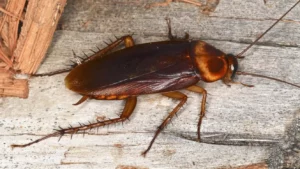
Key Takeaways Several cockroach species in Florida can fly, including American cockroaches, Asian cockroaches, and smoky brown cockroaches. Flying cockroaches are most active during warm,
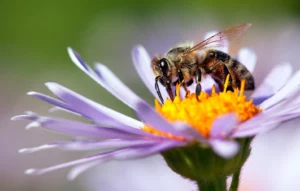
Key Takeaways Carpenter bees bore perfectly round holes into untreated wood to create nesting galleries, causing progressive structural damage over multiple seasons. DIY removal methods
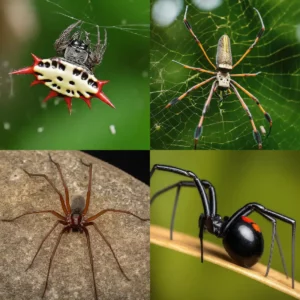
Living in South Florida’s warm, humid climate means sharing space with a variety of critters, including spiders ranging from harmless house varieties to potentially harmful
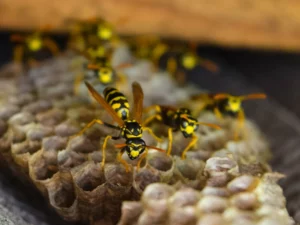
Key Takeaways Seal cracks, gaps, and crevices around your home’s exterior before spring to block nest-building sites. Remove food sources like open trash, pet food,