
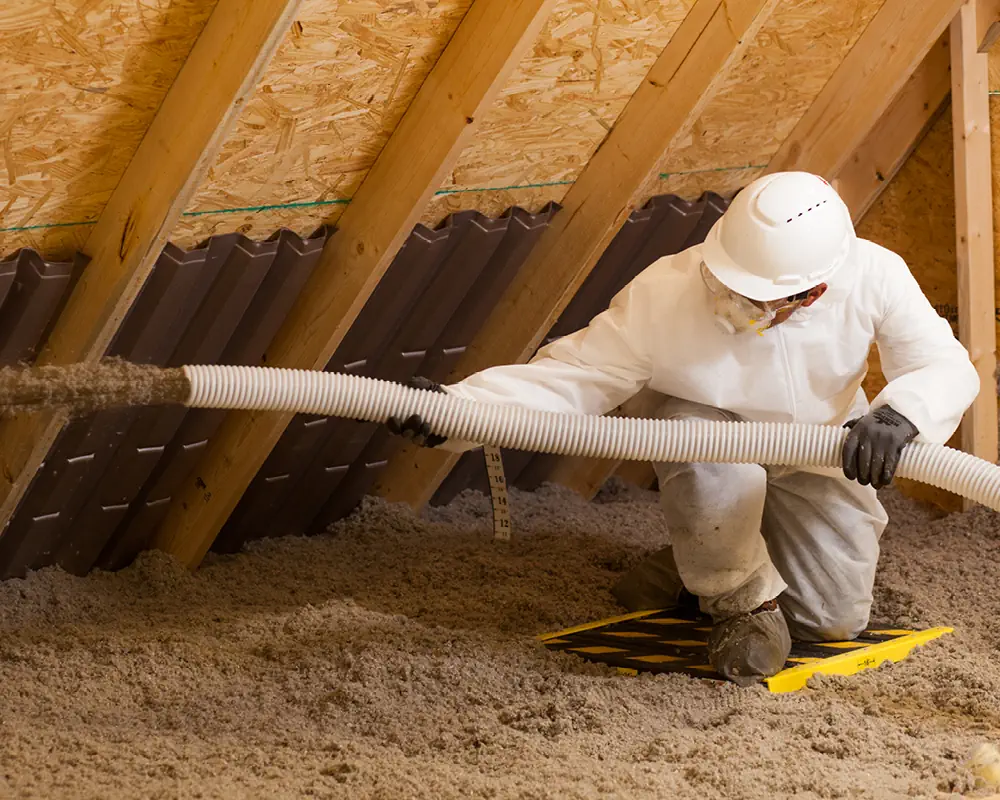
Types of Attic Insulation: A Homeowner’s Complete Guide
Key Takeaways The most common types of attic insulation include fiberglass batts, blown-in cellulose, spray foam, and TAP pest control insulation. R-value measures insulation’s thermal
Key Takeaways The most common types of attic insulation include fiberglass batts, blown-in cellulose, spray foam, and TAP pest control insulation. R-value measures insulation’s thermal
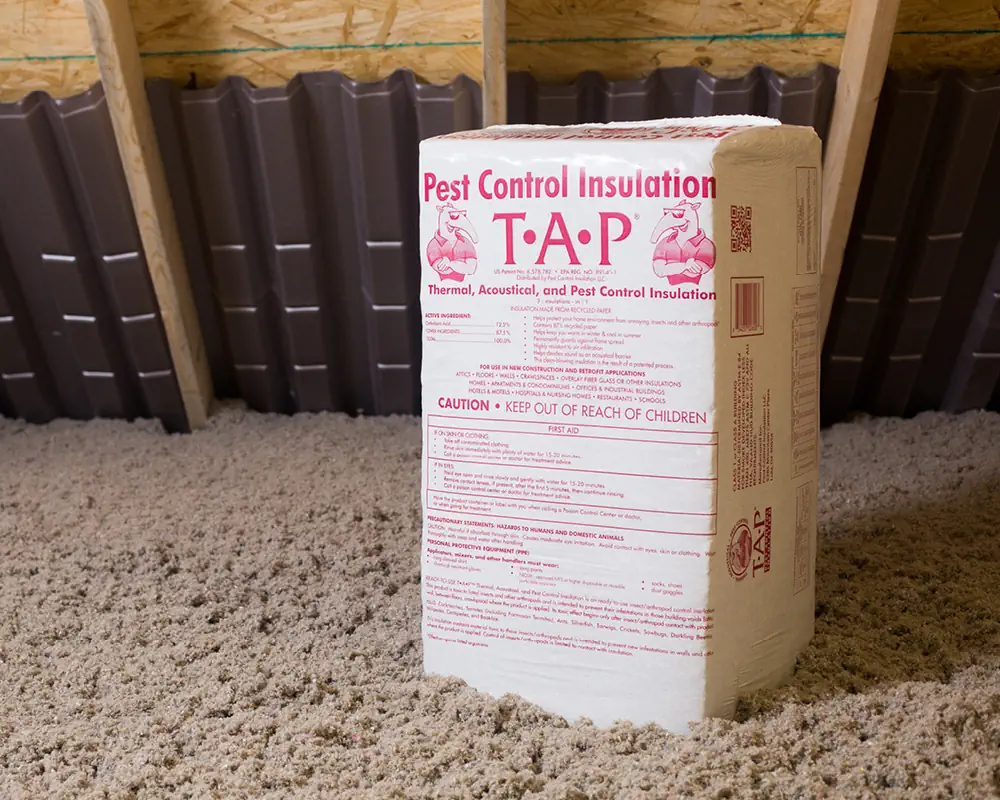
Key Takeaways TAP pest control insulation is a blown-in cellulose product treated with borate that kills common household pests on contact. It provides superior thermal
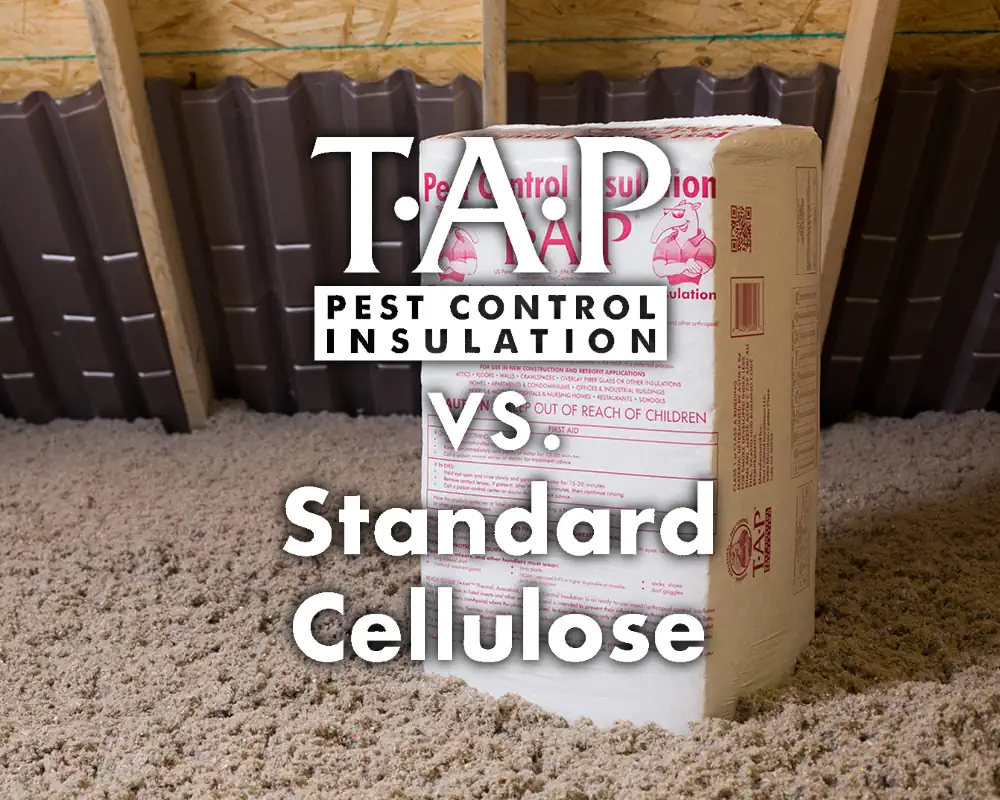
Key Takeaways TAP insulation contains a borate-based additive that kills common household pests, while standard cellulose does not offer pest control benefits. Both TAP and
Key Takeaways Clear access to your home’s foundation, attic, crawl space, and garage at least 24 hours before the inspection. Move stored items away from
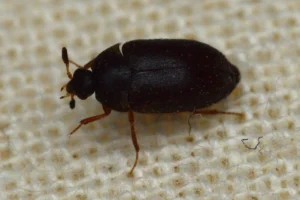
Key Takeaways Carpet beetle larvae — not the adults — cause nearly all the damage to fabrics, carpets, and stored items in your home. Thorough

Key Takeaways Florida’s warm climate supports year-round wasp activity, increasing the risk of stings for homeowners. Wasp stings can cause severe allergic reactions, including anaphylaxis,
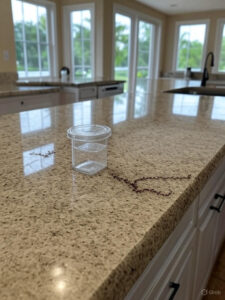
Key Takeaways Ghost ants are one of Florida’s most common household invaders due to their tiny size and love for warm, humid environments. Effective ghost

Key Takeaways Hollywood’s warm, humid climate creates year-round rodent pressure from roof rats, Norway rats, and house mice. Sealing entry points as small as a