
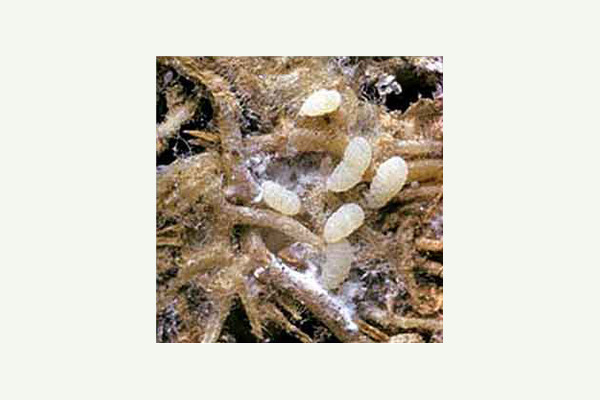
Root Mealybugs in Pots: Inspect Hidden Roots Before Moving Plants
At a glance White material and yellow leaves do not diagnose root mealybugs. Confirm insects, avoid shared drainage water, and obtain plant-care guidance before forcing
At a glance White material and yellow leaves do not diagnose root mealybugs. Confirm insects, avoid shared drainage water, and obtain plant-care guidance before forcing
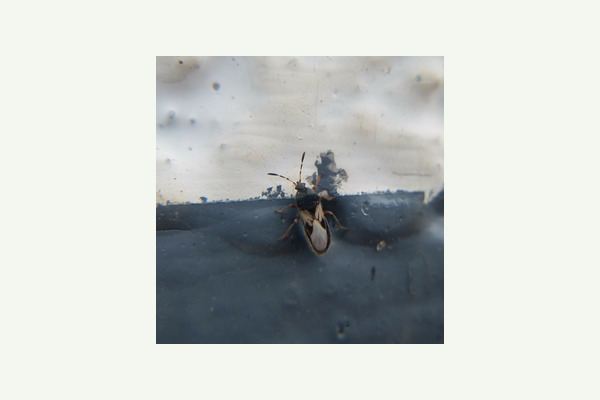
At a glance Use several properly observed flotation samples and preserve specimens for identification. A negative sample does not rule out chinch bugs, and unexplained
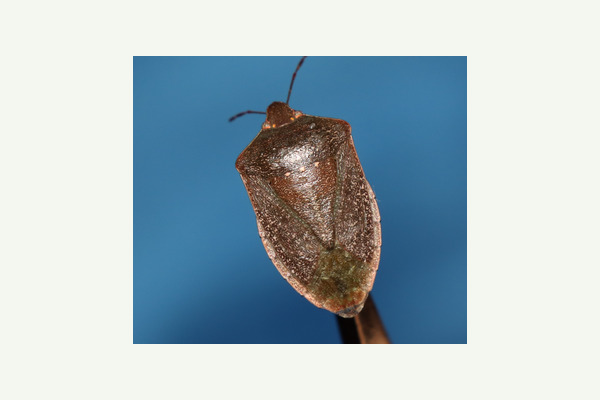
At a glance Some stink bugs feed on plants; others prey on insects. Mouthparts and behavior are clues, not a species diagnosis. Connect the specimen
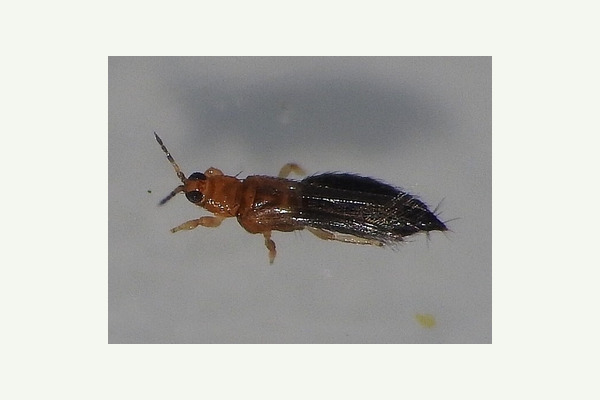
At a glance Silvery scars and distorted leaves have several causes. Check the affected tissue, distinguish other sap feeders and preserve beneficial predators; not every
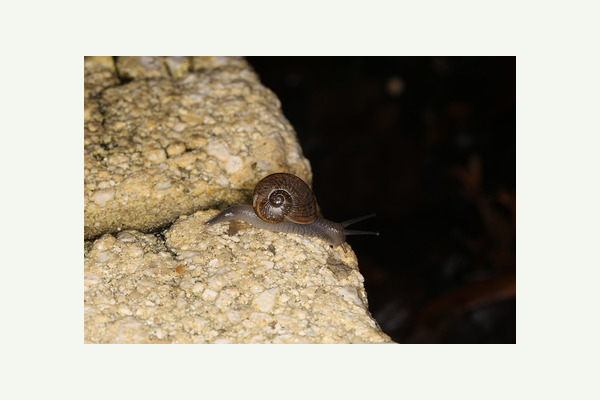
At a glance Many Florida snails and slugs are not plant pests. Holes and slime trails are clues, not proof. Photograph unknown animals in place
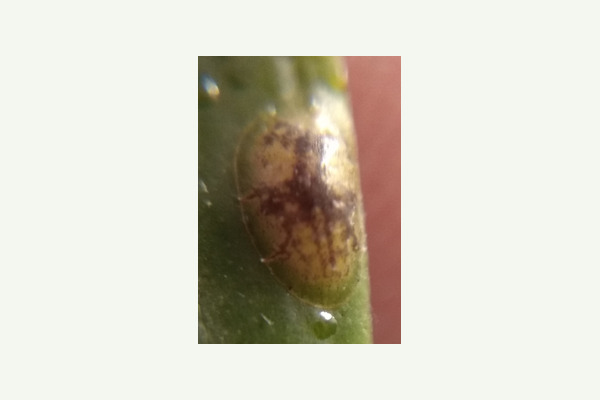
At a glance Armored scale has a separate cover and does not produce honeydew; soft scale has an attached covering and can produce it. Confirm
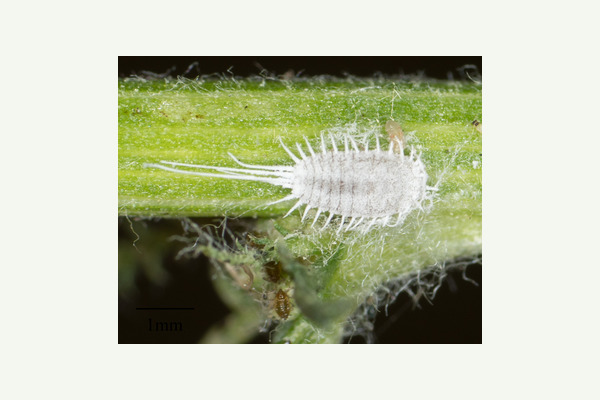
At a glance White wax and sticky leaves can suggest mealybugs but do not confirm them. Check for actual insects, separate affected plants and their
At a glance Brown grass alone does not identify chinch bugs. Inspect the turf and insects, compare other causes of decline, and use local Extension

At a glance Treat identified lawn caterpillars based on scouting, larval size and observed damage—not a fixed Florida calendar. Follow the exact product and turf

At a glance Build a Florida garden pest plan with crop timing, soil and water care, scouting, beneficial insects, and product-label decisions instead of pest-free
At a glance Greener Florida grass starts with identifying the turf and the cause of stress, then matching irrigation, mowing, nutrients and repairs to that
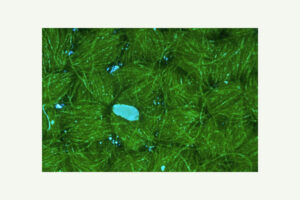
At a glance Eggs are inconspicuous and hard to identify among debris. Inspect associated larvae and food sources, clean correctly, and monitor rather than relying
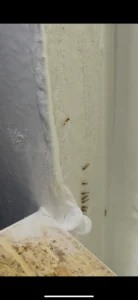
Browse article topics At a glance What Are Sugar Ants? How Long Do Sugar Ant Worker Ants Live? How Long Does a Sugar Ant Queen
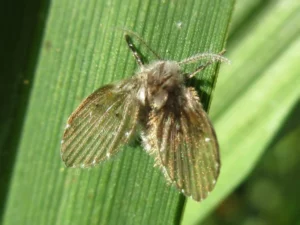
At a glance Fruit-associated flies and fuzzy drain flies point to different organic sources. Remove or clean the actual breeding material rather than relying on

At a Glance Wild iguanas usually avoid people but can injure someone who corners or handles them. Plant damage, droppings and burrows matter more than
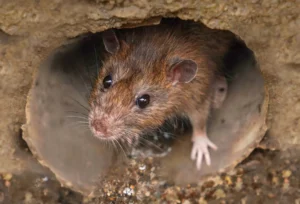
Use stains and UV fluorescence as screening clues, corroborate them with current rodent evidence, and choose cleanup by surface and exposure rather than appearance alone.