
Table of Contents
ToggleKey Takeaways
- Hornets do not make honey — only honey bees produce true honey in meaningful quantities.
- Hornets are predatory insects that feed on other bugs, tree sap, and sugary substances instead of collecting nectar for honey production.
- While hornets don’t make honey, they play a role in pest control by preying on flies, caterpillars, and other insects.
- Hornets and honey bees differ significantly in body shape, nesting behavior, diet, and social structure.
- If you discover a hornet nest near your home, professional removal is the safest approach to protect your family.
Do hornets make honey? It’s one of the most common questions homeowners ask when they spot large, buzzing insects near their property. The short answer is no — hornets do not produce honey. Unlike honey bees, which are famous for their golden nectar, hornets have an entirely different diet and lifestyle. They’re predators, not pollinators. Understanding this difference matters because it changes how you should respond when you find a nest on your property. In this guide, you’ll learn exactly why hornets can’t make honey, how they compare to bees, what they actually eat, and what steps you should take if hornets become a problem around your home.
Why Don't Hornets Make Honey?
Hornets belong to the family Vespidae, which includes wasps, yellow jackets, and paper wasps. While they share some characteristics with bees — such as living in colonies and having stingers — they lack the biological tools needed to produce honey.
Honey production requires a very specific process. Honey bees collect flower nectar using a specialized internal organ called a honey stomach, or crop. They carry this nectar back to the hive, where worker bees process it by adding enzymes and evaporating moisture. The result is the thick, sweet substance we know as honey.
Hornets simply don’t have this anatomy. They don’t possess a honey stomach, and their colonies aren’t built around nectar storage. Instead, hornet nests are designed for raising larvae and sheltering the colony — not for producing or storing honey.
There is one rare exception worth noting. A species called Brachygastra mellifica, sometimes called the Mexican honey wasp, does produce small amounts of a honey-like substance. However, this insect is a wasp — not a true hornet — and the substance it produces is far different from the honey made by honey bees. No hornet species found in the United States produces honey.
What Do Hornets Eat Instead of Making Honey?
Since hornets don’t make honey, you might wonder what fuels these large, aggressive insects. Hornets are opportunistic feeders with a surprisingly varied diet. Their food sources change depending on the stage of the colony’s development and the time of year.
Protein-Rich Prey for Larvae
Adult hornets are skilled hunters. They capture and kill a wide range of insects to feed their developing larvae. Common prey includes:
- Flies and mosquitoes
- Caterpillars and grasshoppers
- Other wasps and bees
- Spiders and beetles
The adults chew these captured insects into a paste, which they feed directly to the larvae in the nest. This protein-rich diet helps the larvae grow quickly during the warmer months.
Sugary Foods for Adult Hornets
Adult hornets need carbohydrates for energy. They get these sugars from several sources, including tree sap, overripe fruit, and flower nectar. They also receive a sugary secretion from their own larvae in a process called trophallaxis — a mutual exchange where adults feed the larvae protein and receive a sweet liquid in return.
During late summer and fall, hornets become especially attracted to human food and drinks. This is when wasps and hornets are most active around outdoor gatherings, barbecues, and trash cans. Their craving for sugar intensifies as the colony’s lifecycle winds down.
Do Hornets Make Honey Compared to Bees?
The confusion between hornets and bees is understandable. Both are social insects that live in colonies, both can sting, and both buzz loudly around your yard. However, the differences are significant. Understanding what separates wasps and bees can help you identify what you’re dealing with and how to respond.
| Characteristic | Hornets | Honey Bees |
|---|---|---|
| Honey Production | No | Yes — up to 60 lbs per hive annually |
| Diet | Insects, sap, fruit, sugary liquids | Nectar and pollen |
| Body Shape | Smooth, elongated, defined waist | Rounder, fuzzy body with pollen baskets |
| Nest Material | Chewed wood pulp (papery) | Beeswax |
| Sting Behavior | Can sting multiple times | Stings once, then dies |
| Aggression | More aggressive near nests | Generally docile unless threatened |
As you can see, hornets and honey bees lead very different lives. Honey bees are built for pollination and honey storage. Hornets are built for hunting. This fundamental difference in biology explains why hornets don’t — and can’t — make honey.
Types of Hornets You May Encounter
Several hornet and hornet-like species live across the United States. Knowing which species you’re dealing with helps you assess the risk and choose the right response.
European Hornets
The European hornet (Vespa crabro) is the only true hornet species established in North America. These insects can grow up to 1.5 inches long and have brown and yellow striped bodies. They build large paper nests in hollow trees, attics, and wall voids. European hornets are attracted to lights at night, which sets them apart from most other stinging insects.
Bald-Faced Hornets
Despite their name, bald-faced hornets are technically a type of yellow jacket, not a true hornet. They’re black with white markings on their face and body. Their large, gray, football-shaped nests often hang from tree branches, eaves, or utility poles. Bald-faced hornets are extremely defensive of their nests and will sting repeatedly if they feel threatened.
Asian Giant Hornets
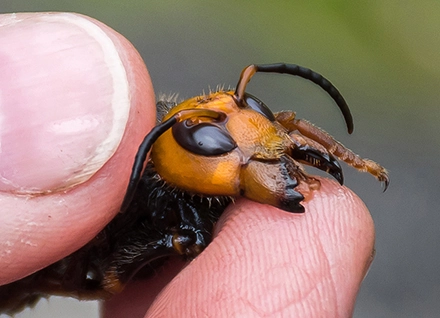
You may have heard of Asian giant hornets, sometimes called “murder hornets”. These massive insects can reach two inches in length and deliver an extremely painful sting. While they’ve been detected in the Pacific Northwest, they are not currently established in Florida or most of the southeastern United States. Still, their reputation for destroying entire honey bee colonies makes them a serious concern for beekeepers.
Are Hornets Beneficial Even Though They Don't Produce Honey?
Just because hornets don’t make honey doesn’t mean they’re entirely harmful. In fact, hornets play a surprisingly useful role in the ecosystem. As predators, they help control populations of pest insects like flies, caterpillars, and aphids. A single hornet colony can consume thousands of insects over the course of a summer.
Hornets also contribute to pollination, though far less effectively than bees. When they visit flowers for nectar, pollen sometimes sticks to their smooth bodies and transfers between plants. However, because hornets lack the fuzzy hairs that make bees such efficient pollinators, their contribution is minimal.
Understanding the impact of wasps in Florida gives you a clearer picture of how these insects fit into the local ecosystem. In most cases, a hornet nest that’s far from human activity can be left alone. The problem arises when nests appear near doorways, play areas, or high-traffic zones around your home.
What Should You Do If You Find a Hornet Nest?
Finding a hornet nest on or near your property can be alarming. These nests can house hundreds — sometimes thousands — of hornets, and the colony will aggressively defend its home if disturbed. Here’s what you need to know about handling the situation safely.
Identify the Nest First
Before taking action, confirm what you’re dealing with. Hornet nests are typically enclosed, papery structures made from chewed wood fiber. They look very different from the open, umbrella-shaped nests built by paper wasps in Florida. If you see exposed hexagonal cells, it’s likely a paper wasp nest. If you see a large, gray, fully enclosed nest, it’s probably hornets or yellow jackets.
Avoid DIY Removal for Large Nests
Attempting to remove a hornet nest yourself is risky. Hornets can sting multiple times, and their venom can cause severe allergic reactions in some people. The dangers of wasps in Florida apply equally to hornets — anaphylaxis, secondary infections, and painful swelling are all real possibilities.
For large or hard-to-reach nests, professional pest control is the safest option. Trained technicians have the protective equipment and products needed to eliminate a colony without putting you or your family at risk.
Prevent Future Nesting
After removing a nest, take steps to discourage hornets from returning. Learning how to prevent wasp nests around your home is one of the best long-term strategies. Key prevention tips include:
- Seal gaps and cracks in your home’s exterior, especially around eaves and soffits
- Keep trash cans tightly sealed to reduce food attractants
- Remove fallen fruit from your yard promptly
- Hang decoy nests in early spring — hornets are territorial and may avoid areas where they think another colony lives
- Inspect your property regularly during spring when queens are scouting for new nesting sites
Hornets vs. Other Stinging Insects Around Your Home
Hornets aren’t the only stinging insects that might show up uninvited. Florida homeowners often deal with a wide range of bees, wasps, and hornets. Knowing the differences helps you respond appropriately to each one.
For example, carpenter bees are a common concern because they bore into wood structures, causing property damage over time. Unlike hornets, carpenter bees are solitary insects and rarely sting. Their damage is structural, not physical.
Similarly, honey bees are protected in many states, including Florida. If you encounter a honey bee swarm, removal and relocation — rather than extermination — is often required. Understanding whether honey bees are protected in Florida can help you avoid legal issues and support local pollinator populations.
The key takeaway is this: not all stinging insects are the same. Hornets don’t make honey, carpenter bees don’t live in colonies, and honey bees rarely sting unless provoked. Identifying the species correctly is the first and most important step in managing any stinging insect problem around your home.
Frequently Asked Questions
-
Do any hornets make honey at all?
No true hornet species produces honey. The only vespid that makes a honey-like substance is the Mexican honey wasp (Brachygastra mellifica), which is a wasp — not a hornet. No hornet species in the United States produces or stores honey.
-
Why do people confuse hornets with honey bees?
Both hornets and honey bees are social insects that live in colonies and can sting. Their buzzing sounds similar, and they're often seen around the same outdoor areas. However, hornets have smoother bodies, narrower waists, and more aggressive behavior than honey bees.
-
Are hornets more dangerous than bees?
Hornets can be more dangerous because they sting multiple times and tend to be more aggressive when their nest is threatened. Honey bees sting only once before dying. However, both can trigger serious allergic reactions in sensitive individuals, so caution is always warranted.
-
What attracts hornets to my yard?
Hornets are attracted to sugary foods, overripe fruit, open trash cans, and protein sources like pet food. They also seek sheltered spots for nesting, including eaves, attics, tree hollows, and wall voids. Reducing these attractants can help keep hornets away.
-
Can I remove a hornet nest on my own?
Small, newly started nests can sometimes be addressed with store-bought wasp sprays applied at dusk when hornets are least active. However, large or established nests should always be handled by a pest control professional to avoid multiple painful stings and potential allergic reactions.
-
Do hornets come back to the same nest every year?
No. Hornet colonies die off each winter, and only fertilized queens survive by hibernating. In spring, surviving queens start entirely new colonies in new locations. However, hornets may nest in the same general area if conditions remain favorable, so prevention is important.