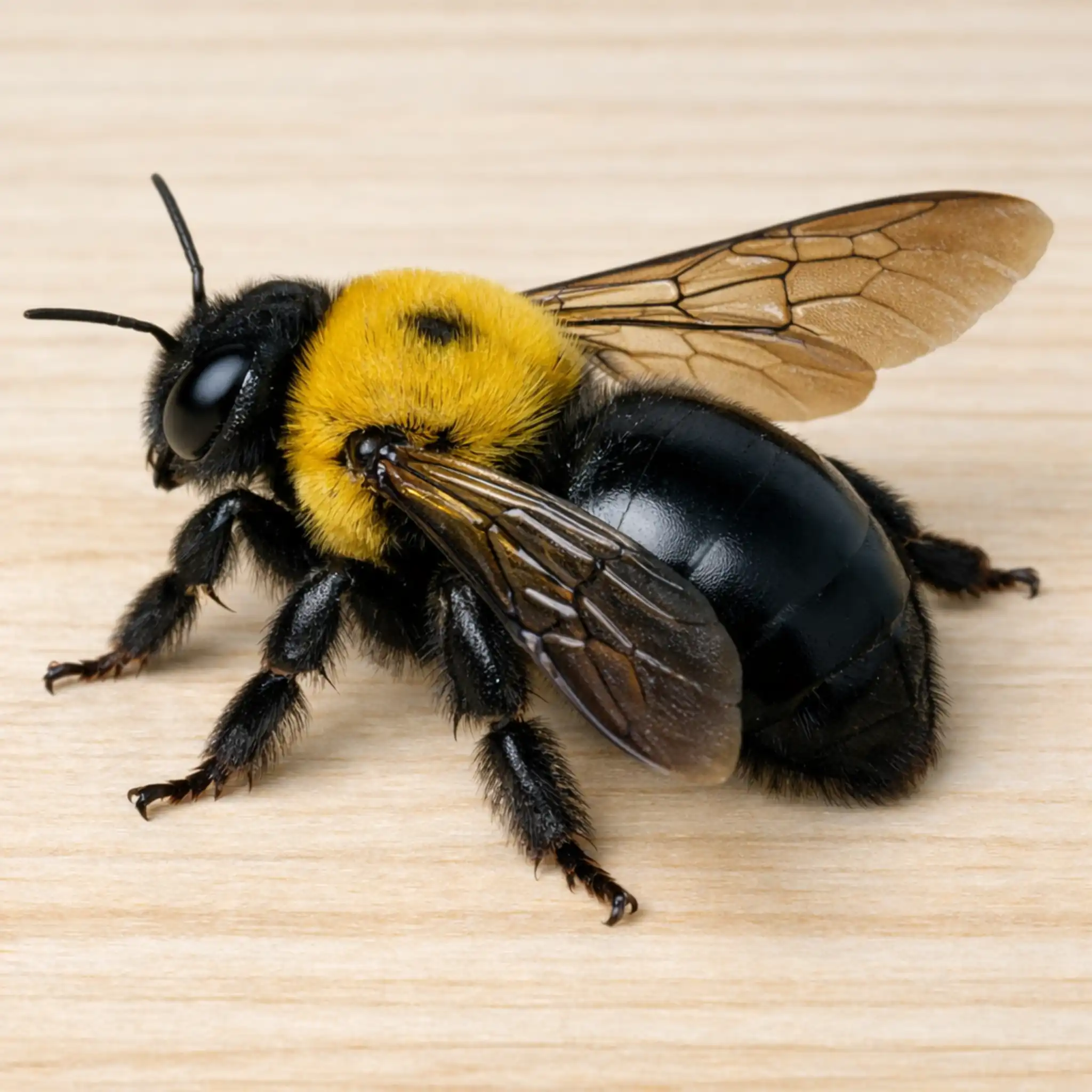
How to Prevent Carpenter Bees from Nesting in Your Home
Key Takeaways Carpenter bees target untreated, bare softwoods like pine, cedar, and redwood for nesting sites. Painting or staining all exposed wood surfaces is one
Key Takeaways Carpenter bees target untreated, bare softwoods like pine, cedar, and redwood for nesting sites. Painting or staining all exposed wood surfaces is one
Key Takeaways Perfectly round half-inch holes in unpainted or weathered wood are the most obvious sign of carpenter bee damage. Yellowish-brown staining beneath entry holes
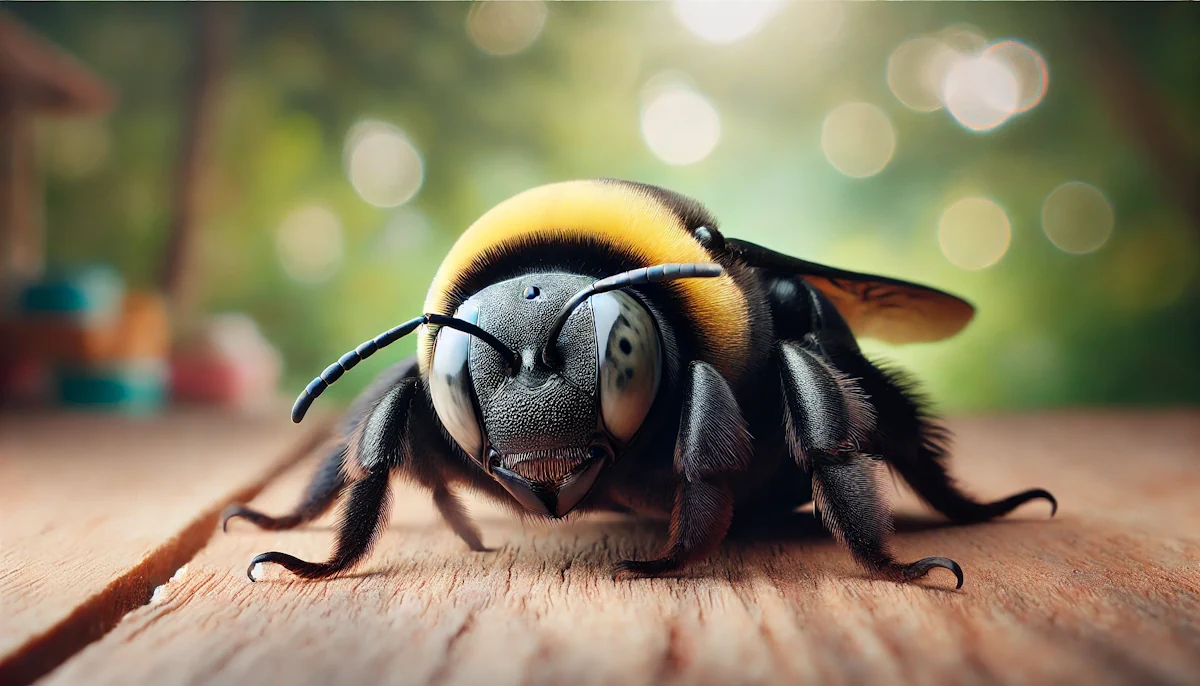
Key Takeaways Carpenter bees drill holes in wood to create nesting galleries for their eggs — not to eat the wood. They prefer untreated, unpainted
Key Takeaways Only female carpenter bees have stingers, and they rarely use them unless directly handled or provoked. Male carpenter bees are the ones that
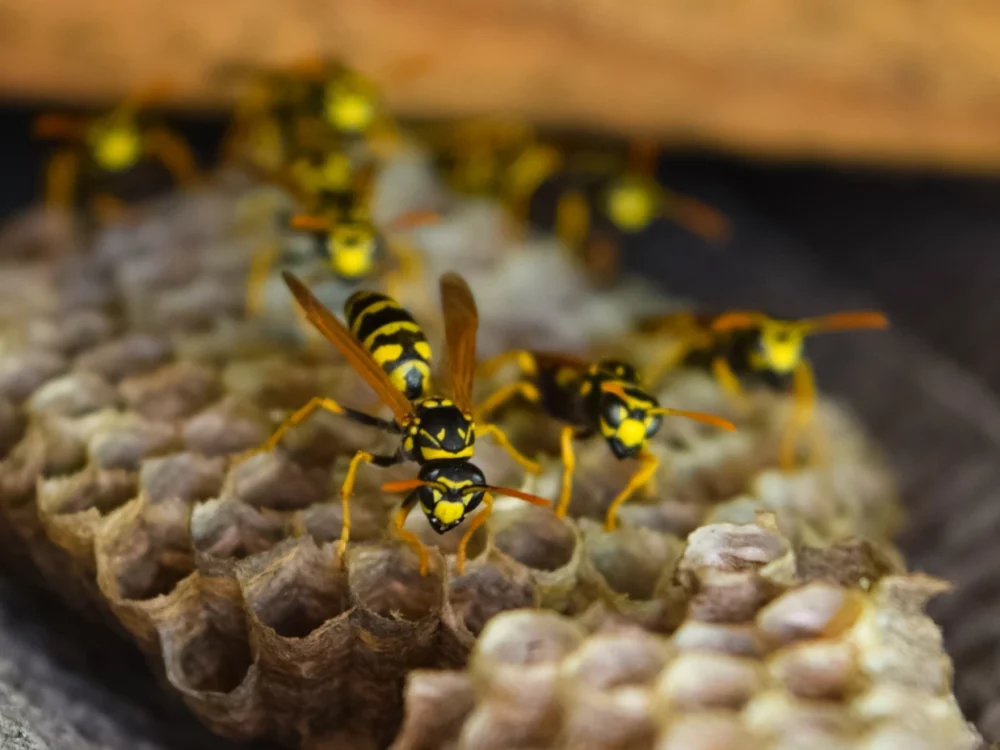
Key Takeaways Seal cracks, gaps, and crevices around your home’s exterior before spring to block nest-building sites. Remove food sources like open trash, pet food,
Key Takeaways Hornets do not make honey — only honey bees produce true honey in meaningful quantities. Hornets are predatory insects that feed on other
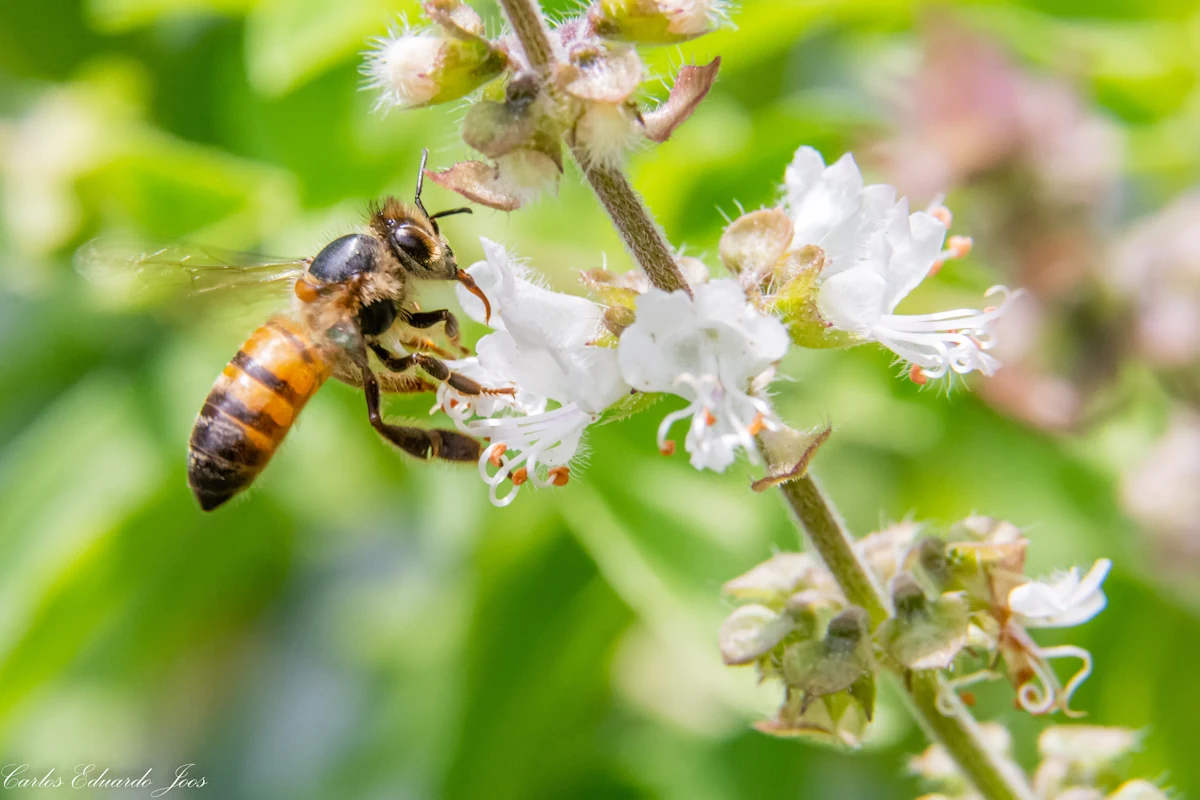
Key Takeaways Africanized killer bees look nearly identical to European honey bees but are significantly more aggressive and defensive of their colonies. These hybrid bees
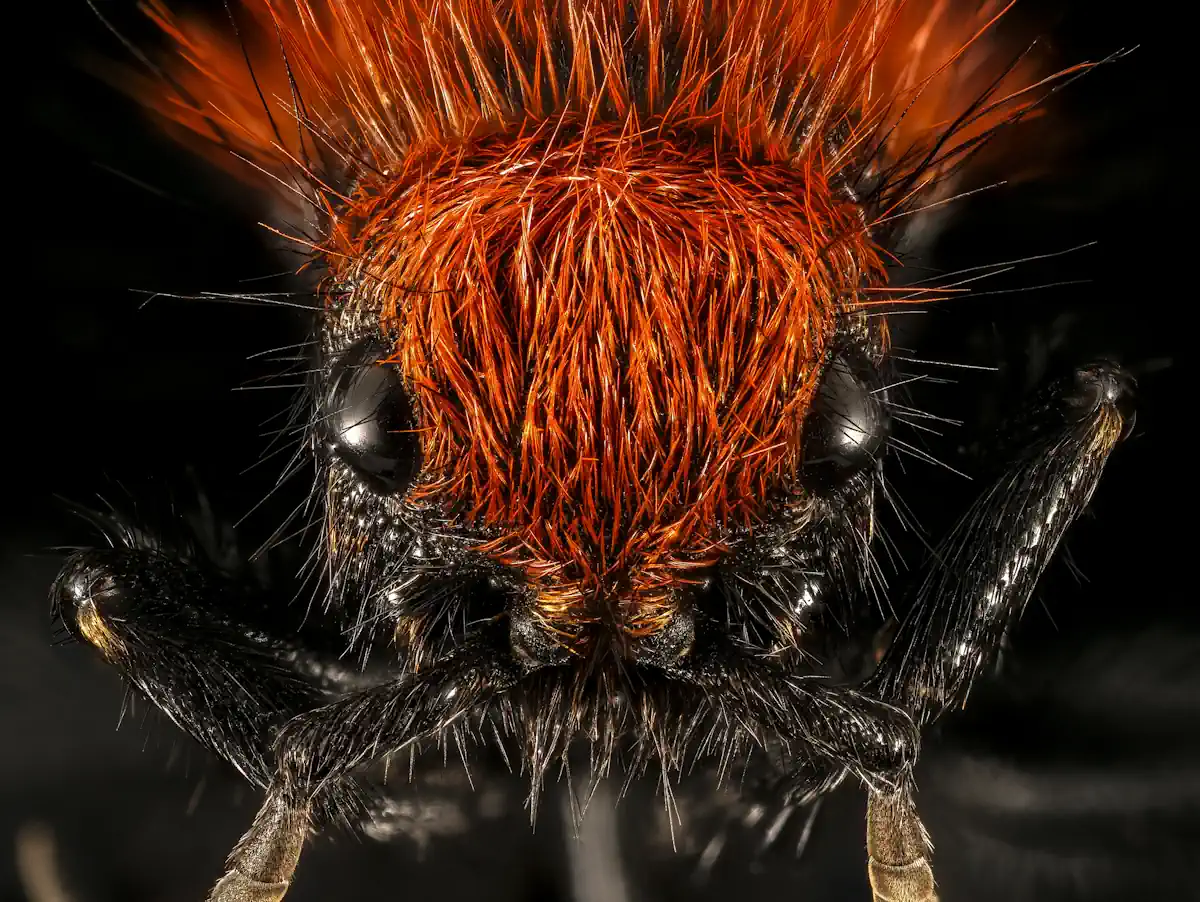
Key Takeaways Cow killer ants are actually wingless female wasps called velvet ants, not true ants at all. Their sting is extremely painful — ranked
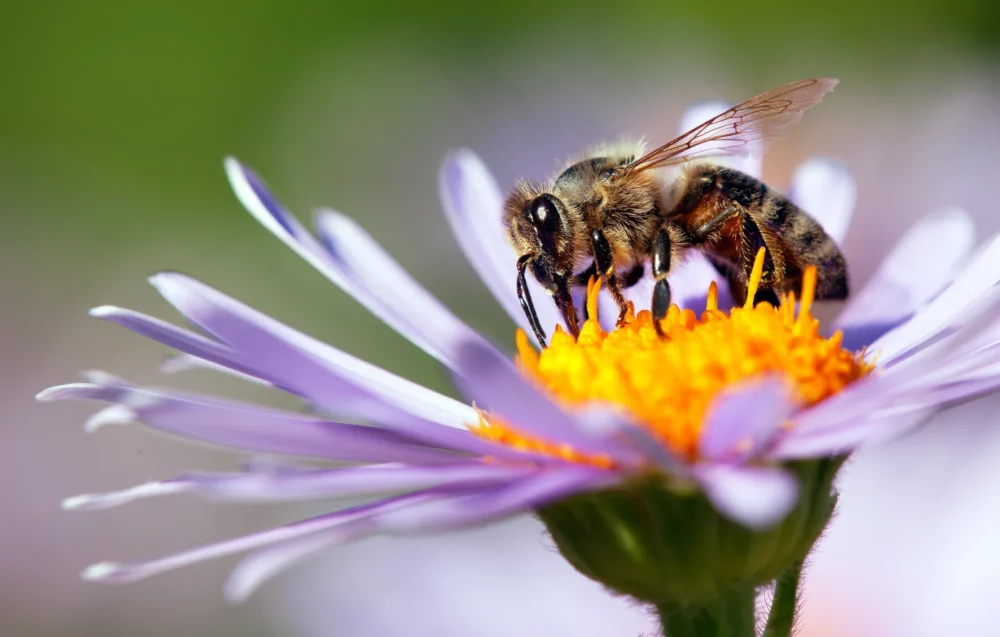
Key Takeaways Bees are drawn to pool water because of its mineral content, warmth, and chlorine scent — not because they want to sting you.
Key Points Male carpenter bees may appear aggressive but cannot sting Female carpenter bees are capable of stinging but rarely do Hovering behavior is typically
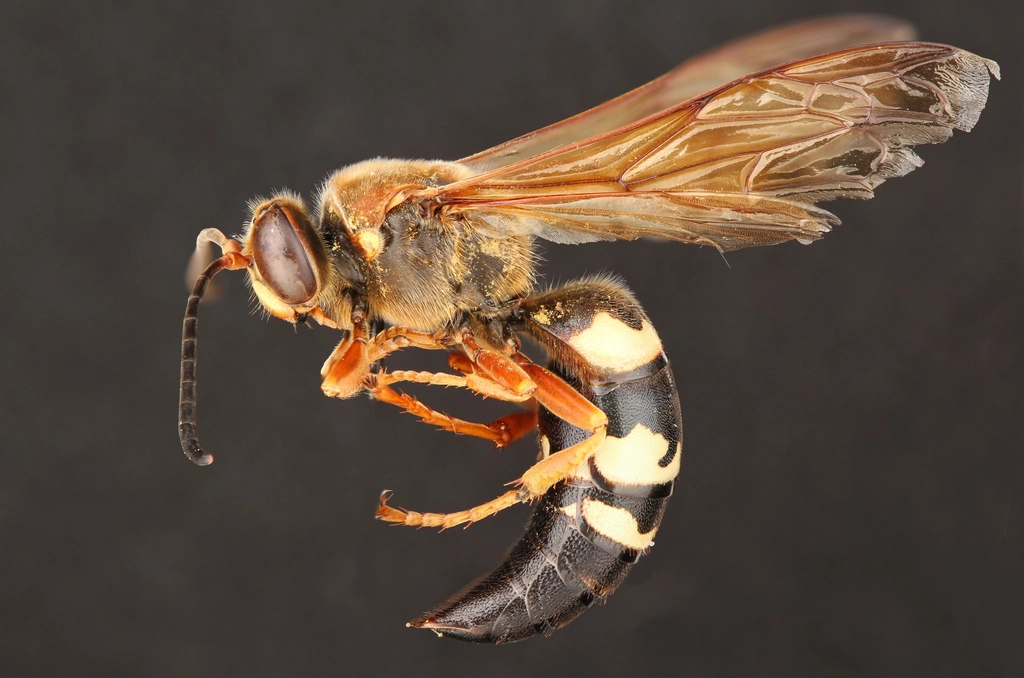
Key Takeaways Cicada killer wasps look intimidating but are generally not dangerous to humans — females rarely sting and males cannot sting at all. These
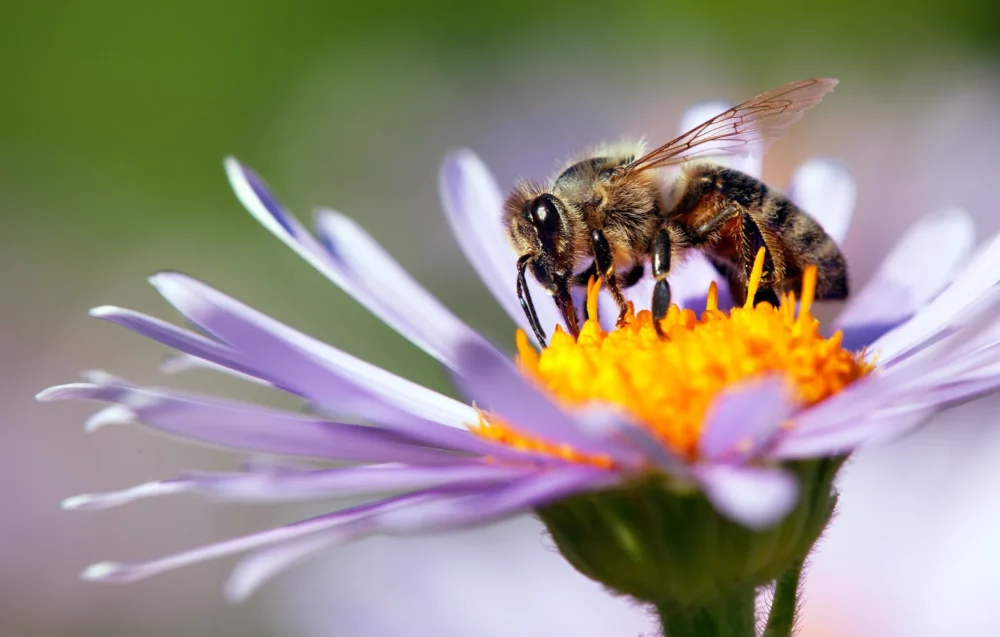
Key Takeaways Bees have fuzzy, rounded bodies built for pollination, while wasps are smooth, slender, and predatory. Honey bees can only sting once, but wasps

Key Takeaways Honey bees are not endangered in Florida, but state law regulates how colonies can be removed and managed. Only registered beekeepers and licensed
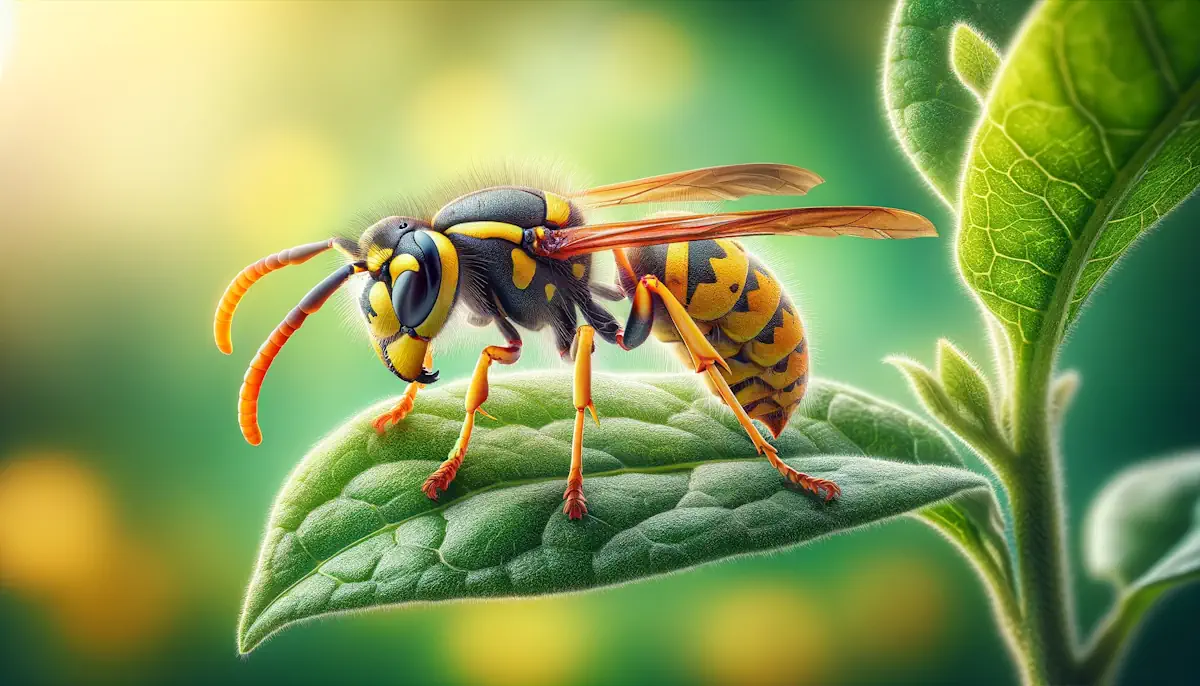
Key Takeaways Florida is home to dozens of wasp species, including paper wasps, mud daubers, yellowjackets, and cicada killers. The state’s warm, humid climate allows
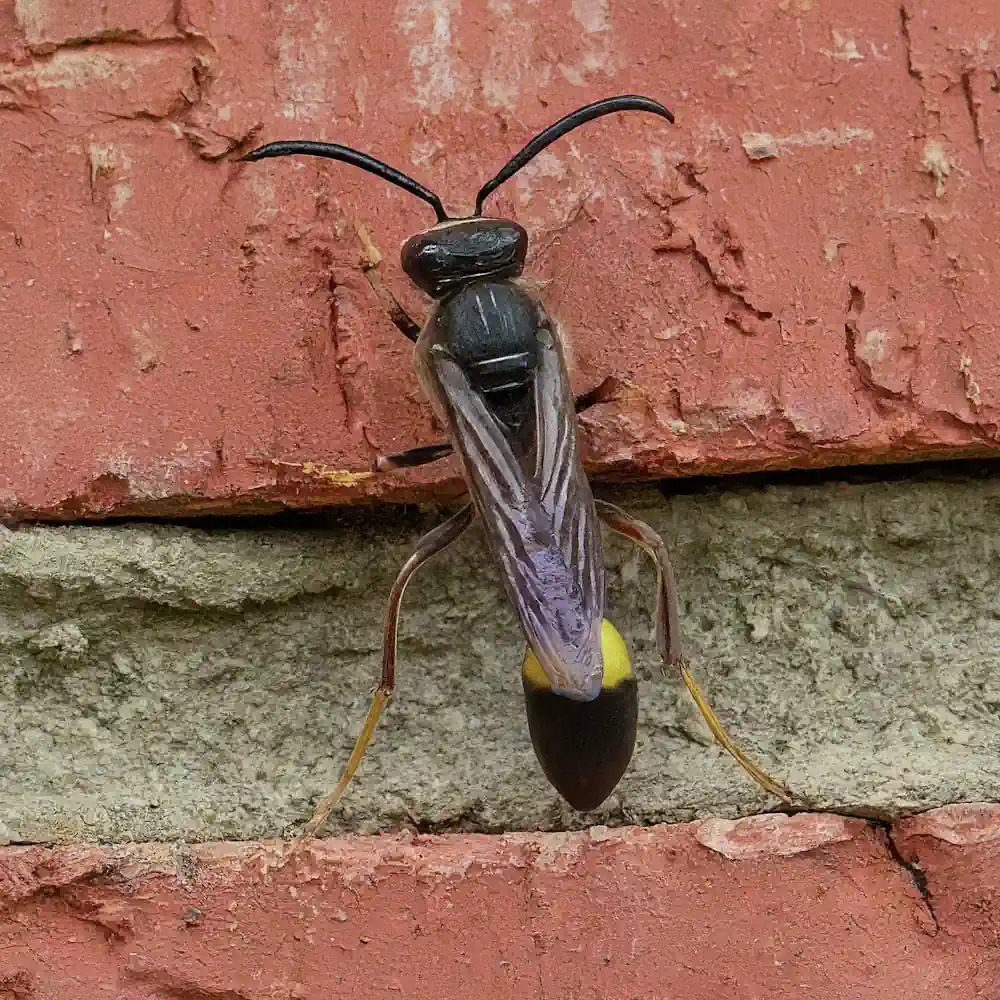
Key Takeaways Mud dauber wasps in Florida are solitary insects that build distinctive tube-shaped mud nests on walls, eaves, and sheltered structures. Unlike paper wasps
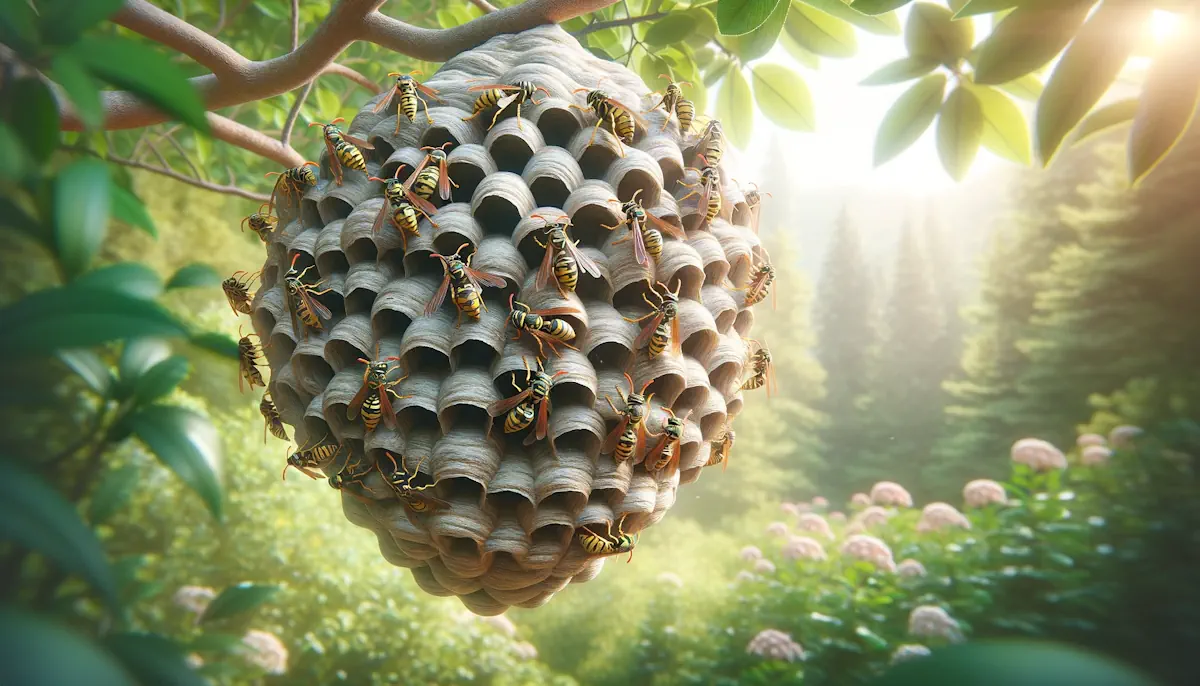
Key Takeaways Florida’s warm climate supports year-round wasp activity, increasing the risk of stings for homeowners. Wasp stings can cause severe allergic reactions, including anaphylaxis,
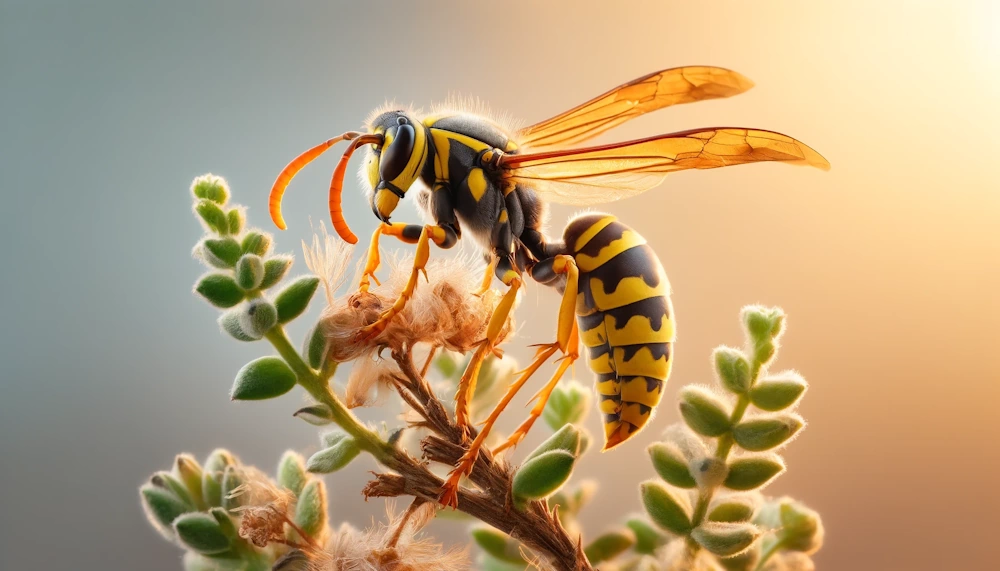
Key Takeaways Wasps in Florida play a critical role as pollinators and natural pest controllers, but they also pose real risks to homeowners. Florida’s warm,
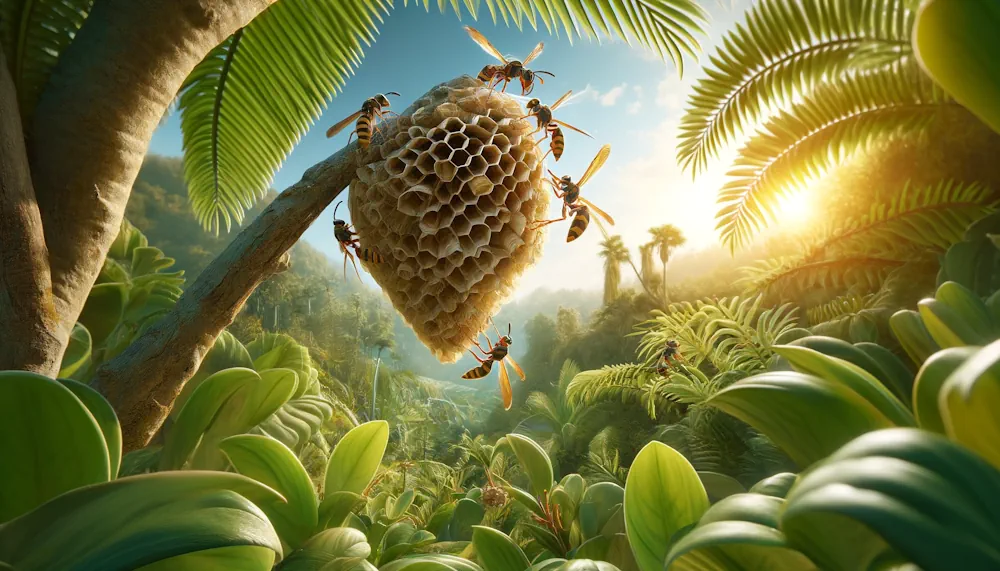
Key Takeaways Paper wasps in Florida are semi-aggressive and will sting repeatedly if they feel their nest is threatened. Florida is home to several paper
Key Takeaways Carpenter bees bore perfectly round holes into untreated wood to create nesting galleries, causing progressive structural damage over multiple seasons. DIY removal methods
Key Takeaways Wasps are most active during the daytime, especially between 10 a.m. and 4 p.m. when temperatures are warmest. Late summer and early fall
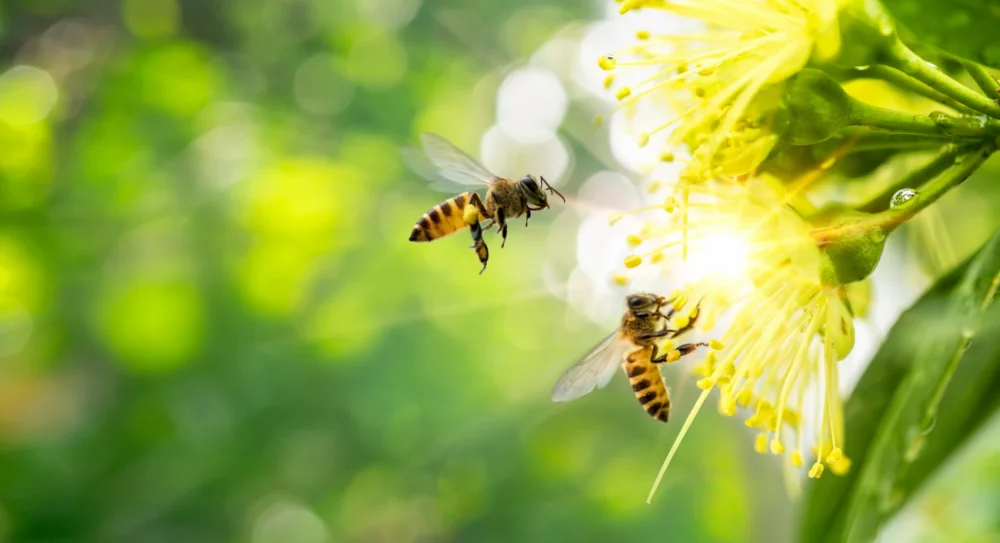
Key Takeaways Bees have five eyes total — two large compound eyes and three smaller simple eyes called ocelli. Compound eyes contain thousands of tiny
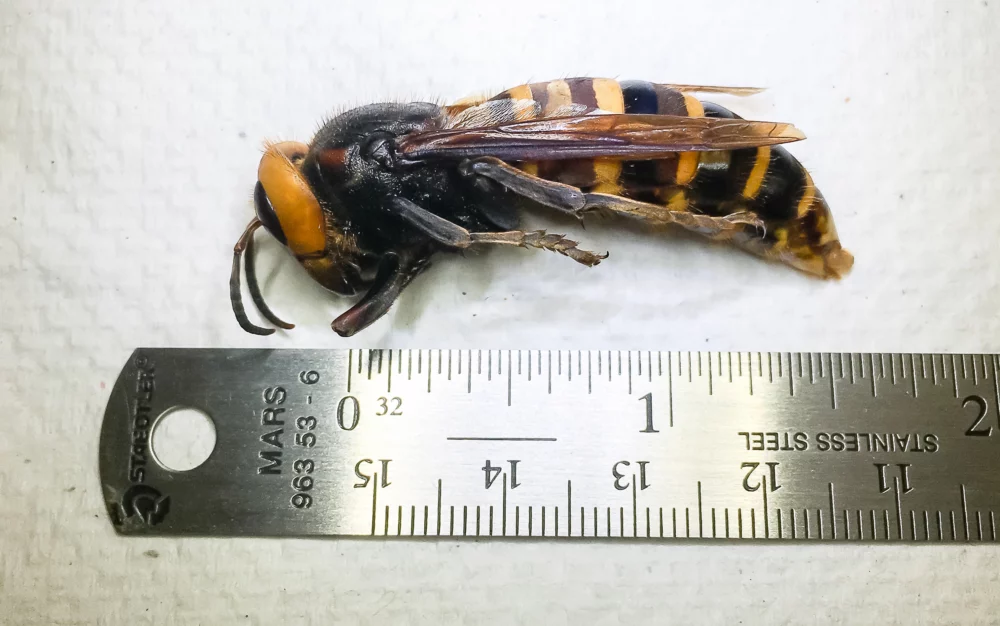
Key Takeaways Asian giant hornets earned the nickname “murder hornets” because they can decimate entire honeybee colonies in just a few hours. They are the

Key Takeaways Weevils are small beetles that infest stored grains, flour, rice, and other dry goods in your pantry — they can also damage garden
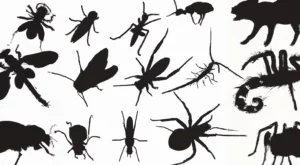
Key Takeaways A vermin infestation refers to the uncontrolled presence of destructive or disease-carrying pests — most commonly rats, mice, and other rodents — inside
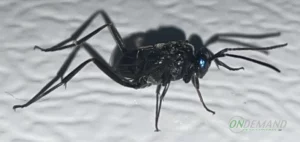
Key Takeaways The most common black fly with long legs found in homes is the crane fly, which is harmless and does not bite or
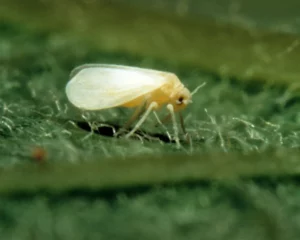
Key Takeaways Whiteflies do not bite, sting, or transmit diseases to humans, making them largely harmless to people. Some individuals may experience allergic reactions to
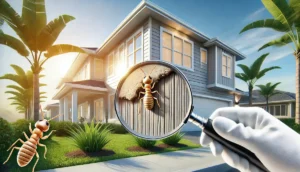
Key Takeaways Termite elimination timelines range from 1 day for fumigation to several months for baiting systems, depending on the treatment method used. Subterranean termites