
Table of Contents
ToggleKey Takeaways
- Regular pest inspections catch infestations early and can save you thousands in structural repair costs.
- A thorough pest inspection covers your home’s interior, exterior, crawl spaces, attic, and foundation for signs of termites, rodents, and other destructive pests.
- Most pest control experts recommend scheduling a professional pest inspection at least once per year — more often in warm, humid climates like South Florida.
- Pest inspections are essential during real estate transactions to protect both buyers and sellers from hidden damage.
- Combining inspections with preventive treatments like exclusion methods and pest control insulation delivers the strongest long-term property protection.
A single pest inspection could be the difference between catching a minor issue and facing tens of thousands of dollars in structural damage. Whether you’re dealing with termites silently eating through your home’s framing or rodents chewing electrical wiring behind your walls, the threats are real — and often invisible until it’s too late. Many homeowners skip routine pest inspections because they don’t see obvious signs of a problem. But that’s exactly the point: most infestations start hidden. In this guide, you’ll learn what a professional pest inspection involves, which pests cause the most property damage, when you should schedule one, and how inspections fit into a broader strategy to keep your home safe and structurally sound year-round.
What Is a Pest Inspection and What Does It Cover?
A pest inspection is a systematic evaluation of your property by a trained professional who looks for evidence of pest activity, conditions that attract pests, and existing structural damage caused by infestations. Unlike a general home inspection, a pest inspection focuses specifically on organisms that threaten the integrity, safety, and livability of your property.
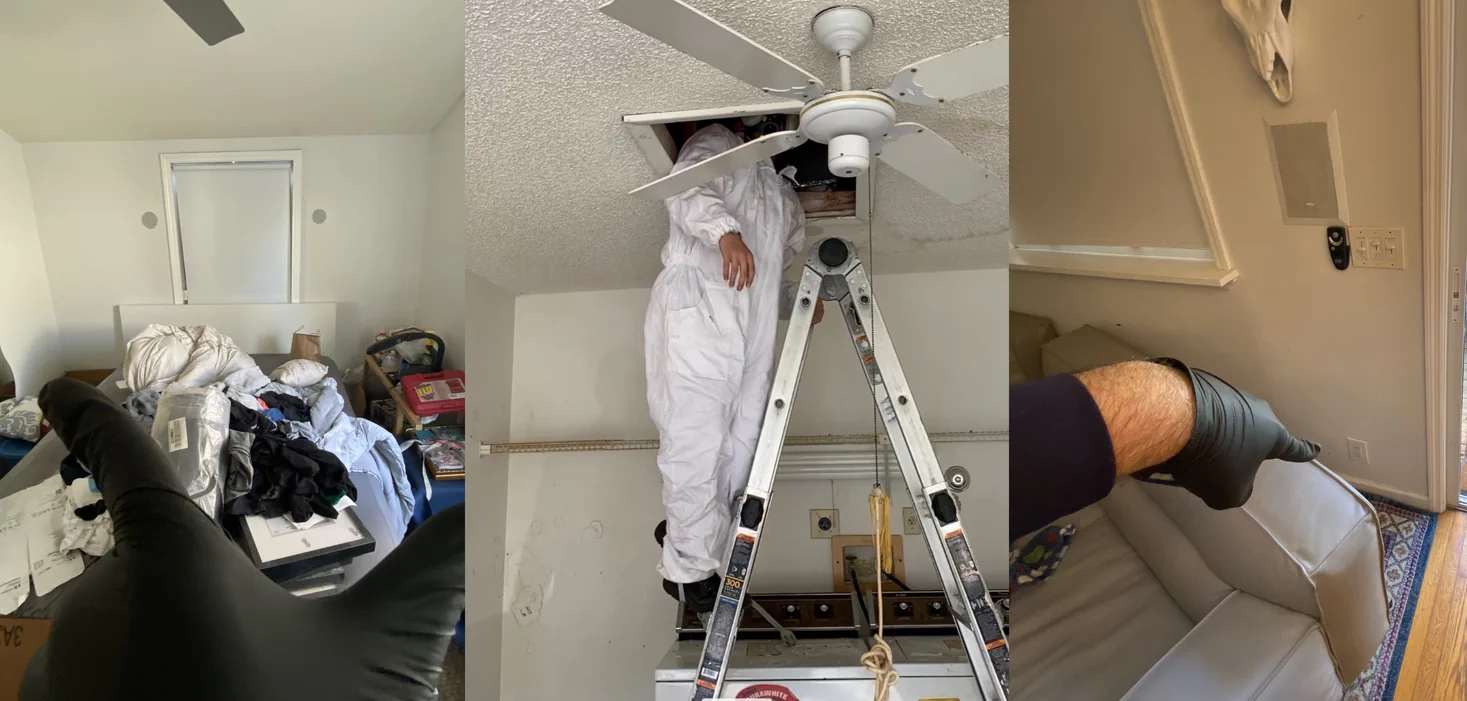
During a standard pest inspection, the technician examines your property from top to bottom. This includes the following areas:
- Interior rooms — walls, baseboards, cabinets, plumbing areas, and storage spaces
- Attic and roof structure — looking for rodent droppings, nesting material, and wood-destroying organism damage
- Crawl spaces and foundation — checking for moisture issues, termite mud tubes, and fungal decay
- Exterior perimeter — landscaping contact points, drainage issues, cracks in siding, and entry points
- Garage and outbuildings — areas where pests often establish colonies undisturbed
The inspector documents findings and typically provides a written report with recommended treatments or preventive actions. This report becomes a critical reference for both immediate decisions and long-term maintenance planning.
Wood-Destroying Organism (WDO) Inspections
One of the most common types of pest inspection is a WDO inspection, which focuses specifically on termites, carpenter ants, wood-boring beetles, and fungi that compromise structural wood. In Florida, WDO inspections are frequently required during real estate transactions. These inspections follow a standardized reporting format that identifies visible evidence of wood-destroying organisms, conditions conducive to infestation, and previous treatment history.
A WDO inspection can reveal damage that isn’t visible during a standard walkthrough. Subterranean termites, for example, can hollow out structural beams while leaving the exterior surface intact. Only a trained inspector using specialized tools — moisture meters, sounding devices, or infrared cameras — can detect this kind of hidden destruction.
Why Regular Pest Inspections Save You Money
Many homeowners view pest inspections as an unnecessary expense. The reality is that skipping them is far more costly. Termites alone cause an estimated $5 billion in property damage across the United States every year. Most homeowner insurance policies don’t cover termite damage, which means the full repair bill falls on you.
Early detection is everything. A colony of subterranean termites can eat through a foot of 2×4 lumber in roughly six months. Left unchecked for two or three years, that damage multiplies exponentially. A routine pest inspection that catches the problem early might cost a few hundred dollars. Repairing structural framing, subflooring, and load-bearing walls after years of undetected termite activity? That can run $10,000 to $50,000 or more.
Rodents create similar financial risks. Rats and mice gnaw through electrical wiring, which creates fire hazards. They contaminate insulation with urine and droppings, forcing costly replacement. If you’re concerned about protecting your attic, pest control insulation provides a dual solution — thermal efficiency and pest deterrence built into a single product.
Hidden Damage Most Homeowners Miss
Pests are experts at staying out of sight. Drywood termites live entirely within the wood they consume, and you may not notice them until you see small piles of frass (termite droppings) on a windowsill. Carpenter ants excavate smooth tunnels inside wood but leave the surface intact. Rodents nest inside wall voids and attic insulation where you rarely look.
By the time you see a pest in your living space, the colony behind the walls may already be well established. That’s why annual inspections matter — they’re designed to uncover the activity you can’t see on your own. For a deeper understanding of common misconceptions, explore these debunked pest control myths that keep homeowners from acting in time.
When Should You Schedule a Pest Inspection?
Timing matters when it comes to pest inspections. While annual inspections are the general recommendation, several specific situations call for immediate scheduling.
Annual Preventive Inspections
At minimum, schedule a professional pest inspection once per year. In warm, humid climates like South Florida, where pests remain active year-round, twice-yearly inspections provide stronger protection. Spring and early fall are ideal times because pest activity tends to peak during these transitional seasons.
Even during winter months, pests don’t simply disappear — especially in subtropical regions. Understanding why winter pest control is essential helps you avoid the false sense of security that cooler weather sometimes creates.
Before Buying or Selling a Home
A pest inspection is a non-negotiable step in any real estate transaction. Buyers need to know the exact condition of the property they’re purchasing. Sellers benefit from resolving issues before they derail a deal or reduce the sale price. In Florida, WDO reports are commonly requested by lenders before they approve a mortgage.
If you’re purchasing a home, don’t rely on the seller’s verbal assurance that the property is pest-free. Insist on a current, independent inspection from a licensed pest control provider.
After Severe Weather Events
Hurricanes, tropical storms, and extended heavy rain drive pests indoors. Flooding displaces ant colonies and rodent populations, pushing them toward higher ground — including your home. After any major weather event, scheduling an inspection helps you identify new pest entry points created by wind damage, shifting soil, or water intrusion. Weather and pest behavior are deeply connected, especially in South Florida where rain significantly impacts household pest activity.
Common Pests Found During Property Inspections
Different pests pose different threats to your property. During a professional pest inspection, technicians look for evidence of the most destructive species in your area. Here’s a breakdown of the most common culprits and the damage they cause:
| Pest | Primary Threat | Common Signs |
|---|---|---|
| Subterranean Termites | Structural wood damage | Mud tubes on foundation, hollow-sounding wood, discarded wings |
| Drywood Termites | Furniture and framing damage | Frass piles, small kick-out holes in wood surfaces |
| Carpenter Ants | Wood excavation (nesting, not eating) | Sawdust-like shavings, rustling sounds in walls |
| Roof Rats | Wiring damage, insulation contamination | Droppings, gnaw marks, grease trails along walls |
| Cockroaches | Health hazards, allergen contamination | Droppings, egg casings, musty odor |
| Silverfish | Paper, fabric, and stored item damage | Irregular holes in paper, yellowish stains |
Understanding what each pest does helps you appreciate why inspectors check so many areas of your property. A surface-level walkthrough simply isn’t enough.
DIY Pest Checks vs. Professional Pest Inspections
You can — and should — keep an eye out for pest activity between professional visits. Walk your property monthly and look for droppings, mud tubes, chewed materials, unusual odors, and dead insects in windowsills or light fixtures. However, a self-check has significant limitations compared to a trained inspector’s evaluation.
Professional inspectors bring specialized knowledge and tools. They know where to look, what species-specific evidence looks like, and how to interpret subtle signs that a homeowner would overlook. They also access areas most homeowners don’t regularly examine — deep crawl spaces, attic eaves, and behind large appliances.
For a detailed comparison of when you can handle things yourself and when a professional is the better choice, read this breakdown of DIY vs. professional pest control services.
Warning Signs That Demand an Immediate Professional Inspection
Certain signs should prompt you to call a professional right away rather than waiting for your next scheduled appointment:
- Swarms of winged insects emerging indoors — especially near windows or light sources
- Visible mud tubes running along your foundation or interior walls
- Sagging floors, buckling walls, or doors and windows that suddenly stick
- Unexplained rustling or scratching sounds inside walls or ceilings, particularly at night
- A sudden increase in pest sightings after a storm or nearby construction activity
Any of these signals could indicate an advanced infestation that needs immediate attention. Waiting even a few weeks can allow significant additional damage.
How Pest Inspections Fit Into Long-Term Property Protection
A pest inspection is not a standalone solution. Think of it as one critical piece of a larger property protection strategy. The inspection identifies threats and vulnerabilities. What you do with those findings determines the outcome.
After an inspection, your pest control provider should present a clear action plan. This might include targeted treatments for active infestations, preventive barrier applications around the perimeter, or structural modifications. One of the most effective preventive approaches is pest exclusion, which physically seals entry points so pests can’t get inside in the first place.
For Florida homeowners, combining exclusion work with proper moisture management and regular professional inspections creates a layered defense. Additional tips for maintaining a pest-resistant home are available in this guide to essential pest control tips for Florida homeowners.
Choosing the Right Provider for Your Pest Inspection
Not all pest inspections are equal. The quality of your inspection depends entirely on the company performing it. Look for providers with proper licensing, insurance, and technicians who hold current certifications in your state. Ask about their inspection process, how long it takes, and what’s included in the written report.
A thorough inspection typically takes 45 minutes to two hours, depending on your property’s size and complexity. If a company promises to inspect your entire home in 15 minutes, that’s a red flag. For guidance on selecting a qualified provider, learn how to choose the best pest control company for your needs.
Frequently Asked Questions
-
How often should I get a pest inspection on my home?
Most pest control professionals recommend a thorough inspection at least once per year. In warm, humid climates like South Florida, where pests remain active in every season, twice-yearly inspections provide stronger protection. Homes with a history of termite or rodent issues may benefit from quarterly monitoring.
-
How much does a professional pest inspection cost?
A standard pest inspection for a single-family home typically costs between $75 and $200, depending on the property's size and location. WDO inspections for real estate transactions may cost slightly more. This is a small investment compared to the thousands of dollars in damage an undetected infestation can cause.
-
What is the difference between a pest inspection and a home inspection?
A general home inspection evaluates a property's overall condition — roof, plumbing, electrical, HVAC, and structure. A pest inspection focuses specifically on evidence of pest activity, wood-destroying organisms, and conditions that attract infestations. Most home inspectors are not licensed to perform pest inspections, so you'll typically need both during a real estate transaction.
-
Can I do my own pest inspection instead of hiring a professional?
You can perform basic visual checks for droppings, mud tubes, and damaged wood between professional visits. However, a trained inspector uses specialized tools, accesses hard-to-reach areas, and recognizes species-specific evidence that most homeowners miss. For reliable results that protect your investment, a professional inspection is essential.
-
Is a pest inspection required when buying a house in Florida?
Florida doesn't legally mandate pest inspections for all home purchases, but most mortgage lenders — especially for FHA and VA loans — require a WDO inspection before approving financing. Even when not required, a pest inspection is strongly recommended to uncover hidden damage and avoid inheriting costly problems.
-
What happens if a pest inspection finds an active infestation?
If an active infestation is detected, the inspector will document the type of pest, the extent of activity, and recommended treatment options. In a real estate transaction, the buyer and seller negotiate who covers the treatment and repair costs. For existing homeowners, the pest control company will propose a treatment plan tailored to the specific pest and severity of the infestation.