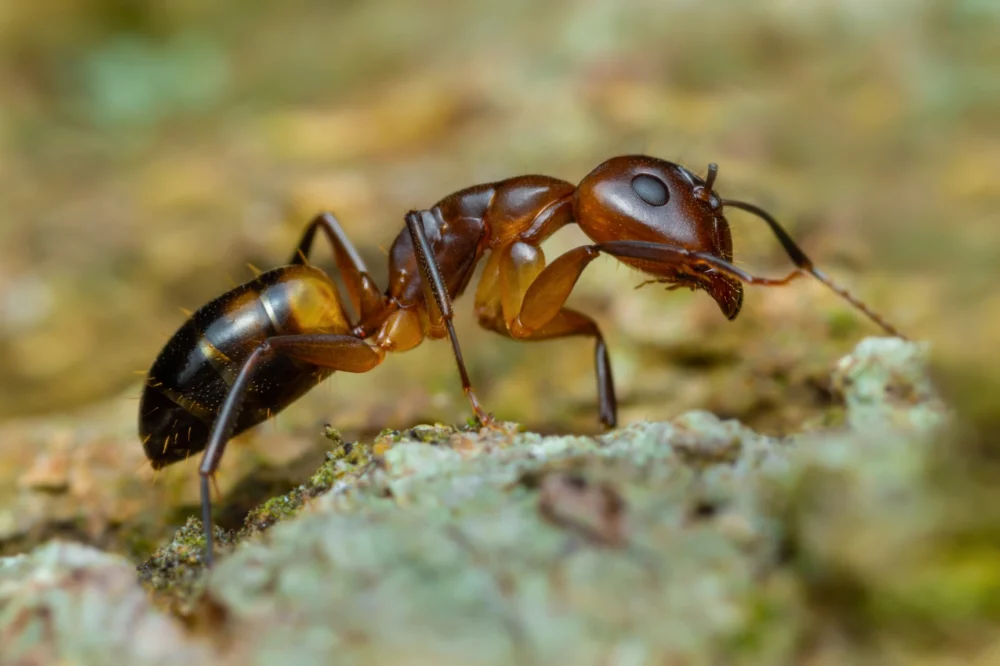
Tiny Ants in Your Florida Bathroom: How to Get Rid of Them
Key Takeaways Ghost ants and sugar ants are the most common tiny ants found in South Florida bathrooms due to moisture and warmth. Sealing cracks,
Key Takeaways Ghost ants and sugar ants are the most common tiny ants found in South Florida bathrooms due to moisture and warmth. Sealing cracks,
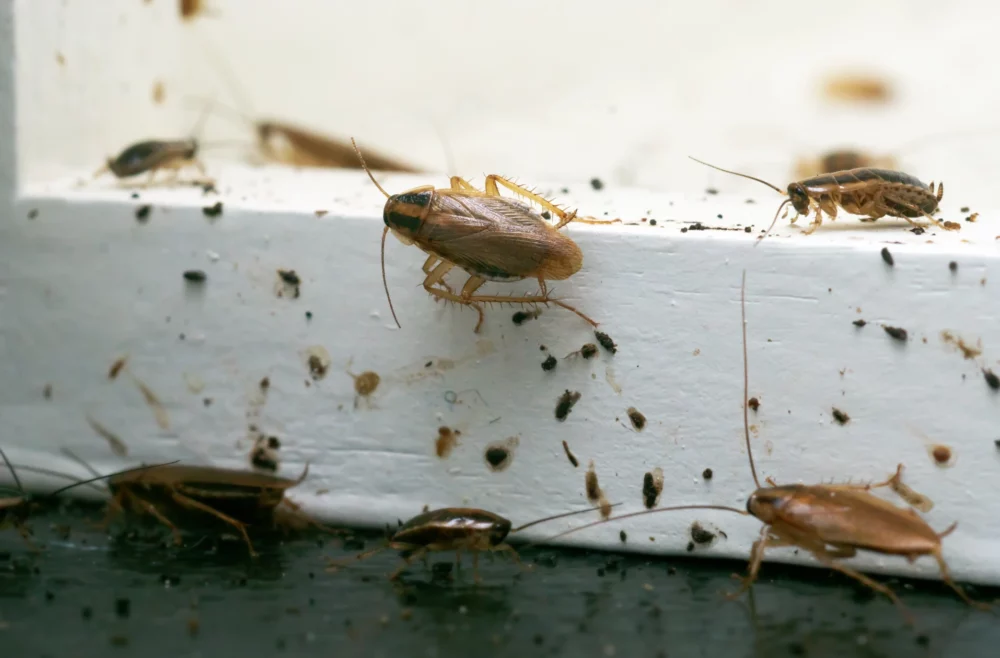
Key Takeaways Fort Lauderdale’s warm, humid climate supports at least five common cockroach species year-round. American cockroaches (palmetto bugs) are the largest species you’ll encounter,
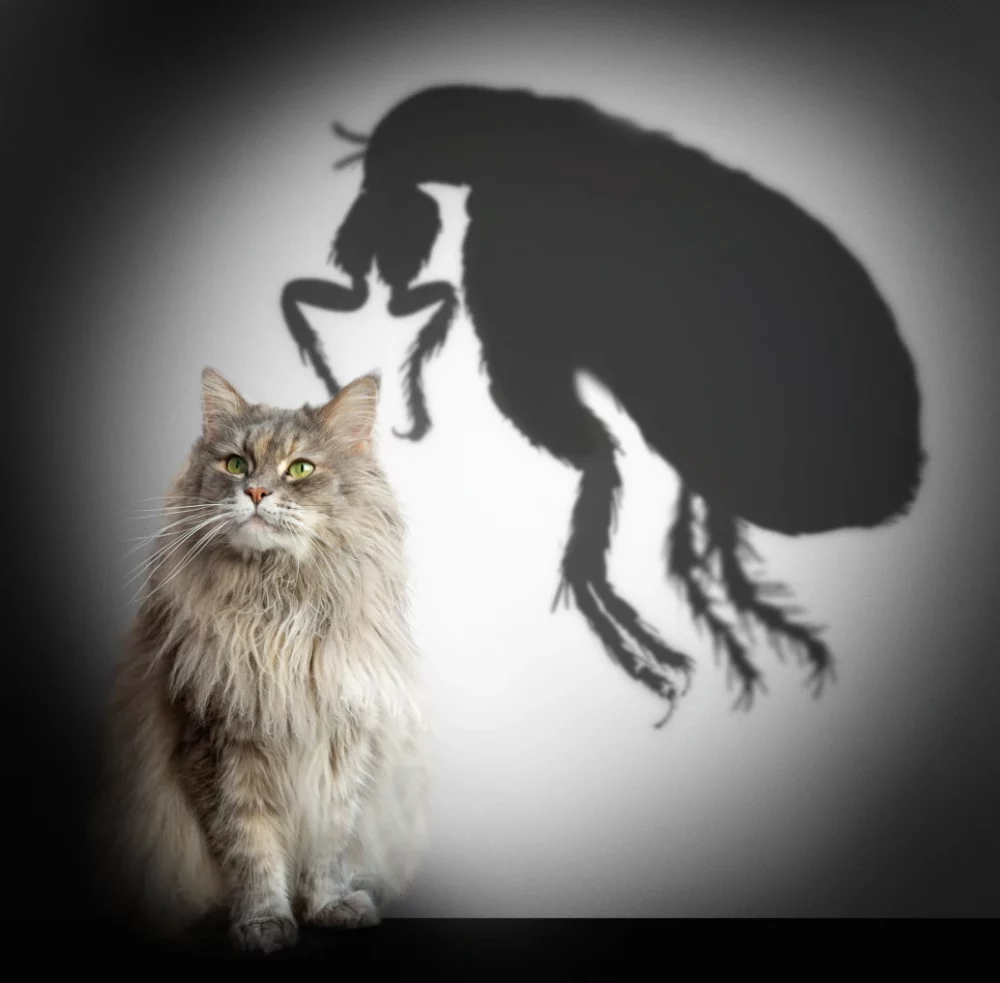
Key Takeaways Adult fleas in Fort Lauderdale are tiny, reddish-brown insects about 1-3 mm long with flat bodies and powerful hind legs built for jumping.
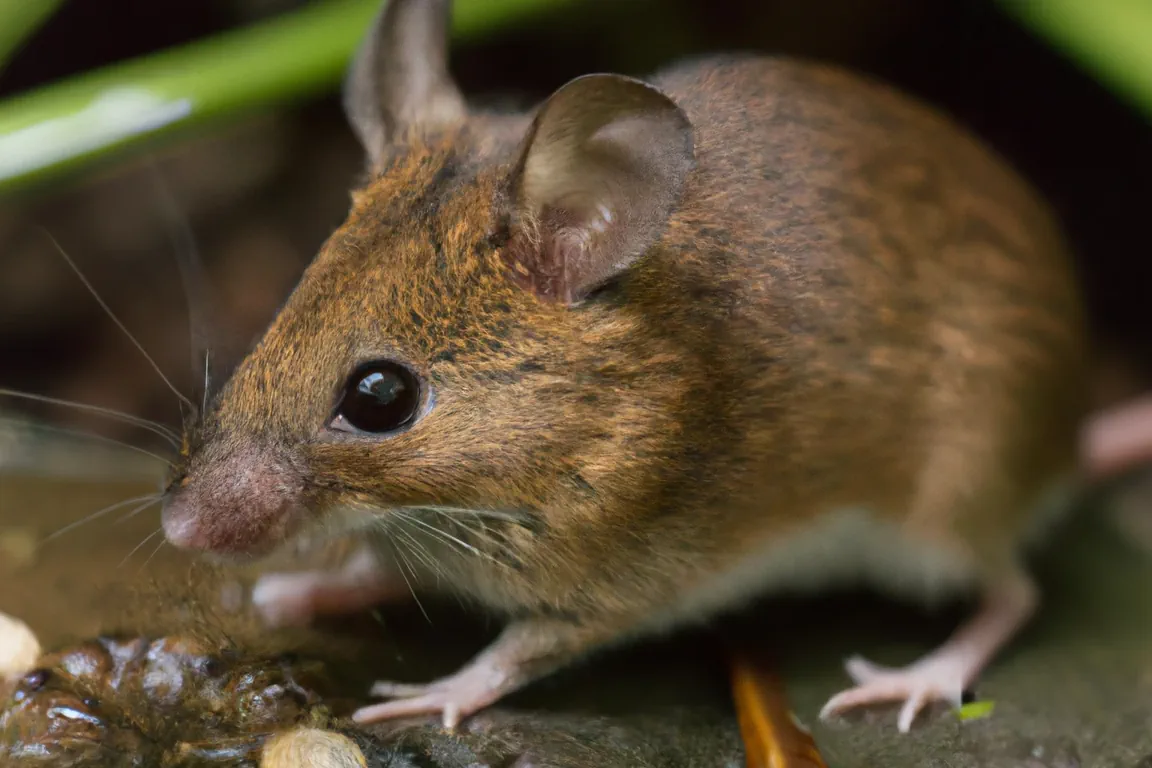
Key Takeaways Mouse droppings, gnaw marks, and grease trails along walls are the earliest and most reliable signs of a bad mice infestation. A strong
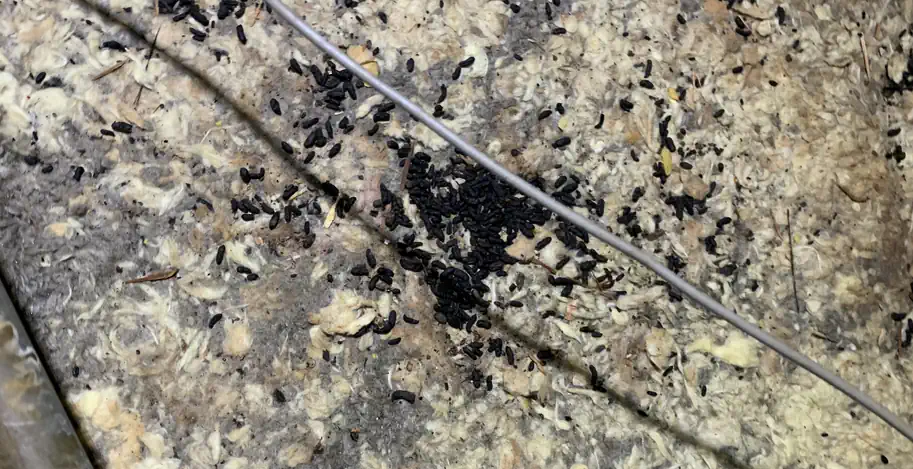
Key Takeaways Rat droppings are roughly ½ to ¾ inch long with blunt ends, while mouse droppings are only about ¼ inch long with pointed
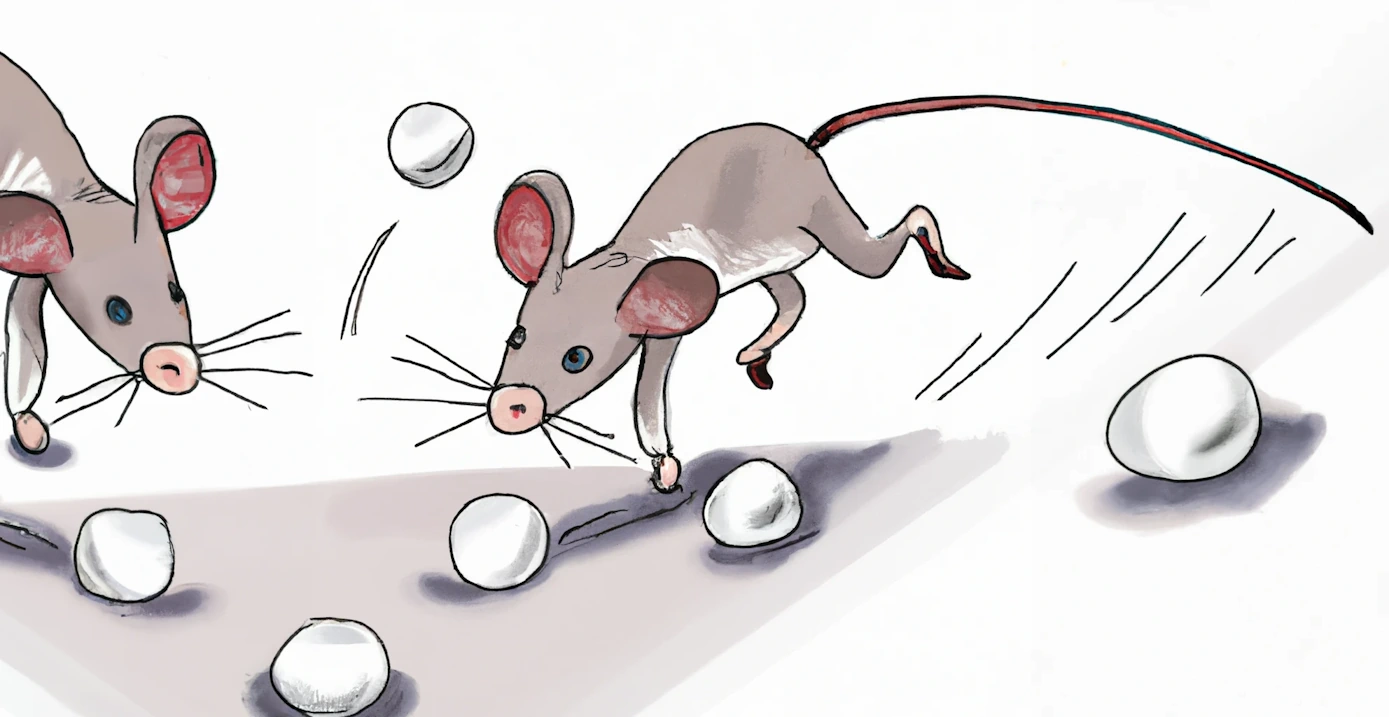
Key Takeaways Most commercially sold mouse repellents — including ultrasonic devices and essential oils — provide only temporary or partial results at best. Peppermint oil
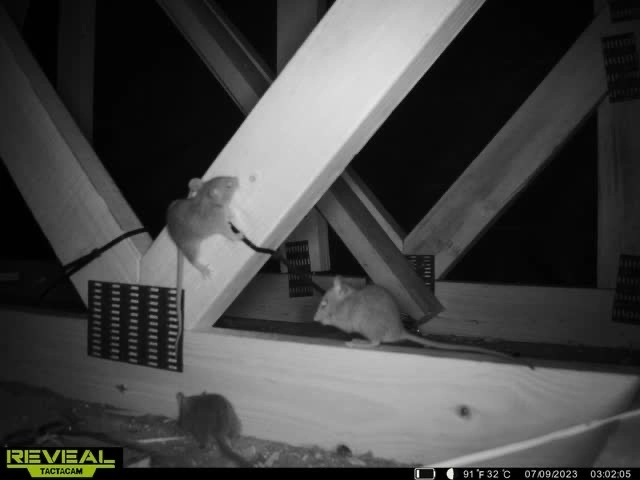
Key Takeaways Scratching, thumping, and scurrying noises—especially at night—are the most common first signs of animals in the attic. Roof rats, squirrels, raccoons, bats, and
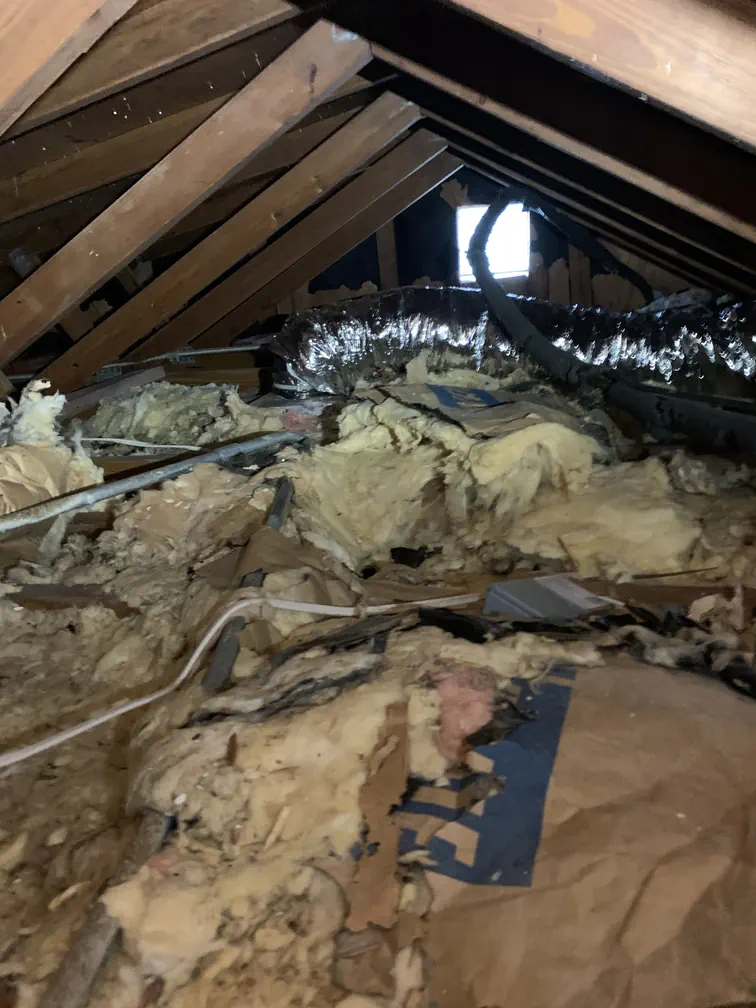
Key Takeaways Mice are drawn to attics because they provide warmth, shelter, quiet nesting spaces, and easy access to food and water. Gaps as small
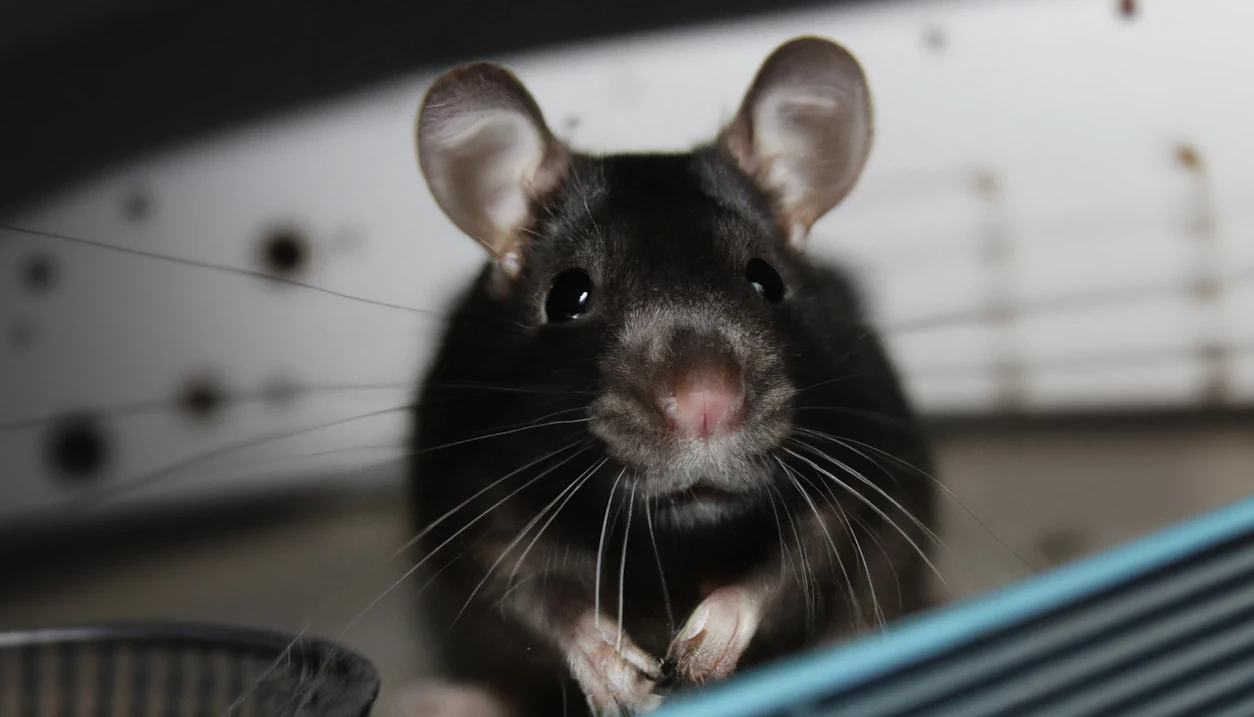
Key Takeaways Black mice are typically house mice (Mus musculus) with darker fur caused by a genetic variation called melanism. Key identification features include small
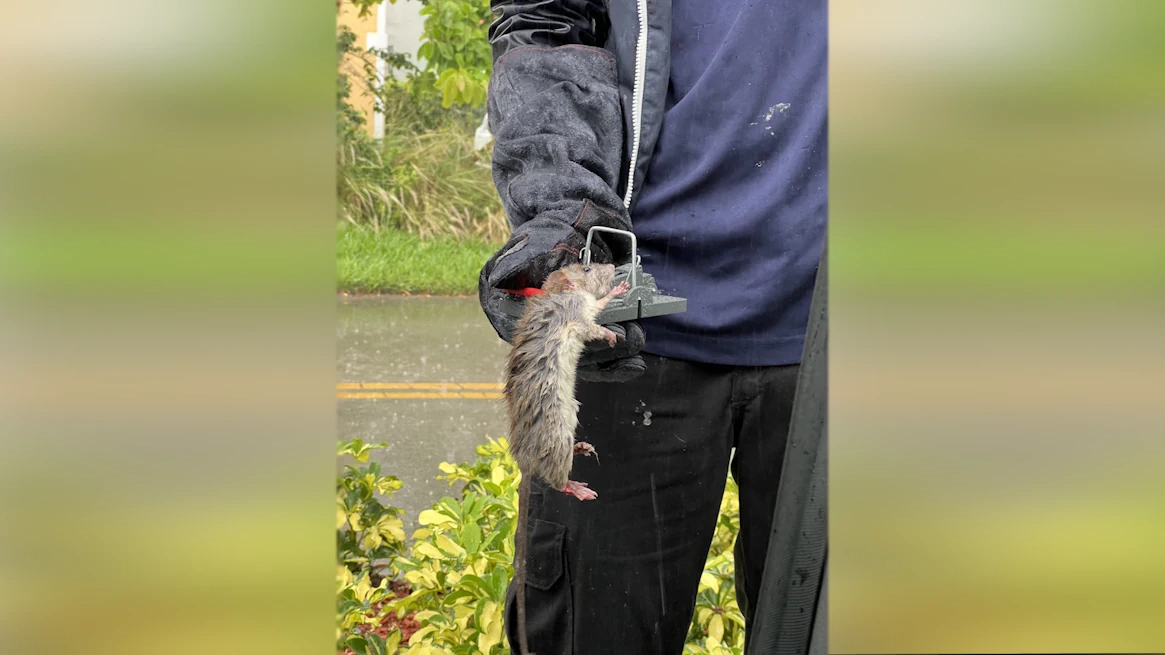
Key Takeaways Exterminators use a combination of inspection, trapping, baiting, and exclusion to eliminate mice living inside walls and crawlspaces. Scratching sounds, droppings, and grease
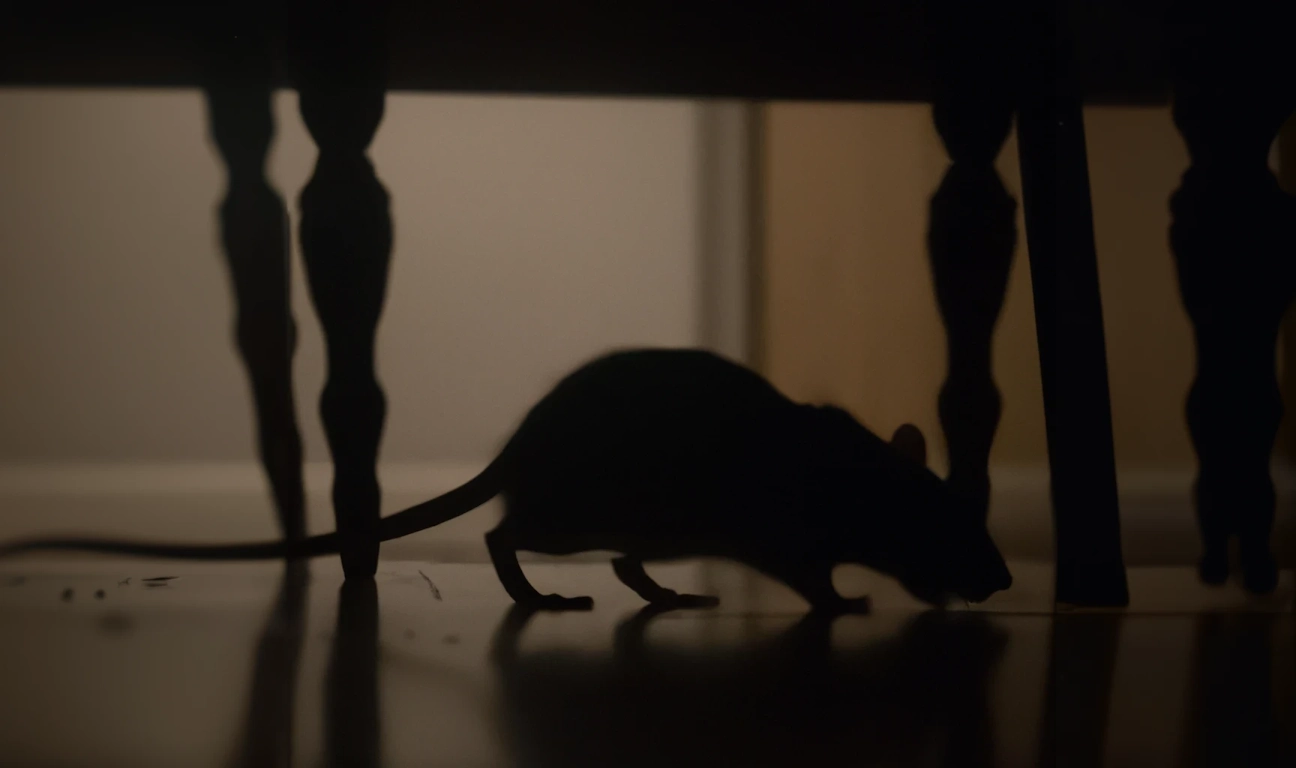
Key Takeaways Kitchens attract rats because they offer easy access to food, water, and warmth — the three things rats need to survive. Rats can

Key Takeaways Mouse urine stains appear as small yellowish or dark streaks, often accompanied by a strong ammonia-like odor. A UV blacklight is the most
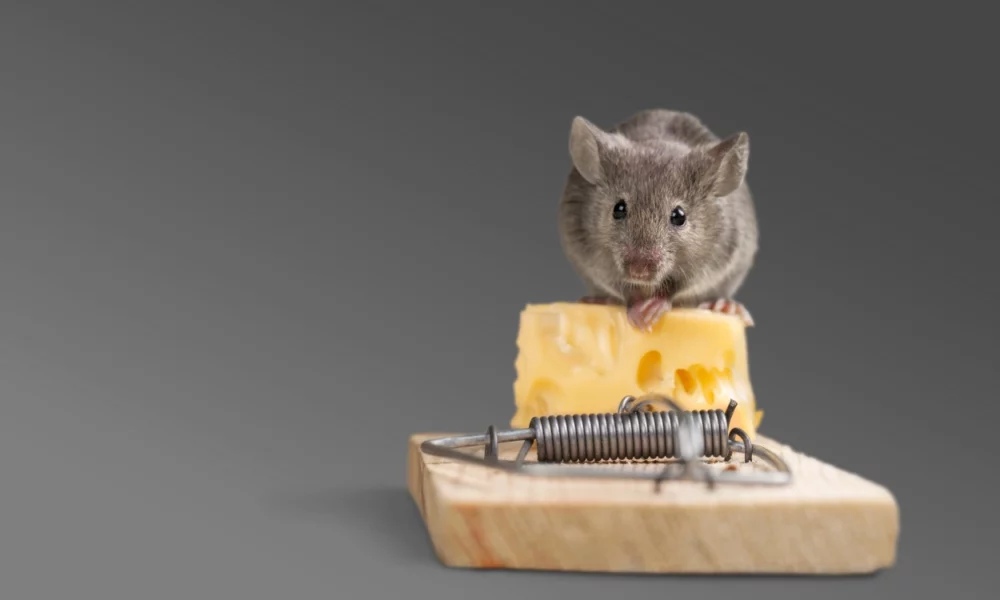
Key Takeaways Wild mice typically live 12 to 18 months, while house mice living indoors can survive up to 2 to 3 years. A single
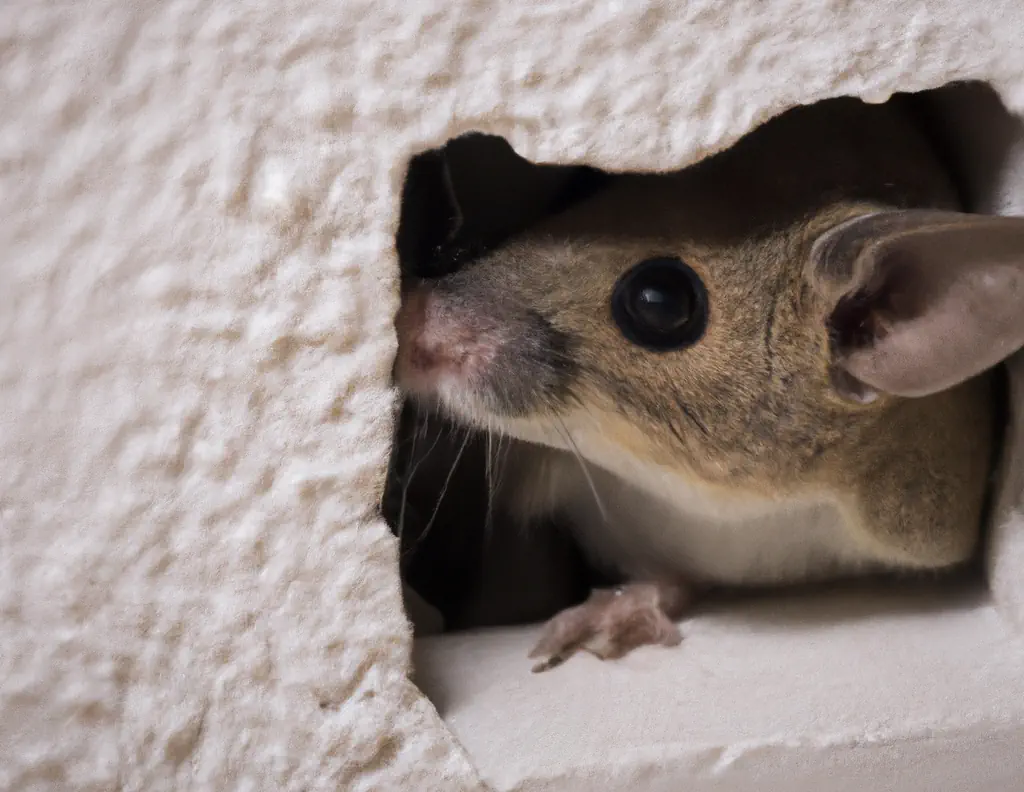
Key Takeaways Mice absolutely have bones — a full skeleton with over 200 individual bones, more than humans. Their skull is one of the few
Key Takeaways A vermin infestation refers to the uncontrolled presence of destructive or disease-carrying pests — most commonly rats, mice, and other rodents — inside
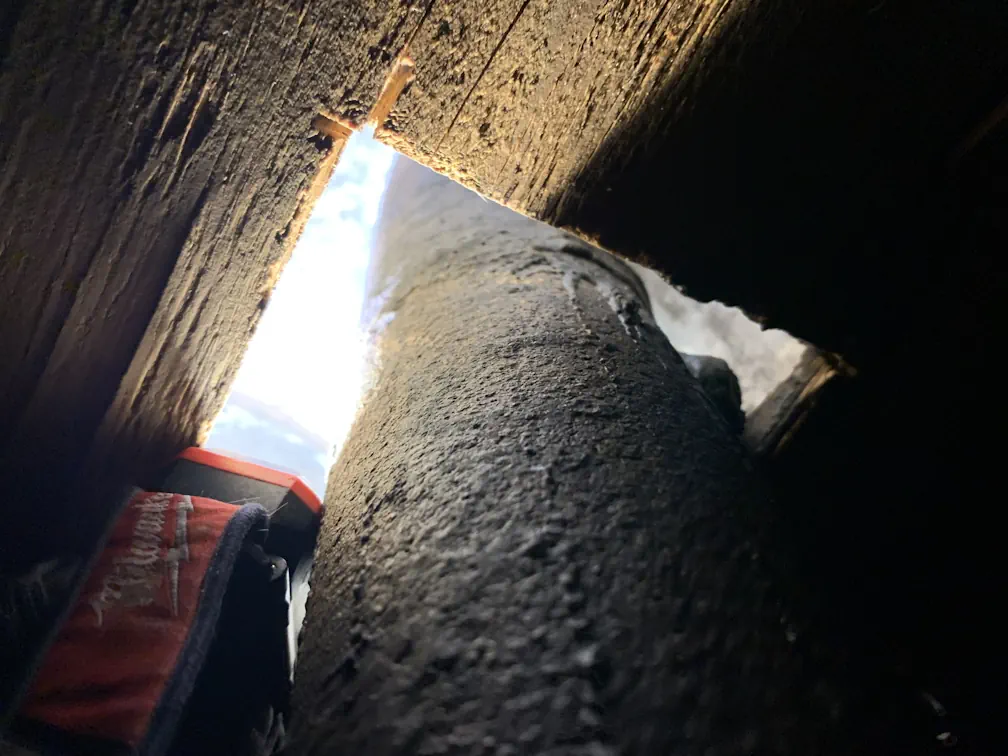
Key Takeaways Scratching sounds in walls usually indicate mice, rats, or other wildlife have entered your home and are nesting inside wall cavities. The timing,
Key Takeaways Genetically modified mosquitoes have been released in the Florida Keys and other areas to reduce disease-carrying Aedes aegypti populations. The technology works by
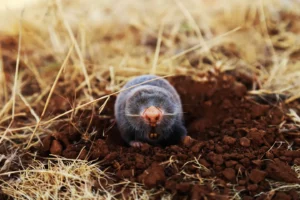
Key Takeaways Live-catch traps are the most humane way to remove moles, raccoons, and gophers from your property without harming them. Each animal requires a
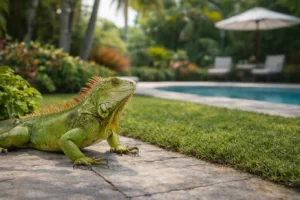
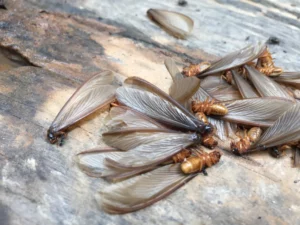
Key Takeaways Winged termites, called swarmers or alates, have straight antennae, a thick waist, and two pairs of equal-length wings. Flying ants look similar but
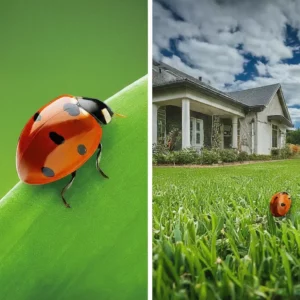
Key Takeaways Ladybugs enter homes in fall and winter seeking warmth and shelter, not food or breeding grounds. Vacuuming with a stocking filter and the