Do Sugar Ants Bite? What Homeowners Should Know
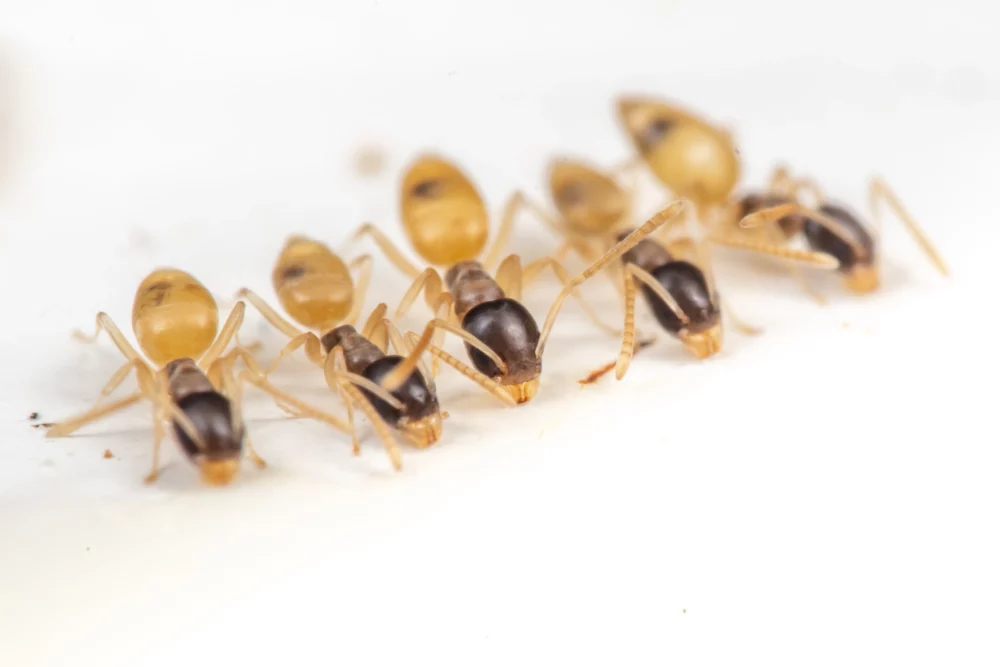
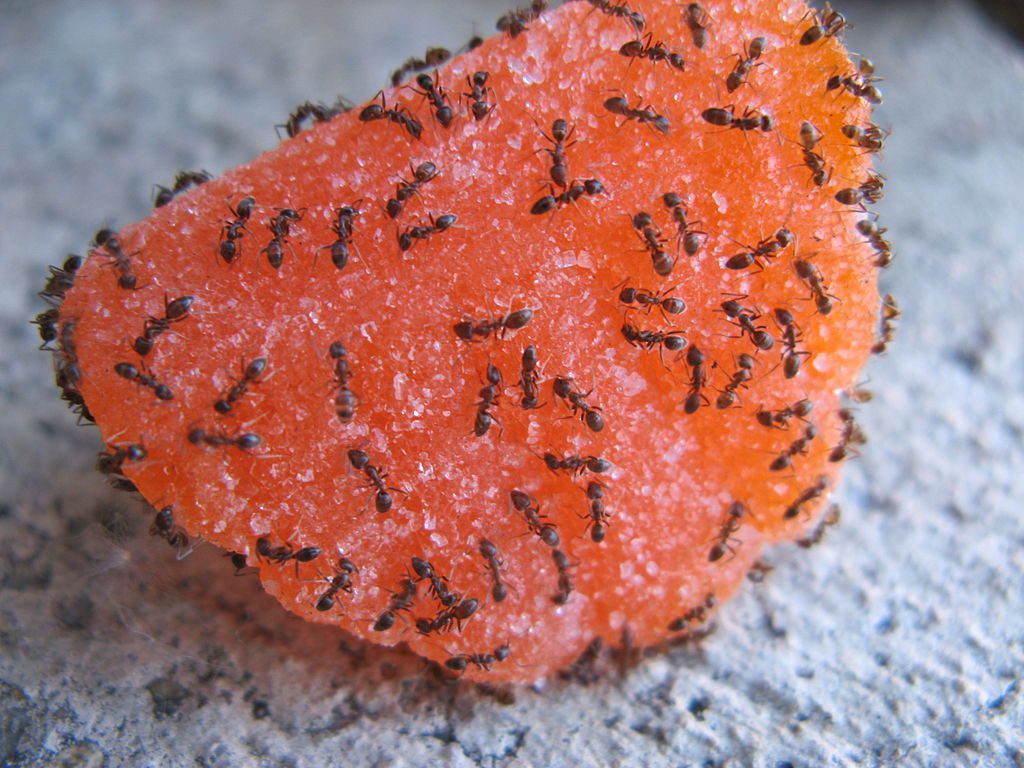
Sugar ants are common household pests that invade kitchens and bathrooms searching for sweet foods. Many homeowners worry about whether these tiny ants can bite

Sugar ants are common household pests that invade kitchens and bathrooms searching for sweet foods. Many homeowners worry about whether these tiny ants can bite

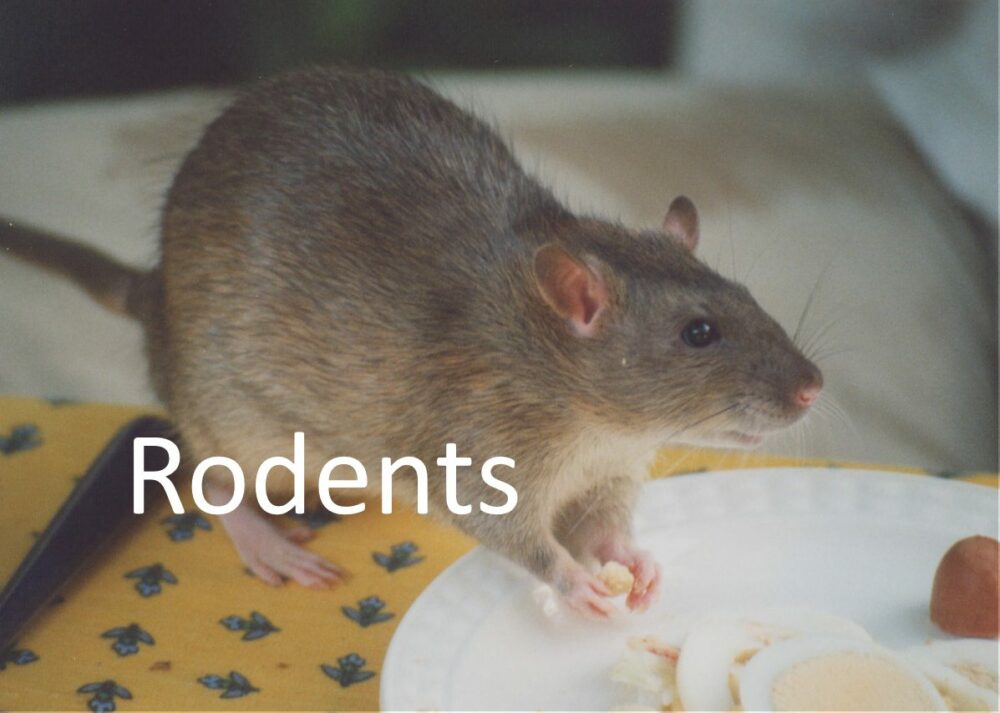
Key Points Roof rats are one of the most common rodent pests in Florida homes In Florida, roof rats are also commonly called palm rats

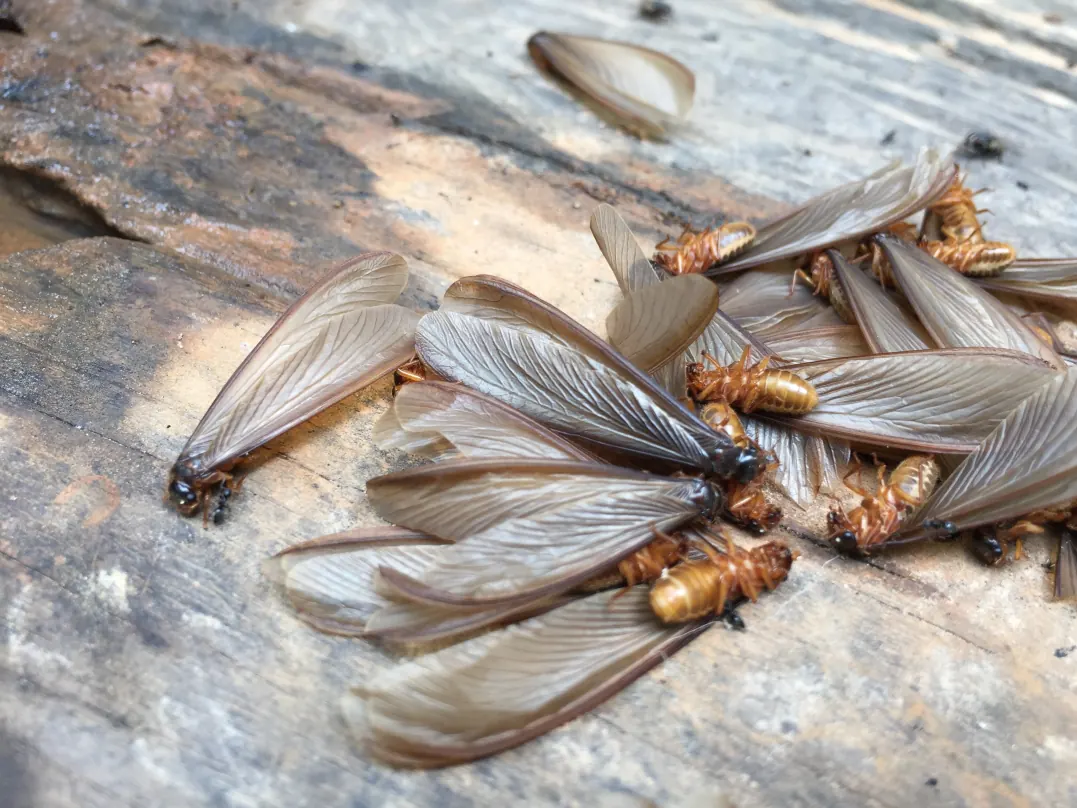
Key Takeaways Pompano Beach’s warm, humid coastal climate creates year-round conditions that attract drywood termites to homes. Sealing cracks, screening vents, and maintaining wood surfaces

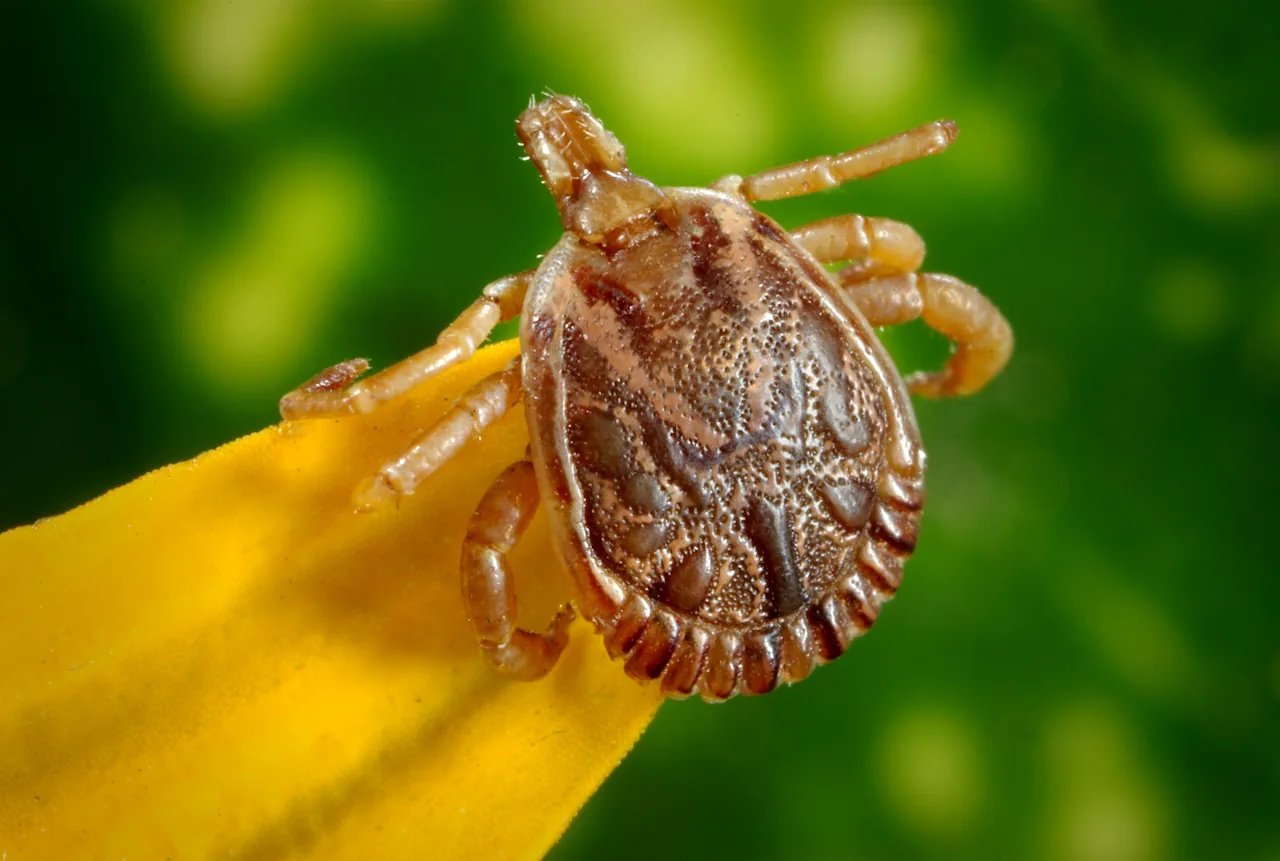
Key Takeaways Florida is home to five primary tick species, each with distinct markings, preferred habitats, and disease risks. The lone star tick is the

Ants in the kitchen usually appear because they have discovered food, moisture, or easy entry points inside your home. Once a single ant finds a

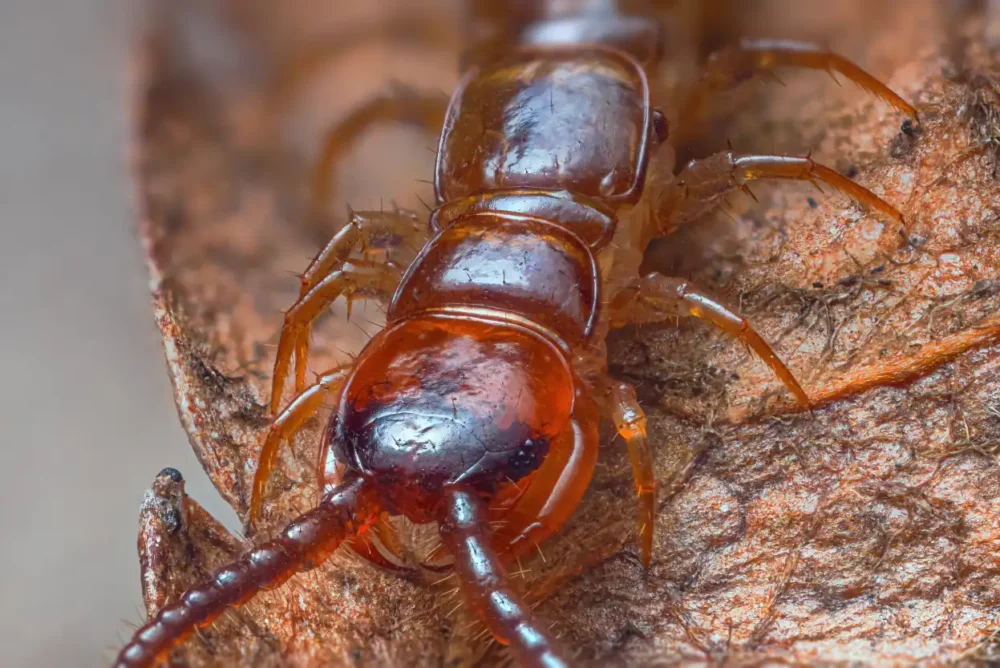
Key Takeaways Despite their name meaning ‘100 legs,’ centipedes never actually have exactly 100 legs because they always have an odd number of leg pairs.

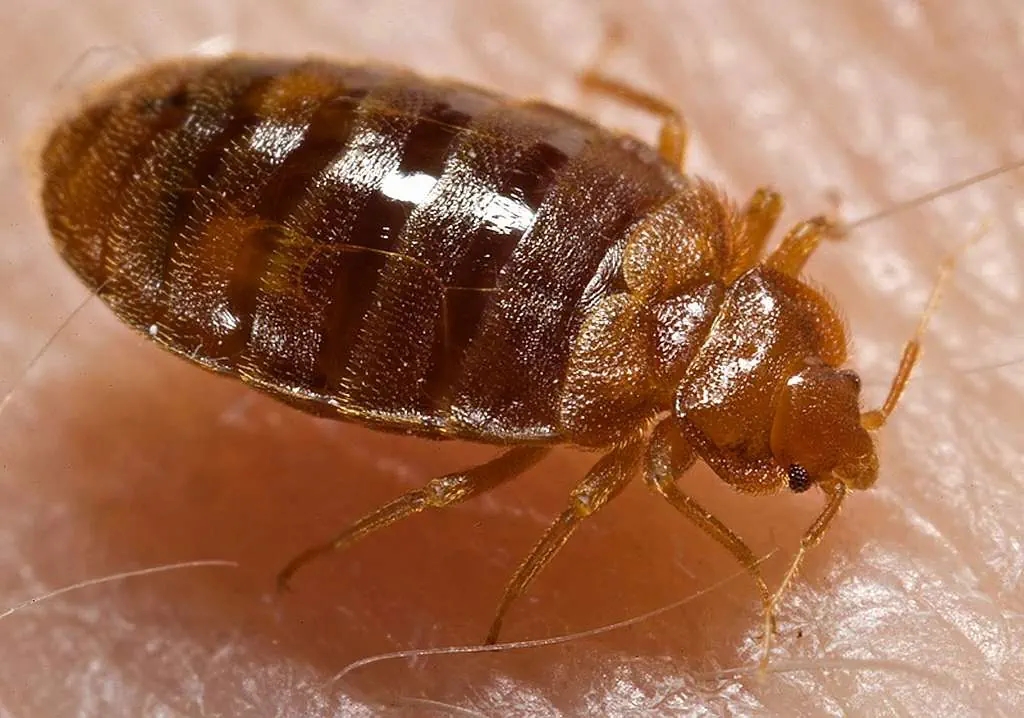
Bed bugs are common household pests that have troubled homeowners and travelers for centuries, including those in Fort Lauderdale, FL. But where do these insects

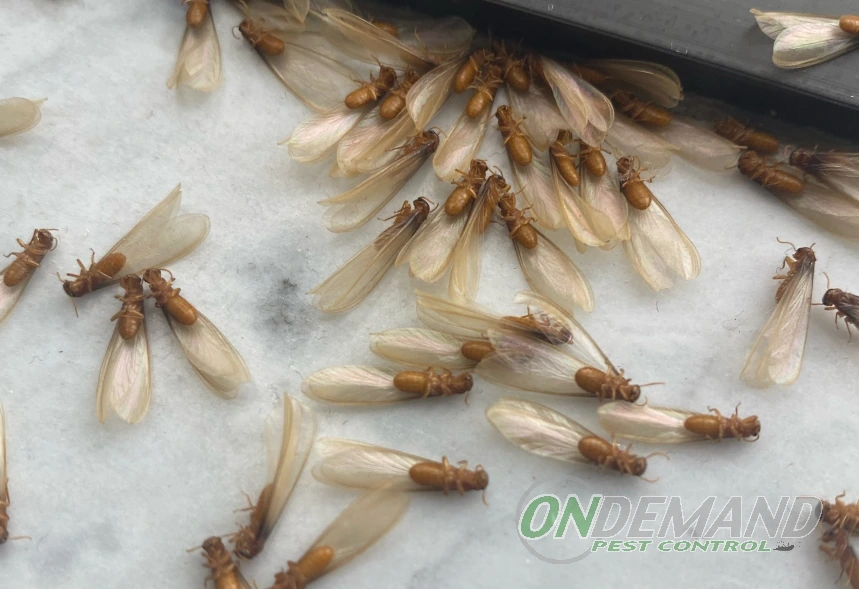
If you live in Fort Lauderdale, FL, you know that drywood termites can be a hidden menace to your home or business. These seemingly invisible
No spam, notifications only about new blogs and updates.

Key Takeaways Mice can squeeze through gaps as small as a dime, making even modern offices vulnerable to rodent intrusion. Daily sanitation practices like proper

Key Takeaways Bed bugs do not live in your hair — they lack the body structure to cling to hair strands the way lice or

Key Takeaways DIY termite treatment can work for small, localized infestations but has significant limitations against large colonies. Liquid termiticides, bait stations, and boric acid

Key Points Carpenter ants in a bathroom often point to excess moisture, damp wood, or hidden structural voids. They do not eat wood like termites,