
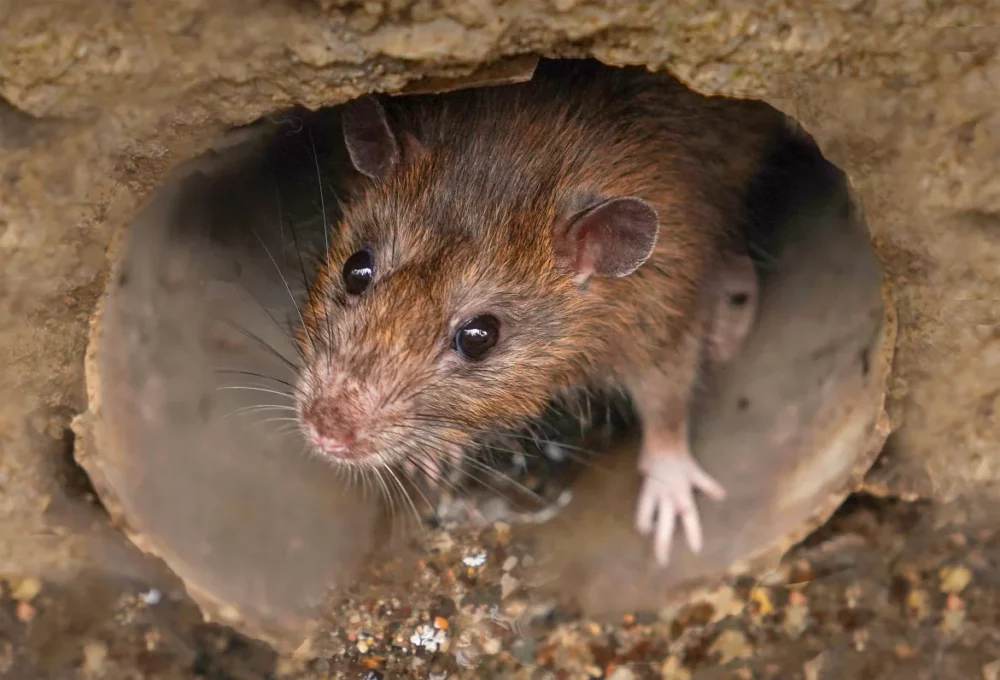
Rodent Control in Florida: Five Parts of a Complete Plan
Combine identification, entry repair, professional removal, food management and follow-up without overlooking wildlife or pesticide risks.
Combine identification, entry repair, professional removal, food management and follow-up without overlooking wildlife or pesticide risks.
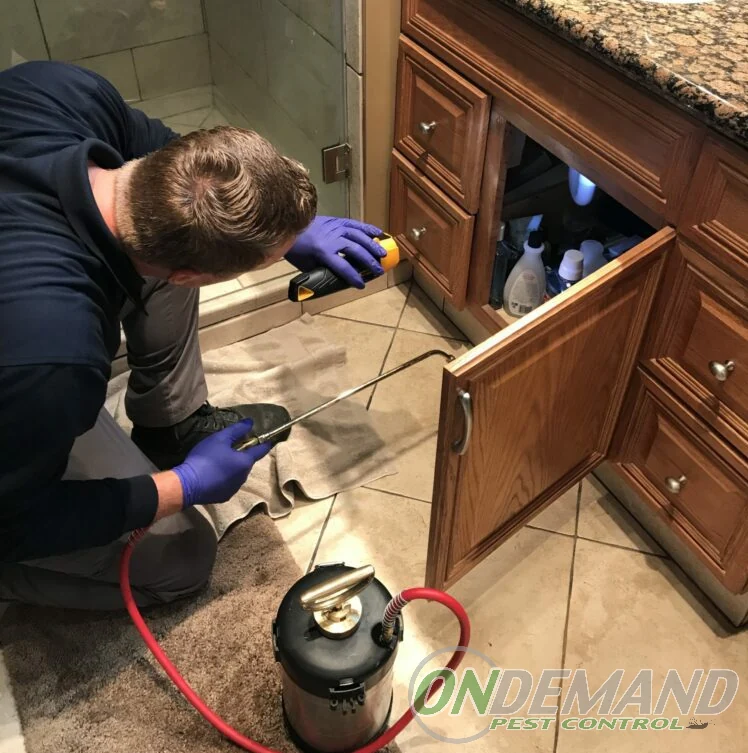
Use identification, resource management and monitoring to decide what needs treatment and when professional assessment is warranted.
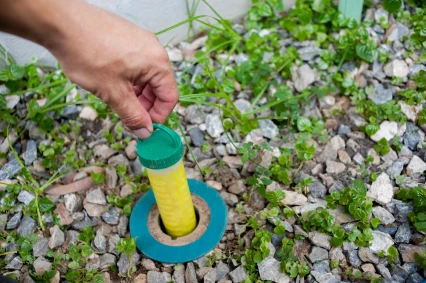
Use the termite species, inspection findings and written scope to compare treatment options for your Fort Lauderdale property.
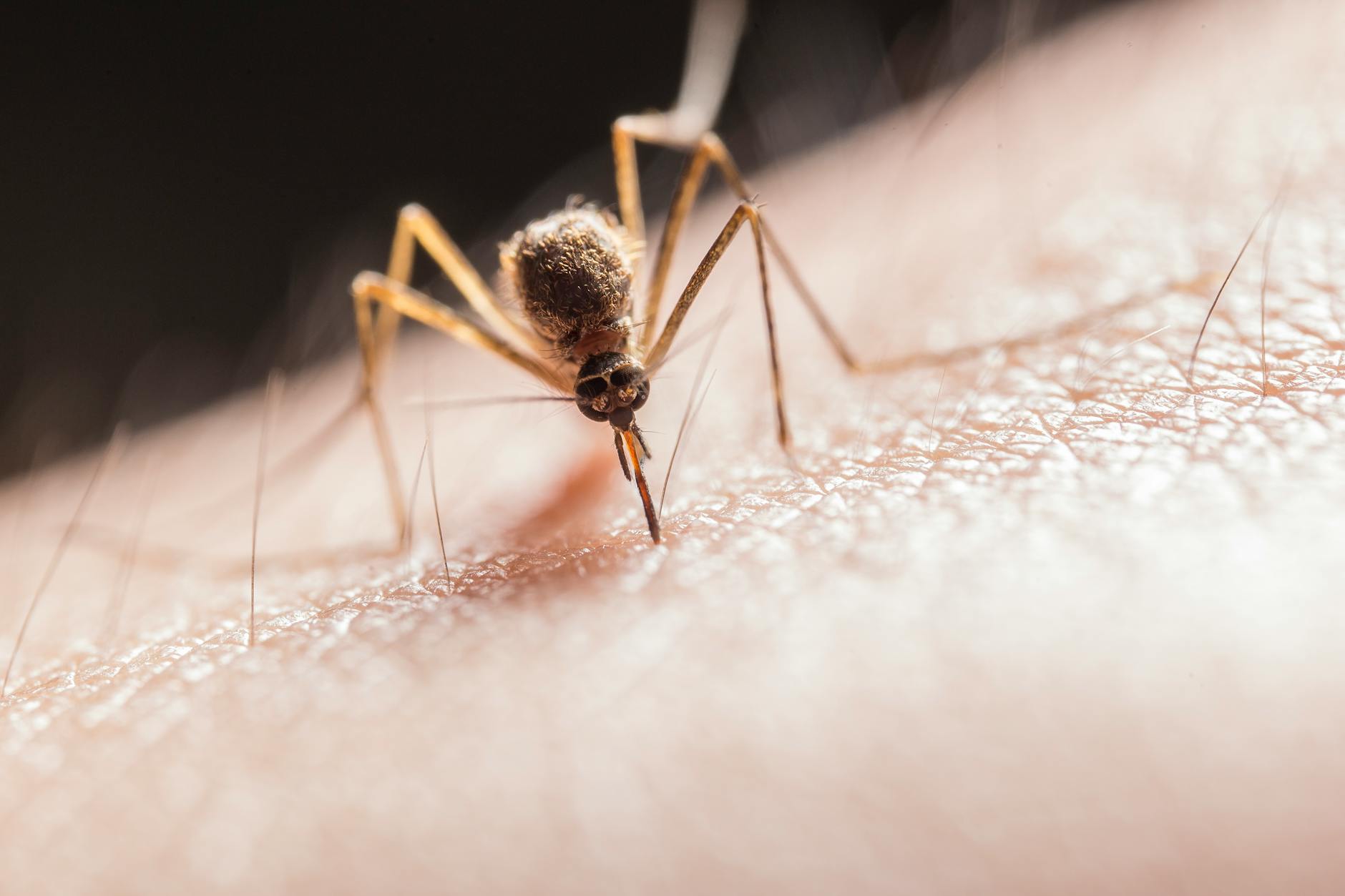
Understand OX5034, its expired experimental permit, and why routine mosquito prevention still matters.
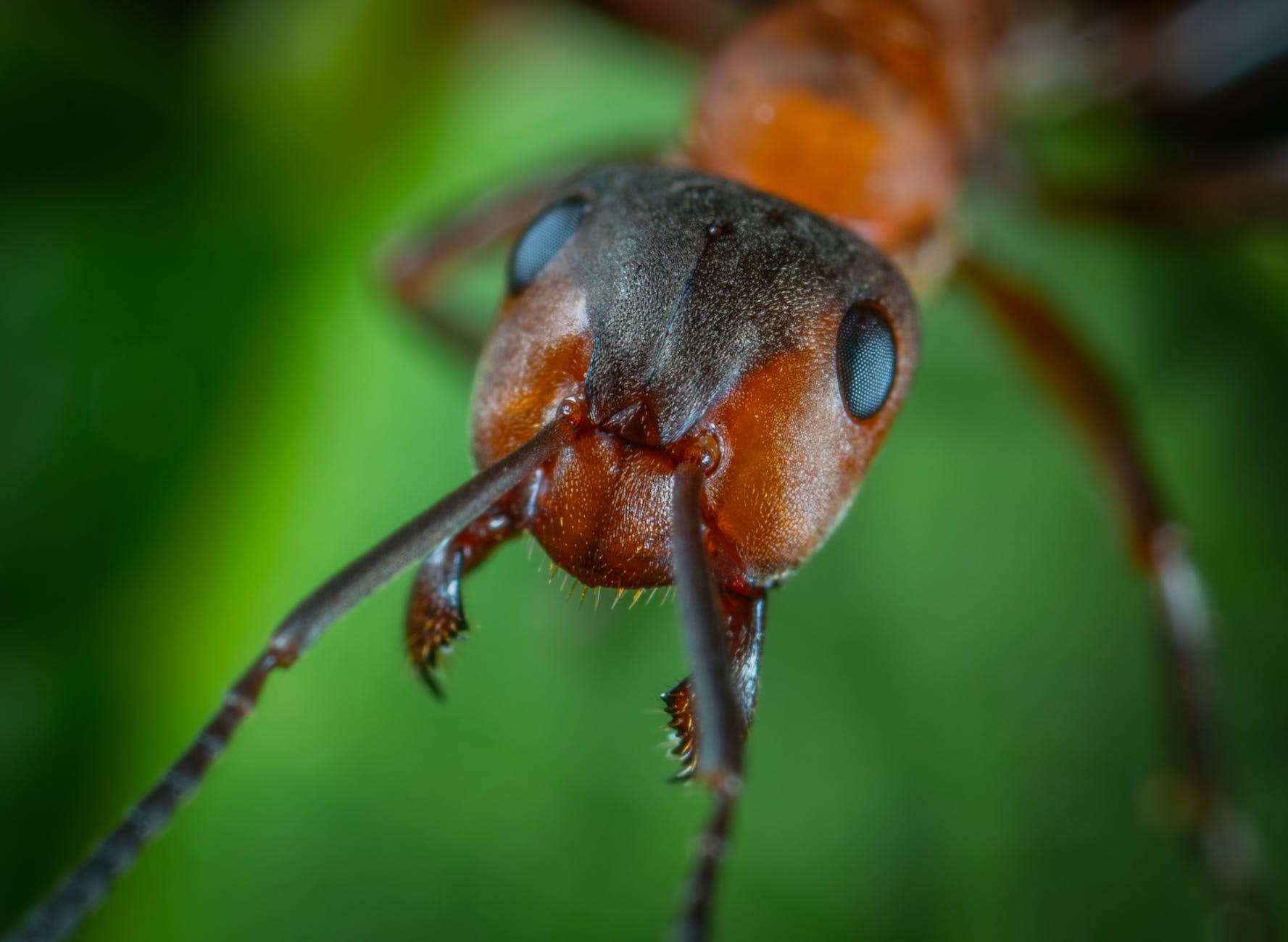
Key Takeaways Broward County’s warm, humid climate supports year-round ant activity from species like ghost ants, fire ants, and carpenter ants. Professional exterminators use targeted
Recognize termite evidence, compare species-specific treatments, and review inspection and agreement limits before authorizing work.
Choose insect control by identification, labeled site, exposure precautions and monitoring rather than assuming natural means safe.
Understand what an inspection can establish, how specialist reports differ, and which findings call for treatment, repairs or monitoring.

Learn to identify signs of bed bug infestation and conduct thorough inspections in your bedroom and during travel. Protect yourself from these pesky insects.

Discover effective pest control services in Pompano Beach, Florida. Protect your property from common pests with professional solutions. Call now!
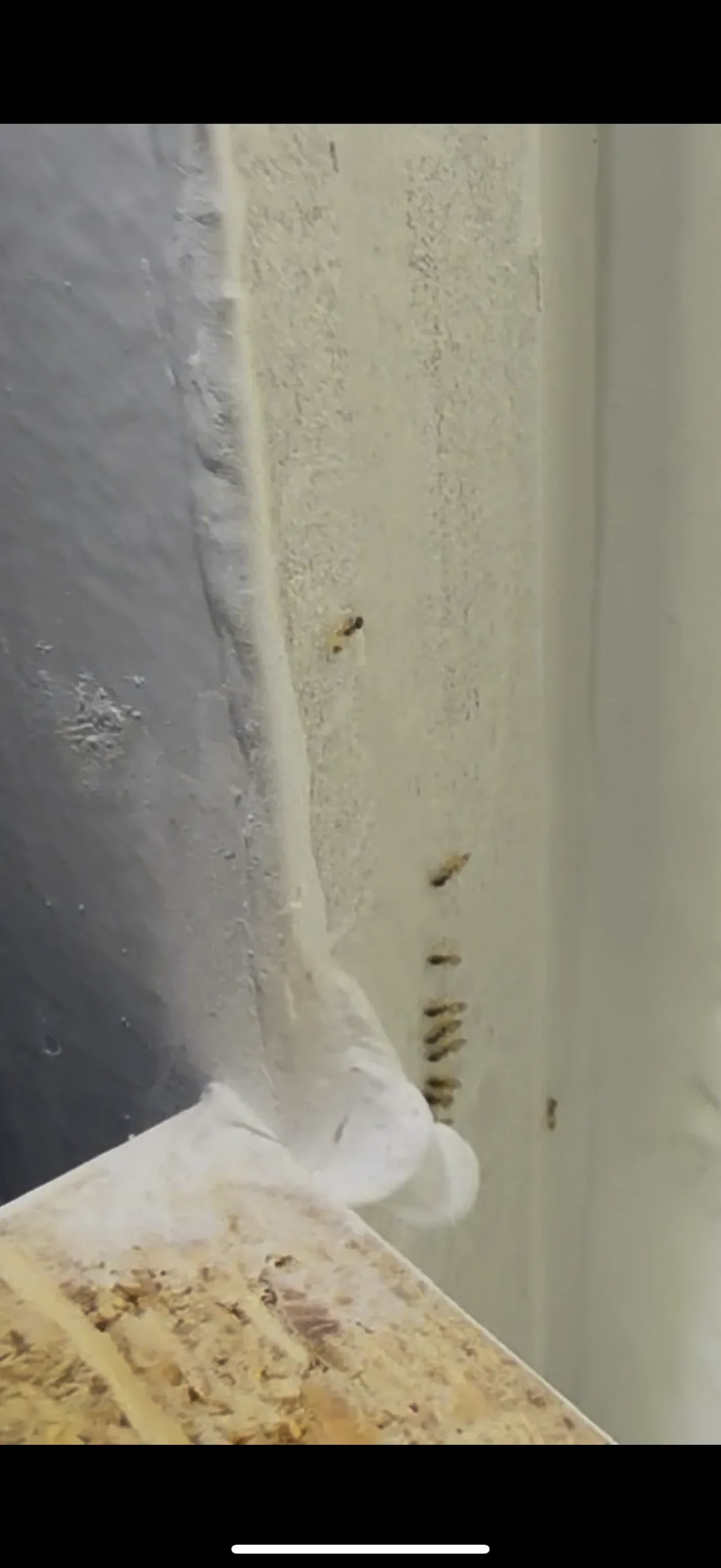
Distinguish small household ants, inspect food and moisture sources, and choose a species-appropriate plan instead of repeatedly spraying trails.
Learn how to inspect accessible entry routes, compare household rodents and decide when professional identification and cleanup are needed.
Identify the ant, preserve bait effectiveness, manage moisture and coordinate repairs instead of treating every trail the same way.
Compare cockroaches, ants, termites, mosquitoes and rodents, then inspect resources and access before choosing treatment.

Manage water and vegetation, support beneficial insects, and avoid relying on fragrant plants as a mosquito or ant barrier.
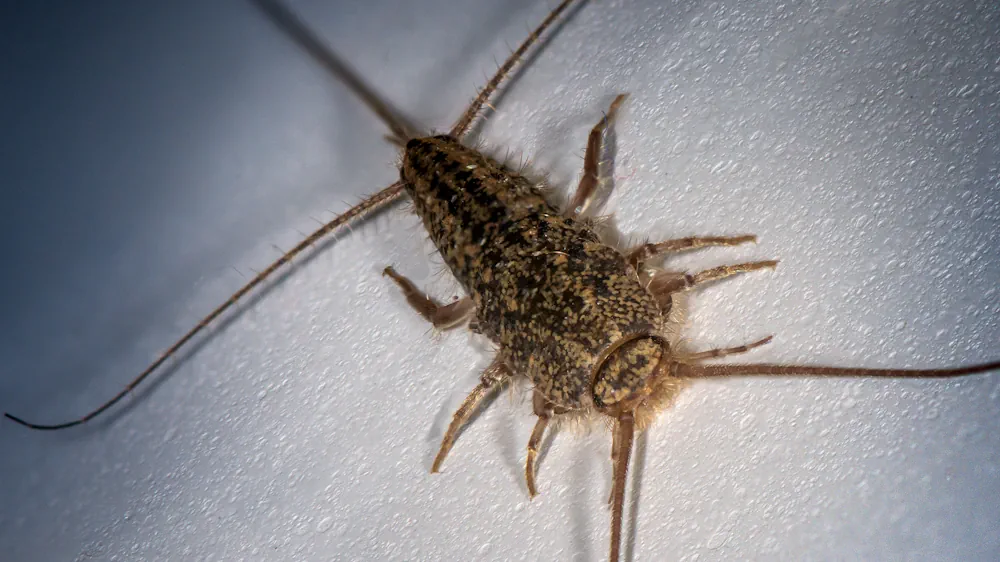
Identify silverfish and their lookalikes, protect susceptible belongings, and choose labeled treatment with realistic monitoring expectations.

Resolve mouse activity through identification, entry repairs, sanitation, suitable monitored control, and safer cleanup. Learn how to assess progress without permanent promises.
Use stains and UV fluorescence as screening clues, corroborate them with current rodent evidence, and choose cleanup by surface and exposure rather than appearance alone.
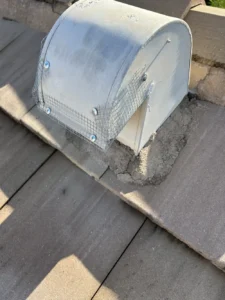
At a glance Scratching alone cannot identify mice or measure their population. Record the pattern and inspect accessible areas for physical evidence. Combine safe trapping,

At a glance Re-enter only after licensed measured clearance. Sulfuryl fluoride fumigation does not require blanket washing of all belongings or create residual protection against

At a glance Living larvae, bristly skins, and feeding damage are useful combined clues. Old skins, a window beetle, or a rash alone do not