Table of Contents
ToggleKey Takeaways
- Common household items like white vinegar, baking soda, essential oils, dish soap, and diatomaceous earth can help deter many household pests.
- DIY pest control methods work best as preventive measures or for minor infestations — not as standalone solutions for serious pest problems.
- Combining household remedies with good sanitation habits and structural exclusion gives you the strongest defense against pests.
- Understanding which pests each household item targets helps you avoid wasting time on ineffective remedies.
- Even the best household pest control methods have limits, and professional intervention is often necessary for recurring or large-scale infestations.
Household items for pest control might already be sitting in your kitchen cabinets, laundry room, or bathroom closet — and you may not even realize it. When ants, cockroaches, spiders, or other unwanted guests show up uninvited, your first instinct might be to reach for a chemical spray. But before you do, consider this: several everyday products you already own can help repel, deter, and even eliminate common pests. From white vinegar and baking soda to essential oils and dish soap, these household staples have earned a reputation as go-to pest control tools among savvy homeowners. In this guide, you’ll learn exactly how five common items work against pests, which critters they’re most effective against, and — just as importantly — when it’s time to call in professional help.
Why Household Items for Pest Control Are Worth Trying
Not every pest problem requires a professional-grade treatment right away. Minor issues — a trail of ants near your sink, a few fruit flies around your compost bin, or a stray spider in the bathroom — can often be managed with simple household items. These everyday solutions offer several advantages over commercial pesticides.
First, they’re readily available. You don’t need to make a special trip to the hardware store. Second, many household remedies are safer around children and pets compared to conventional chemical sprays. Third, they’re inexpensive. A bottle of white vinegar costs a fraction of what you’d spend on a specialty pest product.
However, it’s essential to set realistic expectations. Household remedies are most effective as preventive measures or for addressing very small pest populations. They won’t replace comprehensive pest management strategies for serious infestations. As you explore eco-friendly pest control methods, think of household items as one tool in a broader toolkit — not a silver bullet.
White Vinegar: The All-Purpose Pest Deterrent
White vinegar is arguably the most versatile household item for pest control. Its strong acidity and sharp scent make it unpleasant for many common pests, especially ants and fruit flies.
How Vinegar Works Against Ants
Ants rely heavily on chemical scent trails to navigate. When you wipe down surfaces with a 50/50 white vinegar and water solution, you disrupt those pheromone trails. This confuses foraging ants and makes it harder for them to signal their colony about food sources in your home.
For best results, spray the vinegar solution along windowsills, doorframes, baseboards, and any other entry points where you’ve noticed ant activity. Reapply every few days to maintain the barrier.
Vinegar Traps for Fruit Flies
Fruit flies are drawn to the fermentation smell of apple cider vinegar. To build a simple trap, fill a small jar with apple cider vinegar, add a drop of dish soap, and cover the top with plastic wrap. Poke a few small holes in the wrap. The flies enter through the holes but can’t escape because the soap breaks the surface tension of the liquid.
Place these traps near your kitchen and pantry areas where fruit flies congregate. Replace the vinegar every two to three days for continuous control.
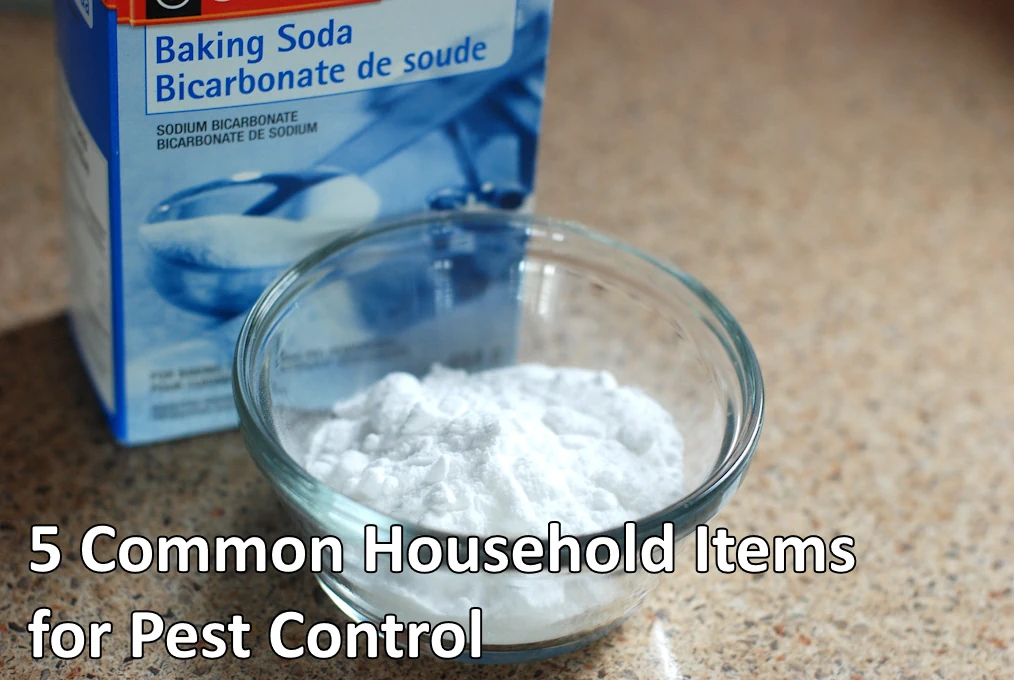
Baking Soda: A Simple Weapon Against Roaches
Baking soda is another kitchen staple that doubles as a pest control agent. It’s particularly useful against cockroaches, one of the most stubborn household pests.
The Baking Soda and Sugar Bait Method
The concept is straightforward. Mix equal parts baking soda and granulated sugar. Place the mixture in small, shallow dishes near areas where you’ve spotted roach activity — under sinks, behind appliances, and along baseboards.
The sugar acts as bait, attracting roaches to the mixture. When they consume the baking soda, it reacts with the acids in their digestive system and produces gas they cannot expel. This ultimately kills them. While it won’t wipe out an entire colony overnight, it can reduce roach numbers over time when used consistently.
Limitations of Baking Soda for Pest Control
Baking soda works slowly. It requires the pest to ingest it, meaning it won’t help with roaches that avoid the bait. For large infestations or species like the American cockroach that thrive in warm, humid climates like South Florida, professional treatment is typically necessary. Think of baking soda as a supplement to your pest management routine, not a replacement for it.
Essential Oils That Repel Common Household Pests
Essential oils are popular in natural pest deterrence, and for good reason. Many pests are highly sensitive to strong botanical scents. Peppermint, tea tree, eucalyptus, and lavender oils can all play a role in keeping bugs at bay.
Peppermint Oil for Spiders and Mice
Spiders dislike the intense menthol scent of peppermint oil. Mix 10–15 drops of pure peppermint oil with water in a spray bottle, then mist it around doorways, window corners, and other spots where spiders build webs. Mice also reportedly avoid the smell, making it a dual-purpose deterrent.
Reapply every week, as the scent fades quickly. Cotton balls soaked in peppermint oil placed inside cabinets and closets can extend the effect in enclosed spaces.
Tea Tree and Eucalyptus for Ants and Mosquitoes
Tea tree oil has mild insecticidal properties and can disrupt ant scent trails, similar to vinegar. Eucalyptus oil, particularly lemon eucalyptus, is recognized by the CDC as an effective mosquito repellent ingredient. If you’re looking for natural bug repellent options that are gentler on sensitive skin, these oils are worth exploring.
Remember, essential oils evaporate quickly outdoors. They’re most effective in indoor spaces or protected patio areas where airflow is limited.
Dish Soap: More Than a Kitchen Cleaner
Liquid dish soap is one of the most underrated household items for pest control. Its surfactant properties — the ability to break down surface tension — make it lethal to many soft-bodied insects.
Dish Soap Spray for Aphids and Soft-Bodied Insects
Mix one tablespoon of liquid dish soap with one quart of water. Spray it directly on aphids, whiteflies, mealybugs, and other soft-bodied pests on your indoor or outdoor plants. The soap coats their bodies, clogs their breathing pores, and causes dehydration.
This method is especially helpful for protecting houseplants and herb gardens from pest damage without harsh chemicals. Avoid using antibacterial or scented varieties, as they may harm plants.
Dish Soap and Water for Fleas
Fleas are a persistent nuisance, especially in homes with pets. A shallow dish filled with warm soapy water placed under a nightlight can attract and trap adult fleas. The light draws them in, and the soap prevents them from jumping out.
This won’t eliminate a flea infestation on its own, but it can help you gauge the severity of the problem. For comprehensive flea management, you’ll likely need to combine household methods with treatments recommended by a trusted pest control company.
Diatomaceous Earth: A Natural Pest Control Powerhouse
Diatomaceous earth (DE) isn’t a typical cleaning product, but many homeowners already keep it on hand. This fine, chalky powder is made from fossilized algae and works mechanically rather than chemically against pests.
How Diatomaceous Earth Kills Pests
The microscopic particles in food-grade DE have razor-sharp edges. When crawling insects like ants, roaches, bed bugs, and silverfish walk through it, the powder damages their exoskeletons and absorbs the waxy coating that protects them from dehydration. Without that moisture barrier, the insects die within 24–72 hours.
For a deeper look at how this substance performs and where to apply it, check out this guide on whether diatomaceous earth is effective for pest control.
Where to Apply Diatomaceous Earth in Your Home
Dust a thin layer of food-grade DE in the following areas:
- Along baseboards and behind appliances
- Inside wall voids and electrical outlet covers (with caution)
- Around the perimeter of your home’s foundation
- In attic spaces and crawl spaces near insulation
Speaking of insulation, some pest control products are actually built into your home’s structure. Pest control insulation combines thermal efficiency with pest-deterrent properties, providing long-term protection in attics and wall cavities. It’s an approach worth considering if you’re upgrading your home.
Which Household Items Work on Which Pests?
Choosing the right household item depends on the specific pest you’re dealing with. The table below gives you a quick reference for matching common pests with effective household remedies.
| Household Item | Best For | How It Works |
|---|---|---|
| White Vinegar | Ants, Fruit Flies | Disrupts scent trails; attracts and traps flies |
| Baking Soda | Cockroaches | Produces fatal gas buildup when ingested |
| Peppermint Oil | Spiders, Mice | Strong scent repels pests from treated areas |
| Dish Soap | Aphids, Fleas, Fruit Flies | Breaks surface tension; suffocates soft-bodied insects |
| Diatomaceous Earth | Ants, Roaches, Bed Bugs, Silverfish | Damages exoskeletons; causes dehydration |
Keep in mind that results vary based on infestation severity, pest species, and environmental conditions. In Florida’s warm, humid climate, pests tend to be more aggressive and resilient. Understanding how weather impacts household pests can help you time your DIY efforts more effectively.
When Household Pest Control Methods Aren't Enough
Household items are excellent for prevention and minor pest encounters. But they have clear boundaries. Here are signs that it’s time to move beyond DIY:
- You see pests daily despite consistent use of household remedies
- You discover nesting sites inside walls, attics, or crawl spaces
- The pest species is destructive (termites, carpenter ants) or poses health risks (rodents, cockroaches)
- Over-the-counter methods have failed for more than two weeks
There’s a healthy debate about DIY versus professional pest control services, and the answer depends on your unique situation. For recurring problems or pests that threaten your home’s structure, a professional pest inspection can identify hidden issues that household items simply can’t address. Combining everyday prevention with expert treatment when needed gives you the most complete protection for your home and family.
Frequently Asked Questions
-
Can household items completely eliminate a pest infestation?
In most cases, no. Household items like vinegar, baking soda, and essential oils work best as deterrents and preventive measures. They can reduce small pest populations, but they rarely eliminate established colonies or infestations. For serious pest problems, professional treatment is recommended.
-
Is white vinegar safe to use around pets and children?
White vinegar is generally considered safe around pets and children when used as a diluted cleaning spray. However, its strong odor may irritate sensitive individuals. Avoid spraying it directly on pets, and keep vinegar traps out of reach of small children and animals.
-
How often should I reapply household pest control remedies?
Most household remedies need reapplication every two to seven days. Vinegar sprays and essential oils evaporate quickly and lose effectiveness within a few days. Diatomaceous earth lasts longer in dry environments but must be reapplied after rain or cleaning. Consistency is key with any DIY approach.
-
Does peppermint oil actually keep spiders away?
Research suggests that peppermint oil can deter some spider species due to its strong menthol scent. However, it works as a repellent rather than a pesticide. Spiders won't die from exposure — they'll simply avoid treated areas. Regular reapplication and pairing it with good sanitation habits improves results.
-
What is the safest household pest control method for use in the kitchen?
White vinegar and dish soap are among the safest options for kitchen use. They're food-safe, non-toxic, and effective against ants and fruit flies. Avoid using diatomaceous earth on food preparation surfaces, and always clean treated areas before cooking.
-
Should I use food-grade or regular diatomaceous earth for pest control?
Always use food-grade diatomaceous earth for household pest control. Pool-grade or industrial DE is chemically treated and can be harmful if inhaled. Food-grade DE is safer for indoor use, though you should still wear a dust mask during application to avoid inhaling fine particles.