How to Get Rid of Pantry Moths in Your Florida Home
Key Takeaways Pantry moths thrive in Florida’s warm, humid climate and can infest stored grains, cereals, flour, and dried goods year-round. The Indian meal moth
Key Takeaways Pantry moths thrive in Florida’s warm, humid climate and can infest stored grains, cereals, flour, and dried goods year-round. The Indian meal moth
Key Takeaways South Florida’s warm, humid climate makes it a hotspot for nocturnal insects including cockroaches, moths, mosquitoes, and palmetto bugs. Many nighttime pests are
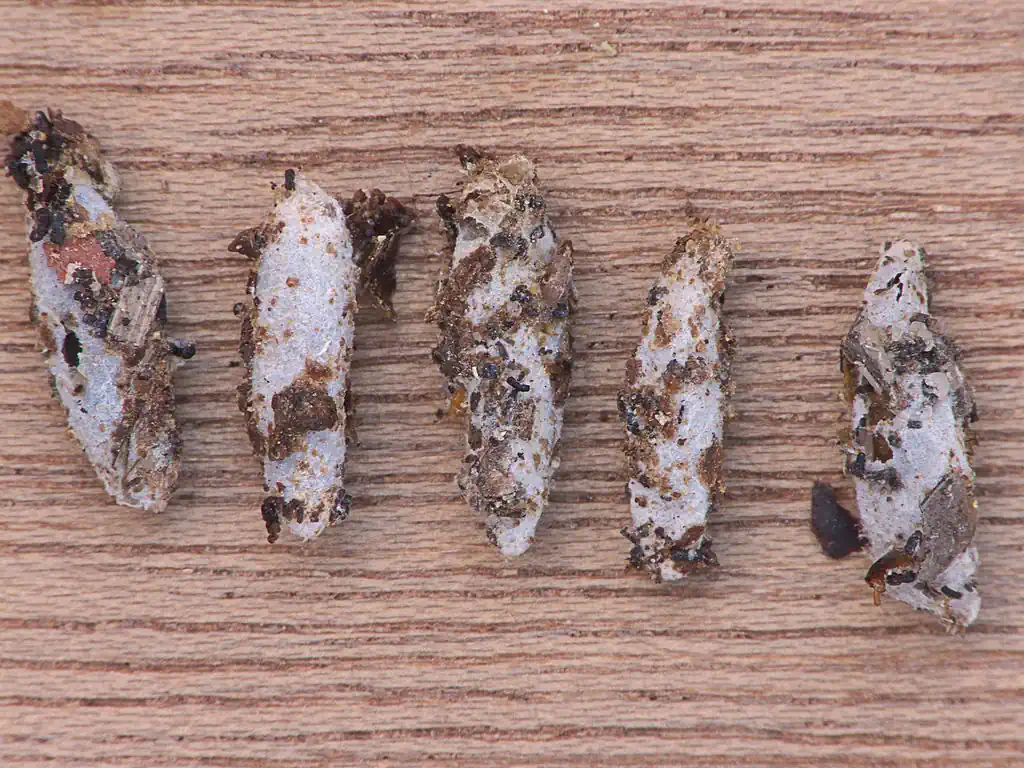
Key Takeaways Plaster bagworms are small moth larvae that build spindle-shaped cases on walls and ceilings, and they thrive in Florida’s warm, humid climate. These
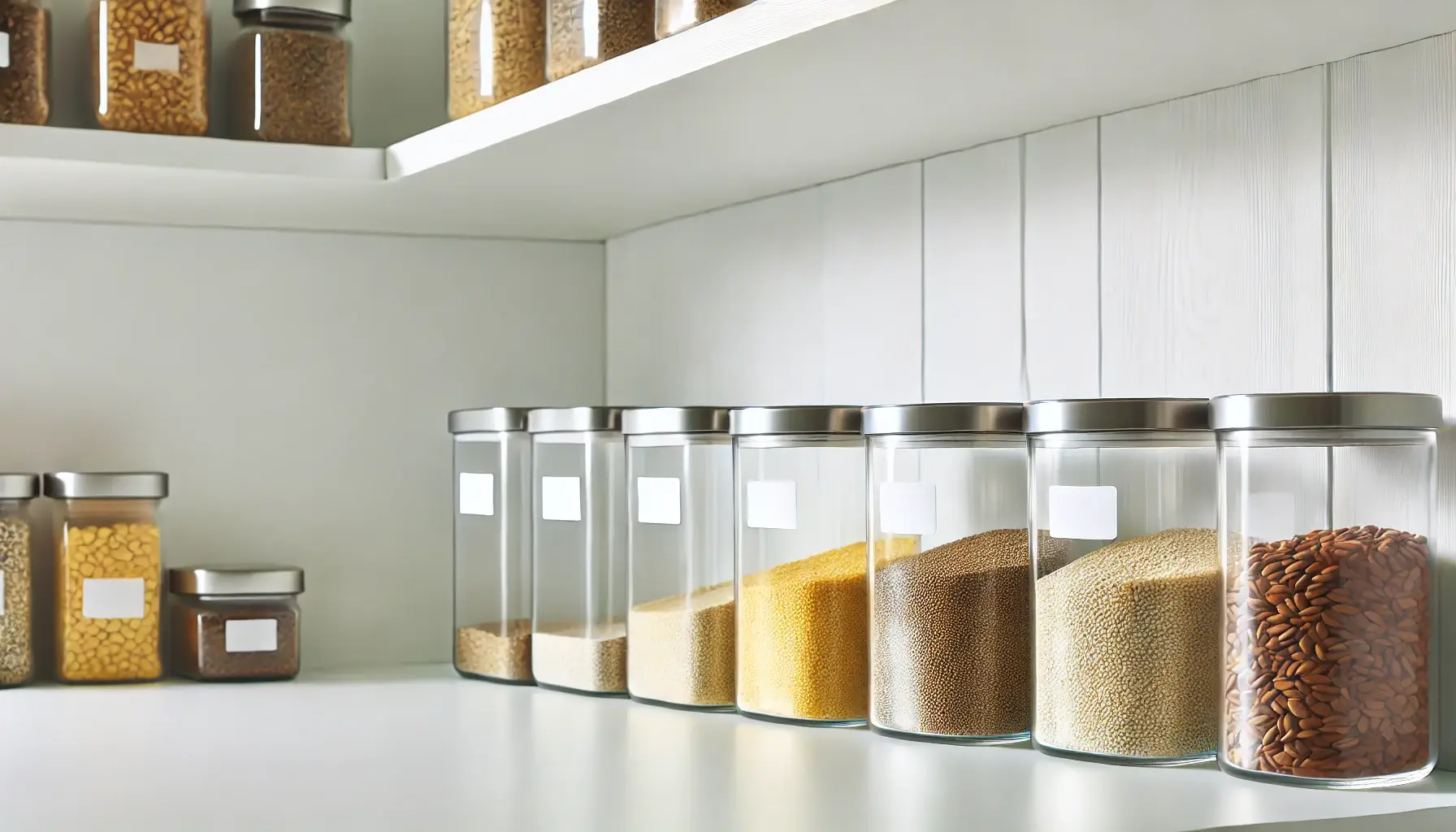
Key Takeaways Airtight containers made of glass, metal, or thick plastic are the most effective way to store food and prevent pantry pest infestations. Indian
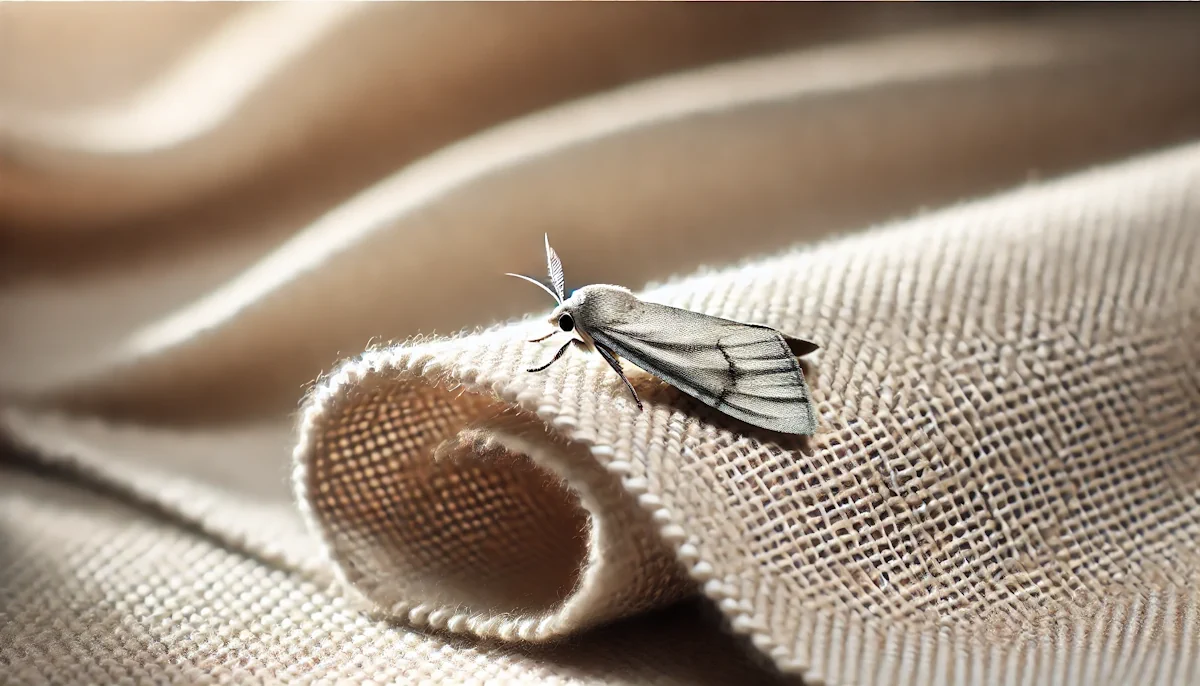
Key Takeaways Clothes moths cause damage during their larval stage, not as adults — the small worms you find on fabric are the real culprits.
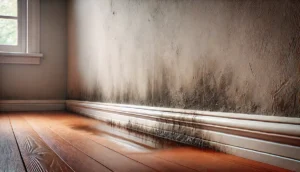
Key Takeaways Excess moisture attracts cockroaches, termites, silverfish, mosquitoes, and other destructive pests to your home. Fixing plumbing leaks, improving ventilation, and using dehumidifiers are
Key Takeaways The In2Care mosquito trap uses a dual-action approach that kills both adult mosquitoes and larvae in surrounding breeding sites. Contaminated mosquitoes carry a

Key Takeaways South Florida’s warm, humid climate makes it a hotspot for nocturnal insects including cockroaches, moths, mosquitoes, and palmetto bugs. Many nighttime pests are