
Table of Contents
ToggleKey Takeaways
- Bees have fuzzy, rounded bodies built for pollination, while wasps are smooth, slender, and predatory.
- Honey bees can only sting once, but wasps can sting multiple times without losing their stinger.
- Wasps build papery nests from wood fiber, whereas bees construct waxy honeycombs or burrow into wood and soil.
- Both insects play important ecological roles, but wasps are generally more aggressive near food sources.
- Correct identification helps you choose the safest removal method and avoid unnecessary stings.
- Professional pest control is recommended for large or aggressive colonies near your home.
Understanding the difference between wasps and bees is more than a backyard trivia question — it can shape how you react to a nest on your porch, a sting at a cookout, or an insect buzzing around your garden. Both belong to the order Hymenoptera, but they differ in body structure, behavior, diet, nesting habits, and the risks they pose to your family. Misidentifying one for the other can lead to the wrong removal approach and even dangerous encounters. For a deeper look at one of the most common bee species you may encounter, check out the honey bees facts and identification page. In this guide, you will learn exactly how to tell these stinging insects apart, why it matters, and what to do when either one shows up uninvited.
Physical Differences Between Wasps and Bees
The fastest way to tell wasps and bees apart is by looking at their bodies. Once you know what to look for, identification becomes almost instant — even from a safe distance.
Body Shape and Texture
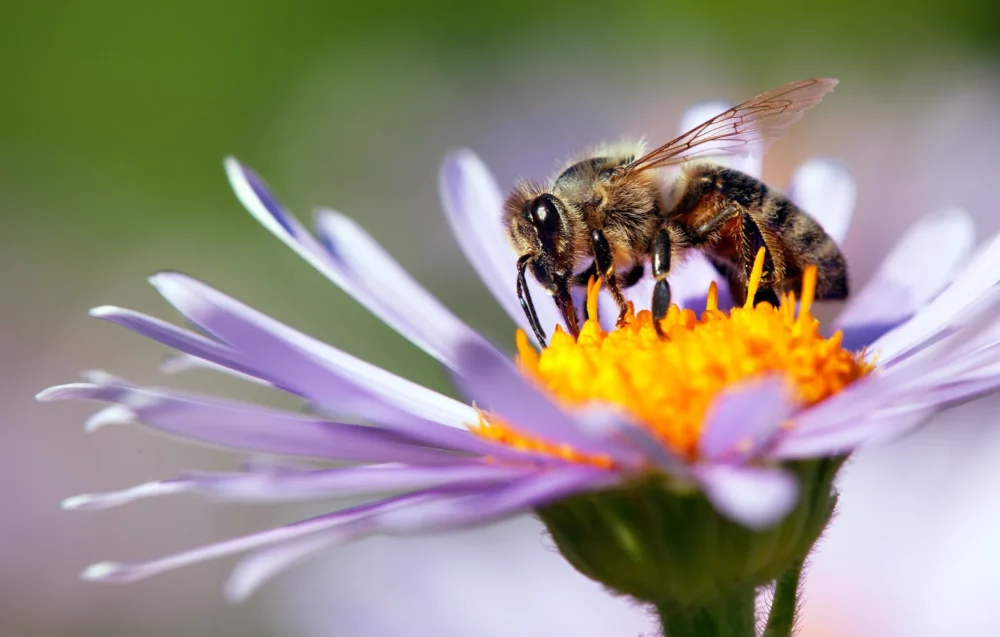
Bees have round, plump bodies covered in fine hairs. That fuzzy coat is not just for appearance — it helps them collect pollen as they move from flower to flower. Honey bees and bumble bees are the most recognizable examples of this body type.
Wasps, on the other hand, have smooth, shiny bodies with a narrow “waist” that pinches between the thorax and abdomen. This streamlined build makes them faster and more agile fliers. Paper wasps, yellow jackets, and mud daubers all share this sleek profile.
Color Patterns
Bees typically display muted tones of golden brown, amber, and black. Their coloring tends to be softer because of the hair that covers their exoskeleton.
Wasps often display bold, high-contrast patterns of bright yellow and black. Some species, like mud dauber wasps found in Florida, can appear metallic blue or black. The vivid coloring on wasps serves as a warning signal to potential predators.
Leg Structure
Bees have thick, flat hind legs equipped with pollen baskets called corbiculae. You can often see bright orange or yellow clumps of pollen on their legs as they return to the hive.
Wasp legs are long, slender, and hang visibly during flight. They lack the specialized pollen-carrying structures bees have because wasps do not rely on pollen as a primary food source.
Quick Comparison: Wasps vs. Bees at a Glance
| Feature | Bees | Wasps |
|---|---|---|
| Body shape | Round and fuzzy | Smooth and slender |
| Waist | Thick, barely defined | Narrow, pinched |
| Color | Golden brown, amber, black | Bright yellow, black, sometimes metallic |
| Stinger | Barbed (honey bees); dies after stinging | Smooth; can sting repeatedly |
| Diet | Pollen and nectar | Other insects, sugary foods, protein |
| Nesting material | Wax or wood burrows | Paper-like wood fiber pulp |
This table highlights the most common traits for general identification. However, keep in mind that thousands of species exist within each group, and some may not perfectly match every trait listed above.
How Do Wasps and Bees Differ in Behavior?
Body shape is only part of the story. The way these insects act — how they eat, nest, and respond to threats — reveals even more about the difference between wasps and bees.
Feeding Habits
Bees are herbivores. They feed exclusively on pollen and nectar collected from flowers. This diet makes them essential pollinators for crops, gardens, and wild ecosystems.
Wasps are omnivores and active predators. They hunt caterpillars, spiders, flies, and other insects to feed their larvae. Adult wasps also seek out sugary substances like ripe fruit, soda, and flower nectar. This is why wasps are so persistent at outdoor cookouts and near garbage cans.
Aggression Levels
Most bee species are relatively docile unless their hive is directly threatened. Honey bees, for instance, will usually ignore you if you leave them alone. Notable exceptions exist, such as Africanized “killer” bees, which are far more defensive and attack in large numbers when disturbed.
Wasps tend to be more aggressive, especially late in the summer when colonies are large and food becomes scarce. Yellow jackets are particularly notorious for stinging with little provocation. To learn more about seasonal behavior, explore when wasps are most active throughout the year.
Stinging Differences
A honey bee’s stinger is barbed. When it stings a human, the stinger rips away from its body, and the bee dies shortly after. This means a honey bee will only sting as a last resort.
Wasps have smooth stingers that retract after each sting. A single wasp can sting you multiple times, injecting venom with every strike. This is one reason wasp stings tend to be more painful and potentially more dangerous. For a deeper look at sting risks, read about the dangers of wasps in Florida.
Nesting Habits: Where Wasps and Bees Build Their Homes
Identifying a nest is often the first sign that you have a stinging insect problem. Bee nests and wasp nests look very different from each other.
Bee Nests
Honey bees build large wax combs inside enclosed spaces like hollow trees, wall voids, and man-made hive boxes. A healthy honey bee colony can house 20,000 to 80,000 individuals.
Carpenter bees do not build hives at all. Instead, they bore perfectly round tunnels into untreated wood — decks, fascia boards, and pergolas are common targets. If you are noticing round holes in the wood around your home, our guide on how to get rid of carpenter bees covers identification and removal in detail. Bumble bees nest underground in abandoned rodent burrows or under dense vegetation.
Wasp Nests
Most social wasps construct nests from chewed wood fiber mixed with saliva, creating a papery material. Paper wasps in Florida build open, umbrella-shaped nests under eaves, soffits, and porch ceilings. Yellow jackets often nest underground or inside wall cavities, making them harder to detect.
Mud daubers are solitary wasps that build small tube-shaped nests out of mud on walls, in garages, and under overhangs. Understanding nest type is a critical part of choosing the right removal strategy. If you want to stop nests before they form, learn how to prevent wasp nests around your home.
Ecological Roles: Why Both Wasps and Bees Matter
Before you reach for a can of spray, it helps to understand the ecological value both insects provide. Removing them carelessly can disrupt local ecosystems.
Bees as Pollinators
Bees are the world’s most important pollinators. They are directly responsible for pollinating roughly one-third of the food crops humans consume, including fruits, vegetables, and nuts. Honey bees also produce honey, beeswax, and propolis. In Florida, honey bees are protected under state regulations, making proper identification essential before any removal takes place.
Wasps as Pest Controllers
Wasps may not get the same love as bees, but they serve a vital role in natural pest management. They prey on garden pests like caterpillars, aphids, and beetle larvae, keeping populations in check without the need for chemical pesticides. Some wasp species also contribute to pollination, though less efficiently than bees. To better understand their full ecological contribution, explore the impact of wasps in Florida.
What Should You Do If You Find a Nest?
Finding a wasp or bee nest near your home can be alarming. Your response should depend on the type of insect, the nest’s location, and how close it is to high-traffic areas.
- Stay calm and keep your distance. Do not swat at the insects or disturb the nest.
- Identify the insect. Use the physical and behavioral clues described above to determine whether you are dealing with bees or wasps.
- Assess the risk. A small paper wasp nest on a shed may not require immediate action. A yellow jacket colony near your back door is a different story.
- Avoid DIY removal for large colonies. Spraying a large wasp or bee nest without proper equipment can trigger a mass attack. This is especially true for underground yellow jacket nests.
- Contact a professional. Licensed pest control technicians can safely relocate bee colonies or eliminate wasp nests without putting your family at risk.
If carpenter bees are drilling into your wood structures, the damage can worsen season after season. Prompt identification and action can save you costly repairs — learn about effective carpenter bee removal methods before structural damage escalates.
How to Reduce Stinging Insect Activity Around Your Home
Whether you are dealing with wasps or bees, a few preventive steps can reduce encounters on your property.
- Seal entry points. Caulk gaps around windows, doors, soffits, and utility lines to keep insects from nesting inside wall voids.
- Cover food and drinks outdoors. Open cans, fruit bowls, and sticky spills attract foraging wasps.
- Keep garbage cans sealed. Tight-fitting lids on outdoor trash bins eliminate a major food source for yellow jackets.
- Trim vegetation. Overgrown shrubs and ground cover provide nesting sites for bumble bees and ground-nesting wasps.
- Inspect your property regularly. Walk around your home in early spring to catch small nests before they grow into large colonies.
Taking these steps will not eliminate every encounter, but they significantly lower the chances of a dangerous confrontation. For persistent problems or nests in hard-to-reach areas, professional pest control ensures the issue is resolved safely and completely.
Frequently Asked Questions
-
Can wasps produce honey like bees?
The vast majority of wasp species do not produce honey. Only a handful of tropical wasp species make a small amount of honey-like substance, but it is not harvested or consumed by humans. Honey production is primarily a trait of honey bees. For more on this topic, learn about whether hornets make honey.
-
Are wasps or bees more dangerous to people with allergies?
Both wasp and bee stings can trigger severe allergic reactions, including anaphylaxis. However, because wasps can sting multiple times, they may deliver more venom in a single encounter. Anyone with a known allergy should carry an epinephrine auto-injector and seek immediate medical attention after a sting.
-
Why do wasps hover around my food but bees don't?
Wasps are omnivores attracted to proteins, sugars, and fermented substances. They actively seek out human food, especially grilled meats and sweet drinks. Bees are herbivores that focus exclusively on flower nectar and pollen, so they rarely have any interest in your plate.
-
Do bees and wasps ever share the same nest?
No. Bees and wasps use completely different nesting materials and construction methods. Bees build with wax or burrow into wood and soil, while wasps create papery nests from wood pulp. They do not co-inhabit nests or cooperate with each other.
-
Should I kill a wasp or bee I find inside my house?
If a single bee or wasp enters your home, try to guide it out through an open window or door using a piece of cardboard. Killing it — especially a wasp — can release alarm pheromones that attract other wasps nearby. If you find multiple insects indoors, it could indicate a hidden nest in a wall void, and professional inspection is recommended.
-
What time of year are wasps and bees most likely to sting?
Bees are most active during spring and summer when flowers are blooming. Wasps become increasingly aggressive in late summer and early fall as their colonies peak in size and food becomes scarce. In Florida's warm climate, both insects may remain active longer than in northern states.