
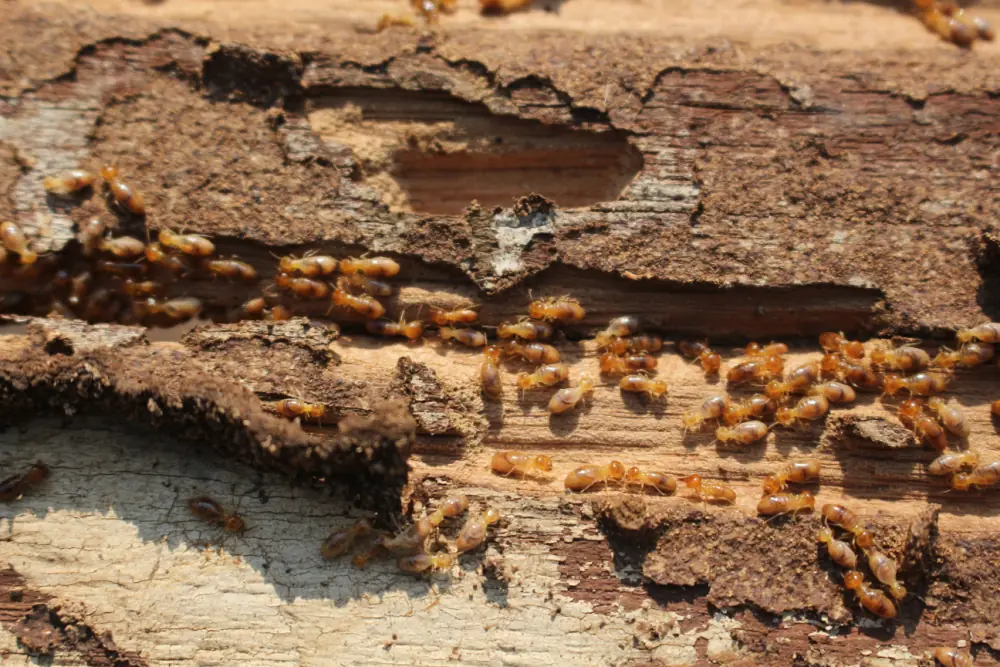
What Do Subterranean Termites Look Like? Identification Basics
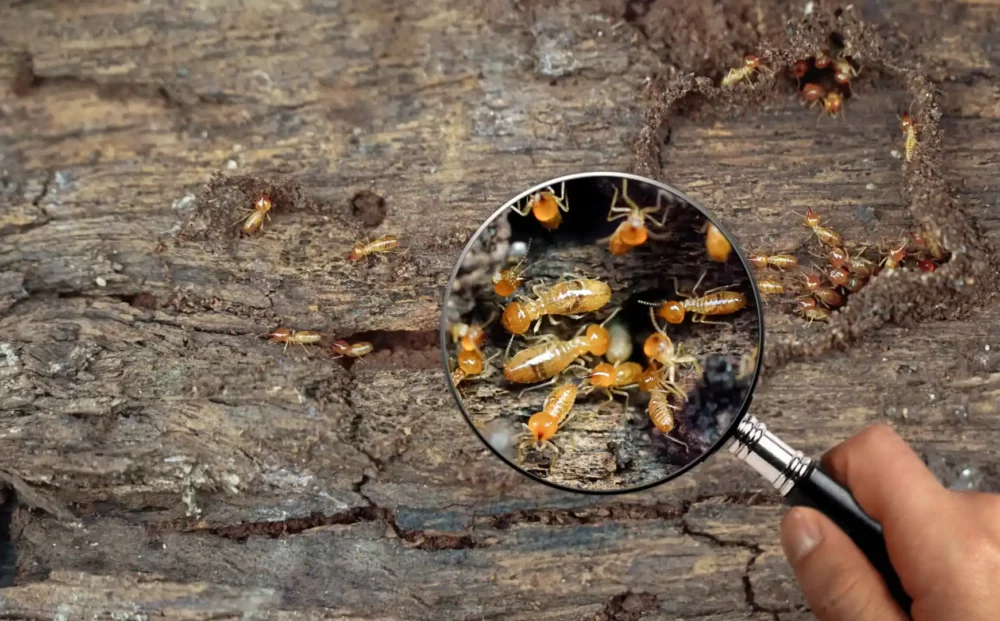
At a glance Identify the caste first, then compare head and wing details with the site evidence. Pale workers, tubes and dark alates cannot alone
At a glance Identify the caste first, then compare head and wing details with the site evidence. Pale workers, tubes and dark alates cannot alone
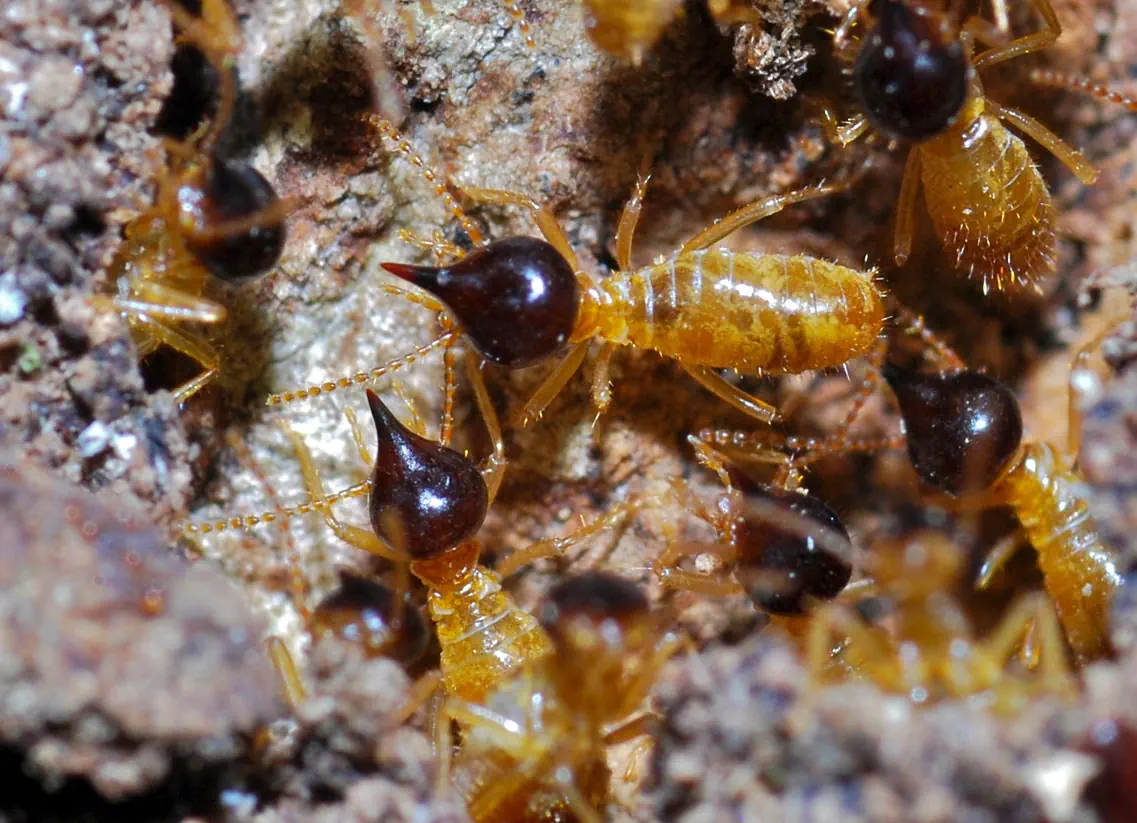
At a glance Conehead termite soldiers emit defensive secretion through a nasus. In Florida, suspected coneheads need identification and reporting to FDACS; avoid disturbing nests
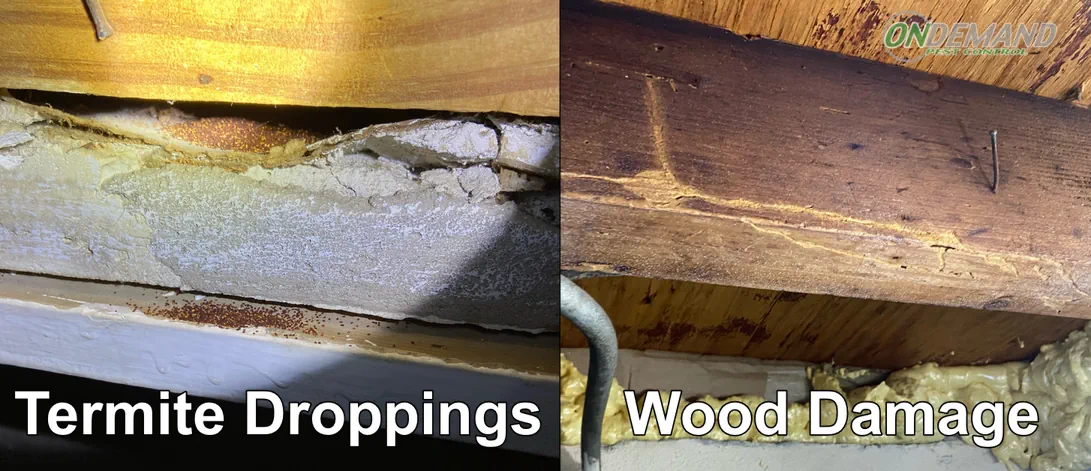
At a glance Drywood identification combines specimens, six-sided pellets and wood evidence. Pellets and holes cannot independently establish activity, damage severity or a complete colony
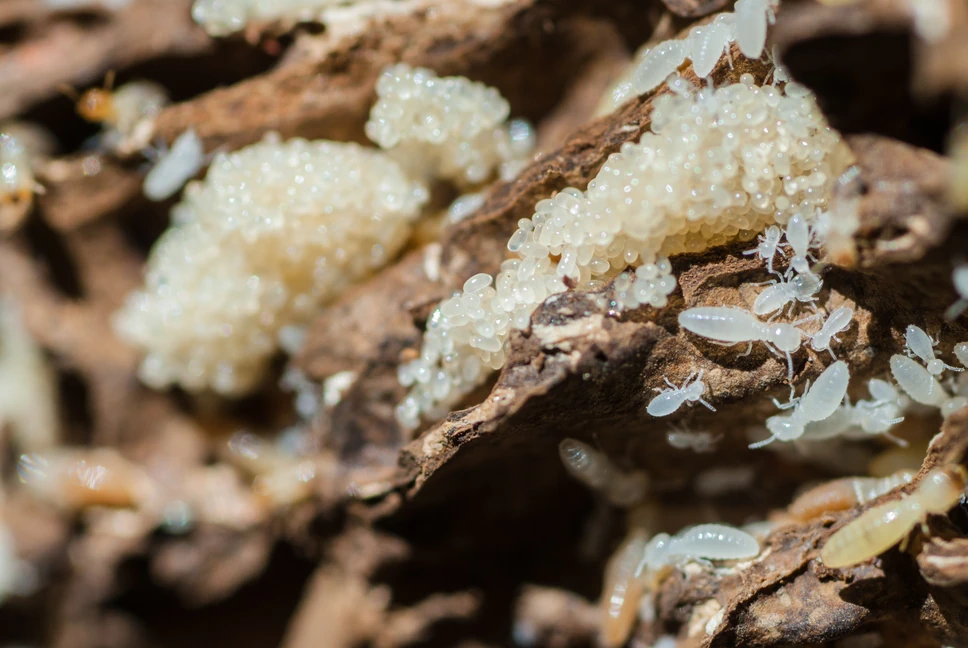
At a glance Termite eggs are tiny, protected brood; named species examples show transparent, oval eggs. Compare suspected eggs with young insects and pellets, and
At a glance Small wood holes need debris, specimen and activity context. Distinguish drywood kick-out holes from swarmer emergence and beetle holes before selecting treatment
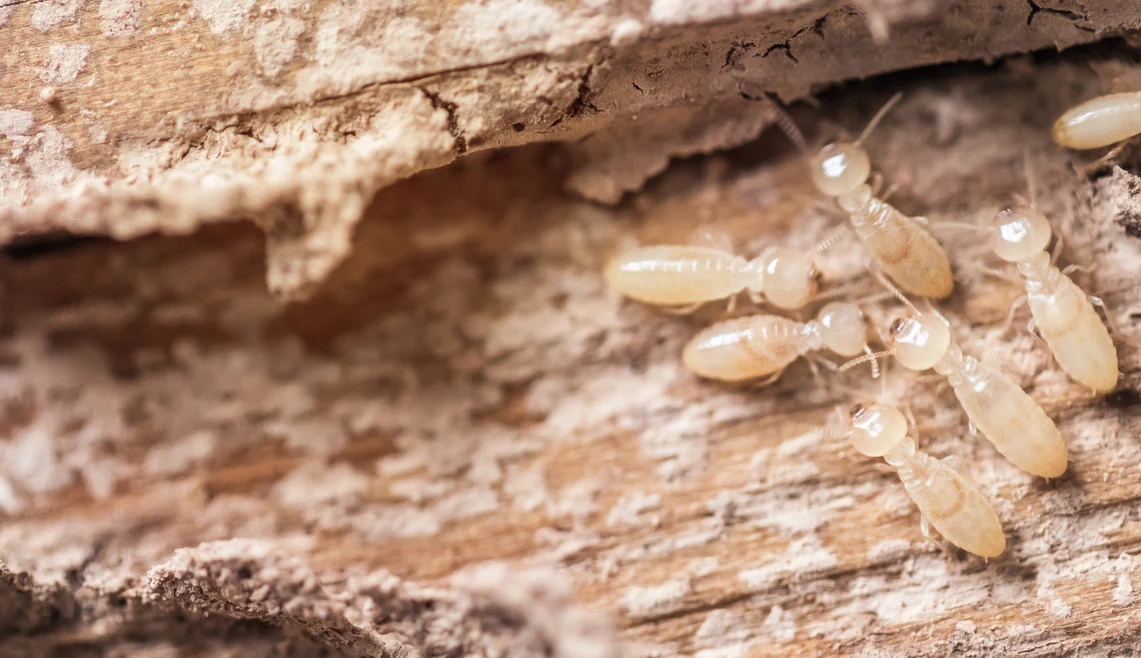
At a glance Pale termites are not necessarily newborns. Compare legs and colony evidence, understand caste pathways, and treat the identified infestation rather than the
At a glance Inspection time depends on scope, construction, access and findings. Ask separately about appointment duration, written-report delivery and any follow-up required by your
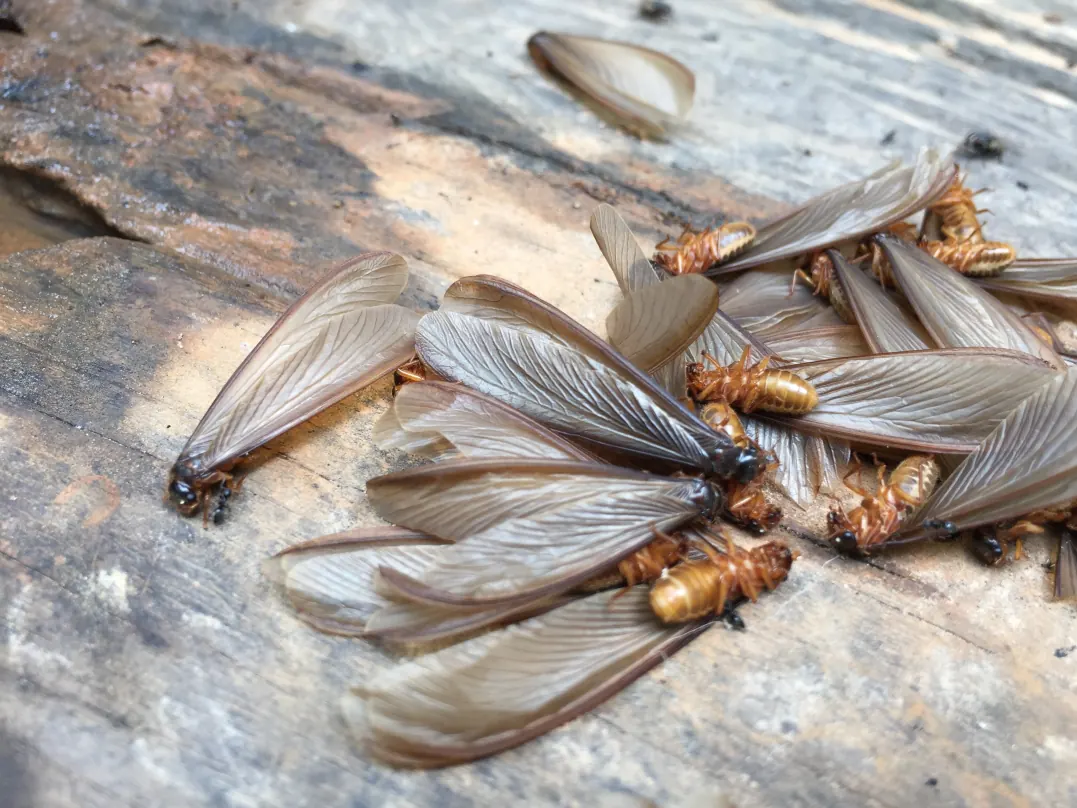
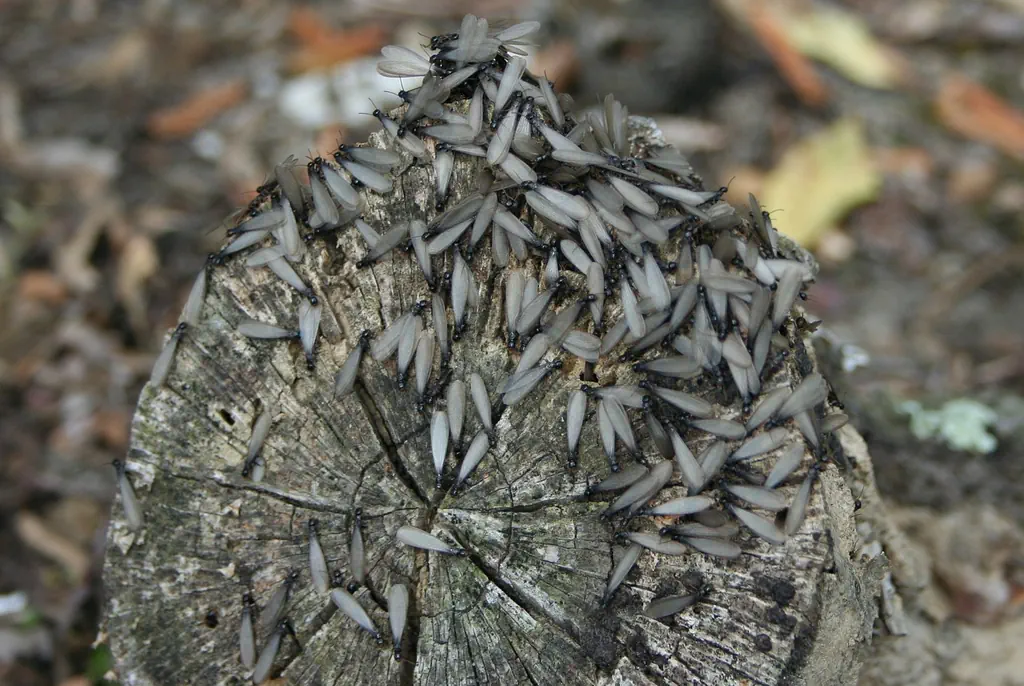
At a glance Compare wings, waist and antennae before naming a swarmer. Florida flight seasons differ by species; indoor emergence deserves inspection but cannot measure
At a glance Selling with termite history requires clear records, disclosure and separate pest and structural assessments. Repair, credit and as-is options depend on the
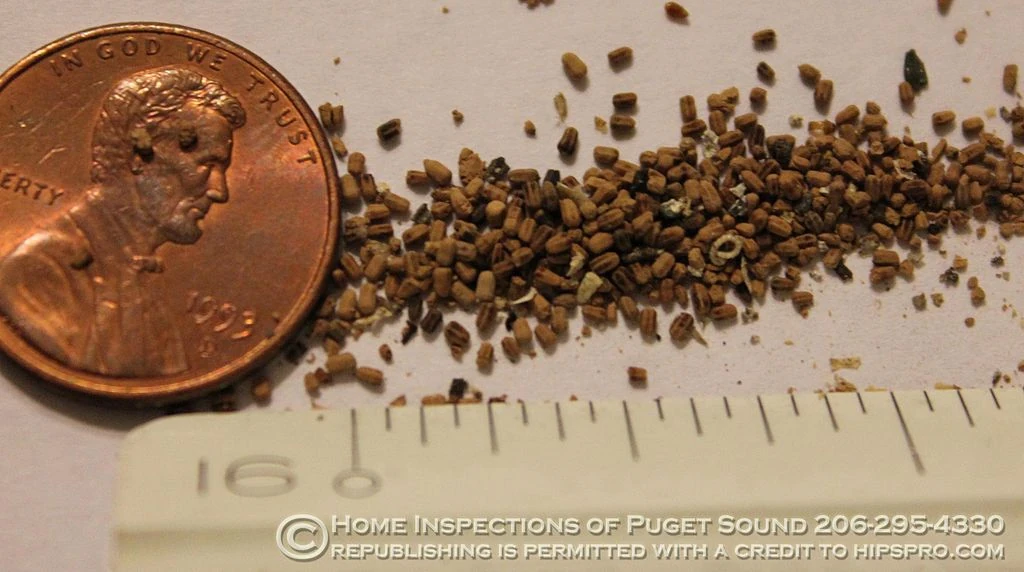
At a glance Drywood pellets have a six-sided cross section, but a pile cannot alone prove current activity. Compare debris and nearby evidence, document the

TAP stands for Thermal, Acoustical and Pest Control. It is a branded insulation product associated with a registered pesticide label. The archived EPA record reviewed here describes recycled-paper insulation with orthoboric acid as its active ingredient. A mineral ingredient remains a pesticide chemical when used for pest control.
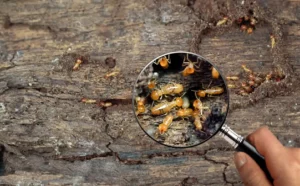
At a glance Compare soil foraging, swarming and transport in wood, distinguish termite habitats, and learn which signs call for a Florida property inspection. Key
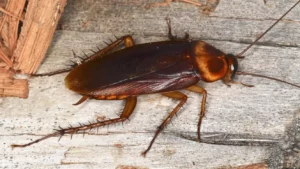
At a glance Identify cockroaches through insects and harborages, not a rash. Keep unexplained skin symptoms medically assessed and choose appropriate monitoring and label-compliant management.
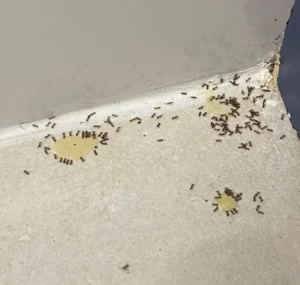
At a glance Ants enter for food, moisture, and shelter. Cleaning and exclusion reduce access, while species-appropriate baiting may be needed for an established infestation.
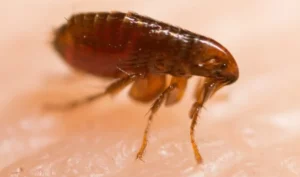
Flea dirt is flea feces containing processed blood from the host animal. It often appears as dark specks in a pet’s coat or where the animal rests. It is evidence worth investigating; it is not flea eggs, and cleaning the specks away does not by itself control the fleas producing them.