
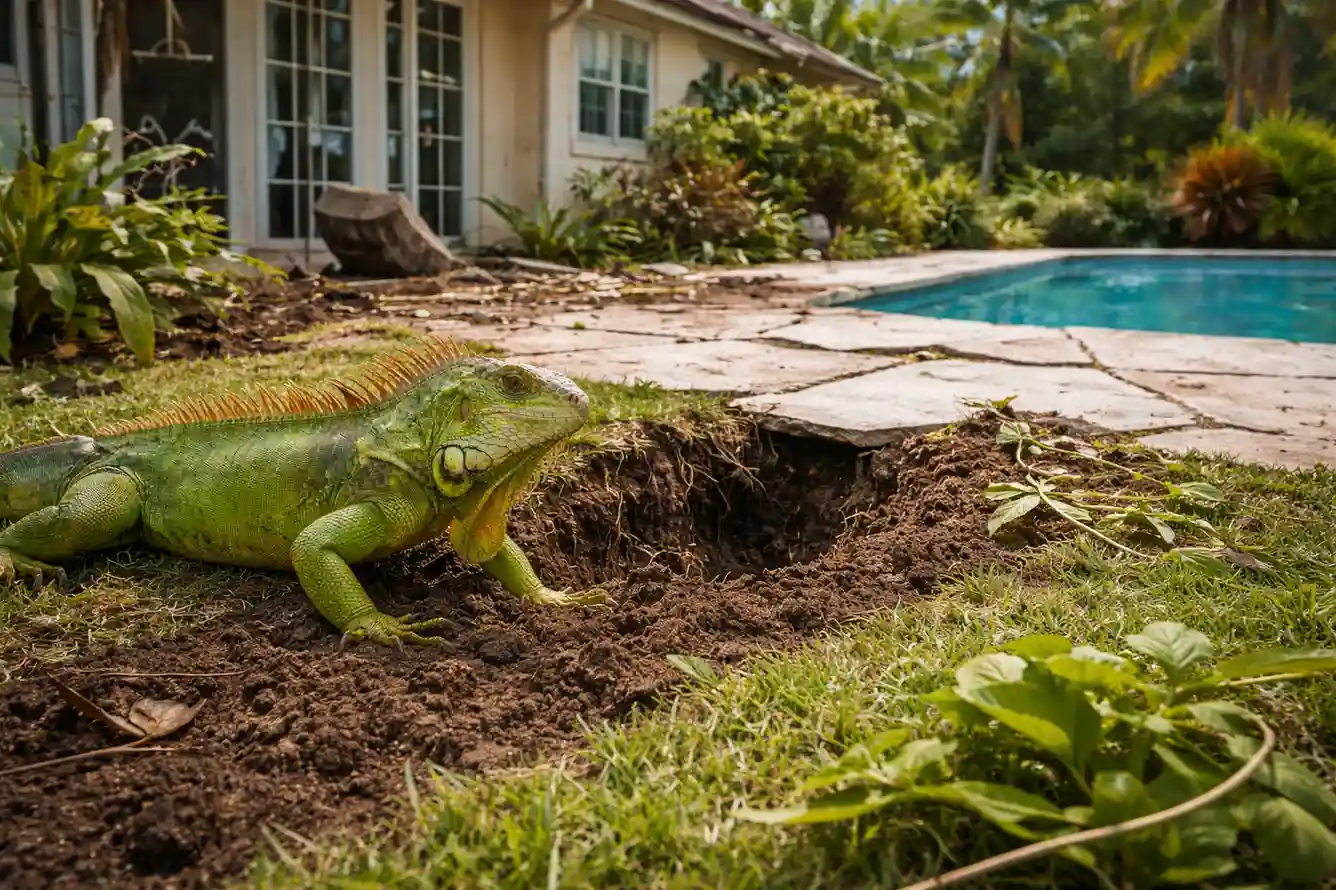
Black Iguana in Florida: Identification and Removal Tips
At a glance A black-looking lizard may be a spiny-tailed iguana or a dark green iguana. Confirm physical features, document recurring activity, and distinguish wildlife
At a glance How to identify young iguanas, interpret recurring hatchling sightings, and separate suspected nesting from verified property impacts. A small green lizard in
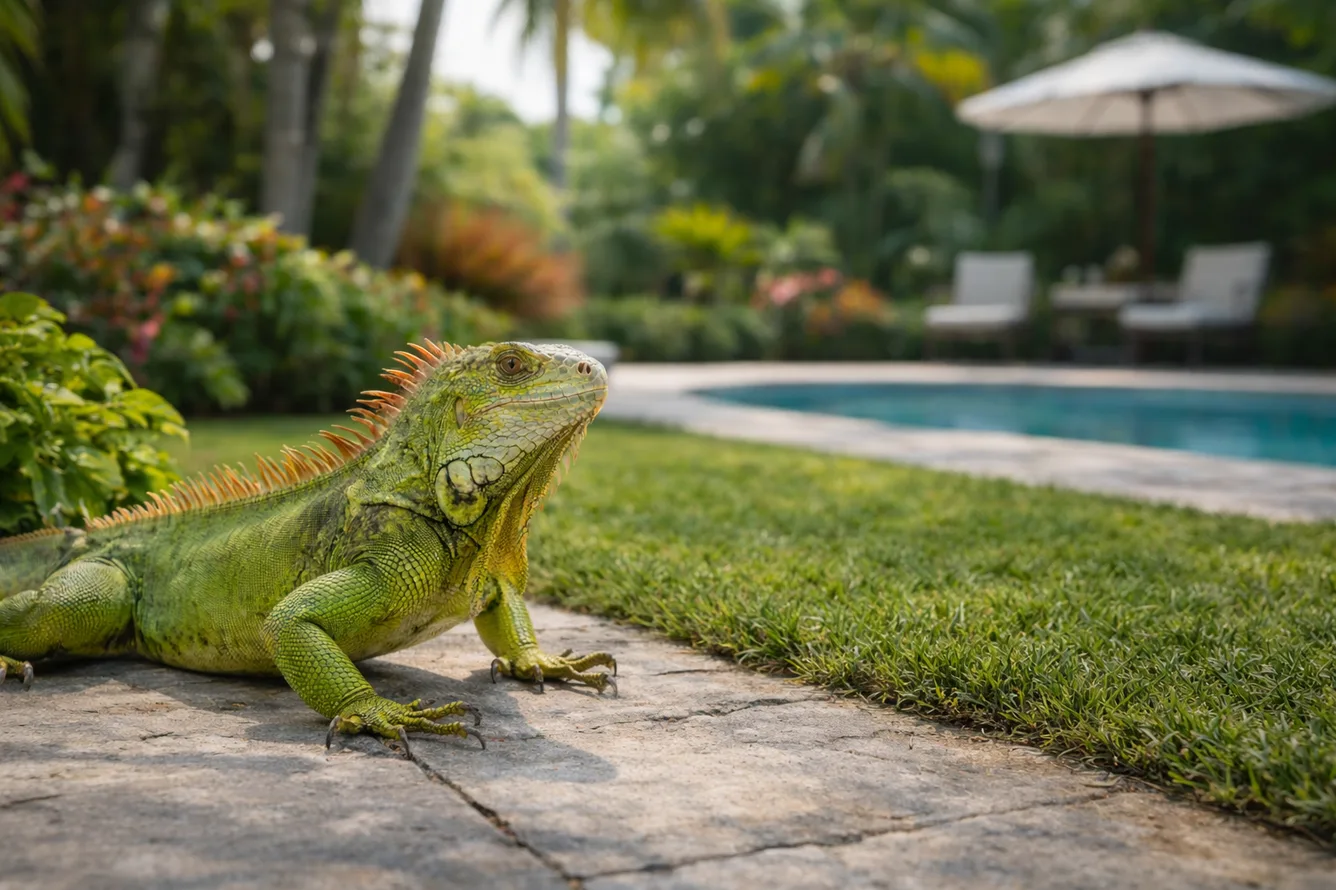
At a glance A species-specific guide to identifying green iguanas, understanding their habitat and feeding, and assessing real property impacts. A green iguana on a
At a glance Compare a trapper’s written scope, animal-welfare responsibilities, site access and follow-up. Clarify what the estimate includes; removal, barriers and structural repair are
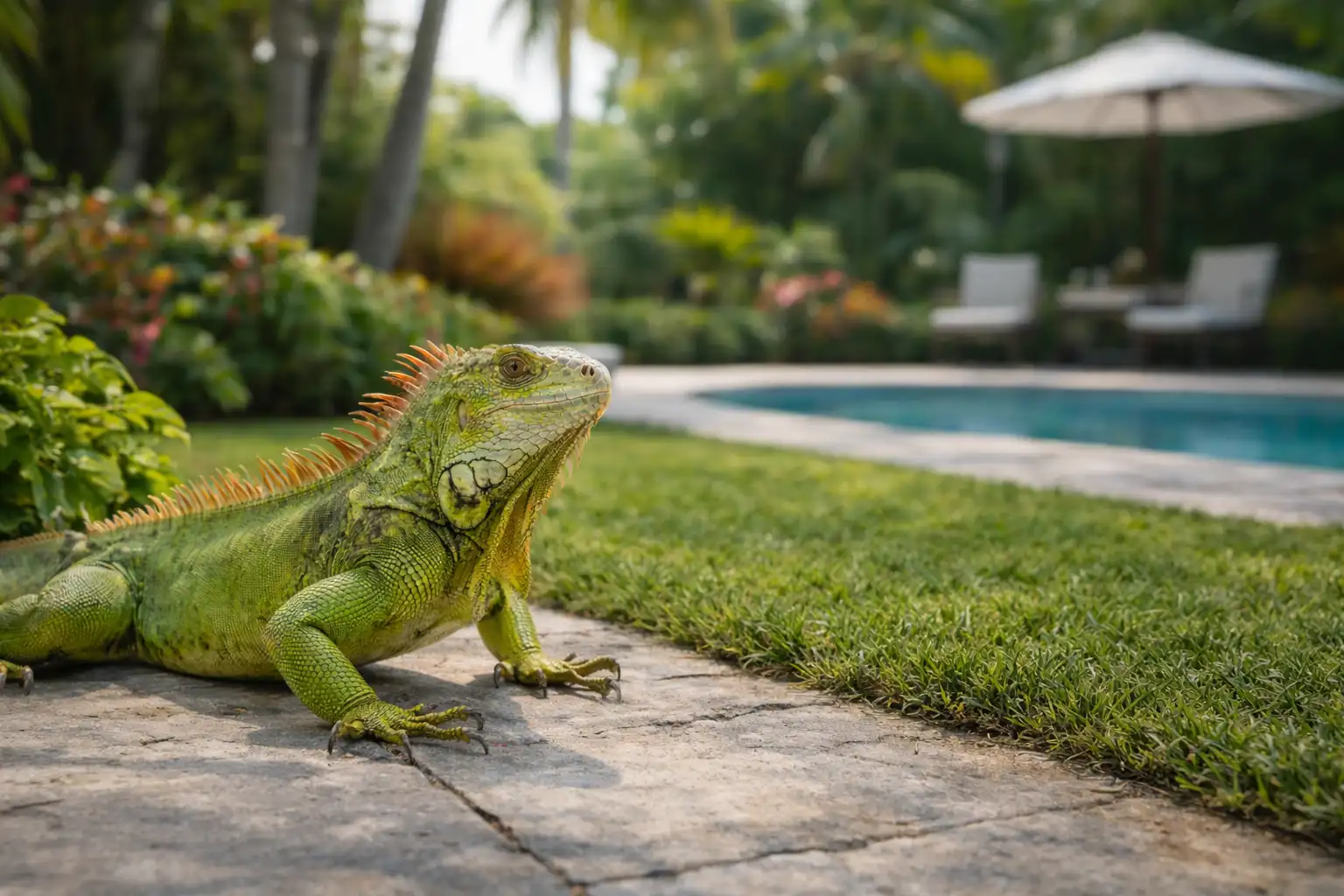
At a glance Identify the species and confirm site authorization before planning iguana management. Current wildlife rules, land permissions and humane follow-through remain separate requirements;
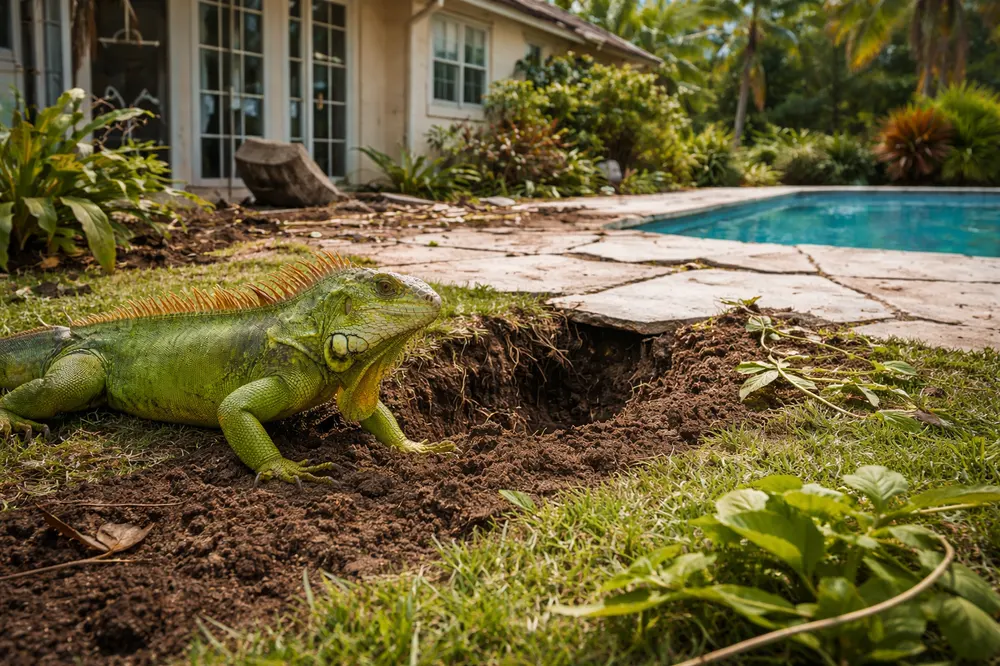
At a glance Define the property problem and request an itemized written scope. Animal management, plant barriers, follow-up and structural work are different services; confirm
At a glance Species, weather, and habitat explain iguana behavior. Learn what basking, displays, swimming, and recurring property activity do—and do not—show. Iguana behavior in
At a glance Identify the animal, document the property impact, reduce avoidable attractants and protect vulnerable plants. Choose site-specific assistance where needed; neither a removal
At a glance Iguana size depends on species, sex, measurement method, and tail condition. Understand supported green-iguana figures without guessing age from length. An iguana
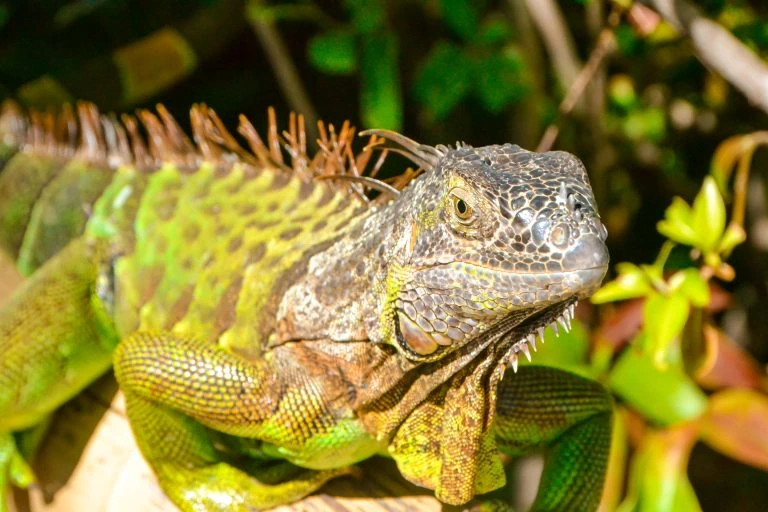
At a glance Florida’s established iguanas include green, black spiny-tailed, and Mexican spiny-tailed species. Structural features are more useful than color; uncertain or unusual sightings
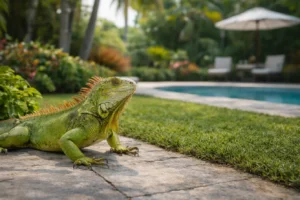
At a glance Green iguanas use warm coastal and developed habitats, often near water. A sighting, hole or county map does not by itself prove
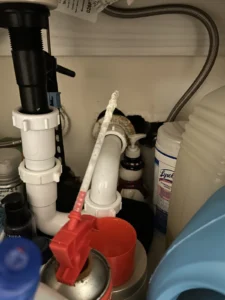
At a glance Lasting booklice control starts with moisture correction and cleaning affected materials. Measure humidity, dry items before sealing them, and recheck the same
At a glance A yellow or gold-looking iguana is not a species identification. Compare body features, lighting and observed activity before drawing conclusions about health,
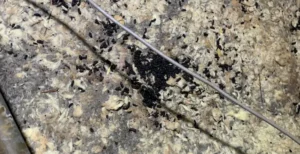
Use size, shape and location together to distinguish likely rodent droppings, confirm current activity through monitoring, and clean contaminated areas without raising dust.
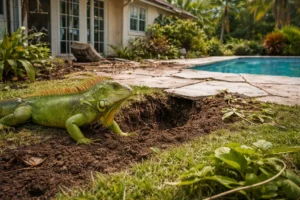
At a glance Green iguanas use head movements as part of visual communication. Why Do Iguanas Bob Their Heads? Green iguanas use head movements as