
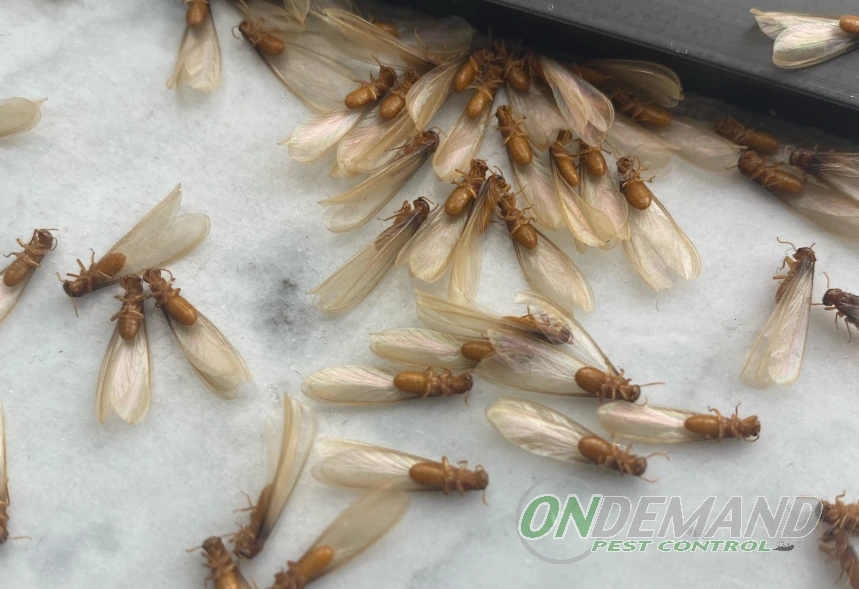
How to Get Rid of Drywood Termites
Drywood termites live inside wood without needing soil contact. Treatment depends on the extent and accessibility of colonies, with localized treatment and structural fumigation serving different scopes.
Drywood termites live inside wood without needing soil contact. Treatment depends on the extent and accessibility of colonies, with localized treatment and structural fumigation serving different scopes.
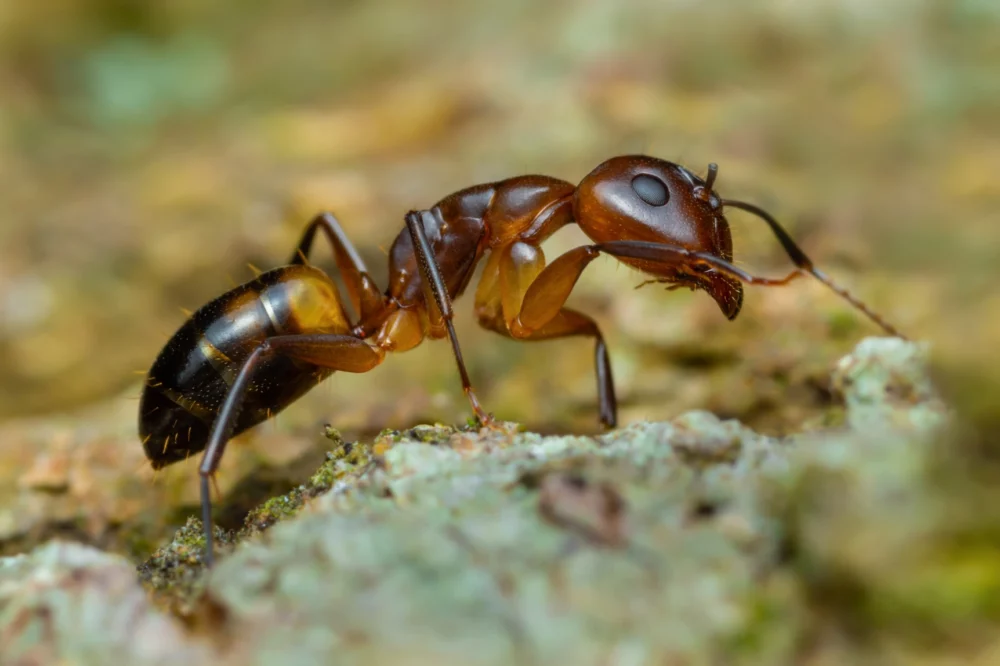
Identify the ants, trace their routes and repair moisture problems. Colony-directed baiting may help; a bathroom sighting does not prove that the nest is in the drain or that wood is damaged.
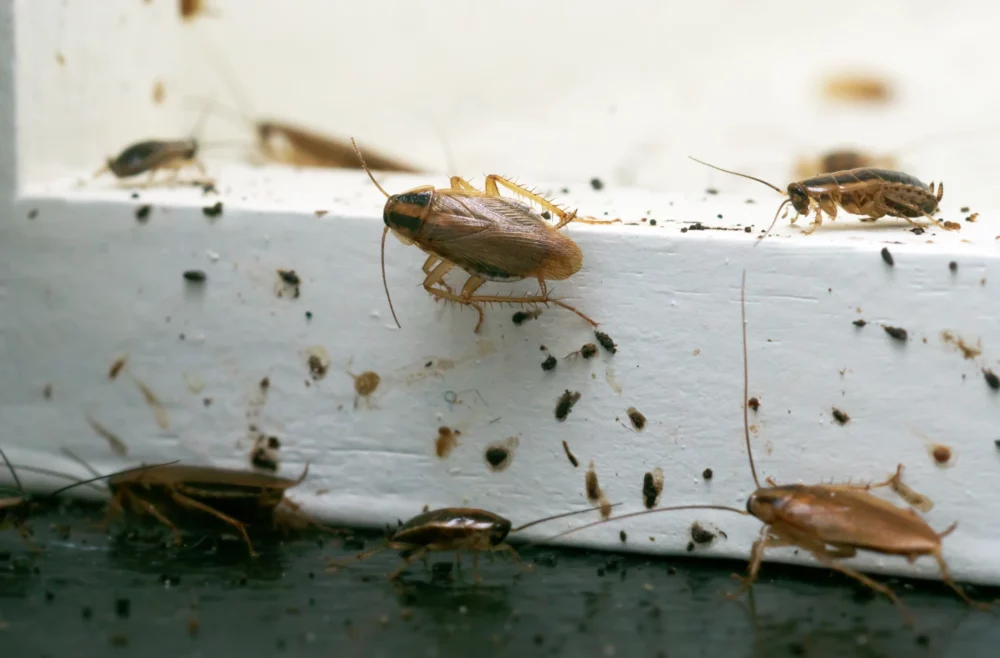
Compare markings, life stage and indoor versus outdoor activity. Several Florida cockroaches resemble each other; the insect’s location and repeat evidence guide the inspection.
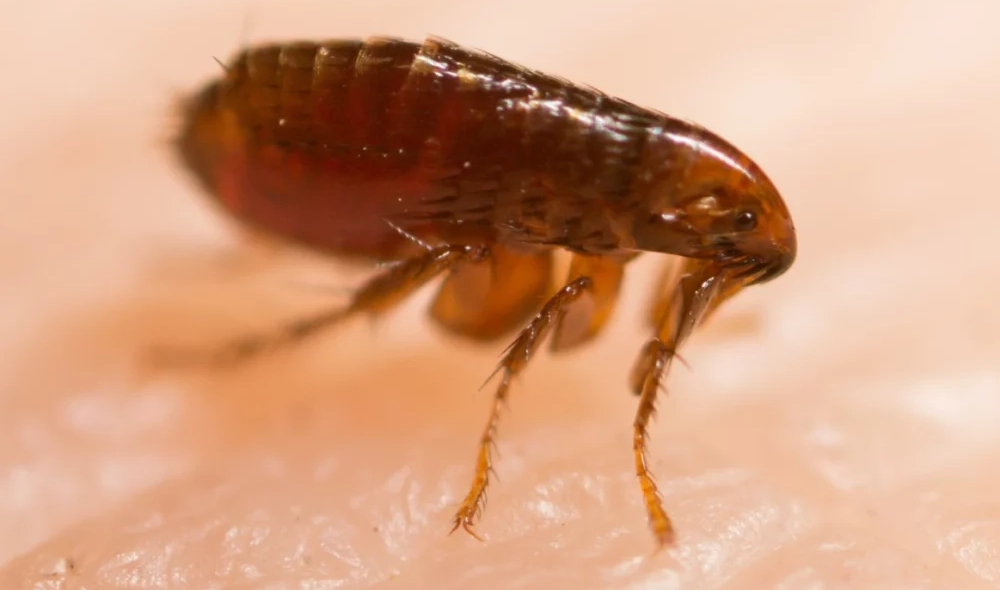
Adult fleas are small, wingless and flattened from side to side. Eggs, larvae and cocoons occur around host resting areas, so identification and treatment must consider the pet and its environment.
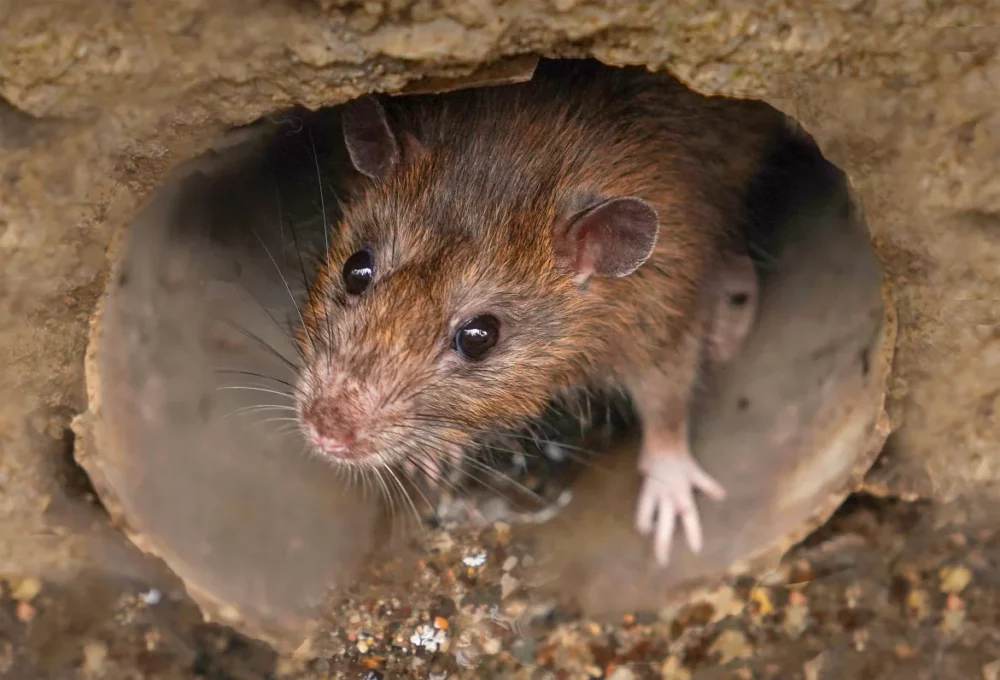
Judge mouse activity by corroborating signs, affected spaces and renewed evidence, then prioritize food protection, safe cleanup and a monitored control plan.
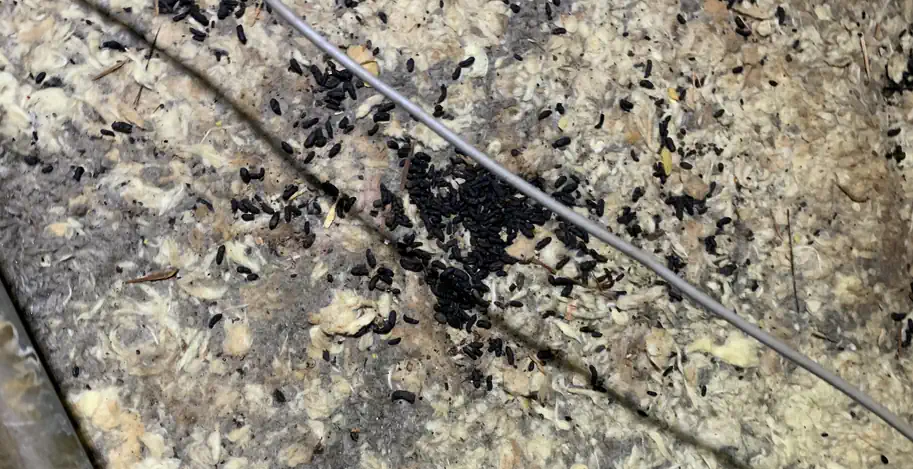
Use size, shape and location together to distinguish likely rodent droppings, confirm current activity through monitoring, and clean contaminated areas without raising dust.
Compare ultrasonic devices, peppermint and household remedies with durable exclusion and monitored control, using clear evidence and product-safety limits.
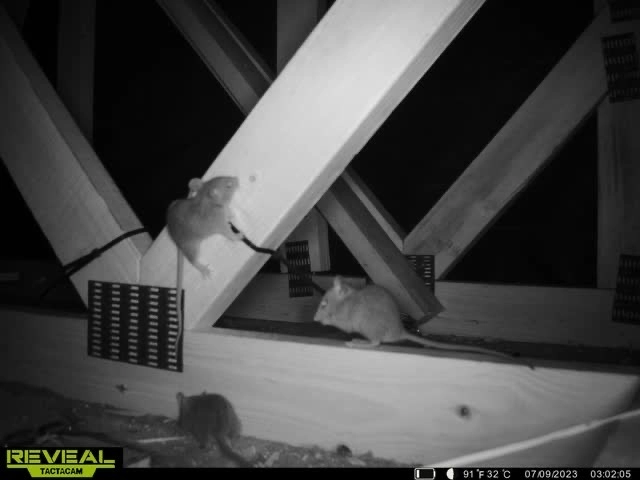
Identify attic activity from safely observed evidence, then use a qualified species-specific plan that respects Florida wildlife protections and separates control, cleanup and repairs.
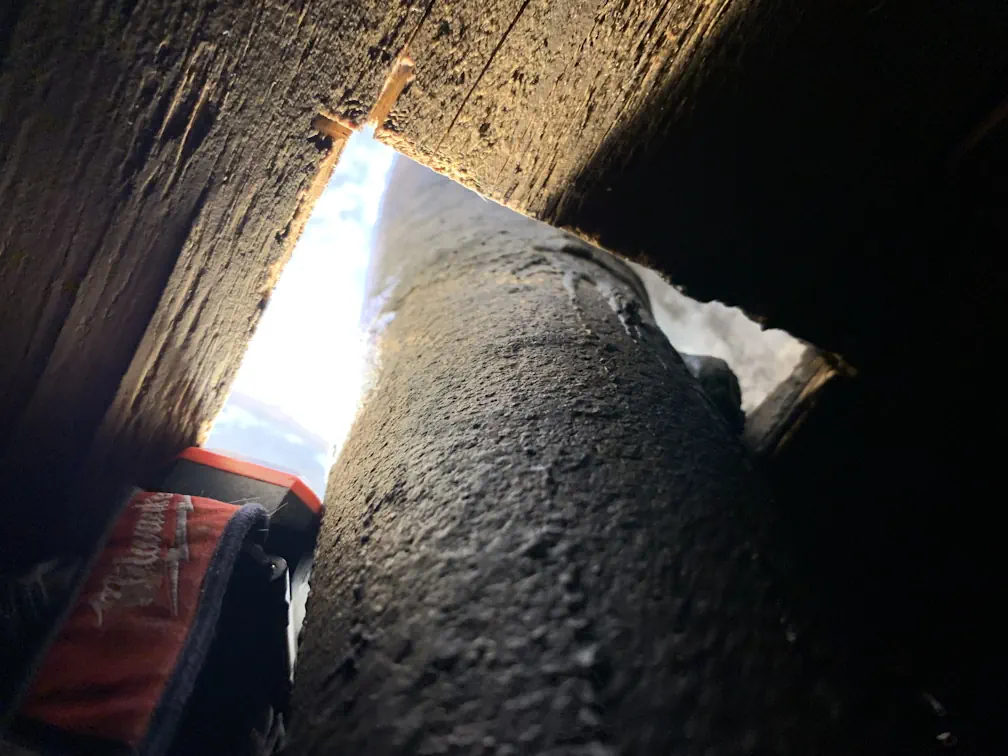
Trace attic mouse activity to access, shelter and nearby resources, then prioritize durable repairs and a monitored plan rather than scented products or insulation promises.
Treat dark coat color as one observation, distinguish a mouse from a young rat using several features, and select management only after the animal and routes are assessed.

At a glance Identify orange-and-black oleander caterpillars, inspect early feeding, and compare plant-specific management while accounting for oleander toxicity. Key Takeaways Orange larvae with black
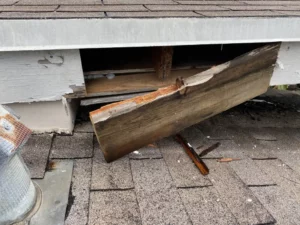
At a glance If you suspect a woodrat in your house, confirm the species before choosing a removal method. Scratching, droppings, and collected debris are
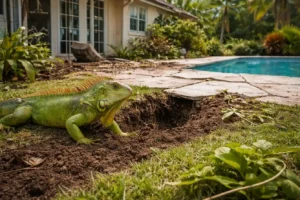
At a glance Compare a trapper’s written scope, animal-welfare responsibilities, site access and follow-up. Clarify what the estimate includes; removal, barriers and structural repair are
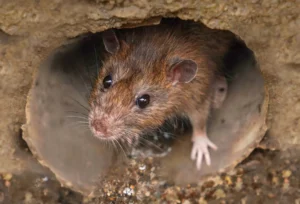
At a glance Find mouse-sized access at doors, utilities and roof transitions, connect signs with shelter and plan durable repairs and follow-up. House mice can
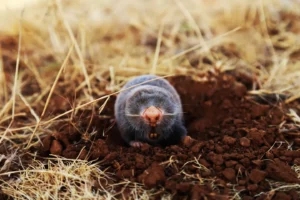
At a glance Identify the animal, remove attractants and consult current Florida wildlife rules before considering capture or relocation. Identify the animal before selecting a