
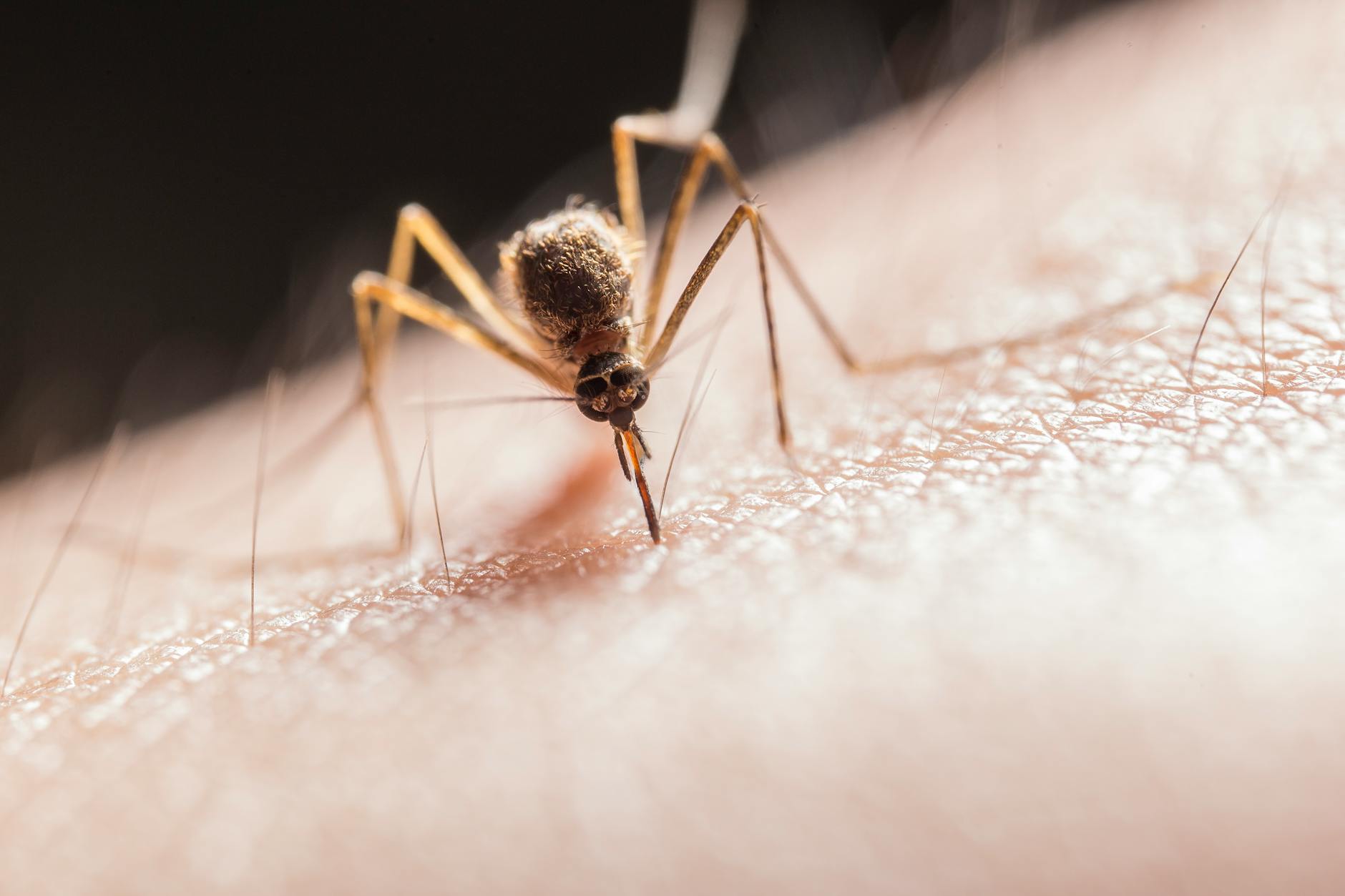
How Does In2Care Work? The Science Behind This Mosquito Trap
At a glance Explain In2Care’s contact and transfer mechanism, target mosquitoes, precautions, and maintenance. Key Takeaways What Is the In2Care Mosquito Trap? Which Mosquito Species
At a glance Explain In2Care’s contact and transfer mechanism, target mosquitoes, precautions, and maintenance. Key Takeaways What Is the In2Care Mosquito Trap? Which Mosquito Species

At a glance Compare attic materials through installed performance, moisture design, inspection access, and actual pest-label limits. Key Takeaways Why Attic Insulation Matters for Every
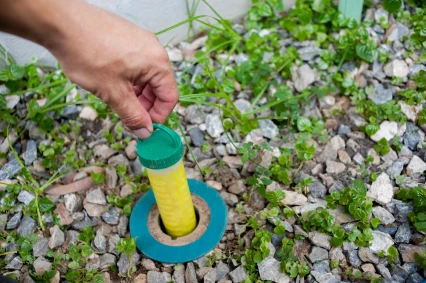
At a glance Confirm termite species and access, compare treatment limits, and maintain documented prevention. Key Takeaways How Do You Know You Have a Termite
TAP stands for Thermal, Acoustical and Pest Control. It is a branded insulation product associated with a registered pesticide label. The archived EPA record reviewed here describes recycled-paper insulation with orthoboric acid as its active ingredient. A mineral ingredient remains a pesticide chemical when used for pest control.
At a glance Connect personal protection, water inspection, indoor exclusion, and targeted mosquito-management choices. Key Takeaways Why Are Mosquitoes So Hard to Get Rid Of?
TAP is a branded cellulose insulation associated with a registered pesticide label. Standard cellulose is a broader building-material category. The difference should be evaluated using the actual products proposed for the home, because fire-retardant treatments, coverage charts and installation specifications can vary.
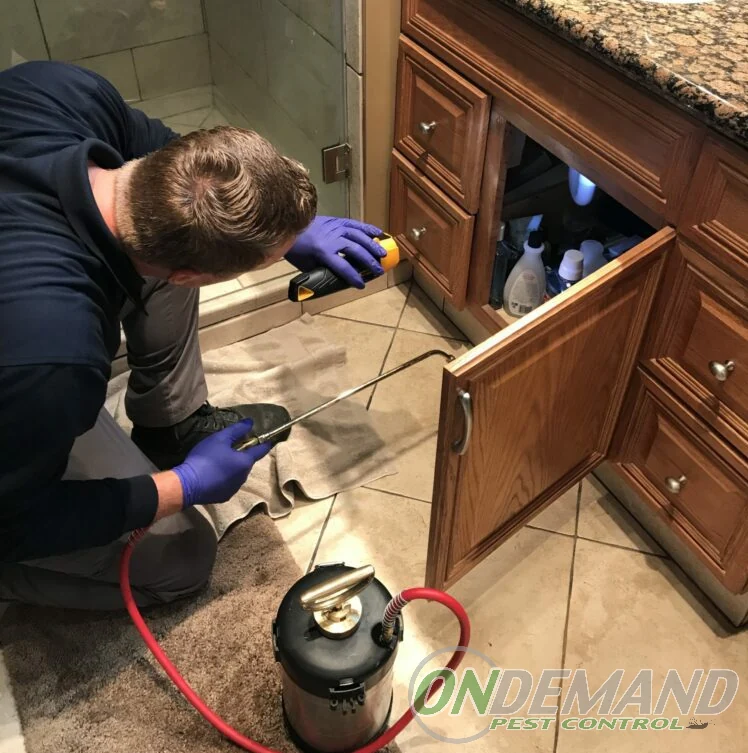
Professional pest control can add value when identification is uncertain, activity persists, treatment sites are difficult to reach or the consequences of delay are substantial. The value comes from an appropriate plan and its execution. It cannot be established from a universal success percentage or a promise that recurring service prevents all damage.
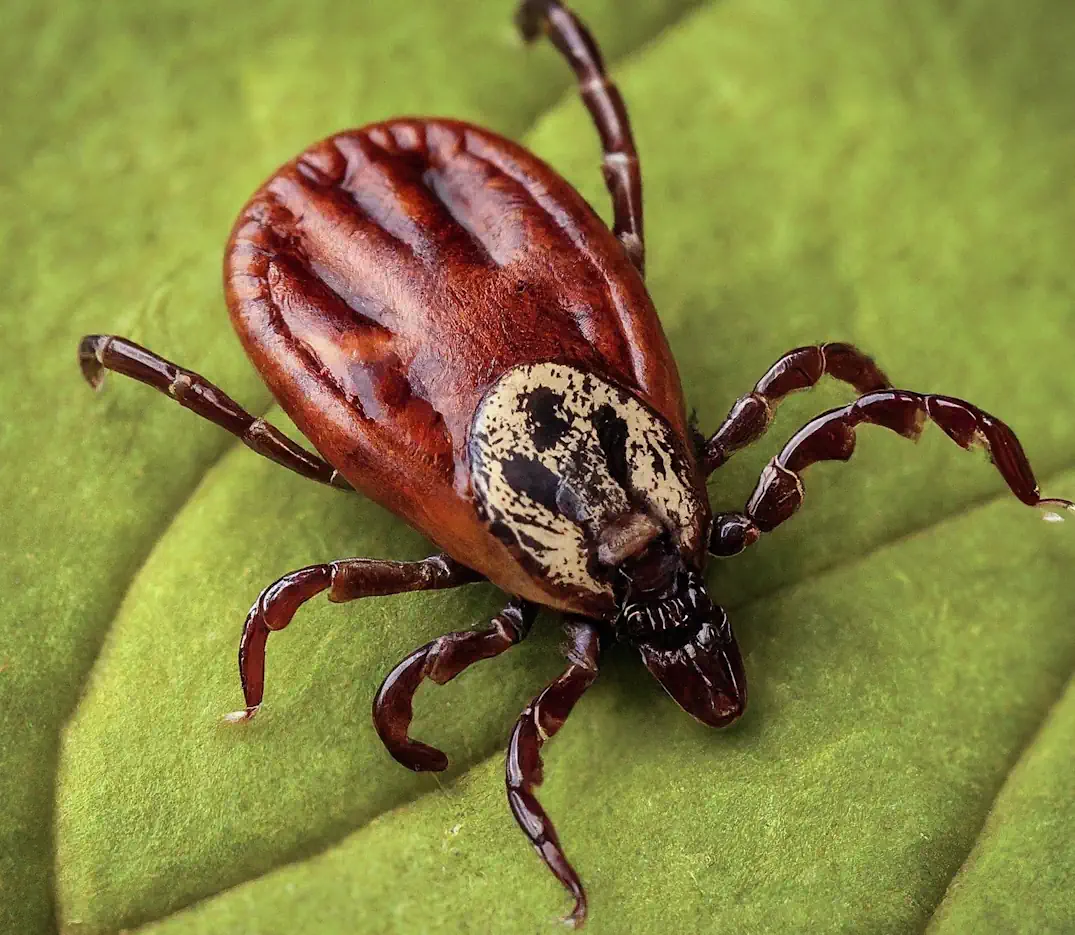
Tick prevention starts with where you will be walking, working or resting. Grassy, brushy and wooded areas, leaf litter and animals can expose you to ticks, including around your own home. Exposure can occur year-round. A winter date or a short outing does not establish that a body check is unnecessary.
Ticks can transmit bacteria, viruses and parasites while feeding. Some bites go unnoticed, and different infections can begin with similar symptoms. A fever or headache after outdoor exposure deserves medical attention even when no attached tick was found. Neither the appearance of a bite nor the tick’s color can diagnose a disease.
A kitchen staple can be useful for cleaning without being an effective infestation treatment. The question is what pest is present, where it develops and what the proposed action can accomplish. Removing food residue, repairing a leak and sealing an entry gap have different purposes from killing an insect already in the room.
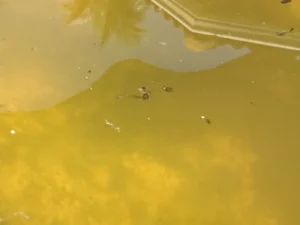
At a glance Inspect water-holding sites and maintain removable containers. Mosquito development depends on species and conditions; source reduction does not guarantee freedom from bites
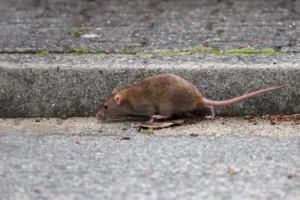
Protect kitchen food and occupied areas first, identify the rodent and access route, then coordinate professional control, durable repairs and safe contamination management.
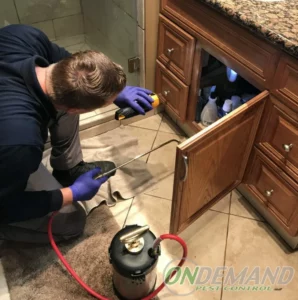
“Eco-friendly pest control” is most useful when it describes concrete practices: accurate identification, preventing pest access to food and shelter, limiting unnecessary applications and choosing controls suited to the pest and site. The label alone does not tell you how much pesticide is used, who may contact it or whether the problem will be resolved.
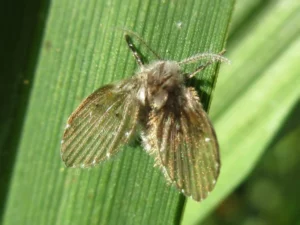
Drain flies are small, fuzzy flies associated with wet organic buildup. They do not bite, but repeated activity is a reason to locate and clean the breeding material or investigate a plumbing problem. Their presence alone does not diagnose an infection or make every sink a disease source.

Learn what nine-banded armadillos eat, how feeding pits differ from burrows, and how to reduce yard attractants without handling or relocating wildlife.