
Home Cleaning and Pest Prevention: A Year-Round Checklist
At a glance Pair cleaning and moisture correction with monitoring and exclusion; a clean home can still need targeted pest management. A clean home can
At a glance Pair cleaning and moisture correction with monitoring and exclusion; a clean home can still need targeted pest management. A clean home can
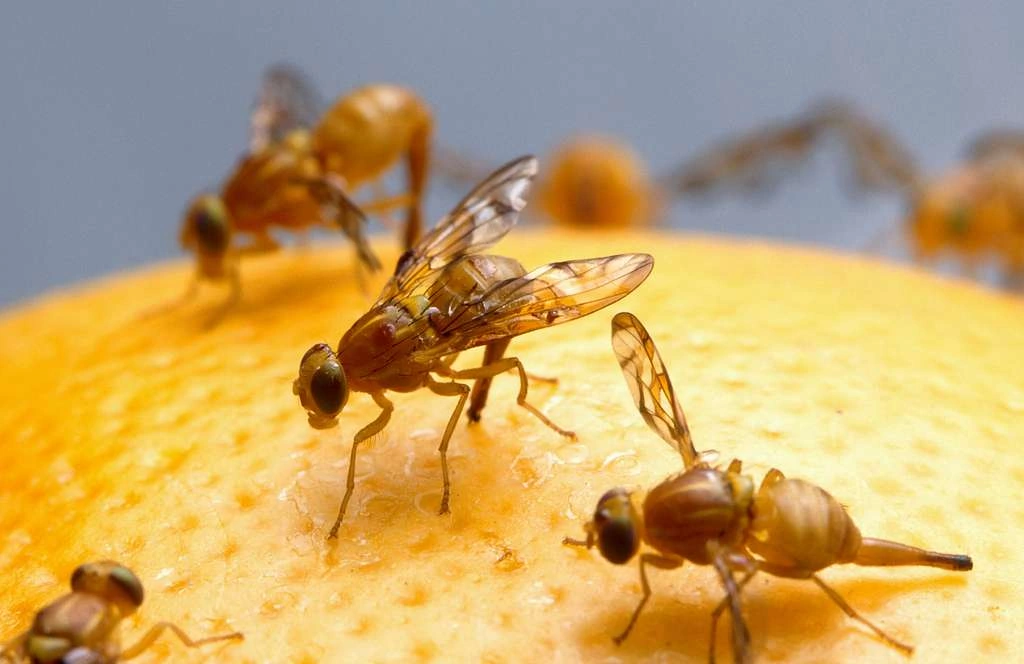
At a glance Fermentation traps can catch common vinegar flies, but removing the breeding source is essential. Reconsider identification if flies ignore the bait or

At a glance Upper floors are not pest-proof. Shared routes, deliveries, and neighboring units make building-wide reporting and coordinated inspection important. Upper floors are not
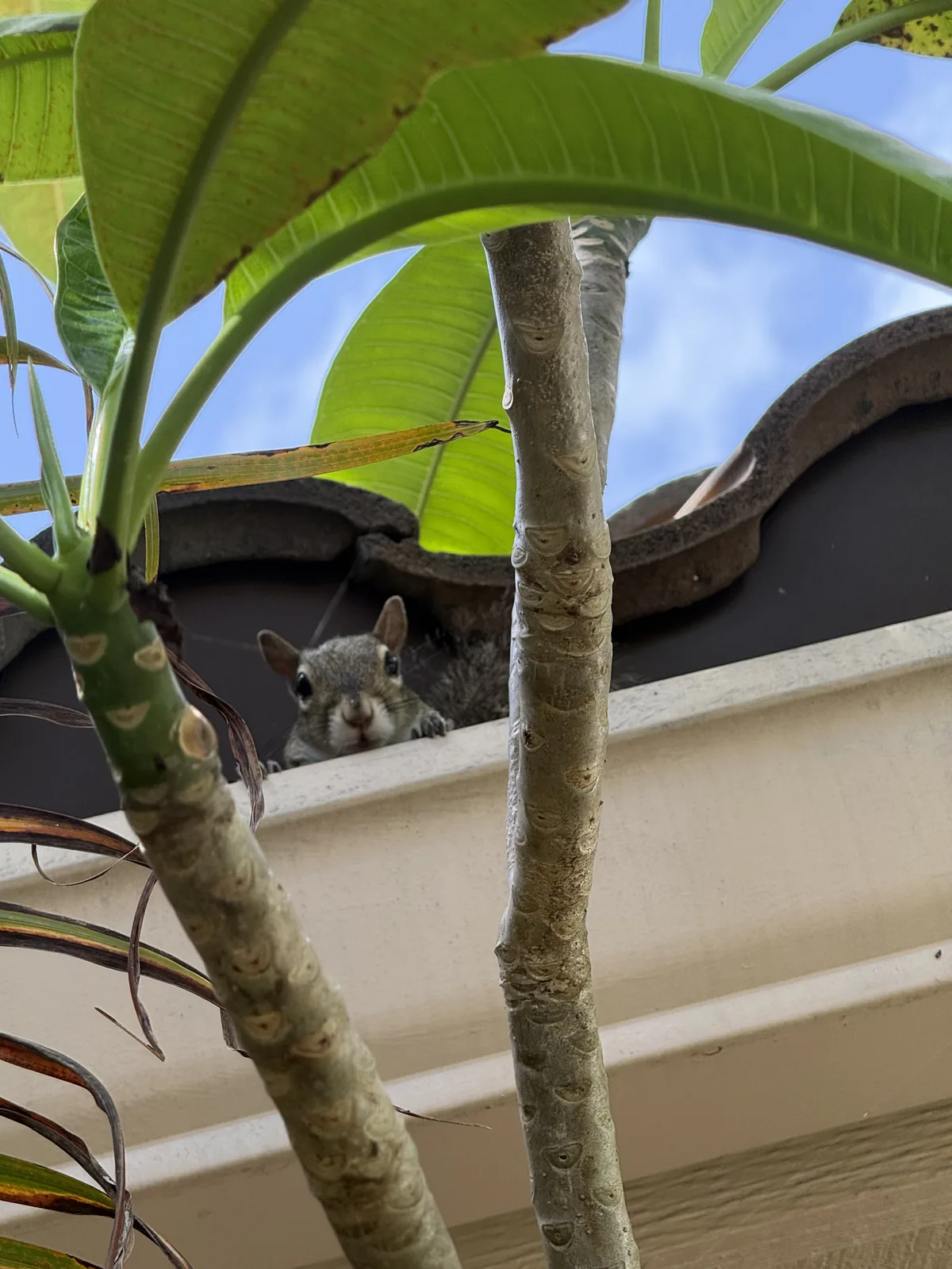
At a glance Squirrels can damage building materials and wiring, but attic noise is not identification. Confirm activity and dependent young before exclusion; repair damage
At a glance Clothes-moth and carpet-beetle larvae can damage animal-based fibers. Identify larvae or shed skins, find the feeding source, and clean stored textiles before
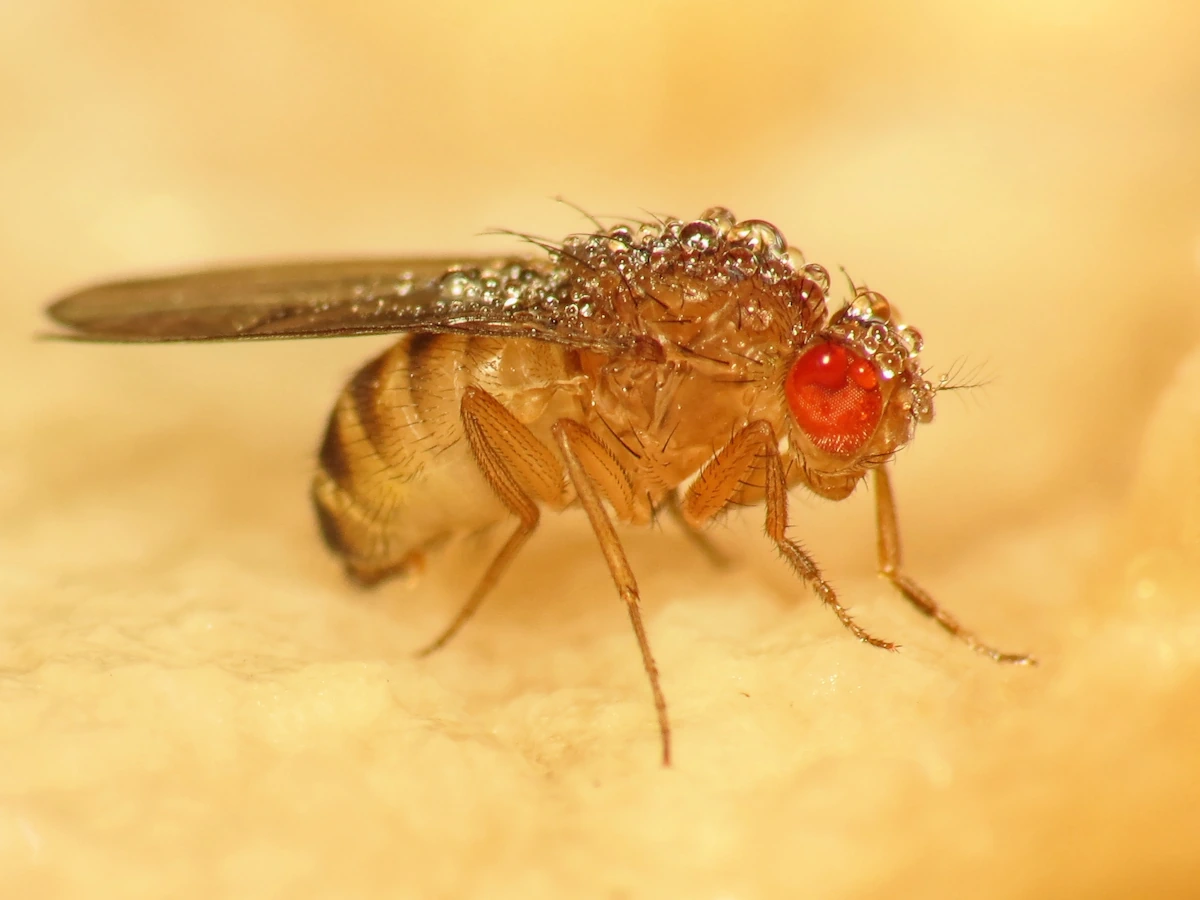
At a glance Remove fruit-fly breeding material first. Traps may capture adults but cannot replace cleaning fermenting food residues and confirming which small fly is
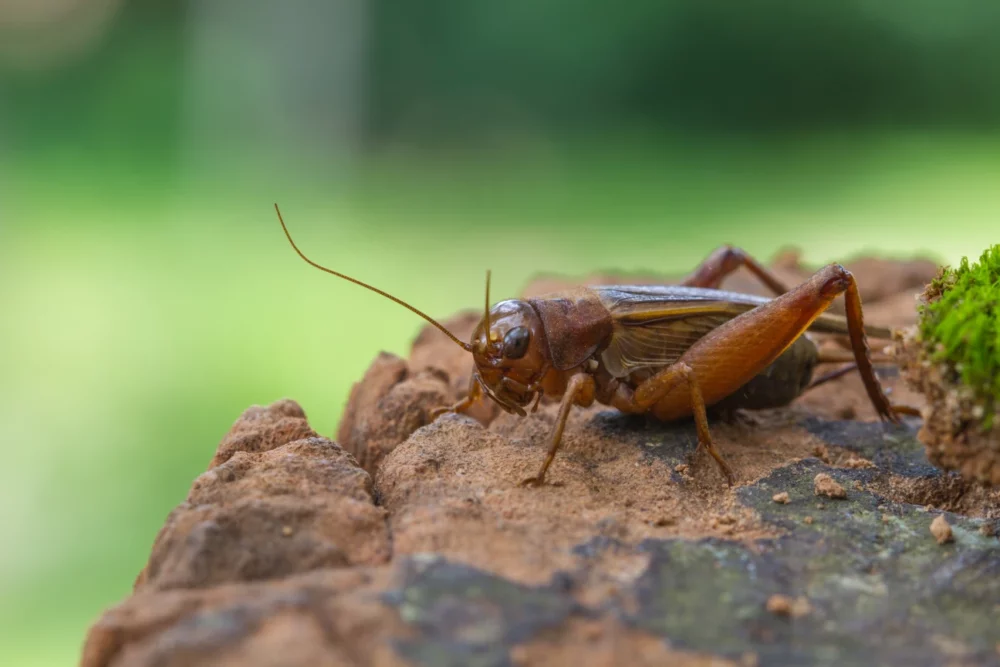
At a glance Crickets are not blood-feeding pests and are not a typical explanation for recurring skin lesions. Identify the insect and address moisture, hiding
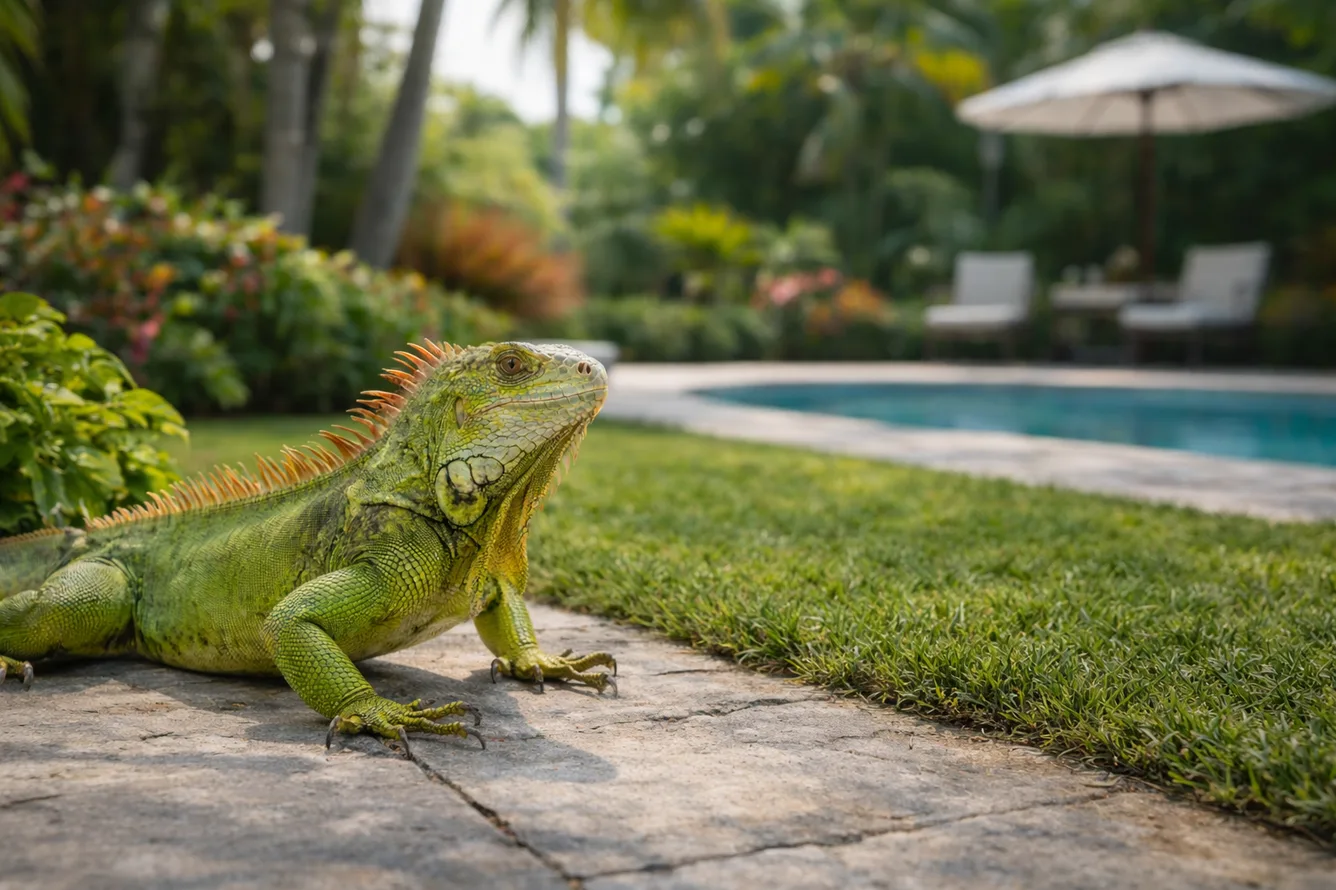
At a glance Iguanas can bite when caught or cornered, and their plant-focused diet does not make teeth harmless. Avoid close contact, prevent pet chasing,

At a glance “Sand flea” names several unrelated organisms. Beach mole crabs do not cause biting-midge attacks; tropical chigoe fleas are a separate medical issue.
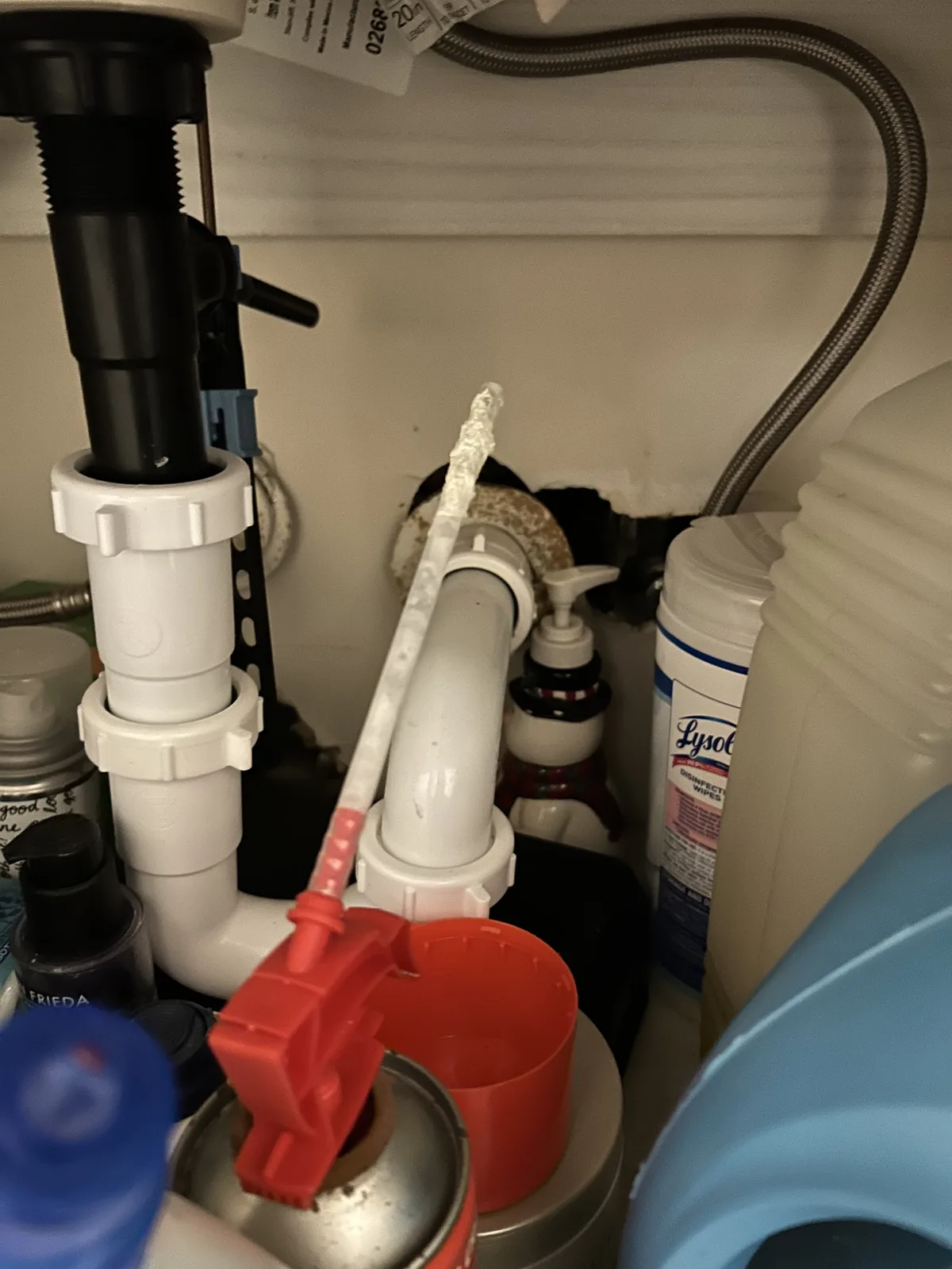
At a glance Moisture management protects a building and makes some pest habitats less favorable, but it is not a universal pest treatment. A leaking
At a glance Sealing unwanted gaps is an important part of pest exclusion, but not every opening should be closed. A weep hole, vent, drainage
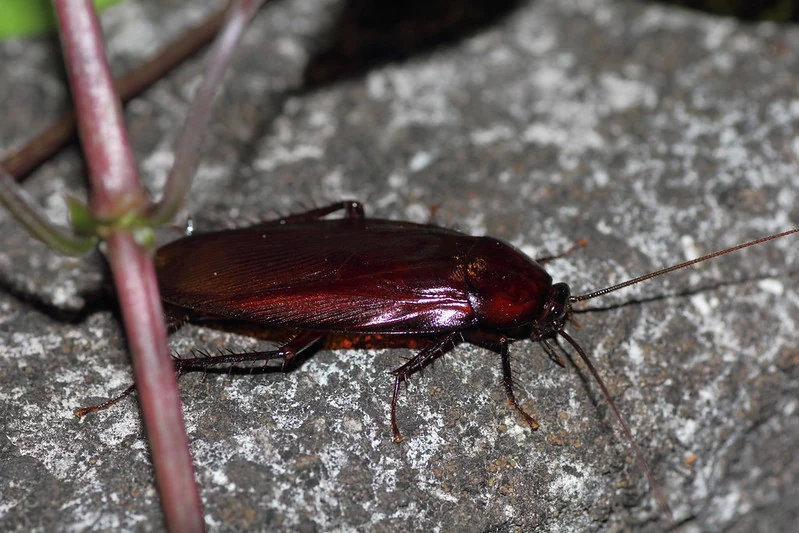
At a glance South Florida’s after-dark activity includes insects and other arthropods, such as centipedes. Some are attracted toward lights; others emerge from sheltered areas
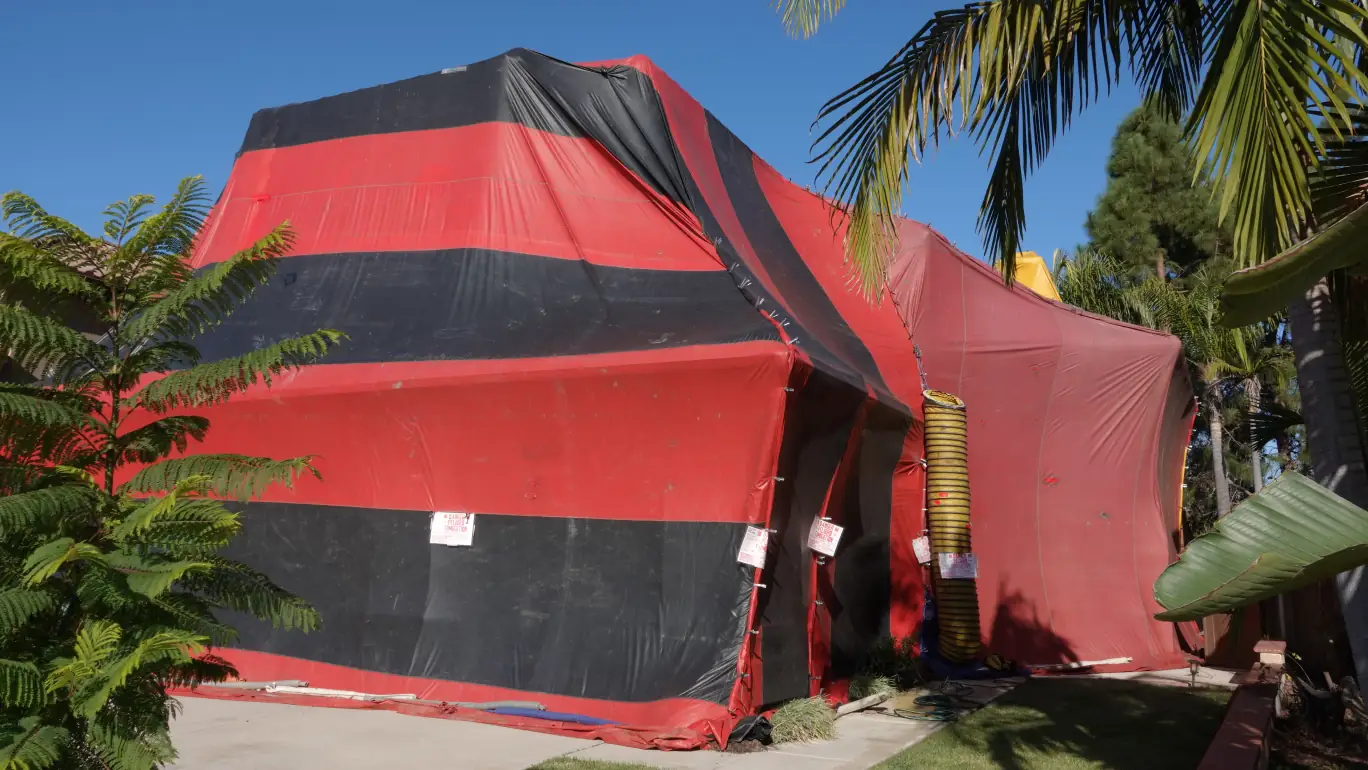
At a glance Return to a fumigated home only after the licensed fumigator completes required aeration and instrument-based clearance under the applicable label. A removed
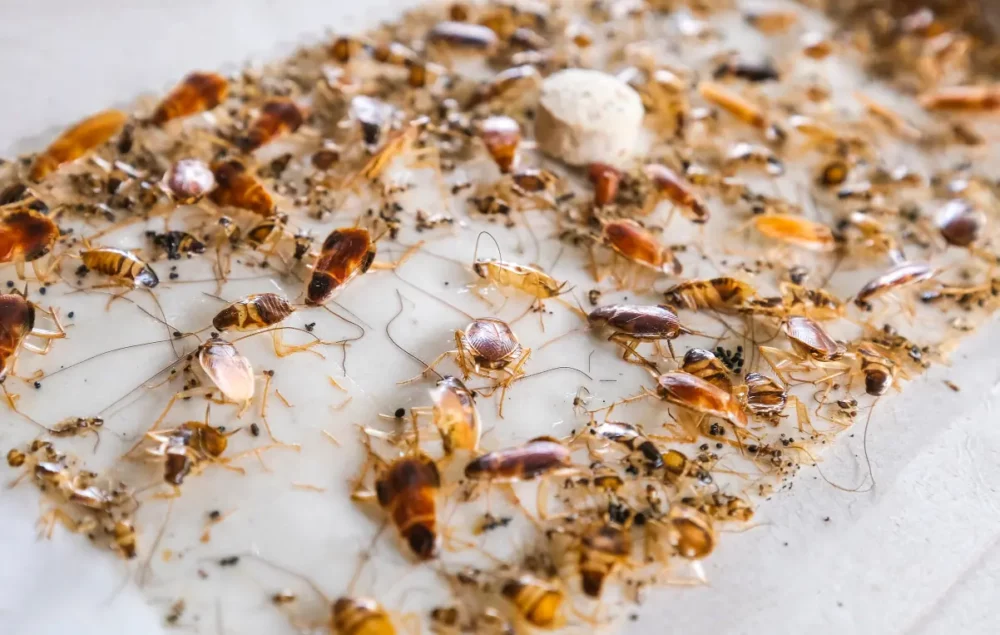
At a glance South Florida winter does not make homes pest-free. Identification and indoor conditions matter more than unsupported winter rankings or a fixed termite
At a glance Commercial prevention combines inspection, sanitation, moisture correction and exclusion. Service frequency should match the business, findings and applicable obligations. Key Takeaways Commercial
At a glance Winter does not establish that pests have disappeared. Examine species, sheltered habitat and introduction routes, and plan prevention from actual findings. Key
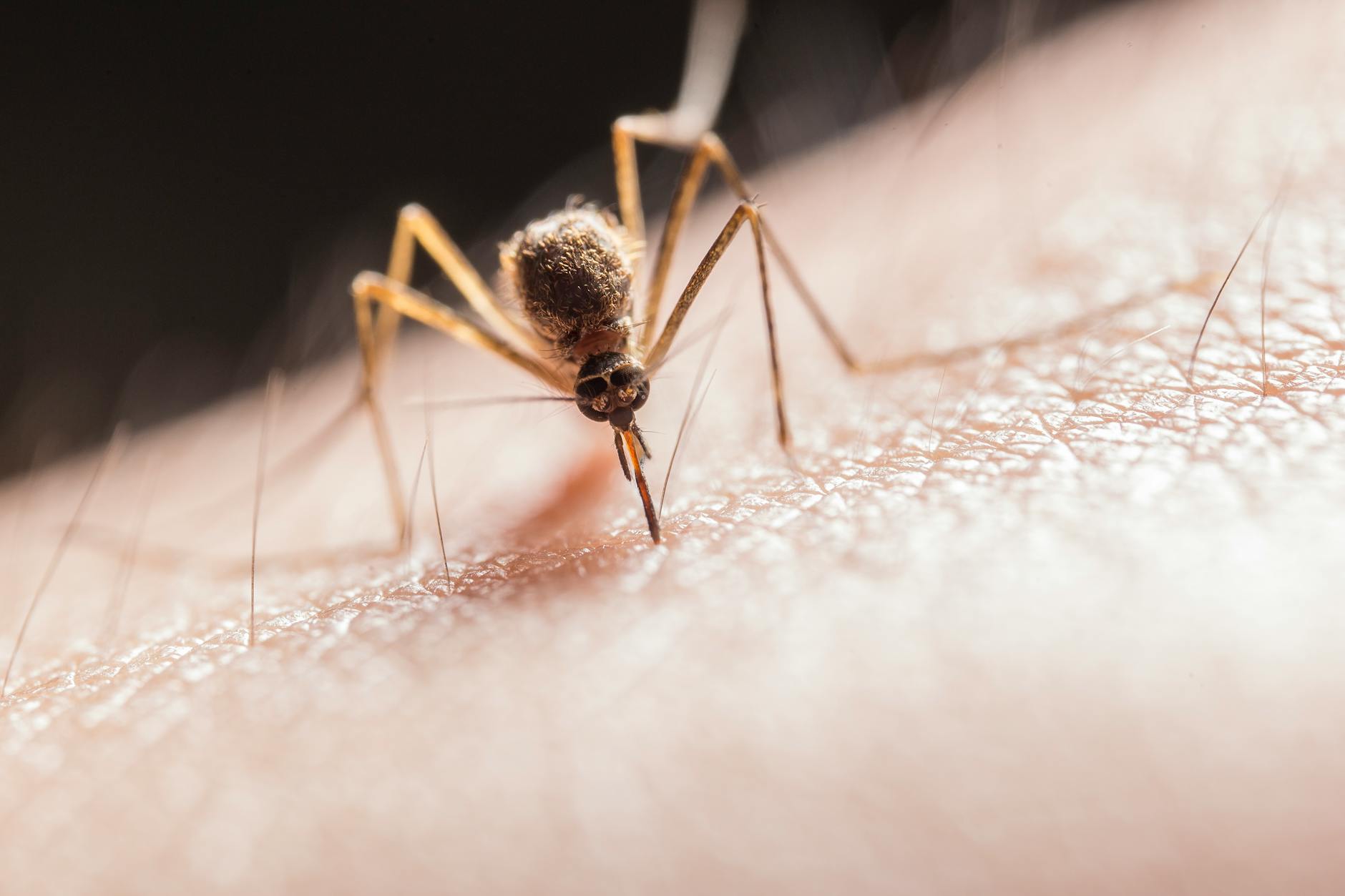
At a glance Common pests can affect food, comfort and structures, but alarming numbers and disease claims need context. Identify the pest and choose a
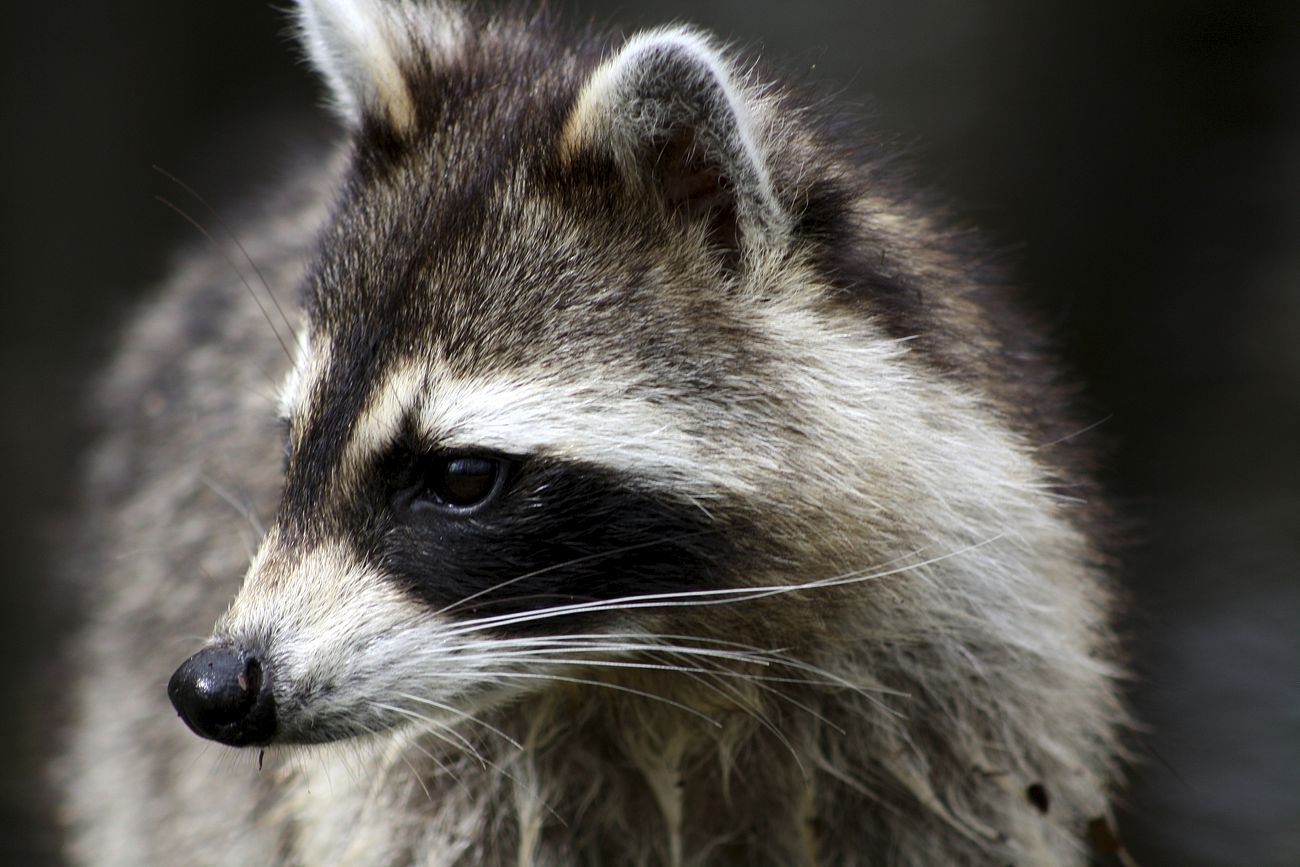
At a glance Noises, disturbed refuse and latrines can suggest raccoon activity. Confirm the animal, avoid contact, and plan exclusion so occupants and young are
At a glance A pest can be annoying, damage material or create a health concern. These categories overlap; identification and direct evidence determine the response.
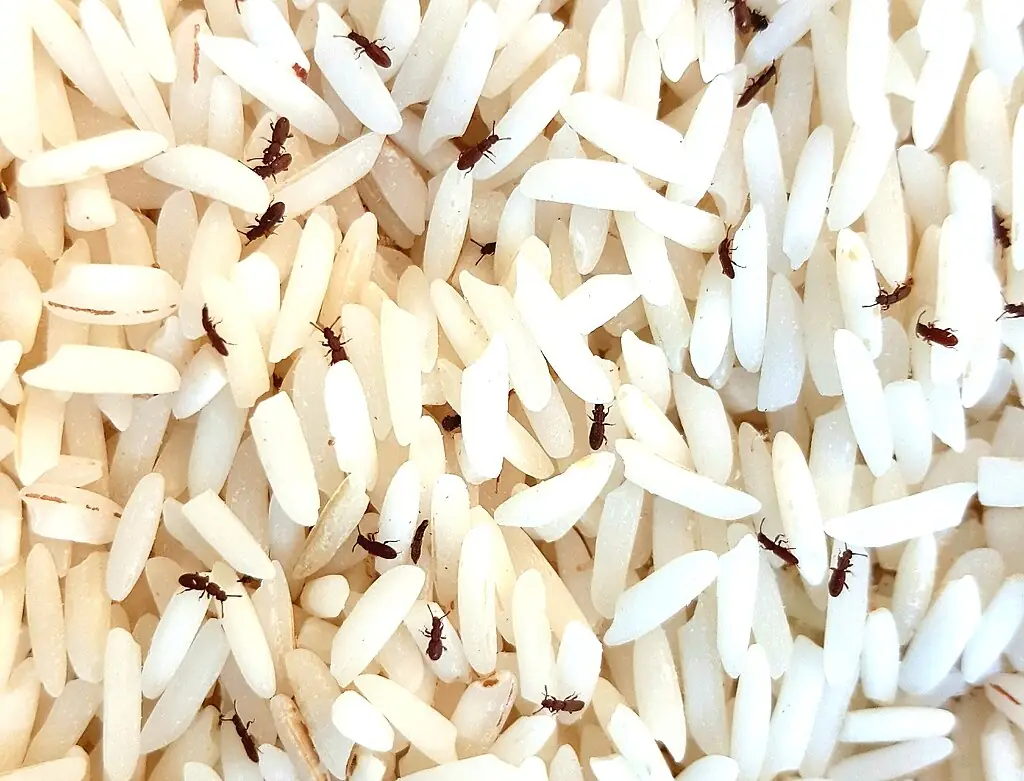
At a glance Rigid sealed containers, inspecting purchases and rotating stock reduce pantry-pest spread. A sealed package can already contain insects, so storage is not
At a glance After storms, inspect actual drainage, water sources and access instead of automatically increasing pesticide applications. Key Takeaways Heavy rain can disturb some
Browse article topics At a glance What Are Weevils and Why Are They in Your Home? How Weevils Differ From Other Pantry Pests Common Types
Browse article topics At a glance Regional conditions and species What to Look for When Choosing an Exterminator Valid Licensing and Insurance Local Experience and
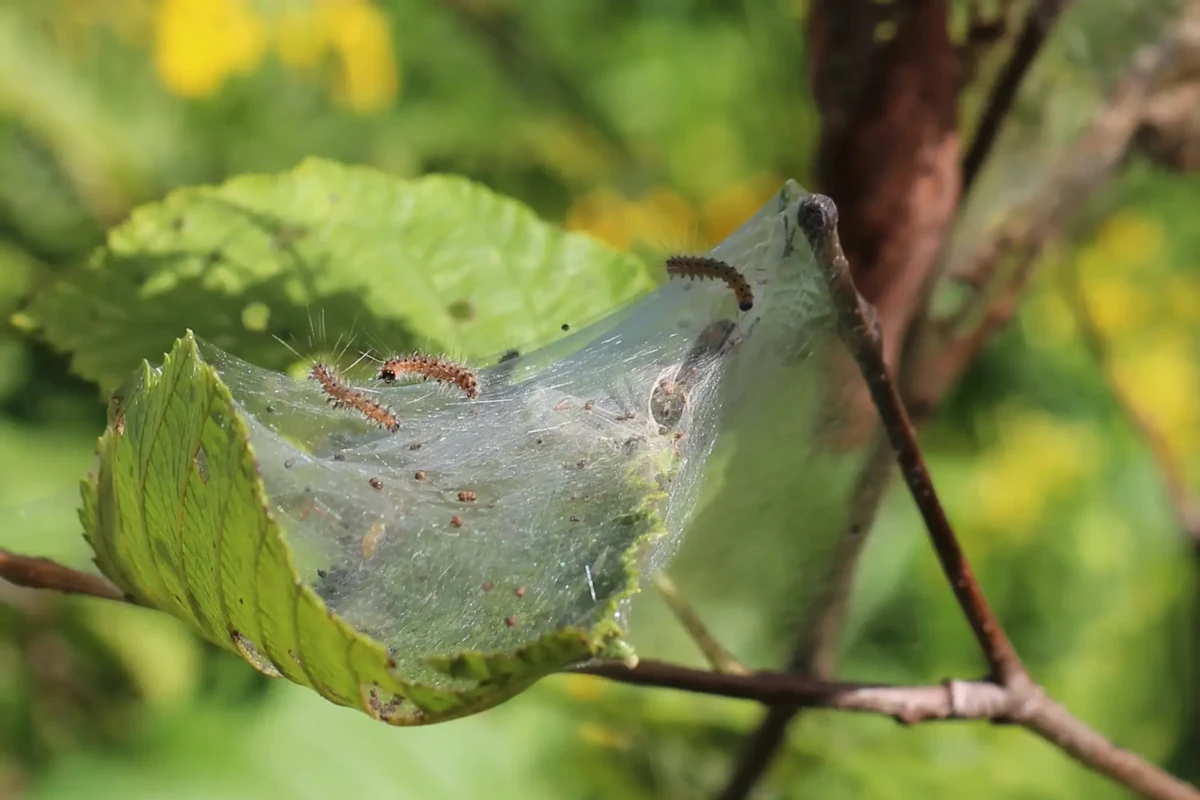
Browse article topics At a glance What Are Webworms and Why Are They Common in South Florida? Fall Webworms vs. Sod Webworms: Key Differences How
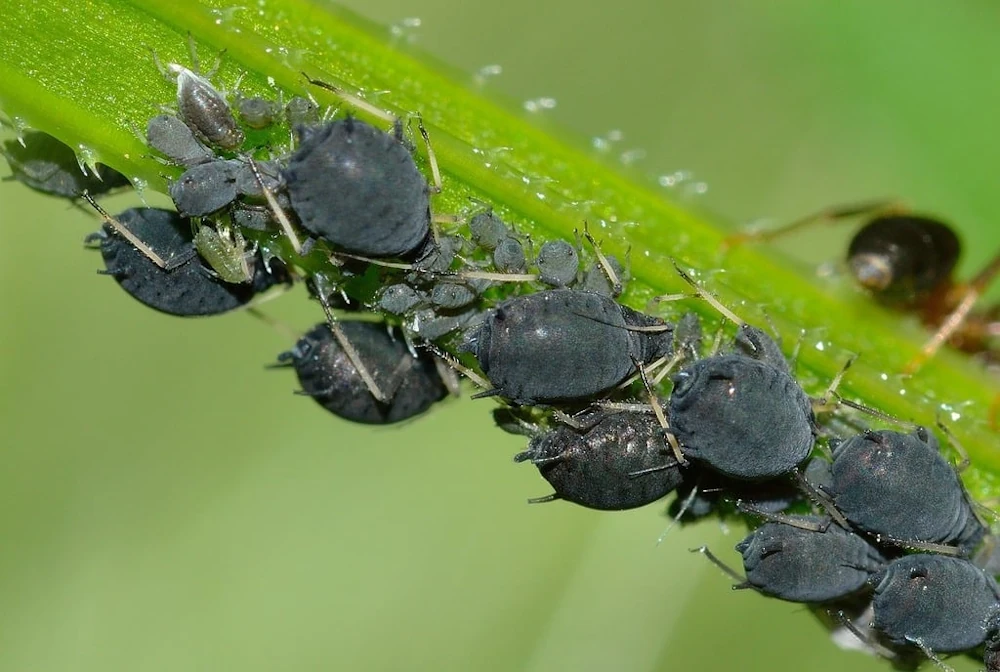
Browse article topics At a glance What Are Aphids and Why Are They So Destructive? Signs You Have an Aphid Infestation 1. Blast Aphids Off
At a glance Find food, water, shelter, and entry conditions that support household pests, then match prevention to the species rather than relying on housekeeping

At a glance Identify indoor lady beetles, understand Asian lady beetle aggregations, remove accessible insects carefully, and reduce entry without unsupported oil or dust remedies.
At a glance Identify biting midges, improve fine-mesh exclusion, and choose species-appropriate exposure protection. Key Takeaways What Are No-See-Ums and Why Do They Bite? No-See-Ums
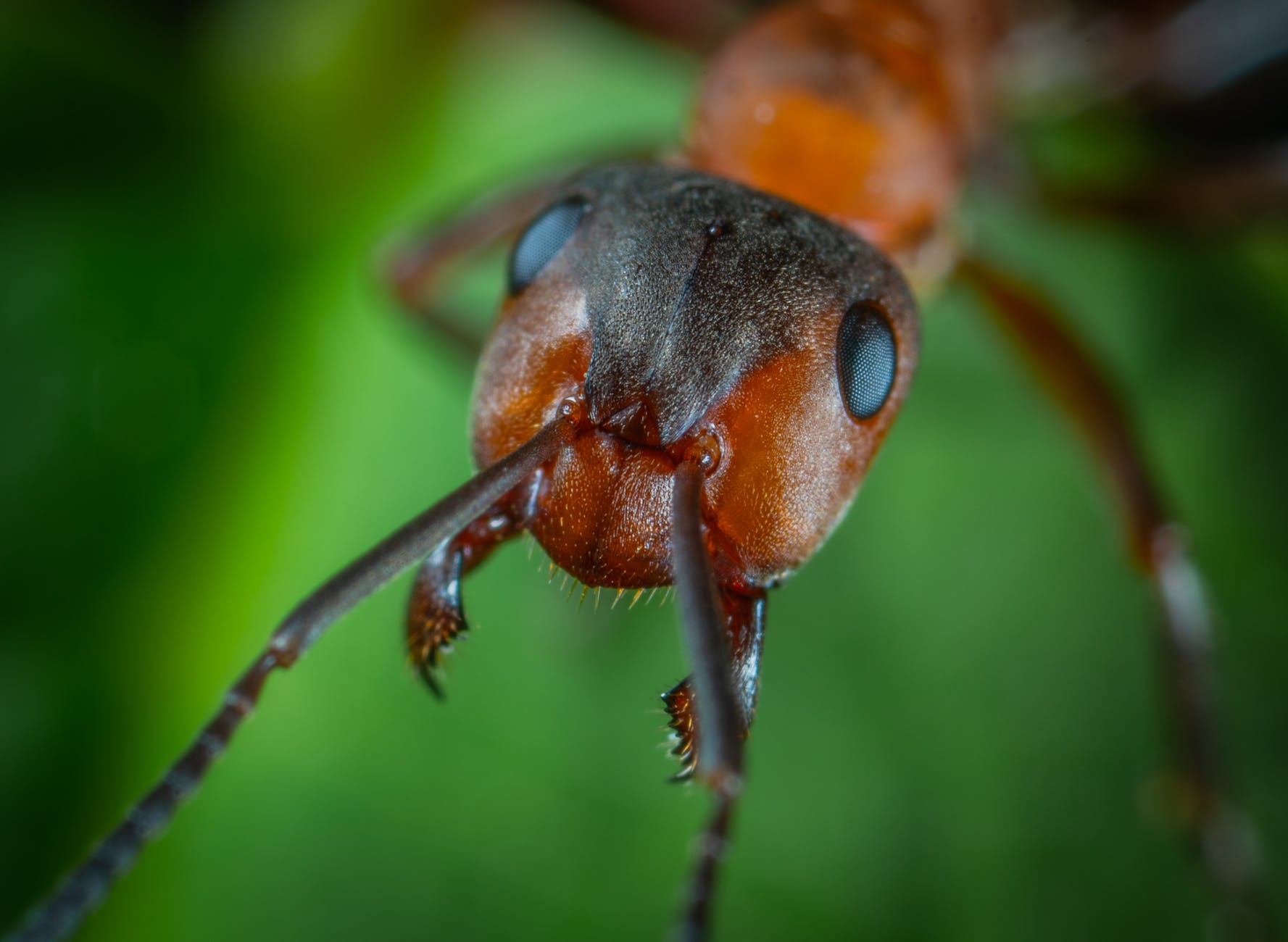
Key Takeaways Broward County’s warm, humid climate supports year-round ant activity from species like ghost ants, fire ants, and carpenter ants. Professional exterminators use targeted
Choose insect control by identification, labeled site, exposure precautions and monitoring rather than assuming natural means safe.
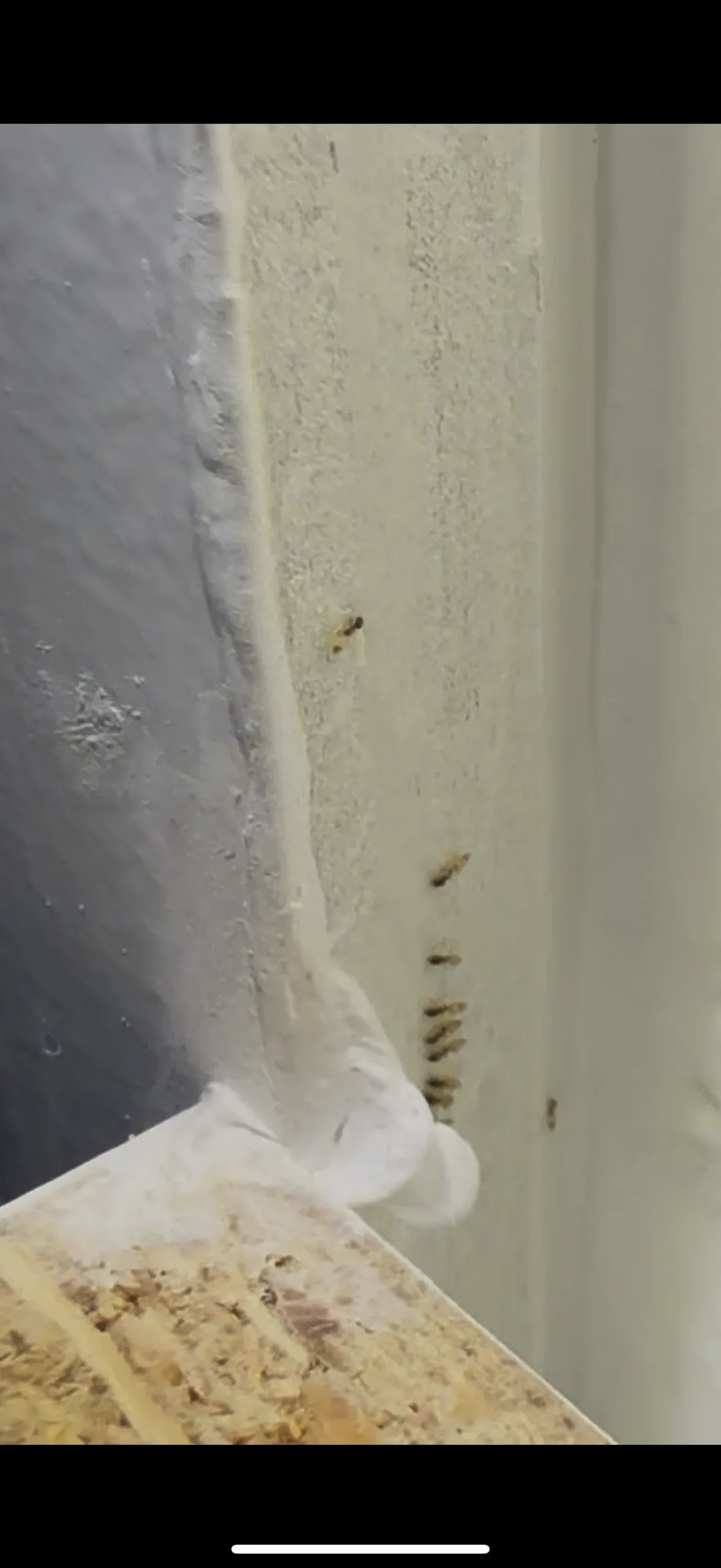
Identify the ant, preserve bait effectiveness, manage moisture and coordinate repairs instead of treating every trail the same way.
Manage water and vegetation, support beneficial insects, and avoid relying on fragrant plants as a mosquito or ant barrier.
Use rain and moisture changes to guide inspections while distinguishing mosquitoes, termites, cockroaches, ants and other pests.
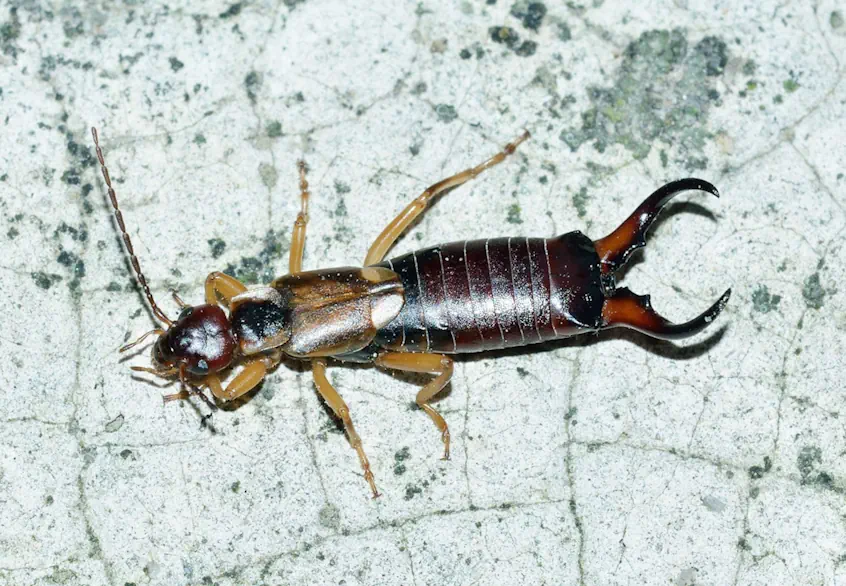
Earwigs indoors usually point to moisture, shelter, or an entry route rather than a hidden household colony. Identify the insect by its rear pincers, inspect the damp places around the building, and correct those conditions before considering pesticide treatment.
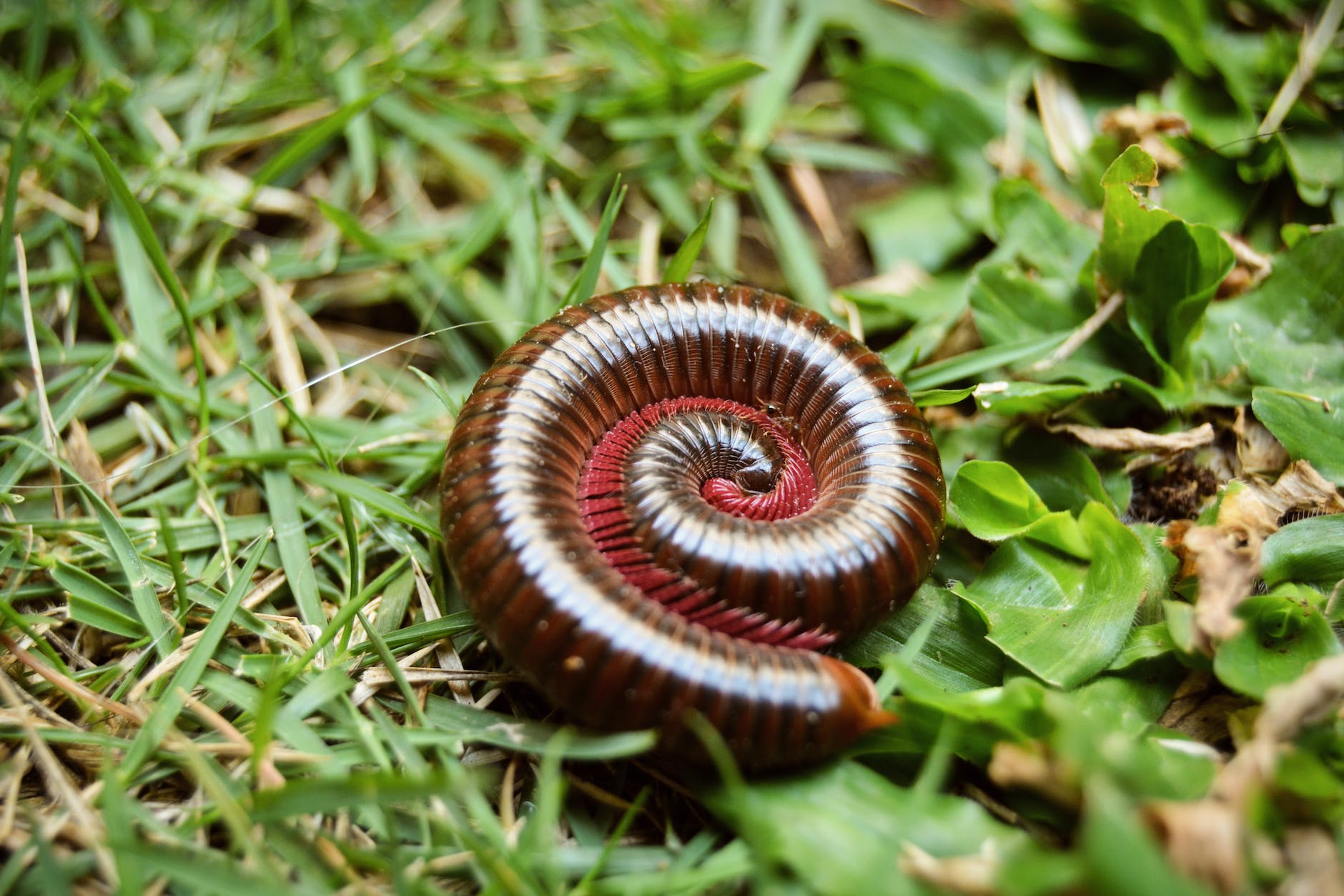
South Florida millipedes are slow-moving decomposers, but their defensive secretions can irritate skin or injure eyes. They are different from venom-biting centipedes. Keep people and pets from handling or eating them, inspect moisture and entry points, and use the exposure guidance below if contact occurs.
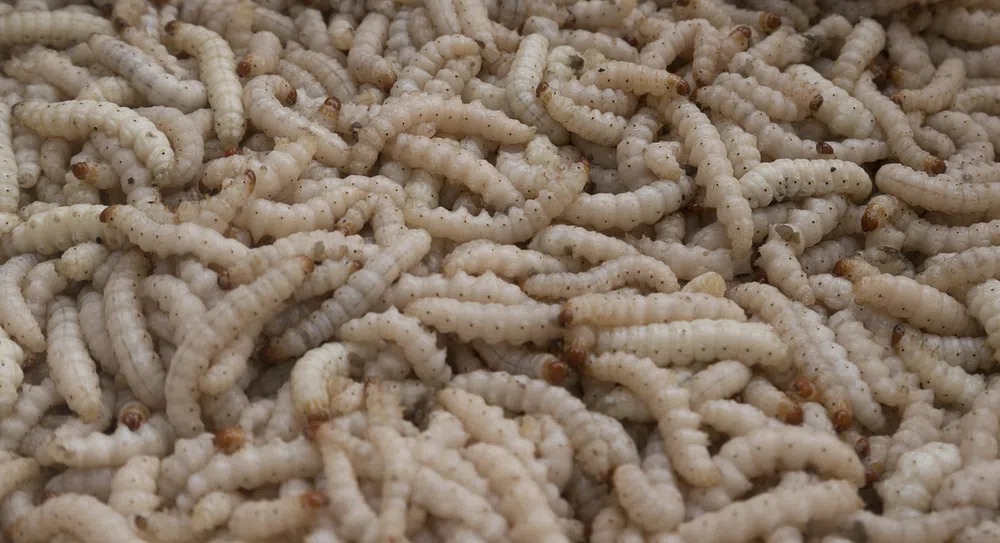
Maggots are fly larvae, not insects that appear spontaneously from dirt. A sudden cluster usually calls for a search for moist organic material and the route adult flies used. Remove the breeding source, clean the affected area, and watch for larvae or adults that emerge from remaining stages.
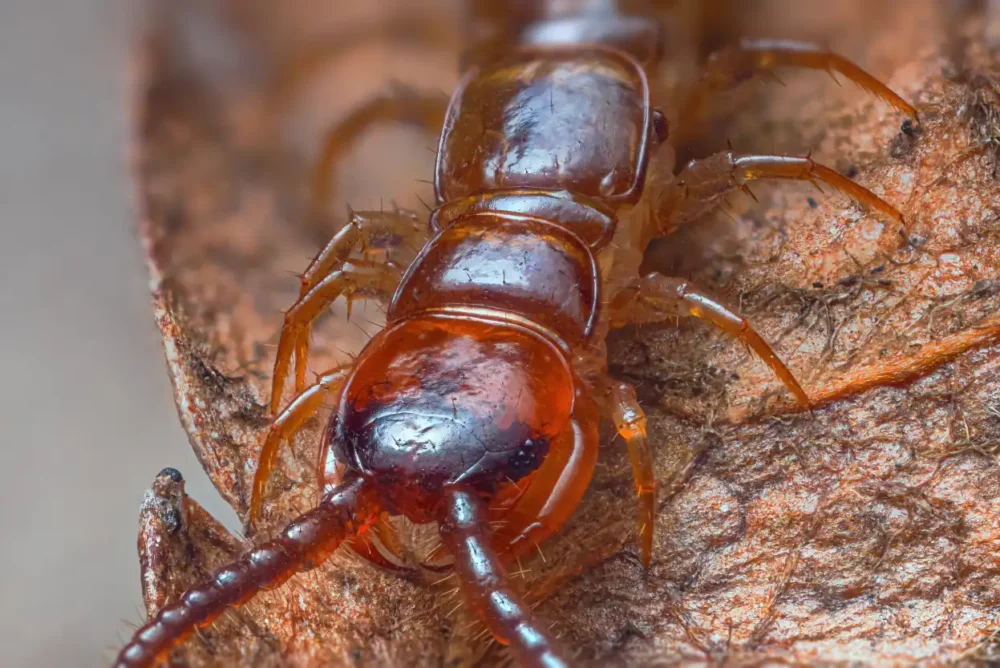
An intact adult house centipede has 30 walking legs. Age, species and injury matter; repeated indoor sightings call for a moisture and prey inspection.
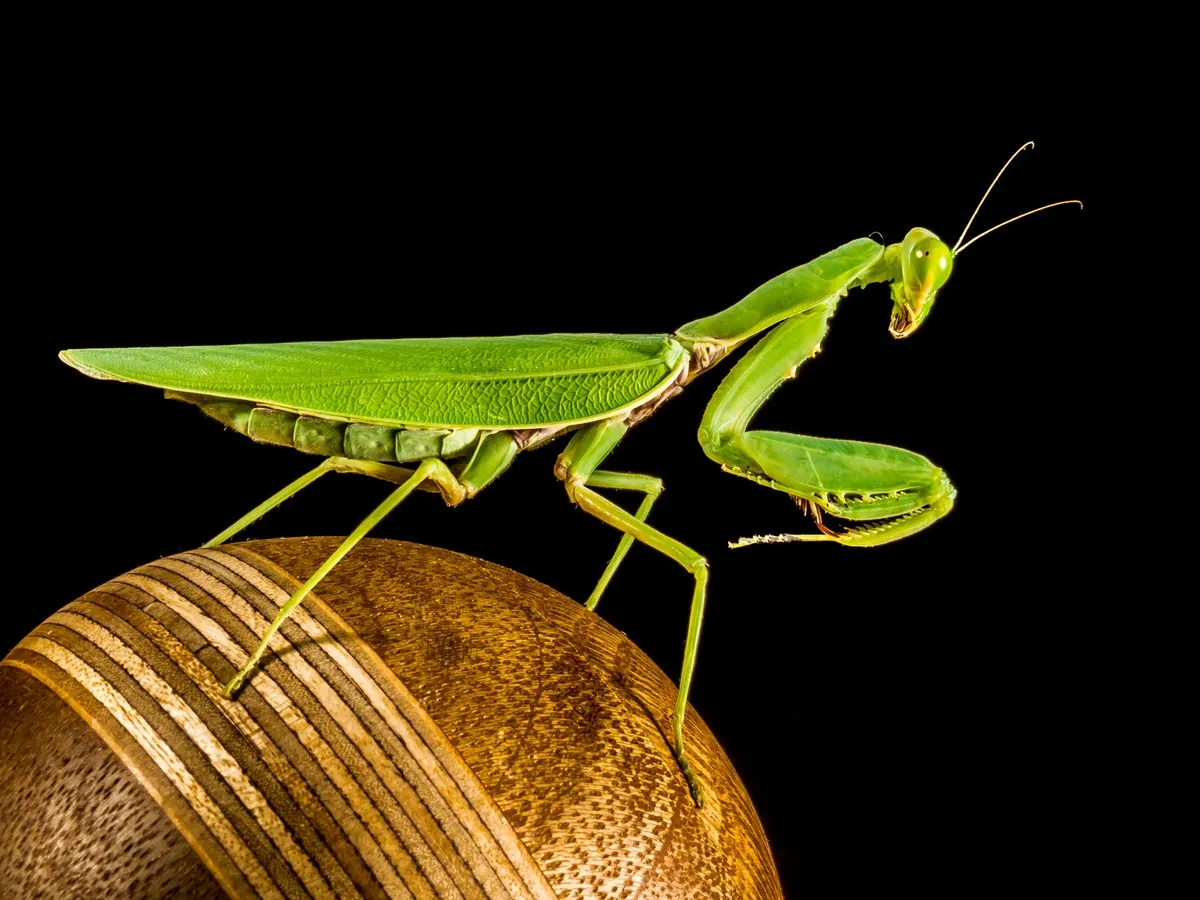
Learn how mantis diets change with size, why they eat beneficial insects too, and what their presence can and cannot do for garden pests.
Springtails do not bite people or pets. Compare them with fleas and mites, inspect damp areas, and address the moisture that supports indoor springtail activity.
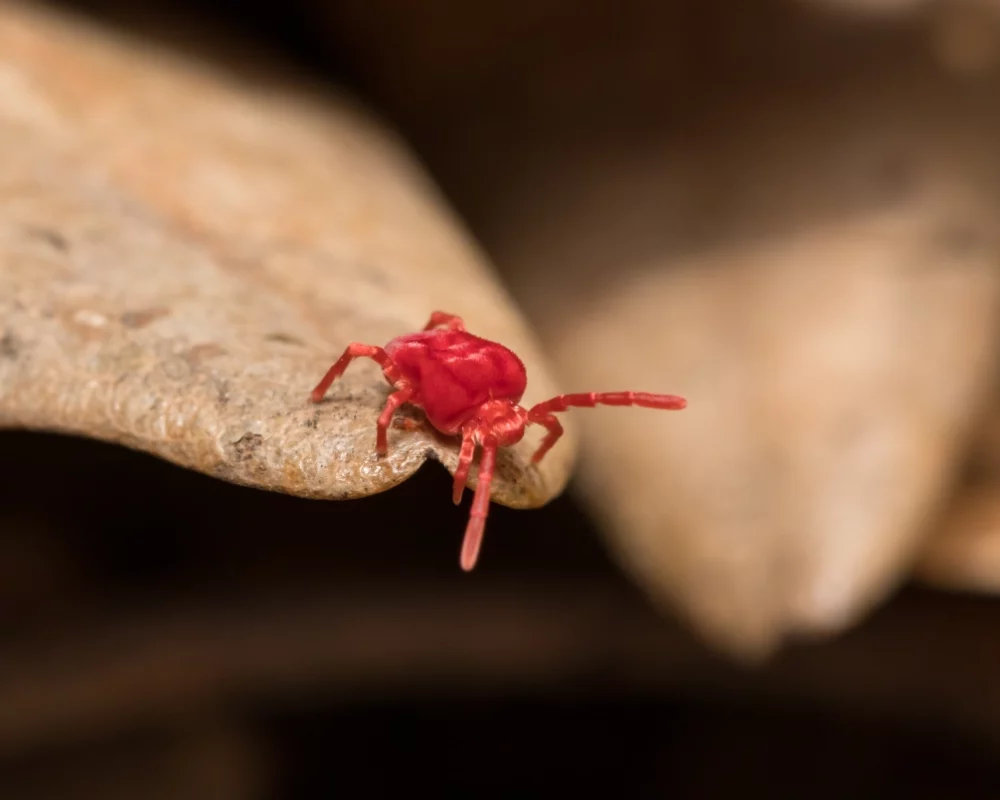
Identify non-biting clover mites, remove them without stains, and reduce entry from nearby vegetation. Learn how mites differ from biting pests and turf damage.
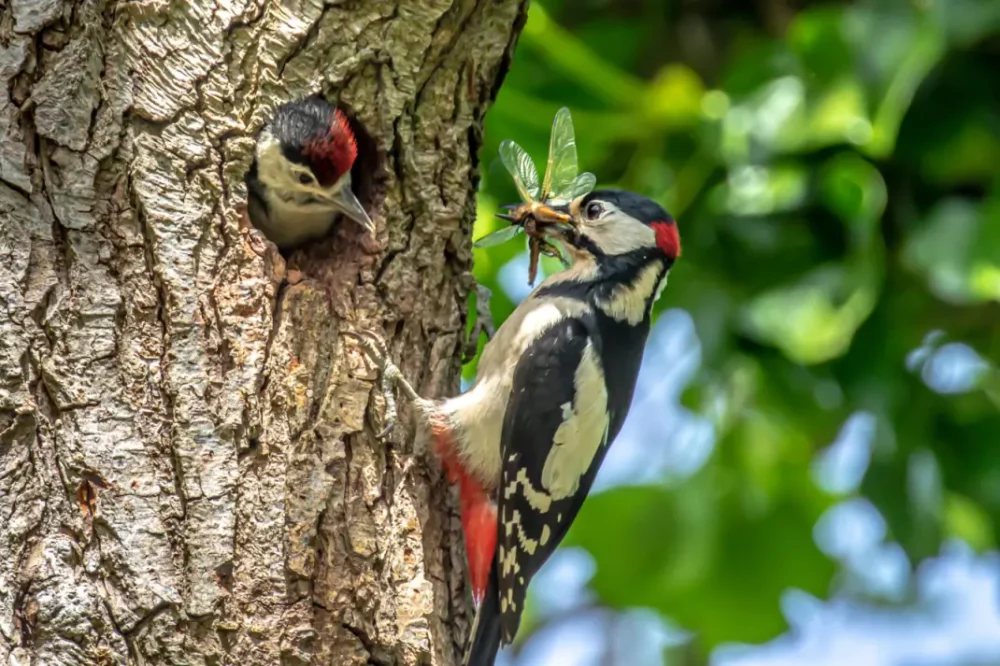
Woodpeckers peck to communicate, find food, or create cavities. Learn how to assess building damage and plan lawful prevention while protecting active nests.
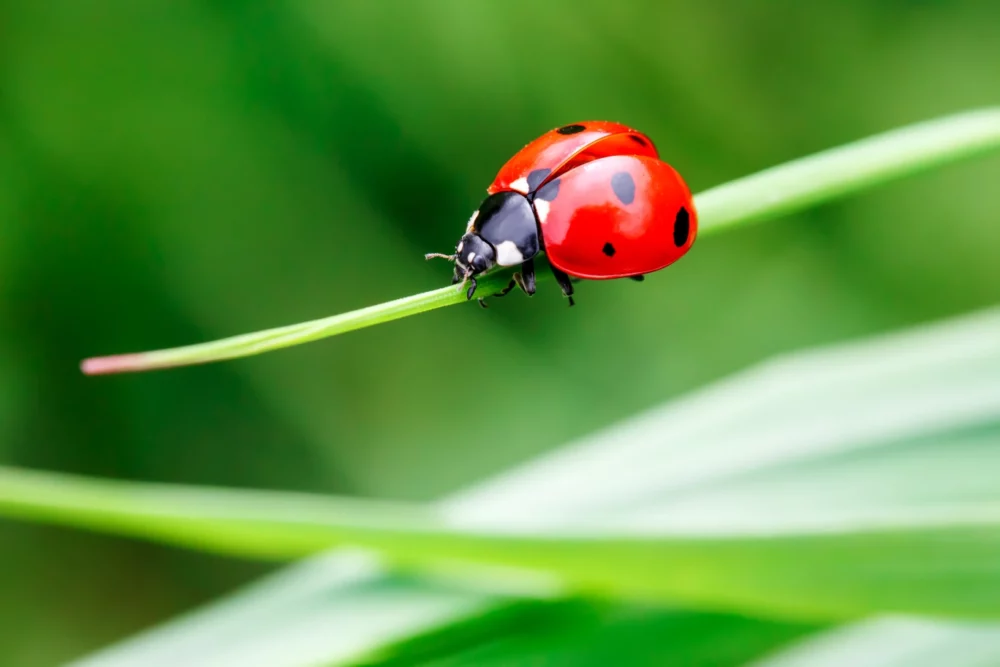
Ladybugs include males and females. Learn why spots do not determine sex, how to recognize beneficial larvae, and how Asian lady beetles differ from other species.
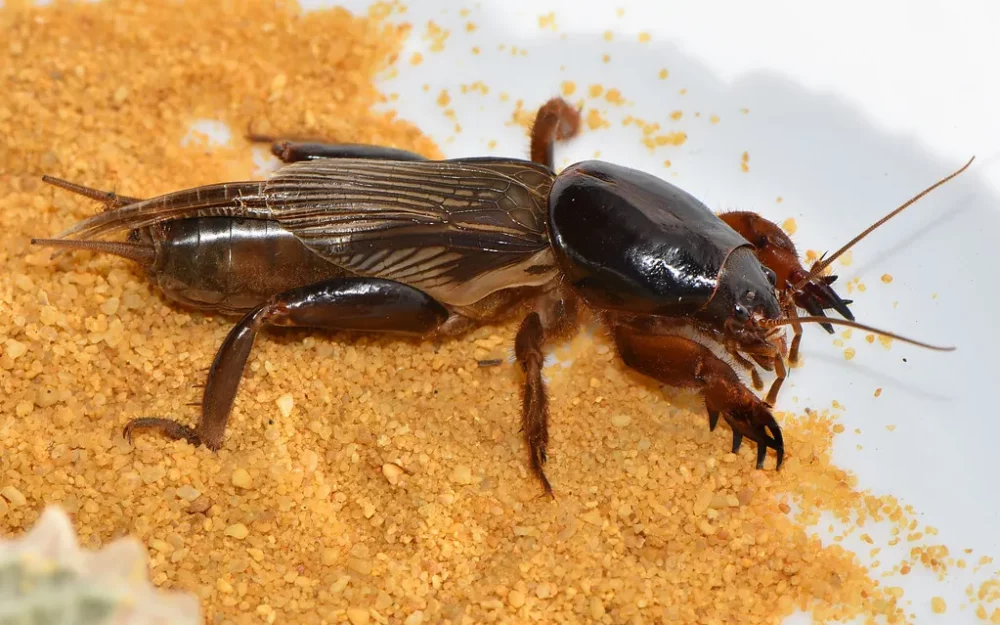
Distinguish pest mole crickets from native species, inspect turf damage, sample activity, and choose management based on species, life stage, and label conditions.
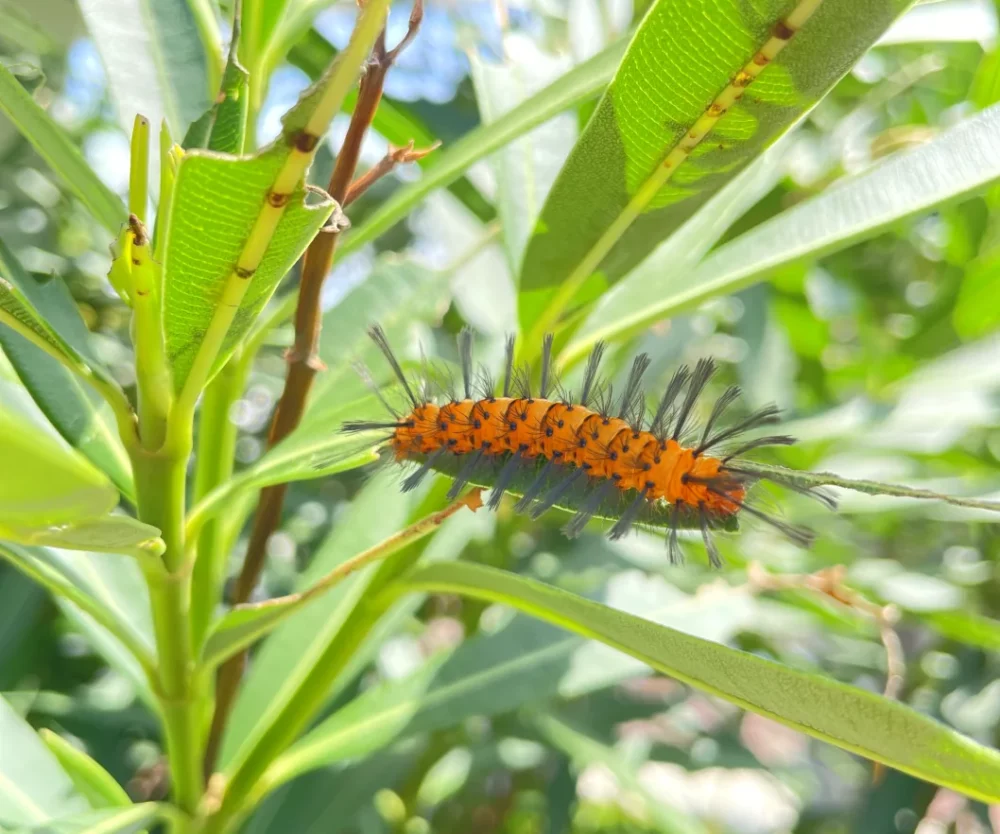
At a glance Identify orange-and-black oleander caterpillars, inspect early feeding, and compare plant-specific management while accounting for oleander toxicity. Key Takeaways Orange larvae with black
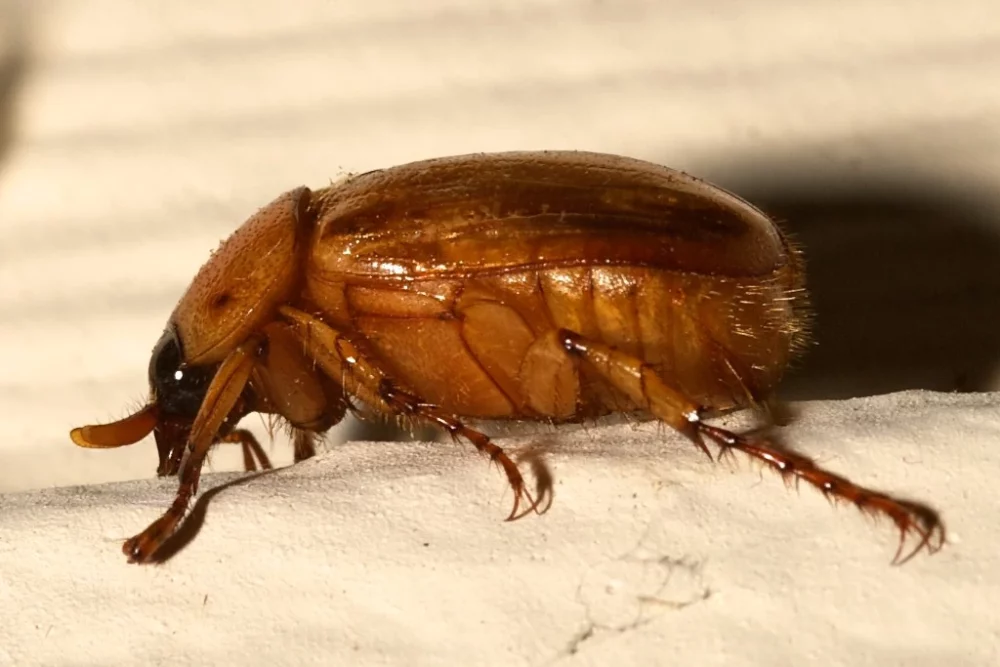
At a glance Understand Florida June-beetle activity, distinguish adults from damaging grubs, and inspect turf before selecting species-specific management. Key Takeaways June bug is a
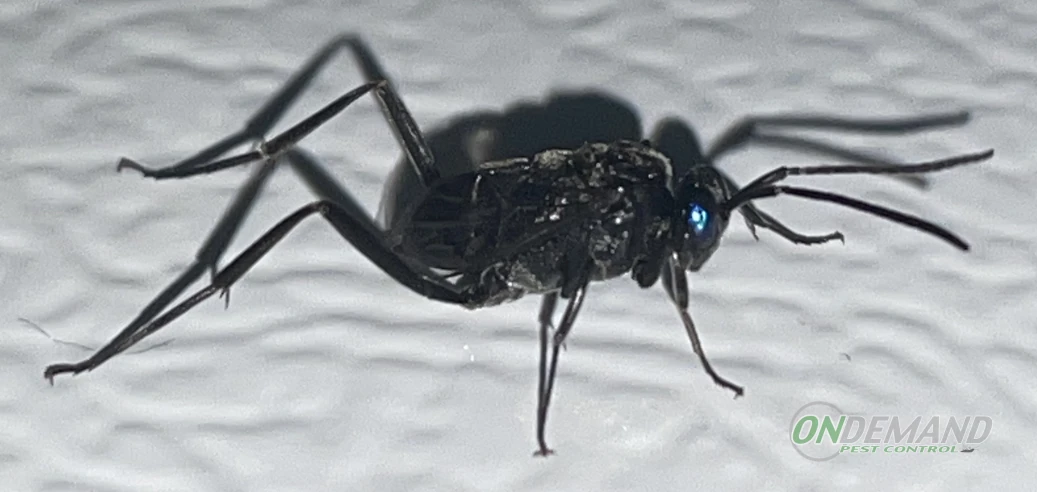
At a glance Compare crane flies, fungus gnats, ensign wasps and other dark insects, then inspect the correct source before choosing control. Key Takeaways A

At a glance Reduce pest entry and resources with practical building, pantry, moisture and yard checks, then use identification to decide when further help is
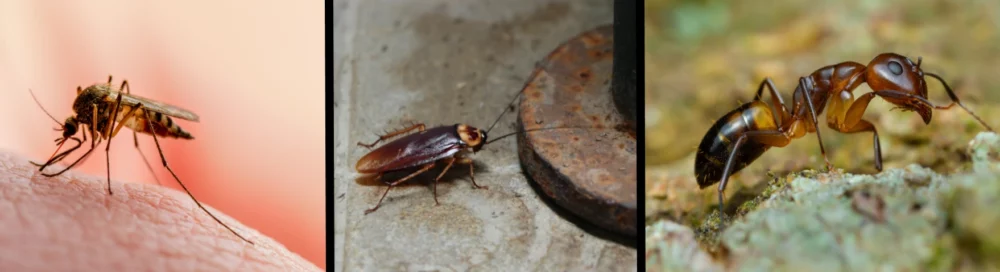
At a glance Identify Florida household pests by their evidence and habits, then match prevention and inspection to the pest. Florida pest pressure: what the
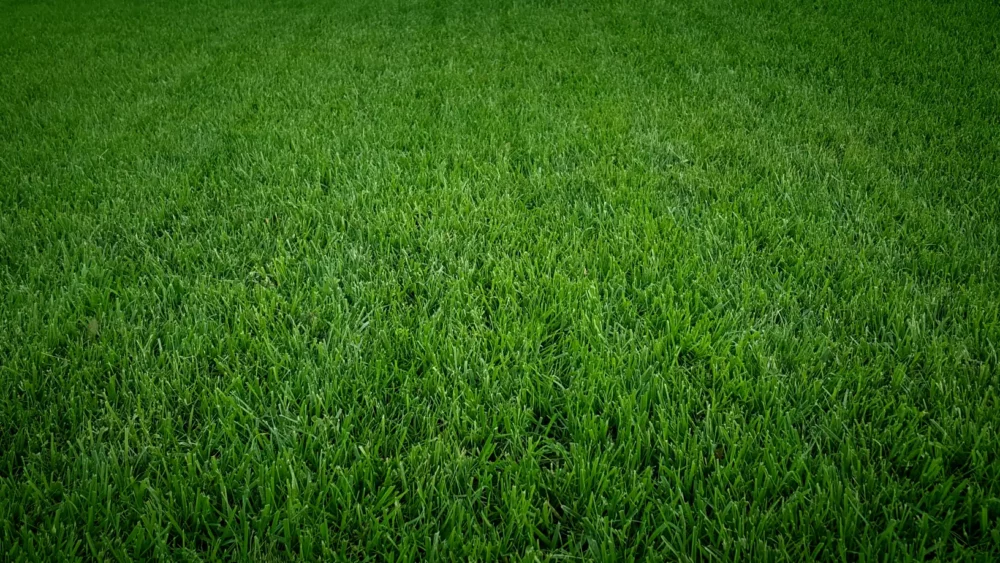
At a glance Greener Florida grass starts with identifying the turf and the cause of stress, then matching irrigation, mowing, nutrients and repairs to that
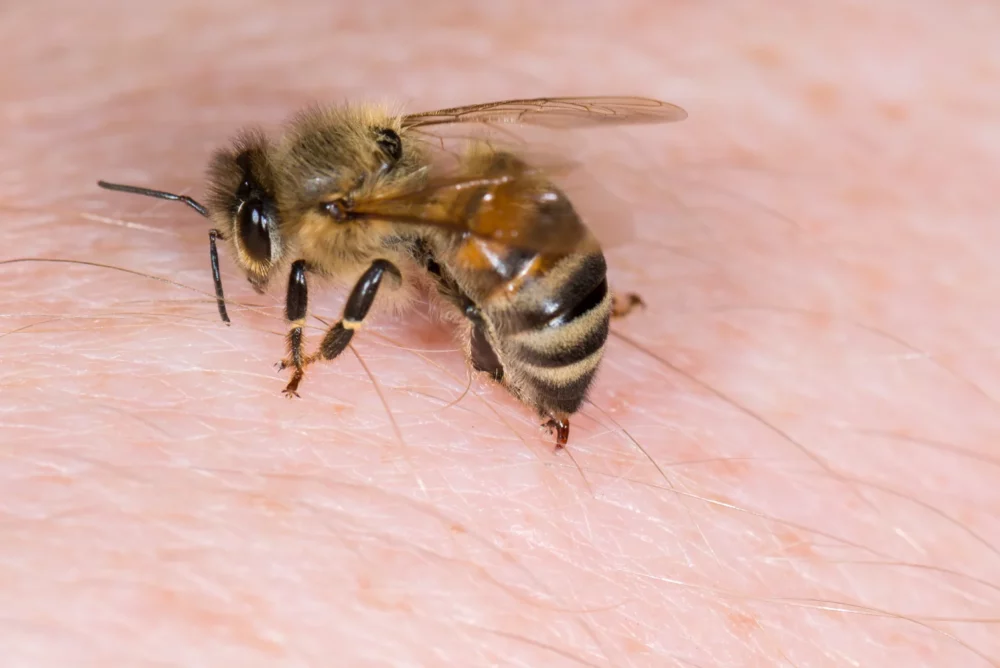
At a glance Bee sting first aid starts with checking for an emergency, then prompt stinger removal, washing and cold for a localized reaction. Check
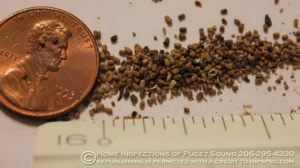
At a glance Drywood pellets have a six-sided cross section, but a pile cannot alone prove current activity. Compare debris and nearby evidence, document the
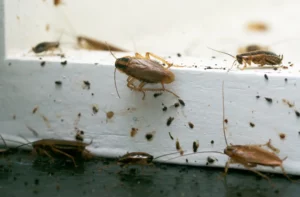
At a glance Cockroach nymphs resemble smaller wingless adults. Identification, location and repeated captures are more informative than assuming one small insect proves a large
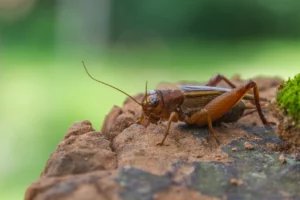
At a glance Crickets are not blood-feeding pests and are not a typical explanation for recurring skin lesions. Identify the insect and address moisture, hiding
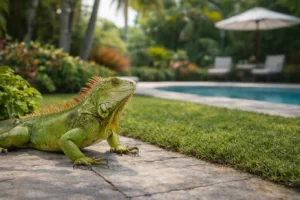
At a glance An iguana in a toilet calls for distance, qualified wildlife help and a separate plumbing assessment—not flushing or grabbing. Key Takeaways Keep
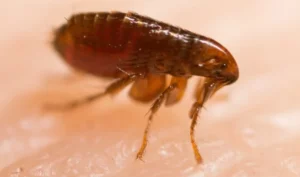
Flea dirt is flea feces containing processed blood from the host animal. It often appears as dark specks in a pet’s coat or where the animal rests. It is evidence worth investigating; it is not flea eggs, and cleaning the specks away does not by itself control the fleas producing them.