
Table of Contents
ToggleKey Takeaways
- A failed termite inspection means evidence of active termites or termite damage was found, but it doesn’t mean the deal is dead.
- Buyers and sellers can negotiate who pays for termite treatment and structural repairs before closing.
- The type of termite — subterranean, drywood, or Formosan — determines which treatment method is needed.
- Acting quickly after a failed inspection prevents further structural damage and keeps repair costs manageable.
- Getting a termite bond after treatment provides ongoing protection and can make your property more attractive to future buyers.
- A failed inspection during a home sale doesn’t have to be a dealbreaker if both parties work with a qualified pest control company.
A failed termite inspection can feel like a gut punch — whether you’re buying, selling, or simply maintaining your home. Finding out that termites have been silently chewing through your property is stressful, but it’s far more common than most Florida homeowners realize. The good news? A failed inspection doesn’t mean your home is condemned or your real estate deal is over. It means you now have critical information you can act on. In this guide, you’ll learn exactly what a failed termite inspection means, what steps to take immediately, how to handle the situation during a home sale, and how to choose the right treatment to protect your biggest investment. Knowledge is power — and the sooner you act, the better the outcome.
What Does a Failed Termite Inspection Actually Mean?
A failed termite inspection — also called a Wood Destroying Organism (WDO) report — means the inspector found evidence of active termites, termite damage, or both. The report doesn’t just say “pass” or “fail.” It details what was found, where it was found, and what type of organism caused the damage.
Common findings on a failed inspection include:
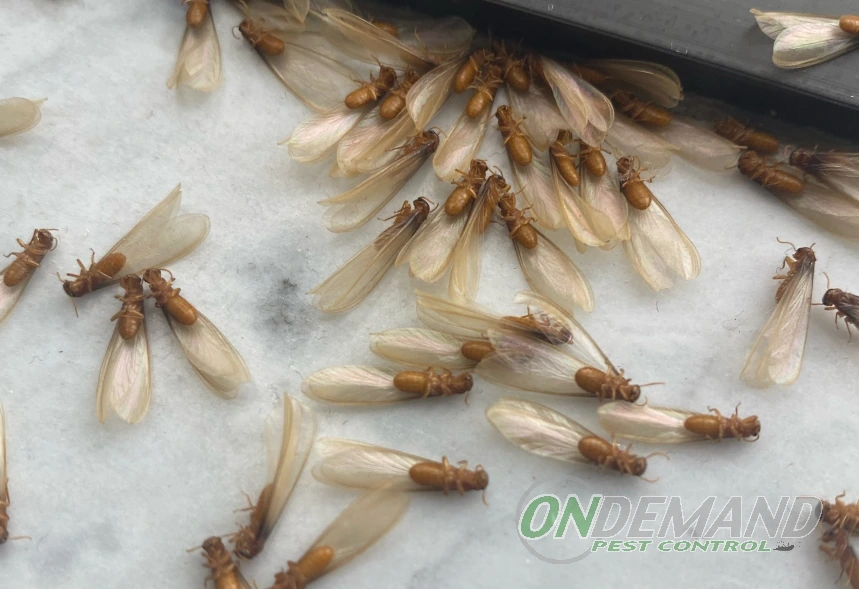
- Live termites or termite swarmers inside the structure
- Termite droppings (frass) near baseboards, windowsills, or attic areas
- Mud tubes running along foundation walls or piers
- Visible wood damage such as hollowed-out beams or buckling floors
- Previous termite damage that was never properly repaired
It’s important to understand that the inspector is documenting what exists — not prescribing treatment. You’ll need a licensed pest control professional to assess the severity and recommend a treatment plan. If you’re unsure what warning signs look like, reviewing the early signs of termites in Florida homes can help you understand your report.
Active Infestation vs. Old Damage
One key distinction on your WDO report is whether the termites are currently active or whether the damage is old. Old damage without live termites may mean a previous infestation was treated but repairs were never completed. Active infestation, on the other hand, requires immediate treatment.
Both scenarios affect your property’s value and safety. However, old damage alone may only require structural repairs, while active termites demand both treatment and repairs. Your pest control company can clarify which situation you’re dealing with.
Immediate Steps After Failing a Termite Inspection
Don’t panic. A failed inspection gives you a roadmap — not a death sentence. Here’s what to do right away.
Step 1: Review the WDO Report Carefully
Read every section of the report. Pay attention to which areas of the home are affected, what species was identified, and whether the inspector noted active or inactive damage. If anything is unclear, call the inspector and ask for clarification.
Step 2: Get a Professional Pest Assessment
The WDO inspection identifies the problem. A licensed pest control company determines the solution. Schedule a thorough assessment to confirm the species, measure the extent of the infestation, and receive a treatment quote. Understanding termites in Florida and their behavior patterns can help you ask the right questions during this assessment.
Step 3: Get Multiple Treatment Estimates
Don’t settle for the first quote. Get two to three estimates from reputable pest control companies. Compare the treatment methods proposed, warranties included, and total costs. This gives you leverage during negotiations — especially in a real estate transaction.
Step 4: Address Structural Damage
Once the termites are treated, you’ll likely need a contractor to repair any structural damage. This might include replacing damaged wood, reinforcing beams, or repairing drywall. A structural engineer may be needed for severe cases.
Who Pays for Termite Treatment in a Home Sale?
This is one of the most common questions after a failed termite inspection during a real estate transaction. The answer depends on your location, loan type, and the terms of the purchase contract.
In Florida, there is no state law requiring the seller to pay for termite treatment. However, custom and contract language often dictate the outcome. Here’s a general breakdown:
| Scenario | Who Typically Pays |
|---|---|
| Conventional loan | Negotiable — often the seller |
| FHA loan | Seller or negotiated split |
| VA loan | Seller is usually required to pay |
| Cash purchase | Entirely negotiable |
| As-is contract | Buyer assumes responsibility |
If you’re purchasing with a VA loan, the requirements are even more specific. Learn more about VA loan termite inspection requirements to understand your obligations.
Negotiation Tips for Buyers
As a buyer, you can request the seller treat the infestation and complete repairs before closing. Alternatively, you can ask for a credit at closing to handle treatment yourself. Having multiple treatment estimates strengthens your negotiating position. If the seller refuses to budge, you may be able to walk away using your inspection contingency.
Negotiation Tips for Sellers
If you’re the seller, proactively treating termites before listing can prevent failed inspections entirely. If the issue surfaces during the buyer’s inspection, offering to pay for treatment shows good faith and keeps the deal alive. Remember — disclosure is legally required in Florida. Concealing known termite damage can lead to lawsuits after closing. If you’re navigating a sale with existing damage, understanding how to sell your home with termite damage can protect you legally and financially.
Which Termite Treatment Do You Need After a Failed Inspection?
The right treatment depends on the termite species found during the inspection. Florida is home to three primary species, and each requires a different approach.
Subterranean Termites
Subterranean termites live underground and enter your home through termite mud tubes along foundations. Treatment typically involves liquid termiticide barriers applied around the perimeter of the home or baiting systems installed in the soil. These are the most destructive termite species in the United States and require aggressive treatment.
Drywood Termites
Drywood termites live entirely inside the wood they consume. They don’t need soil contact, which makes them harder to detect. Treatment options range from localized spot treatments for small colonies to full-structure fumigation (tenting) for widespread infestations. For a detailed look at elimination methods, explore how to get rid of drywood termites.
Formosan Termites
Formosan termites are a particularly aggressive subterranean species that can form massive colonies of millions. They can cause severe structural damage in a matter of months. Treatment is similar to standard subterranean methods but often requires more extensive application due to colony size.
How Much Does It Cost to Fix a Failed Termite Inspection?
Cost is often the first concern after a failed termite inspection. The total expense includes two components: treatment and repairs.
| Service | Typical Cost Range |
|---|---|
| Spot treatment (localized) | $200 – $900 |
| Liquid barrier treatment (full perimeter) | $500 – $2,500 |
| Tent fumigation (whole structure) | $1,200 – $5,000+ |
| Structural wood repairs | $500 – $10,000+ |
| Annual termite bond (ongoing protection) | $250 – $500/year |
Costs vary based on home size, infestation severity, and treatment method. For a more detailed breakdown, check out how much a termite treatment costs. Getting estimates quickly allows you to make informed decisions — especially when negotiating during a home sale.
Can You Still Buy a Home After a Failed Termite Inspection?
Absolutely. A failed termite inspection does not mean you should walk away from a property. Termite infestations are treatable, and structural damage is repairable in most cases. Here’s when you should and shouldn’t proceed.
When It Makes Sense to Move Forward
If the infestation is minor, the seller agrees to treat and repair, or you’re getting a price reduction that covers the cost, the deal can still be a good one. Many homes in Florida have had termite issues at some point. A treated home with a termite bond may actually be better protected than one that has never been inspected.
When You Should Walk Away
Consider walking away if the damage is extensive and structural integrity is compromised, if the seller refuses to address the issue, or if the cost of treatment and repairs significantly exceeds the property’s value advantage. A structural engineer’s report can help you make this call with confidence.
How to Prevent Future Failed Termite Inspections
Whether you’re a current homeowner or about to close on a new property, prevention is the most cost-effective strategy. Taking proactive steps reduces the chance of a future infestation — and a future failed inspection.
- Eliminate wood-to-soil contact: Keep mulch, firewood, and wooden structures at least 6 inches away from your home’s foundation.
- Fix moisture issues: Repair leaky pipes, improve drainage, and ensure proper ventilation in crawl spaces and attics. Termites thrive in moisture.
- Schedule annual inspections: Professional inspections catch infestations early, before they cause serious damage. Learn how to prepare for a termite inspection so you get the most thorough results.
- Get a termite bond: A termite bond provides annual inspections and treatment coverage, giving you peace of mind and protecting your investment year after year.
- Address swarmers immediately: If you see winged termites inside your home, don’t ignore them. Swarmers are a clear sign of a mature colony nearby.
Florida’s warm, humid climate makes termite prevention a year-round responsibility. The small cost of annual protection pales in comparison to the thousands you could spend on damage repair.
Why Choosing the Right Pest Control Company Matters
After a failed termite inspection, the pest control company you choose determines everything — from treatment effectiveness to warranty coverage to your peace of mind. Not all companies offer the same level of service, and cutting corners on termite treatment can lead to recurring infestations and escalating costs.
Look for a company that:
- Is licensed and insured in the state of Florida
- Has experience with the specific termite species found in your inspection
- Offers comprehensive treatment options — not just one-size-fits-all solutions
- Provides a written warranty or termite bond with annual renewal
- Can coordinate with your real estate agent or lender if you’re in a transaction
If you’re dealing with a failed termite inspection in South Florida, On Demand Pest Control provides free inspections, customized treatment plans, and termite bonds that protect your home long after the initial treatment. Our team works directly with buyers, sellers, and agents to resolve inspection issues quickly and keep your transaction on track.
Frequently Asked Questions
-
Is it normal for homes in Florida to fail a termite inspection?
Yes. Florida's warm, humid climate creates ideal conditions for termites. Many homes — especially older ones — have some history of termite activity. A failed inspection is common and does not mean the property is unsalvageable.
-
Can I negotiate the price of a home after a failed termite inspection?
Absolutely. Buyers frequently negotiate a lower purchase price, request seller-paid treatment, or ask for a closing credit to cover treatment and repair costs. Having multiple treatment estimates strengthens your position.
-
How long does termite treatment take after a failed inspection?
Spot treatments can be completed in a few hours. Liquid barrier treatments typically take one day. Full-structure tent fumigation requires 2–3 days. Your pest control company will provide a specific timeline based on the treatment method and infestation size.
-
Will a failed termite inspection affect my mortgage approval?
It can, especially with VA and FHA loans that require a clear WDO report before closing. The infestation must be treated and the lender's requirements met before the loan can proceed. Conventional loans are more flexible but may still require resolution.
-
Should I get a second opinion after failing a termite inspection?
Getting a second professional assessment is always a good idea, especially if the initial report seems unclear. A reputable pest control company can confirm the findings, identify the exact species, and provide an accurate treatment plan.
-
What happens if termites come back after treatment?
If you have a termite bond or treatment warranty, the pest control company will re-treat at no additional cost. Without a warranty, you'll need to pay for a new treatment. This is why investing in ongoing protection through a termite bond is highly recommended.